
Have you ever thought that your puppy’s dinner could feel as cozy as a meal made at home? It might seem surprising, but there are vet-approved recipes crafted just for pups that bring both joy and nourishment. These recipes are full of natural, wholesome ingredients that help build strong muscles and foster healthy bones. Whether your little buddy is small or large, experts have put together each meal to offer balanced, tasty nutrition. So, why stick with plain kibble when you can treat your furry friend to meals made with genuine love and care?
Vet Approved Homemade Puppy Food Recipes Overview
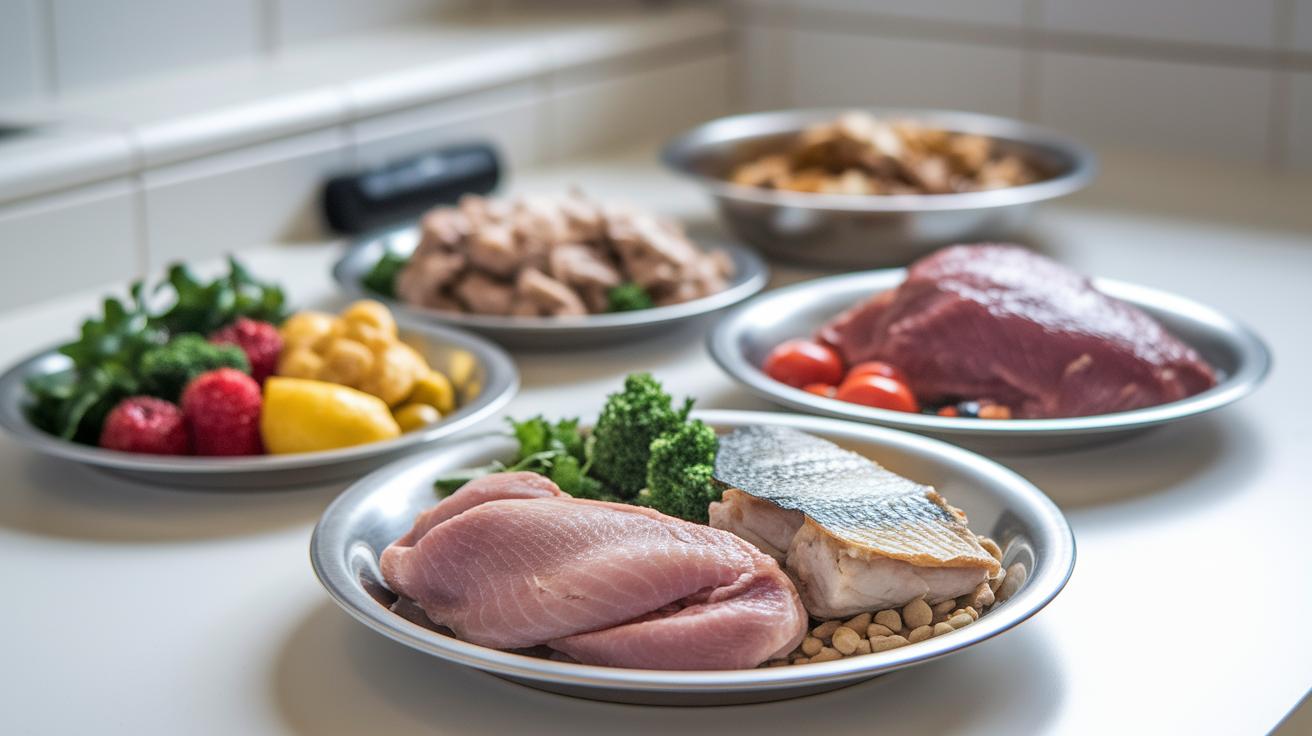
Veterinarians wholeheartedly recommend these homemade puppy meals. They’re packed with whole, natural ingredients that give your growing puppy a balanced, wholesome diet. Each recipe is carefully designed to be complete, loaded with protein, vitamins, and key minerals like calcium and zinc that your pup needs.
Here are some options you might try:
- Small-Breed Chicken Puppy Recipe for a 6-month-old, 8-lb pup
- Large-Breed Pork & Bean Puppy Meal for a 6-month-old, 50-lb pup
- Novel Protein Tilapia Puppy Food for a 6-month-old, 30-lb pup
You can even adjust the ingredient prep to match your puppy’s taste. Whether you prefer to serve the meals gently cooked or in finely chopped raw form, the recipes are flexible enough to work for your furry friend.
Each meal has clear serving guidelines to help boost your puppy’s growth and energy. For instance, the small-breed chicken recipe offers about 6¾ ounces of cooked chicken breast per serving, giving a great dose of protein that supports muscle growth. The pork and bean meal uses 28 ounces of lean pork loin, cut into bite-sized pieces, along with fiber-packed beans to help digestion run smoothly. And the tilapia recipe features 23½ ounces of lightly roasted fish, mixed with healthy oils and sweet potato for added benefits.
Every recipe is backed by veterinarian reviews, so you can feel confident that you’re feeding your pup a diet that’s both safe and nutritious.
Nutritional Requirements for Homemade Puppy Diets

When you make homemade meals for your puppy, it's important that they get all the nutrients they need to grow strong and healthy. You want to offer enough protein (22–32%) to build muscle and enough fat (8–20%) to provide energy and help their brain work well. Minerals like calcium (1–1.3%) and phosphorus (0.8–1.2%) also play a big role in keeping their bones sturdy. Plus, you should aim for roughly 55 kcal per pound of body weight each day to match your pup's activity level. It’s a lot like following a trusted recipe for breakfast!
Keep in mind that each puppy is different. Depending on their breed, age, and how fast they’re growing, you might need to tweak these numbers a bit to avoid any nutrient gaps. Homemade recipes require extra care and regular check-ups with your vet to guarantee a complete meal plan. For example, using an online calorie calculator can help you figure out the best energy needs for your puppy.
Balancing protein, fats, and minerals is key if you want your little friend to be full of life and ready for adventures.
| Nutrient | Recommended Amount |
|---|---|
| Protein | 22–32% |
| Fat | 8–20% |
| Calcium | 1–1.3% |
| Phosphorus | 0.8–1.2% |
| Daily Calories | ~55 kcal/lb |
Essential Ingredients for Vet Approved Puppy Recipes
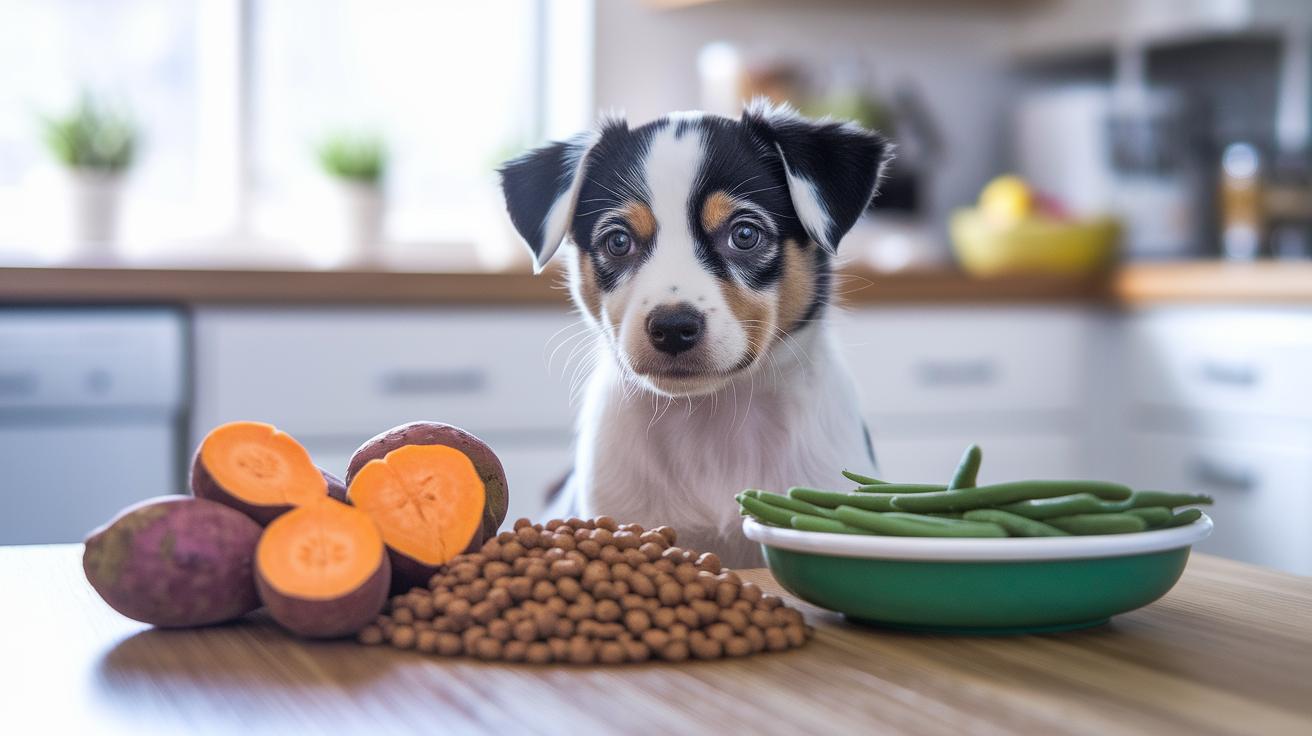
When it comes to feeding your puppy, lean protein is key. Foods like chicken breast, pork loin, and tilapia are the building blocks of a meal. They give your pup the amino acids needed for strong muscles while keeping those tail wags going strong. Imagine chicken breast as a light start, pork loin for a richer taste, and tilapia as a safe bet for pups with allergies.
Next, think about adding in complex carbs and veggies like sweet potatoes and green beans. Sweet potatoes bring a burst of energy, thanks to beta-carotene, while green beans add a lovely crunch and a mix of vitamins. These tasty ingredients help keep your puppy's energy steady and their tummy happy.
Finally, a little healthy fat goes a long way. Oils such as canola, omega-3, wheat germ, and even sunflower seeds not only make the food more appealing but also support brain growth and give that coat a shiny glow. For more ideas on choosing the best whole-food ingredients, you might want to check out some tips on holistic pet nutrition.
Small-Breed Chicken Puppy Food Recipe
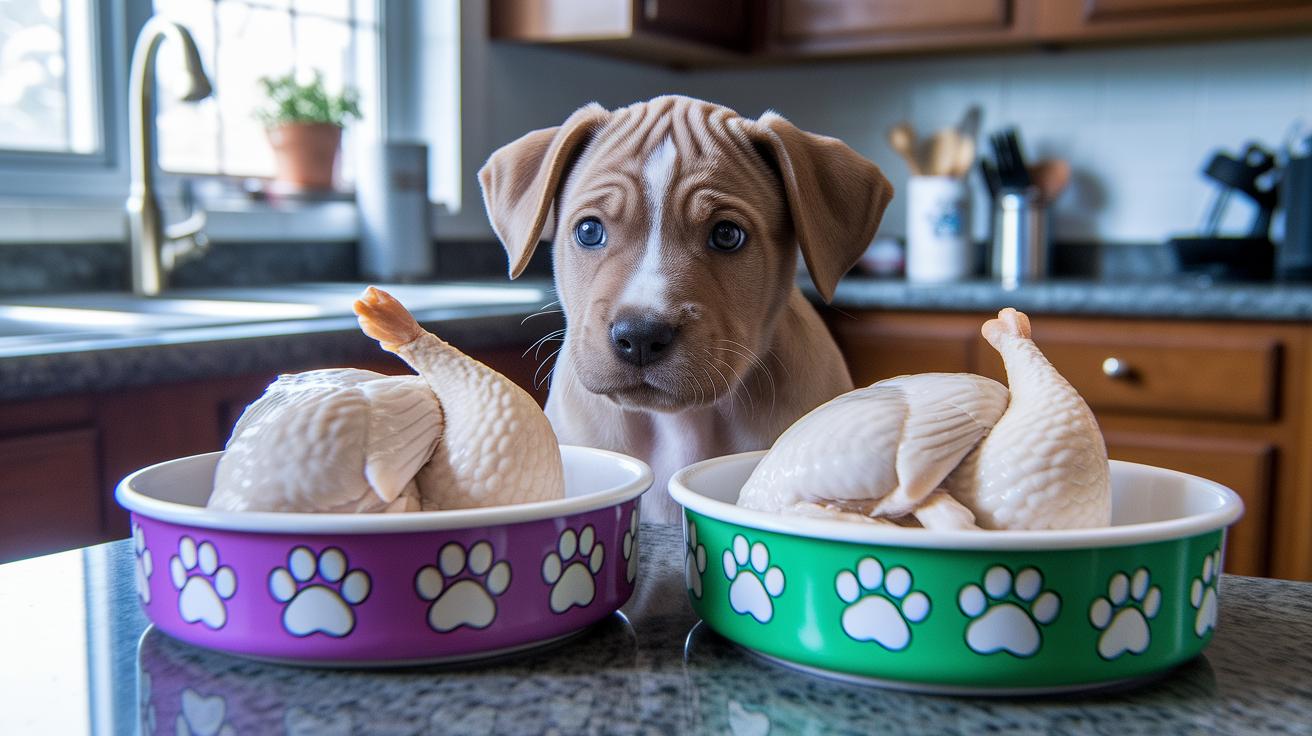
This recipe makes two daily servings for a 6-month-old, 8-lb puppy. Each serving includes about 6¾ oz of cooked chicken breast. The list is easy and balanced, perfect for pet parents wanting a homemade meal for their little pup. You can serve the chicken either cooked or finely chopped raw, depending on your puppy’s needs and what your vet suggests. Think of the chicken as the building block for strong muscles and lots of energy, just like making your favorite home-cooked meal.
Start by getting your chicken breast ready. If you choose to cook it, simmer or bake the chicken until its inside reaches 165°F. This makes sure it’s safe for your puppy. If you decide on a raw option, be sure to use chicken from a trusted source and chop it into small, bite-sized pieces right away. You might want to mix in a little oil or some supplements to give extra flavor and nutrition. This simple step-by-step process helps you create a delicious dish that also supports your pup’s health.
Next, split the chicken into two equal portions. It’s best to serve it at room temperature so your pup can enjoy all the nutrients and flavors. Avoid serving it too hot. Keep any leftovers in the fridge and use them within 3 days to keep everything fresh and safe. If you make more than you need, you can freeze extra portions for up to 2 weeks and warm them gently when it’s time to serve.
Large-Breed Pork & Bean Puppy Meal
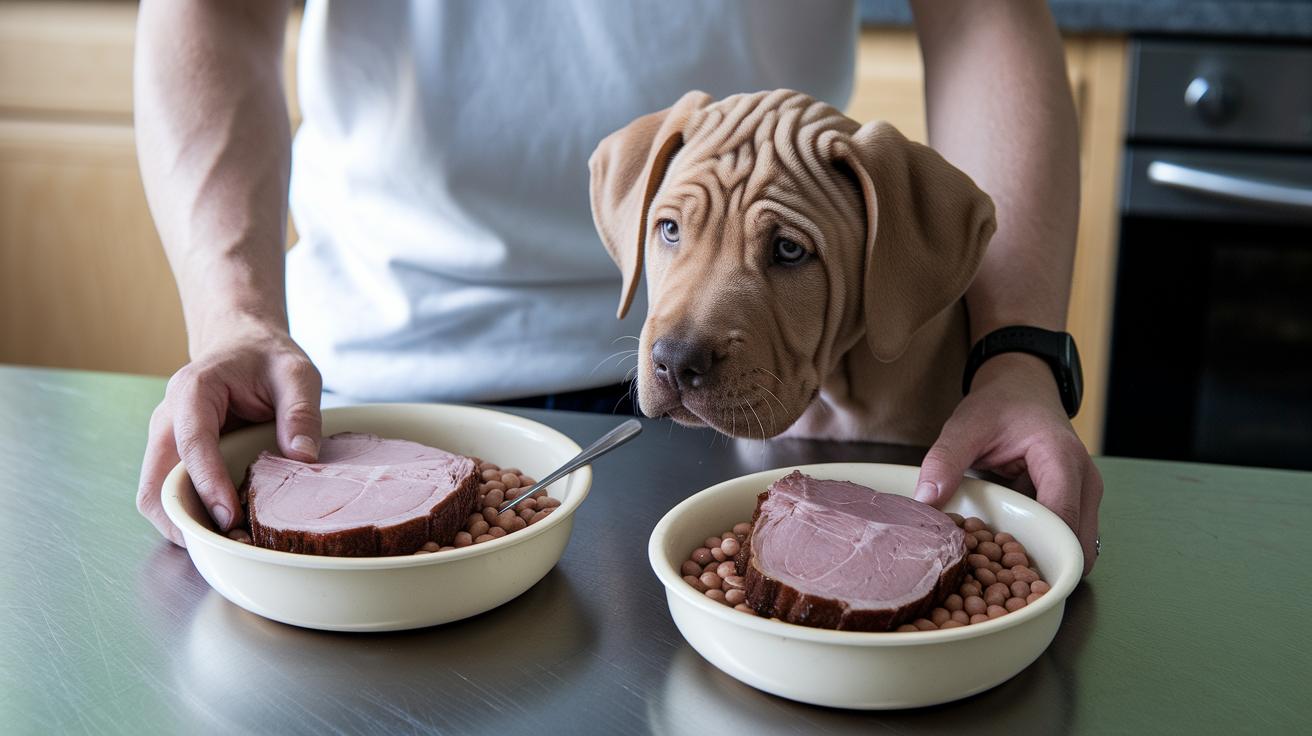
This recipe is made just for big puppies, like a 6-month-old pup weighing around 50 lbs. You'll get two balanced servings that mix 28 oz of lean pork loin cut into small pieces with cooked beans that boost fiber for smooth digestion. The pork gives your pup top-notch protein for building strong muscles, while the beans add extra nutrients. Think of it as following a trusted recipe that meets your puppy's unique energy needs.
First, gather all your ingredients. Trim the pork loin and cut it into bite-sized pieces so it’s safe for your little buddy to chew. In a large pan, gently cook the pork until it turns golden and is safe to eat. In another pot, steam the beans until they’re soft, keeping all their natural fiber. Once both the pork and beans are ready, mix them up gently so they keep their texture and flavor. This way, every spoonful is a tasty, nutritious treat.
When it’s time to feed, split the mixture into two even servings. Serve each portion at room temperature to bring out the flavor and help your pup enjoy the nutrients fully. Always check that the food isn’t too hot before serving. If you have leftovers, pop them in the fridge within two hours and use them within three days. And if you prepare extra, try freezing single portions for up to two weeks, so you can easily thaw and serve fresh meals whenever needed.
Novel Protein Tilapia Puppy Food Recipe

This tilapia recipe is a great, allergy-friendly option for puppies who don’t do well with common proteins. We use tilapia because it works nicely for pups with sensitive tummies, the kind that might get upset with usual meal choices. This recipe makes two servings, perfect for a 6‑month‑old, 30‑lb puppy. Picture it as a simple guide for a raw meal that fuels your little one with all the right nutrients, featuring 23½ oz of gently roasted or poached tilapia as the main ingredient. Imagine every bite is made with your puppy’s delicate system in mind, just like a chef who creates a dish that even the pickiest eater will love.
The cooking process is both easy and precise. Start by lightly roasting or poaching the tilapia until it’s tender enough to melt in your pup’s mouth. While it's still warm, stir in 2 tablespoons of canola oil and 1 tablespoon of omega‑3 oil, this helps boost healthy fats that are great for your puppy’s growing brain and shiny coat. Next, mix in ¾ cup of baked sweet potato flesh with a little pinch of salt for taste and balanced carbs. Fun fact: many pet owners have found that switching to a protein like tilapia can really help ease allergy flare-ups.
Once everything is mixed together, split the meal into two equal parts. Serve it at room temperature so your puppy enjoys all the natural flavors and nutrients. And remember, any leftovers should go into the refrigerator and be used within three days to keep them fresh and tasty.
Safety, Storage, and Veterinary Consultation
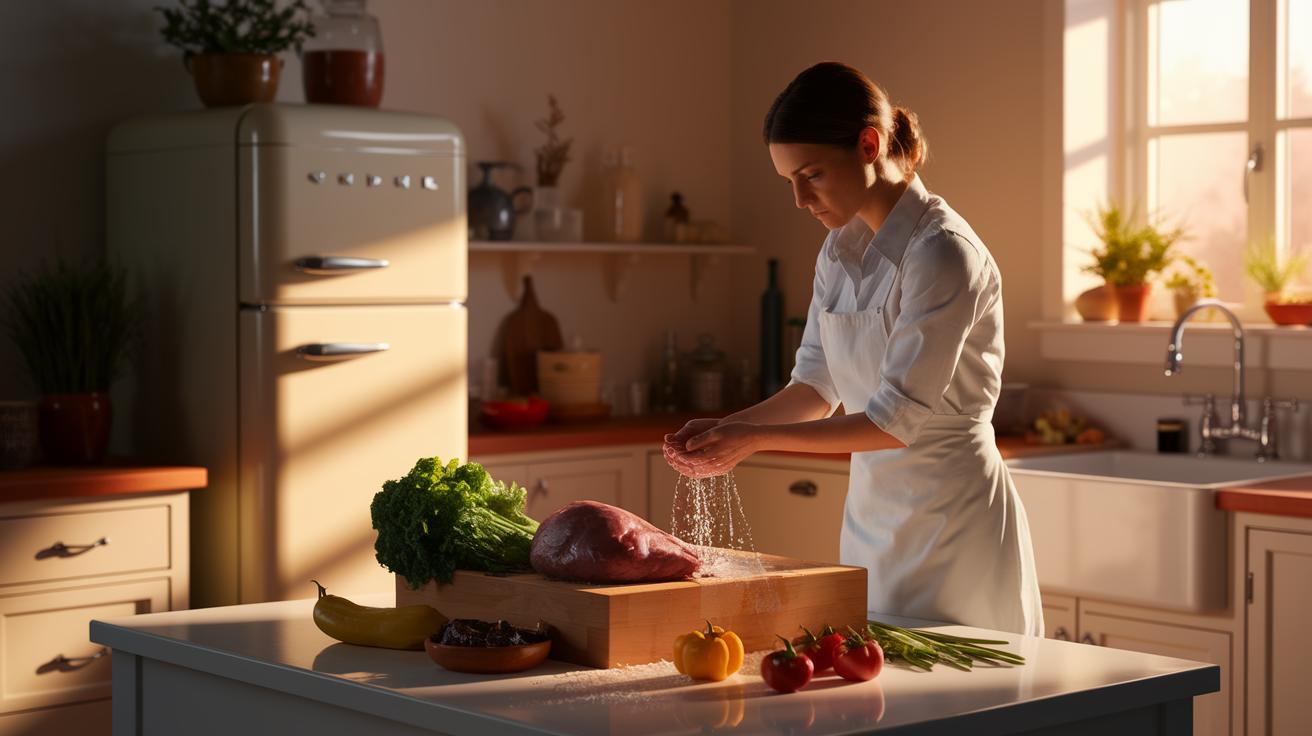
Start by making sure your workspace and utensils are super clean. Give all surfaces and tools a good wash so that raw meats and other ingredients don’t mix and cause any problems. Keep raw meat away from vegetables and cooked food, just like you’d keep your hands clean before enjoying a snack.
Once you’re done preparing your homemade meals, pop them in the fridge within 2 hours to keep them fresh. Cooked food should be stored at 40°F or below and eaten within 3 days. If you have extra food, try freezing smaller portions for up to 2 weeks. This way, your puppy’s meals stay safe and tasty.
And don’t forget to check in with your vet. It’s important to make sure your homemade diet meets all your puppy’s nutritional needs. Even though homemade food can be very wholesome, commercial foods are made to follow strict guidelines. A vet’s advice can help fill in any gaps and keep your pup’s meal plan balanced and safe.
Final Words
In the action, we broke down three essential puppy recipes that combine balanced nutrition with simplicity.
• Small-Breed Chicken Puppy Food Recipe – for a 6-month-old, 8-lb puppy
• Large-Breed Pork & Bean Puppy Meal – for a 6-month-old, 50-lb puppy
• Novel Protein Tilapia Puppy Food Recipe – for a 6-month-old, 30-lb puppy
Each recipe offers a well-rounded meal that's carefully measured for protein, vitamins, and minerals. These vet approved homemade puppy food recipes ensure your pet enjoys nutritious meals that support a happy, healthy life.
FAQ
Q: What are nutritionally complete homemade dog food recipes and can I find them as a PDF?
A: Nutritionally complete homemade dog food recipes provide all the key proteins, vitamins, and minerals pets need. They’re often available in PDF format so you can easily print and share these balanced guides with fellow pet lovers.
Q: What are the best vet approved homemade puppy food recipes?
A: The best vet approved homemade puppy food recipes are designed by professionals. They combine high-quality proteins, fruits or vegetables, and healthy fats, and some resources even offer a complete recipe book for straightforward, balanced meals.
Q: Are there options for both large and small dogs in these recipes?
A: Yes, many recipes cater to different breeds. There are special formulas for large dogs with adjusted protein and calorie counts, as well as options for small dogs, ensuring each recipe supports the unique needs of various puppy sizes.
Q: How do these recipes address specific health problems?
A: Some of these recipes are tailored to tackle specific health concerns by including ingredients rich in essential nutrients. This targeted approach helps manage issues like allergies or digestive sensitivities while keeping meals nutritionally balanced.
Q: What should the first three ingredients be in homemade puppy food?
A: A balanced homemade puppy food should start with a lean, high-quality protein, a wholesome carbohydrate like sweet potatoes, and nutrient-rich vegetables to help build strong muscles and bones during growth.
Q: What do veterinarians think of homemade dog food and which options are healthiest for puppies?
A: Veterinarians support homemade dog food when it is nutritionally complete and carefully balanced. The healthiest meals for puppies usually include quality protein, beneficial fats, and fruits or vegetables, ensuring every bite helps in their healthy development.