Care
Effective Methods For Pet Stain Removal Work Wonders
By gilbertsmith
November 5, 2025
Field Notes
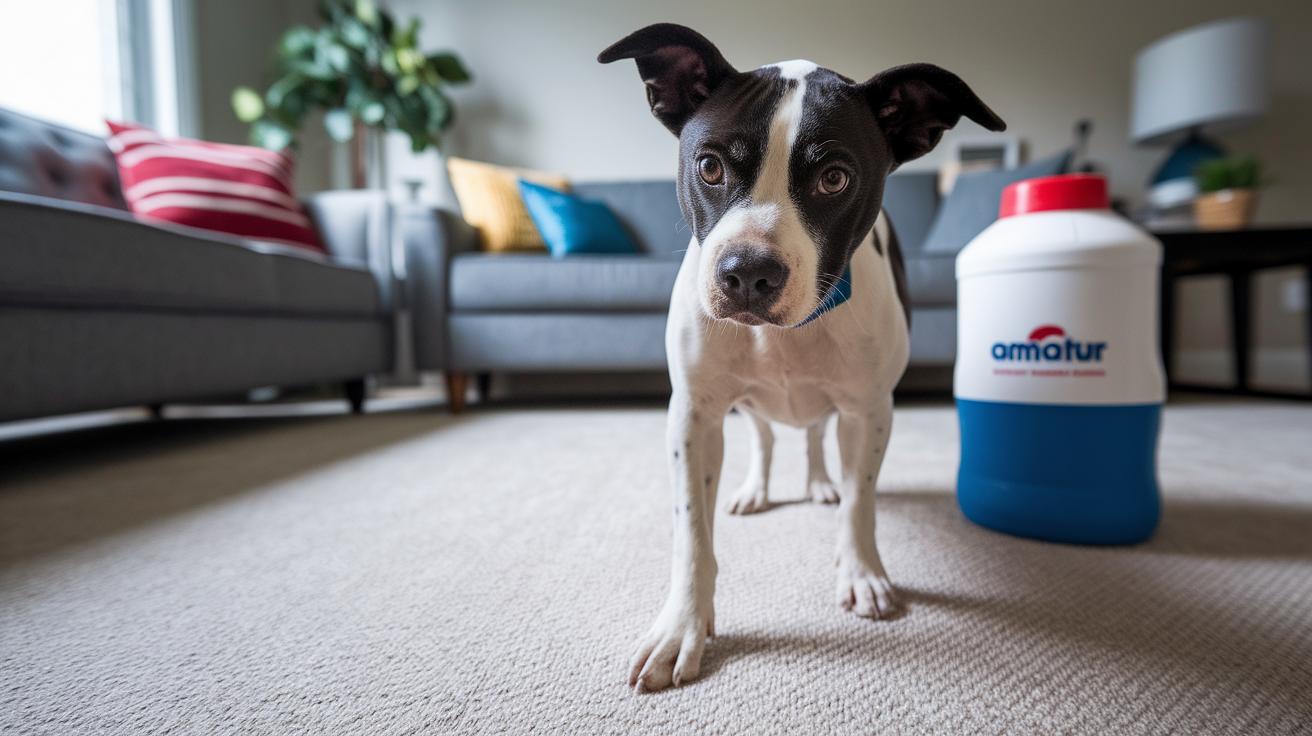
Ever thought a pet stain could just vanish like a gentle pat on your favorite shirt? I know it sounds a bit magical, but with the right tricks, even the toughest stains can nearly disappear.
Imagine using a soft, caring touch that lifts away messes without pressing them deeper into your carpet. In this post, we’re sharing simple, step-by-step tips to help you clean up after your furry friend and keep your home feeling fresh. Stick with me as we explore practical advice that really works, no matter how big the mess.
Comprehensive Techniques for Effective Pet Stain Removal
Dog stains can be messy and come in forms like poop, pee, or even blood. Each type needs a different care approach. Start by taking a clean cotton rag and gently dabbing away any solid or liquid mess. Imagine patting a damp cloth lightly across a table to lift as much waste as you can.
After you’ve removed the bulk of the stain, don’t scrub hard because that only pushes the stain deeper into the fibers. Instead, use a fresh part of the rag to blot gently. Think of it like soothing a stubborn mark on your favorite shirt with a soft squeeze rather than a rough rub.
If the stain is less than an hour old, mix 1 ounce of a plant-powered cleaner with 4 ounces of warm water and apply it directly to the area. Picture a quick spritz followed by a gentle blot, just like giving your pet a tender pat when they need a little extra care.
For a deeper clean, you have two simple options. You can use a carpet cleaning machine for ease or try the manual bucket method with a slightly damp microfiber towel. Think of the towel as a soft sponge that gently soaks up the stain without upsetting the fabric.
Finally, make sure to neutralize any leftover odors, like ammonia, that might still stick around. Enzyme-based products work great here because they break down stubborn residues at a basic, helpful level. And if the stain is especially tough, professional cleaning services with pet-safe chemicals can give your home that fresh, clean feel again.
Classifying Pet Stains and Spot Cleaning Best Practices
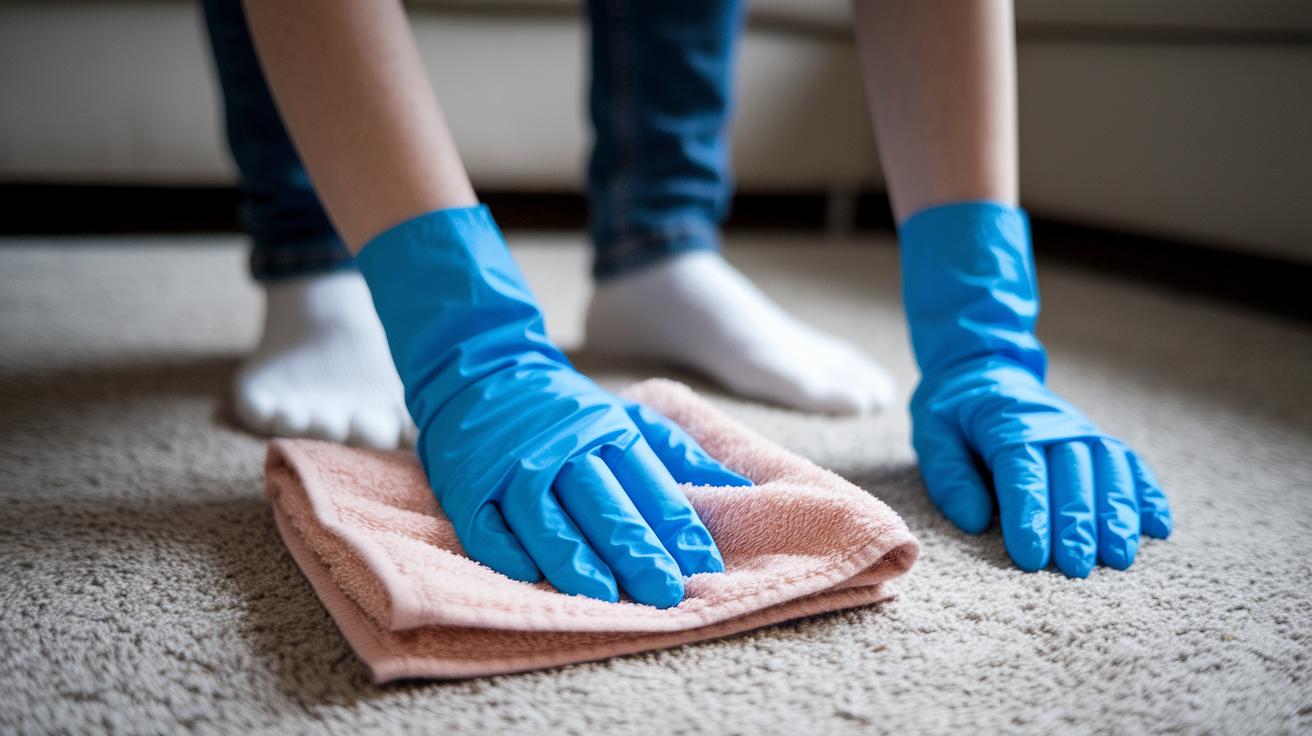
When it comes to pet stains, there are three main types to watch out for: poop, urine, and blood. Poop stains can carry unwanted bacteria, so it's always wise to wear gloves when cleaning up. And once you're done, take a moment to gently wipe your pet’s paws, just like you’d clean your kitchen counter with a fresh rag, to stop any lingering germs from spreading.
Urine stains need a gentle touch right away. Instead of rubbing, try dabbing the area with a soft microfiber towel. This helps keep the urine from spreading or soaking deep into the fabric, much like carefully pressing on your favorite sweater to pat it dry.
For blood stains, especially on fabrics, enzyme-based cleaners work wonders. These cleaners act like tiny helpers that break apart the stain molecules, doing a job that ordinary cleaners might miss. Imagine them as little cleaning buddies tackling a tough spot on a well-loved cushion.
- Always wear gloves when handling poop stains.
- Dab urine stains immediately without rubbing.
- Use enzyme cleaners for blood stains on fabrics.
- Act fast on aged stains, as delays can permanently change fabric dyes.
DIY All-Natural Solutions for Pet Stain Removal
First, make a simple cleaning spray by mixing equal parts white vinegar and water in a spray bottle. Spray it generously over the stain, then gently dab the spot with a clean cloth. It’s a bit like softly dabbing a damp cloth on your kitchen counter, each gentle pat helps lift the spill without any harsh scrubbing.
Next, try a bubbly solution with hydrogen peroxide. In a small container, mix 1 teaspoon of liquid dish soap with ½ cup of hydrogen peroxide. Stir it all together and then sprinkle baking soda evenly over the stain. Soon, you’ll see a light fizz, kind of like opening a soda, that shows the cleaning power at work.
After you’ve applied either solution, use a fresh, clean cloth to blot the area. Keep repeating the process until the stain disappears. And if you’re tackling stains on hard surfaces like tile, remember that vinegar can have a strong smell; opening a window or turning on a fan can help fresh air circulate.
Finally, rinse the spot with a little water and let it dry completely. This easy, non-toxic recipe keeps your home safe and clean, making pet stain removal feel like a simple, everyday task.
Enzymatic Cleaning Solutions for Deep Odor Neutralizing
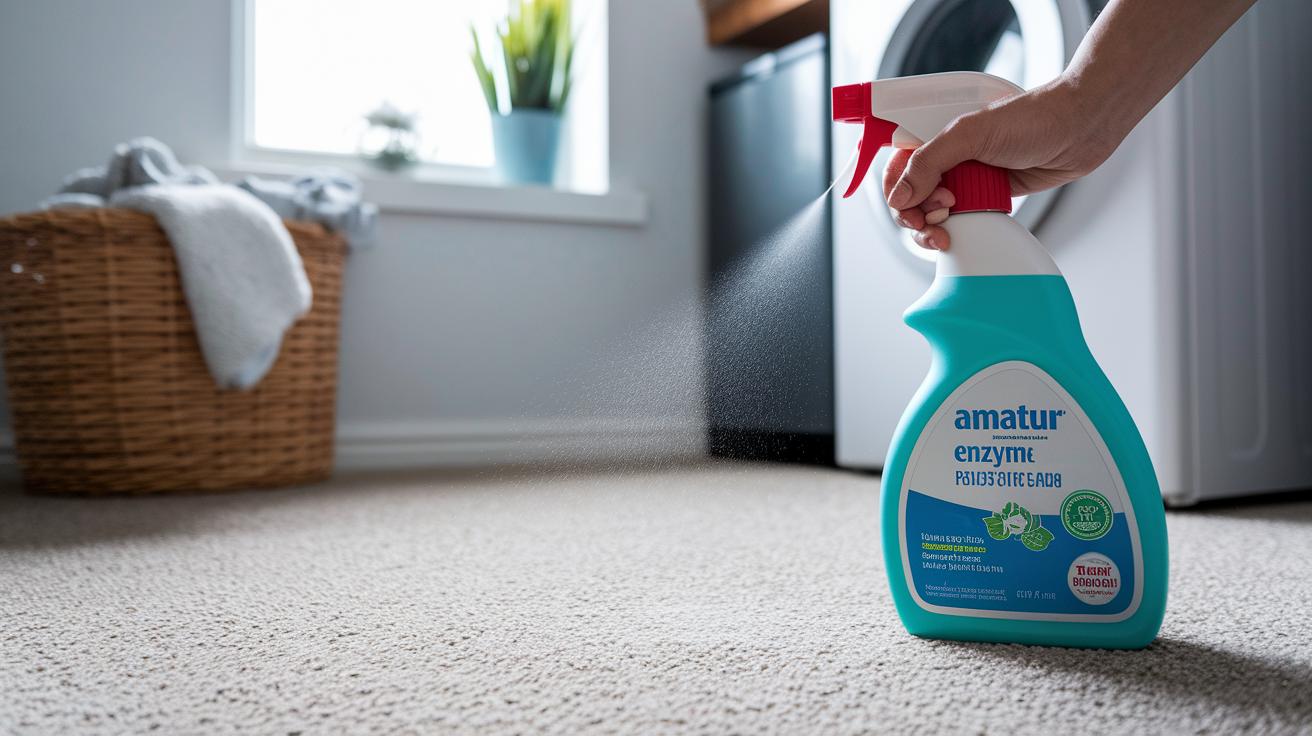
Ever notice how a great cleaning solution can completely transform a smelly mess? Enzyme cleaners do just that by breaking down the bad stuff in urine, feces, and blood. Think of them as little cleaning helpers that target every stubborn odor molecule, leaving your surface truly fresh without any lingering smell.
You can easily find these cleaners at big retail stores and pet shops. They work so much better than homemade tricks like vinegar and baking soda, which might hide odors rather than get rid of them for real. It’s like choosing the right tool for the job, enzyme cleaners are built to dig deep and neutralize odors effectively.
What’s really awesome is that these formulas are safe for your pets. After cleaning, you won’t have to worry about any harmful residues hanging around for your kids or furry family members. Plus, they cut down on ammonia smells, helping to stop pets from re-soiling the area. It’s a fresh start every time you use them.
| Product | Features | Works On |
|---|---|---|
| Bio-Enzyme Cleaner | Breaks down tough stains, pet-safe formula | Urine, feces, blood stains |
| Advanced Odor Neutralizer | Eliminates ammonia smells, prevents repeat accidents | Persistent pet odors |
Isn’t it great knowing you have a product that not only cleans deeply but also keeps your home safe and smelling wonderful?
Carpet and Upholstery Extraction Techniques for Pet Accidents
First, scoop up any solid mess and gently dab the spot with a clean cotton rag. If the stain is still fresh, mix 1 ounce of plant-powered remover with 4 ounces of warm water. Then, lightly dab the mixture onto the stain, almost like you’re softly brushing away a stray pet hair.
When you’re using a cleaning machine, take your time. Work in slow, overlapping strokes so you can lift the stain carefully. You might even try a dual extraction cleaner, which sends water and suction at the same time. Think of it like using a sponge that not only soaks up water but also pulls out hidden dirt without pushing anything in deeper.
For a more hands-on approach, wet a microfiber towel with warm water and wring it out until it’s just damp. Press it down firmly on the stain and rinse the towel often. If the stain just won’t budge, spray a bit of enzymatic cleaner and wait about five minutes. This special cleaner works like a purring kitten calming your nerves, breaking down tough, protein-based stains.
Finish by rinsing the area with clean water. Then, let fresh air help dry the spot faster, either by using a fan or opening a window.
| Step | Action |
|---|---|
| 1 | Scoop up any solid mess and gently dab the spot. |
| 2 | For fresh stains, dab a mix of plant-powered remover and warm water. |
| 3 | Use a machine with slow, careful, overlapping strokes or a dual extraction cleaner. |
| 4 | Press a damp microfiber towel onto the stain, rinsing frequently. |
| 5 | If needed, apply an enzymatic cleaner and wait five minutes before cleaning. |
| 6 | Rinse well and dry with fresh air to keep fabric fresh. |
When to Opt for Professional Stain Removal Services
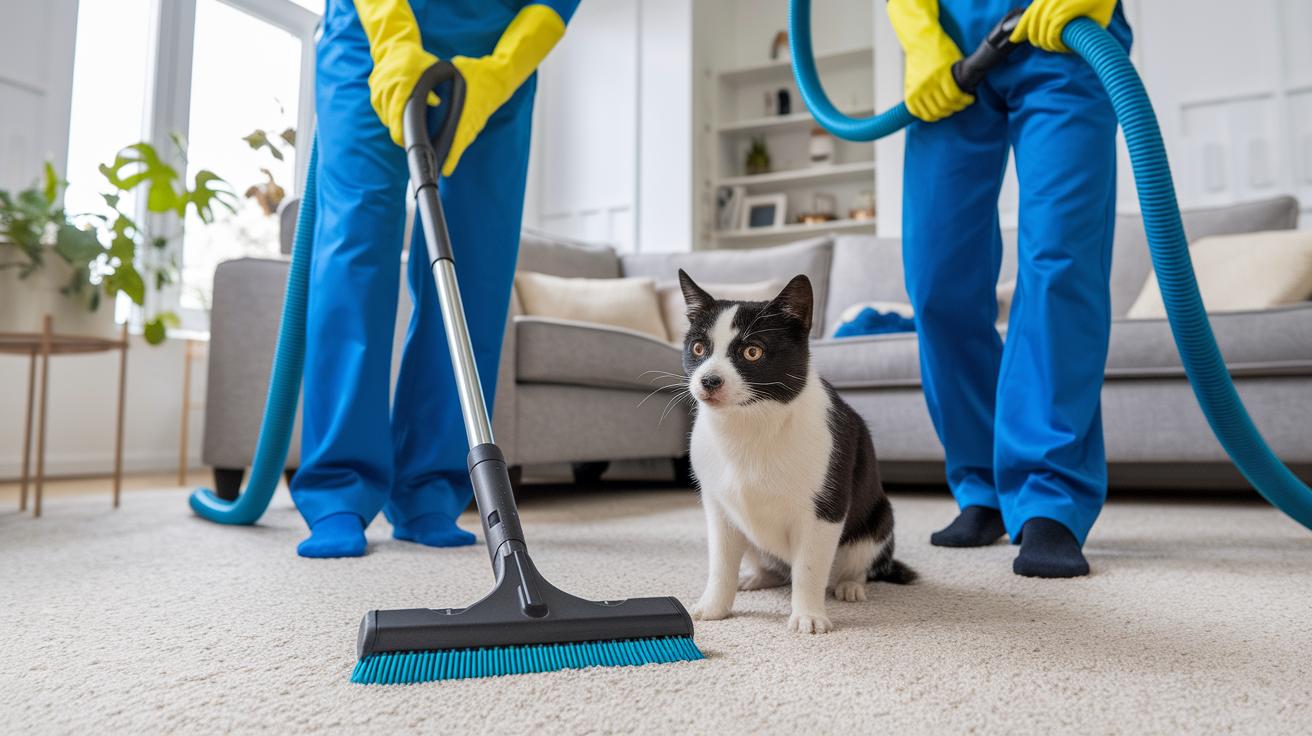
Sometimes pet stains get so stubborn that a regular clean just doesn’t do the trick. When stains have set in or spread across your carpets and furniture, it may be time to call in the pros. Imagine a situation where repeated pet accidents have changed the color of your fabric; a team using pet-safe cleaning solutions can bring your space back without harming your home.
These experts use advanced, pet-friendly chemicals that completely remove both stains and lingering odors. They follow thorough cleaning steps, deep extraction, careful sanitization, and protective methods, to gently lift the stubborn marks while keeping your textiles safe. It’s like having a friend with the perfect cleaning tips handle that tough spot.
- Great for stains from long-term buildup or multiple pet accidents.
- A smart choice during moves, rental turnovers, or after welcoming a new pet.
- Uses robust techniques that meet high cleaning standards.
Think of professional stain removal as a helping hand to quickly restore your home, just like calling a trusted service when a spill disrupts your day.
Safety Precautions for Pet Stain Removal
When cleaning up pet stains, start by keeping yourself and your home safe. Always put on gloves when dealing with pet waste, just like you’d use oven mitts when handling something hot.
Gently dab the stain using a soft microfiber towel, much like you’d carefully pat your pet’s ears after a rainy walk. It’s a kind, careful touch that helps clear the mess without making it worse.
Don’t forget to check your pet’s paws after cleaning, similar to checking your shoes after a muddy day. This simple step stops any leftover mess from returning inside.
Avoid scrubbing hard because overwhelming force can hurt your fabrics and push the stain even deeper. Instead, treat stains with a pet-safe, non-toxic disinfectant. When you use cleaning chemicals, work in a room filled with fresh air and remember not to mix different products to keep harmful reactions at bay.
- Wear gloves while cleaning.
- Gently dab stains with a microfiber towel.
- Check your pet’s paws for any lingering mess.
- Use cleaning chemicals in a well-ventilated area and never mix products.
Final Words
In the action, we reviewed practical ways to tackle pet stains using safe, tried and true techniques. We explored quick DIY formulas, enzyme cleaners, and deep cleaning methods for carpets and upholstery. Each section laid out clear steps, from gentle blotting to when to seek professional help, to keep your home fresh and your pet happy. These effective methods for pet stain removal support a healthier space while making cleaning easier for every pet parent. Enjoy a cleaner home and a joyful pet every day.
FAQ
Q: What are effective methods for pet stain removal from carpet?
A: The effective methods for pet stain removal from carpet involve gently blotting fresh stains, applying plant-powered or enzyme cleaners, and using a specialized carpet machine to lift stains and neutralize odors.
Q: How does one remove dog urine smell from floors?
A: Removing dog urine smell from floors is achieved by using enzyme-based cleaners that break down urine compounds along with pet-safe neutralizers designed to eliminate lingering odors for a refreshed feel.
Q: What home remedies work for getting dog pee out of the carpet?
A: Home remedies include mixing equal parts white vinegar and water or combining hydrogen peroxide with dish soap and baking soda, then gently blotting the carpet to lift the stain and reduce odor.
Q: What agents neutralize dog urine on carpet?
A: Effective agents for neutralizing dog urine on carpet are enzyme-based cleaners that break down ammonia compounds, or plant-powered removers that eliminate odor while being safe for pets and fabrics.
Q: How can dried dog pee be removed from carpet without using vinegar?
A: To remove dried dog pee without vinegar, use enzyme cleaners or plant-based solutions and gently blot the area multiple times to gradually break down and lift the stain from the carpet fibers.
Q: Is bleach or vinegar better for pet urine stains?
A: Comparing bleach with vinegar, vinegar is preferred because it is gentler on surfaces; however, enzyme cleaners are often more effective as they break down the urine compounds for thorough odor removal.
Q: How do professionals clean stubborn dog urine stains from carpet?
A: Professionals pre-treat stains by gently blotting and applying pet-safe chemical solutions, then use advanced extraction methods with repeated passes to fully remove the stain and odor from the carpet.
Q: How do enzyme cleaners work for dog urine removal?
A: Enzyme cleaners work by breaking down the urine compounds at a molecular level, effectively neutralizing ammonia odors and preventing re-soiling, making them a pet-safe and deep-cleaning option.