
Ever wonder if a few minutes of playful training today could help your puppy build a bright future? Early training lays the groundwork for habits that stick, much like placing the very first brick in a lovely, safe home for your furry buddy. Each command and treat brings you closer together, turning simple moments into a lifetime of good behavior. This guide shows you how a gentle, fun approach can make everyday training an adventure you and your puppy will cherish.
Puppy Training: Happy Pups, Bright Futures
Early puppy training is super important for giving your pup the right start in life. When puppies learn young, they soak up good habits through fun rewards and clear routines. Teaching them basic commands and how to play nicely with others helps stop problems like biting, too much barking, or rough play. For instance, think about Max, a playful pup who discovered that every treat meant he was one step closer to a fun game. This early learning builds a strong base for fun and interactive lessons that help with house training and good behavior for life.
There are many ways to train your puppy. Group classes let pups learn by playing with one another, and you might even see them copying a friend! One-on-one sessions focus on a pup’s special challenges, like chewing on things or learning how to walk on a leash. And sometimes, training at home is the best so that the coach can work with your pup at his own pace. Every lesson , whether it’s learning to sit, stay, or behave better in small moments , helps build a loving routine and confidence.
Expert-led programs add an extra touch of care because they are run by skilled trainers. These classes cover all the puppy basics, from meeting new friends to mastering simple commands. Trainers use positive rewards to make learning fun and safe. Besides teaching good manners, these sessions help bond you and your furry friend even more.
Puppy Housebreaking: Structured Potty Scheduling and Tips
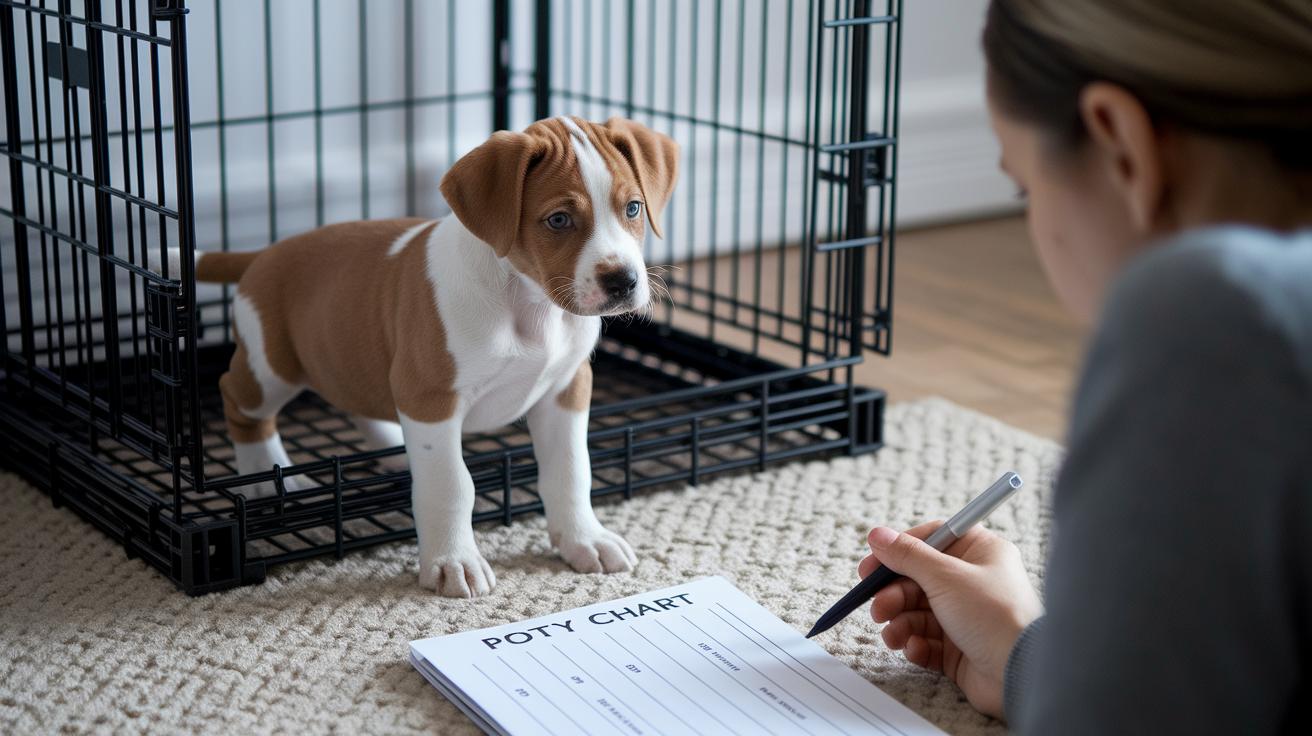
Having a clear potty schedule makes life easier for both you and your puppy. Try this simple six-step routine to build a steady habit that works indoors and outdoors:
• Morning: As soon as your little buddy wakes up, take them outside. It helps start the day off right.
• Midday: Around noon, take a break together so they get another chance to go.
• Evening: Plan an outing in the evening to keep the routine consistent.
• After playtime: When play is done and energy is high, let your pup have a quick potty break.
• After a nap: Right after a nap, guide them outside to reinforce the habit.
• Bedtime: Before settling in for the night, make a final trip outdoors.
Remember, accidents are normal when your puppy is still learning. Instead of scolding, gently show them where to go next time. Using a simple schedule chart or printout can help you track progress while keeping things steady. Stick with the routine, and with every little step, your puppy will learn the difference between indoor and outdoor potty spots, setting them up for a happy, well-trained life.
Puppy Crate Training Methods for Safe Kennel Routines
Crate training creates a cozy, safe spot where your puppy can relax. It helps build a gentle routine, reduces stress, and guides your little one’s behavior. When your pup sees the crate as a secure retreat, even travel or quiet time feels smooth and reassuring.
Start by placing the crate in a familiar area where your puppy feels at home. Leave the door open at first so they can check it out on their own. Encourage your puppy with kind words and tasty treats as they explore their new comfy space.
Next, try closing the door for a short while while you continue to offer rewards. Gradually increase the time inside as they get more comfortable. Daily practice like this builds a calm and consistent routine that both of you will appreciate.
Keep a few simple cues handy:
| Command | What It Means |
|---|---|
| crate | Invite your pup in a friendly tone |
| stay | Keep them inside the crate |
| exit | Let them know it’s time to come out |
| quiet | Help settle any restlessness |
| settle | Encourage relaxation inside the crate |
Always make sure the crate is clean and just the right size to keep your puppy safe and comfortable. With a little patience and plenty of love, your pup will soon see crate time as a happy, secure break in their day.
Puppy Obedience Training: Building Basic Commands
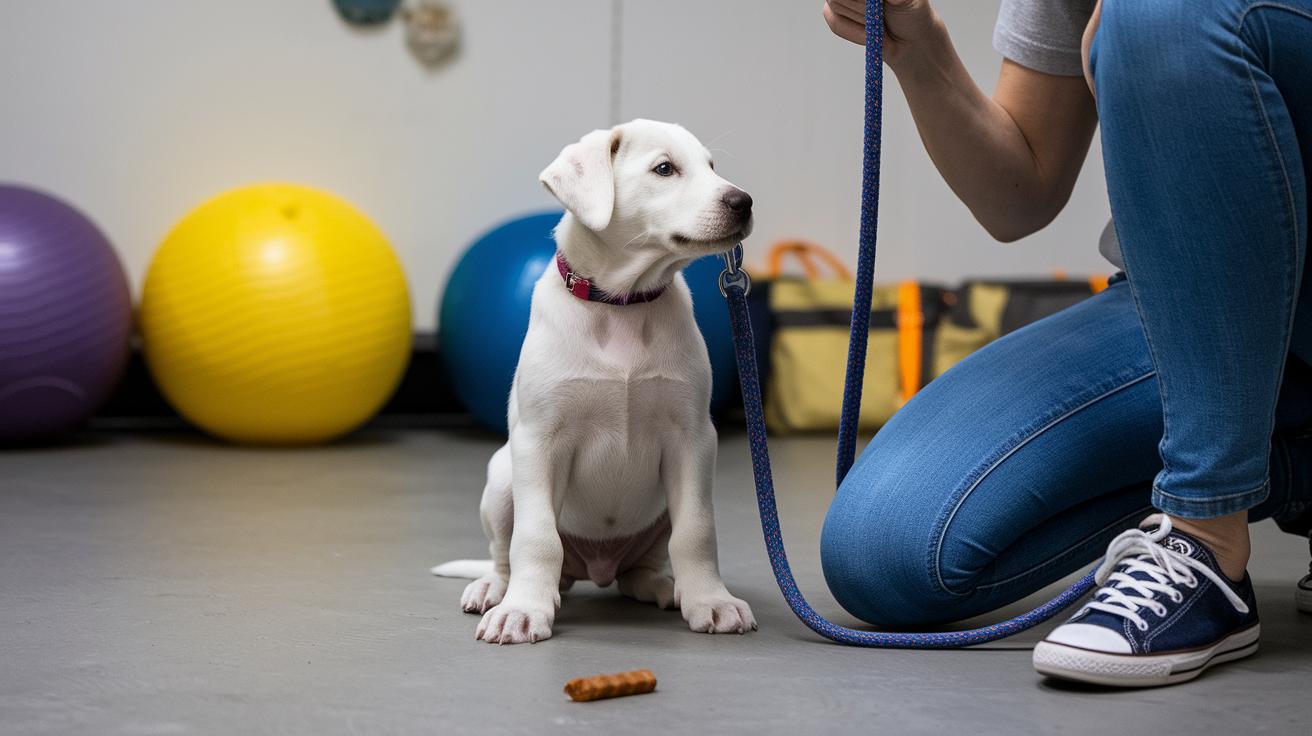
Teaching your puppy to sit can be a fun little bonding moment. Start with a simple cue like “Sit” and raise your hand gently. When your pup drops into a sit, offer a treat right away so they know they did well. It’s a straightforward way to get started that really works.
For the stay command, begin by standing close to your puppy. Slowly increase your distance while saying “stay” and holding out your hand as a stop signal. Always follow up with a friendly release cue, so your pup learns to hold their position until you say it’s okay to move.
Recall drills are key for teaching your pup to come when called. At first, use a safety leash for a bit of extra control. Call your pup with a cheerful tone, perhaps using their name or a whistle, and reward them with treats. It feels great to see that happy reunion!
When teaching “down,” lure your puppy with a treat and slowly guide them into a resting position. This step-by-step approach helps your pup understand what you’re asking them to do and makes training a calm, clear process.
Heel training is all about keeping your puppy by your side during walks. Use a loose leash and incorporate fun focus games or a little praise. This helps your pup walk at your side without getting distracted.
| Command | Key Cue | Reinforcement Tool |
|---|---|---|
| Sit | “Sit” with an upward hand motion | Treats |
| Stay | Clear hand stop signal | Clicker or praise |
| Come | Cheerful call or whistle | High-value treat |
| Down | Flat palm motion | Tasty treat |
| Heel | Loose leash walking | Lots of praise |
Puppy Leash Training: Fundamentals of Loose-Leash Walking
Building a strong bond with your pup means practicing leash training the same way every time. Experts say it’s best to start with quick, safe sessions in a small space where your little buddy feels secure. Using tasty treats and gentle praise really helps these lessons stick, setting you both up for happier walks.
Try this seven-step routine to make training fun:
- Begin indoors in a calm, quiet room.
- Gradually invite a family member into the space to add a bit of distraction.
- Practice making gentle turns so your pup learns to follow you.
- Slowly increase the training area to give a little more freedom.
- Introduce outdoor surfaces so they get used to different textures.
- Play everyday street sounds so your pup can adjust to noises outside.
- Always reward a loose leash with a treat and a warm, cheerful word.
It’s super important to stop pulling early on. When you see your pup tugging, simply guide them back close and offer a treat when they settle down. This little tip helps them stay focused even when there are distractions. With steady, fun practice at home and in group classes, your pup will soon learn that a loose leash means more relaxed, joyful walks for both of you.
Bite Inhibition and Teething Training for Puppies
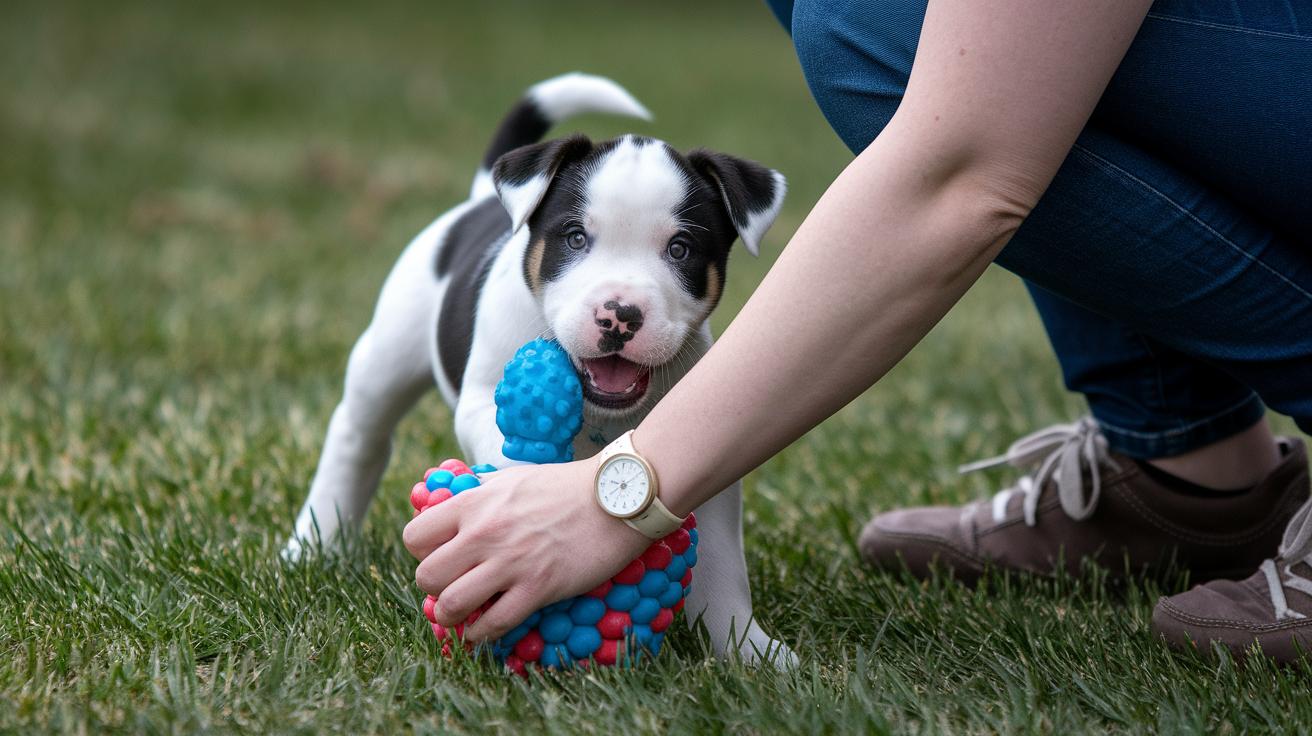
Bite inhibition is a big milestone for your puppy. It helps them learn how gentle play should be, keeping every interaction fun and safe. When your pup plays with chew toys and gets involved in friendly activities, they start to understand that biting hard isn’t cool.
Here are some handy training tools:
| Tool |
|---|
| Frozen toys |
| Chew rings |
| Puppy-safe rubber toys |
| Redirect-toy swap |
| Supervised play |
| Positive praise |
During playtime, these teething remedies satisfy your puppy's need to chew while steering them toward safe habits. Try to keep training light and consistent. If your puppy nips or bites too hard, gently show them a proper toy to chew on and offer a warm word of praise when they do it right. This steady, caring approach builds good habits and makes training a joy for both of you.
Puppy Socialization Training: Early Exposure and Behavior Management
Introducing new objects and sounds builds your puppy's confidence. Let your little friend explore bright toys, listen to soft tunes, and even catch everyday household noises. Step by step, your pup will learn that new things can be fun instead of frightening.
Set up safe, supervised playdates with other calm dogs. Short, friendly sessions help your puppy pick up good manners and feel comfortable with canine buddies. It’s like a little puppy play party where everyone learns to have fun together.
Simple people-handling drills can really help your pup get used to new faces. Try gentle touches and calm, soft words during quick visits. This friendly practice makes meeting strangers a lot less stressful and builds trust over time.
Going on walks over different surfaces is a great way to boost your puppy’s adaptability. Whether it’s a grassy park, a sandy path, or a smooth sidewalk, these strolls spark curiosity and help keep your pup’s mind active.
Grooming time doesn’t have to be a stressful chore. With gentle brushing, careful nail trims, or a relaxed ear check, you can turn routine care into a comforting experience. Over time, these sessions become a regular, stress-free part of your pup’s day.
Troubleshooting Puppy Training: Common Challenges and Consistency
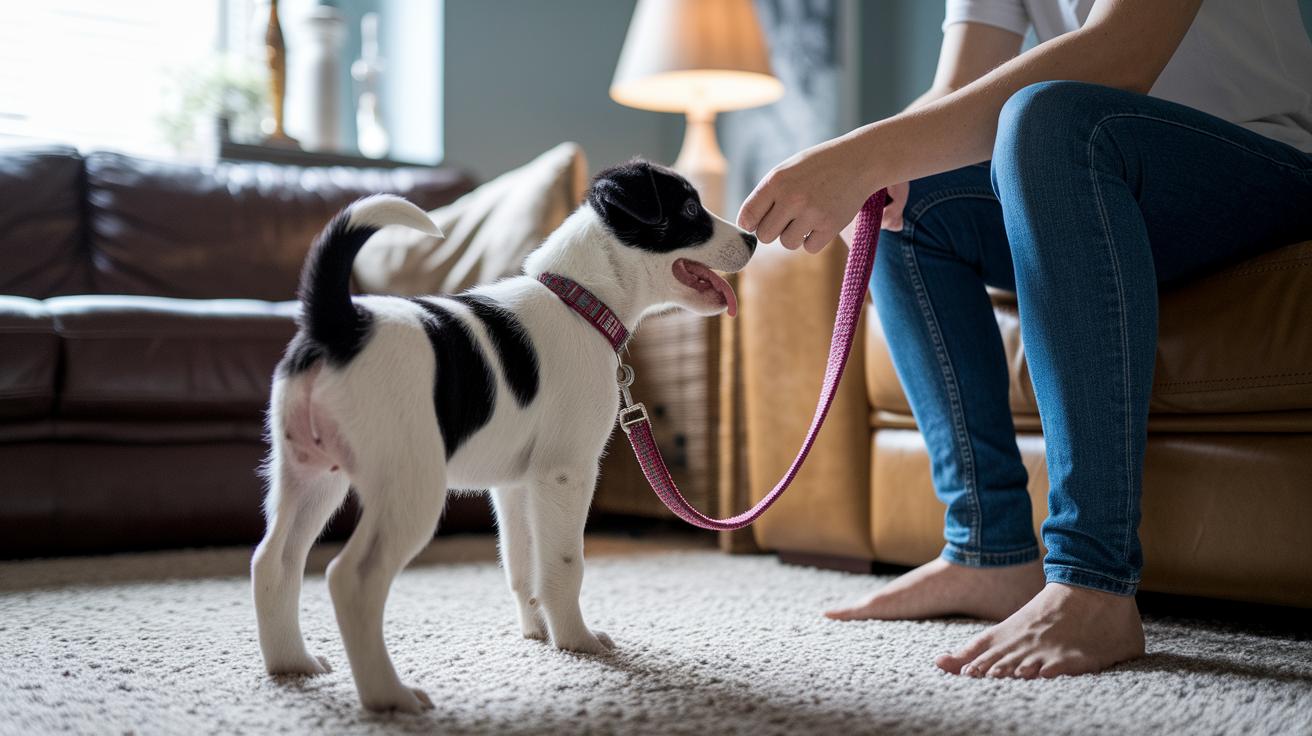
When your puppy seems to be taking a step back, check if something has changed in your daily routine. It might be a new schedule or even a different spot for meals. Refresh the training by going back to the same commands and treat rewards they know well. Slowly rebuild the habits they once mastered.
If you notice your pup tugging hard on the leash, pause your walk right away. Gently guide them back to focus and reward their calm with a treat and kind words. This helps them understand that a relaxed walk feels much better.
When your puppy barks a lot, try to figure out what might be triggering them. Keep training sessions short and relaxed, using a soft command to guide them back to quiet. Gradually, your pup will learn to keep their voice calm and friendly.
Sometimes, puppies use their mouths to explore instead of playing nicely. Redirect their biting to a toy that’s safe and fun. With steady routines and gentle corrections, your pup will learn the right way to play without nipping.
Remember, being consistent is the secret to success. Every little step, from spotting an issue to celebrating a calm moment, builds a solid foundation. Stick with your plan, and soon problem-solving will be as natural as a wagging tail greeting a new day.
Professional vs. In-Home Puppy Training Options and Expert Classes
| Format | Duration | Key Benefits |
|---|---|---|
| Board & Train | 2 weeks | Hands-on training at a fully staffed Dallas center with expert sessions |
| In-Home Training | Varies | Custom sessions designed to fit your puppy’s unique needs and help manage behavior |
| Group Classes | Ongoing | Interactive lessons with certified trainers, plus group sessions to boost social skills |
When picking a training option, think about your puppy’s personality and how involved you want to be. A Board & Train program gives your pup a full-on, intensive experience that speeds up progress. In-home training means more one-on-one attention, a flexible schedule, and often a friendlier price tag. Group classes add the fun of socializing with other dogs and learning together under expert guidance. Matching the style to your puppy and your schedule will set you both up for a happy and effective training journey.
Final Words
in the action, we've covered the essentials of puppy training, from housebreaking and crate training to socialization and bite inhibition. Each section shared clear, step-by-step methods to boost your puppy’s confidence and skills.
We've shown that a mix of expert advice and structured routines can make training fun and rewarding. Keep using these tips and remember: every small win brings you closer to a happier, well-behaved pup. Enjoy the journey and celebrate each progress along the way!
FAQ
Puppy training near me
Searching for “puppy training near me” means looking for local programs that offer in-home or group training with certified professionals using positive reinforcement techniques to build your puppy’s skills.
Puppy training schedule by age
A puppy training schedule by age outlines developmentally appropriate steps. Early stages focus on socialization and basic commands, then gradually introduce housebreaking, crate, and leash training as your pup grows.
Puppy training at home
Puppy training at home involves setting up a consistent environment for learning. This approach uses positive reinforcement, scheduled play, and simple commands to build trust and establish routines in your own space.
Puppy training toilet
Puppy training toilet refers to housebreaking your puppy. It involves establishing a clear potty schedule, using consistent praise, and sometimes combining crate training to help your puppy learn where to go.
Puppy training classes
Puppy training classes provide structured group sessions led by experts. These classes cover obedience, socialization, and basic commands, offering hands-on guidance to set your puppy up for lifelong good behavior.
Puppy training videos
Puppy training videos offer step-by-step visual guides on essential training techniques. They help demonstrate commands, housebreaking routines, and effective positive reinforcement methods in an easy-to-follow format.
Puppy training timeline
A puppy training timeline charts your pup’s progress from early socialization and basic commands to more advanced behaviors. It guides you on when to start crate, leash, and obedience training for steady development.
Puppy training Reddit
Puppy training Reddit refers to online communities where dog owners share personal experiences, tips, and advice. These discussions can offer real-life solutions and creative ideas for training challenges you might face.
What is the first thing you should train your puppy?
The first thing you should train your puppy is basic socialization and foundational commands. Establishing a strong bond and clear communication early on sets the stage for all future training success.
What is the 3-3-3 rule for dog training?
The 3-3-3 rule for dog training means doing three short sessions daily, using three distinct cues, and offering rewards each time. This approach keeps sessions engaging and helps reinforce learning consistently.
What is the 10 minute rule for puppies?
The 10 minute rule for puppies encourages keeping training sessions short—around ten minutes—to match their limited attention span. This method ensures your pup stays focused and enjoys learning without getting overwhelmed.
What is the 7 7 7 rule for dogs?
The 7 7 7 rule for dogs suggests splitting time equally with seven minutes of training, seven minutes of play, and seven minutes of rest. This balance promotes consistent learning while allowing your dog time to recharge.