
Have you ever thought about what might happen if you skipped your pet’s regular check-ups? Just like you wouldn’t skip a tune-up for your car, your furry friend needs a little health review now and then. A quick visit to the vet can catch any small issues before they become big problems, keeping your pet happy and full of life.
In this post, we chat about why these check-ups are so important. We also share some simple tips to help keep your best friend feeling great for years to come. Ever notice how a gentle pat or a kind smile can brighten your pet’s day? Let’s explore how a little regular care can make a big difference.
Scheduling Your Pet Health Check: Timing and Frequency
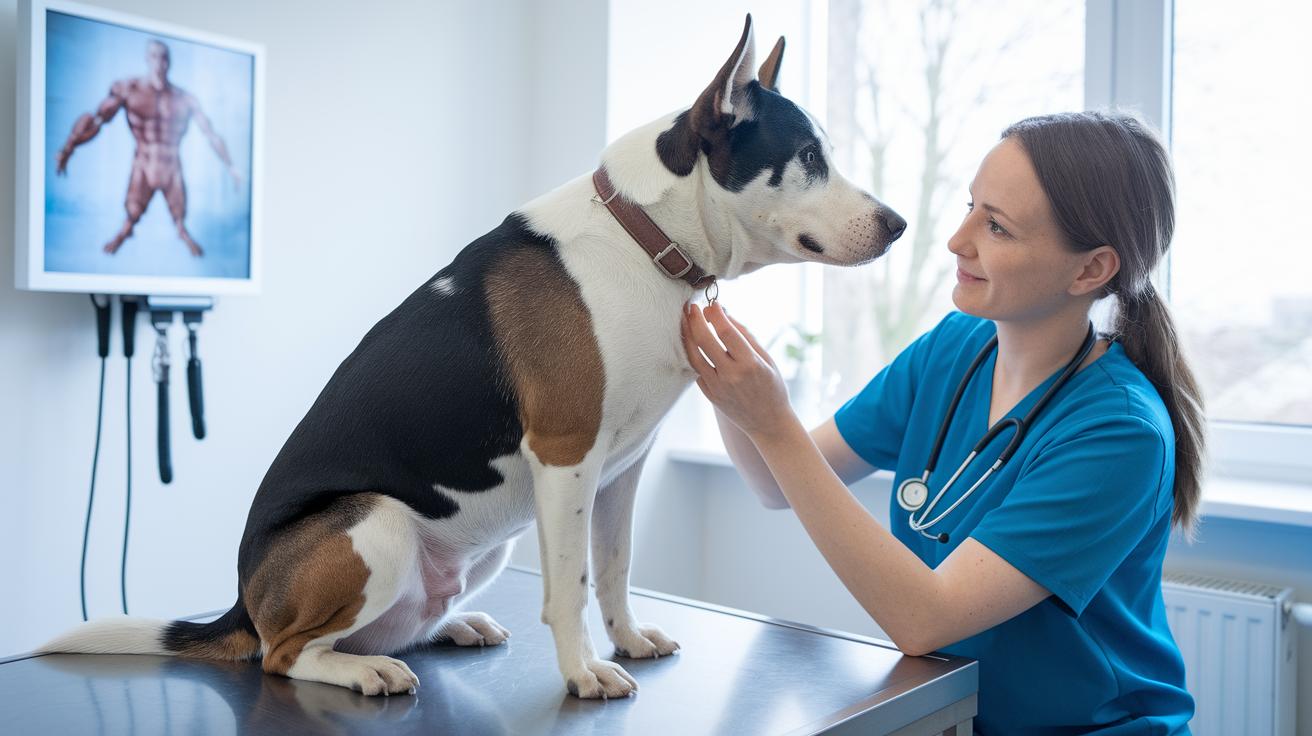
Routine pet check-ups keep your furry friend happy and healthy. Most vets suggest taking your pet in for a screening once a year, though some prefer every six months to a year. Regular visits help catch issues early before they turn into big problems, just like keeping a good balance between work and play.
For puppies and kittens, it's best to schedule exams every 4 to 6 months. They grow so quickly, and these visits lay the groundwork for a lifetime of good health. Senior pets need even more care, a check-up every 3 to 6 months can spot age-related issues like joint pain or dental troubles early on.
When planning your pet’s next visit, consider their age, breed, and health history. If your pet is especially active or has special health needs, more frequent check-ups might be the way to go. For more information on exam packages and scheduling, check out the pet wellness exam here: pet wellness exam.
By following these screening guidelines and adjusting the schedule as needed, you're taking proactive steps to ensure a long, happy life for your pet. Every routine visit strengthens the foundation of your pet's overall well-being.
Comprehensive Checklist: What Happens During a Pet Health Check

A pet health check isn’t just a quick drop-in. It’s more like a friendly full-body review where your vet looks over your pet from head to toe to catch any issues early. When you arrive at the clinic, they’ll weigh your pet and quickly check their temperature, heartbeat, and breathing. Think of it like listening to a gentle drumbeat that sets the pace for a lively day.
- First, the vet takes a good look at your pet’s eyes, ears, and mouth to see if there’s any redness or discharge, which could mean discomfort.
- Next, they check the skin and fur for bumps, spots, or signs of bugs. This step helps catch problems that you might miss at home.
- The vet then feels the joints and belly to notice any soreness or hidden issues.
- They also review your pet’s vaccination records so everything is up to date and your furry friend stays protected.
- Lastly, the vet looks at precautions for fleas, ticks, and even heartworms. Sometimes, they suggest a quick blood test or stool sample to screen for any diseases, making sure nothing gets overlooked.
A typical pet health check lasts about 15 to 30 minutes and usually costs around $95 for both dogs and cats. There might be extra charges for vaccines or lab work, ranging from an extra $20 to $50 for shots and $30 to $60 for more tests. This thorough check not only helps fix problems you can see but also stops future issues before they start, keeping your pet healthy and happy with every visit.
Preparing for Your Pet Health Check: Tips and Best Practices
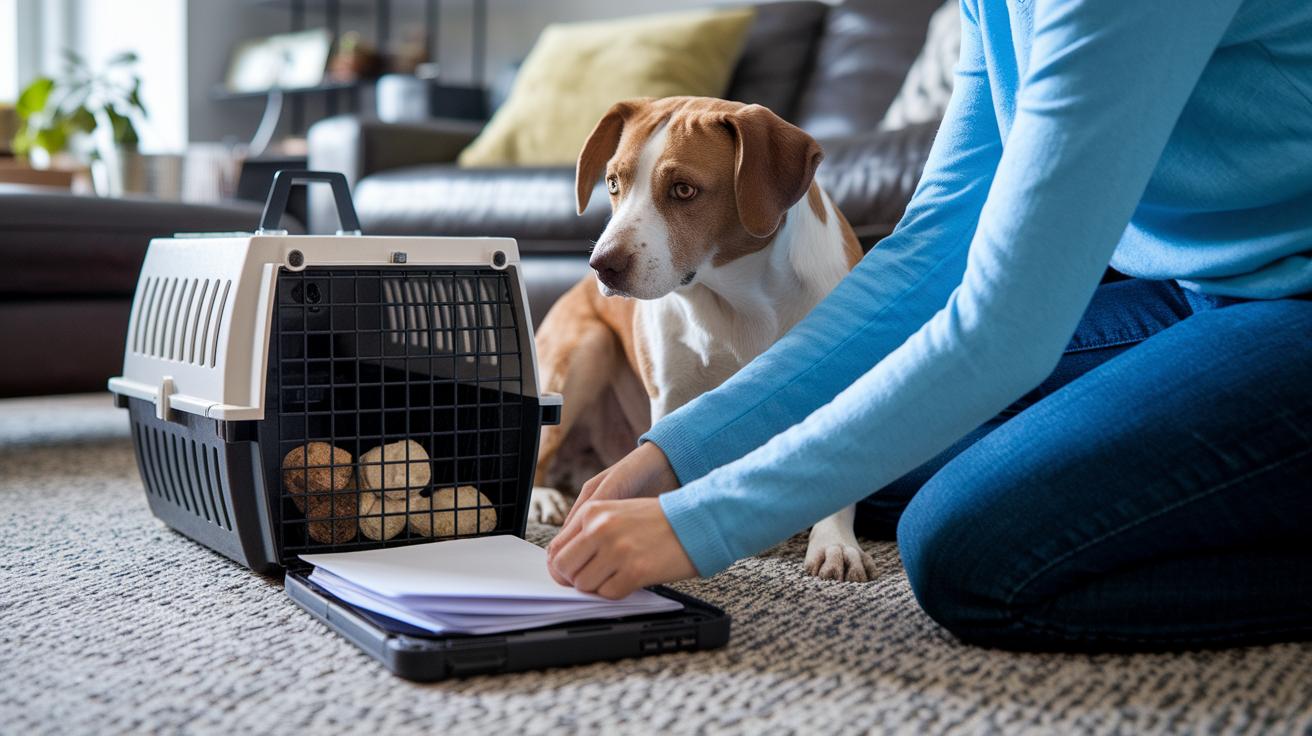
Getting ready for your pet’s checkup starts at home. For example, if your cat is nervous about its carrier, try making it inviting by placing a few treats inside days before the visit. Your cat might start to see the carrier as a snug hideaway instead of a scary box. And for your dog, a fun walk or playtime before the appointment can help set a calm tone.
Don’t forget to pack all the important papers. Bring along your pet’s current medical records, a list of its medications, any notes about changes in behavior or appetite, and any recent lab test results you have. This way, the vet can look at your pet’s history quickly and focus on any concerns.
- Schedule your pet’s consultation ahead of time for a smoother visit.
- At home, give your pet a quick check for anything unusual like lumps or changes in its coat.
- Ask if the clinic offers virtual exams for smaller issues; it might save you some waiting time.
With these simple steps, your routine visit can become a stress-free experience that keeps your pet happy and healthy.
Understanding Costs: Pet Health Check Pricing and Cost-Saving Strategies
Knowing what to expect with pet health check fees can really ease your mind. Check out the Comprehensive Checklist to learn about the usual wellness fee as well as any extra costs, like vaccines, lab tests, and parasite screenings.
It’s a smart idea to shop around by comparing clinic prices while also looking into any bundled service offers. Bundled packages, which combine exams, vaccines, and lab work, can cut your costs by up to 25%. Think of it like ordering a combo meal, you get more services for a better deal.
Before you book an appointment, compare prices at different clinics, ask if they offer bundled packages or yearly care plans, and check if there are discounts when you combine services in one visit.
Using these tips can help you plan your pet’s care in a way that makes both their health and your wallet feel great.
Beyond the Pet Health Check: Monitoring Your Pet’s Health Between Appointments
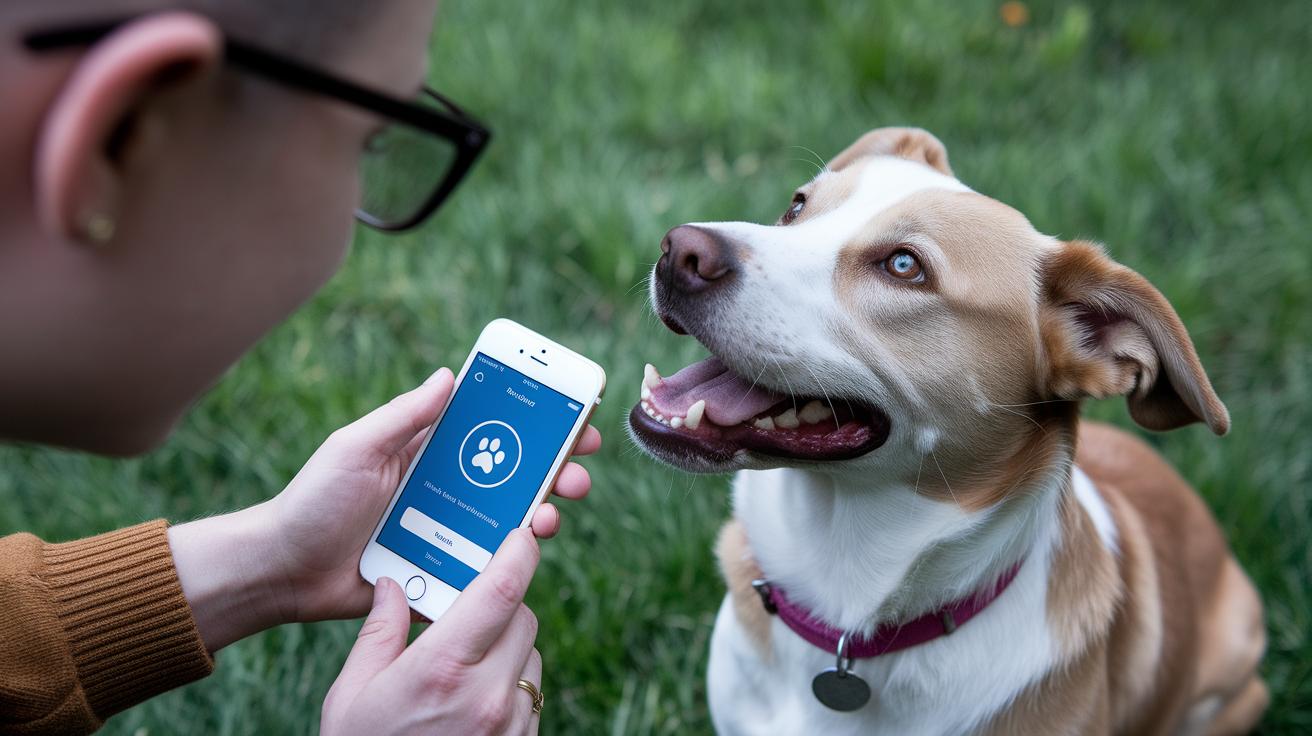
Keeping track of your pet’s daily habits is the key to spotting health issues early. Try noting any changes in their appetite, energy, weight, or how they move. A pet health app can make it super easy to log these details each day. Over time, these notes build into a yearly report that shows you trends at a glance.
At home, simple checks can be little alarms for any problems. For instance, feel for a dull coat or extra shedding, and look at your pet’s skin for any bumps or dryness. Even the shade of their gums speaks volumes about how they’re doing. You can also check if their joints move smoothly by doing a quick flexibility test. These everyday observations turn into valuable advice for your veterinarian.
- Jot down daily changes in appetite and energy.
- Keep an eye on weight and any unusual movement.
- Log your findings easily with a pet health app.
- Regularly check your pet’s coat, skin, and gums.
By using modern tools to share this information with your vet, you’re all set to catch any signs early and act before small issues turn into bigger ones.
Special Cases: Travel, Senior, and Emergency Pet Health Checks

When you're planning a trip with your pet, a full check-up is a must. Your vet will review vaccines and make sure parasite control is on point, which means your pet's shots are up to date and meet travel rules. For flights, the travel certificate usually works for 10 days, while driving might allow up to 30 days. The vet will re-check your pet’s vaccines as many times as needed so every detail is spot on.
For older pets, the check-up usually goes a bit further than the normal routine. Your vet might add some simple tests like blood work or joint screenings to see if age is affecting your friend. These extra steps help catch little issues early, keeping your senior pet comfy and active as they enjoy their golden years.
When it comes to emergencies, quick and careful assessments are key. In urgent cases, the vet will quickly check vital signs like temperature, heart rate, and breathing while stabilizing your pet. These rapid exams make sure your pet gets immediate care and stops any condition from getting worse. Even if it’s not for travel, making sure vaccines and overall health are in good shape can help a lot in these situations.
These careful checks for travel, extra tests for seniors, and swift emergency care all work together to keep your pet healthy. Knowing what to expect can give you peace of mind, whether you’re planning a fun trip or facing an unexpected scare.
Final Words
In the action, this guide showed how to schedule, prepare for, and budget a thorough pet health check. We walked through what happens during a visit, from basic exams to specialized screenings for travel or senior care. Practical tips on paperwork, at-home monitoring, and cost-saving strategies all help ensure you’re ready for every checkup. Routine pet health check visits can catch issues early and keep your furry friend thriving. Enjoy the reassurance of knowing you’re supporting your pet’s health, every step of the way.
FAQ
Q: What does a free pet health check or symptom checker offer?
A: A free pet health check or symptom checker offers a quick, no-cost review of common signs and symptoms, helping you decide if your pet needs further veterinary attention for potential health concerns.
Q: How much does a pet wellness exam or dog check cost?
A: A pet wellness exam typically costs around $95 on average, with additional fees for vaccines and lab work. These prices can vary based on your pet’s needs and local clinic rates.
Q: What does a healthy pet check or wellness exam consist of?
A: A healthy pet check involves a full physical exam that reviews weight, temperature, and overall condition, along with vaccination and parasite prevention reviews to catch any early health issues.
Q: What is included in an annual dog check-up checklist?
A: An annual dog check-up checklist covers a review of weight, vaccinations, dental and vision health, behavior, and overall physical condition, ensuring your dog receives thorough and proactive care.
Q: How does a senior dog symptom checker work?
A: A senior dog symptom checker looks for age-related changes like decreased mobility, appetite shifts, or cognitive issues, helping you track key symptoms and decide when to seek further veterinary evaluation.