
Have you ever noticed how a treat at just the right moment can change your dog’s mood? It’s like catching that perfect beat in a favorite song. When you reward your pup right away, they quickly learn what you expect and feel a special bond with you.
In this chat, we’re diving into how quick treat timing during training not only boosts success but also makes the whole journey fun for you and your furry friend.
Foundations of Treat Timing in Dog Obedience Training
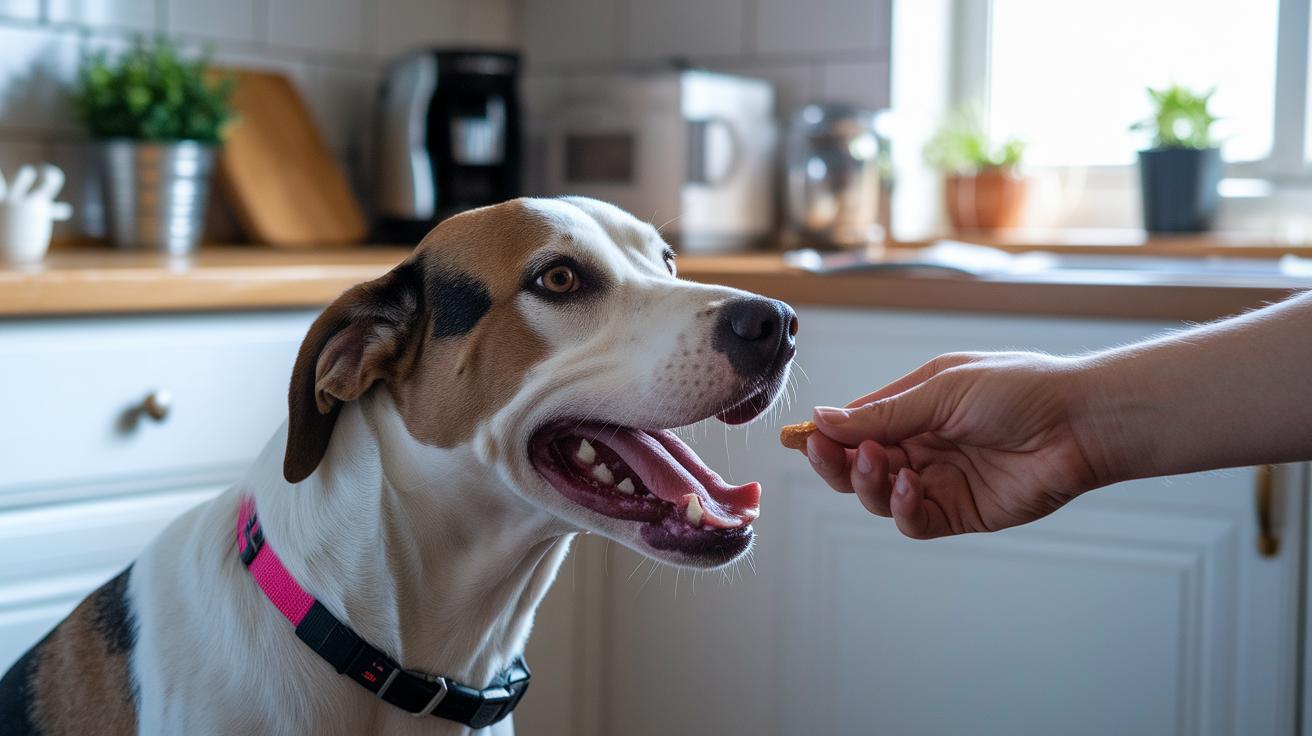
When you train your dog with treats, it means giving a tasty reward right when your dog does the right thing. This quick timing, sometimes almost like a flash, helps your dog know exactly what you want. Picture your furry friend’s eyes lighting up as you say, "Yes!" and hand over a treat.
Food has been a trusted motivator for dogs for many years. Still, treats are only one part of training. If you give treats every time, your dog might only listen when there’s a treat in sight. It’s like only reading your favorite book when someone gives you a snack, soon, the snack becomes the main focus.
Before you hand out the treat, it’s important to make sure your dog is in the right position. This way, your pet understands that the action, not just the treat, earned the reward. Keep in mind the three big ideas of good treat timing: timing, patience, and consistency. Think of it like playing music flawlessly; hitting the note at just the right moment makes all the difference.
Here’s a simple way to start: try using easy commands when it’s quiet around you. Say “Sit!” when you see even a little hint of the behavior, then quickly press the treat into your hand. This helps your dog connect the word with the reward and builds a strong, friendly learning bond.
By mastering the art of treat timing, you keep your dog focused during training and deepen the special bond between you. It’s all about clear, kind signals that help your dog become a happy, well-behaved companion.
Reward Cues and Treat Synchronization in Obedience Training
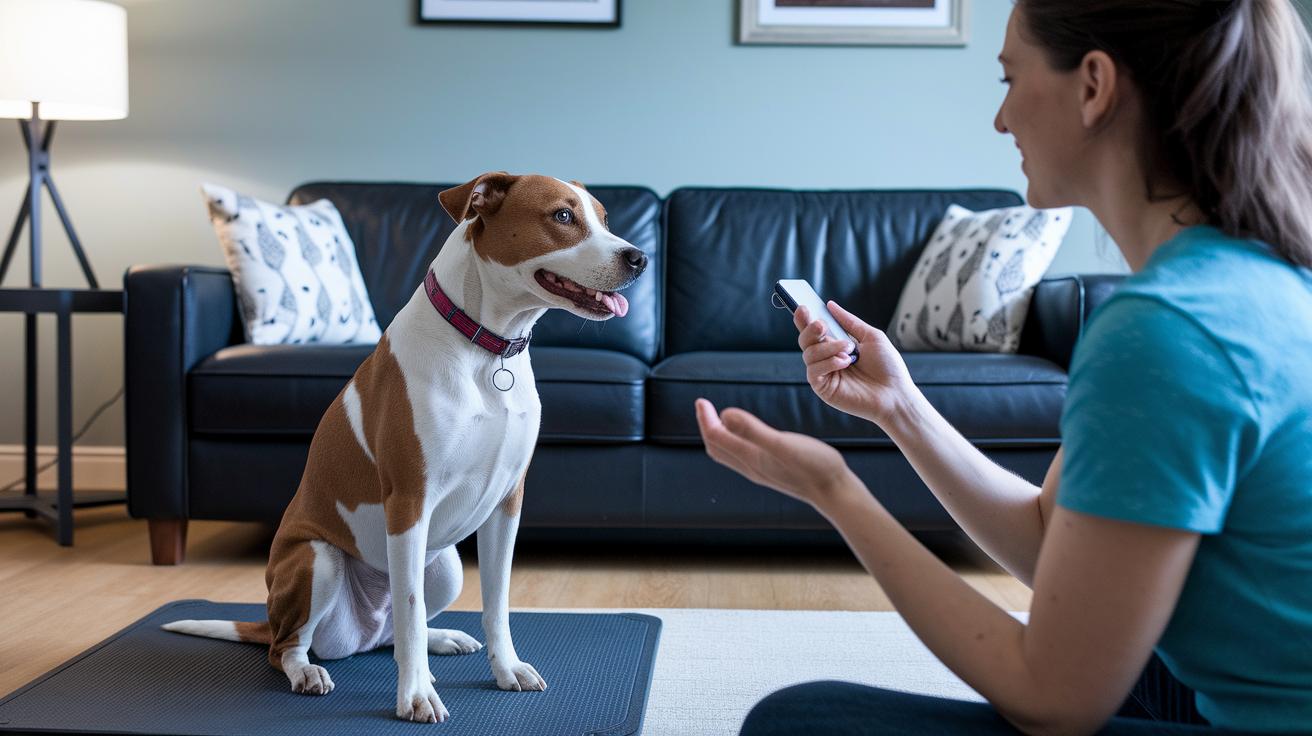
When training your dog, timing is everything. Use simple commands like "Sit" along with a clear sound, like a click or a cheerful "Yes!", right as your dog starts to sit. This helps your furry friend link the word to the action right away.
Verbal cues give your dog a context, while that neat click sound stands out every time. Think of it like a little snap that instantly tells your dog it did something right, even when there’s a lot of background noise.
Sometimes, if there’s a lag between the cue and the treat, your pup can get confused, almost as if waiting for a drumbeat to finish. Make sure your dog is in the right spot and focused on the trick, so the treat matches the action perfectly.
Remember, using too many treats without a proper cue might teach your dog to expect food every time instead of following your command. If you ever feel stuck, don't hesitate to check out dog training classes for extra help.
Advanced Treat Timing Techniques in Dog Obedience Training
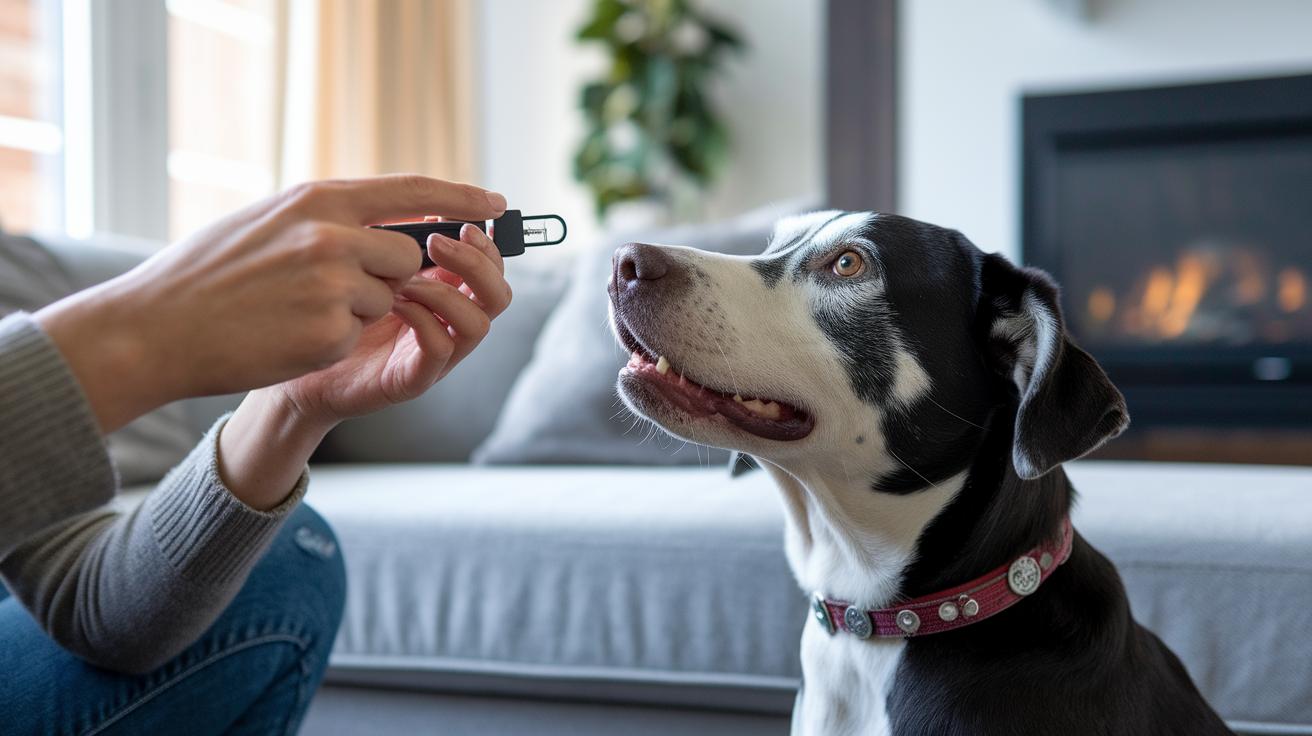
Getting treat timing right is more than just following steps, it’s about tuning into your dog's brain. When you offer a treat in less than a second after a command, your dog's mind quickly links the cue with the reward, sparking a happy burst of dopamine like the excitement you feel catching a ball in mid-air.
If your dog seems unsure, it might help to troubleshoot. Check that your marker, whether a clicker or a specific word, is clear and used at the right moment every time. For example, if distractions cause a tiny delay, try switching to a quieter spot or restart the process so your focus stays on your pet’s immediate move.
Skilled trainers often mix in intermittent reinforcement once a behavior is settled. By rewarding only some responses, you help your dog focus more on the action than on the treat itself.
Remember these steps:
- Give the cue.
- Watch for your dog's first sign of movement.
- Mark that exact moment with your clear signal.
- Deliver the treat right away.
Fun fact: Before a dog even masters a command, its neurons light up with excitement when the timing is spot-on, just like a drummer locking into the perfect beat that sets the whole song in motion.
Scheduling Treat Intervals for Steady Behavior Reinforcement
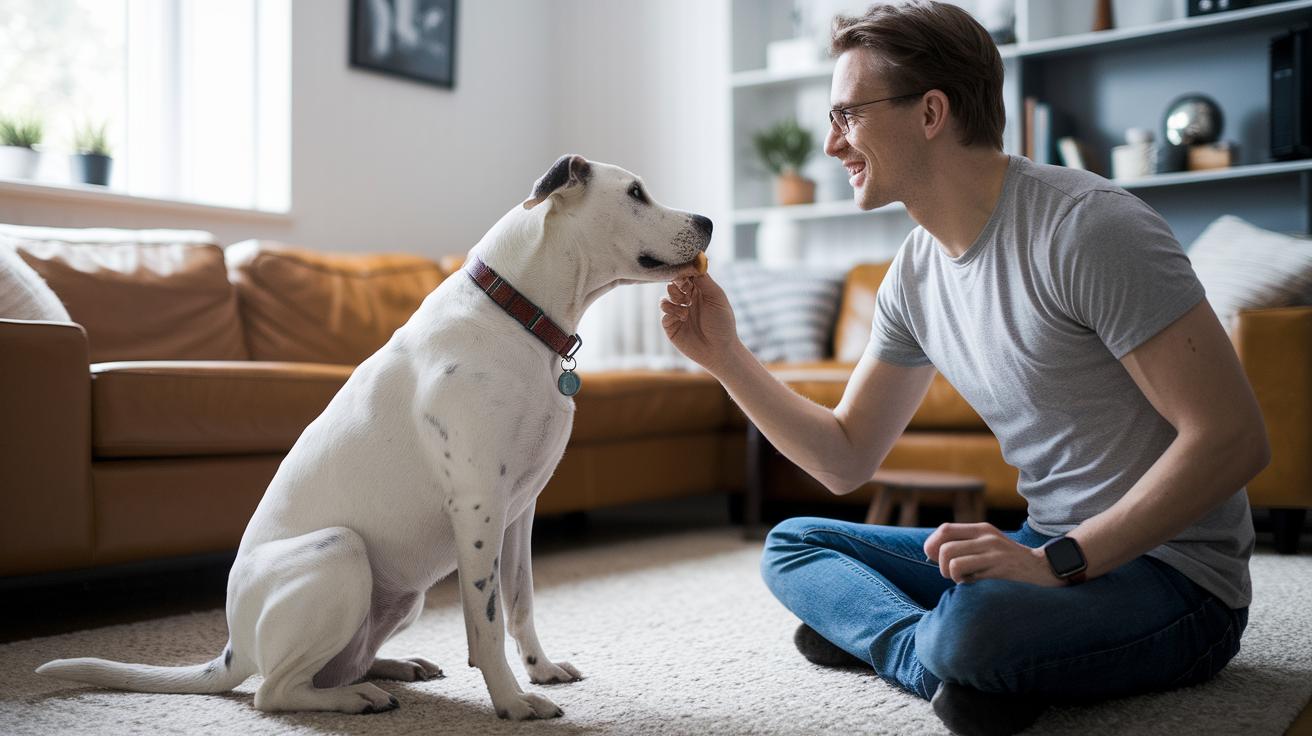
Treat scheduling is a smart way to help your dog learn and stick with good behaviors. When you're just starting out, give a treat every time your dog follows a command. This phase, called acquisition, builds a clear connection between what your dog does and the tasty reward. For instance, you might say “Sit!” and when your dog begins to sit, offer a treat right away, it’s like catching the perfect snapshot.
Once your pup gets the hang of it, move on to the next step: consolidation. At this point, reward every two to three correct responses. This change encourages your dog to focus more on listening to your command rather than expecting a treat every single time.
When your dog has mastered the behavior, mix things up with random reinforcement. Reward about 20–50% of the time, keeping your dog guessing. This way, the good behavior sticks even when treats aren’t a sure thing, much like keeping a spark of excitement alive.
| Training Stage | Treat Frequency | Purpose |
|---|---|---|
| Acquisition | Every correct response | Create a clear link between action and reward |
| Consolidation | Every 2–3 responses | Build stronger habits by reducing constant rewards |
| Maintenance | 20–50% randomly | Keep the behavior steady without over-relying on treats |
Think of it like preparing your dog’s favorite snack, it takes a little time and the right mix to get it just right. If you’re curious for more tips on interval-based reinforcement, there are plenty of dog training resources out there to explore.
Advanced Bite-Sized Treat Reinforcement Methods for Obedience

Using small, soft treats about the size of a pea makes training lively and smooth. These little bites disappear quickly so your dog can focus on the next command without getting distracted by a large, chewy snack. When things get tough or distractions arise, try a high-value treat that’s packed with nutrients to give your pup that extra boost. Big treats, on the other hand, tend to slow things down and can interrupt the flow of your session. This fast, repeated reward system turns training into a fun routine that helps your dog quickly learn and remember commands.
Selecting the Right Treat Size and Type
Pick treats that are small and soft so your dog can eat them in one quick bite. Ideally, they should be about the size of a pea, small enough to vanish in one go yet delicious and nutrient-packed. A soft texture is key because it means less chewing and more focus on your command. For instance, if your pup starts to lose interest, a tiny soft treat might be just the thing to get them back on track. This bite-sized treat strategy fits perfectly into any structured training session, much like the techniques you can discover on dog obedience training.
Overcoming Challenges in Precise Treat Application
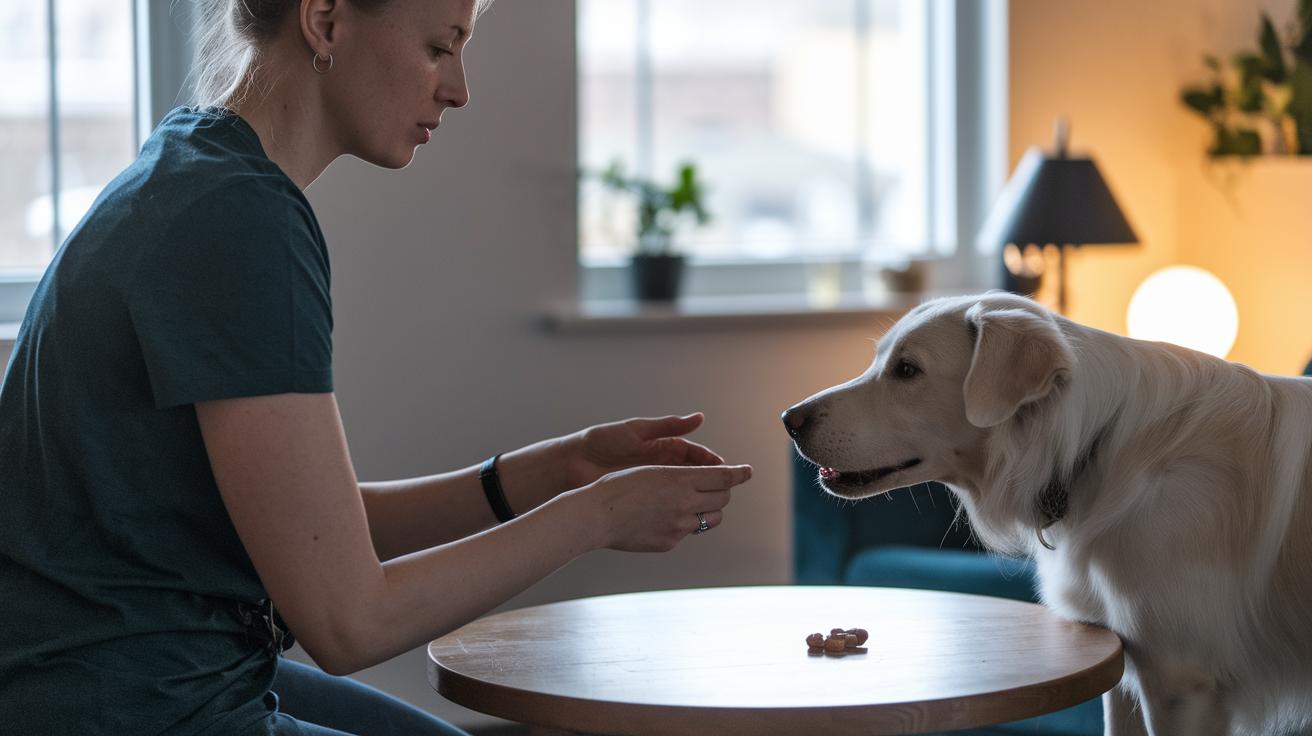
Sometimes even a tiny one-second delay can leave your dog a bit puzzled and weaken the bond between your command and the treat. It’s a bit like missing a beat in your favorite song, suddenly the tune seems off, and your pup might not connect the right action with that yummy reward. When treats become a given, your furry friend might start paying more attention to food than to your clear cues.
Let’s break down some common challenges:
- Managing small delays: Even a brief pause can throw off the training rhythm and make it harder for your dog to see what earned the treat.
- Over-reliance on treats: When rewards are the norm, your dog might only listen if food is on the line.
- Inconsistent handling: Different trainers or new environments can break up the timing, leaving your dog a little confused.
Why not try mixing things up? You might start swapping out some treats with kind words, a favorite toy, or by giving treats at unexpected times. Sometimes, cool tools like remote treat dispensers or pet training collars help you keep that perfect, split-second timing, even when there’s a lot going on.
Always remember: giving the treat right after the desired action is key. With a little patience and a lot of consistency, you’ll notice a big improvement, and your dog will learn to follow commands reliably, no matter where you are.
Final Words
In the action, we broke down the steps to making training fun and effective. We chatted about how precise cue-reward pairing and immediate treat delivery build clear habits in dogs. We also looked at scheduling treat intervals and choosing bite-sized rewards to keep training smooth. Each tip is a step toward a happier, healthier pet. Remember, mastering treat timing in dog obedience training turns everyday practice into moments of joy and success.
FAQ
What does treat timing in dog obedience training near California (or Texas) mean?
Treat timing in dog obedience training in places like California or Texas means delivering a treat immediately after your dog shows the correct behavior. This split-second reward helps your dog link the action to a positive outcome.
What do online communities say about treat timing in dog obedience training on Reddit?
The online discussions on Reddit highlight that treat timing is crucial. Users emphasize that immediate treat delivery reinforces obedience by marking the exact moment a dog performs a desired behavior.
What is the 3 3 3 rule for dog training?
The 3 3 3 rule for dog training involves giving three clear instructions, observing three instances of correct behavior, and offering three timely treats to build consistency and quick learning in your dog.
What is the 10 10 10 rule in dog training for puppies and adult dogs?
The 10 10 10 rule in dog training suggests a short session of 10 minutes with 10 repetitions and 10 rewards. This method keeps training focused and fun for both puppies and adult dogs.
When should I stop using treats for puppy training?
You should consider stopping regular treat use for puppy training once your puppy reliably follows commands with verbal praise or other incentives, transitioning to intermittent rewards while maintaining consistency.