
Have you ever wondered if your pet’s food gives them a burst of energy or just fills them up? A good meal with the right balance works like premium gas in a car, it helps your pet play hard and relax easily.
Just like a champion needs the perfect mix to win, your pet does best when they get proteins (like meat for muscles), fats (that give energy), and carbs (for a steady fuel).
In this guide, I’m sharing simple tips to match each meal with your pet’s needs. With a little care in choosing the right nutrients, your furry friend can enjoy a long, happy, and lively life.
Key Guidelines for a Balanced Pet Diet

Let’s kick things off with something surprising: just like athletes need a balanced meal plan, your pet has special energy needs that depend on their age, breed, how active they are, and even any health issues they might face.
Think of figuring out your pet’s basic calorie needs as similar to checking how efficiently a car uses fuel. Each pet, whether it’s a playful puppy or a relaxed, older cat with health problems like kidney or liver issues, needs the right mix of proteins, fats, and carbohydrates to keep running smoothly.
Here are some simple feeding tips:
| Tip | Why It Helps |
|---|---|
| Check energy needs | Helps set a calorie baseline for age, breed, and activity |
| Use high-quality proteins | Builds and repairs muscles and tissues |
| Add healthy fats and carbs | Provides steady energy for daily activities |
| Include vitamins and minerals | Supports strong bones and overall health |
| Keep them hydrated | Ensures proper body function |
Imagine preparing your pet’s meal as carefully as you’d put together your favorite snack, every ingredient plays a key role. A well-planned diet helps avoid both underfeeding and overfeeding, keeping your furry friend in tip-top shape.
By matching your pet’s meals with these easy-to-follow guidelines, you’re giving them a recipe for a long, happy, and energetic life. It’s like having a clear map that guides you through every stage of your pet’s journey.
Essential Nutrients in a Balanced Pet Diet
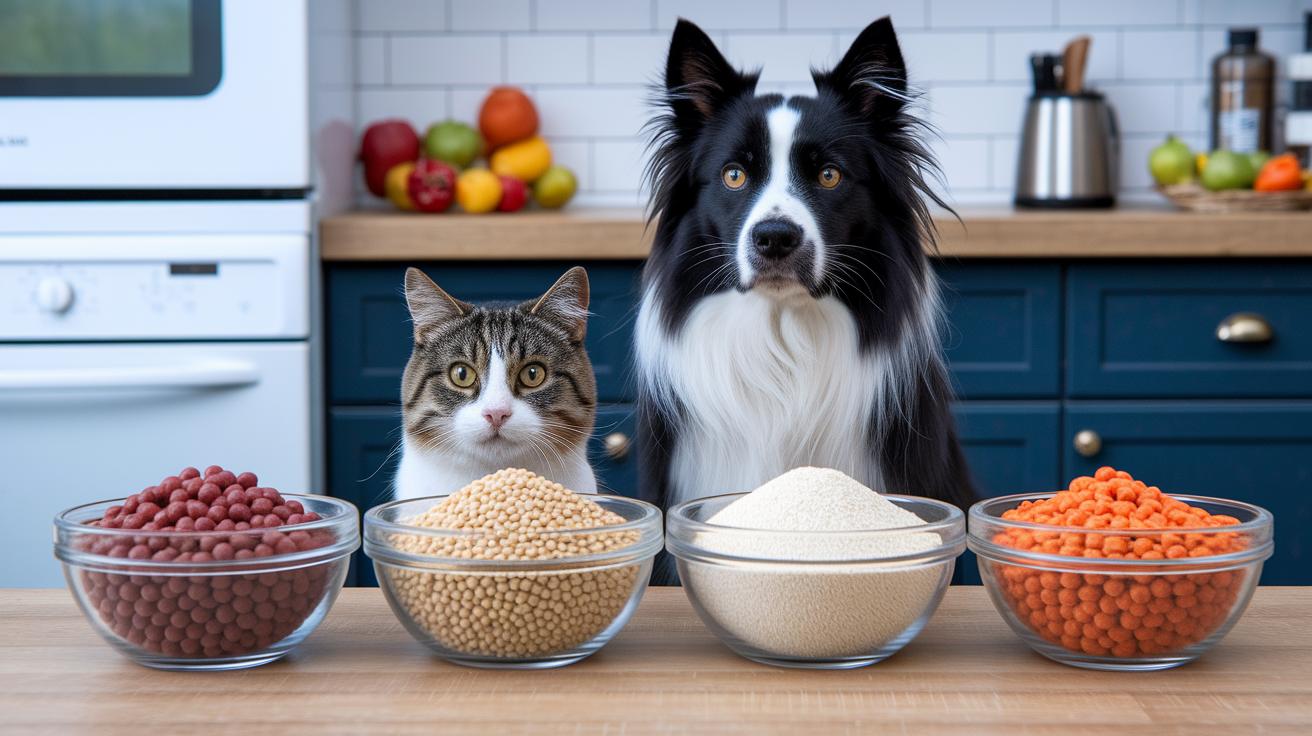
Every pet needs a good mix of nutrients to feel their best. Proteins, fats, and carbohydrates are the big three that give energy and help build strong muscles. High-quality proteins mend and grow muscles, fats deliver focused energy and help absorb vitamins, and carbohydrates are like a quick burst of energy for your pet’s fun adventures.
Vitamins such as A, D, E, K, and the B vitamins help keep important body functions on track. They boost the immune system, support clear vision, and maintain healthy skin. Minerals, including calcium, phosphorus, and potassium, work just as hard. For example, without enough calcium, bones can become weak and even fragile, so keeping a balanced amount in meals is key.
Fiber is also a friend when it comes to digestion, helping things move along smoothly and keeping your pet satisfied longer after a meal. And, of course, water is essential. It hydrates every cell and helps your pet’s body run like a well-oiled machine.
A fun way to check if these nutrients are well-balanced is by looking at the quality of the ingredients, think of it like piecing together a puzzle where every piece counts. When proteins, fats, carbs, vitamins, minerals, fiber, and water fit perfectly together, they create a complete picture of good health that your pet will love.
Commercial vs. Homemade Balanced Pet Diet Options

When you make meals at home for your pet, you get to choose every ingredient yourself. It’s like preparing a special treat with fresh veggies, lean meats, and whole grains, just perfectly suited to your buddy’s taste. But, if you miss key vitamins or minerals, your pet might not get all the goodness they need, which could lead to issues like weak bones.
On the other hand, commercial pet foods, like kibble or canned options, are put together by experts to ensure every bite is balanced and complete. These options are not only budget-friendly but also super convenient since each batch is made to meet strict nutritional guidelines. Many pet owners love knowing that these foods are tested for safety and quality every time.
It all comes down to how much control you want and what fits best for your pet in the long run. Even the best homemade recipes can fall short if you’re not guided by a veterinary nutritionist. If you need some extra help, consider checking out vet-approved homemade recipes or guides for reading pet food labels.
Every pet deserves a diet that keeps them thriving. Whether you decide to cook meals at home or rely on the steady consistency of commercial foods, making a thoughtful choice is the best way to show your pet some love every day.
Tailoring Balanced Pet Diets by Life Stage, Breed, and Health

Every pet needs food that fits them just right. When they're little, like puppies and kittens, they need extra protein and calories to help them grow strong. It’s similar to giving a sports car the high-octane fuel it needs to zoom off!
As pets become adults, the goal is to keep them at a healthy weight and full of steady energy. Adjusting their portions and carefully mixing proteins, fats, and carbohydrates helps them enjoy their daily adventures while staying healthy. Think of it like setting up a balanced meal plan that lets them play and explore without overdoing it.
Older pets often do best on a diet with fewer calories and a bit of help for their joints. Their meals can be made easier for their tummies to digest while still packing in the vitamins and minerals they need as they age. Sometimes, the breed matters too. A small dog with a sensitive stomach might need food that’s easy to digest, while a larger dog could need a bit more energy in every bite.
It’s important to tailor meals if your pet has special health needs, like allergies or issues with their kidneys or liver. Just like you might adjust a recipe to suit a picky eater, you can adjust your pet’s diet based on their age, breed, and any medical concerns to help them thrive.
Sample Balanced Pet Diet Meal Plans and Recipe Formulations

One smart way to feed your pet well is by planning meals for the whole week. This method mixes lean proteins, healthy carbs, and plenty of veggies, plus all the vitamins and minerals your pet needs. A January 15, 202, guide titled “Pet Nutrition: How to Make Homemade, Balanced Meals for Your Pet” walks you through each step so you can create special pet recipes. You can easily switch in seasonal ingredients or add extra water to keep things fresh.
For dog lovers, here’s a weekly meal plan idea:
- Monday:
- 1 cup boiled chicken breast (a lean protein)
- ½ cup brown rice (a healthy carb)
- ¼ cup steamed carrots
- Tuesday:
- 1 cup turkey pieces
- ½ cup quinoa
- ¼ cup green beans
- Wednesday:
- 1 cup lean beef cubes
- ½ cup sweet potato mash
- ¼ cup peas
- Thursday:
- 1 cup white fish
- ½ cup barley
- ¼ cup mixed seasonal veggies (think zucchini and spinach)
- Friday to Sunday: Rotate the proteins and veggies a bit to keep your dog excited about mealtime.
- Always make sure fresh water is available all day and, from time to time, mix in a little low-sodium broth.
For cat owners, here’s a balanced plan for your furry friend:
- Monday:
- ¾ cup shredded chicken
- 2 tablespoons cooked rice
- 1 tablespoon finely chopped pumpkin
- Tuesday:
- ¾ cup salmon chunks
- 2 tablespoons mashed peas
- 1 teaspoon olive oil
- Wednesday:
- ¾ cup turkey mince
- 2 tablespoons oatmeal
- 1 tablespoon diced carrots
- For the rest of the week, try small changes in the recipes so your cat enjoys different proteins and seasonal veggies.
Feel free to swap in other lean proteins or seasonal veggies as you see fit. Always watch the portion sizes so your pet gets just what they need, and enjoy the process of creating meals as special as your pet!
Common Pitfalls and Safety Measures in a Balanced Pet Diet
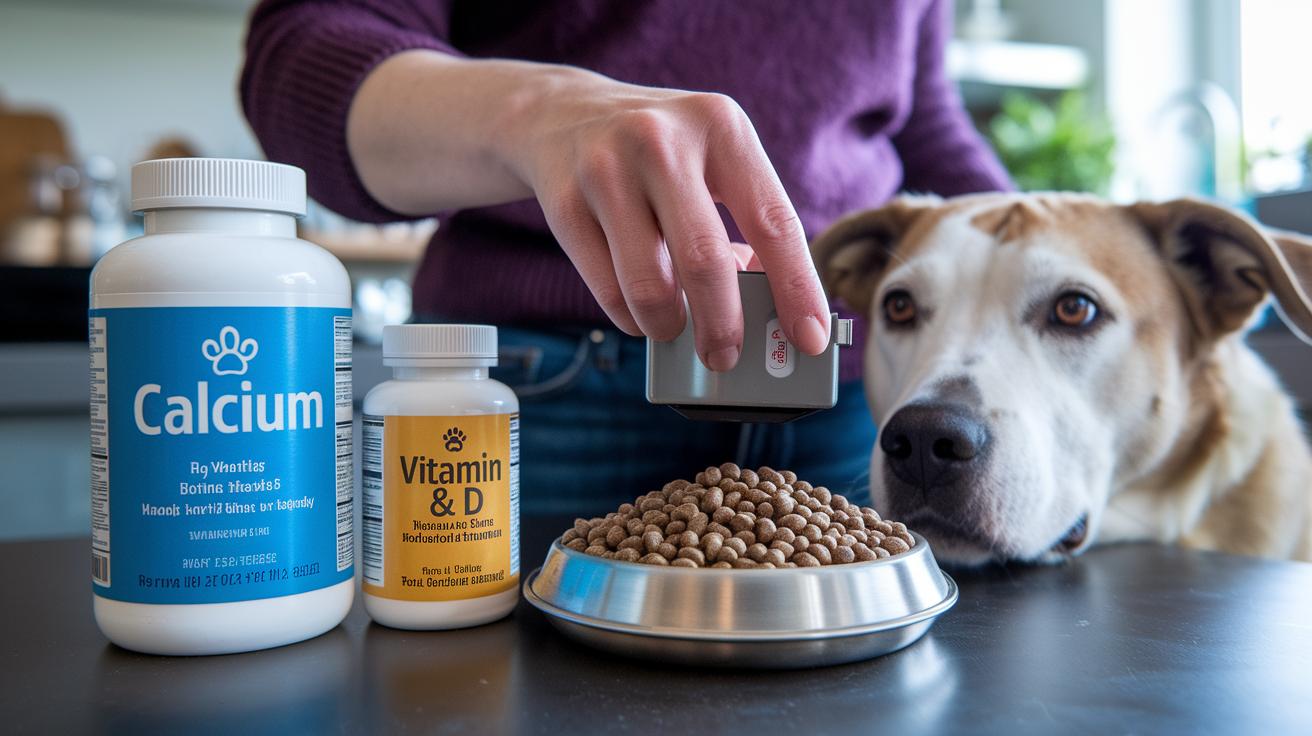
Cooking for your pet can be a bit tricky when it comes to balancing all the important nutrients. Even a tiny change in a recipe might leave out the vitamins and minerals your pet needs. For example, if the mix of calcium and phosphorus isn’t right, your pet may end up with fragile bones that could break easily. Think of it like a band playing music, if one instrument is off, the whole tune sounds wrong.
Another common mistake is not adding enough vitamin D. This vitamin helps your pet absorb calcium, which builds strong bones and boosts the immune system. But adding too much can be just as bad as not adding enough, sometimes causing harmful effects that upset your pet’s health.
There’s also the issue of how food is stored and prepared. If meals aren’t kept at the right temperature or handled with proper care, bacteria can grow. This can cause tummy troubles and even turn a healthy meal into a risk for your pet.
To keep your furry friend safe, it really helps to have regular check-ups with the vet and to practice safe food handling. Make sure you cook the food well and refrigerate leftovers right away. Checking the nutrient balance often is a good habit, ensuring each meal is as balanced as it should be.
Did you know? Even a slight miscalculation in nutrient ratios can turn a balanced meal into a recipe for health troubles.
Consulting Veterinary Nutrition Experts for a Balanced Pet Diet

Imagine having a clear, step-by-step guide for your pet's meals, covering everything from the right calories to the perfect vitamins. Board-certified veterinary nutrition experts help you craft a meal plan made just for your furry friend. They look at your pet’s age, breed, daily energy, and any special health needs. Then, they design a plan that makes sure every bite is balanced and full of the good stuff.
You might ask, how do I find these experts? It’s simple. Search for nutritionists linked with well-known groups or respected universities. Their advice comes from solid research, which means you might see benefits like better weight control and more energy in your pet. They also keep tabs on your pet’s health so they can tweak the plan when needed.
If you’re leaning towards a natural, all-around approach, check out more about holistic pet nutrition at Reipet. Trusting a specialist with your pet’s diet might just be the key to a lifetime of health and happiness for your best buddy.
Final Words
In the action, we reviewed key guidelines for a balanced pet diet and discussed how to meet your pet’s specific energy and nutrient needs through proper meal planning. We looked at comparing commercial and homemade options, tailoring diets for every life stage, and avoiding common pitfalls. Seeking expert advice ensures your pet receives complete care. A balanced pet diet fuels happy, healthy lives, letting you enjoy every joyful wag and purr with confidence.
FAQ
What do balanced pet diet reviews indicate?
Balanced pet diet reviews indicate that a nutritious meal plan combines proteins, fats, carbohydrates, vitamins, and minerals with proper calorie counts to support a pet’s age, breed, and health needs.
What are balanced pet diet recipes?
Balanced pet diet recipes mix lean meats, veggies, and whole grains with essential vitamins and minerals, ensuring your pet enjoys a meal that fuels energy and supports overall wellness.
How does the Balance It dog food calculator work?
The Balance It dog food calculator helps determine your dog’s precise portion sizes based on weight, activity level, and age, making it easier to craft a well-rounded feeding plan.
What balanced pet diet ingredients should I include?
A balanced pet diet uses high-quality proteins, fats, carbohydrates, and important vitamins and minerals to meet energy needs and promote strong health in your pet.
How is a balanced pet diet tailored for large dogs?
A balanced diet for large dogs focuses on higher protein levels and controlled calorie intake to support muscle maintenance and accommodate their unique size and activity needs.
What should a balanced homemade diet for dogs include?
A balanced homemade dog diet includes lean protein, vegetables, whole grains, and necessary supplements, ideally customized with veterinary guidance to cover your dog’s nutritional needs.
What information does a dog nutrition chart provide?
A dog nutrition chart details daily calorie needs, ideal protein and fat ratios, and essential vitamins and minerals, helping pet owners tailor diets to each dog’s age, breed, and activity level.
What makes vet approved homemade dog food recipes special?
Vet approved homemade dog food recipes are developed by board-certified experts to ensure the proper balance of nutrients, offering safe, effective, and delicious meal options for your pet.
What is a balanced diet for pets?
A balanced diet for pets includes the right mix of proteins, fats, carbohydrates, vitamins, and minerals to support growth, energy, and overall health while catering to each pet’s unique needs.
Is Balance It vet approved?
Balance It is vet approved, meaning board-certified experts help design meal plans that meet scientific standards for a balanced, healthful diet tailored to your pet’s requirements.
What is the 80/20 rule for dog food?
The 80/20 rule for dog food suggests that 80% of a meal should come from premium ingredients, while the remaining 20% includes supplements to provide complete nutrition for your dog.
What does a balanced meal for a dog look like?
A balanced meal for a dog features lean proteins, healthy fats, whole grains, and veggies along with essential vitamins and minerals to fuel energy, bolster immunity, and promote overall well-being.