
Ever think that starting life with a pet might be easier than it seems? It might feel like a huge job at first, but a few smart moves can really boost your confidence.
First, make sure you have the must-have items ready. Then, pet-proof your home so it’s safe and sound. And don’t forget to schedule those important health check-ups and plan some fun daily playtime.
Think of it like planning a fun road trip. With these simple steps, you’re setting up a happy, safe home for both you and your new furry friend.
Pet Care Tips for New Owners: Top 5 Steps to Launch Your Journey
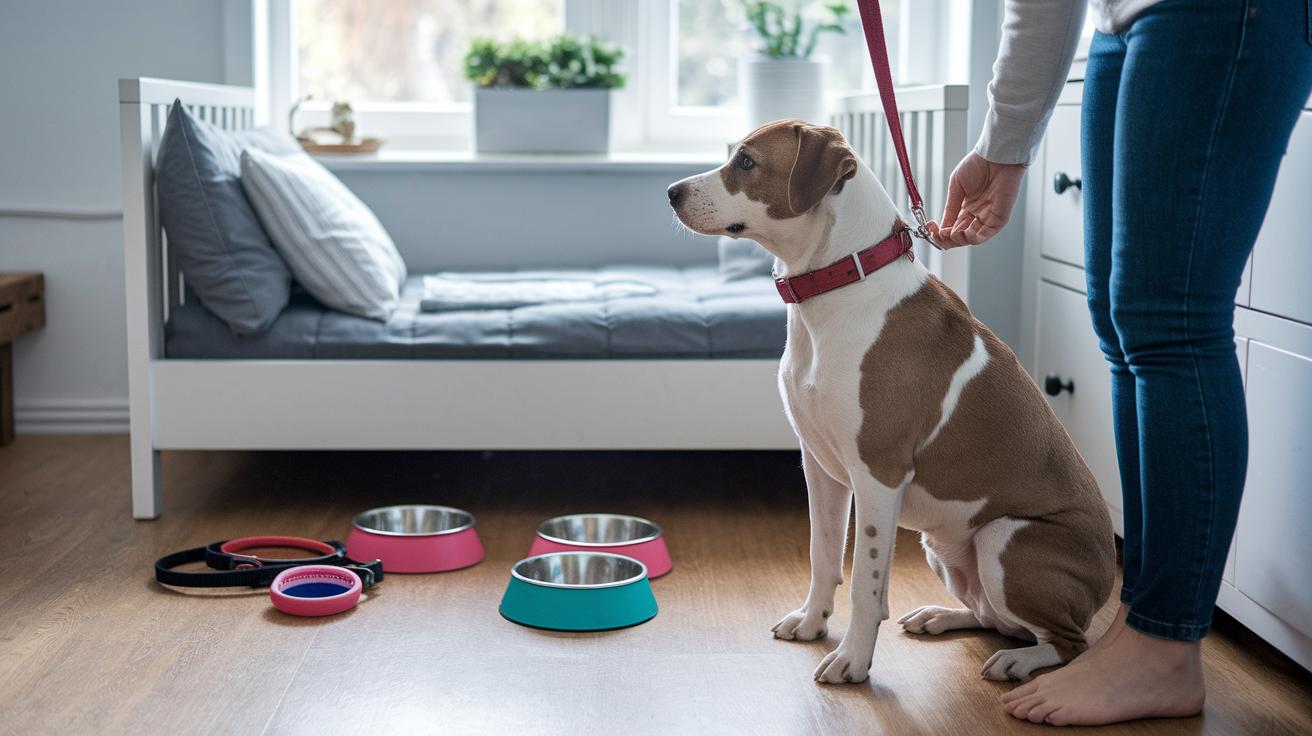
Start by gathering your must-have items. Before your new friend comes home, make a checklist with a cozy bed, bowls for food and water, a leash, a collar, and a safe spot just for them. Think of it like packing for a fun road trip, you bring along your favorite snacks and gear to ensure a smooth start.
Next, take time to pet-proof your home. Remove any foods or plants that could be harmful, tuck away loose cords, and secure cabinets with cleaning supplies. Imagine it as setting up a safe playground, where every corner is free from hazards, just like a child’s room that’s been tidied up.
Then, help keep your pet safe by getting them microchipped and putting on an ID collar. This simple step can lower the chances of losing your furry pal by more than half. It’s similar to labeling your luggage so it can be quickly found if it goes astray at the airport.
After that, schedule a complete wellness exam for your pet within the first week after they join your family. Follow it up with another check-up in 6 to 12 months. Starting core vaccines like distemper or parvo for dogs and FVRCP for cats at 6–8 weeks is really important, just like you wouldn’t skip your own doctor’s visit. Regular check-ups make sure both you and your pet stay happy and healthy.
Finally, make daily exercise a habit. A simple 20 to 30-minute walk or play session helps keep your pet active, eases boredom, and can even prevent obesity. Soon enough, these little routines will become cherished parts of your day together.
Pet Care Tips for New Owners: Preparing Your Home for a Smooth Transition

First, create a safe, cozy spot just for your pet. Pick a quiet corner and set up a comfortable crate or pet bed. Think of it as a little retreat where your pet can relax, much like your favorite comfy chair at home.
Next, make sure every room is free of hazards. Tuck away cleaning supplies, hide loose wires, secure your trash, and remove small objects they might swallow. It’s like preparing a safe playroom for a curious friend. Also, keep dangerous plants and foods, like lilies, chocolate, and grapes, far out of reach.
Keep the mood calm by setting the temperature between 65 and 75°F and keeping things quiet during the first 48 hours. This gentle, steady atmosphere helps your new pet settle in easily.
Finally, introduce your home one room at a time. Let your pet explore at their own pace and reward their calm behavior with tasty treats. This step-by-step approach is like showing a friend around a new place, full of little discoveries and warm encouragement.
Pet Care Tips for New Owners: Nutrition and Feeding Guidelines
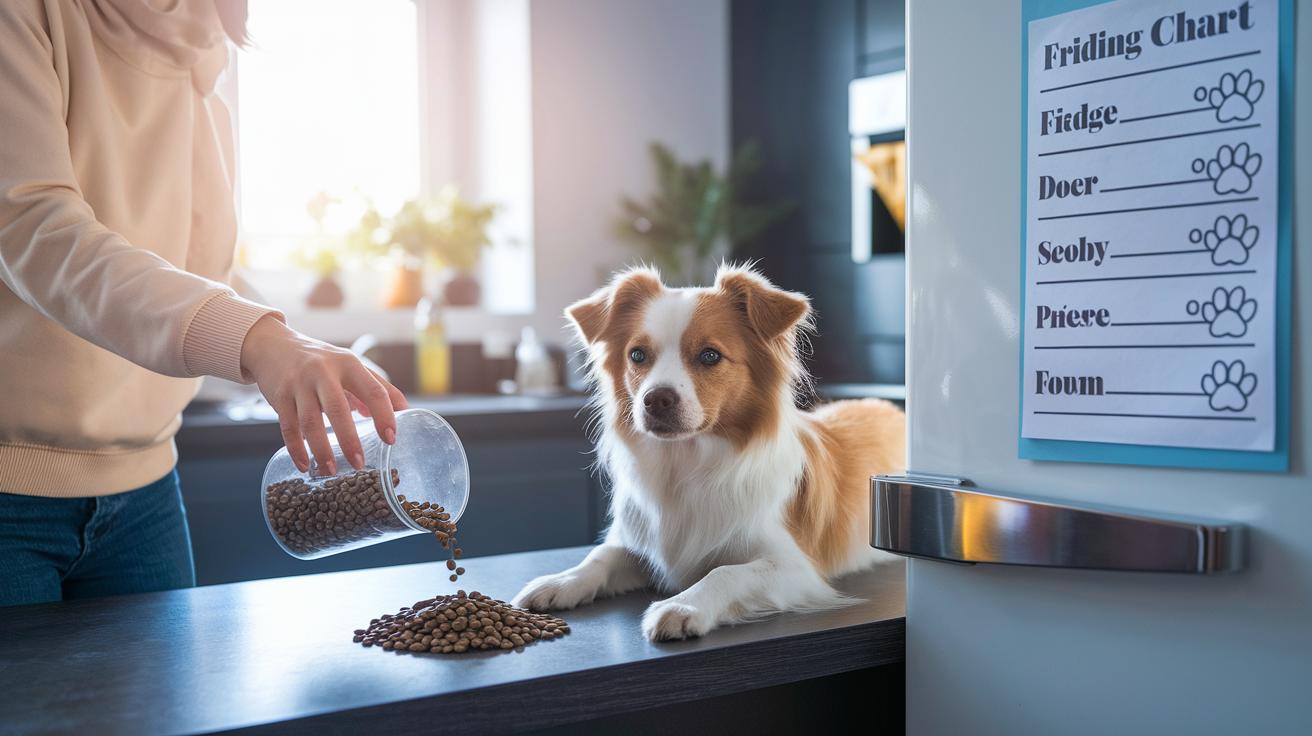
When you start feeding your pet, it’s a great idea to ask your breeder or rescue center for advice. They can help you choose a food that fits your pet’s age and breed. It’s a bit like picking out the perfect ingredients for your favorite meal. Gradually mix in the new food over 7 to 10 days by adding 25% more each time so your pet’s tummy stays comfy.
Keeping an eye on portions is really important. Check the feeding chart on the package and adjust the amount slightly, about 5 to 10 percent more or less, based on how your pet looks and feels. Think of it as making sure every family member gets just the right serving at dinner.
Always make sure your pet has clean water to drink. A handy rule is about 1 to 2 ounces of water per pound of body weight each day. This helps keep your pet happy and hydrated.
Treats should be a small part of your pet’s day, no more than 10% of their total daily calories. When you introduce a new treat, do it slowly to see if your pet has any allergies. And keep a steady meal routine: puppies and kittens usually do best with 3 to 4 meals a day, while adult pets thrive on 2 to 3 meals daily. A consistent schedule can really help your pet feel safe and loved.
Keep an eye on how your pet is doing, and adjust the portions if needed.
Pet Care Tips for New Owners: Grooming and Hygiene Essentials

Your pet’s grooming routine really sets the stage for a happy and healthy life. When you take a little time to groom them, you’re not only making them look great but also checking for any tiny issues before they become bigger problems. Think of it as a mini spa day, imagine the soft brush strokes that might wake up the gentle purr of a content cat or bring out the bright shine in your dog's coat.
- Brushing: For pets with long hair, try brushing every day to spread their natural skin oils and keep mats at bay. If your pet sports a short coat, a brush-up once a week usually does the trick.
- Nail trims: Make it a habit every two or three weeks. Trim just a bit past the pink part (the quick) so you can avoid any accidental cuts.
- Ear care: Use a vet-approved cleaner once a month for your pet’s ears. This monthly routine gives your pet a fresh start and helps ward off pesky infections.
- Dental routine: Brush your pet’s teeth two to three times a week and toss in some dental chews. It’s kind of like brushing your own teeth to keep cavities away.
- Parasite check: While grooming, take a quick look behind the ears, under the belly, and around the tail base. This helps catch any signs of fleas or ticks early on.
Sticking to these simple steps can boost your confidence as a pet parent. Each little task not only maintains your pet's hygiene but also deepens that warm, loving bond between you two.
Pet Care Tips for New Owners: Health and Safety Checkpoints
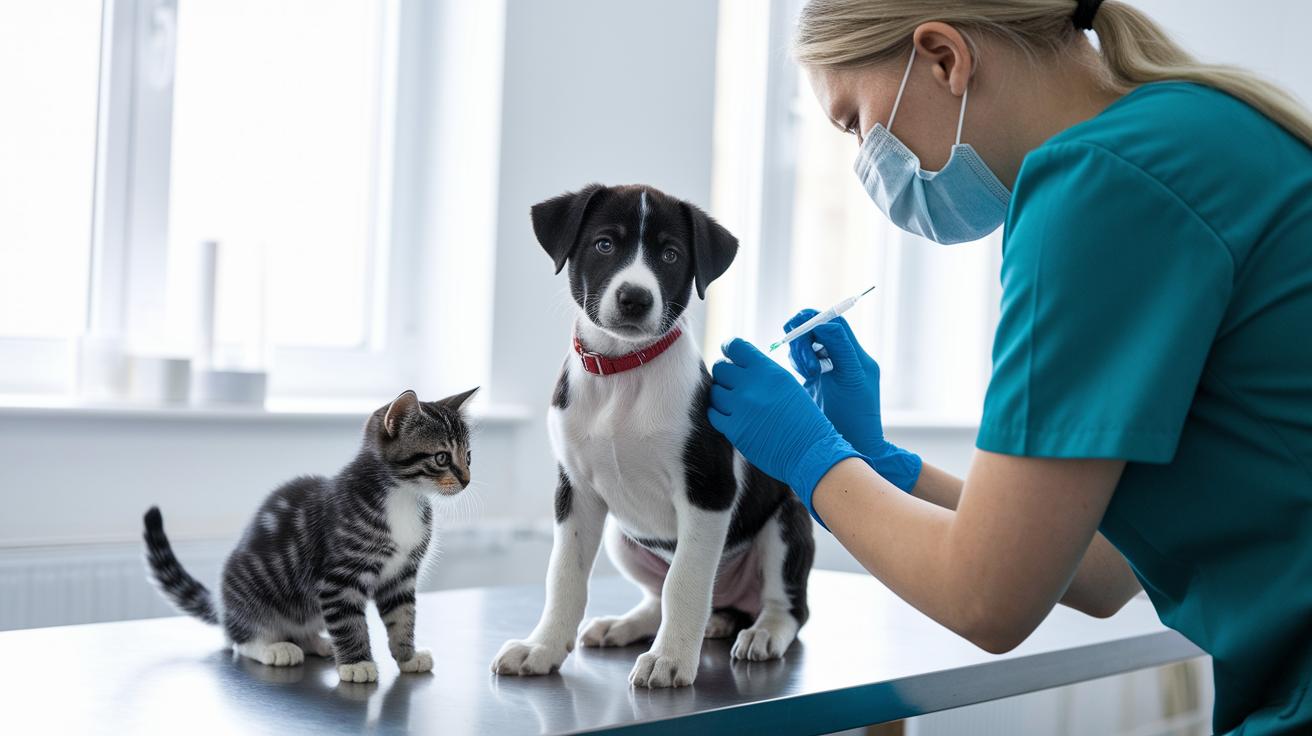
Start by getting your pet’s first vaccinations. For puppies and kittens, the core shots begin when they’re about 6–8 weeks old. Boosters follow at around 10–12 weeks and 12–16 weeks. This plan is key to protecting your pet from disease, it’s like giving them a little superhero shield against illness.
Next, keep an eye on parasite control. Begin treatments for fleas, ticks, and worms when your pet is roughly 8 weeks old, and stick to a monthly schedule. This regular care helps your pet feel comfy and can save you from bigger health problems down the road. Think of it as routine maintenance, just like keeping your car in top shape.
Spay and neuter services offer important benefits, too. Spaying cuts the risk of uterine infections and breast tumors by almost half in dogs and by up to 90% in cats. Neutering lowers the chance of testicular cancer. These procedures not only boost your pet’s health but also help keep them safe from wandering off or having unwanted litters.
Also, make sure your pet is microchipped and wears an ID collar by 12 weeks old. Check that your contact details are current right away. This step is crucial for helping you reunite with your pet if they ever get lost.
Finally, put together an emergency kit that includes gauze, vet wrap, antiseptic wipes, a pet thermometer, and a current vet contact list. It’s like packing a little first-aid kit for unexpected adventures with your furry friend.
For more detailed checkup schedules and vaccine information, be sure to chat with your vet or explore pet wellness plans.
Pet Care Tips for New Owners: Training and Socialization Fundamentals
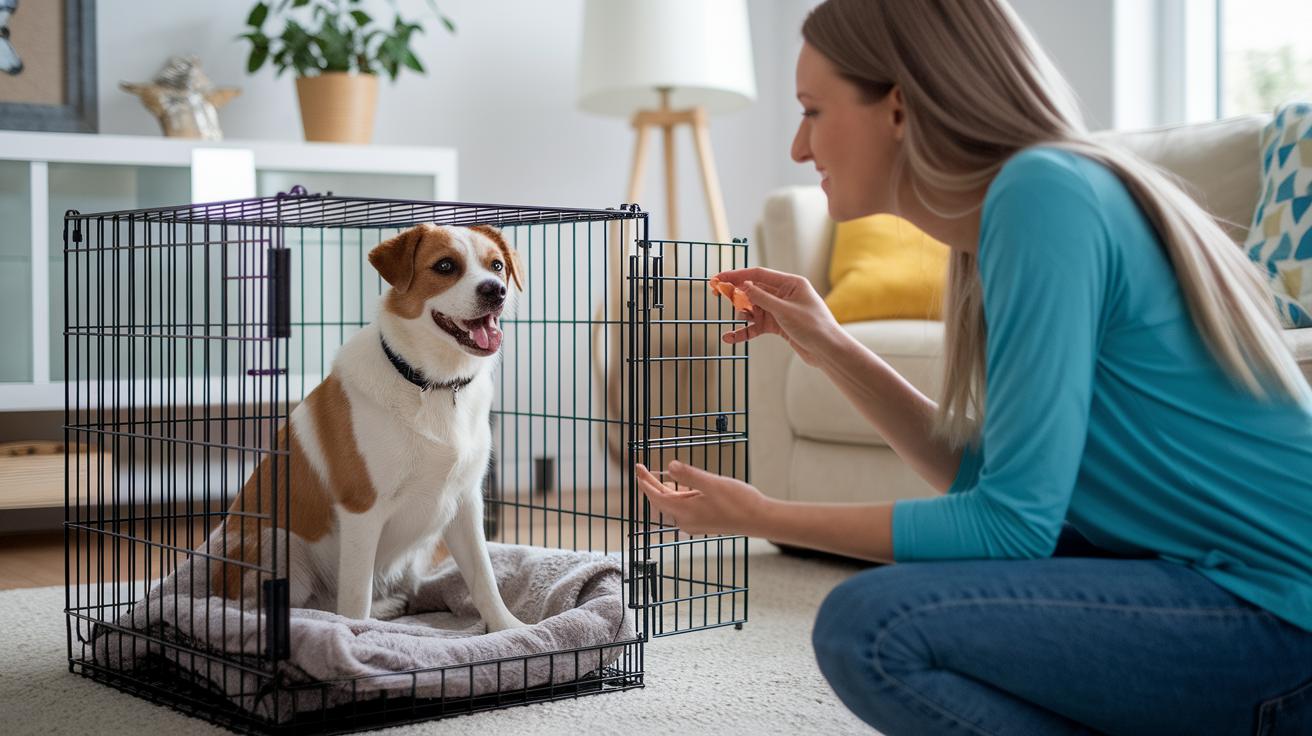
Creating a positive training environment is one of the best ways to build a strong bond with your pet. Start with short crate sessions of about 5 to 10 minutes, using some tasty treats your pet loves. As your furry friend gets more comfortable, slowly expand the sessions to 30 or even 60 minutes. This helps your pet see the crate as a cozy, safe den.
Teaching basic commands like "sit," "stay," and "come" is another essential step. Try practicing each command 5 to 10 times per session, and always give a little reward when your pet gets it right. Using the same words and hand signals every time builds trust and helps your pet understand you better.
Interactive play is a wonderful way to keep your pet’s mind active. Spend about 10 to 15 minutes each day on fun activities like fetch, hide-and-seek, or simple puzzle games. Not only does this keep boredom away, but it also encourages your pet to think and solve little problems.
Socialization is just as important as training. Gradually introduce your pet to new people, other animals, and different places in a calm and controlled way. This builds confidence and turns unfamiliar experiences into fun adventures. Soon enough, your pet will happily mingle with new friends, feeling safe and loved.
Remember, training is a journey that takes time and patience. With steady practice and a lot of love, you'll have a well-behaved companion by your side in no time.
Final Words
In the action, the post walked through must-have supplies, pet-proofing your home, vital ID and vaccination steps, and setting up a safe, healthy routine. It also covered balanced nutrition, daily grooming, and training fundamentals to keep your pet happy and secure. Each tip builds a strong foundation for your pet’s well-being. With these pet care tips for new owners, putting the pieces together can be simple and fun. Enjoy the journey and cherish every small victory along the way.