
Have you ever noticed how acting fast can save your pet's life during an emergency? Imagine your furry friend showing little signs of worry, like shaking or moving more slowly. In these moments, a quick decision on your part is key. Emergency pet care means spotting these clues early and stepping in right away. This guide will walk you through simple steps to help you feel confident and ready. When you recognize these signals, you ensure your pet gets the help they need fast, keeping their playful spirit alive.
Emergency Pet Care Essentials: Recognizing and Responding to Crises
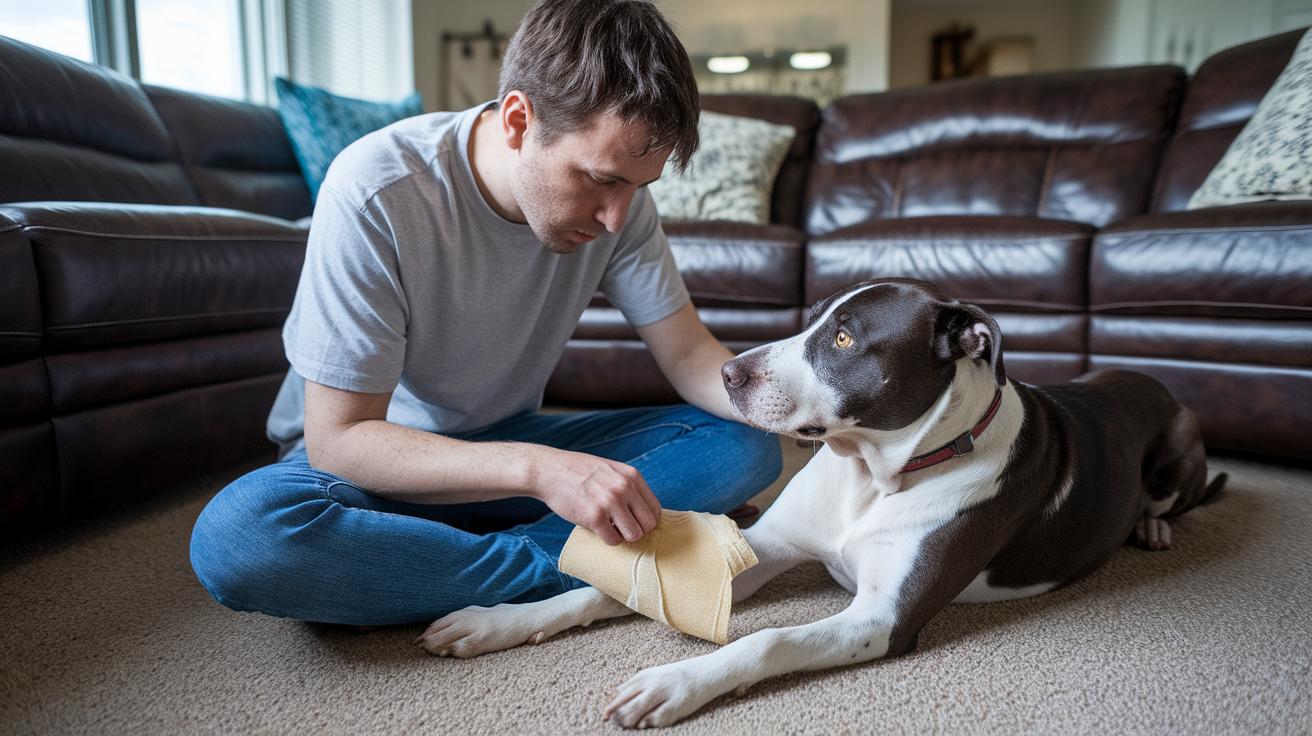
When your pet seems off, like struggling to breathe, bleeding more than usual, or having bizarre seizures, it’s time to act fast. These signs are big alarms that something serious might be happening, and every moment counts. If you see your pet wheezing or bleeding heavily, think of it as a clear signal that your quick action could really help.
Sometimes the cues are more subtle. Your furry friend might suddenly start limping, hesitate before moving, or hide away in a quiet corner. Even if these signs seem minor, they could mean something’s not right. Trust your gut and look for other hints like trembling or a sudden drop in energy; these might mean your pet is in pain or even in shock.
Here's a simple checklist to help guide you:
| Step | What to Do |
|---|---|
| 1 | Clear the area to keep everyone safe. |
| 2 | Check your pet’s breathing and pulse. |
| 3 | Press down on any wounds to slow the bleeding. |
| 4 | Keep injured limbs still until help arrives. |
| 5 | Speak softly and stay close to keep your pet calm. |
| 6 | Call your vet immediately for expert advice. |
Quick and calm action during a pet emergency can make all the difference. By securing the area and carefully checking your pet’s condition, you create a safer, more stable situation until professional help steps in. Noticing these warning signs and following clear steps can boost your pet’s chance to recover smoothly, and help ease your own worries during those high-stress moments.
After-Hours Emergency Pet Care Services Near You
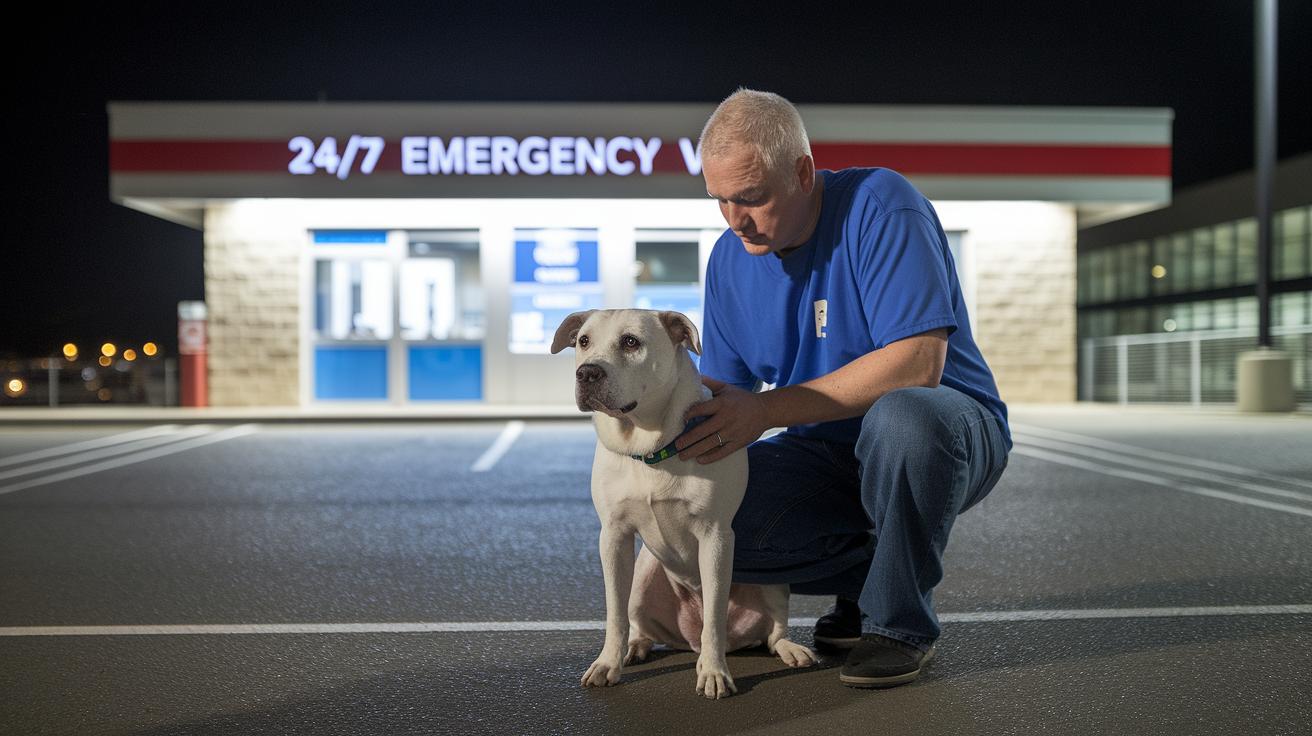
When your pet suddenly gets sick or hurt, it can be really scary. That's why it's so important to find help quickly from a pet care center that’s open 24 hours. Many local clinics are ready to help with everything from walk-in vet visits to full emergency treatment with extra special care.
These clinics often set up same-day appointments and even welcome you without one, so your furry friend can get seen fast, sometimes in just 30 minutes. Whether it’s severe vomiting, trouble breathing, or an injury from a fall, these after-hours services are built to act quickly. And the free parking at many locations means you can drop off your pet safely when every second counts.
| Clinic Name | Service Type | Hours | Average Wait | Contact |
|---|---|---|---|---|
| City Animal ER | Walk-In & Urgent Care | 24/7 | 30 min | 555-1234 |
| Night Paws Hospital | Emergency & Specialty | 24/7 | 20 min | 555-2345 |
| Pet Care Now | Urgent Companion Services | 24 Hours | 25 min | 555-3456 |
| Furry Friends Clinic | Walk-In Vet Crisis | After Hours | 30 min | 555-4567 |
| Emergency Pet Hub | ER & Specialty Medicine | Open Daily | 15 min | 555-5678 |
It can be really handy to save these trusted emergency spots on your phone. You can check online to see their hours, free parking, and typical wait times. And before you head over, a quick call can make sure they’re ready for you. Taking a few extra minutes to plan ahead helps keep you calm so you can focus on comforting your pet until the experts take over.
Emergency Pet Care First Aid: Stabilization Techniques at Home
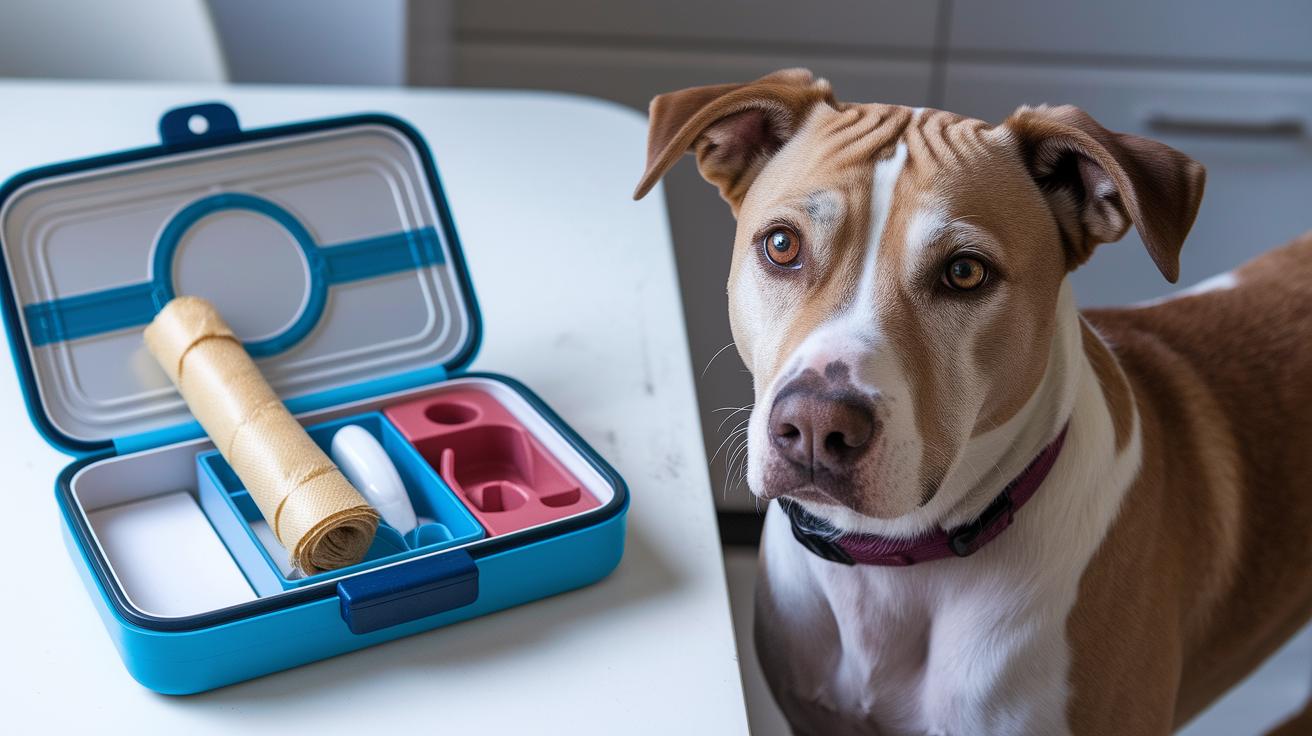
Having a well-stocked first aid kit at home is vital when your pet needs quick help. The right supplies nearby let you handle an injury immediately and can prevent further problems as you get ready to visit the vet. Keeping your kit current can really make a difference when seconds matter during a pet emergency.
- Sterile gauze
- Antiseptic wipes
- Adhesive tape
- Digital thermometer
- Tweezers
- Cotton balls
- Disposable gloves
- Styptic powder
It’s also helpful to learn a few extra steps so you feel more confident when your pet is hurt. For example, if your pet suffers a fracture or a serious injury, you can create a makeshift splint using any rigid material and secure it gently with adhesive tape. And if you notice any bleeding, press gentle, sterile gauze on the area until the bleeding slows down.
Wrapping your pet in a warm blanket and speaking softly can help keep them calm and reduce shock. Ever notice how a kind word soothes even a scared pet? Just remember, these first aid actions are only temporary fixes. Getting your pet to the vet as quickly as possible is the most important step for their full recovery.
Emergency Veterinary Consultation: What to Expect and How to Prepare
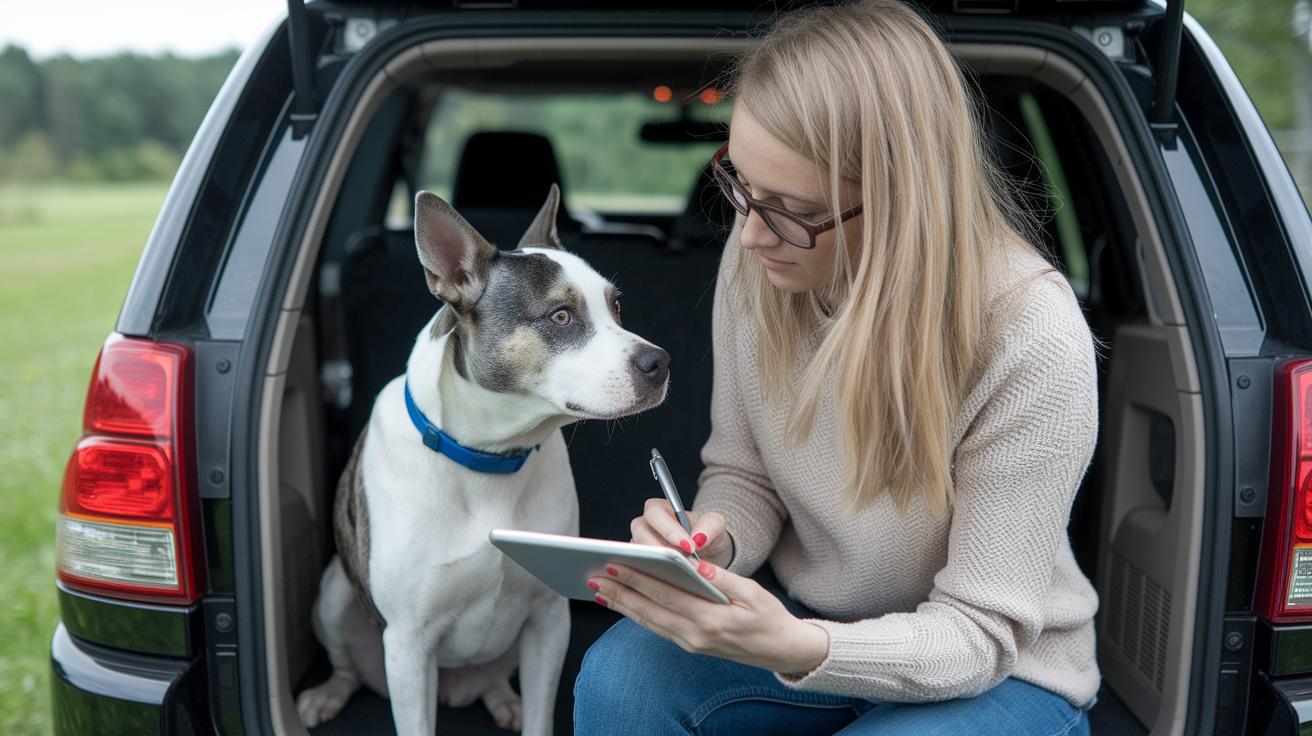
If your pet suddenly seems sick or has an accident, start by gathering their health history and noting any new symptoms. Write down any changes in behavior, appetite, or energy levels. Also, record important details like allergies, medications, and past health issues. This simple note helps your vet understand your pet’s condition fast.
Before you head out, make sure your pet is safely secured for the ride. Place them in a pet carrier or use a proper restraint so they stay calm and safe. Check that your car is at a comfortable temperature to help your pet feel secure. Getting these details sorted beforehand makes the visit smoother and less stressful for everyone.
Here are some questions you might ask your vet:
- What do you think is causing these symptoms?
- Which tests are needed to find the problem?
- How urgent is it, and what should we do right away?
- What treatment options are available for quick care?
- What will the recovery and follow-up care look like?
Many clinics offer teletriage and virtual follow-ups these days, so you might be able to get advice online before heading in person.
Emergency Pet Care Costs and Financial Aid Strategies
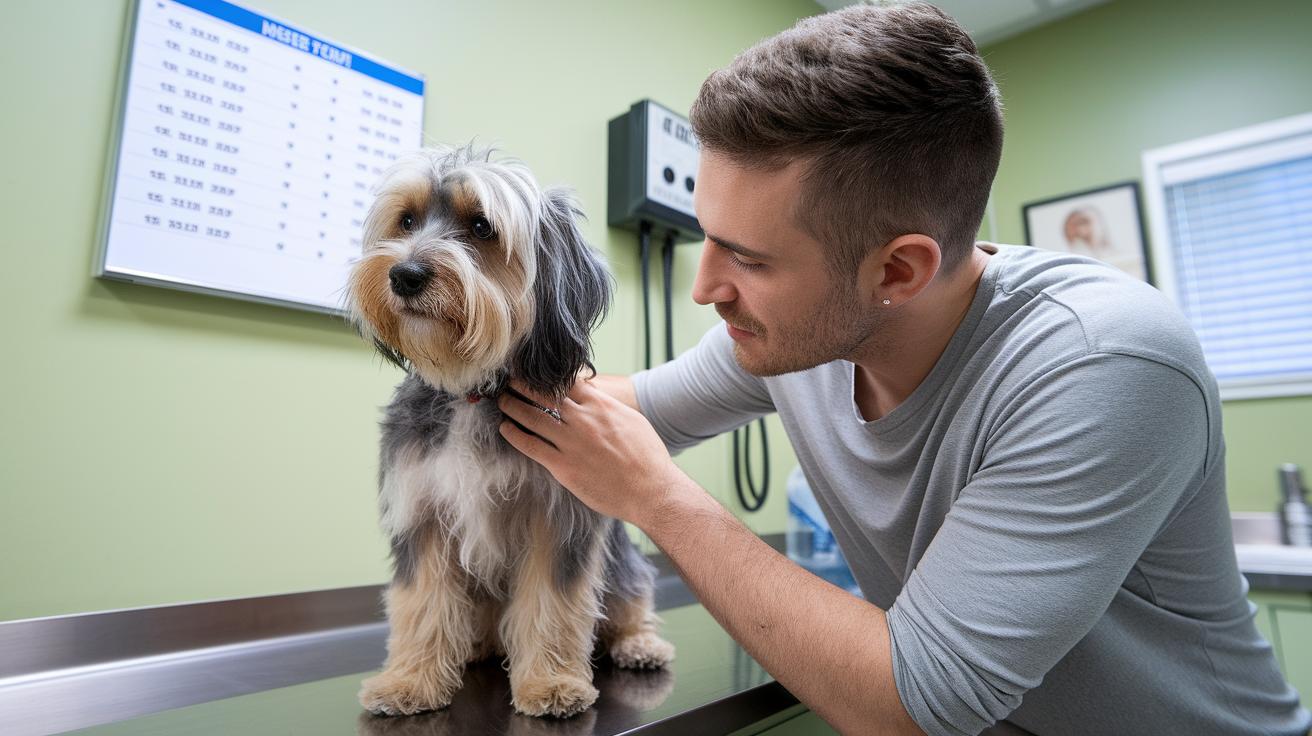
Sometimes just an ER check and a few tests for your pet can cost a lot. A basic emergency exam might run around $200, and tests like X-rays can add up to about $300. These figures are average, and prices may vary. It’s like saving a little money for a rainy day, you never know when you might need extra help for your pet.
| Treatment Type | Average Cost | Insurance Coverage | Aid Programs |
|---|---|---|---|
| ER Exam | $200 – $400 | Often Partial | Local Subsidies |
| X-Ray | $250 – $500 | Some Plans Cover | Crisis Billing Assistance |
| Emergency Surgery | $1,000 – $3,000 | Variable | Nonprofit Grants |
| Intensive Care | $500 – $1,500 per day | Depends on Policy | Community Crowdfunding |
Many pet lovers find that pet insurance can be a lifesaver when emergencies hit. Some vet clinics even offer payment plans or budget-friendly options to ease the worry. You might also explore nonprofit grants and community crowdfunding to help cover high bills. Always check with your provider about exact costs and local aid programs so you can care for your pet without breaking the bank.
Specialized Emergency Pet Care: From Poisons to Severe Injuries

Poisoning Response
If you suspect your pet has eaten something toxic, it’s important to act fast. First, weigh your pet to figure out how much activated charcoal (a substance that grabs toxins) to use. Imagine giving your pup the right dose, just like you would take proper medicine when you’re not feeling well. If you're unsure or notice signs like drooling or vomiting, call poison control right away.
Severe Trauma Management
When your pet gets seriously injured, quick action is key. Start by gently packing any wounds with a clean cloth or gauze, then use a pressure bandage to help slow down the bleeding. Think of it like using a sturdy board as a splint for a broken limb. Once you’ve stabilized them, carefully prepare to take your pet to the vet because every second really matters.
Heatstroke & Hypothermia
Pets facing extreme temperatures need immediate care. For heatstroke, try cooling your pet down with cool, damp towels and set up a fan so they can gradually lower their body temperature, as if you were fanning yourself on a hot day. On the other hand, if your pet is suffering from hypothermia, slowly warm them with warm blankets or packs while keeping an eye on their temperature, much like wrapping a shivering pet in a cozy blanket on a chilly night.
Seizure First Response
During a seizure, gently move your pet to a safe, padded spot on the floor to prevent injury. Keep track of how long the seizure lasts so you can share that with your veterinarian. If your pet has been prescribed emergency medication, give it as directed and try to keep the area quiet to reduce stress. It’s a lot like helping a friend who’s taken a tumble, calm, caring actions give your pet the best chance to recover.
Preparedness for Emergencies: Building Your Pet Crisis Management Plan

Imagine having a plan ready for unexpected pet emergencies, it’s like practicing a fire drill for your home. A good plan can ease your worries, letting you know exactly what to do when you need to help your furry friend quickly.
Think of it this way: you already know which vet to call, where to go, and which steps to follow when something goes wrong. It’s a bit like having a roadmap that helps keep panic away when every second counts.
Here are seven important things you should include in your plan:
- Emergency contacts such as your vet and poison control
- Addresses of your preferred clinics
- A printed folder with your pet’s medical records
- Transport details like your pet’s carrier or car restraints
- A clearly marked spot for your first aid kit
- A copy of your pet insurance policy
- Bookmarked telehealth links for quick advice
For example, you might stick your vet’s number on a note beside your phone. These little actions can really make a difference when you’re racing against time.
It’s a smart idea to practice your plan now and then. Run through these steps during a drill and update your plan each year. That way, you can feel confident in handling any sudden pet emergency with calm and care.
Advancements in Emergency Pet Care: Innovations and Best Practices
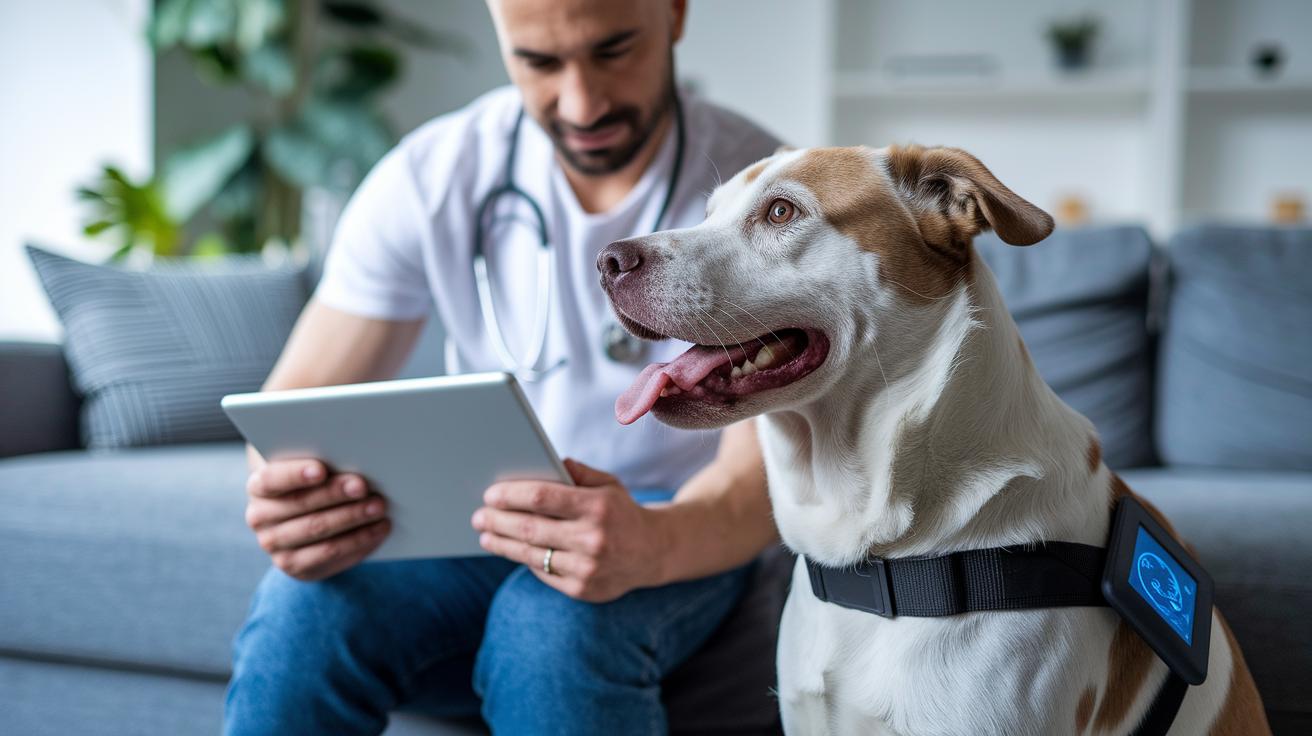
Today’s tech is turning pet emergencies into faster, smoother situations. Teletriage apps and cloud-based records mean that critical details about your pet are available in real time. This helps both vets and pet parents make quick decisions, where every minute really counts.
Imagine having an AI-powered symptom checker that lets you know if something’s off right away. There are also wearable monitors that keep an eye on your pet’s heart rate and temperature, making it easier to spot problems early.
Next, mobile pet ICU rigs bring hospital-level care straight to your home, while portable ultrasound units give vets instant images to guide treatment. And for those who want to be ready for any crisis, online training modules share lifesaving techniques with pet owners and responders alike.
Together, these innovations create a system where every step of emergency care is more coordinated. This means our furry friends get the precise, timely care they need when it matters most.
Final Words
In the action, you learned how to spot emergency warning signs, safely stabilize your pet at home, and build a clear crisis management plan. We covered finding after-hours care, preparing for emergency vet consultations, and even navigating costs and advanced treatment options.
These steps help make quick, informed decisions in emergency pet care. Every moment counts, stay calm, be prepared, and let your pet’s well-being guide your actions.
FAQ
Where can I find emergency pet care near me, including 24-hour and free options?
Emergency pet care near you is often available at 24-hour clinics and sometimes even free services. Local directories and online resources can help you quickly find the nearest facility.
What are common pet emergency examples?
Common pet emergencies include difficulty breathing, uncontrolled bleeding, seizures, poisoning, and heatstroke. Recognizing these signs means you can act fast to get proper care.
What are the top veterinary emergencies?
Top veterinary emergencies include poisoning, severe trauma, heatstroke, fractures, seizures, choking, allergic reactions, internal bleeding, acute diarrhea, and sudden collapse, all requiring urgent vet attention.
What should I do if my pet is having an emergency and who should I call?
If your pet is in distress, start by providing immediate first aid and calming your pet. Then, promptly call your veterinarian or the nearest 24-hour emergency clinic for professional help.
How much does a pet emergency visit cost and what if I don’t have money for an emergency vet?
A pet emergency visit cost can vary, but many services offer payment plans, pet insurance, or community aid programs to help if funds are tight. It’s best to ask about costs and financial options in advance.
What emergency care is available specifically for dogs?
Emergency pet care for dogs addresses issues like breathing trouble, trauma, seizures, or poisoning. Quick first aid and immediate veterinary consultation are critical for proper recovery.