
Ever thought a fun jump or tunnel run might reveal a hidden talent in your dog? It might sound surprising, but a little play can turn into a smart workout that boosts your pup's speed, balance, and confidence.
In this post, we'll share some friendly agility tips that are both fun and effective. Imagine your dog leaping over a tiny jump or zipping through a winding weave course, each move helps build strength and sharpens focus, just like a quick burst of energy on a sunny day.
Let's dive in and try these exercises together. Not only do they bring excitement to training, but they also help you and your furry friend share even more special moments.
Top Dog Agility Drills to Enhance Speed, Strength, and Focus
Agility training turns your dog into a real little athlete. One cool drill to try is the one-jump exercise. It helps your pup build concentration and timing for jumps, while also making those legs stronger. Think of it like practicing a single perfect leap in a fun mini-race, it really hones your dog's focus.
Tunnel runs are another fun way to boost speed and confidence. When your dog dashes through a tunnel, it helps them get used to quick movements, building muscle memory along the way. Just start with a short, low tunnel and gradually make it longer as they get more comfortable.
You should also try weave pole drills. These exercises improve your dog’s coordination and precision as they snake through the poles. Using treats and friendly encouragement makes the drill feel like a fun, winding adventure.
Consider setting up a mini obstacle course at home with items like A-frames, pause tables, tire jumps, and seesaws. Each part of the course targets a specific skill: A-frames work on balance, pause tables teach control, tire jumps sharpen jump accuracy, and seesaws build confidence.
Keep the training sessions short, around 10 minutes or less, to keep your dog energized without getting worn out. Mix jump drills and tunnel runs into your routine to see steady improvement. For more ideas, you can check out additional exercise routines at https://bonsiaai.com?p=1816.
Remember to use clear commands paired with lots of positive praise, adjust obstacles to suit your dog's size and fitness, and above all, keep the training fun and engaging.
Try these drills and watch your furry friend become more agile and energetic every day.
Foundational Dog Agility Drill Techniques
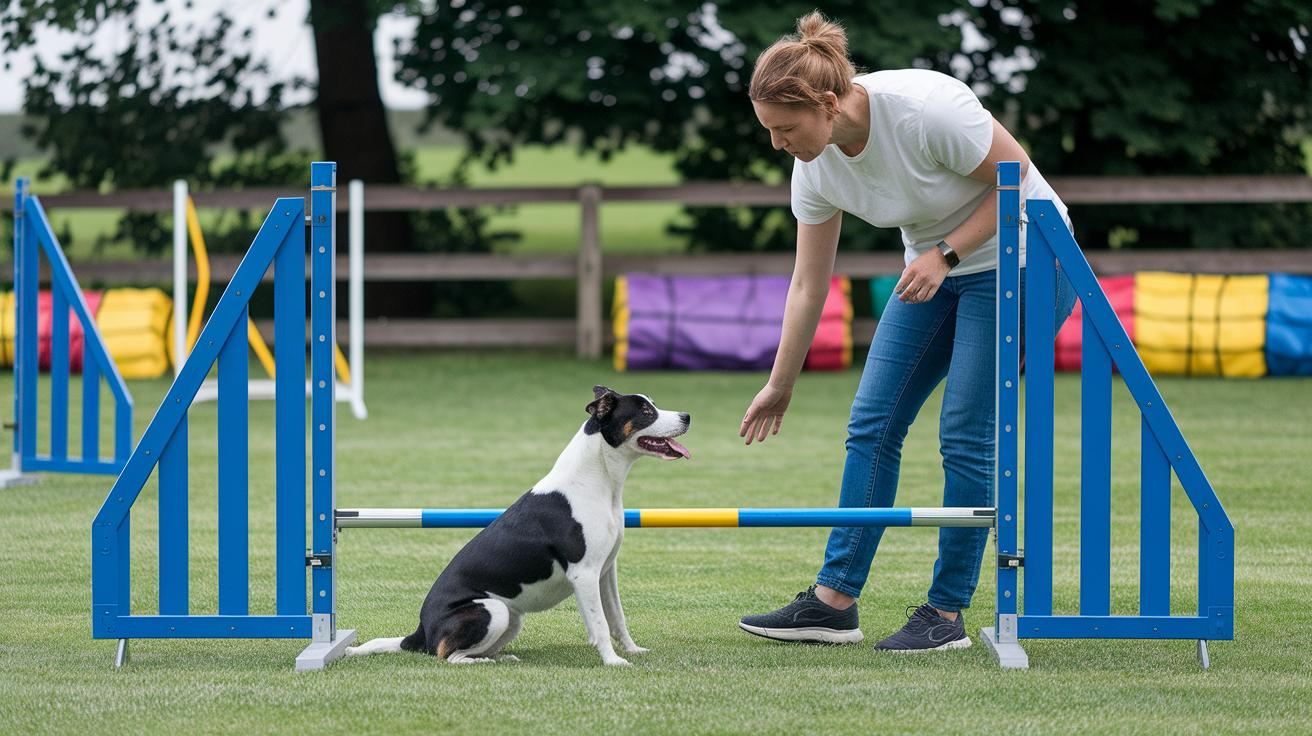
Dog agility is all about setting up a simple training plan where every drill plays a part in building clear communication and trust with your pup. Take the one-jump drill, it’s a great way to boost focus and get your dog ready for more challenging moves. For example, try giving the cue "sit" before a jump and reward your dog right away. Imagine saying, "Before you jump onto the course, remember that you learn one step at a time, just like walking along a quiet park trail."
Next, add in a weave poles drill. This exercise helps your dog make smooth, controlled turns that will ease the transition between obstacles. Start with the poles spaced out and slowly bring them closer together as your furry friend grows more confident.
It’s important to shift from single-obstacle practice to combining different drills. Practice each one on its own first, and then try linking a jump with a tunnel run. Go slowly and use the same cues each time. Think of it like building with blocks, each small step is essential for creating the full course.
Remember to adjust the drills to match your dog’s experience. For beginners, keep obstacles simple with plenty of space and lots of praise and treats. For those with more experience, make the exercises a bit tougher by reducing the spacing or adding mild distractions to mimic a full course.
Keep using clear commands and timely rewards. This step-by-step approach forms a strong foundation for your dog’s agility training and paves the way for more advanced routines down the road.
Beginner Dog Agility Drills for Puppies and Novices
Agility training can be a fun, playful way to introduce your puppy or a new dog to some basic skills. These short sessions, about 5 to 10 minutes long, use everyday items you likely have around the house so that learning stays easy and enjoyable. For instance, try a nose-touch drill: say “touch” and gently guide your pup’s nose to your hand, just like testing the water with a small toe dip before jumping in.
Here are a few simple drills that work great for beginners:
| Drill | Description |
|---|---|
| Nose-touch to Hand or Target | This helps your pup learn to respond by directing their nose toward your hand. |
| Hoop Walk-and-Jump | Start with a low hoop, then slowly raise it so your dog gets used to a gentle leap. |
| Balance Beam Plank | Set up two low supports with a plank in between and finish with a sit or contact command. |
| Handling Drills | Practice using both voice commands and gentle gestures to reinforce clear signals. |
| Wrap-Around Objects | Use everyday items like a trash can or cone to mimic weaving through poles. |
Regular practice of these drills not only builds muscle memory but also deepens the bond between you and your pup. Each exercise sets the stage for more confident and engaging agility adventures together.
Best Dog Agility Drills: Energize Training Success
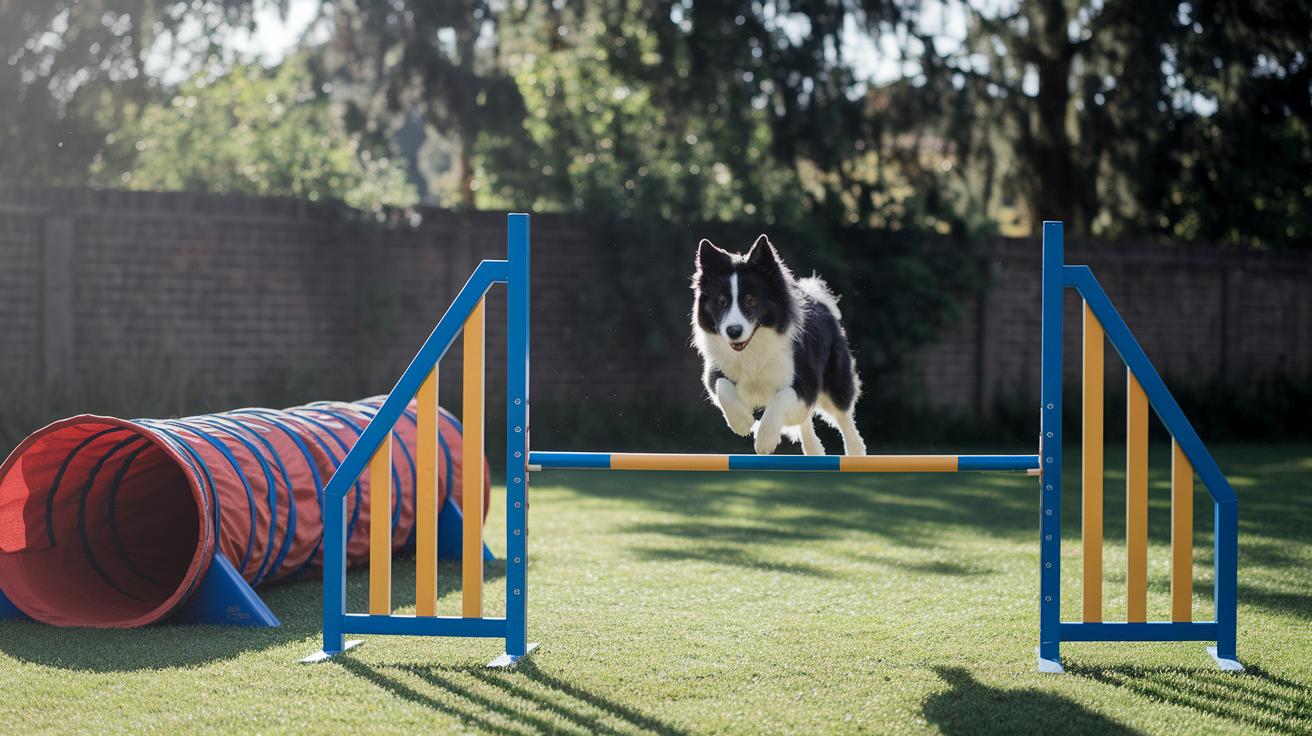
Agility training is all about taking one step at a time with your furry buddy. Begin with just one obstacle, like a simple jump, until your dog gets comfortable. Then, add another challenge, like a tunnel run, to keep things fun and build confidence.
Timed drills are another great way to boost speed. Pick up your stopwatch and see how fast your pup can dash through a short course. As your dog's getting quicker, try changing the course by adding extra obstacles or spacing them out a bit more. It’s really fun to encourage phrases like "Beat your last time!" and watch your dog's excitement.
Building endurance is just as important as speed. Slowly lengthen your practice sessions and introduce new obstacles one by one so your pet can adjust without getting tired. Always keep an eye on your dog and give a little break if they seem worn out.
In short, remember to go slow, celebrate small wins, and always be patient. With regular practice on these varied drills, your dog will grow in strength and confidence, ready to tackle any agility course with a wagging tail.
DIY Dog Agility Course Setup and Portable Equipment
Creating your own dog agility course is both fun and affordable. First, pick a safe spot with no hazards, maybe a grassy backyard, a non-slip indoor area, or even a park. Make sure there's plenty of space around each station and remove anything that could risk your dog's safety.
Next, gather some key portable gear to build the course. Consider adjustable jumps that work for your dog's size, a collapsible tunnel for a fun enclosed run, and portable weave poles to help with sharp turns. A mini A-frame is great for building balance and confidence, while a lightweight pause table can teach control. And don’t miss a tire jump for practicing accurate jumps.
If you're on a tight budget, get creative with everyday items like cones, buckets, planks, or hoops. For example, you can set up a balance beam by placing a plank between two steady supports, and a hoop at a safe height makes a great jump.
Be sure to measure the space between obstacles so they match your dog’s stride and energy. Portable kits let you move the course easily from your backyard to the park, giving your pup a fresh new environment each time. Adjust the spacing and equipment as your dog improves, and soon every session will be both safe and exciting.
Warm-Up, Cool-Down, and Safety Tips for Dog Agility Drills
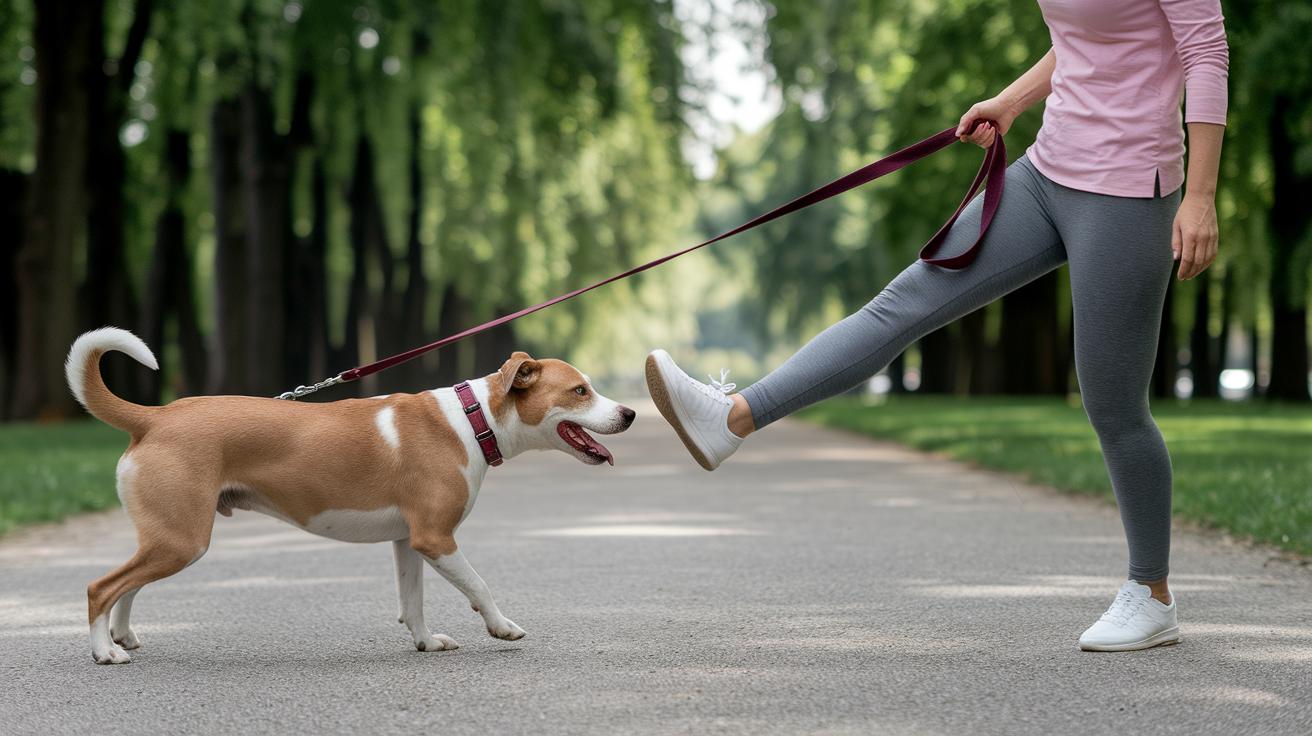
Before starting any agility drills, take a moment to check your dog's health. If your dog is over two years old or has any joint concerns, it's a good idea to get the go-ahead from your vet. Think of it like making sure there's enough oil in your car before a ride; safety comes first.
Begin with a warm-up lasting about 3 to 5 minutes. Take your dog on a brisk walk or a light, easy trot, and throw in some fun leg stretches, moving forward, backward, and side to side. It's like saying, "Let's get loose like a playful puppy primed for fun!" This not only wakes up the muscles but also sets a cheerful tone for your session.
After your drills, slow things down with a cool-down walk for another 3 to 5 minutes. Gently stretch your dog's shoulders, hips, and back to help relax those muscles. Keep an eye out for signs of tiredness, like heavy panting, slowing pace, or stiff legs, and be ready to ease up on the activity. Always put safety first to make sure every training session is fun and beneficial.
Customizing Dog Agility Drills by Breed, Size, and Skill Level
When planning agility drills, it’s best to adapt the course to fit your dog’s size and energy. For small dogs, try shortening the course and lowering the hurdles so they can move easily. You might spread out the poles a bit more, giving your little friend extra time to focus on each move without feeling overwhelmed.
For larger dogs, the setup needs a few changes too. Widen the obstacles and add jump drills that help build strength without overtaxing them. Keep an eye on the pace of the workout and offer plenty of rest between drills so your big buddy stays happy and safe. Adjusting both the challenge and layout helps match the exercise to your dog’s abilities.
If your dog is a pro at off-leash agility, you can spice things up by practicing recall commands and strengthening your communication. Mix up the speeds and order of the obstacles to keep the drills fun and engaging. And remember, your dog’s natural personality plays a big role. Whether your pet is full of energy or a bit cautious, tweaking the drills will make the training experience more enjoyable for both of you.
Tracking Progress, Endurance, and Recovery in Dog Agility Drills
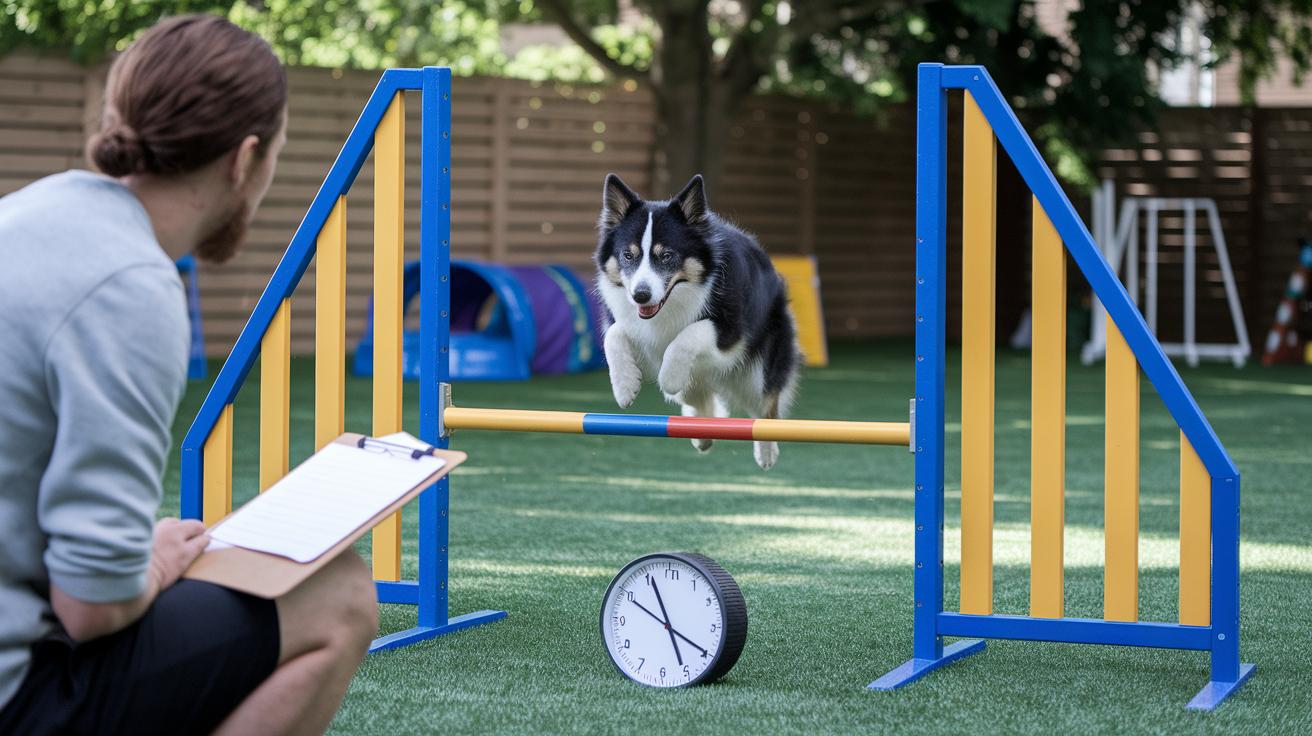
After every session, jot down your dog's run times, obstacle completions, error counts, and recovery speeds. For example, you might write, "Buddy finished 3 jumps and zipped through the tunnel in 12 seconds, with one missed contact." This simple note helps you see how your dog is improving over time.
Keep your drills short, aim for under 10 minutes, and practice them regularly. As your dog grows more confident and strong, slowly add more hurdles or laps. It’s a bit like adding another lap during a race. You might say, "Today, we ran the course twice; tomorrow, we'll try an extra lap."
Watch closely for signs of stress, like heavy panting, slowing down, or a reluctance to continue. When you notice these signals, it’s a good idea to take a rest day. Short breaks not only prevent overtraining but also keep the drills fun and exciting for your pup.
After training, consider adding joint and muscle support supplements that include DMG, lysine, potassium, and L-carnitine. These help your dog recover and maintain muscle strength as they work hard through each session.
By keeping a simple log of performance and tweaking the drill intensity based on your dog's feel, you can steadily build their endurance and speed, all while keeping your furry friend safe and happy.
Final Words
In the action, we've explored a range of drills that build strength, speed, and focus. Each section, from fundamental techniques to DIY setups, offers clear tips designed for every pet. We've also covered warm-ups, breed-specific adjustments, and smart ways to track progress, ensuring a safe, fun, and informed training routine.
These best dog agility drills pave the way for improved pet health and happiness, setting the stage for endless years of joyful, active moments with your furry friend.
FAQ
What is the best dog agility drills PDF?
The best dog agility drills PDF offers clear, structured exercises with jump drills, tunnel runs, and more that guide you in building your dog’s agility skills effectively.
What are the best dog agility drills for beginners and at home?
The best drills for beginners and home include simple setups like low jumps, tunnel runs, and DIY weave poles that boost focus, balance, and confidence in short, fun sessions.
What are dog agility jumping exercises?
Dog agility jumping exercises focus on jump accuracy, leg strength, and timing. They typically include single jumps or sequences that help improve your pet’s coordination and performance.
What are dog agility drills with 3 jumps?
Dog agility drills with three jumps involve a series of varied heights that build momentum, enhance precision, and improve overall jump technique for better agility performance.
What is the most effective training method for agility?
The most effective agility method uses short, consistent sessions focusing on one obstacle at a time with clear commands and positive reinforcement to build muscle memory and confidence.
What are the 3 C’s of dog training?
The 3 C’s of dog training are consistency, communication, and compassion. These elements foster clear expectations, build trust, and create a solid foundation for learning agility drills.
How do I train my dog for agility?
Training your dog for agility starts with basic drills like single jumps, gradually linking obstacles, and using treats and clear commands to build focus and positive reinforcement.
What age should dogs start agility training?
Dogs can begin agility training around six months old when they show interest, but it’s best to consult your veterinarian to ensure your pet’s health and readiness.