
Ever wonder if skipping your pet’s yearly checkup might put them at risk? Regular vet visits do more than just tick a box. They help catch little problems early, update vaccinations, and build a caring team between you and your vet.
Next, think of it like this: a checkup is like a little tune-up for your furry friend, a chance to ensure they’re feeling their best. In this guide, we break down simple steps to keep preventive care feeling like a natural part of your routine. It’s as easy as giving a gentle pat or sharing a favorite treat.
So, why not make it a regular habit? A little care goes a long way to keeping your pet healthy and happy every single day.
Essential Annual Pet Checkup Guidelines
An annual exam is a must for keeping your pet healthy. It helps find any health issues early on so your buddy can get help right away. This simple step means a happier pet and a longer life.
Regular vet visits also build a strong team between you and your vet. They get a chance to review your pet's health history and update vaccinations. It’s a comforting way to know your pet is always being watched for any changes or risks.
- Comprehensive physical check-up (see pet health check)
- Vaccination updates to protect against diseases
- Dental check to spot any mouth problems
- Blood tests to catch internal issues
- Urine tests to check kidney function and hydration
- Parasite screening for fleas, ticks, and heartworms
- Visual inspection of the coat, skin, eyes, ears, mouth, heart, and lungs
- A review of behavioral and medical history
This plan not only updates your pet's health scores but also paints a clear picture of their overall well-being. Following this checklist lets your vet make smart, tailored decisions for your pet. In the end, regular checkups help catch problems early and keep your furry friend feeling great.
Preparing for Your Annual Pet Checkup

Before you head to your pet's exam, take a moment to gather all your important records. Keep a simple journal of your pet’s health and behavior and jot down any questions or concerns you've noticed, like if your cat is acting more quiet than usual. Also, be sure to grab any medical records you have, such as vaccination histories and notes from past exams. This prep is your roadmap for the vet, giving them a quick and clear view of your pet’s history.
Don't forget to write down any symptoms or changes in behavior. Note details like when a new behavior started or if there was a change in your pet’s daily routine. For example, you could write, "My pet started scratching more last week." Having these clear notes makes it easier for the veterinarian to notice trends and suggest the right care.
Before scheduling your appointment, double-check the clinic’s hours: Monday, Wednesday, and Thursday from 8 AM to 6 PM; Tuesday from 8 AM to 7 PM; and Friday from 8 AM to 5 PM. You might want to confirm your slot through the clinic’s reminder system or set a digital alert on your phone to keep your visit stress-free and efficient.
Core Examination Components in Annual Pet Checkup Guidelines
A full head-to-tail exam is like a quick car check-up for your pet, it takes a close look at everything from the shiny coat to the sparkling eyes and even the heart and lungs. Your pet's health is checked from head to toe, much like how you might scan your car for any little issues before a long drive.
Next, the vet will check things like your pet's coat, skin, eyes, ears, mouth, heart, and lungs. It’s a simple, fast way to catch tiny troubles early. Think of it as giving your pet a little tune-up so they can keep trotting along happily.
| Exam Component | Purpose |
|---|---|
| Physical Check | Look over the pet’s body and spot any odd signs |
| Dental Assessment | Check the teeth and gums to make sure they’re healthy |
| Blood Work | See inside the body to catch hidden health issues |
| Urinalysis | Test the urine to keep an eye on kidney health and hydration |
| Parasite Screening | Search for fleas, ticks, and heartworms before they become a problem |
Pairing a careful physical check with tests like these lets the vet catch problems early on. This way, they can design a special care plan just for your pet, keeping them happy and in top shape. Isn’t it nice knowing that a little routine check can make a big difference in your pet’s day?
Vaccination and Preventive Care in Annual Pet Checkup Guidelines

Core vaccines act like a shield for your pet, guarding them against serious diseases. When you take your pet in for their yearly checkup, the vet will update these essential shots, like rabies and distemper for dogs or feline leukemia for cats, to keep their immune systems in tip-top shape. The shots come on a set schedule, so if your pet needs a booster at one year, the vet will give you a friendly reminder to keep your furry friend protected.
Besides vaccines, the exam also covers steps to control pesky parasites. Vets often add treatments or topical medications to help fend off fleas, ticks, and heartworms. This careful approach means your pet can avoid the trouble that comes from parasite-related diseases and stay comfy and infection-free.
Every pet is unique, so vets tailor vaccination and parasite prevention plans to match their needs. Factors like age, breed, health, and lifestyle can change the schedule. By setting up a plan that fits your pet just right, veterinarians help lower the risk of health issues later on, supporting a happier and healthier life overall.
Life Stage Considerations in Annual Pet Checkup Guidelines
Puppy and Kitten Checkups
From about six weeks to six months, your little pup or kitten needs regular visits to help them grow strong and healthy. Monthly checkups during this time let the vet complete all the core vaccines and keep an eye on important growth steps. For example, you might note, “My kitten started chasing its tail more often,” which is a sweet way to track new behaviors. These early appointments give your vet a chance to see physical changes up close and adjust vaccine schedules if needed, setting up your pet with a great foundation for a happy life.
Adult Pet Annual Checkup
When your pet reaches adulthood, one full checkup each year is usually enough. During this visit, the vet will do a complete physical exam, give any necessary booster shots, and chat about ways to prevent future issues. It’s a bit like an overall wellness check where even small changes in behavior, like noticing that your dog has been taking shorter walks, can be important signals. This annual review helps catch any early health concerns and keeps your furry friend in tip-top shape.
Senior Pet Bi-Annual Checkups
For pets around seven years old or older, it’s a good idea to see the vet twice a year. These checkups focus on common age-related issues, like arthritis, dental problems, diabetes, and kidney troubles. Regular visits help the vet monitor your pet’s health closely and adjust treatments as needed, making sure your senior friend stays comfortable and active. With these extra checkups, you’re giving your aging companion the care they deserve for their golden years.
Nutritional and Lifestyle Recommendations in Annual Pet Checkup Guidelines
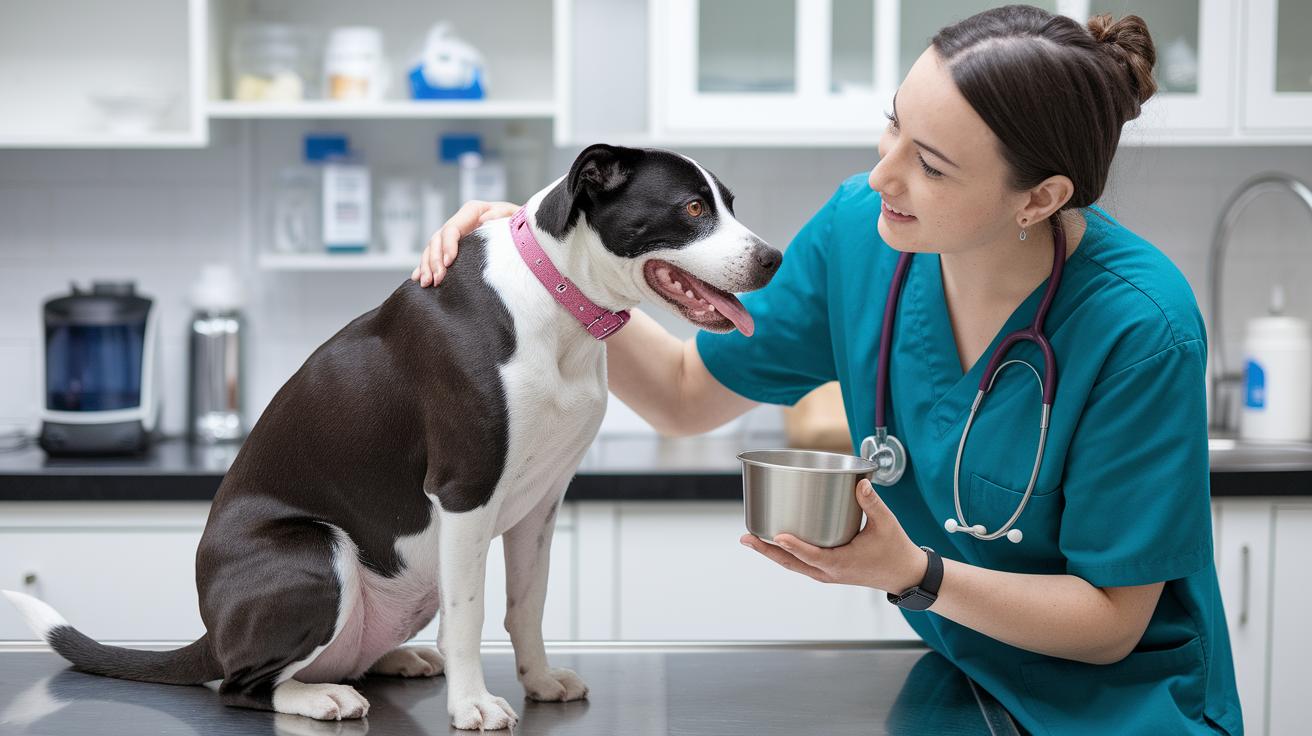
When you bring your pet in for their yearly checkup, the vet will take a friendly look at what they're eating and how their weight is doing. This is a great time to talk about your pet’s food and see if it needs a little adjustment, whether it’s changing the portion sizes or swapping out some ingredients to match your pet's day-to-day life. The vet might also share tips using resources like a simple guide to help improve your pet’s digestion. By checking your pet’s eating habits and weight, the vet can suggest small tweaks, like a slightly different food type or portion, that might boost their energy and overall health. It really helps to jot down what your pet eats daily and note any changes in their weight before the visit.
The exam doesn't stop at food, though. Your vet will also chat about exercise and lifestyle changes that work best for your pet. They will help you come up with a fun, easy-to-follow activity plan that fits your pet’s age, breed, and unique needs. This could mean adding new games, extending your daily walks, or just adjusting old routines to keep your pet active and happy. Sharing your observations about your pet’s energy and behavior leads to a personalized plan that helps ensure your furry friend has a lively and healthy future.
Monitoring, Follow-Up, and Specialized Care in Annual Pet Checkup Guidelines
After your pet’s checkup, it's really a good idea to set up the next appointment right away. Booking that follow-up before you leave the clinic can help keep stress low and make your routine smoother. Plus, a quick reminder on your phone or calendar ensures you never miss a vet visit.
For pets with ongoing health issues, more frequent checkups are key. Regular visits let your vet keep an eye on things like arthritis or diabetes and adjust treatments as needed. Keeping a simple record of any changes in your pet’s behavior or symptoms between visits can make a big difference in keeping their care on track.
Today’s digital tools make managing your pet's health a breeze. You can now use digital records to track vaccines, medications, and lab results all in one handy spot. Many clinics even offer an online pharmacy and easier payment options, so following up on care is simple. All these tools help you give your pet the personalized, evolving care they need.
Final Words
In the action, the article highlighted a complete roadmap for your pet's annual checkup. It explained why a full head-to-tail exam, vaccination updates, nutrition reviews, and regular follow-ups are vital. The detailed steps, from pre-visit planning to life stage adjustments, offer a clear path to safeguarding your pet's health. Using thorough annual pet checkup guidelines, you can confidently navigate preventive care and ensure lasting vitality for your furry friend. Here's to many happy, healthy moments together.
FAQ
Q: What does a dog’s annual exam include and what does the veterinary physical exam checklist cover?
A: The dog’s annual exam covers a full head-to-tail check-up. It includes vaccination reviews, dental exams, blood and urine tests, and parasite screenings to detect early signs of disease and maintain overall health.
Q: How much does an annual dog check-up cost, including options like a Petco exam?
A: The annual check-up cost varies by location and services provided. Clinics like Petco typically offer competitive pricing, so it’s best to call your local clinic for an accurate estimate.
Q: How can I find a low cost wellness exam for my dog near me?
A: Finding affordable exams is simple. Look up local veterinary clinics, check online for discounts, and ask for recommendations in your community to discover low cost wellness exam options.
Q: Are yearly vet visits necessary and how often should pets get a check-up or physical exam?
A: Yearly vet visits are generally recommended. Regular check-ups help catch health issues early, while pets with special needs may benefit from more frequent physical exams based on their age and health status.