
Ever think about whether your dog's allergies might come from something as simple as their food? It can be surprising to know that everyday ingredients may cause a furry friend to scratch and feel uncomfortable.
Take Max, for example, a loyal pup who finally felt relief when his owner switched to a simple, limited ingredient diet. Sometimes a small change can make a big difference.
In this article, we'll chat about how the right dog food for allergies not only calms itchy skin but also gives your pup more energy. And hey, who wouldn't love to see their pet wag their tail happily every day?
Finding the Ideal Dog Food for Allergies
Food allergies in dogs can make them scratch a lot, especially around their face, paws, and ears. I once heard about a dog named Max whose constant itching was wrongly thought to be just seasonal allergies, until his owner tried a special limited ingredient diet and everything changed.
There are a few ways to tackle these allergies. First, there are fresh meals with limited ingredients that stick to one protein and one carb. This makes it easier to see what might be upsetting your dog. Next, you can try novel protein formulas. These use proteins like venison, duck, or rabbit instead of the usual chicken or beef, so your pet avoids the common allergens. Lastly, hydrolyzed protein diets break down the proteins into tiny pieces. This helps prevent your dog’s immune system from recognizing them as a threat.
An elimination diet can also be very helpful. This means your dog eats just the special food for 8 to 10 weeks, all while being closely watched by your vet. And if you still see symptoms after 6 to 8 weeks, it’s a good idea to check in with the vet again to make sure nothing else is going on.
Choosing the right food not only calms that annoying itch but also helps your pup feel lively and full of joy. Isn’t it amazing how much a simple change at mealtime can brighten up your day?
Common Allergens and Safe Ingredients in Dog Food for Allergies

Choosing the right food for a dog with allergies is more than just a quick grab from the shelf. It helps to know which ingredients might upset your pup's stomach and which ones can boost their energy and well-being. Many times, ingredients like chicken, beef, dairy, eggs, wheat, corn, soy, and even artificial colors, flavors, and preservatives can cause problems like tummy troubles or constant itching. That’s why many pet parents try safer protein sources such as venison, duck, rabbit, kangaroo, or fish. Hydrolyzed proteins, which are broken down into tiny parts, can also help reduce the chance of an allergic reaction. Even simple carbohydrates like rice, sweet potato, or peas are gentle on the belly. Always opt for foods with clear, detailed ingredient lists so you know exactly what’s going into your pet’s bowl.
Here are a few tips to remember:
- Check labels carefully to avoid any extra fillers.
- Choose recipes with a single protein source to minimize the risk of mix-ups.
- Look for products that list every ingredient clearly so you’re never in the dark about what your dog’s eating.
| Allergen | Safe Alternative |
|---|---|
| Chicken | Venison |
| Beef | Duck |
| Dairy | Rabbit |
| Eggs | Kangaroo |
| Wheat/Corn | Rice/Sweet Potato |
| Soy & Artificial Additives | Peas & Hydrolyzed Proteins |
Choosing the right food can really make a difference in your dog’s overall health. Keeping meals simple with one protein and one carbohydrate can help you notice any changes quicker and manage sensitivities better. Isn't it great to see your furry friend feeling happy and healthy every day?
Top Commercial Dog Food Options for Allergy Relief
-
KOHA LID
This food uses one protein source, your choice of chicken, beef, or duck, and a single type of carbohydrate to help lower the chance of allergic reactions. It comes in both dry and wet forms, so it’s a great pick if you want a simple, flexible meal for your pup. Imagine serving your furry friend a straightforward dish that helps avoid extra allergic triggers. -
Merrick LID
Merrick’s Limited Ingredient Diet keeps things simple with fewer than 10 ingredients. Whether you choose a grain-free or grain-inclusive option, this recipe skips common allergens like chickpeas and lentils. It’s a balanced way to feed dogs with mild to moderate sensitivities, ensuring they get the nutrients they need without the extra stuff. -
Hill’s Prescription Diet Z/D
This option is made for dogs with serious food sensitivities. Hill’s Prescription Diet Z/D uses tiny, broken-down proteins (called hydrolyzed proteins) that are easier on your dog’s system. By keeping these proteins small, it helps lessen allergic reactions and manage ongoing skin issues. It’s best to check with your vet before starting this diet to make sure it’s the right fit for your pet. -
Blue Buffalo Basics LID
Blue Buffalo Basics offers recipes featuring proteins like turkey, duck, and salmon. Along with a mix of essential vitamins, antioxidants, and minerals, this dry kibble is designed to be gentle on your dog’s stomach. It provides a robust yet hypoallergenic meal that supports overall health. -
Spot & Tango Fresh Limited-Ingredient
This fresh food option takes a whole-food approach by keeping the ingredient list short and skipping fillers or artificial additives. With quality proteins and mild carbohydrates, it helps your dog digest food easily while boosting their energy and overall well-being.
Each of these diets is carefully made to lower allergen exposure while giving your pup balanced nutrition and clear, trusted ingredients.
Homemade and DIY Dog Food Recipes for Allergies

Sometimes, it feels great to whip up a fresh, homemade meal that’s both gentle on your pup's tummy and low in allergens. One simple recipe is baked salmon with sweet potato. Begin by gently baking a piece of salmon, which is full of omega-3s (those special fats that help ease inflammation). Pair it with steamed sweet potato for a soft, comforting side. To give it an extra boost for healthy skin, you can add a little fish oil. For more details, check out the full guide on Homemade dog food for allergies.
Another easy option is a turkey and rice medley. Cook some lean turkey without any fillers or extra flavors to keep things pure. Mix it with cooked white rice, a single carbohydrate source that’s easy on the digestive system. Then, add a small sprinkle of marine microalgae, a natural source of antioxidants, to round out the meal.
It’s really important to measure portions carefully. Chat with your veterinarian to figure out the right serving sizes and balance the nutrients your pup needs. Think of it like following a recipe at home, but with the extra care needed for an elimination diet phase during allergy testing.
These DIY recipes let you control the ingredients and tailor meals to boost your furry friend’s vitality. Enjoy the process of crafting these simple, nutritious meals that are kind on the tummy and guided by expert advice.
Transitioning Your Dog to an Allergy-Friendly Diet
Start by gently mixing the new, allergy-friendly food with your dog’s current meal over about 7 to 10 days. This gradual change helps your furry friend adjust comfortably to the new diet.
Begin with 25% of the new food mixed with 75% of the old food for the first couple of days. Then, shift to a 50/50 mix for the next two days. After that, try 75% new food and 25% old food for two more days. Finally, by day 7 to 10, your dog should be enjoying 100% of the allergy-friendly food.
For more details, you can take a look at the guide here: Transitioning Your Pet to a New Diet.
During this change, it’s important to follow an elimination diet for 8 to 10 weeks. This means no treats or extras, just the food you’ve planned. Always make sure your dog has plenty of fresh water, and keep an eye on their stool and behavior. If those pesky allergy symptoms stick around even after 6 to 8 weeks on the new diet, it might be time to check back with your vet.
Veterinary Tips and Long-Term Management of Dog Food Allergies
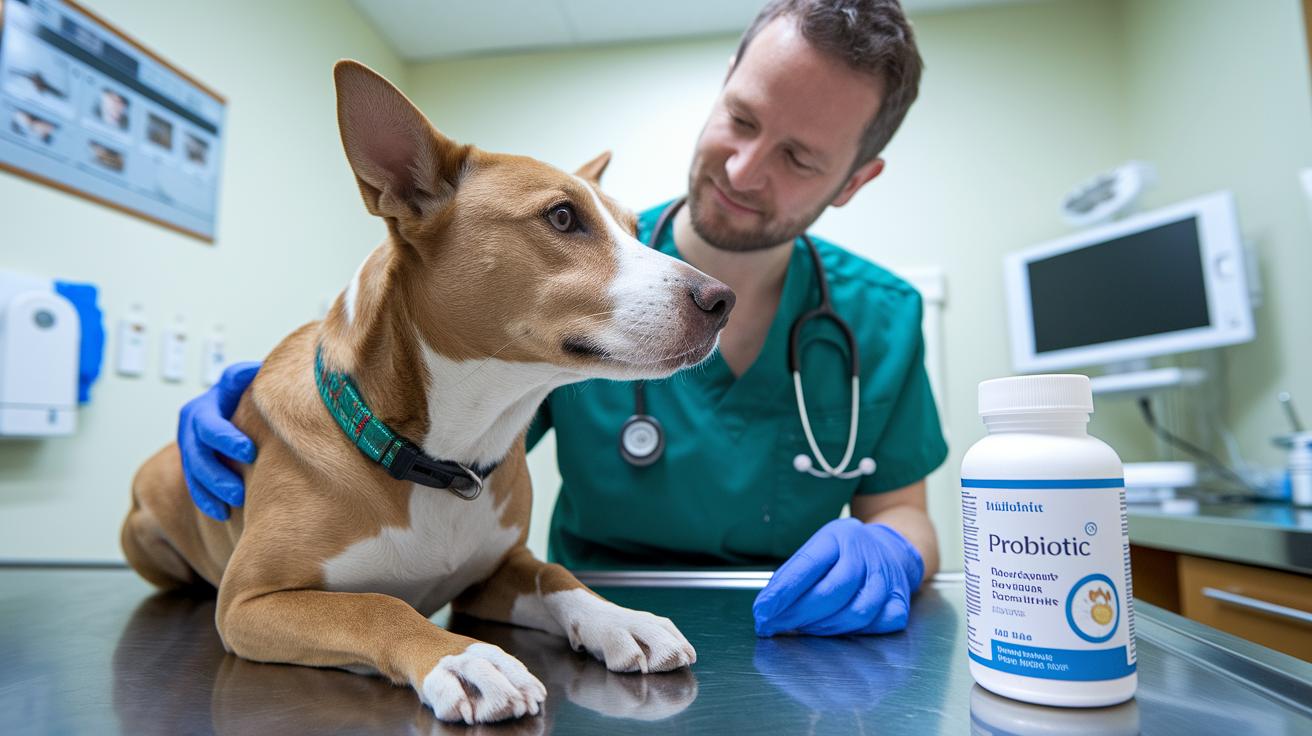
Working with your veterinarian is essential when managing your pup’s food allergies. Your vet might suggest an elimination diet to help figure out which food is causing the fuss. If your dog's paws are constantly itchy, your vet might even do a quick skin test to check for hidden sensitivities.
Sometimes, for more serious cases, your vet may recommend special hydrolyzed diets. These diets break proteins into tiny pieces, making it harder for the immune system to react. Rotating proteins, like switching from chicken to duck or venison every few months, can also help keep new allergies at bay.
Adding probiotics to your dog’s meals can be a smart move too. They support a healthy gut and may reduce inflammation, which can ease allergy symptoms. Taking a moment each month to check your dog’s skin, ears, and paws can catch any issues early, ensuring that your nutrition plan is on the right track.
It’s also a good idea to recheck your furry friend’s nutrition every year. This keeps their overall health in check and helps spot any new sensitivities quickly. And if symptoms stick around or get worse, turn to your pet health clinic for more expert advice. Regular vet visits keep your pup feeling its best and ensure a science-backed approach to long-term care.
Final Words
In the action of finding the ideal option for sensitive pups, we explored top ingredients to avoid and safe alternatives that soothe allergic reactions. We reviewed reliable commercial recipes, walked through easy, step-by-step transitions, and shared vet-guided tips for long-term success. Each part was designed to help you feel confident in making well-informed decisions. Remember, the right dog food for allergies can pave the way for happier, healthier days for your furry friend. Embrace these tips and enjoy the comforting moments of a wagging tail and a contented purr.
FAQ
Homemade dog food for allergies
The homemade dog food for allergies recipe uses fresh, whole ingredients to minimize allergen exposure. A single protein source paired with one carbohydrate (like baked salmon and sweet potato) offers balanced, natural nutrition under vet guidance.
Best dry dog food for skin allergies
The best dry dog food for skin allergies uses limited ingredients and novel proteins to reduce irritation. Such formulas avoid common triggers like chicken, beef, dairy, and artificial additives, offering gentle, effective nutrition.
How does dog food for allergies address yeast infections and itchy skin?
The dog food for allergies targeting yeast infections and itchy skin is made with allergen-free, hydrolyzed protein formulas that reduce inflammation and soothe irritation, helping to calm skin reactions and support overall comfort.
What is the best food for dogs with allergies, including options like Hill’s and small breed formulas?
The best food for dogs with allergies, including choices like Hill’s Prescription Diet Z/D, features limited-ingredient or hydrolyzed protein formulas designed for sensitive digestion. Some are specially formulated in smaller kibble sizes for small breeds.
What foods cause dogs to have itchy skin?
What causes itchy skin in dogs often involves common allergens such as chicken, beef, dairy, eggs, wheat, corn, soy, and synthetic additives, which can trigger irritation and discomfort in sensitive pets.
What is the most common food allergy in dogs?
The most common food allergy in dogs is a reaction to chicken, which frequently leads to itchiness and inflammation, making it a common culprit among sensitive pups.
What is good for dogs with allergies naturally?
What’s good for dogs with allergies naturally includes diets made with novel proteins, omega-3 rich ingredients, and minimal additives. These approaches support skin health and reduce inflammation without harsh chemicals.