
Ever think your pup might be a clever little acrobat? Dog agility training is a fun way to share joy with your furry friend as you both race through little jumps and tunnels. This playful activity keeps your dog fit, sharpens their mind, and brings you closer together.
Imagine setting up a fun course right in your own backyard. Every run builds confidence and teamwork, making both of you feel proud. In this guide, we walk you through simple, easy steps that turn training into a pure delight for both you and your pet.
Getting Started with Dog Agility Training
Dog agility training is a fun, timed game where you and your dog work together to race through little obstacles like jumps, tunnels, seesaws, and weaves. It’s a wonderful way to boost your dog’s fitness while building a stronger bond between you two. Imagine setting up a mini obstacle course in your own backyard, where your pup can run freely and you both share a few laughs.
Agility training not only strengthens your dog physically but also sharpens their mind. It helps reinforce simple commands like sit, down, and stay, basics that are really important before trying out the trickier moves. It's like teaching your dog a new dance where every step counts.
Here are five simple steps to get started:
- Check that your dog is healthy and ready for some active play.
- Make sure your pup knows basic commands such as sit, down, and stay.
- Pick a safe, quiet spot to train where distractions are few.
- Gather easy-to-find items like low hurdles, tunnels made from everyday things, or simple jumps.
- Keep training sessions short and fun to avoid stressing your dog.
Starting with these easy steps lets you build a solid foundation. Once your dog masters the basics, you’ll both feel more confident and enjoy every training session. Remember, a bit of consistent practice and patient guidance can turn training into an exciting adventure.
Equipment Selection Advice for Beginner Dog Agility Training
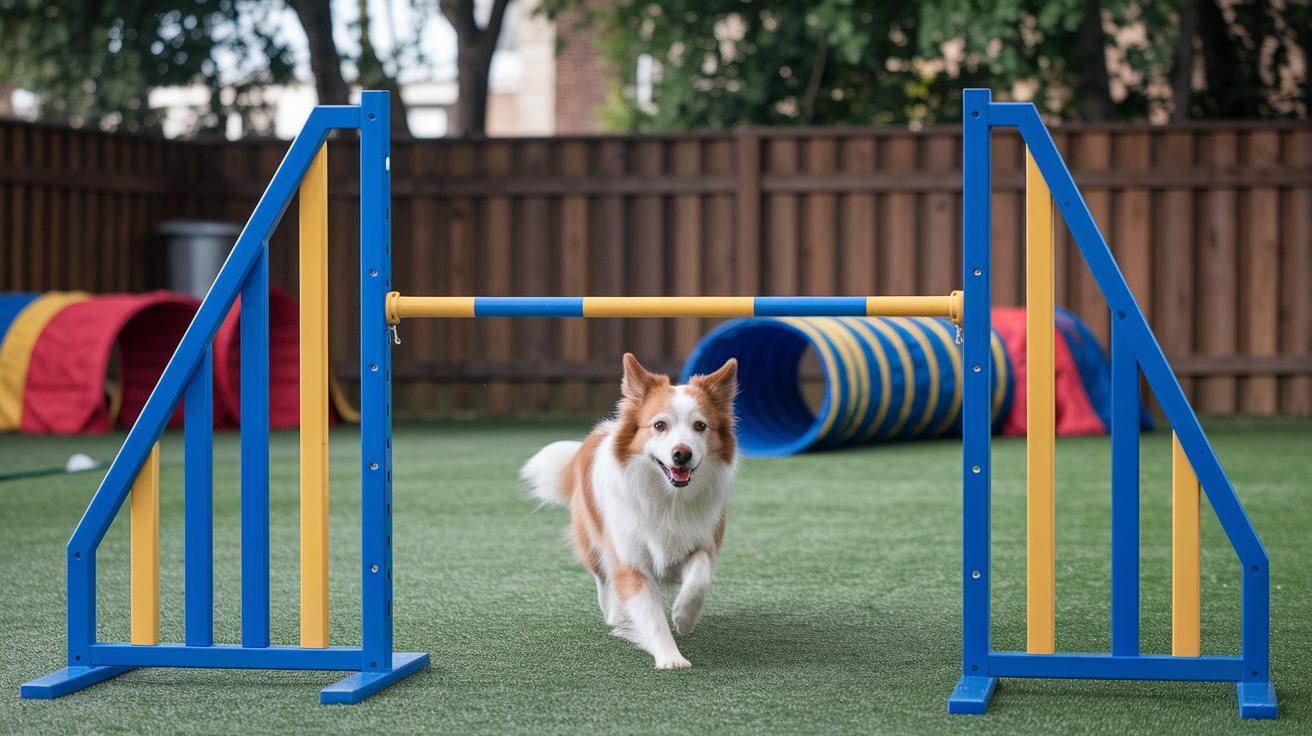
Choosing the right gear makes dog agility training both safe and enjoyable. The right equipment not only helps your dog perform better but also lowers the chance of strain or injury. Whether you're setting up your own obstacles with materials like PVC pipes, hula hoops, and cardboard boxes or buying professional gear, make sure everything fits your pup’s size and pace for a great training session.
- Adjustable jumps
- Tunnel segments
- Weave poles
- Contact zones
- Treat pouch
- Guiding leash (dog training leash)
It’s also a smart idea to check your gear regularly. Before each session, take a moment to look over connectors and surfaces for any signs of wear or damage. And don’t forget to store your equipment in a dry, safe spot away from extreme weather or rough handling. This little routine helps keep your setup in top shape, so you and your dog can keep enjoying many fun, safe training sessions.
Foundational Canine Acrobatics Fundamentals for Dog Agility Training
When you start out with agility training, basic obedience commands like sit, down, stay, and recall are the first stepping stones. Teaching your dog to wait patiently at the start line until you give the go-ahead builds self-control and sets the stage for more exciting challenges. For instance, when you say "sit" while giving a friendly hand signal, your pup quickly learns to follow along, creating a solid habit.
Begin with simple exercises, such as having your dog run straight over a single jump or walk through a short tunnel. These fun, single-obstacle drills help your furry friend focus and pick up speed, all while making it clear what you expect without too many distractions. Just picture your dog zooming with excitement through a tunnel, knowing a tasty treat or kind praise is waiting at the end.
As your dog’s confidence grows, mix these obstacles together into short sequences. Starting with individual skills and gradually adding them up makes your training sessions relaxed and stress-free. It’s a friendly way to turn practice into a fun game that both of you enjoy, one little step at a time.
First Obstacle Drills for Beginner Dog Agility Training: Jumps, Tunnels & Weaves

Getting your dog used to each obstacle is a fun first step in agility training. When you break the training into simple parts, your pup builds confidence and learns how to move through obstacles one step at a time. This way, every practice session is a little adventure for both you and your best friend.
Jump Techniques
Start with a low bar so your dog feels safe jumping. Stand close by to guide them over the bar gently. Place a treat on the landing spot to encourage a smooth jump, and say “up” in a friendly tone as you do it. Hand out a treat right after a good jump. Using the same word every time makes it clear for your dog, helping them understand what’s expected.
Tunnel Navigation
Begin with a straight, firm tunnel that’s easy for your dog to follow. Put a favorite toy or a high-value treat at the end to get them excited about running through. Once your pup feels comfortable, try adding a slight curve to give them a bit more of a challenge. A clear, upbeat cue as they run through the tunnel keeps them focused and steady.
Pole Weaving Methods
For pole weaving, try different ways like the channel method and the guide-pole method. Start with a row of four poles, and use treats along with gentle hand signals to encourage weaving from one side to the other. As your dog learns the pattern, gradually add more poles to boost their balance and agility.
Aim for 3 to 5 repetitions per drill. This keeps the training light, helps your dog remember each step, and makes sure your little buddy stays excited and ready for more.
Warm-Up Routines & Safety Measures for Dog Agility Training
Kick off your session by getting your dog warmed up and ready to move. Take about 5 minutes to walk briskly or lightly jog around your training area. This not only boosts your dog's heart rate but also warms up their muscles with familiar, easy movements like gentle leg lifts and side steps. It’s a fun way to get them into the training groove and help prevent injuries.
Before moving on to agility drills, give the area a quick once-over. Check for any slippery spots or loose items and make sure all obstacles, whether jumps or tunnels, are secure. Training in a safe and familiar space helps keep your dog relaxed and focused on the basic skills they need to practice.
After the agility exercises, slow things down with a cool-down routine. Enjoy a gentle walk together so your dog’s heart rate can slowly return to normal. Mix in some calming, static stretches to help loosen up tired muscles. Keep an eye out for any signs of fatigue or discomfort, and don’t hesitate to adjust your next session’s pace if needed.
Reward Systems & Positive Reinforcement in Dog Agility Training
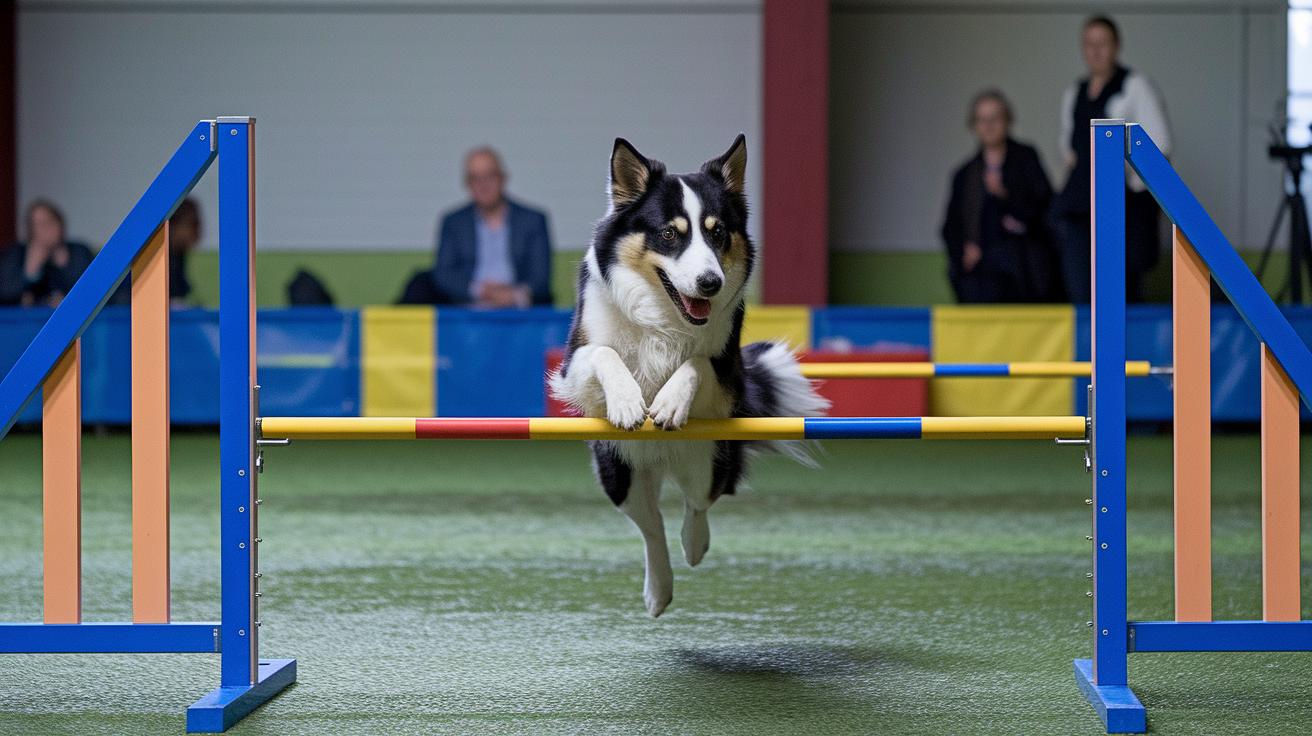
When you're training your dog for agility, using the right kind of rewards can really lift their spirits and keep them focused. You might give a tiny, super tasty treat, offer their favorite toy, or simply say "good job!" with lots of enthusiasm when they nail a trick. Clicker training, for example, uses a quick click to capture that perfect moment of success, think of it as your way of giving immediate praise. By rewarding your furry friend right after they do something correctly, they learn faster and feel more encouraged.
Mixing up the rewards also helps your dog pay better attention. Instead of treating every time, try rewarding them on every second or third correct move. This little twist builds excitement and keeps the game lively. And why not throw in a short play break between drills? This keeps their energy high and makes the session feel extra fun. When you blend these rewards with playful moments, you're not just building your dog's skills, you’re creating a joyful, upbeat vibe that makes learning feel like a treat in itself.
Common Pitfalls in Beginner Dog Agility Training
New pet parents often stumble into mistakes that slow down progress. Many start too early or don't wait until their dog is fully grown. Agility is best when your pup is around 12 to 18 months old. Skipping basic commands like sit, down, and stay can leave your dog confused when it's time for tougher obstacles. And sometimes, mixed signals such as changing cues or rushing drills can really throw off your furry friend's routine, even leading to injury.
To make things smoother, focus on clear, calm communication with your dog. Start off in a relaxed spot with simple obedience lessons before trying any obstacles. Take the time needed for each drill, letting your dog master one step before moving on to the next. This steady, patient method keeps your pet excited to learn while building a strong base for more advanced training.
Planning Your Home Agility Course for Beginners

Start by picking a layout that makes your dog's practice fun and safe. Think about setting up a simple course in your backyard using everyday items or repurposed objects. You could create a path with hurdles, tunnels, and jumps that your pet can easily follow. Arranging each part so it flows naturally into the next helps your dog learn which way to go and boosts their confidence. Plus, training in a familiar space makes the experience more enjoyable for your furry friend.
A good tip is to leave about 10 to 15 feet between each obstacle. This spacing gives your pet enough room to approach and move through each challenge safely, just like setting up a little race track right in your yard.
| Layout Type | Obstacles Included | Space Required |
|---|---|---|
| Straight-Line | Jump, Tunnel, Jump | 10-15 feet between obstacles |
| L-Shape | Jump, Weave, Tunnel | 10-15 feet on each segment |
| Oval Sequence | Tunnel, Jump, Weave | 15 feet overall curve |
As your dog grows more confident, mix these elements together into a more interesting course. Start with simple, straight routes before adding gentle curves or turns. This step-by-step approach not only guides your dog with clear directions but also makes the training sessions manageable and fun. Isn't it great to watch your pet learn and play at the same time?
Monitoring Progress in Dog Agility Training
Start by tracking your dog's training with simple numbers. Use a timer to see how long it takes them to finish a course, and jot down each run in a training log. For example, you could note "Run 1: 45 seconds, 3 mistakes; Run 2: 40 seconds, 2 mistakes." This way, you can easily spot improvements in speed and accuracy, and set realistic goals for the next session.
Next, record your training sessions on video. Watching the playback can catch small details you might miss while training, like a wobbly jump or a hesitant turn. Think of it like watching your favorite pet blooper reel, it’s fun and helps you pinpoint where your dog might need a bit more practice.
Finally, create a regular training routine with scheduled check-ins. Review your log and video clips often, and celebrate every little milestone you notice. This habit not only boosts your dog's confidence but also keeps you motivated to keep making training sessions better and more enjoyable.
Final Words
In the action, you learned to lay down a solid foundation by choosing the right equipment, building obedience, and starting with simple drills. The blog post guided you through essential steps like warm-up routines, safe practices, reward systems, and overcoming common pitfalls.
Each section helped you create a fun and safe training space at home. With these dog agility training tips for beginners, your pet can enjoy more confidence, fitness, and many playful achievements ahead.
FAQ
Q: What are effective dog agility training tips for beginners at home or near me?
A: Dog agility training tips for beginners focus on starting with basic obedience, using simple obstacles like small jumps and tunnels, and building skills gradually in a quiet, familiar space to boost confidence and coordination.
Q: What agility training equipment for dogs should I use?
A: Agility training equipment for dogs should include adjustable jumps, tunnel segments, weave poles, and safe contact zones. Choose DIY options for a low-cost start or invest in professional gear for consistent performance.
Q: What are the 5 D’s of dog training?
A: The 5 D’s of dog training emphasize crucial principles like direction, discipline, dedication, consistency, and daily reinforcement, which together help establish a structured and effective training routine.
Q: How do I start agility training with my dog?
A: Starting dog agility training involves reinforcing basic commands, setting up simple, low-height obstacles at home, and gradually increasing difficulty while using treats and praise to encourage learning.
Q: What are the 3 C’s of dog training?
A: The 3 C’s of dog training refer to consistency, communication, and confidence—key elements that help you use clear commands, maintain steady routines, and build trust with your pet.
Q: What are the 4 F’s of dog training?
A: The 4 F’s of dog training focus on focus, firmness, fun, and frequency. They remind trainers to keep sessions engaging, structured, positive, and held regularly for sustained progress.