
Have you ever thought that a pet rat might turn your home into a happy, healthy haven? Taking care of a rat isn’t just about cleaning up their space, it’s about making a real connection with a clever little friend who once roamed the wild.
These adorable critters, with their bright colors and sparkling eyes, need the basics: good food, a safe place to live, and plenty of fun time to play.
Let’s explore how a little thoughtful care can create a warm, lively home for both you and your pet rat.
rat pet care: Bright Health, Happy Homes
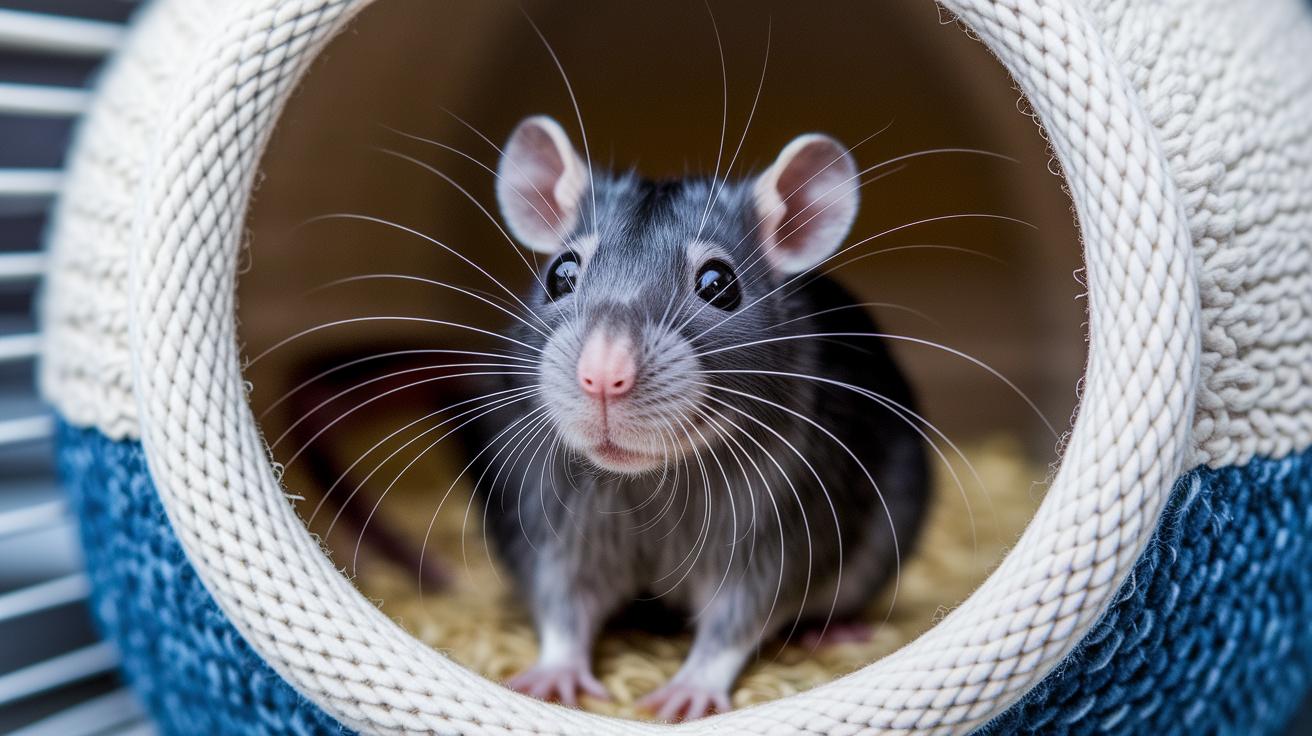
Caring for pet rats starts with knowing that our fancy rats come from wild brown rats, even though they now sport lots of bright colors like white, cinnamon, blue, or a mix. Their eyes can be dark or even a soft pink, and it’s pretty amazing that these once wild creatures have grown into smart, friendly companions bonded deeply with their human families.
When looking after your rat, keep in mind five simple needs: good health, a safe and cozy home, the right food, plenty of social time, and fun ways to keep their minds busy.
Good health means spotting clear, bright eyes, clean ears, and a lively attitude. Look for rats that move happily and have shiny fur without any dull spots. If you notice any signs like a runny nose, watery eyes, or a slow, tired walk, it might be best to check on your little buddy.
A comfy home is just as important. Find a quiet, spacious spot where your rat can explore and relax. Little hiding places like small boxes or tunnels work great and help your pet feel secure.
Feeding your rat means serving up a mix of good-quality pellet food along with a daily helping of fresh veggies and fruits. Just be sure to steer clear of any foods that might harm your pet.
Social time and mental play are key to a happy rat. Gently handle your little friend and spend a few minutes each day playing. Sometimes, a brief tummy rub with a tiny treat can make your rat’s day and keep their clever mind active.
By keeping these five needs in mind, you can easily build a warm home where both you and your pet rat can enjoy many happy moments together.
Choosing and Introducing Your Pet Rat
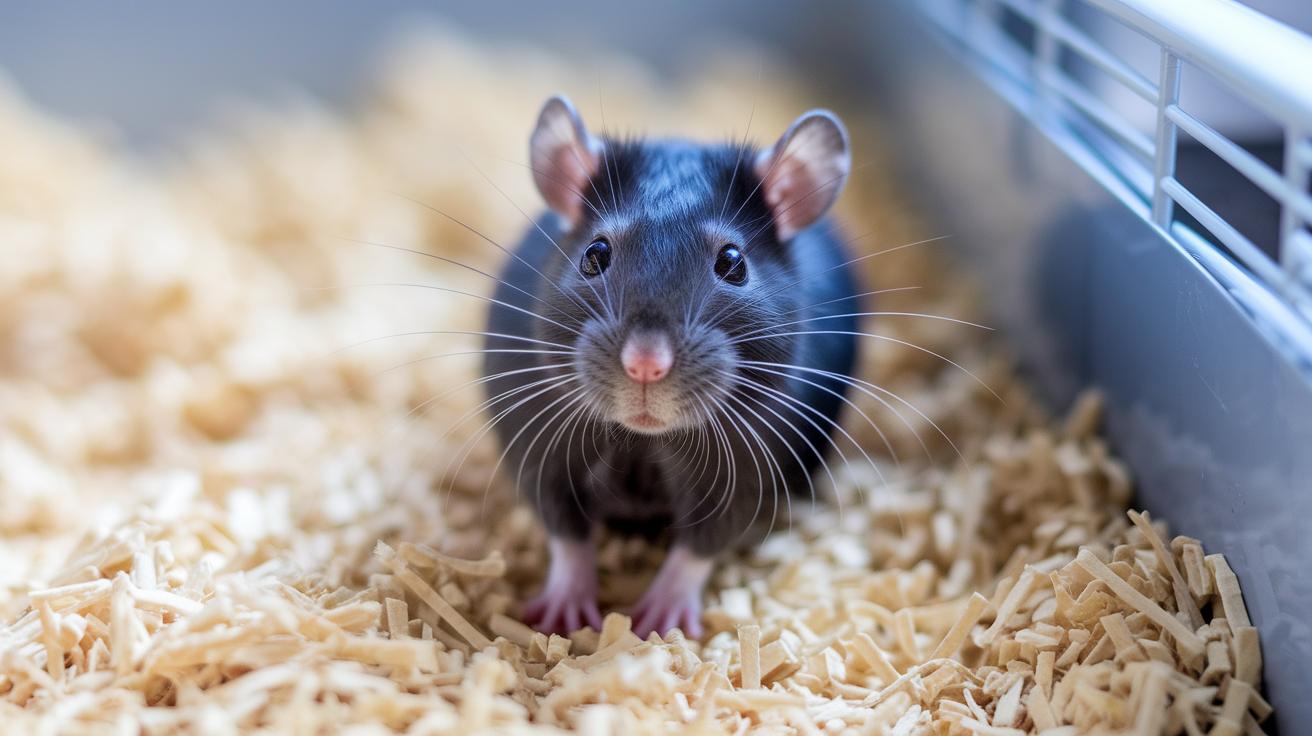
Start by picking a healthy rat. Look for clear, bright eyes, neat fur, and an energetic, alert vibe. Stay away from any rat that shows signs of runny eyes or nose, struggles to breathe, or just seems too sluggish. For example, if you see a rat scurrying around with sparkling eyes, it's a great choice!
Once you've found your new furry friend, give it about 48 to 72 hours to settle in. Think about moving into a new home, you'd need time to get comfortable, right? Your rat needs that same quiet time to feel safe in its new place.
When your little buddy seems a bit more relaxed, begin handling it gently. Move slowly and support its body fully to help it feel secure. Here are some simple tips:
- Start by holding your rat calmly and for just a short while.
- Gradually increase the time you spend together over the next few days.
- Offer soft praise and small treats to build trust.
By doing this, you'll create a warm, reassuring introduction that helps build a strong bond. With a little care and patience, your pet rat will soon become a friendly and trusting companion.
Rat Enclosure Setup and Habitat Recommendations
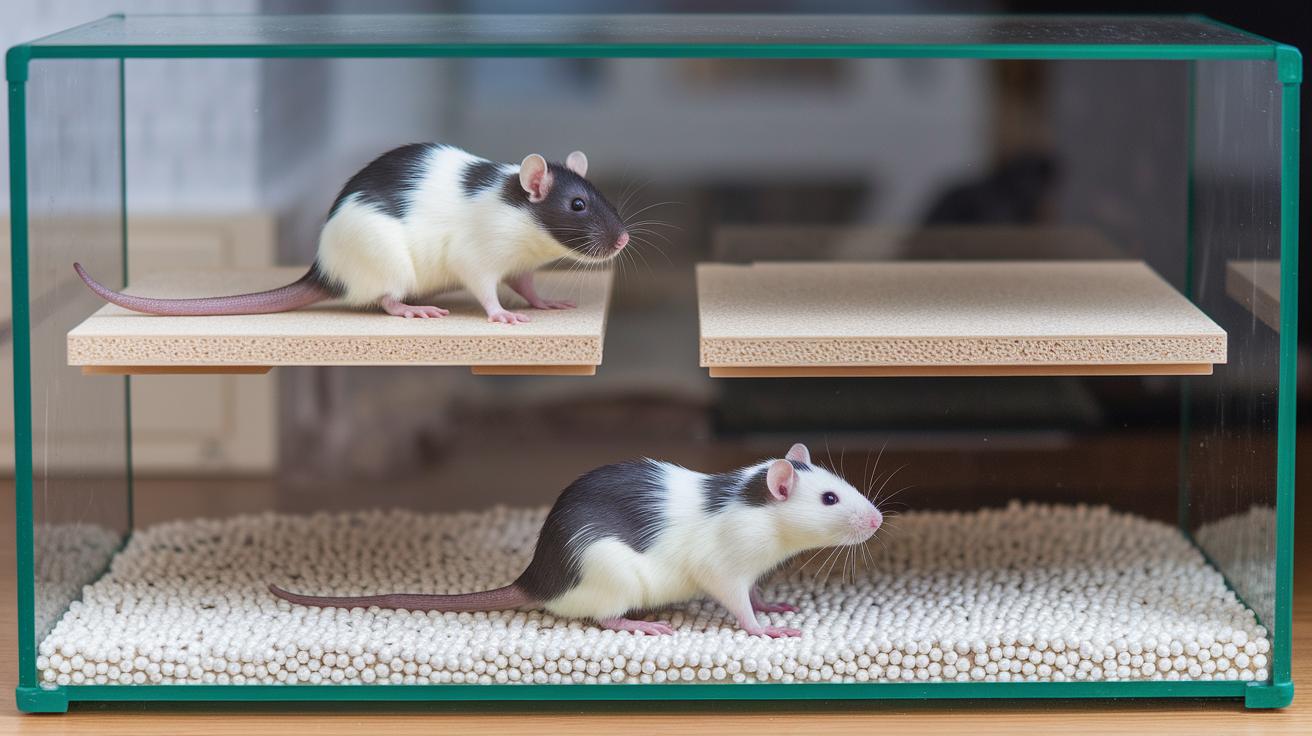
A good rat enclosure is like a little wonderland that keeps your pet both safe and happy. Your furry friend needs at least two cubic feet of floor space to explore, scamper around, and enjoy some playful adventures. A wire cage with sturdy, chew-proof, and non-toxic powder-coated metal bars spaced 0.5 inches apart is a smart choice to keep those curious nibblers secure.
It also helps to add a few flat, smooth platforms at different heights inside the cage. Think of these platforms as little stages in a mini adventure park where your rat can easily climb, rest, and have fun. It turns an ordinary space into a delightful playground full of opportunities for exploration.
Don't skip the cozy hideouts. A small box, tunnel, or hammock gives your rat a private spot to relax and recharge. Here are some friendly tips to consider:
Lastly, choose a calm spot for the cage away from direct sun, drafts, and lots of household activity. Picture a shadowy, comfy corner that feels just as inviting as your favorite pet park. With this thoughtful setup, your rat will enjoy a safe and engaging home, making every day a small adventure.
Nutrition Plan and Feeding Schedules for Pet Rats
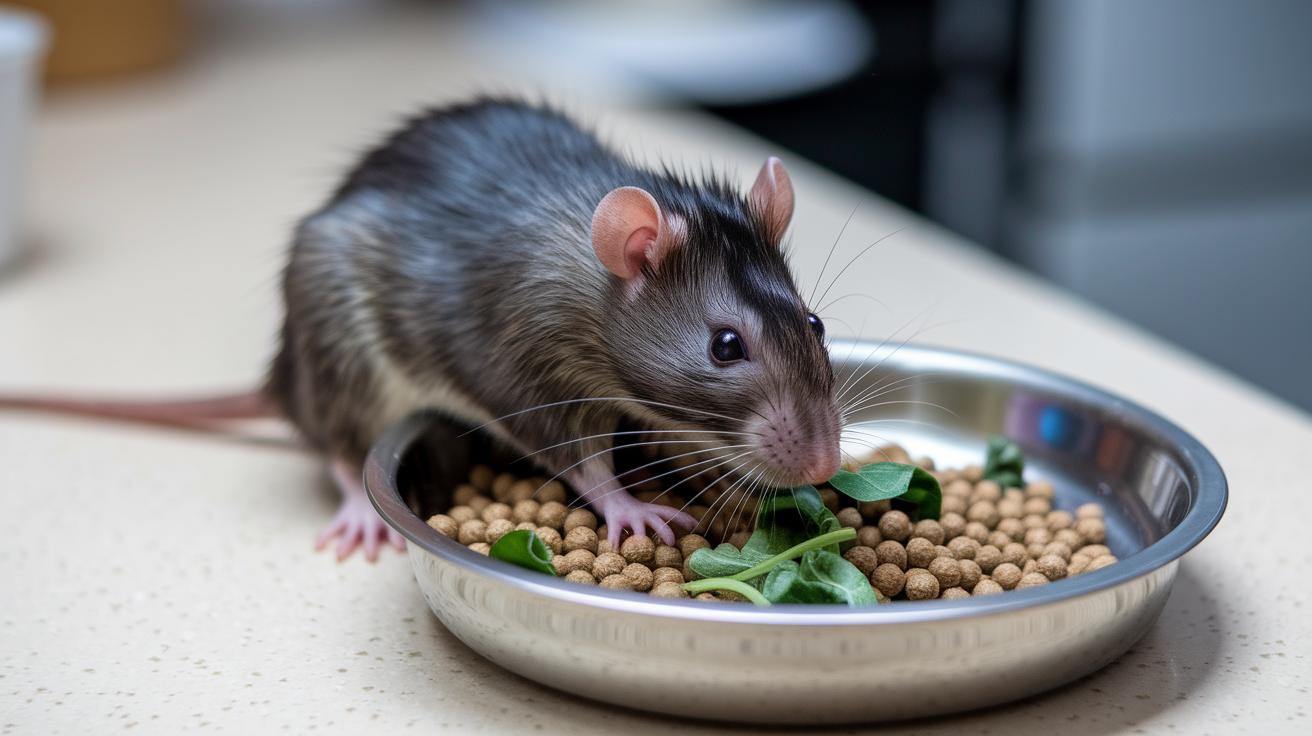
Keeping your pet rat happy and full of energy starts with a balanced diet. High-quality commercial rat pellets are like the power-packed breakfast that sets the tone for a great day. They deliver all the important nutrients in a small, convenient bite.
Every day, mix in some fresh produce. Imagine offering a little bowl of leafy greens like kale, spinach, or romaine lettuce, along with a few slices of apple or a handful of berries. This colorful snack is just as refreshing as a bright fruit salad.
It’s important to steer clear of foods that may hurt your rat. Just like you avoid triggers for allergies, raw beans, chocolate, or too many citrus fruits should be off the menu. These foods can cause problems, so it’s best to keep them away.
Fresh water is key, too. Use a clean sipper bottle and change the water every day. This simple step stops bacteria from growing and keeps your pet hydrated for all his little adventures.
Keep a steady feeding schedule: serve the pellets once a day and offer the fruits and vegetables in the morning. Then, remove any leftovers after 2 to 3 hours. This routine helps keep the food fresh and safe, much like planning your own healthy meals.
Following these tips will create a balanced meal plan that helps your pet rat grow healthy and happy.
Monitoring Health, Preventive Care, and First Aid for Rats
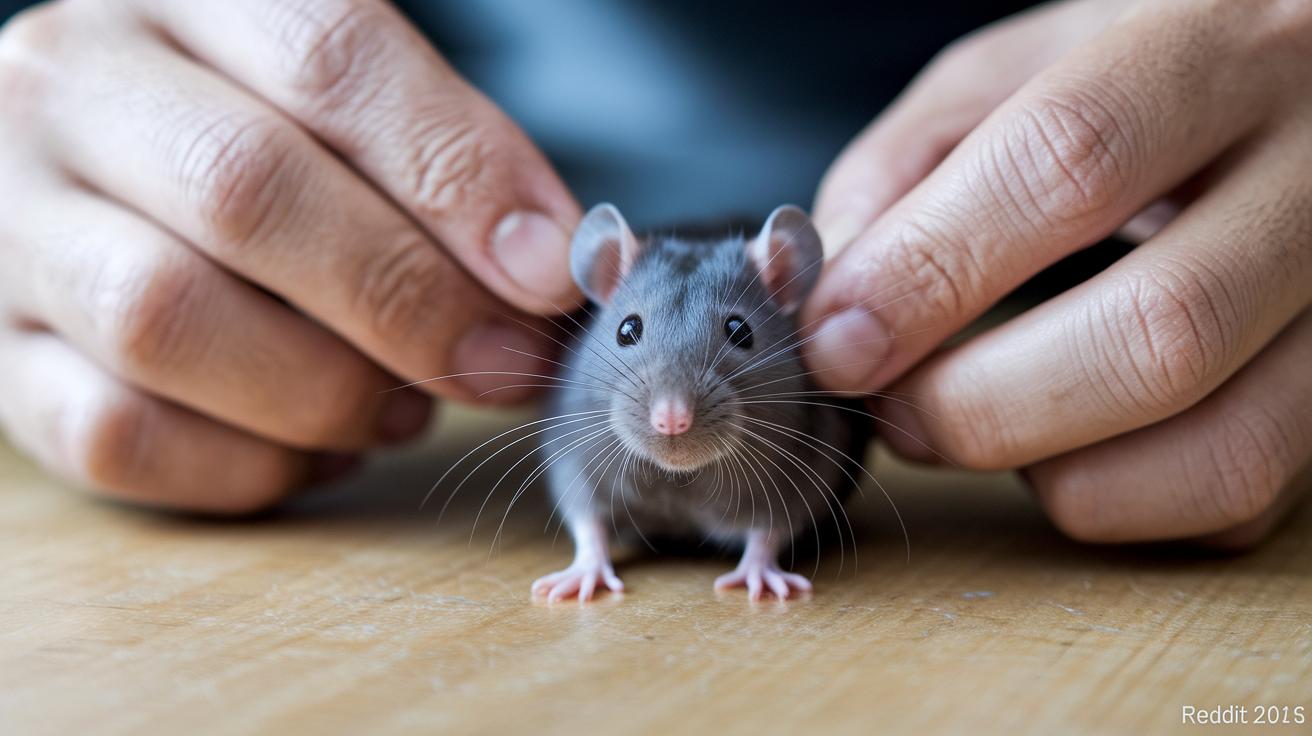
Every day, take a few moments to check on your pet rat’s health. Look for bright, clear eyes, ears that look clean, and a lively, alert posture. Notice how it breathes, steady, smooth breathing is a good sign. For example, if you see your rat exploring with sparkling eyes, chances are everything’s okay.
Be watchful for any hints that something might be wrong. Keep an eye out for sneezing, little wheezes, or even a runny nose. Even a small change, like a slight wheeze or a drooping ear, could be the first clue that your rat isn’t feeling its best. Think of it as giving your little friend a quick “health check” while enjoying cuddle time.
Also, it’s a good idea to plan an annual visit with a vet who knows about rodents. Regular check-ups can spot problems early and help you keep a solid routine for your rat’s care.
If your rat gets a minor cut or scrape, gently clean it with a saline solution. Watch the spot closely for any redness, swelling, or ongoing discomfort. If you’re unsure or things seem to get worse, don’t hesitate to contact a professional.
Grooming Essentials and Hygiene Practices for Pet Rats

Rats are pretty awesome at taking care of themselves, but a little extra attention from you never hurts. Try giving your little buddy a gentle brush once a week with a soft-bristled brush. It helps remove loose fur and lets you check for any skin issues, it’s just like a mini health check-up, almost as soothing as smoothing out your favorite sweater.
Every day, take a moment to tidy up the cage by scooping out any soiled bedding or damp spots. This daily habit keeps odors in check and makes the space feel fresh and inviting. Then, each week, give the cage a thorough cleaning: empty the bedding, wipe it down with a pet-safe cleaner, rinse it well, and let everything dry completely before adding new bedding.
For the best results, use paper-based, absorbent bedding and cleaning products with a neutral pH to control smells. With these simple grooming and cleaning tips, you’ll help keep both your pet rat and its home healthy, happy, and cozy.
Socialization, Enrichment, and Mental Stimulation for Pet Rats
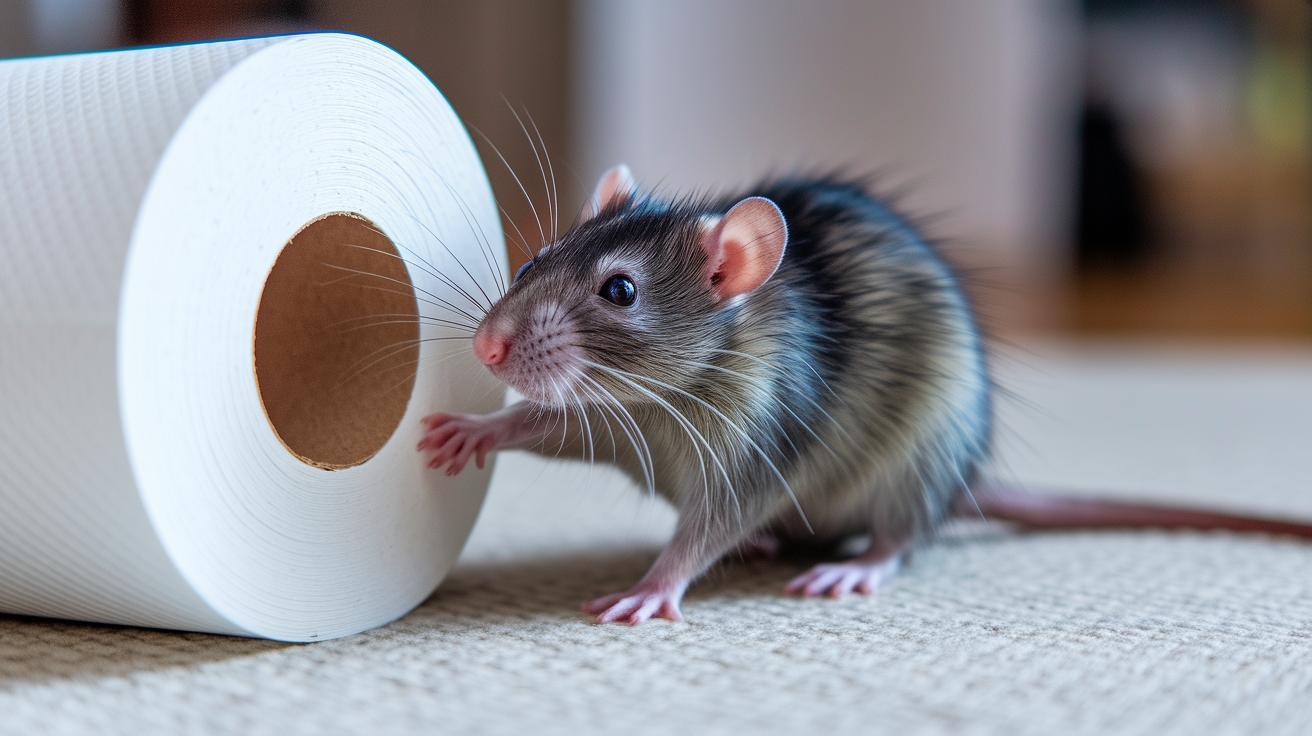
It’s important to keep your pet rat happy and healthy by giving them plenty of social time and mental play. Daily enrichment, like a fun foraging game where you hide a few tiny treats inside a toilet-paper roll or a puzzle feeder, sparks their natural curiosity and helps them explore. Did you know that rats who play with puzzles often show better problem-solving skills? It’s kind of like giving your brain a little workout.
Try setting up a safe play area outside the cage too. Make sure the space is clear of hazards like electrical cords or small items that could be swallowed. Supervised play in a pet-safe room lets your rat discover new textures, sounds, and sights while building up its confidence in new surroundings.
Inside their cage, mix in different toys and structures to keep their minds active. Chew toys are great for keeping their teeth strong, tunnels can remind them of their natural burrowing habits, climbing ropes offer fun exercise, and an exercise wheel gives them a quick cardio burst. When you notice your rat gently grinding its teeth, a behavior known as bruxing, it’s a sign they feel content and secure.
Here are some enrichment tips to consider:
- Try puzzle feeders and hidden treat games.
- Rotate toys to keep their world fresh.
- Encourage exploration with tunnels and climbing ropes.
Regular social time and varied experiences lay the foundation for a lively, well-adjusted pet rat.
Handling, Training, and Bonding Techniques with Pet Rats
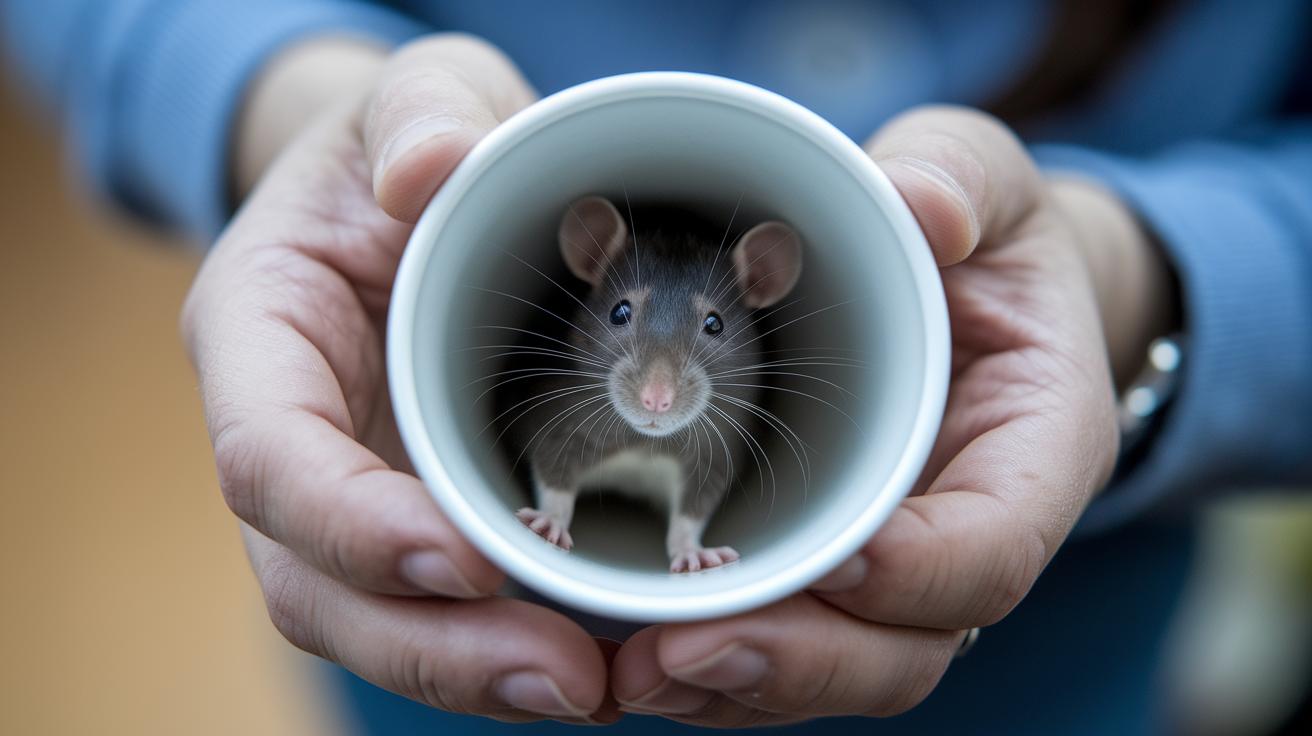
Start by slowly approaching your pet rat. Instead of grabbing it by the tail, gently scoop it up from below. Think of it like carefully lifting a small cup of tea, smooth, caring, and safe. This method helps your little friend feel relaxed and secure.
In the early sessions, keep the handling time short, about 5 to 10 minutes. Doing little sessions regularly builds trust over time. As you handle your rat, offer yummy treats and kind words to reinforce simple commands like "come" or "stand." It’s much like celebrating a small win during a fun game; your rat will feel happy and encouraged.
Here are a few friendly tips for training your rat:
| Tip | Description |
|---|---|
| Approach Calmly | Let your rat get used to you without any rush. |
| Simple Commands | Use easy words and pair them with tasty treats. |
| Short Sessions | Begin with brief handling, then slowly extend the time. |
By following these gentle steps, you'll forge a warm, trustful bond with your pet rat. Remember, a patient and consistent approach goes a long way in making your pet feel loved and secure.
Grooming Essentials, Cleaning Schedules, and Hygiene Practices for Pet Rats
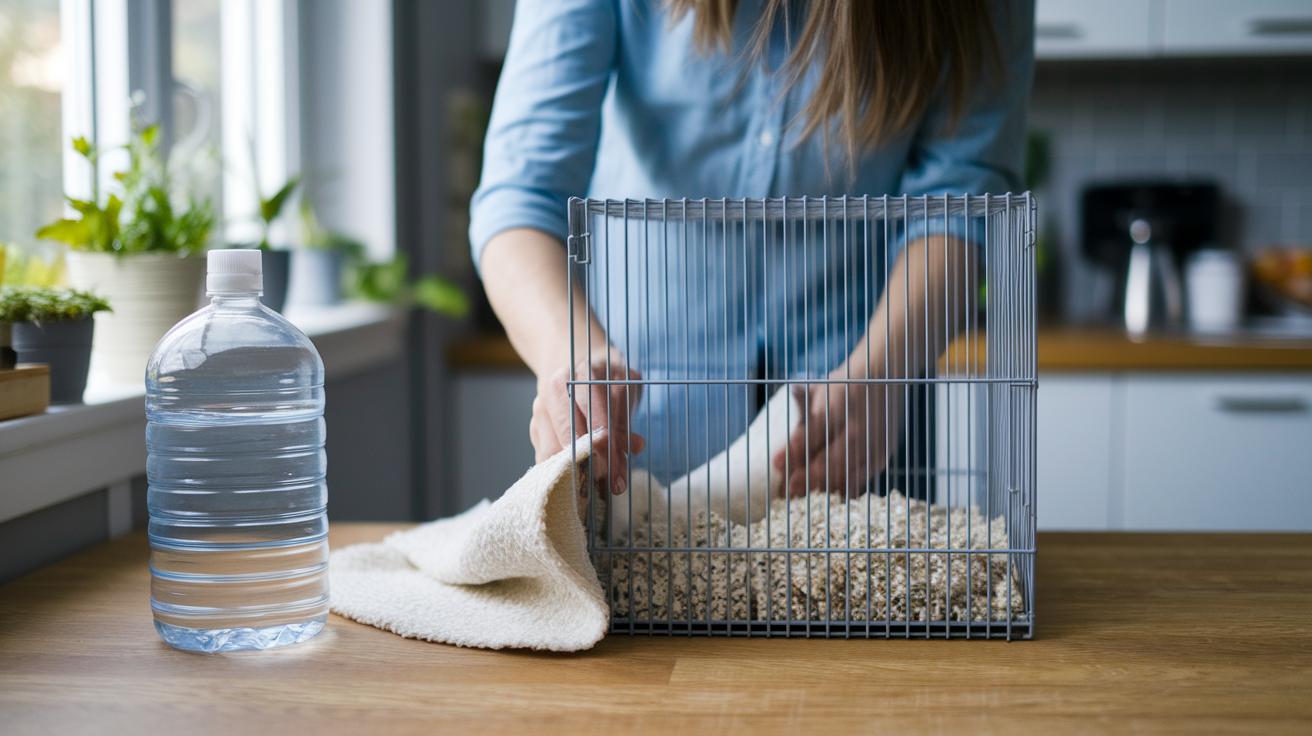
Keeping your rat’s home neat and smelling fresh is simpler when you break tasks into daily, weekly, and monthly chores. This way, cleaning up the cage and grooming your pet, like brushing its fur, stay separate.
Every day, take a few minutes to:
- Wipe up any messy spots on the bedding.
- Refresh the water in the sipper bottle.
- Remove any leftover food.
It’s a bit like cleaning up your breakfast dishes after you eat.
Each week, give the cage a thorough clean. Use a rodent-safe disinfectant to wipe down all surfaces and replace the old bedding with fresh material. This helps keep harmful bacteria away.
Once a month, dive a little deeper. Make time to:
- Sanitize toys, platforms, and tunnels.
- Check the enclosure carefully for any wear or damage.
- Update your cleaning log to spot any changes in odor or maintenance needs.
Remember, pet grooming activities like brushing or handling your rat gently are best done separately from these cleaning routines.
Advanced Rat Pet Care: DIY Enrichment and Budget-Friendly Checklist
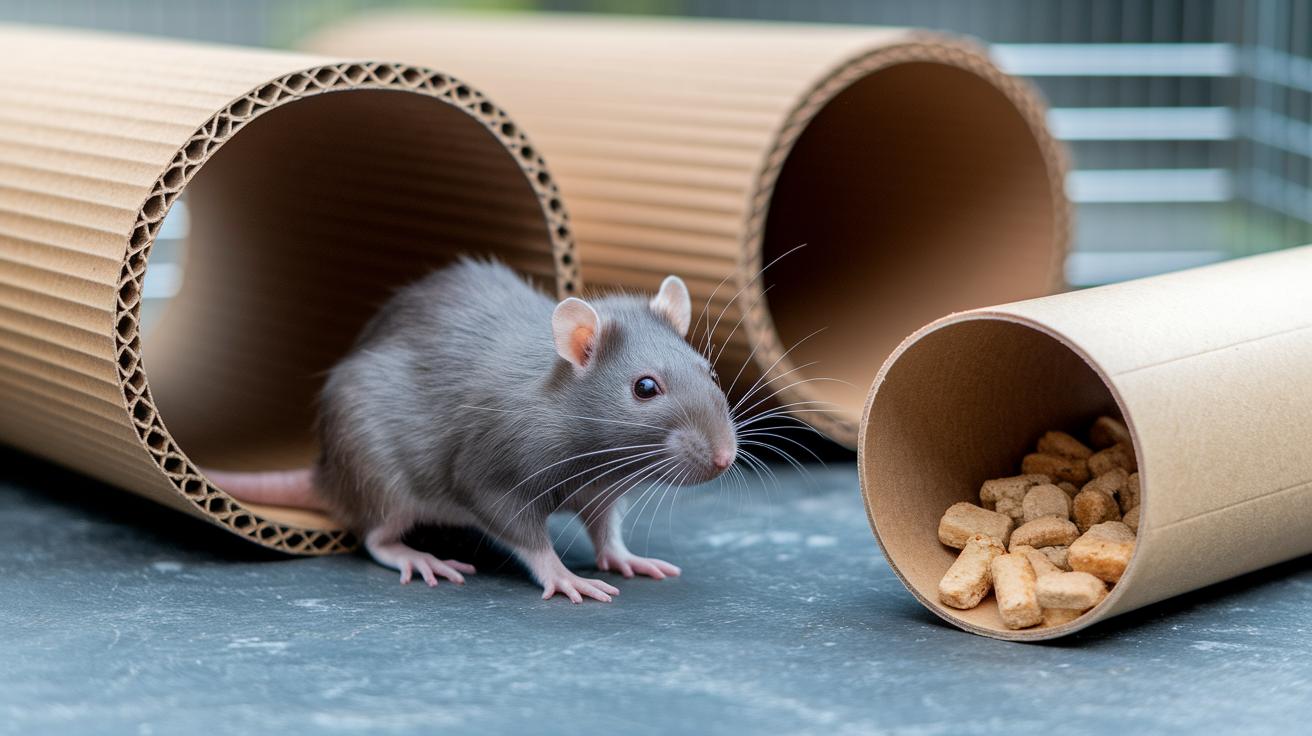
Making your rat's home fun and interesting doesn't have to cost a lot. You can easily start a DIY project by using everyday items from around your house. Try making a puzzle feeder by cutting a toilet paper roll into pieces, filling it with small treats, and taping the ends shut. This simple trick taps into your rat’s natural foraging skills, turning snack time into a playful adventure.
Here are some easy, budget-friendly ideas you might want to try:
- Use cardboard tubes to create tunnels and secret spots.
- Tie together clean, sturdy sticks to build a climbing area.
- Convert small boxes into extra hideaways inside the cage.
For a handy checklist of supplies, take a look at the table below:
Mixing and matching these ideas can help you design a lively and engaging space for your little friend. What do you think? It might be fun to experiment with different setups and see what makes your rat’s tail wiggle with joy!
Final Words
in the action, a well-rounded approach helps ensure your pet rat thrives. We explored selecting healthy rats, setting up safe, clean habitats, and planning balanced nutrition with proper feeding schedules. Health monitoring, grooming, socialization, and even DIY enrichment projects all play key roles. Each step builds confidence in providing quality care and adds joy to every pet interaction. Keeping up with these steps turns rat pet care into a rewarding experience, one that brightens both your day and your pet's life.
FAQ
How do you take care of a rat for beginners?
Taking care of a rat for beginners means starting with a clean habitat, proper nutrition, gentle handling, and regular health checks. This approach builds trust and keeps your pet happy and healthy.
What should I look for in a rat cage?
A rat cage should offer ample space, secure wire spacing, and multiple levels with hideouts like small boxes or tunnels. This design allows your pet to exercise and feel safe while exploring.
Where can I find a rat pet care guide or PDF?
A rat pet care guide PDF provides detailed instructions on feeding, housing, and health. Look online on pet care websites or reputable rodent care blogs for downloadable, printable resources.
What are some pros and cons of having rats as pets?
Having rats as pets comes with the benefit of high intelligence and social behavior, but they require regular care and a secure cage. Weigh these points to decide if their lively nature fits your lifestyle.
Are pet rats easy to take care of?
Pet rats can be easy to care for when you follow basic routines like regular cleaning, proper feeding, and gentle handling. They adapt quickly to a consistent schedule, making care manageable.
Do pet rats like to be held?
Pet rats often enjoy being held if introduced gently and slowly. Their acceptance of handling depends on trust built over time, so start with short sessions in a calm environment.
What should I avoid doing with a pet rat?
Avoid rough handling, sudden loud noises, or picking them up by the tail. Keeping these actions away helps prevent stress and injury, ensuring your pet feels secure and cared for.
Where can I find pet rats for sale?
Pet rats for sale are usually available at reputable breeders, pet stores, or local animal rescue groups. Always ensure you choose a source that prioritizes the health and well-being of the animals.
What differentiates fancy rats from other small pets like mice, hamsters, or guinea pigs?
Fancy rats differ with their friendly and social behavior, offering unique bonding opportunities. Unlike less social rodents, they thrive on human interaction and engaging activities, making them delightful companions.