
Ever notice how a cheerful "good job!" can feel like a secret handshake with your pup? Picture your dog eagerly waiting for that fun moment of praise. Using treats, kind words, or a gentle pat helps build trust and creates a special bond between you two.
This guide is packed with easy, effective tips to make training both fun and stress-free. Every time you give praise, you’re not just teaching commands, you’re lighting up your day and your dog’s life with joy.
Getting Started with Positive Reinforcement Dog Training
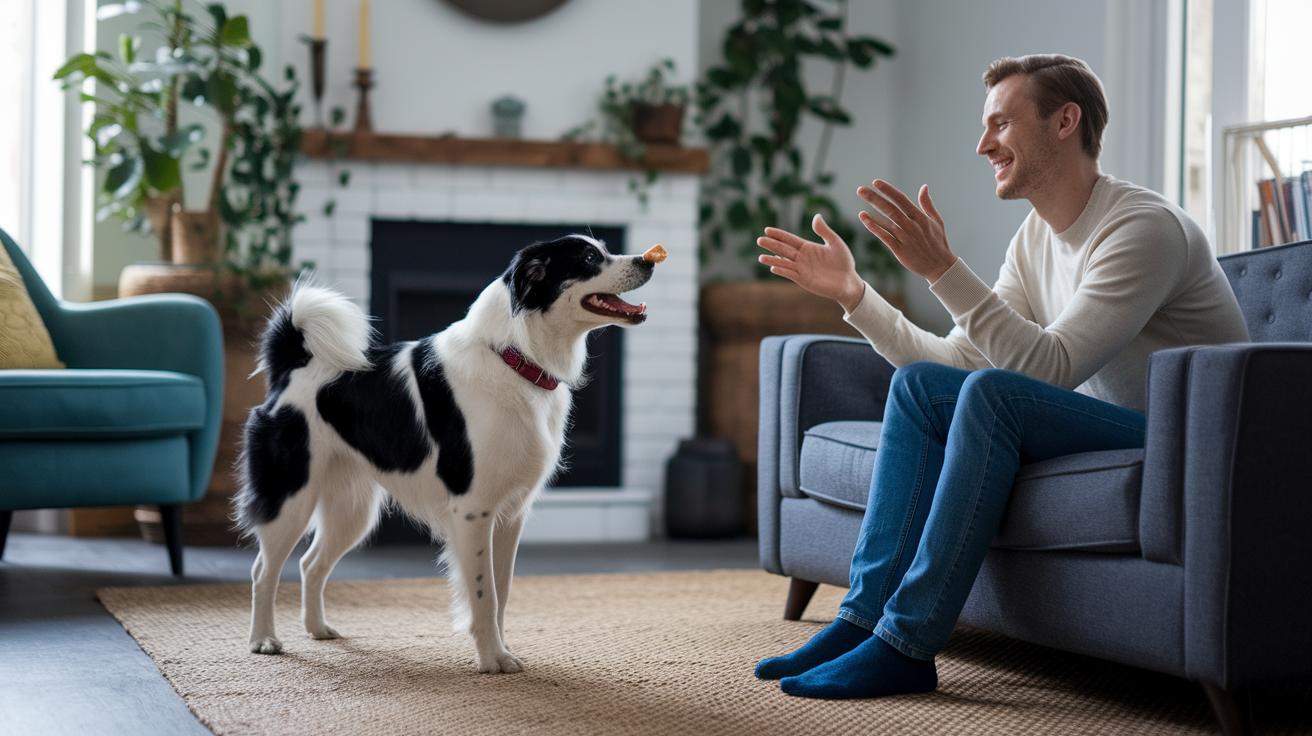
Positive reinforcement training is all about rewarding your dog when it does the right thing. Think of it like saying “Good job!” right when your pup obeys a command. You might use a treat, some kind words, or even a friendly pat on the head. This simple method helps your dog understand what you expect and quickly builds a strong bond between you both.
Using rewards not only lifts your dog's spirits but also turns training into a fun, interactive experience. When you stick with this approach, you create a cheerful space where your dog learns through clear, consistent cues. And honestly, watching your pup perk up with excitement over a simple command really feels like sharing a special moment.
- Verbal praise – A cheerful “Awesome work, buddy!” reinforces every good behavior.
- Treats – A tiny snack at just the right moment can turn good actions into lasting habits.
- Physical affection – A quick petting session after a neat trick shows your dog it’s on the right track.
- Toy rewards – Handing over a favorite toy adds a burst of excitement to the training session.
This method works so well because it avoids any fear or stress and instead builds trust. Rather than hiding mistakes, your dog learns to repeat behaviors that earn it praise, making every day a little brighter for both of you.
Core Reward-Based Techniques in Dog Training
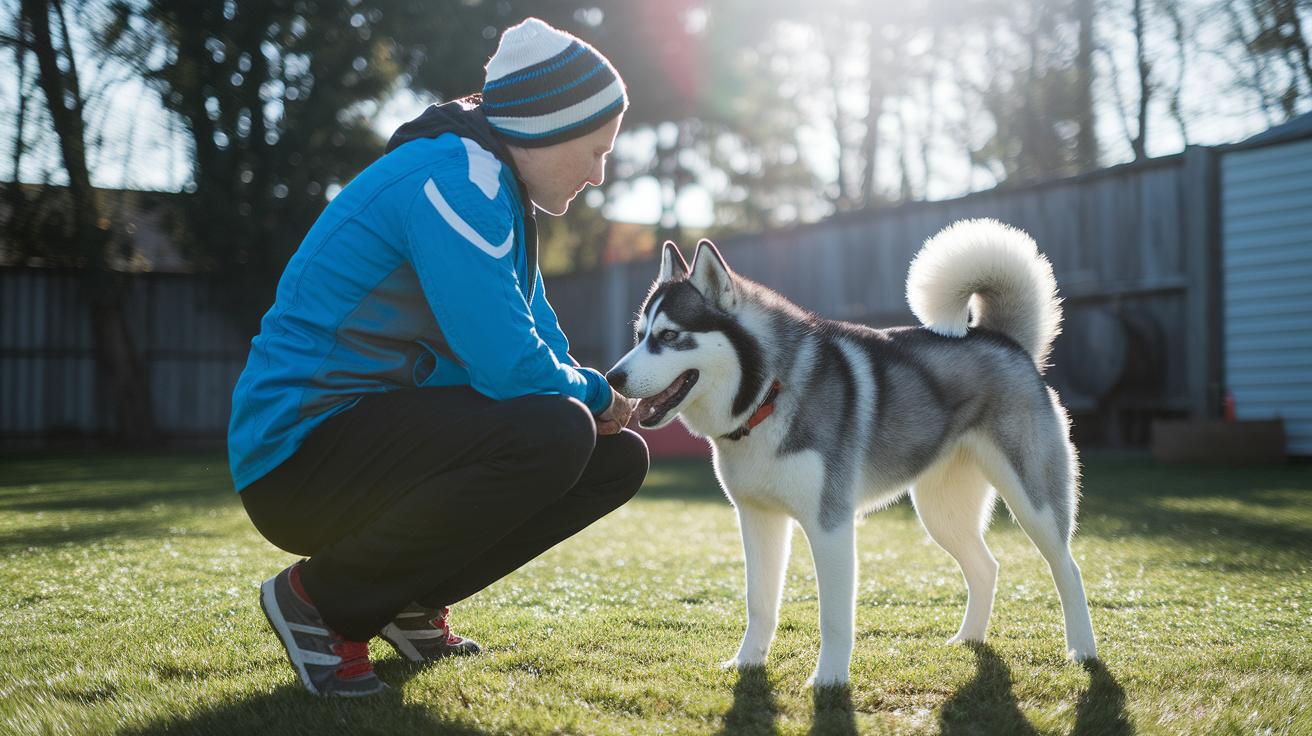
Clear and simple commands are the key to making reward-based training work. When your dog knows exactly what you expect, teaching good habits becomes much easier. Imagine telling a friend to "Sit" in a calm, straightforward way, no extra words, just a simple call. This clear approach, mixed with treats and praise, helps your dog quickly understand which actions are appreciated.
A perfect example is Whistle, a 4-year-old Husky who learned to come back when off-leash and improved his manners on the leash during a two-week board-and-train program. His trainer broke down the training into small, manageable steps, rewarding even the tiniest bit of progress right away. A simple nod of approval was usually followed by a treat, which clearly showed him that he was on the right track. This method highlights how important it is to reward the exact behavior you want to see.
As your dog masters each skill, it’s important to change how you reward him. Start with frequent treats when introducing a new command, and slowly switch to giving treats only sometimes as he becomes more confident. It’s a bit like moving from a hearty meal to a small snack, each reward matches his progress. And if you have a puppy, puppy training classes are a great way to ensure even the youngest pets get special, tailored guidance.
It also makes a big difference when every person caring for your dog uses the same commands and rewards. A unified way of communicating creates clear, consistent signals that help your dog learn faster. When every positive action is noticed and celebrated by the whole family, it builds a strong, loving training environment.
Timing and Treat Management in Dog Training
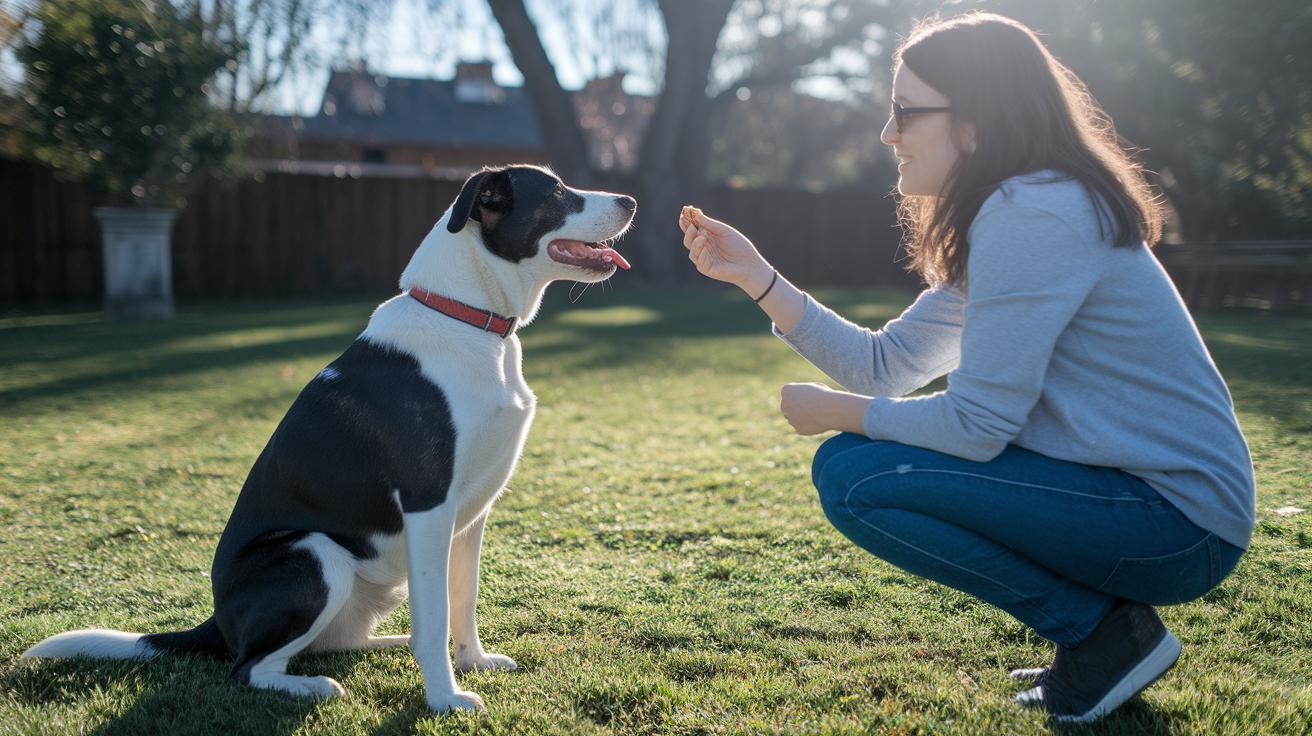
When it comes to training your dog, giving treats right away makes all the difference. By offering a treat within one second of a good behavior, your furry friend quickly learns what you expect. For example, when you're potty training, a treat given immediately as your pup goes outside helps build the right habit. Quick rewards make training fun and clear for your dog.
| Training Phase | Ideal Treat Timing | Reinforcement Schedule |
|---|---|---|
| Beginner | Immediately after command | Continuous reinforcement |
| Early Skill Building | Within one second of desired action | Fixed schedule reinforcement |
| Advanced Training | Consistently immediate, then slight delays | Variable schedule reinforcement |
| Generalization | Immediate for new scenarios | Occasional rewards with intermittent reinforcement |
As your dog’s skills grow, it’s important to balance the quality of the treats. You might start with yummy, high-value treats to spark interest, then slowly switch to lower-calorie ones to keep your pup healthy. By mixing up the type of reward and slowly moving from constant treats to occasional ones, you help your dog stay motivated and build confidence. Every well-timed treat is a step toward lasting good behavior.
Clicker Training Benefits for Positive Reinforcement Dog Training

Clicker training is a fun way to teach your dog by using a simple sound that tells them, “Good job!” It works like a magic signal that quickly connects what your dog just did and the treat that follows. Start off with an easy command and, when your dog responds, give a quick click to mark that perfect moment, kind of like snapping a picture of their success.
To get started, first pair the click sound with a treat. Click and then immediately reward your dog so they learn to link that sound with something good. Once they get the idea, click right when they perform the behavior you want. As your dog gets better, you can use the clicker for trickier tasks too. Just remember to reward right away to keep the connection strong.
You don’t always have to use food treats either. Sometimes, a little extra fun can be just as rewarding. Try using a favorite toy or a quick puzzle feeder session instead of a high-calorie snack. For example, click and then let your dog enjoy a few minutes of tug-of-war or a lively ball game. These non-food rewards keep training exciting and varied, making the whole process fun for both of you.
Avoiding Common Mistakes in Positive Reinforcement Dog Training
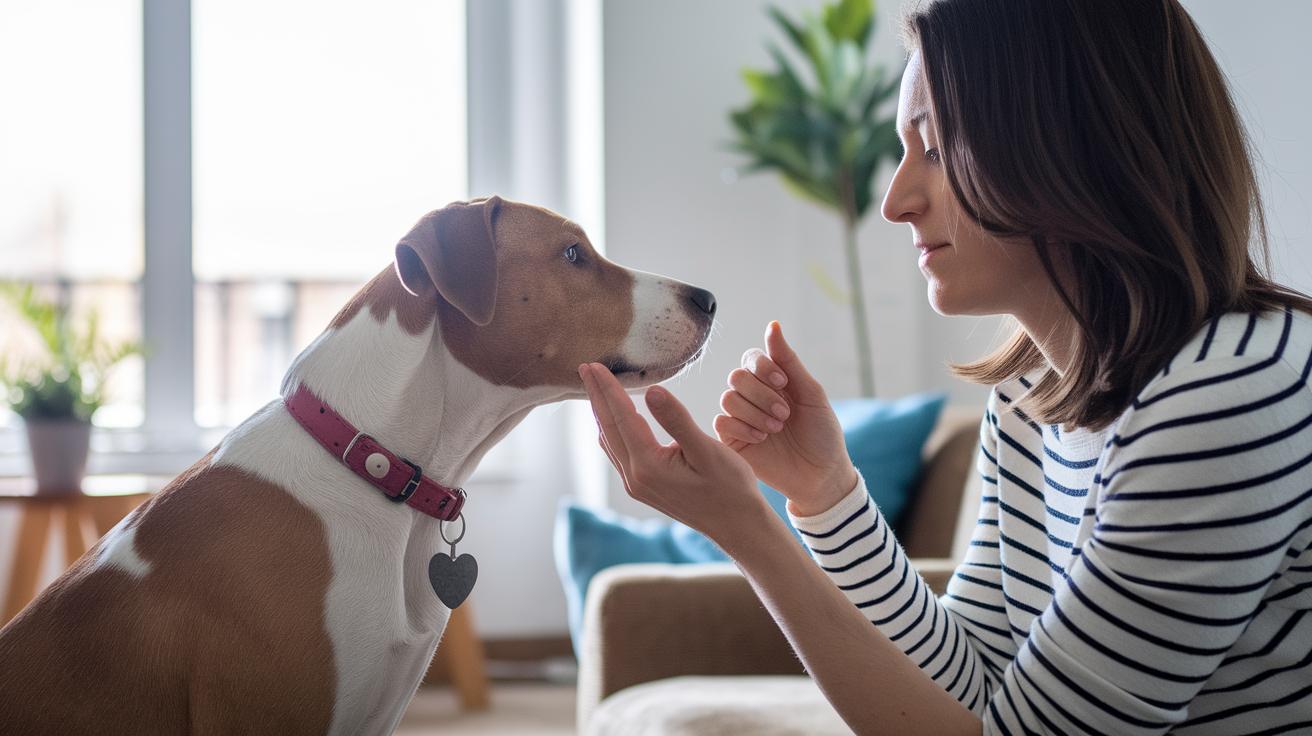
Don’t mix up your signals. When everyone uses different words or the rules change from one day to the next, your dog might feel lost about what you really want. This can lead to missed cues and even make both of you feel frustrated.
Another common slip-up is giving out too many high-calorie treats. Sure, they work well at first, but too many can add unwanted pounds, and suddenly, training isn’t as fun anymore. And, sometimes, we might be tempted to punish our pets for mistakes. But punishing can make your dog scared and anxious, which really isn’t the goal when building trust through positive reinforcement.
So, what can you do instead? Keep it simple. Make sure every family member uses the same easy-to-understand commands, so your dog always knows what you mean. Start with those yummy, high-value treats, and as your pup gets the hang of it, switch to lighter options. With friendly tips and a calm, gentle approach, you create a happy training space where your dog learns with joy and confidence.
Tracking Progress and Scheduling Reinforcements in Dog Training

Keeping a simple chart to track your dog's progress is a great way to see how training is going. You can write down details like how many times your dog sits on command or comes when called. For example, you might note, "Today: 5 sits in a row." This works like checking items off your grocery list and helps you see what commands are getting better and where you might need a little extra practice.
Next, it helps to know when to switch up your rewards. At the start, give a treat or praise every time your dog gets it right, which builds a strong foundation. But as your dog gains confidence, try mixing things up by giving rewards only sometimes. After a few weeks of daily treats, you might switch to handing out a treat every other time. It is a bit like moving from practicing scales on repeat to playing them in a favorite song, keeping the training fun and effective for lasting obedience.
Finally, it's important that every family member uses the same cues and rewards. When everyone is in sync, your dog stays clear about what is expected. Think of it as playing on a team where every player passes perfectly. A regular check-in, like a quick review every evening, can make sure everyone is working together. This teamwork not only helps your dog learn steadily but also builds a warm, lasting bond with the whole family.
Final Words
In the action, we dove into reward-based techniques, clear cue reinforcement, and the importance of timing in training sessions. Each section explained how small rewards, like a kind word or a tasty treat, can build trust and boost your dog's learning.
We also highlighted avoiding common pitfalls and tracking progress to keep training on track. Remember, consistency and a kind approach lead to lasting success using positive reinforcement dog training tips. Enjoy every moment as you and your pet grow closer and smarter together.
FAQ
Frequently Asked Questions
What are some positive reinforcement dog training tips and examples?
The positive reinforcement dog training tips include offering treats, praise, and toys right when your dog performs a desired behavior. These reward-based examples create clear communication and strengthen the bond with your pet.
What does negative reinforcement dog training mean?
Negative reinforcement dog training means removing an unpleasant stimulus when your dog shows proper behavior. This method encourages the behavior by taking away discomfort rather than adding punishment.
How does positive reinforcement dog training differ from correction?
Dog training with positive reinforcement focuses on rewarding good behavior, while correction involves adding penalties for missteps. This reward-driven approach builds trust and motivates your pet more effectively than punitive measures.
What is a positive reinforcement dog training PDF?
A positive reinforcement dog training PDF provides a concise guide outlining reward-based methods like treats, verbal praise, and clear cues. It offers step-by-step instructions to help you build effective and loving training routines.
How can I find positive reinforcement dog training near me?
Finding positive reinforcement dog training near you involves researching local pet centers, asking your veterinarian, or joining community groups online. Many trainers offer classes focused on treating, praising, and positively guiding your dog.
What is the positive reinforcement dog training psychology?
Positive reinforcement dog training psychology studies how a dog learns best through rewards. This approach boosts confidence, builds clear communication, and encourages lasting behavior changes using treats, praise, and play.
What does the 3 3 3 rule for dog training mean?
The 3 3 3 rule for dog training means practicing a behavior for three minutes, three times a day, over three days. This short, consistent schedule helps your dog understand and quickly adopt the new habit.
What does the 7 7 7 rule for dogs suggest?
The 7 7 7 rule for dogs suggests training for seven minutes a day, seven days a week, over seven weeks. This routine builds consistent efforts that gradually shape and reinforce positive behaviors.
How do I discipline a dog using positive reinforcement?
Disciplining a dog with positive reinforcement means redirecting unwanted behavior to a preferred action, then rewarding that action. This gentle, reward-based approach fosters understanding and strengthens trust between you and your pet.
What are the 4 F’s of dog training?
The 4 F’s of dog training refer to key focus areas such as food, fun, freedom, and focused instruction. They help create a well-rounded training plan that balances treats, play, and structured learning to promote effective behavior.