
Have you ever wondered if missing a vaccine might put your pet in danger? Sticking to a regular shot schedule does more than just keep them safe, it gives them a strong shield against serious illnesses. When you keep up with routine checkups, you make sure every vaccine does its job as your pet grows. This careful plan not only guards them against harmful bugs but also sets them up for a healthier, happier life. Today, we're chatting about how a smart vaccine routine can really boost your pet's overall health.
Planning Your Pet Vaccination Schedule and Routine Checkups
Keeping a regular shot schedule helps build your pet’s defense against dangerous diseases and stops them from spreading. When you track your pet’s vaccines, you make sure they get the right shots at the right time. This steady plan keeps your buddy well-protected at every stage of life.
Puppies start getting their shots between 6 and 8 weeks old, and they need booster shots about every 3 to 4 weeks until they turn roughly 16 weeks. Kittens follow a similar routine. When your pet grows up, they usually need boosters either every year or every few years, your vet will guide you on this. The usual vaccines include important ones like rabies, distemper, and parvovirus for dogs, and for cats, rabies, along with shots to protect against feline viral infections and other common illnesses. It’s also smart to check your pet’s health before the shot and watch them for a day or two after, just in case of any reactions. When it’s time for a visit, you can always head over to your favorite pet health clinic at pet health clinic.
Here are a few tips to keep everything on track:
- Age Check: Know what stage your pet is in.
- Record Look-Up: Review their past vaccine records.
- Booking: Set up appointments for upcoming shots.
- Pre-Visit Check: Watch for any signs that your pet isn’t feeling well.
- Aftercare: Observe them for any odd reactions after getting their vaccine.
| Age Group | Typical Vaccines | Checkup Frequency |
|---|---|---|
| Puppy/Kitten | Rabies, Distemper, Parvovirus for dogs / Rabies, Feline Viral Irritations, Calicivirus, Panleukopenia for cats | Every 3–4 weeks |
| Adult | Booster shots as advised by your vet | Yearly or every 3 years |
| Senior | Vaccinations tailored to health needs | Twice a year checkups |
| Specialty Shots | Extra vaccines for special risks | Depends on individual needs |
Using a checklist for these milestones can really help you stay on track. That way, your furry friend gets all the vaccines and checkups they need to enjoy a long, happy, and healthy life.
Age-Specific Vaccination Timelines for Dogs and Cats
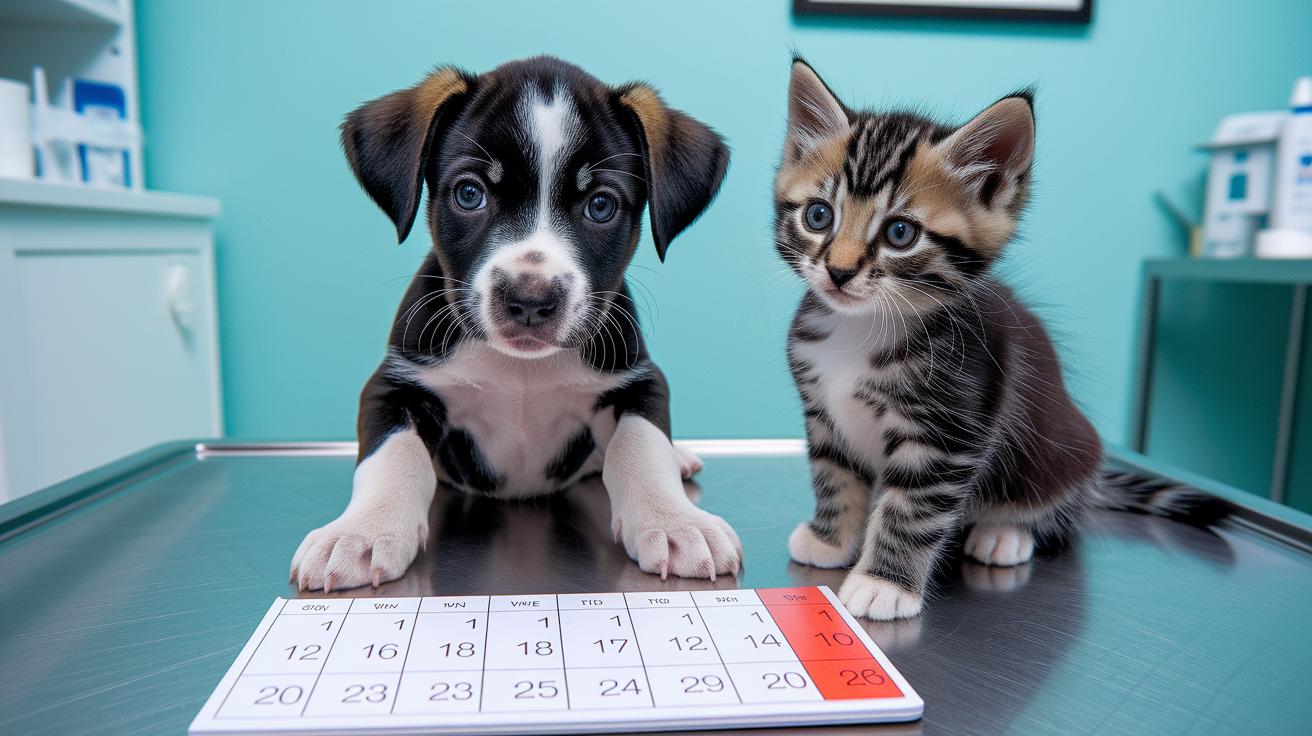
Vaccination schedules shift as your pet grows, so it's really important to adjust them along the way. When your puppy or kitten is around 6 to 8 weeks old, they start their first set of shots. Then, every 3 to 4 weeks until they are about 16 weeks, they get booster shots. Fun fact: puppies who get their vaccines on time often develop a stronger immune system, just like athletes who train regularly to build endurance.
For adult dogs and cats, the vaccines usually need a booster shot either every year or every three years. It all depends on your vet’s advice and your pet’s needs. When your pet reaches its senior years, they may need a more personalized schedule that takes into account both maintaining their immunity and their extra sensitivity to vaccines.
If your pet mostly stays indoors, they might be less exposed to some diseases. But if your pet spends more time outdoors or lives in an area with higher risks, it might be necessary to check and adjust their vaccination schedule more frequently.
| Age Stage | Recommended Vaccines | Interval/Booster Timing |
|---|---|---|
| Puppy (6–16 wk) | Dog vaccines such as rabies, distemper, and parvovirus | Every 3–4 weeks |
| Kitten (6–16 wk) | Core shots like rabies, feline viral rhinotracheitis, calicivirus, and panleukopenia | Every 3–4 weeks |
| Adult (1–7 yr) | Booster doses based on lifestyle and overall health | Annually or every 3 years |
| Senior (7+ yr) | A tailored plan that balances keeping immunity strong and dealing with extra sensitivity | Custom intervals along with regular check-ups |
Remember, every pet is unique. Even indoor pets might have slight changes in schedule if they live in areas with specific health risks. Chat with your vet to make sure your furry friend stays safe and healthy at every stage of life.
Core vs. Non-Core Vaccines in Your Pet’s Immunization Schedule
Core vaccines form the heart of your pet’s health plan. They help protect against serious diseases that can threaten any pet's life. For dogs, this usually means vaccines for rabies, distemper, and parvovirus. Meanwhile, cats get shots for rabies, rhinotracheitis, calicivirus, and panleukopenia. Imagine your pet’s rabies shot as a passport stamp, it not only keeps them safe but is also often required by law.
Non-core vaccines are a bit different. They are chosen based on your pet’s lifestyle, where you live, and any special risks in your area. Vaccines like Lyme, Bordetella, or heartworm give extra protection for pets who might be exposed to certain diseases during their outdoor adventures. Think of these vaccines as a custom shield, built to match your pet’s unique needs. They aren’t needed by every pet, but they’re very important for those facing higher risks.
It’s always a good idea to talk with your vet to create a care schedule that fits your pet perfectly. Sharing details about your pet’s daily routine and local challenges helps your vet recommend the best mix of core and non-core vaccines. This friendly, proactive approach keeps your furry friend in top shape and ready for life’s little surprises.
pet vaccination schedule and checkup: Boost Pet Health
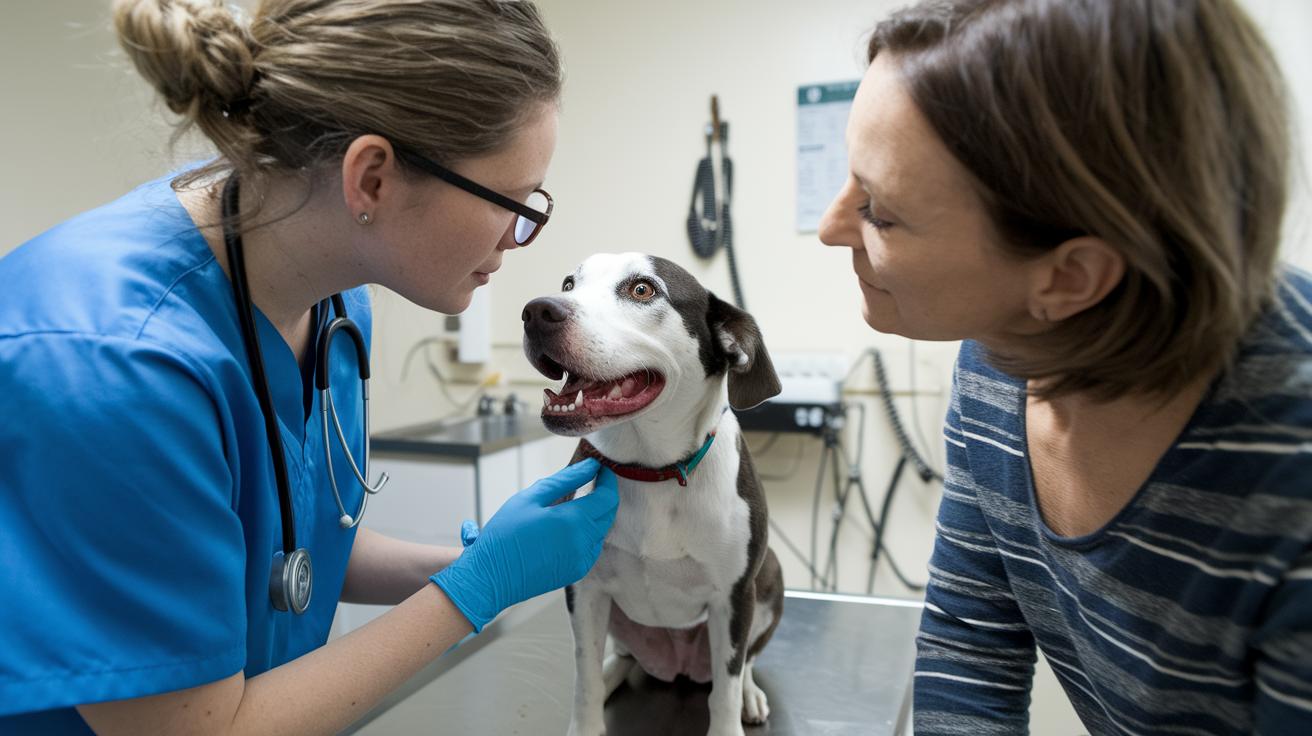
Adult pets do well with a yearly checkup, while older animals might need visits twice a year to keep up with any changes in their health. These visits do more than update immunizations, they help check weight, look for early signs of long-term problems, and keep an eye on dental health and parasites. This regular care works with their vaccination schedule to keep your pet strong and healthy.
At each appointment, the vet does a full physical exam. They check simple things like weight and sometimes run extra tests, like a full dental check. A careful look at your pet’s teeth might catch a little tartar before it becomes a serious issue. They also check for parasites and watch for signs of chronic conditions. All these checks ensure that your pet is ready to get each vaccine, so the shot works as best as possible.
Using online portals and telehealth services, like those offered by veterinary online, makes it simple to do pre-visit screenings and get reminders about appointments. These digital tools help you stay on top of your pet’s routine visits and shots, so nothing important gets missed.
Managing Vaccine Side Effects and Post-Vaccination Care
After a pet gets its vaccine, it might seem a bit tired or feel a little sore where the shot was given. A low fever could also show up, but don’t worry, these are normal signs that their body is gearing up to fight off illness. If your dog is lounging around more than usual or your cat gives a gentle rub near the spot, it’s usually all okay.
But sometimes, things could take a turn. If your pet starts vomiting repeatedly, if the area around the shot becomes very swollen, or if they seem to collapse or have trouble breathing, these might be signs of an allergic reaction. In that case, give your vet a call right away so they get the care they need.
It also helps to keep a little record of how your pet reacts after each vaccine. Write down the date and what you observed, like if there was any unusual swelling or how long the reaction lasted. This information can help your vet make better decisions about future doses, ensuring your furry friend keeps feeling safe and cared for.
Maintaining Accurate Immunization Records and Reminder Systems

Keeping your pet's shots up to date doesn’t have to be a chore. You can jot them down in a simple notebook or use a pet health app that lets you update vaccination dates, types, and even batch numbers right away. For example, you might note, "03/15: Parvovirus shot, batch A123," which makes checkups or travel preparations a lot easier. Plus, an app lets you quickly search through all your pet's history, which is super handy if there’s ever an outbreak.
You can also set up text or email alerts for booster doses and scheduled exams. Many clinics and pet health apps offer these reminders so you never miss an important appointment. Using these simple systems means you’re always on track with your pet’s care, and it takes a lot of stress out of managing all their immunizations.
Final Words
In the action of planning your pet vaccination schedule and checkup, every step, from understanding basic timelines to monitoring side effects, brings you closer to ensuring your pet’s health and happiness. A well-organized routine keeps your furry friend safe and thriving. Remember, a clear schedule simplifies checking milestones and prevents any missed appointments. With thoughtful record-keeping and proactive care, your pet's journey stays stress-free. Embrace these practices, and you'll see a healthier, happier companion every day!
FAQ
Q: What is the recommended vaccine schedule for puppies, including the 5-in-1 vaccine and printable schedules?
A: The recommended vaccine schedule for puppies starts at 6–8 weeks with boosters every 3–4 weeks until 16 weeks. It often includes a 5-in-1 vaccine, and printable schedules are available online to help track doses.
Q: What is the proper vaccination and deworming schedule for dogs?
A: The proper vaccination and deworming schedule for dogs begins with initial shots at 6–8 weeks, followed by booster doses until 16 weeks, then periodic updates as advised by your vet; regular deworming is also essential.
Q: Which dog vaccines are necessary and what vaccines are needed yearly?
A: The necessary vaccines for dogs include core shots like rabies, distemper, and parvovirus. Annual boosters for these vaccines, along with additional shots as recommended, help keep your dog safe from common diseases.
Q: What does the “7 and 1” vaccine for dogs refer to?
A: The “7 and 1” vaccine for dogs refers to a combination shot that covers seven different diseases in one injection, followed by a booster shot to maintain long-lasting protection.
Q: How often should pets, including dogs and cats, see the vet for checkups and vaccinations?
A: Dogs and cats generally benefit from yearly checkups and vaccine updates, though puppies, kittens, and senior pets may need more frequent visits to monitor their specific health needs.
Q: What does a pet vaccination schedule look like for pets in California and for cats?
A: In California, the pet vaccination schedule follows age-based guidelines. For cats, shots usually begin at 6–8 weeks with boosters until 16 weeks, combined with regular vet checkups to ensure ongoing health.