
Have you ever thought about how your dog's exercise might boost its brain too? Dog agility training turns workouts into playtime, where every jump and dash is both fun and good for their focus. Imagine your pup weaving through tunnels and leaping over small hurdles like a furry superstar. These sessions help build strength and flexibility while turning exercise into a playful challenge. And the best part? You both enjoy every moment, growing closer with each new trick and tumble. Next time you're out for a walk, why not try some agility training and see how it lights up your day?
Why Dog Agility Training Benefits Your Dog’s Fitness, Focus, and Behavior
Agility training is a fun way to keep your dog active and healthy. It gives your pet a great workout that builds strength, endurance, and muscle tone. Picture your dog dashing through tunnels and over hurdles, each move like a mini adventure that makes muscles stronger and improves balance.
Quick turns, sudden stops, and sprints help boost your dog’s speed and reflexes. It’s not just about exercise either, these training sessions are like a playful puzzle that sharpens their mind. When your dog stops perfectly at a hurdle, it shows off real focus and quick decision-making, much like solving a moving riddle.
Plus, working through these courses builds confidence and helps your pet adjust to new places naturally. It can even cut down on those pesky boredom moments that sometimes lead to mischief. And don’t forget, every session is a chance to deepen the bond between you and your furry friend as you cheer each small victory.
- Keep an eye on how your dog reacts to new obstacles.
- Gradually increase the difficulty of the obstacles.
Enjoy every training moment together and celebrate the progress along the way!
Dog Agility Training Benefits for Physical Health
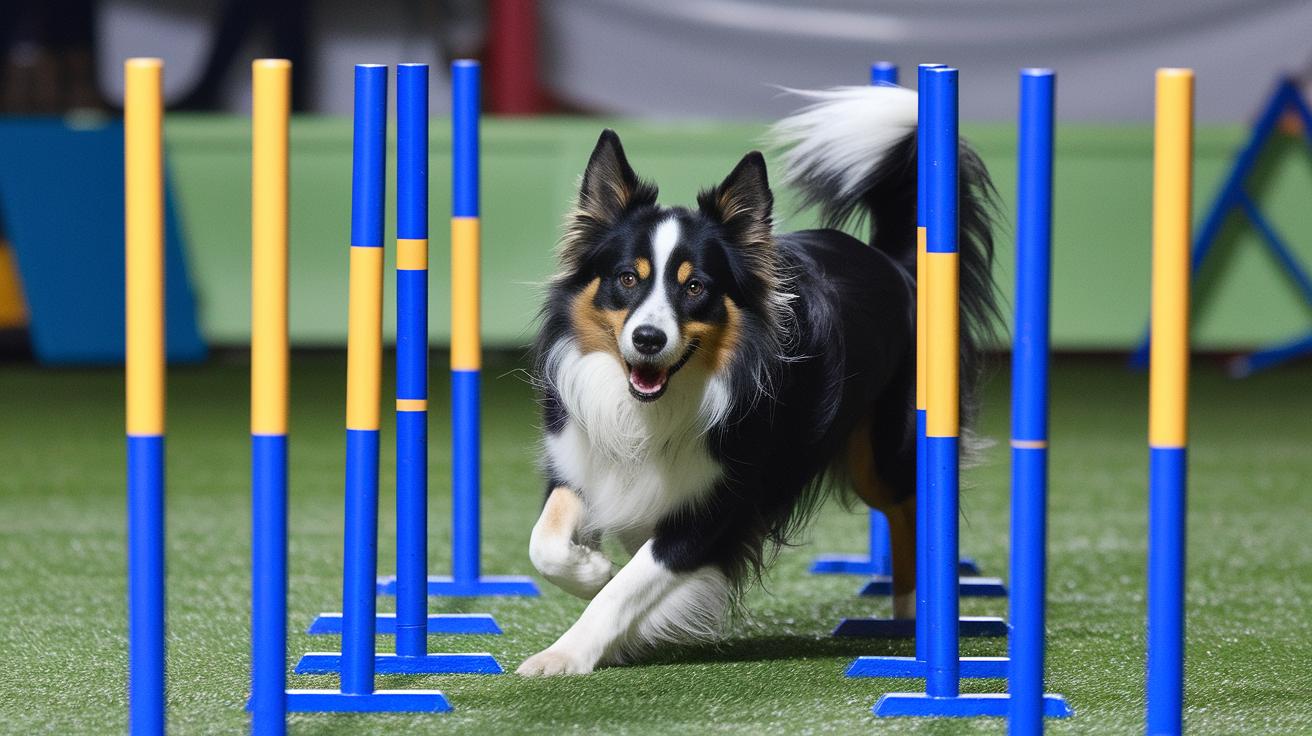
Dog agility training is not only a fun game but also a full-body workout. Imagine your furry friend weaving through obstacles, where every jump works like a mini strength session, building up those strong muscles, just like an athlete in training.
High-energy drills, such as dashing through a tunnel, give your dog's heart and lungs a great workout. This burst of movement helps burn calories and keeps your pet at a healthy weight while filling them with joyful energy.
The quick turns and sudden stops during agility training act like gentle stretches. They help keep your dog's joints flexible and reduce stiffness, especially as they get older. Sometimes, a little extra support like dog joint supplements can be helpful if your pet feels a bit creaky.
As the obstacles get a bit tougher, your dog builds more endurance and confidence with each step. This steady challenge not only makes them quicker and more agile but also helps protect against injuries as they age.
If you're looking for more ideas to keep your pet fit, check out our best exercise routines to boost pet vitality.
Dog Agility Training Benefits: Sparks Joy & Fitness
Agility training is a fun way to give your dog's brain a little workout. It’s like a game where your pup moves through different obstacles, solving little puzzles along the way. Each quick decision helps improve focus and control, making every command a chance for better attention and smarter thinking. Did you know that a dog who enjoys obstacle courses might even have a more relaxed walk or greeting experience?
Playing on obstacle courses also eases anxiety. When your dog is busy navigating tunnels or hurdles, it distracts them from habits like barking too much or chewing on things. This playful challenge not only relieves stress but fills each session with little bursts of joy that make them want to do more.
As your dog tackles a new maze or a tricky hurdle, they build up strong memory and spatial skills. Imagine your pup pausing just right when you signal during a sprint, that’s also a sign of growing impulse control and better everyday behavior.
- You might notice improved focus during training sessions.
- Regular play can lead to fewer boredom behaviors at home.
For more tips on keeping your pet active and happy, check out our Role of play in maintaining pet vitality page.
Dog Agility Training Benefits for Socialization and Behavior
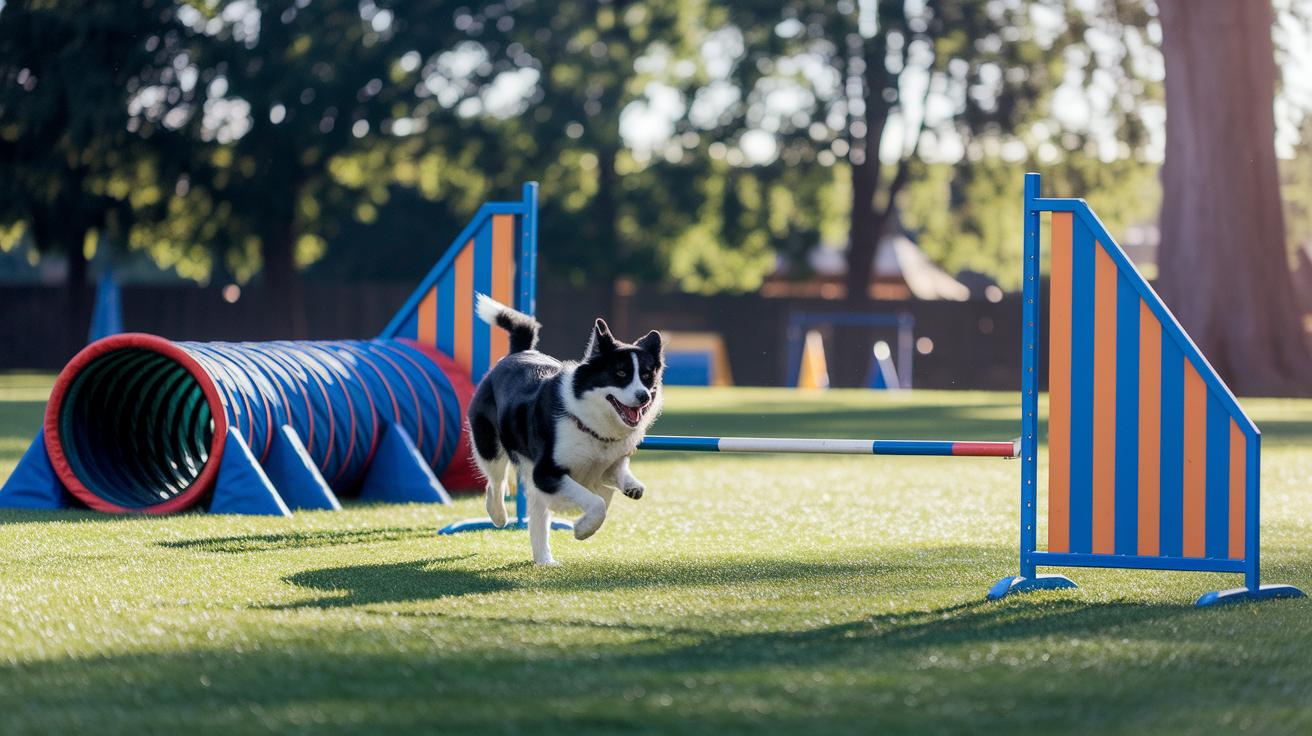
Agility training is a playful way to help your dog feel more confident around others and behave better. It’s like going on a fun little adventure together, navigating tunnels and hurdles that build a special, unspoken connection between you two. Imagine starting a session by saying, “Imagine your dog catching a secret message every time you make a hand signal.” It’s a fun trick that makes training exciting for both of you.
Group classes and meet-ups give your pup a chance to practice good manners and learn how to act kindly around other dogs. Each time your dog interacts with new friends, they're gently guided toward calm and obedient behavior.
- Working out together deepens your bond and builds trust.
- Group training sharpens your dog’s ability to pick up nonverbal signals.
- Informal sessions let your dog practice polite behavior and grow more confident.
When your dog gets the hang of these skills, they become more responsive not just to your cues but also to the social world around them.
Dog Agility Training Benefits and How to Get Started Safely
Thinking about starting agility training with your dog right at home? Try beginning with simple games using everyday items like broomsticks and chairs to create low jumps and mini tunnels. These fun obstacles help your dog get used to agility without needing fancy equipment. For example, set up a low jump by placing a broomstick between two sturdy boxes – just enough to pique your dog's interest and boost their confidence.
Before you start the course, warm your dog up with a few gentle stretches. A short walk or a playful run around the yard can do wonders for getting those muscles ready. This quick warm-up is important to prevent injuries and keep the training enjoyable for both of you.
Next, introduce one small obstacle at a time. When your dog does well on an obstacle, give lots of praise. This positive approach makes them excited for the next challenge. Use clear cues – maybe a simple hand signal or the word “Go!” – to let them know it’s time to move on. It’s like sharing a little secret that turns training into a fun game.
Keep a close eye on your dog’s energy and comfort. If they start to look tired, it might be time to take a break or lower the challenge a bit. You might even set a daily 10-minute drill to track improvements in speed and focus. Small, consistent sessions help build a strong and happy routine.
- Review each training session.
- Adjust obstacles and celebrate successes.
Short, fun sessions like these can turn exercise into a joyful time that builds both strength and confidence for your furry friend.
Final Words
In the action, agility training shows dog agility training benefits by boosting overall fitness, strengthening muscle tone, and sharpening mental skills. It challenges canines physically and mentally, making every obstacle a chance to build confidence and reduce unwanted behaviors.
It also creates a fun space for bonding and socializing while teaching new tricks and safe exercise routines. With each obstacle, your pet grows stronger, more focused, and happier. Enjoy the journey and cherish these playful moments together.
FAQ
Q: What are the senior dog agility training benefits?
A: The senior dog agility training benefits include improved balance, strength, and focus. Such training helps older dogs stay active, maintain muscle tone, and enjoy mental stimulation in a safe, fun environment.
Q: How can I find dog agility training near me?
A: The dog agility training near me option helps you locate local classes and facilities where skilled trainers guide your dog through safe obstacle exercises, building strength, focus, and a great bond with you.
Q: What should I expect at a senior dog agility competition?
A: The senior dog agility competition features courses tailored with lower hurdles and shorter distances. This setup ensures older dogs can safely challenge themselves, boosting confidence, coordination, and overall well-being.
Q: What does dog agility equipment include?
A: The dog agility equipment consists of tunnels, hurdles, weave poles, and A-frames. These items help improve balance, muscle tone, and coordination while offering a structured, engaging workout for your pet.
Q: What are dog agility obstacles and obstacles for dogs?
A: The dog agility obstacles, like tunnels, jumps, and weave poles, challenge your pet to work on balance and coordination. They boost both physical fitness and mental alertness during training sessions.
Q: What are the types of dog agility?
A: The types of dog agility include course-based training, obstacle navigation challenges, and structured drills. Each type is designed to enhance physical conditioning, mental alertness, and responsive behavior in dogs.
Q: What is the history of dog agility?
A: The history of dog agility began with early obedience challenges that evolved into a competitive sport. It now blends physical exercise with mental training for improved fitness and tighter handler-dog teamwork.
Q: Why is agility training good for dogs?
A: The agility training good for dogs as it offers a balanced workout that enhances strength, focus, and behavior. It mixes fun obstacle navigation with mental stimulation to keep your pet active and happy.
Q: What is the 3 3 3 rule for dog training?
A: The 3 3 3 rule for dog training means conducting short, focused sessions lasting three minutes, three times a day. This method helps maintain your dog’s attention and steadily build skills through repeated practice.
Q: What are the benefits of agility training?
A: The benefits of agility training include stronger muscles, improved focus, better impulse control, and enhanced problem-solving skills. It creates a fun, structured environment that builds a rewarding bond between you and your dog.
Q: How long does it take to see results from agility training?
A: The time to see results from agility training varies, but improvements in fitness, focus, and behavior are often noticeable within a few weeks of regular, positive, and engaging practice.