
Ever worry your pet might face surprises on the road? A pet travel health certificate helps keep things worry-free for both of you. This simple document, prepared by a kind veterinarian, acts like a health report card that shows your pet is ready for adventure. With a quick check-up and updated vaccines, it clears the way for a smooth trip. In short, this little certificate can mean the difference between stress and a happy, safe journey.
Understanding Pet Travel Health Certificates: Definition & Purpose
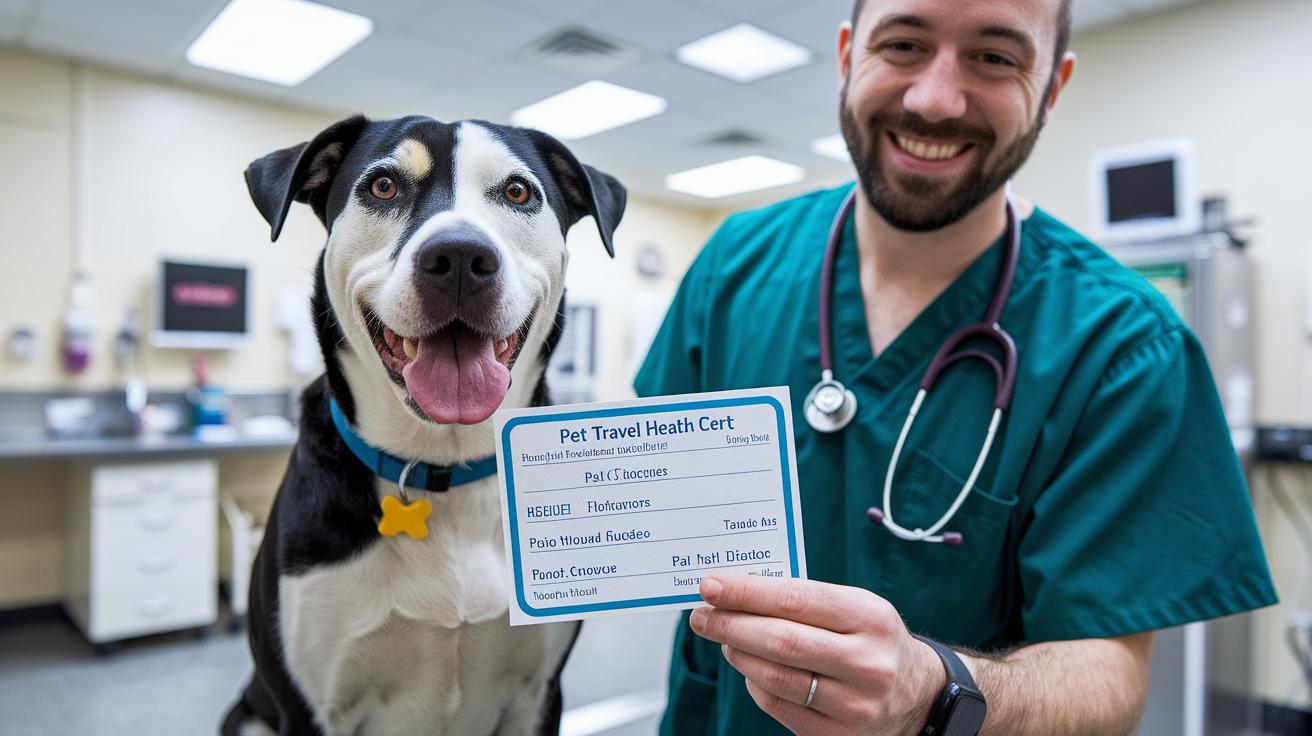
Imagine gearing up for an adventure with your pet. A pet travel health certificate is a special document from a trusted veterinarian who checks your pet from head to tail to make sure it's healthy and free of bugs or illnesses. It works like a little report card, showing travel helpers like airlines and border officials that your furry friend is all set for the journey.
This certificate is important whether you’re staying in your own state, visiting a nearby one, or flying off to another country. For many trips, a simple health check and regular vaccinations are all it takes to get your pet ready. Think of it as a quick, reassuring pass that lets everyone know your pet is safe and sound.
Sometimes, the rules for this certificate can be simple, while other times, especially for international travel, they ask for extra details and tests. Veterinarians and travel officials work together to shape each certificate to fit the rules of where you’re headed. In the end, it’s all about giving both you and your pet a smooth, worry-free travel experience.
Key Requirements for a Pet Travel Health Certificate
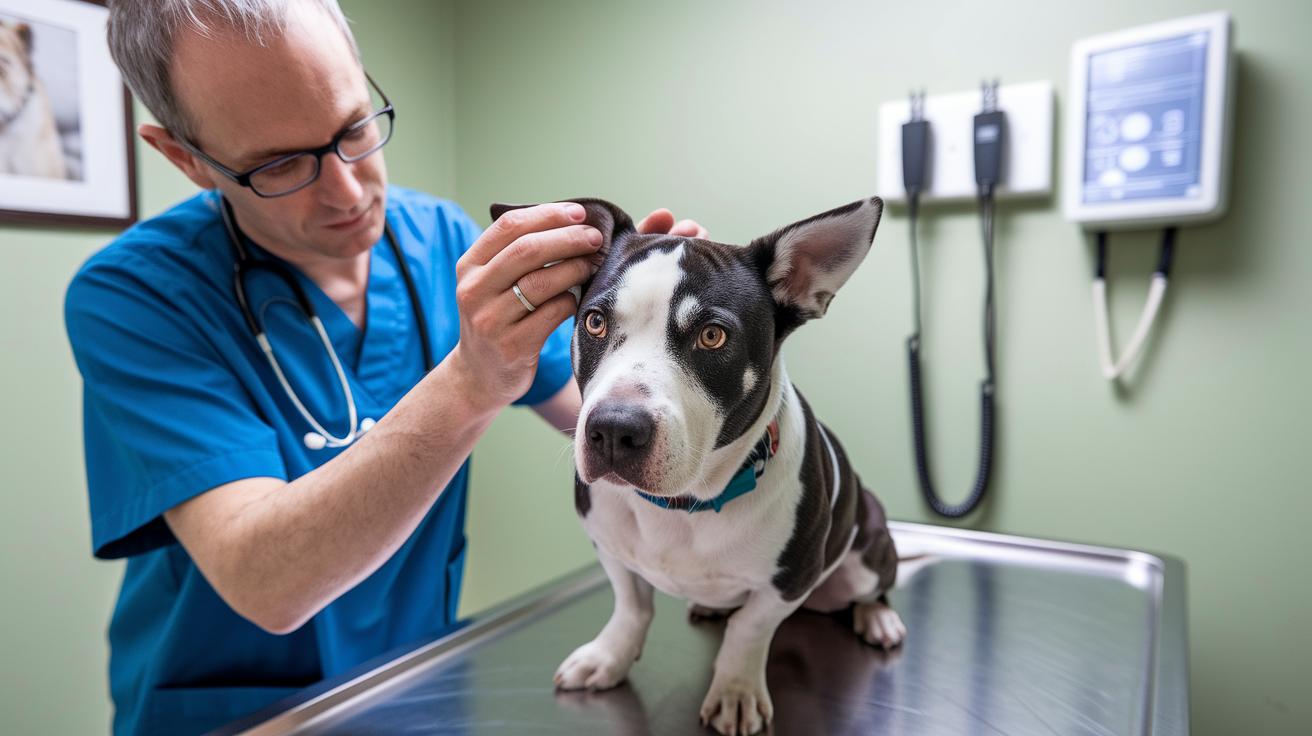
When you’re gearing up for travel with your furry friend, the first step is a complete check-up by a qualified vet. This isn’t just a quick look; the vet carefully examines your pet from head to tail to spot any sign of illness, injury, or anything that might make traveling unsafe. They check everything, from bright eyes and alert ears to clean teeth, healthy skin, and even the heart and lungs. Think of it as your pet’s own little pre-trip health party where even the tiniest concerns are sorted out before they become big issues.
Vaccinations are another must-have. Your pet needs to be up to date on all the important shots, with the rabies vaccine topping the list. This helps protect both your pet and everyone else they might meet along the way. Plus, the vet makes sure that treatments for fleas, ticks, mites, heartworm, and intestinal worms are current. In some cases, they might even do a quick blood test or check the stool to rule out any contagious conditions.
- A full physical exam to catch any signs of sickness or injury.
- A check to confirm all vaccinations are current, especially the rabies shot.
- An inspection of treatments for external parasites like fleas, ticks, and mites.
- A review of prevention measures for internal parasites like heartworm and intestinal worms.
- Additional tests, such as blood or stool exams, to ensure no contagious issues are present.
Following these simple steps helps ensure your pet travel certificate is all set. With up-to-date health checks and vaccinations, you can relax knowing your pet is ready for a safe and happy journey.
Step-by-Step Process to Obtain a Pet Travel Health Certificate
Before you start, make sure you have all your travel details and your pet’s information handy. This step-by-step guide will help you secure an official health certificate that shows your pet is ready to travel, by air or by land.
-
First, write down all the travel details. Jot down the destination, how you'll be traveling, and airline info if needed. Think of it like planning a fun road trip where you note every stop to avoid surprises later.
-
Next, fill out the APHIS Form 7001. Take your time to complete each field accurately, including your pet’s health history and travel plans. Getting it right from the start makes everything go smoother.
-
Then, book a visit with your vet. Depending on where you live, you might just drop in or need to schedule an appointment. It’s really important to get your pet checked sooner rather than later.
-
During the visit, your vet will do a complete health check. They’ll look for any signs of illness, confirm that all vaccinations are up-to-date, and check for any parasites. This exam is key to making sure your pet is all set for the trip.
-
After the checkup, have the necessary signatures signed by a USDA-accredited or state veterinary official. These signatures prove that your pet’s health meets travel requirements.
-
Finally, receive your certificate. It might come as a PDF or a printed paper, just make sure every detail is clear and correct.
Before you head off to the airport, take a minute to double-check that your certificate has all the right details and official signatures. This little extra step will help you avoid any delays and let you focus on creating happy travel memories with your pet.
Duration, Validity, and Costs of Pet Travel Health Certificates
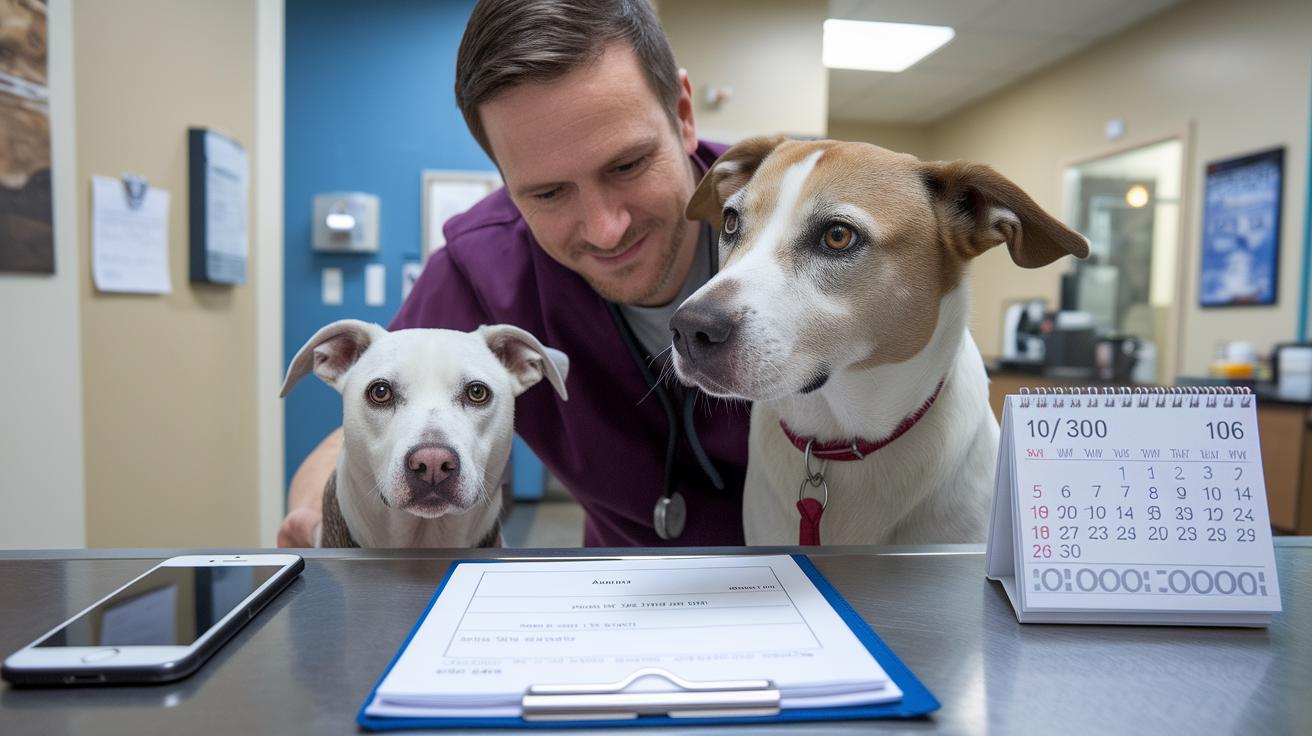
When getting your pet ready to travel, it’s important to keep an eye on the dates of its health certificate. For flights, the certificate usually works for about 10 days, while for road trips, it might be valid for up to 30 days. These time frames come from local and international pet travel rules and can vary by destination. I usually set a quick reminder on my phone, kind of like a friendly alert saying, “Time to renew your pet's certificate!”, so I don’t end up stressing at the airport or border.
Costs for these certificates usually fall between $50 and $150. The exact price depends on where you live, the vet fees in your area, and if additional tests or treatments are needed. Sometimes, if your pet requires extra checks like blood tests or parasite treatments, the cost may be a bit higher. Planning ahead with these costs in mind helps make sure everything is ready for your pet's safe travel adventure.
International vs. Domestic Pet Travel Health Certificate Requirements
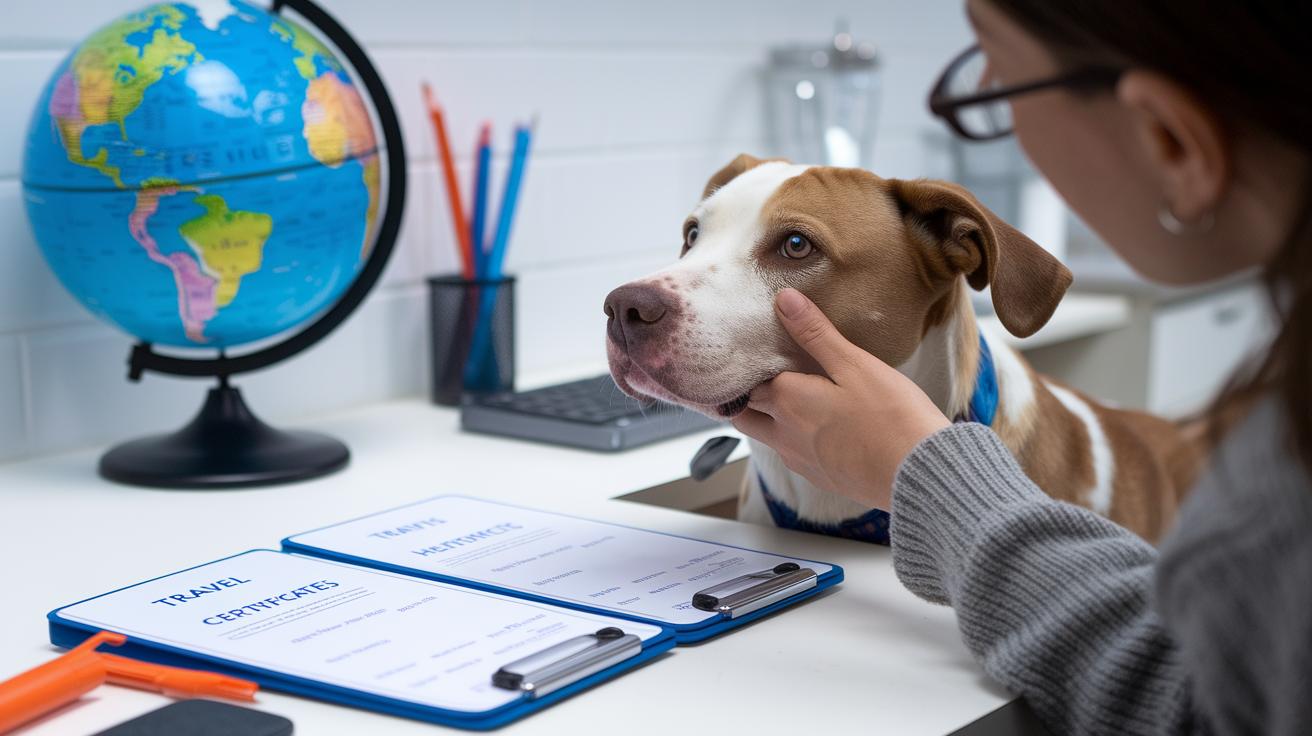
When you're planning a trip with your pet in your own country, you mostly need a simple health certificate. This certificate shows that your pet has had a general check-up and is up to date on the usual vaccinations. Most places just require a routine vet visit to make sure your pet is healthy and not carrying any contagious germs. It’s all about confirming those regular shots, with less fuss like extra blood tests or lots of paperwork.
For international travel, the rules are a bit tougher. You might need additional vaccinations, blood tests that check your pet's protection levels, and sometimes even a way to skip quarantine. There’s more paperwork here too, detailing extra health checks and parasite treatments. This careful process is managed by USDA Veterinary Services to ensure everything meets APHIS guidelines and international requirements.
In short, domestic travel certificates focus on the basics, while international ones call for more detailed tests and documentation. It’s a good idea to check the rules ahead of time so that you can get your pet’s certificate in order, whether you're crossing state lines or flying abroad.
Common Challenges and Troubleshooting in Pet Travel Health Certification

Sometimes pet owners run into trouble when forms for their pet’s travel health aren’t filled out all the way. Missing signatures, old vaccine records, or mistakes with airline details can slow you down at check-in. Border officials inspect every detail, so even a tiny error might lead to long delays or even a denial of entry until you sort things out. It’s a bit like missing one piece of a puzzle and having to retrace your steps.
To keep things smooth, take a moment to review every part of your pet’s travel documents. Make sure each form is fully completed and that vaccinations are up-to-date. Double-check that vets and other officials have signed where needed. And if you can, use easy options like walk-in services or online submissions at spots like PetWellClinic. A quick review before you leave can save you a lot of last-minute stress and ensure your pet’s journey gets off to a happy start.
Final Words
In the action of planning pet journeys, understanding your pet travel health certificate is key. We walked through its definition, purpose, and the step-by-step process to secure it. We covered key health checks, duration, expenses, and how domestic differs from international rules. We also tackled common challenges to keep your pet safe and travel-ready. Stay informed, follow the guidelines, and enjoy many happy adventures with your furry companion.
FAQ
Health certificate for pet travel PDF
The health certificate for pet travel PDF is an official document provided by accredited veterinarians to verify your pet’s health and vaccination status, ensuring safe travel across borders.
Pet travel health certificate USA and where to get one
The pet travel health certificate in the USA is obtained from a licensed vet who follows state and USDA guidelines. Many clinics offer walk-in services and PDF copies for convenience.
Pet health certificate for international travel
The pet health certificate for international travel confirms that your pet meets entry requirements, including vaccinations and exams, as completed by a USDA or state-authorized veterinarian.
USDA pet travel certificate and its PDF version
The USDA pet travel certificate, available in printed and PDF forms, is issued by accredited veterinarians to certify that your pet meets health standards for safe travel.
APHIS pet travel guidelines
The APHIS pet travel guidelines require completing specific forms and health checks by a USDA-accredited veterinarian, ensuring that your pet complies with both domestic and international travel health standards.
International health certificate for dogs
The international health certificate for dogs details vaccination records, physical exam results, and parasite treatments, certifying that your dog is fit for travel to international destinations.
What states require a health certificate for pets
Many states require a pet health certificate, especially for inter-state travel or flights, to prove that your pet is healthy and up to date on vaccinations. Check local regulations for specifics.
How much does a pet travel health certificate cost
The cost of a pet travel health certificate usually ranges from $50 to $150, depending on your location and any additional tests needed. Contact your local veterinary clinic for exact pricing.
Do you need a pet health certificate to fly
A pet health certificate is often required for air travel as it confirms your pet’s good health and vaccination status. Always check with your airline to ensure you meet their travel requirements.
Does TSA require a health certificate for pets
The TSA does not require a pet health certificate; however, many airlines or destination countries do have their own documentation rules. Always verify travel requirements with your carrier before booking your flight.