
Ever wonder if your dog's shot can really keep them safe? It might seem odd to give your fur friend a little poke, but vaccines work like a quick boot camp for their immune system. They help build a sturdy shield against things like rabies and parvovirus, so your pet stays happy and full of energy.
In this article, we’ll break down why keeping your dog's vaccines up to date can lead to a healthier, more joyful life. Isn’t it amazing how a simple shot can make such a big difference for your furry companion?
Dog Vaccine Essentials for Health and Protection

Core vaccines are super important for keeping your dog safe from harmful diseases like rabies, canine distemper, parvovirus, and adenovirus. Puppies usually begin their DHPP/DAP shots when they are about 6 to 8 weeks old, and the rabies shot comes in around 12 to 16 weeks. After that, a booster follows at one year, with more boosters every 1 to 3 years as local rules require. There are also extra shots tailored to your dog's life and surroundings to make sure they get the care they need.
Vaccinations work by gently teaching your dog’s immune system about bad germs using weakened or tiny pieces of the germs, much like preparing a small defense team. Imagine your dog’s body as a little fortress, each shot, whether it’s a core vaccine or an extra one, builds up stronger walls to keep diseases out. This careful approach not only lowers the risk of getting sick but can also help avoid expensive treatments later. And when more pets get vaccinated, it helps protect friends who might not have all their shots yet.
Keeping your dog up-to-date with vaccines isn't just about health, it also has legal and social perks. Staying on top of vaccinations meets local law rules and ensures that every visit to the vet is not just about preventing illnesses, but about keeping your furry friend happy and healthy. Sometimes, your pet might have a bit of swelling or seem a little sleepy after a shot, but these reactions usually fade quickly. By following a good vaccination plan and chatting with your vet regularly, you can set up the best schedule for your dog, making every day fun and safe for both of you.
Core and Lifestyle Dog Vaccines: Detailed Comparison
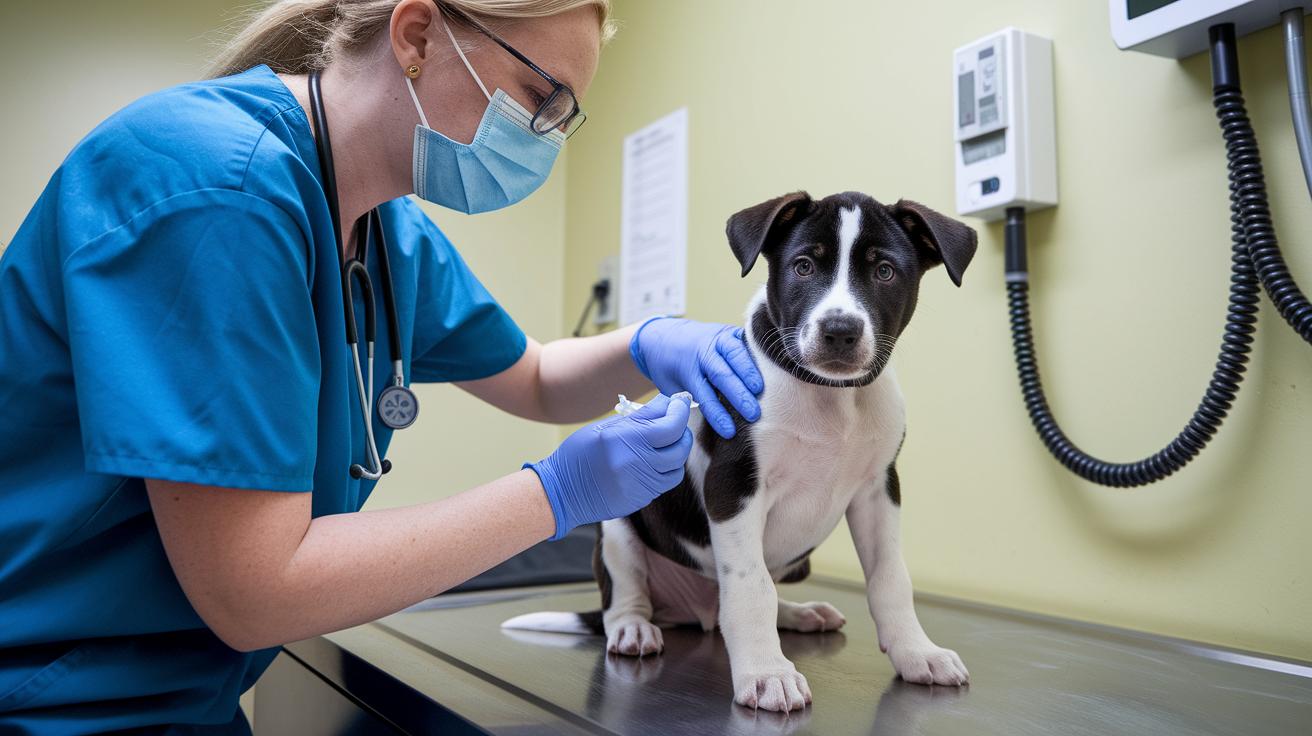
Core vaccines are like the foundation of your pet's health. They help build lifelong protection, starting early in life. For instance, dogs must get the rabies shot by law. Typically, this vaccine is first given when a puppy is 12–16 weeks old, followed by a booster after one year, and then every 1–3 years after that. Likewise, the DHPP/DAP series starts when puppies are 6–8 weeks old with boosts every 3–4 weeks until they reach 16 weeks, then continue on either an annual or occasional schedule.
Non-core vaccines, sometimes known as lifestyle vaccines, depend on your dog’s daily adventures and the environment. Think of your dog’s world as a special playground where certain vaccines, like Bordetella or Leptospirosis, guard against local risks. These extra shots are like custom-made shields, making sure every playful bark and wag is backed by safety.
| Vaccine Category | Vaccine | Schedule/Frequency | Use Case |
|---|---|---|---|
| Core | Rabies | Starts at 12–16 weeks; booster after 1 year, then every 1–3 years | Required by law and essential for disease prevention |
| Core | DHPP/DAP | Starts at 6–8 weeks; boosters every 3–4 weeks until 16 weeks | Protects against several serious diseases |
| Non-Core | Bordetella | First dose at 8+ weeks; boosters every 6–12 months | Great for pups that meet many other dogs |
| Non-Core | Leptospirosis | Two doses 2–4 weeks apart; then annual boosters | Ideal for dogs in areas with higher outdoor risks |
| Non-Core | Lyme Disease | Two doses 2–4 weeks apart; then annual boosters | Best for dogs in tick-heavy regions |
| Non-Core | Canine Influenza | Starts with an initial series; annual boosters | Used based on a dog’s specific exposure risk |
When choosing non-core vaccines, think about your dog’s routine and where you live. For example, a dog who loves visits to the park might need Bordetella, while one in a tick-prone area should consider the Lyme vaccine. Tailor the vaccine plan to fit your dog’s lifestyle and local health needs, so you can keep that tail wagging happily every day.
Puppy Vaccination Timeline and Protocol
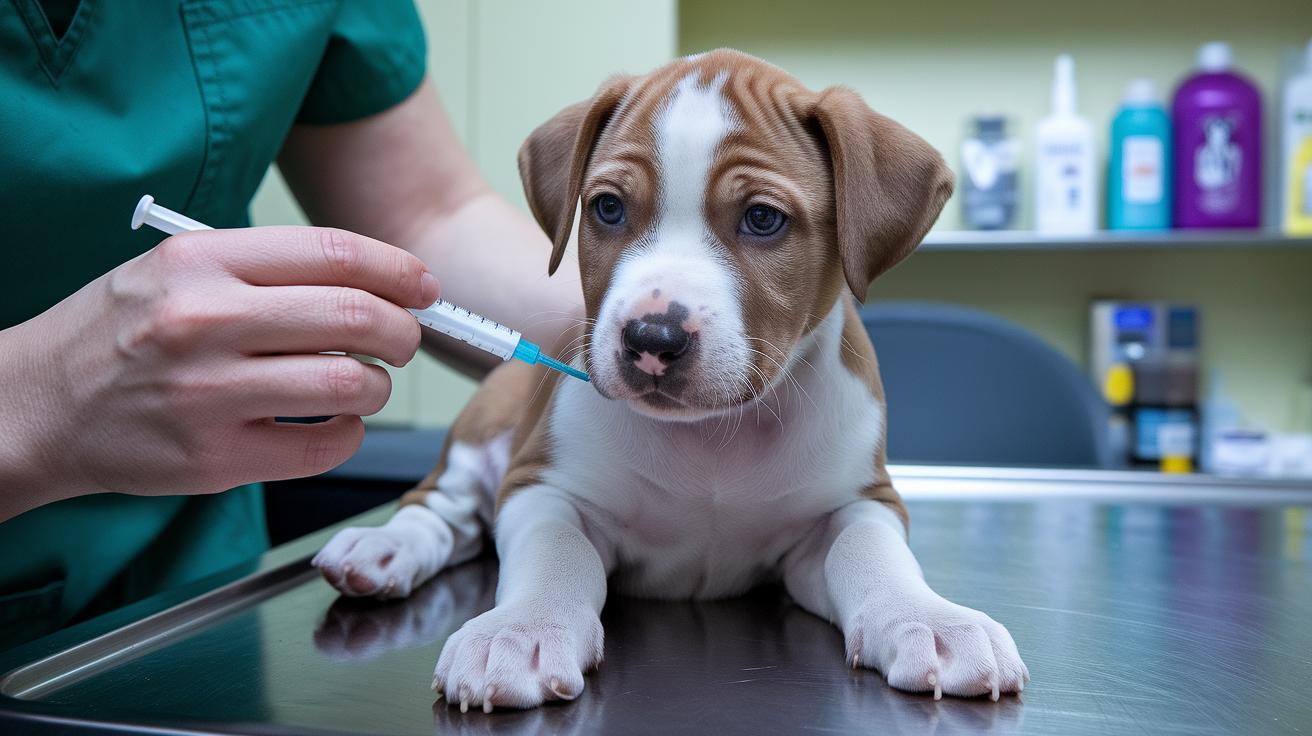
When puppies are young, they inherit special antibodies from their mom that help protect them. However, these natural antibodies can sometimes get in the way of vaccines. It might sound odd, but this means that even after a puppy gets its first shots, its body may not be fully ready to fight off germs yet.
That’s why your vet will usually recommend giving multiple doses. As the baby puppy grows and the mom’s antibodies fade away, each shot helps the vaccine do a better job at building lasting protection.
For all the details on scheduling shots like DHPP/DAP, rabies, and vaccines for other lifestyles like Bordetella and leptospirosis, check earlier sections of this article. Always be sure to follow your veterinarian’s advice and adjust the plan as needed based on local guidelines and your puppy’s unique needs.
Adult Dog Immunization Plan and Booster Schedules

For adult dogs, keeping up with booster shots is key to their ongoing health. Your vet might suggest core vaccines like DHPP, which helps guard against several infections, and rabies every one to three years. Depending on your dog’s lifestyle, non-core shots such as Bordetella, Leptospirosis, and Lyme are usually given once a year. Regular check-ups make it easier to stay on top of these important protection steps.
Sometimes, it helps to use titer testing, a simple blood test that checks your dog’s immune response. Think of it like checking your car’s oil before a long trip; it shows whether a booster shot is really needed. This approach is super handy for older dogs or those with a patchy vaccination history, ensuring your furry friend stays safe without extra unnecessary shots.
Managing Vaccine Safety and Side Effects

Canine vaccines are safe for the most part, but sometimes you might notice a few mild changes in your pet after a shot. For instance, your dog could develop a small bump or experience a tiny bit of swelling at the injection spot. They might also get a slight fever or feel a bit sluggish for a day or two. These signs are normal and usually fade away on their own, showing that the immune system is gearing up to protect them.
In very rare cases, however, more serious reactions can occur that need urgent attention. If your pet experiences ongoing vomiting, diarrhea, or noticeable puffiness around the face that doesn’t get better in about 48 hours, it’s important to call your vet right away. And remember, don’t give any pre-medication before the vaccines unless your vet specifically tells you to. If you spot worrisome signs, like sudden trouble breathing, it’s best to seek veterinary care immediately.
Cost Considerations and Affordable Dog Vaccination Options
Keeping your pup safe with vaccines is crucial, but the prices can really vary. A DHPP shot, which guards against several common illnesses, usually costs between $20 and $60. A rabies shot is generally a bit cheaper, around $20 to $30. Vaccines for diseases such as Lyme or leptospirosis, which not every dog needs, can be a bit steeper, anywhere from $30 to $100 per dose.
There are plenty of wallet-friendly options out there. Many animal shelter clinics offer shots for as little as $10 to $20, and you might find mobile vaccine units or community drives near you that make it even easier to save. It’s a bit like finding a hidden treasure when you come across an affordable community vaccine drive!
Wellness plans are another great way to save money. By bundling vaccines together at a reduced rate, these plans help you manage costs while keeping your pet protected. Booking early or even taking advantage of walk-in appointments can unlock extra discounts. Many pet clinics and subscription plans, like Banfield’s wellness plan, offer excellent ways to keep your dog immunized without stretching your budget.
Choosing these affordable solutions not only protects your furry friend but also keeps your spending in check, ensuring your dog gets the best care without breaking the bank.
Legal Requirements and Record-Keeping for Dog Vaccines
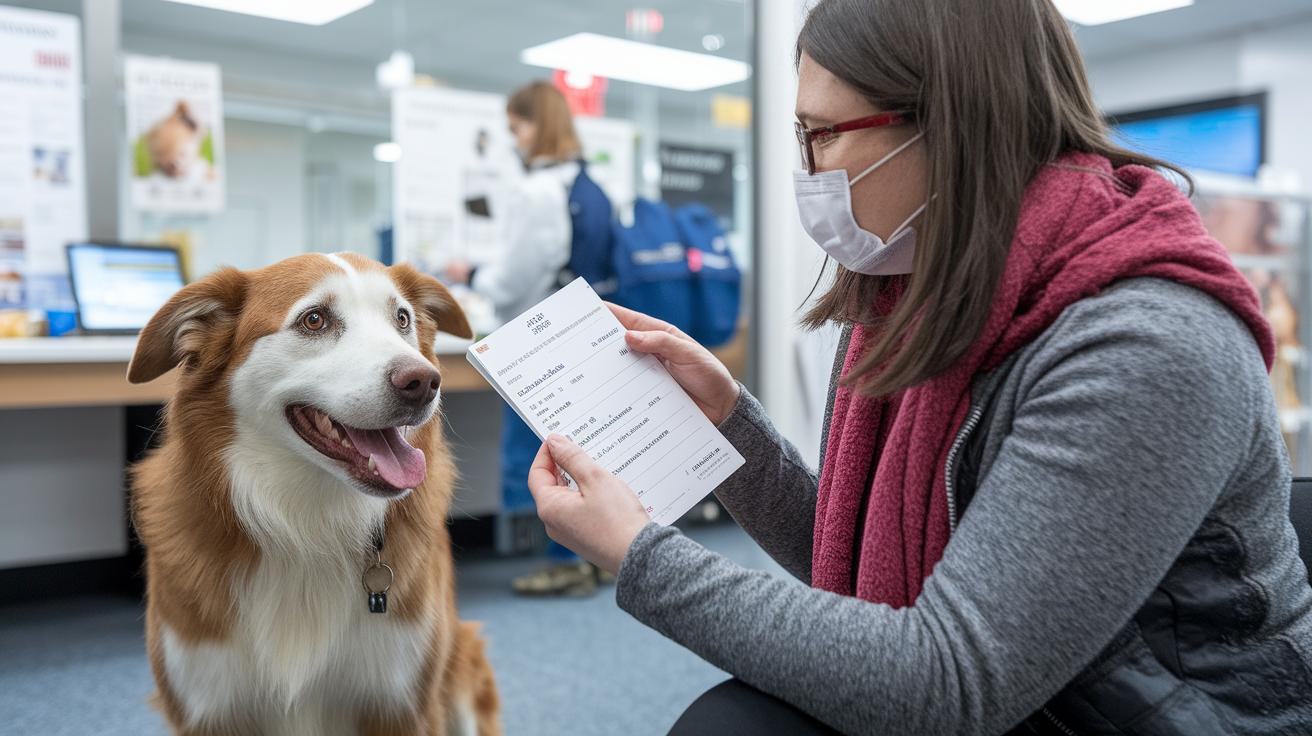
Rabies shots are a must-have in every state. Usually, the certificate lasts one to three years, depending on where you live. Keeping your dog’s vaccine up-to-date is really important for anything from local licensing and boarding to travel. Your vet gives you the official record that proves your furry friend is protected from dangerous diseases.
Keeping a clear record is key. Whether you hold onto a paper certificate or use a digital tracker, having your pet’s vaccination details handy makes vet visits smoother and meets local rules. Many pet owners even download simple templates to log their pet’s shot dates and set reminders. This way, every bit of your dog’s health history is easily available when you need it.
Staying on top of these records is a big part of being a responsible pet parent. Not only does it help you stick to the law, but it also guides your vet in planning future vaccine schedules that fit your dog’s lifestyle. Whether you update the file during regular check-ups or before a trip, keeping everything in order can reduce stress during emergencies. Always check in with your vet to make sure your records are accurate and up-to-date.
Veterinary Advice, Titer Testing, and FAQs
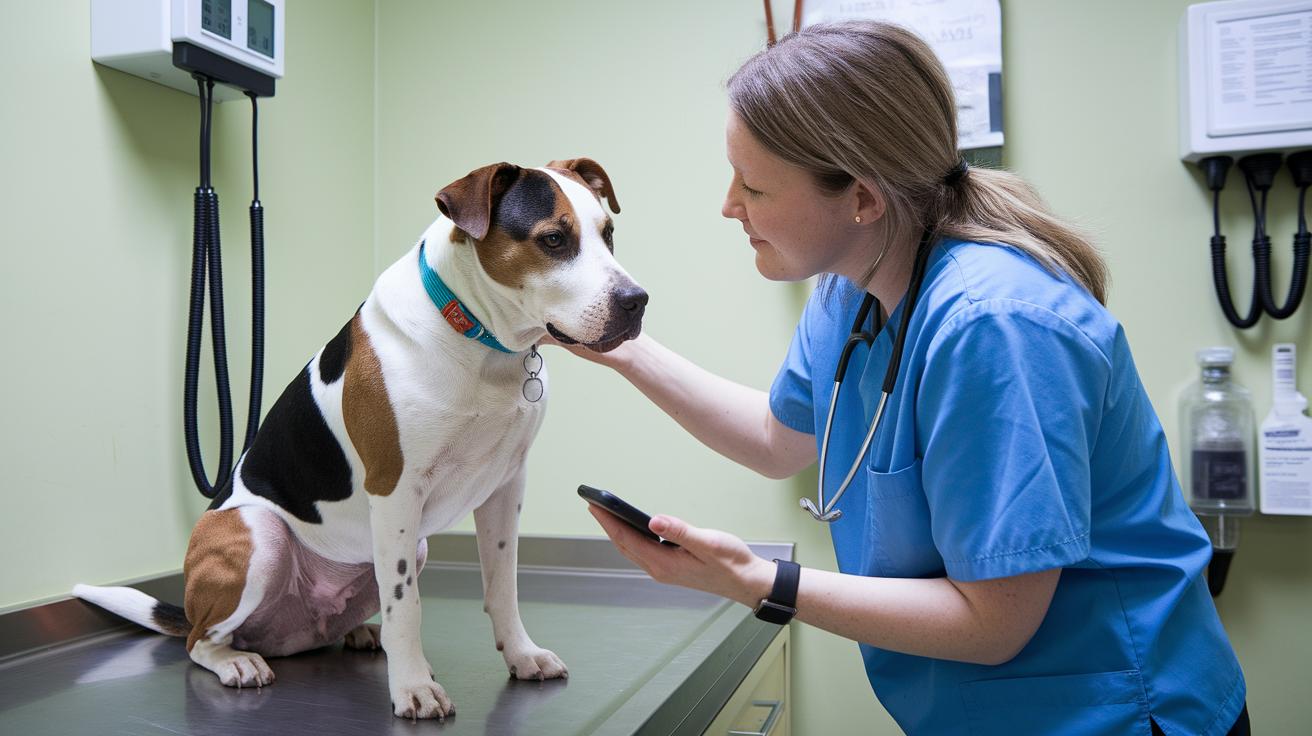
When planning your dog's vaccine schedule, it's always best to chat with your vet. They can offer personalized advice that fits your dog's age, breed, and everyday lifestyle. For instance, you might wonder if titers are a better choice than boosters. A titer test is a simple check of your dog's antibody levels – kind of like checking your phone's battery before a big day out. This smart approach not only keeps your pet safe but also makes sure their shots are just right for them.
Titer testing is becoming a go-to method for avoiding extra, unnecessary shots. Many pet parents have questions about travel vaccine rules, how many vaccines are needed, the expenses, and what to expect during a titer test. Here are eight common questions that come up:
-
Is it ever too late to vaccinate an adult dog?
With help from your vet, you can start vaccinating at any stage of life. -
How many different vaccines does a dog need?
Dogs usually need core vaccines like rabies and the DHPP/DAP combo, with extra shots added based on their lifestyle. -
When should titers be used instead of boosters?
They are a good choice if your dog has an unclear vaccination history or if there's concern about too many vaccines. -
What are the costs associated with titer testing?
Costs can vary, so it’s best to get an estimate from your vet. -
How often should titer testing be done?
This depends on your dog's history, but it often happens during regular check-ups. -
Are there any risks to titer testing?
Titer tests are very safe and only require a small sample. -
What immunizations are required for international travel?
Rules differ by country, though rabies is usually a must. -
Can titer testing help modify booster protocols?
Yes, it allows for a more personalized approach to when boosters are needed.
By combining titer testing with your vet's guidance, you can create a vaccine plan that's not only effective but also perfectly tailored to your dog's unique needs.
Final Words
In the action, we covered everything from essential shots for puppies to adult booster schedules, guiding you through core versus non-core options and tips on managing vaccine safety and costs. We also touched on legal requirements and the value of record-keeping to keep your pet’s history straight. Each section aimed to empower you with the knowledge needed for informed care decisions, ensuring your furry friend stays happy and healthy with timely dog vaccines. Enjoy the peace of mind that comes with staying proactive in your pet’s care!
FAQ
What is the dog vaccination schedule?
The dog vaccination schedule outlines when core vaccines like DHPP and rabies should be given, with initial doses starting at 6–8 weeks for puppies and boosters every one to three years for adult dogs.
Where can I find dog vaccines near me?
The search for dog vaccines near you usually leads to local veterinary clinics, animal hospitals, or community vaccination events where professional healthcare for pets is available.
Which dog vaccines are absolutely necessary?
The necessary dog vaccines include core shots such as DHPP, which protects against distemper, adenovirus, parvovirus, and the legally required rabies vaccine that keeps pets safe and meets state laws.
What is the cost of dog vaccines?
The cost of dog vaccines can vary, with DHPP typically priced from $20 to $60 per dose and rabies around $20 to $30. Low-cost clinics and wellness plans can offer discounted rates.
What are the side effects of dog vaccines?
The side effects of dog vaccines usually involve mild reactions like soreness at the injection site, slight fever, or temporary lethargy. Severe reactions are rare and need immediate vet care if they occur.
What does an adult dog vaccination plan include?
The adult dog vaccination plan includes booster shots for core vaccines, such as DHPP and rabies, given every one to three years, with additional lifestyle vaccines considered based on the dog’s environment and risk factors.
What is the puppy vaccine schedule?
The puppy vaccine schedule typically starts at 6–8 weeks with DHPP, followed by boosters every three to four weeks until 16 weeks, and includes a rabies shot around 12–16 weeks, ensuring early protection.
What does “dog vaccines at home” refer to?
The term “dog vaccines at home” generally refers to mobile vet services or community clinics offering vaccination services at or near your location, rather than self-administered shots.
What are 5 in 1 vaccines for dogs?
The 5 in 1 vaccines for dogs combine protection against five common diseases, often including canine distemper, adenovirus, parvovirus, parainfluenza, and leptospirosis, reducing the number of separate shots needed.
How many vaccines does a dog need?
The number of vaccines a dog needs depends on age, health, and lifestyle. Puppies usually receive three to four doses of core vaccines, while adult dogs require boosters every one to three years, with additional vaccines as needed.