
Ever thought your pet might feel up and down like you do? Pets have their own way of showing happiness and stress, and sometimes they even seem a bit anxious or blue. When you share cuddles and playful moments, it’s more than just fun, it helps keep their mind balanced. In this post, we explore pet mental health and share simple tips that can make a big difference, helping both you and your pet stay happy and healthy.
Understanding Pet Emotional Well-Being

Pets feel a whole mix of emotions, just like we do. Most U.S. pet owners even see their pets as part of the family, which shows how important it is to care for our pets' feelings. Research tells us that dogs, cats, birds, and other furry friends can feel happiness, excitement, worry, and even sadness, even though we can’t measure their feelings exactly.
Imagine sitting quietly with your favorite pup, feeling its gentle heartbeat. That simple moment brings a rush of happy hormones, helping you feel calm and at ease. Spending time with your pet can lower anxiety, depression, and loneliness by calming the heart and lowering blood pressure while cutting back on stress hormones.
In short, a warm cuddle or playful romp can work wonders. It’s a beautiful reminder that looking after your pet's emotional well-being goes hand in hand with keeping both of you healthy and happy.
Identifying Anxiety and Depression Signs in Pet Mental Health

Keep an eye out for sudden changes in your pet’s behavior. You might notice that your usually playful dog starts to hide or seems uneasy around people it once loved. It can feel a bit like watching a cheerful child withdraw when not feeling well. Imagine your energetic buddy suddenly choosing a quiet corner of the room, it could be a sign that something is off.
Sometimes, anxiety shows up in ways that can be hard to miss. Your pet might start chewing on furniture, groom itself too much, or even change its eating habits, either not eating at all or eating way more when feeling nervous. Meanwhile, depression may make your pet act tired or withdrawn, avoid both people and other pets, or even mess with its sleep patterns, like sleeping too long or having trouble settling at night.
Here are some common signs to watch for:
- Hiding or avoiding contact
- Destructive behavior
- Over-grooming
- Changes in appetite
- Restlessness or pacing
- Social withdrawal and lethargy
Noticing these signs early is very important. A quick visit to the vet can often help stop these issues from getting worse and get your pet back to feeling happy and balanced.
Causes and Risk Factors Impacting Pet Mental Health
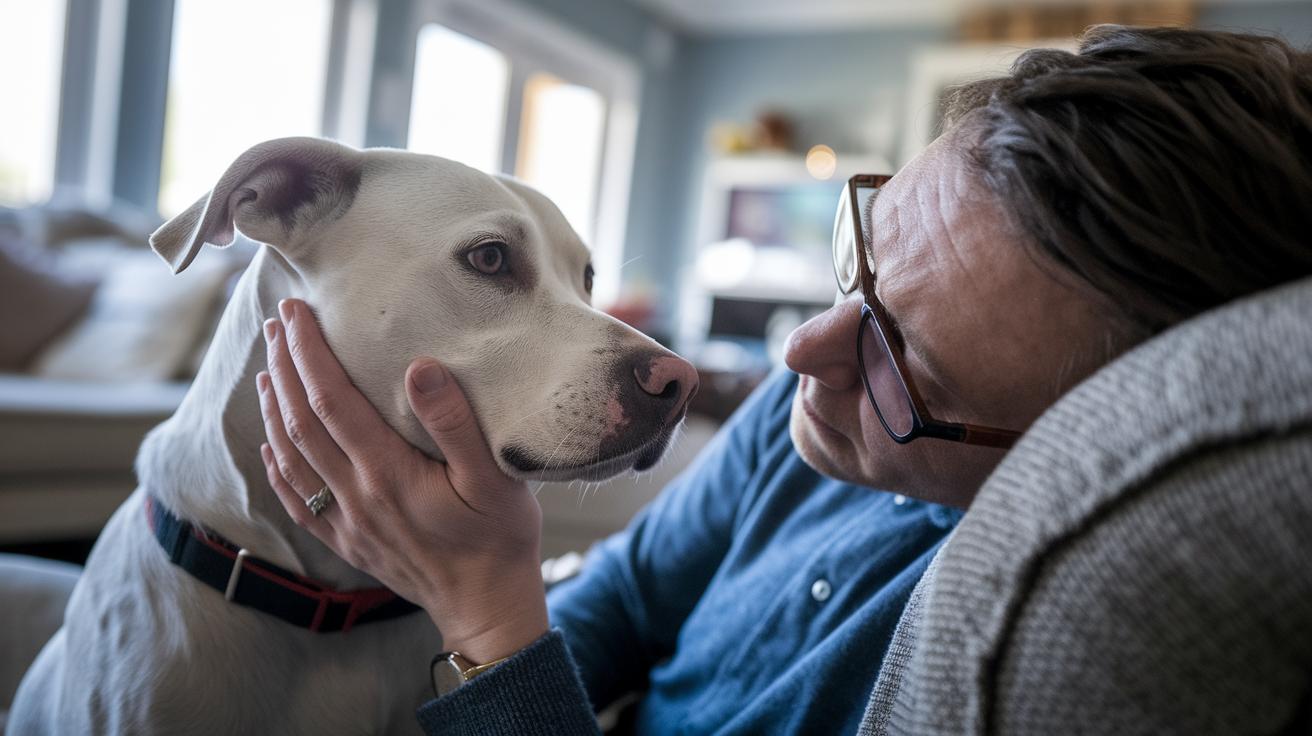
Pets, just like us, can get stressed out, and there are several things that might make them feel anxious or down. One common trigger is separation anxiety. Since almost every pet owner considers their furry friend as part of the family, being left alone for too long can spike stress hormones such as cortisol, leaving your pet feeling uneasy.
Another key point is that when your pet misses out on regular, caring interaction, it can increase their chances of getting anxious. Everyday cuddles and playtime help boost oxytocin, a natural hormone that calms them down.
Then there are environmental changes. Moving to a new home, introducing new pets or people, and even unexpected loud noises can all unsettle your buddy. And if they aren't getting enough exercise or mental stimulation, their mood can take a hit. Imagine a pup feeling restless and agitated after a long day without a fun walk or game, it’s a lot like us needing a break to feel refreshed.
Other challenges like past traumatic experiences, ongoing pain, or underlying health issues can also make pets more vulnerable to mental health ups and downs. All these factors connect to shape your pet’s overall well-being, showing just how important it is to offer a loving, steady presence in their life.
Practical Strategies to Enhance Pet Mental Health at Home
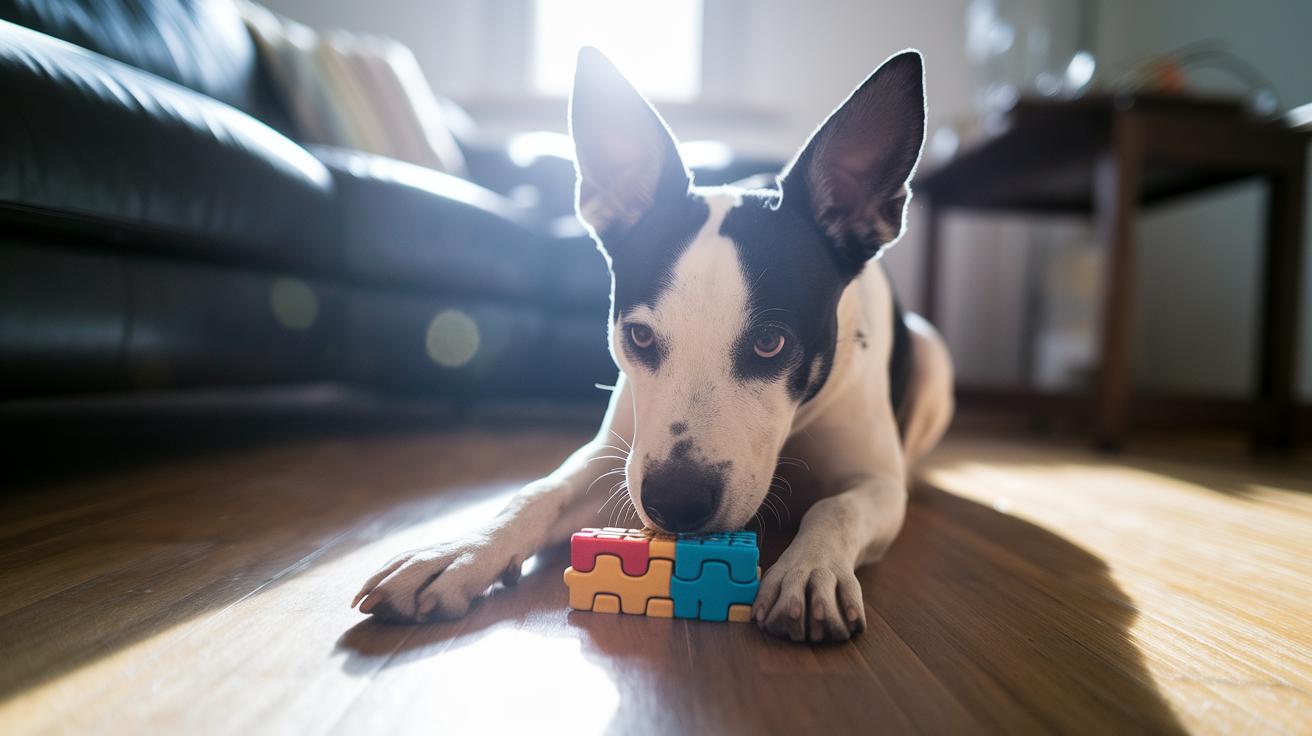
Taking care of your pet’s mind is simpler than you might think. A loving, active home helps your pet feel both physically healthy and mentally happy. Even a quick walk on a bright morning can boost feel-good hormones, slow down their heartbeat, and even help relax your pet’s body after a busy day.
Playing with your pet doesn’t just raise their spirits, it also keeps their brain busy. Interactive toys like puzzles or scent games can turn playtime into a little adventure. Imagine your pet, nose twitching with curiosity as they explore a new toy. It’s just like a fun scavenger hunt that keeps boredom and worry at bay.
Short training sessions using positive words and treats build trust and confidence. Think of it as little moments of celebration. Each tiny success helps your pet feel loved and supported. It’s like sprinkling tiny bursts of encouragement into their day.
Sticking to familiar routines makes your pet feel safe. Feeding, resting, and even a cuddle session at the same time every day gives them comfort. And who wouldn’t love a good cuddle or gentle grooming? It’s a simple way to show care.
| What to Do | How It Helps |
|---|---|
| Daily walks or play sessions | Boosts mood and lowers stress |
| Interactive puzzle toys and scent enrichment | Keeps the mind active and curious |
| Short, positive-reinforcement training drills | Builds trust and confidence |
| Consistent feeding and rest schedules | Creates a sense of security |
| Quality social time (cuddling, gentle grooming) | Comforts and soothes your pet |
Professional Resources and Therapy for Pet Mental Health Support
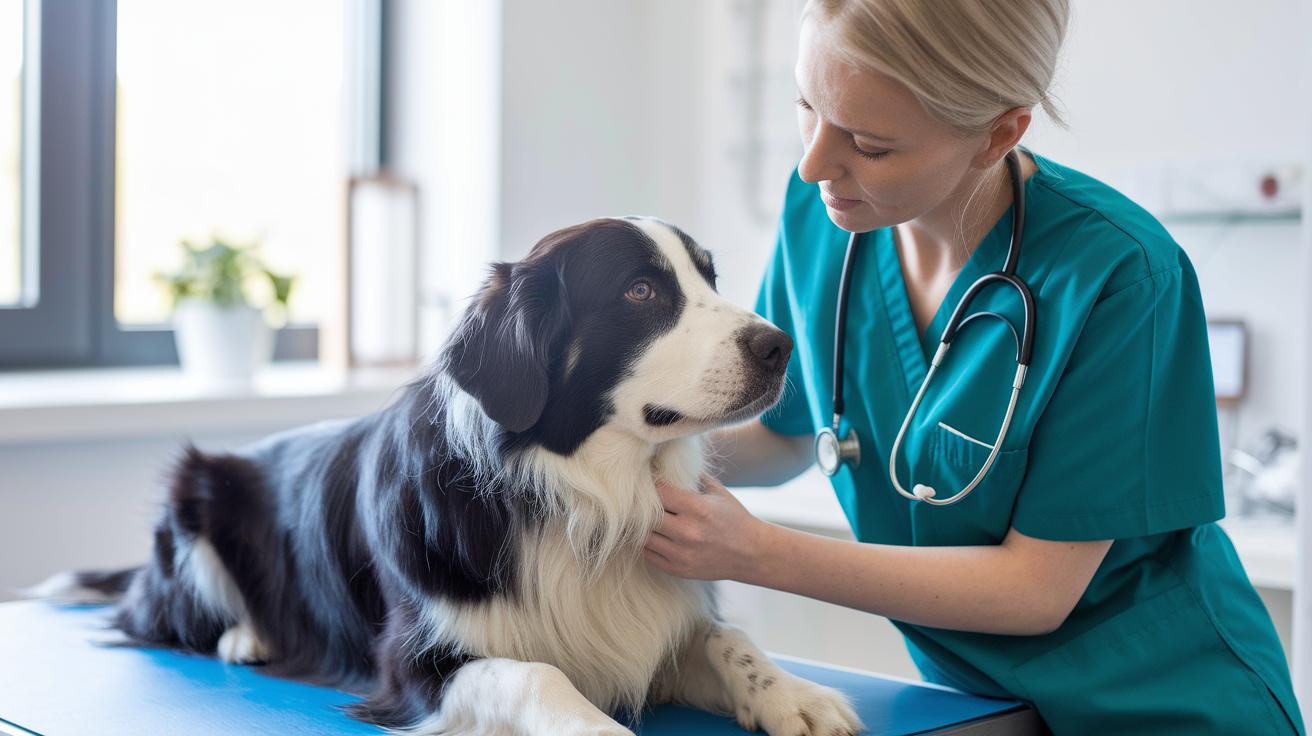
Veterinary behavior experts and certified therapy-animal programs are real partners in keeping your pet happy and healthy. Meeting with a pet mental-health professional early on can help spot any changes in behavior, so you can start the right care before things get worse. Think of it like getting a friendly check-up when something doesn’t feel quite right.
Animal-assisted therapy sessions, where your pet gets guided interaction, have been shown to lower anxiety, sadness, and feelings of loneliness. In fact, one study even found that psychiatric service dogs can ease PTSD symptoms in military veterans. Imagine a caring service dog gently comforting someone during a tough time, it really shows how these programs work wonders.
If you suspect your pet might be feeling stressed or upset, reaching out to experts is the way to go. You might try a specialized Pet Wellness Clinic for mental-health support, or explore Service Dog Trainer Certification programs if you’re considering a therapy dog. These professional resources are here to help guide both you and your pet toward a life that feels balanced and joyful.
Final Words
In the action, we explored how pet mental health ties into everyday care. We touched on recognizing early signs of anxiety and depression and addressed risk factors like separation and environmental stresses.
We also shared easy at-home tips, from daily walks and play sessions to creating consistent routines that help spark joy and comfort. Adding professional resources into the mix can boost confidence in pet care decisions. Our approach leaves every pet feeling loved, supported, and ready for a happier, healthier life.