
Ever wonder if a small change in your dog's meal plan might ease their discomfort? For pups with pancreatitis, what they eat is just as important as any medicine. Using lean proteins like chicken or turkey is a smart choice, it’s a bit like swapping a heavy meal for a crisp, refreshing salad. In this post, we explore how a low-fat, nourishing diet can help calm your dog's sensitive pancreas and boost their energy, with wholesome choices that truly make a difference in your furry friend's health.
Core Principles of Dog Food for Dogs with Pancreatitis
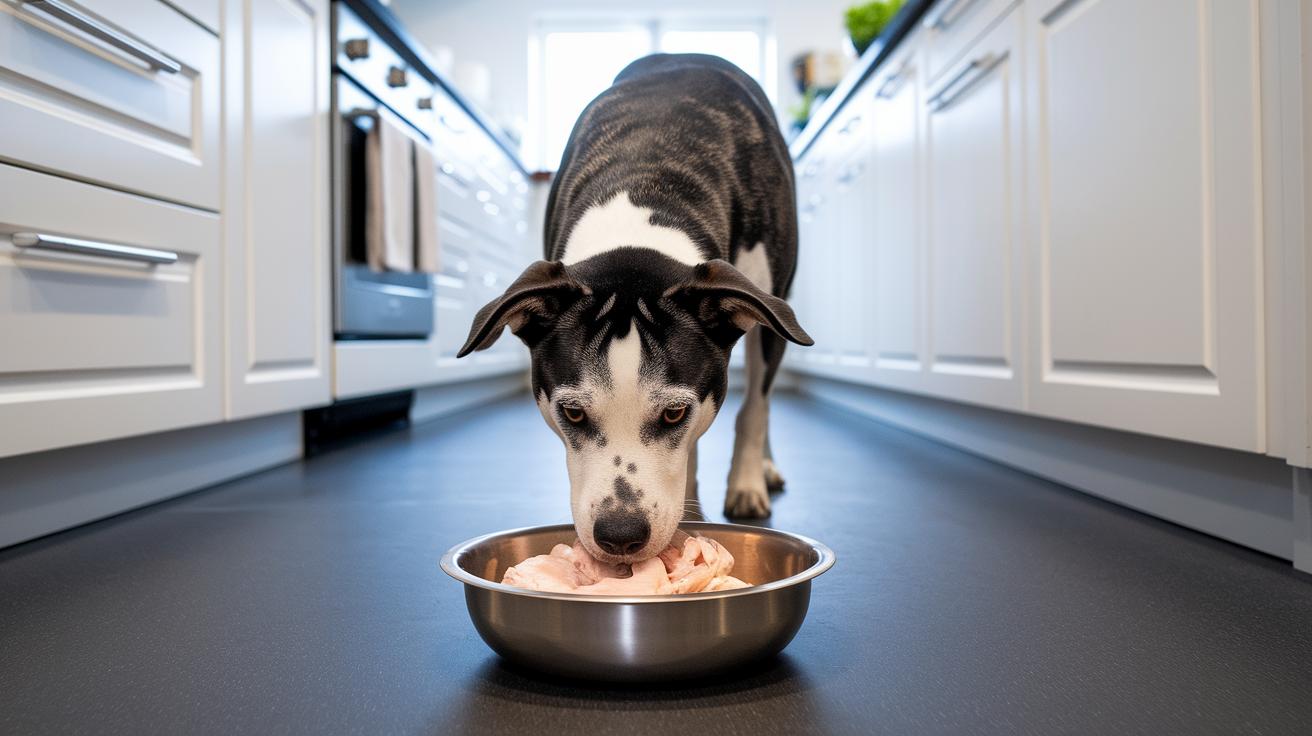
If your pup has pancreatitis, a healthy, low‐fat meal can be a real game changer. Think of using lean proteins, like turkey, chicken, or a few types of fish. For instance, you could boil a skinless chicken breast in water without any extra fat. It’s a gentle way to give your pet a nourishing meal while keeping their tummy happy and energy steady.
You really want to skip foods that are high in fat, such as fatty meat cuts, oils, butter, and greasy treats. Just like you might avoid heavy foods after a big meal, these choices can upset your pup’s pancreas and even spark flare-ups. It only takes a small step, like cutting the fat a bit, to ease your pet’s digestive strain. Did you know that even a tiny drop in fat can be as refreshing as switching from fast food to a crisp, light salad?
Wet food is another great option. Its high water content not only keeps your pet well-hydrated but also makes the meal tastier. Serving a meal with less oil means your dog gets the nutrients it needs without any extra fat. A good tip is to offer 4 to 6 small meals throughout the day. And if your dog is dealing with serious vomiting, a short, vet-guided fast might give their pancreas a much-needed break.
When switching diets, go slow, about 7 to 10 days. Start by mixing in 25% of a new, vet-approved, pancreas-friendly formula (you can check out options like wellness dog food on Reipet.com) with 75% of the current diet. Keep a close eye on your furry friend with regular check-ups, like physical exams, x-rays, or even blood tests to be sure the new diet is working well.
Lean Protein Choices for Dogs with Pancreatitis
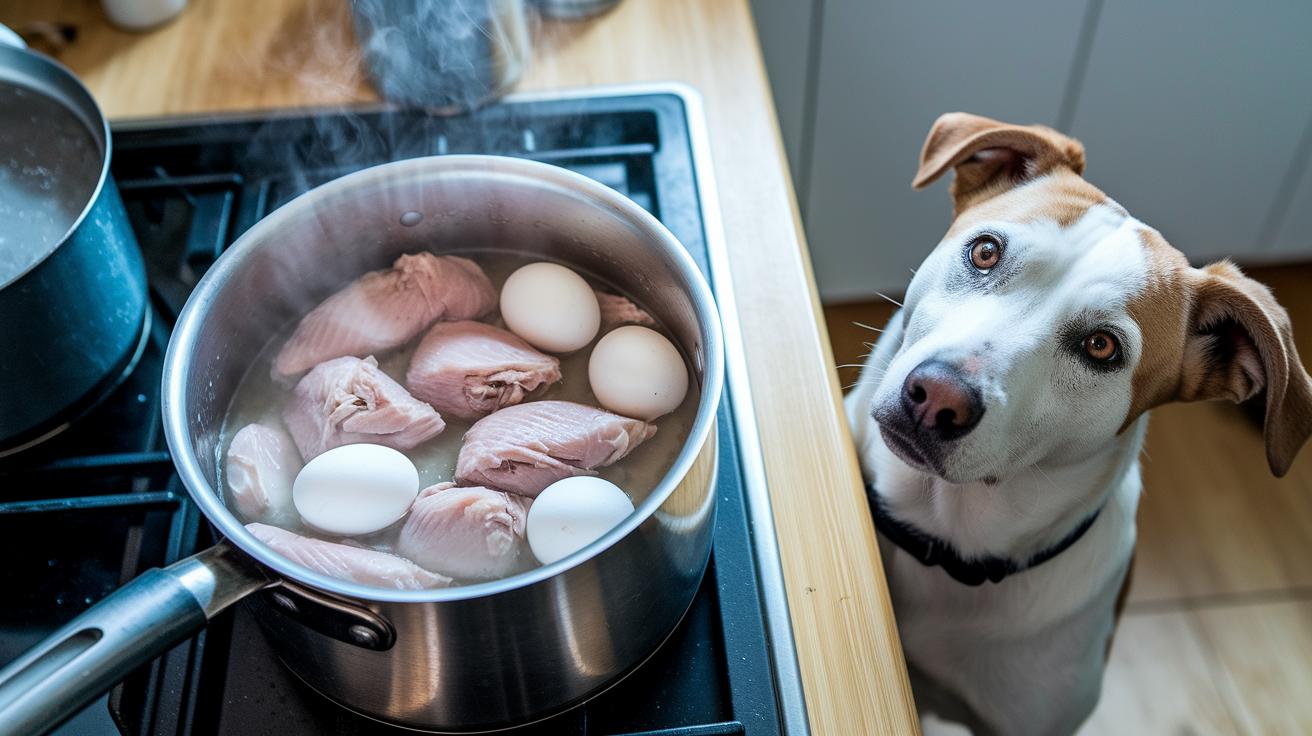
Using light protein options like turkey, chicken, salmon, and white-meat fish can help calm a sensitive pancreas. For instance, try boiling a skinless chicken breast in water until it is soft. It feels a bit like making a warm broth that soothes an upset tummy.
You can also add high-quality tuna packed in spring water or plain hard-boiled eggs. Just be sure to prepare these without fats or seasonings so your dog’s pancreas stays relaxed.
Boiling or poaching these proteins eases the workload on the pancreas while giving your dog important building blocks, much like a light soup is easier on the stomach than a heavy, oily stew.
Safe Carbohydrates and Fiber in Dog Food for Pancreatitis

When your dog has pancreatitis, using plain, easy-to-digest carbohydrates can give them the energy they need without upsetting their tummy. Plain white rice is a gentle choice that avoids irritating a sensitive gut. Sweet potatoes work well too, offering natural fiber and vitamins, kind of like a cozy snack that soothes the stomach.
Adding fiber from foods like canned pumpkin and steamed green beans can also help keep your pet’s digestive system happy. These veggies help balance the gut and support healthy, well-formed stool. By steering clear of starchy, greasy grains and high-fat legumes, you can help ease the strain on your dog’s pancreas. And remember, always cook your dog’s carbs simply, no butter, oil, or seasonings, to keep their digestion as comfortable as possible.
| Carbohydrate Source | Benefit | Serving Tip |
|---|---|---|
| White Rice | Gentle, hypoallergenic energy | Rinse and boil until soft |
| Sweet Potato | Natural fiber and vitamins | Peel, steam, and lightly mash |
| Pumpkin | Soluble fiber for healthy stool | Use plain canned or well-cooked pumpkin |
| Green Beans | Low-calorie fiber and nutrients | Chop and steam before serving |
Homemade vs Prescription Dog Food for Pancreatitis
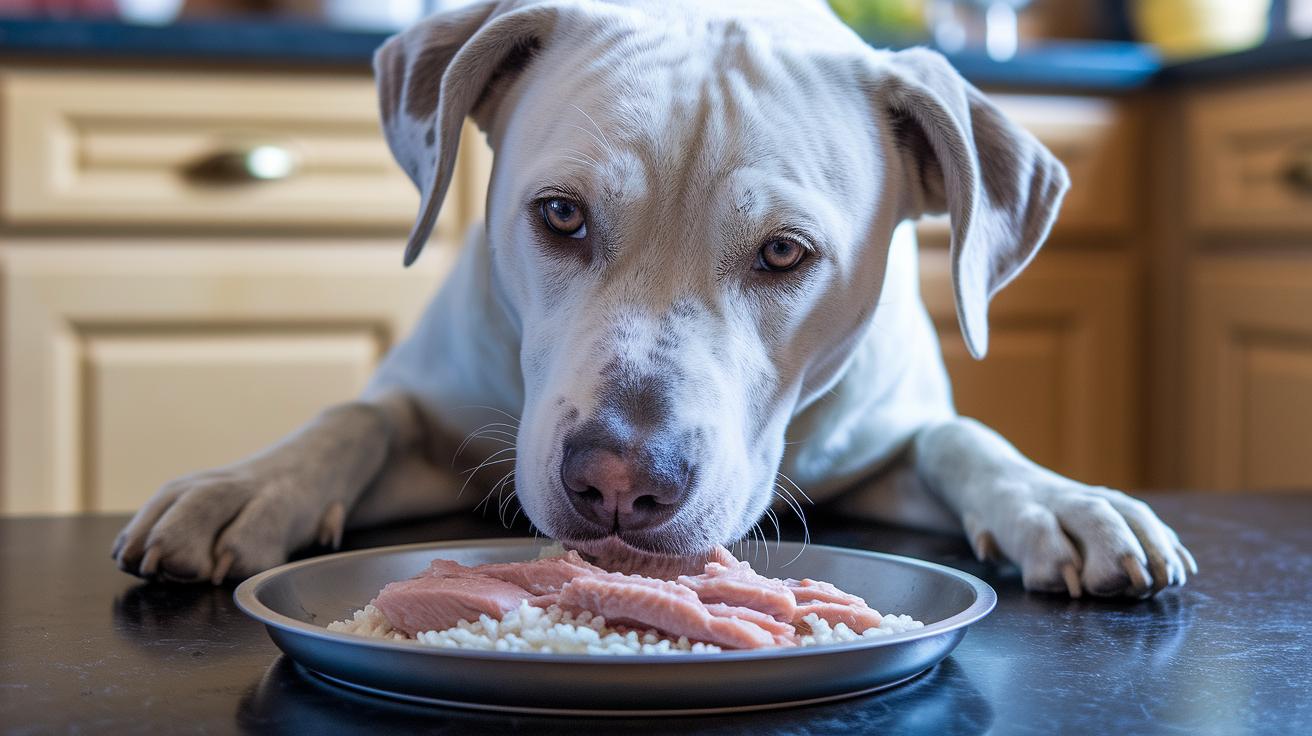
When your dog’s pancreas is feeling under the weather, you have two main ways to help: homemade bland diets or prescription foods. Homemade meals let you pick every ingredient, so you can keep the fat really low and make the food easy on your dog's tummy, almost like a gentle hug.
For example, try a simple Chicken & Rice Bland Diet made with cage-free chicken, white rice, and a pinch of electrolytes. It soothes a sensitive stomach just like a calm, cozy nap. Or mix things up with a Hamburger, Rice & Sweet Potato Bland Diet using lean beef, rice, and sweet potato. This dish gives your dog a balanced mix of carbohydrates, fiber, and protein.
On the flip side, prescription diets come with clinical testing and careful recipes made just for dogs with pancreas troubles. Diets like Hill’s Prescription Diet i/d are crafted to be low in fat and super digestible. Then there’s Royal Canin Gastrointestinal, which balances fiber and protein just right, and Purina EN Gastroenteric, known for its low-fat formula and special prebiotic fiber blend. These foods are especially helpful if your furry friend keeps having tummy issues.
Some pet parents even add a supplement like Ready Cal to the mix. This supplement packs ten vitamins, seven minerals, and essential fatty acids that are great if your dog is losing weight.
- Homemade diets: You can change them as you like, but you have to mix the right balance.
- Prescription formulas: They’re tested by experts, come ready to serve, and are made to help your dog recover.
Transitioning Dog Food for Canine Pancreatitis
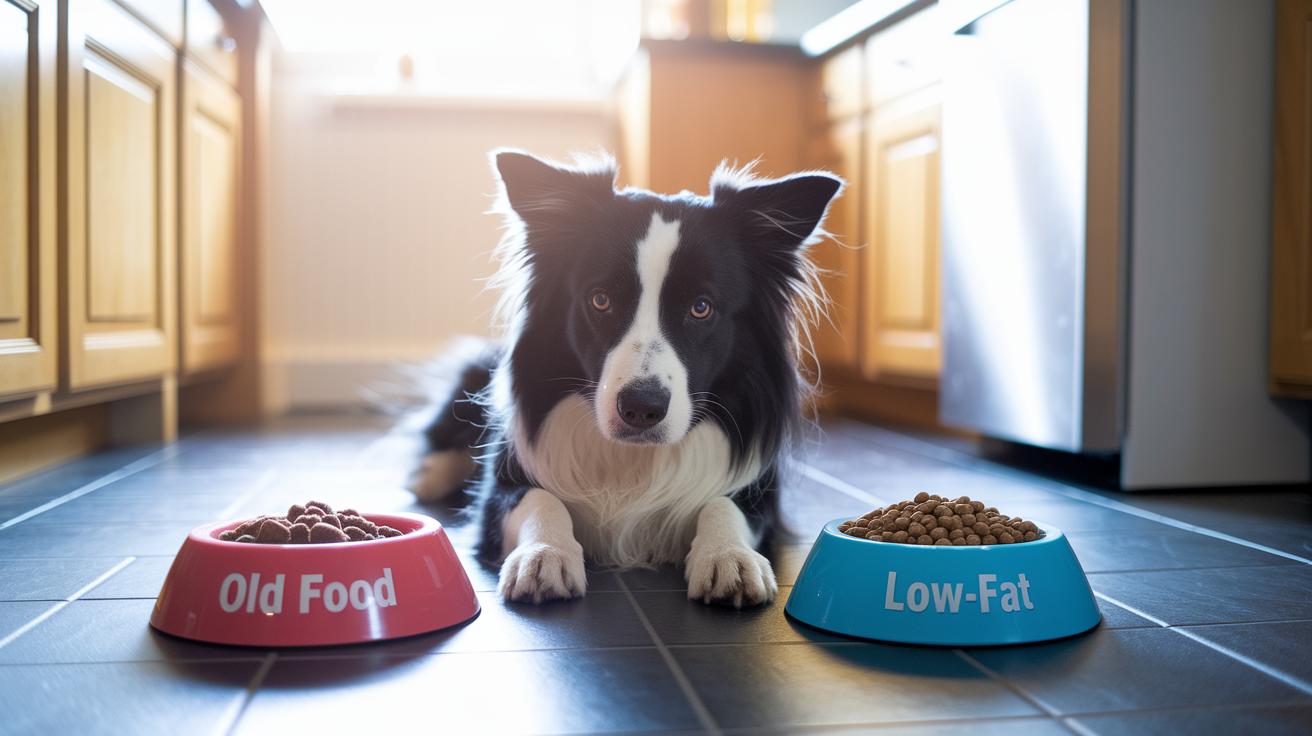
When you're ready to change your pup's food, start slowly by mixing in a little of the new low-fat, pancreas-friendly diet with what your dog already eats. For example, on Day 1-2, mix 25% of the new food with 75% of the old food. Then, over about a week, gradually increase the amount of new food while keeping an eye on how your furry friend reacts.
Also, try feeding your dog four to six small meals daily, and serve them lukewarm and plain. Keep a close watch for any changes in the stool, appetite, or energy levels. If you notice any vomiting or discomfort, it might be a good idea to have your vet guide you through a 12- to 24-hour fast.
Monitoring and Vet Guidance for Dog Food in Pancreatitis Management

Working closely with your vet is a must when you’re managing your dog’s pancreatitis with diet. Regular check-ups, like physical exams, belly ultrasounds, and simple blood tests, help catch changes early. For instance, your vet might notice a small shift in your dog’s appetite or stool, which could mean the food plan needs a tweak.
It’s smart to adjust the diet based on how your dog is healing. Whether facing a sudden flare-up or handling long-term care, a vet-approved nutrition plan makes all the difference. Many vets suggest special diets that are low in fat and easy to digest, perfect for sensitive tummies.
Keeping track of signs like vomiting, tummy pain, or changes in stool helps you and your vet decide if the plan should be updated.
- Watch your dog’s appetite, vomiting, and stool
- Change meals gradually under your vet’s watchful eye
- Team up with your vet to adjust supplements, fluids, or calories
This joint approach helps keep your dog’s digestive system calm and supports safe, long-term care.
Final Words
In the action of caring for a pup with pancreatitis, we broke down key tips to balance low-fat proteins, gentle carbohydrates, and measured diet changes. We explored lean options, safe carbs, and both homemade and vet-approved recipes to ease digestion.
A gradual switch and close vet guidance help keep your pet comfortable while building a strong foundation for long-term health. Using the right dog food for dog with pancreatitis can make a big difference, setting the stage for a healthier, happier life for your furry friend.
FAQ
What are the benefits and guidelines for homemade low-fat dog food for pancreatitis?
Homemade low-fat diets allow you to control ingredients such as lean meats, rice, and select veggies. This approach helps ensure high digestibility, but always consult your vet before changing your pet’s diet.
What are the best natural or non-prescription dog food options for pancreatitis?
The best options focus on low-fat, highly digestible formulas with lean proteins and gentle carbohydrates. These natural and non-prescription foods offer convenience and ease on the pancreas when vet-approved.
What vegetables are safe and beneficial for dogs with pancreatitis, including the use of pumpkin?
Safe veggies include plain pumpkin, green beans, and other low-carb produce. Pumpkin’s soluble fiber supports digestion, making it a helpful addition when prepared plain and served in moderation.
What should not be fed to a dog with pancreatitis?
High-fat foods, fatty meat cuts, oily treats, and greasy snacks should be avoided as they can trigger inflammation. Stick with vet-approved low-fat ingredients to keep your pet’s pancreas at ease.
Is boiled chicken and rice a good option for dogs with pancreatitis?
Boiled skinless chicken paired with plain rice is a soothing, low-fat meal option ideal for pancreatitis. It provides lean protein and plain carbohydrates to ease the digestive process.