
Ever feel like your daily walk turns into a tug-of-war rather than a peaceful stroll?
Try a few simple tricks, and you'll see a real change in no time.
Imagine your dog happily trotting by your side, calm and focused. Sometimes, playing easy recall games, giving gentle hints, or even a quick change of direction can guide your pup to a relaxing walk.
These leash tips not only help with obedience but also turn every walk into a fun, shared adventure.
Ever notice how a calm walk can brighten your day?
Obedient Leash Walking: Immediate Loose-Leash Solutions
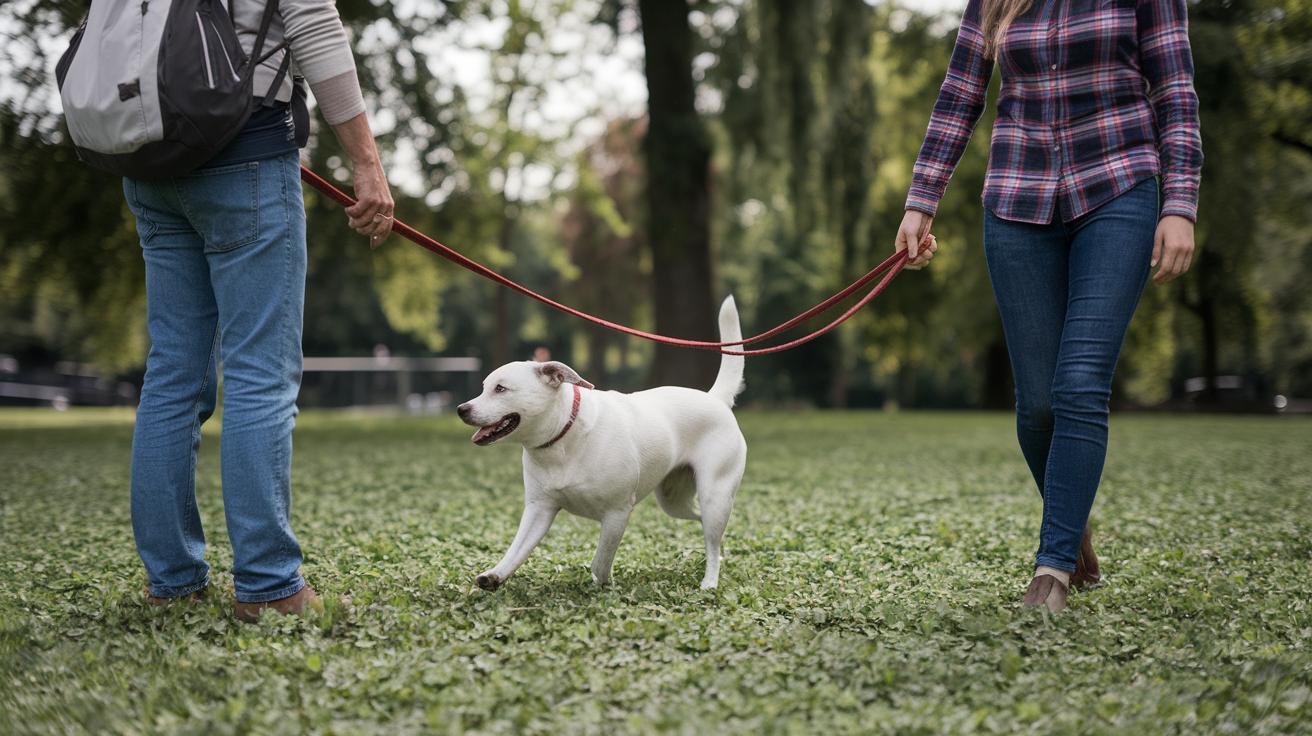
Sometimes a quick adjustment can make all the difference. Redirecting your dog's excited energy into a calm, steady focus helps create a walk that’s both joyful and safe.
Start your stroll with a fun recall game. Call out a happy “Come here!” to burn off some extra energy, then reward your furry friend with praise or a little treat when they return.
If your dog starts pulling, try a simple cue like “Sit” or “Heel.” This gentle command encourages your pet to switch to a calmer behavior, steering their focus away from tugging.
When your pup tugs, pause your walk until the leash goes slack. This little break shows them that a tight leash means no forward movement, teaching patience along the way.
Should stopping not do the trick, change your direction suddenly. A quick turn can nudge your dog to check in with you and adjust their pace, naturally reducing the urge to pull.
Another neat trick is the treat-toss recall. Call your pup and toss a treat just behind them to motivate an immediate shift in focus. This tasty reward not only brings their attention back to you but also encourages a loose, relaxed leash.
Together, these tips help your dog learn a natural, relaxed walking style. With a little patience, clear rewards, and a happy attitude, each walk becomes a calm, enjoyable adventure for both of you.
Building Obedient Leash Walking Foundations
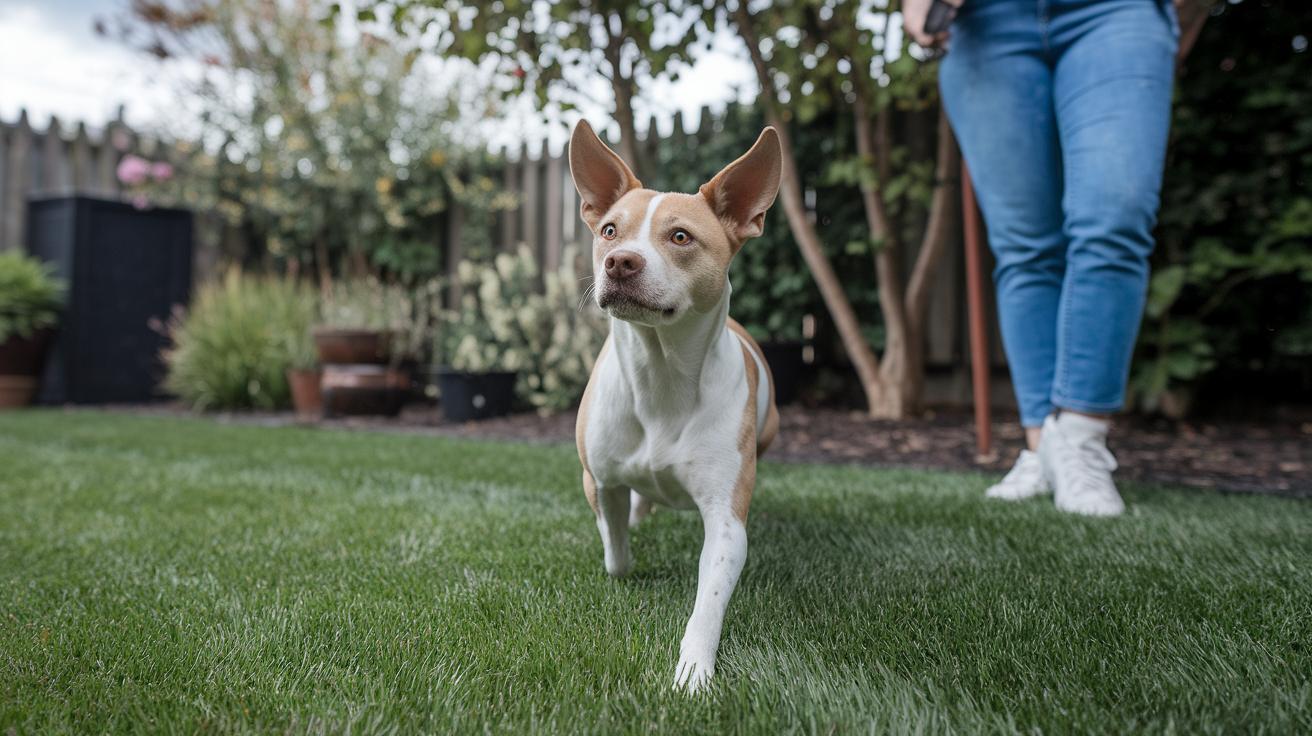
Starting in Low-Distraction Environments
Kick off your training sessions in quiet spots where your dog can really focus on you. A calm backyard or a nearly empty park works wonders to cut down on distractions. It’s a bit like having a relaxed chat where your pup is all ears. For instance, try a simple recall game in your garden. Picture your dog, ears perked up in a sunlit garden, ready for a fun and focused session.
Building Prerequisite Skills
Once your furry friend gets comfy with quiet places, it’s time to add a few basic skills. Begin with short, playful games that turn tricky actions into small, easy steps. A fun call-and-response game can help your dog build focus while also celebrating every little success with treats or a little cheer. This gradual approach not only lays down a strong foundation but also brings a happy spirit to your pet’s learning. And if you want a bit more guidance, dog training classes can be a great way to fine-tune these early skills.
Reinforcement Timing for Obedient Leash Walking
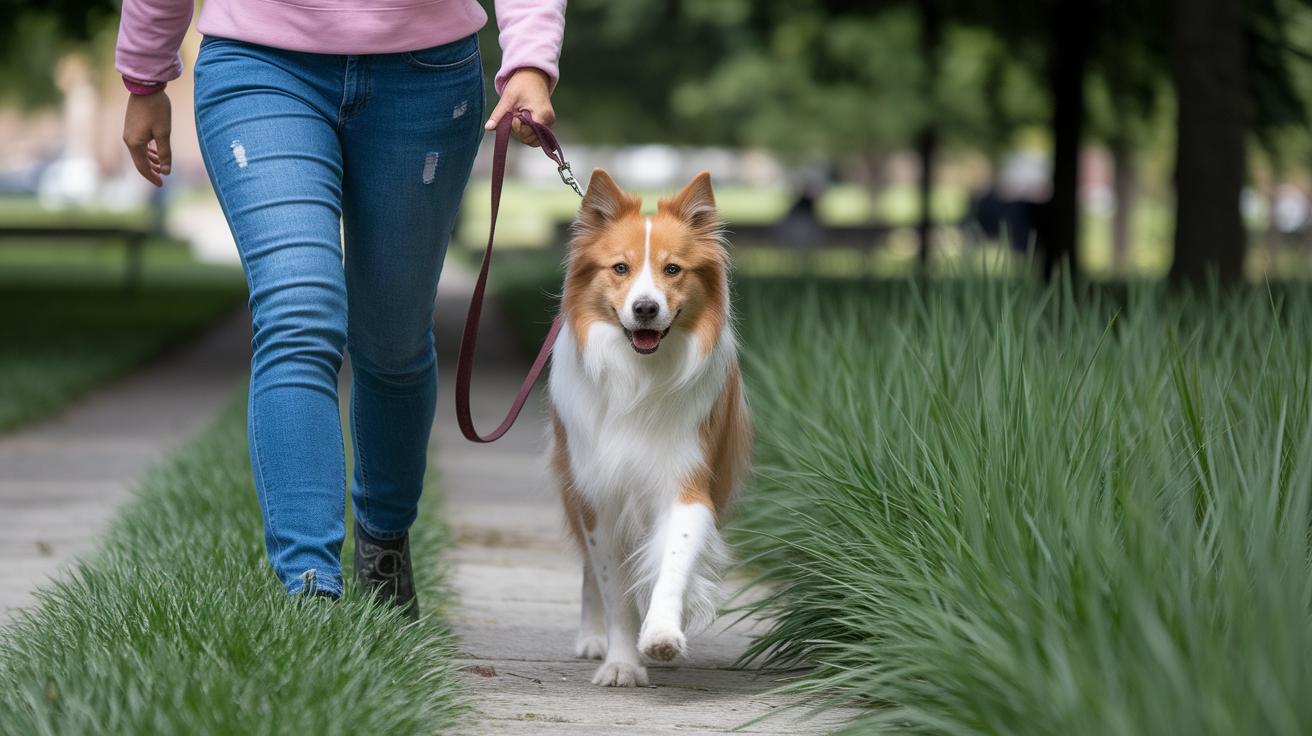
Getting the timing right is the secret to training your dog on a leash. When you give a treat immediately as your dog trots calmly beside you, it quickly links that calm behavior with a yummy reward. Imagine how happy your pup looks when it instantly understands what you expect!
Another helpful trick is to stay close, keep your dog about 3 to 6 feet away. Try placing treats at your hip or just ahead on the grass. This little move helps nudge your pet to stick by your side and stay relaxed. It's a lot like balancing on a tightrope, where that treat is your guiding pole.
Research shows that giving treats right away really boosts your dog's ability to obey. Studies find that dogs who get immediate rewards tend to keep the leash loose and enjoy the walk even more. Just like a pat on the back makes you feel good, these timely rewards reassure your furry friend and turn every stroll into a joyful, relaxed adventure.
Overcoming Pulling in Obedient Leash Walking
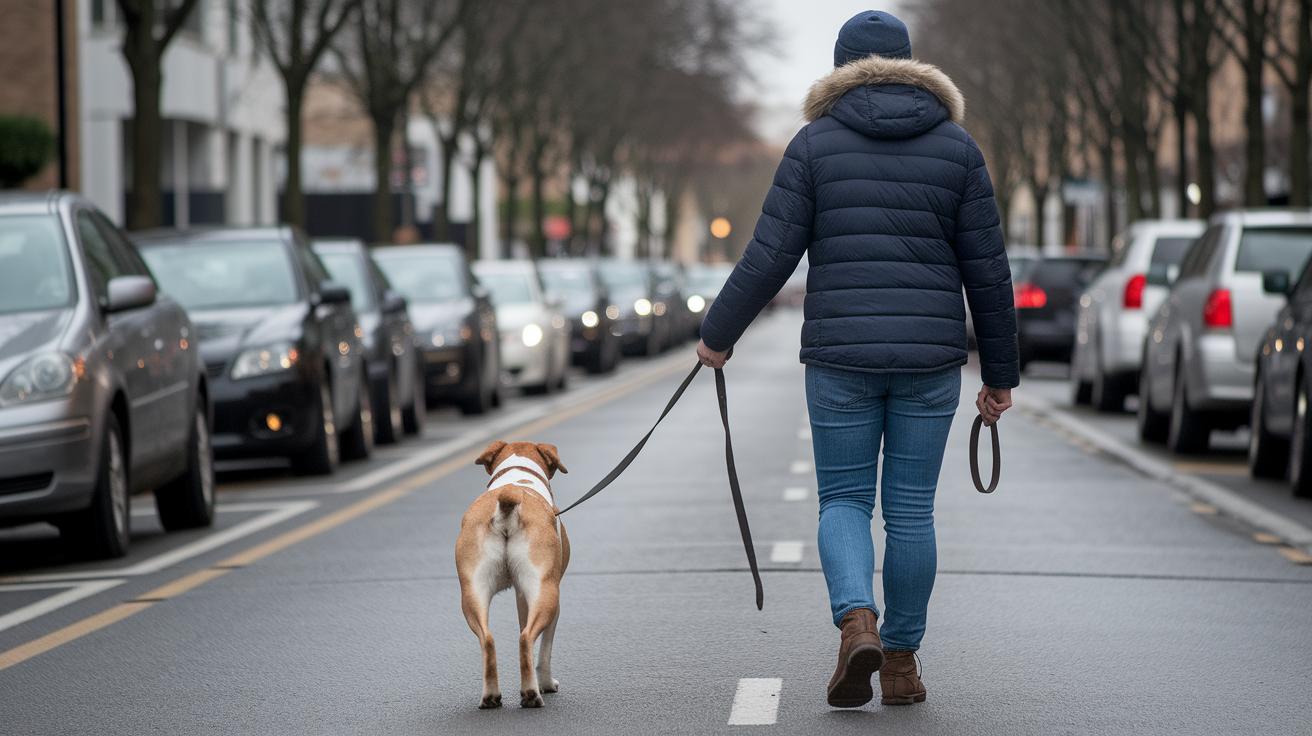
When your dog pulls on the leash, it’s likely because the tight leash makes them feel confined. They naturally tug back, almost like a gentle nudge saying, “I’m feeling a bit trapped here.”
Rigid methods like holding still, what some call the "be-a-tree" trick, can leave your dog confused or anxious. This strict way of doing things might stop your pup from learning what to do next.
Instead, try a more flexible approach when you notice pulling. Change direction suddenly, take a few steps back, or even circle around. For example, if your dog lunges ahead, a quick turn might guide them back to your side. Pair these moves with simple verbal cues like “sit” or “heel” to help create a calm, connected walk.
When your dog walks nicely with a loose leash, celebrate the good behavior by tossing a few treats around. Scattering treats during a peaceful stretch shows your dog that their relaxed pace earns tasty rewards.
Advanced Obedient Leash Walking in High-Distraction Settings
Incorporating Games and Focus Drills
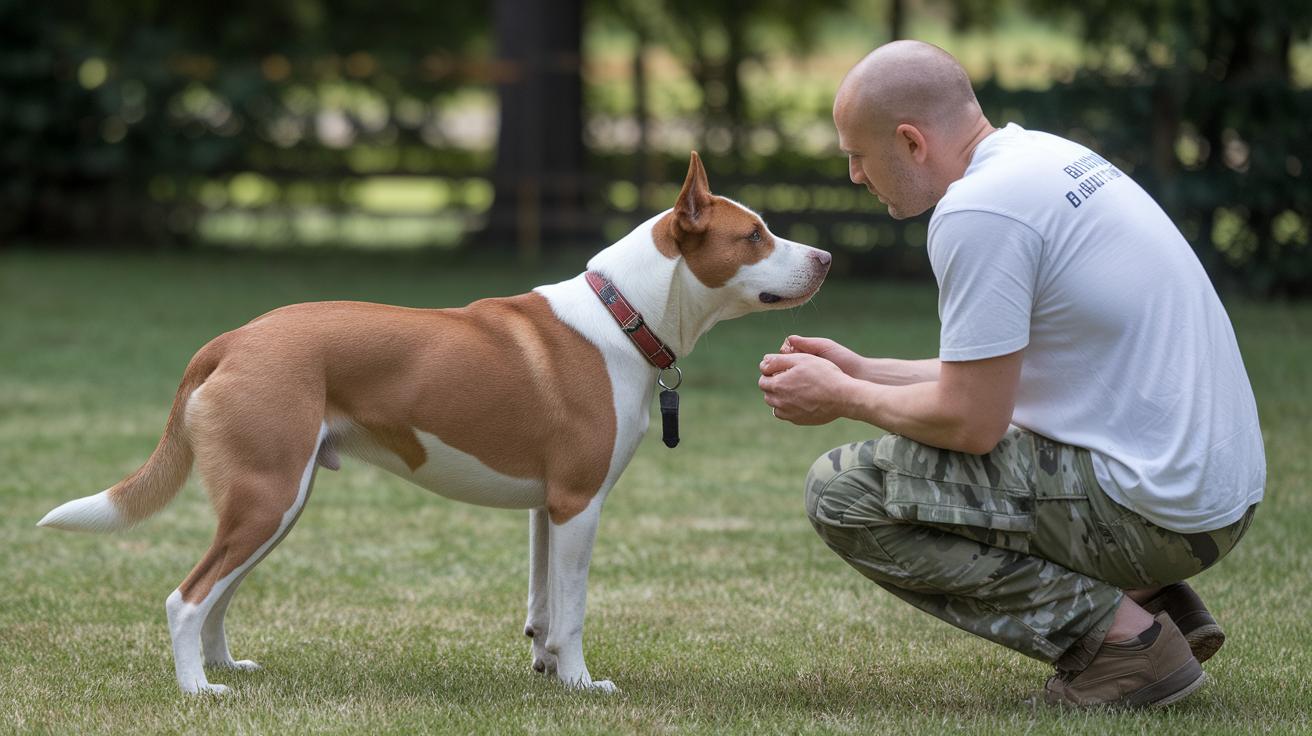
When you’re out with your furry friend, playful games can be a real lifesaver for keeping them tuned in even when there’s a lot going on around. Try calling out “1, 2, 3!” and quickly changing direction. It’s like dancing with your pup, making it fun while teaching them to always look to you. Another neat idea is the “get it” game, toss a treat while walking so your dog chases after it, reinforcing their focus on you in real time.
Gradual Distraction Progression
Start your walks in quieter areas where distractions are few, then slowly mix in a few new sounds and sights. Imagine beginning in a calm corner of the park and then adding in the distant bark of another dog, the soft rustle of leaves, or even a whiff of nearby flowers. This gradual increase helps your pup adjust smoothly to busier environments. Short training bursts and quick rewards along the way ensure your dog learns to stick with you, no matter how many little distractions pop up.
Gear for Obedient Leash Walking: Choosing the Right Equipment
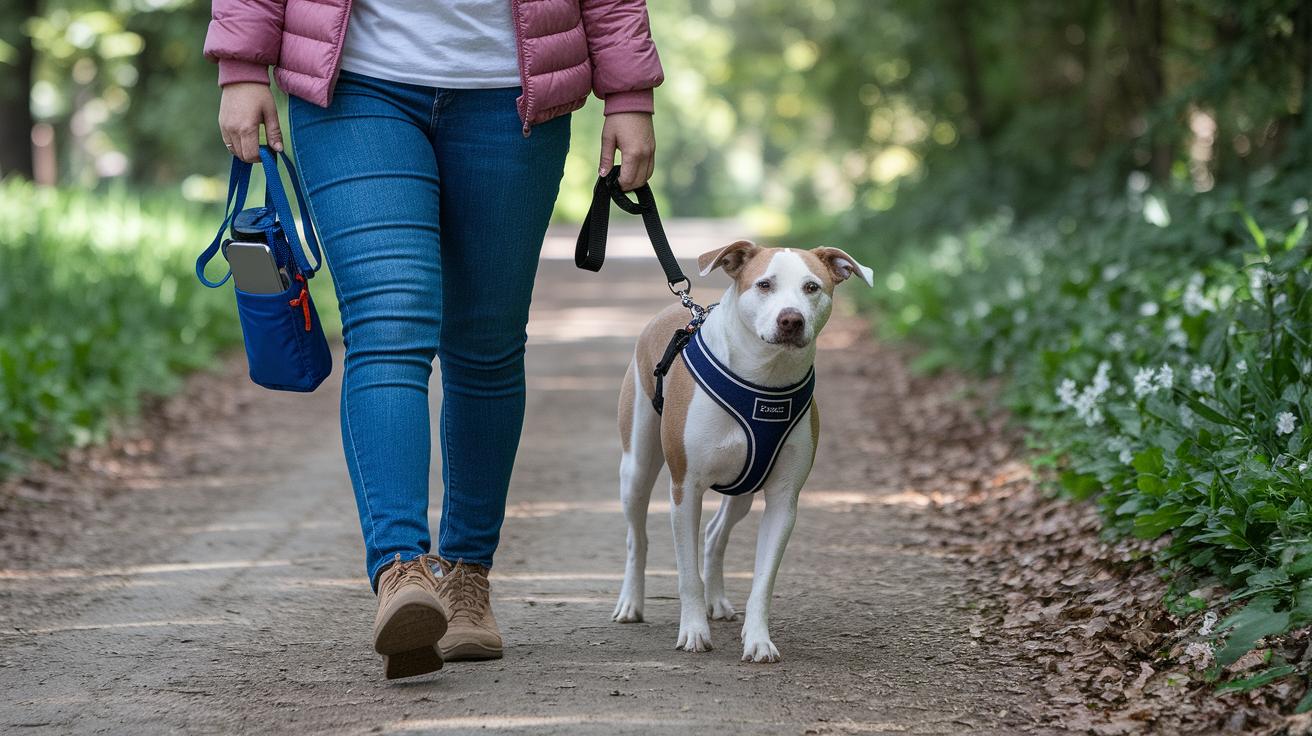
When you're out on a walk with your furry friend, the right gear really sets the tone for a happy, controlled outing. A 6-foot leash is a great go-to choice, it balances freedom and guidance perfectly so your dog can explore while staying within your reach. On the other hand, a 12-foot training leash gives more space for sniffing around and exploring, which can help slow the pace naturally on those busy days.
A front-clip harness is another smart pick. It gently shifts any pulling away from your dog's neck, helping to keep them comfortable every step of the way. And having a treat pouch near your hip means you can easily reward your dog when they're on their best behavior. Together, these tools not only make training smoother but also make the walk more enjoyable for both of you.
| Gear Type | Pros | Cons |
|---|---|---|
| 6-ft Leash | Keeps your dog nicely within range while offering a good mix of freedom and control | Doesn’t give a lot of extra room for long explorations |
| 12-ft Leash | Lets your dog sniff around more and makes them slow down, lowering stress | May cause too much wandering in busy or crowded places |
| Front-Clip Harness | Reduces pulling by moving the force away from the neck for extra comfort | Often needs adjusting to get the perfect fit |
Final Words
In the action, we covered clear steps to improve leash manners through energizing recall games, treat-toss recals, and effective corrections that keep your pup focused. We dove into building a strong foundation in low-distraction settings, reinforcing behaviors with timely treats, and overcoming pulling with dynamic corrections. We also explored scaling up training in busy environments and choosing gear that promotes comfortable control.
These leash walking obedience tips can help transform daily walks into fun, stress-free adventures for both you and your furry friend. Stay positive and enjoy the journey!
FAQ
What are some effective leash walking obedience tips for dogs, including puppies?
The leash walking obedience tips for dogs, even for puppies, emphasize using positive reinforcement, consistent verbal cues, and rewards when the leash stays slack. This approach helps build focus and calm walking habits.
How does training your dog to walk on a leash without tugging work?
Training your dog to walk on a leash without tugging involves techniques like stop-and-wait, changing direction, and rewarding when the leash remains loose. These steps teach your dog to walk calmly beside you.
What does loose leash walking mean for dog walking obedience?
Loose leash walking means your dog moves beside you with a slack leash, staying within 3–6 feet. This method focuses on rewarding calm behavior to prevent pulling and reduce tension during walks.
How do loose leash walking games aid in obedience training?
Loose leash walking games turn training into a fun activity with exercises such as treat-toss recall and dynamic pivot turns. These games keep your dog engaged while reinforcing calm, focused walking.
How can you leash train an adult dog effectively?
Leash training an adult dog requires patience, starting in low-distraction settings, and using rewards like praise or play for calm walking. Consistency and gentle corrections help the dog adjust to the training.
How can you achieve loose leash walking without relying on treats?
Achieving loose leash walking without treats focuses on using praise, verbal cues, and play as rewards. By consistently reinforcing calm behavior, your dog learns to walk with a relaxed, slack leash.