
Have you ever thought that store-bought cat food might be missing a trick? Making your own meals gives you full control, so you can choose fresh, high-quality proteins and essential nutrients like taurine (a key nutrient that keeps your cat healthy).
When you cook at home, you help boost digestion, energy, and even the shine of your cat's coat. I once tried a homemade recipe for my own kitty and was delighted to see her purr with joy as she enjoyed every bite.
Why not give it a try? Imagine serving your furry friend a meal that is not only tasty but also helps her live a more vibrant, playful life. Ready to discover the secret to a thriving, happy cat?
Fundamentals of Balanced Homemade Cat Food Recipes
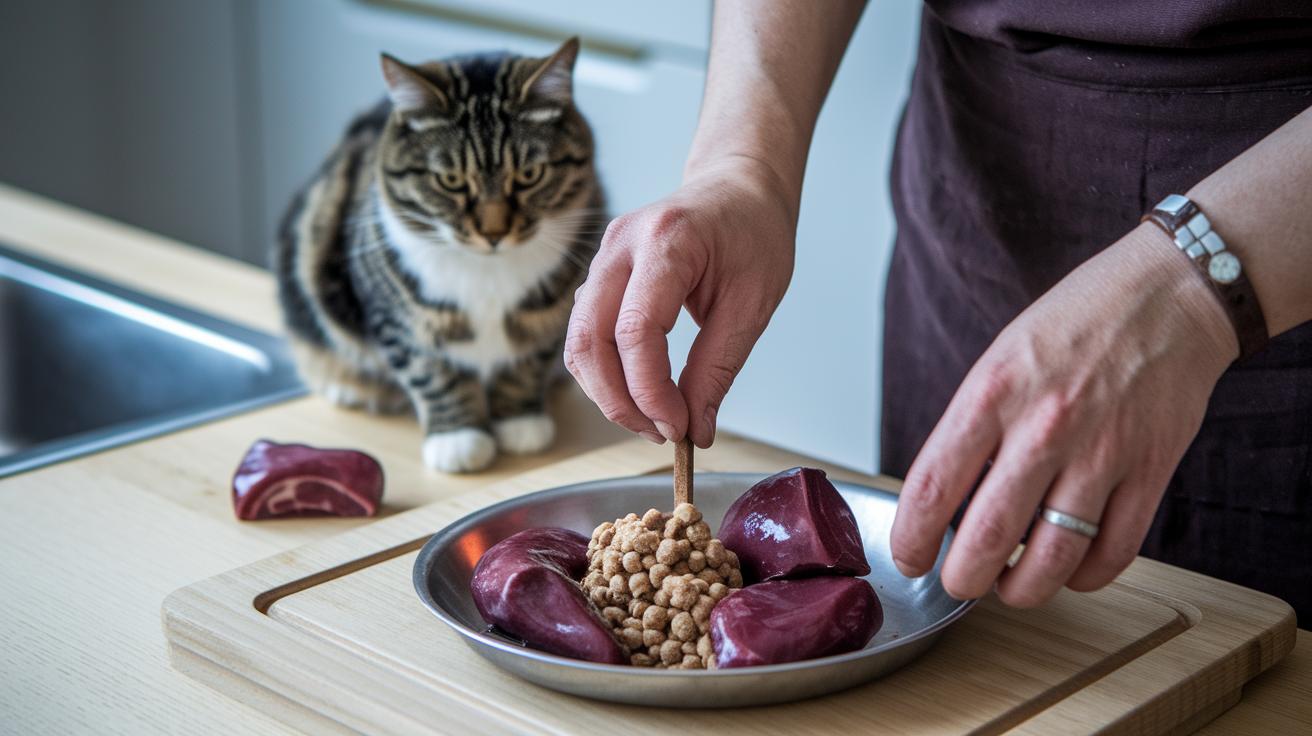
When we cook homemade meals for our cats, the goal is to include at least 25-30% animal protein. That means using good meats like liver and heart along with a key nutrient called taurine. Cats, being natural meat-eaters, do best on diets rich in moisture. Think of it like making a soup with about 75% water to keep their kidneys in tip-top shape, kind of like adding extra broth to your favorite stew.
Making your own cat food lets you pick high-quality ingredients and skip any fillers or preservatives. This way, you know exactly what's in every bite, helping boost your kitty's energy and give their coat a healthy shine. It’s a smart idea to check trusted pet nutrition guidelines to make sure you’re hitting the right nutrient balance. And if your furry friend has special dietary needs, you can easily tweak the recipe to suit them.
| Key Ingredient | Benefit |
|---|---|
| High-quality Animal Protein | Helps build strong muscles |
| Essential Taurine | Boosts heart and eye health |
| Hydration (Moisture Content) | Keeps kidneys happy and healthy |
| Trace Minerals and Vitamins | Supports overall well-being |
| Healthy Fats (Omega-3s) | Promotes a shiny coat |
All in all, balanced homemade cat food supports better digestion, improves energy levels, and promotes long-term health. When you control each ingredient, you’re crafting a meal that can even help avoid common health issues. And isn’t it wonderful to know that every meal you serve leaves your cat a little happier and healthier?
Key Nutritional Components in Homemade Cat Food Recipes
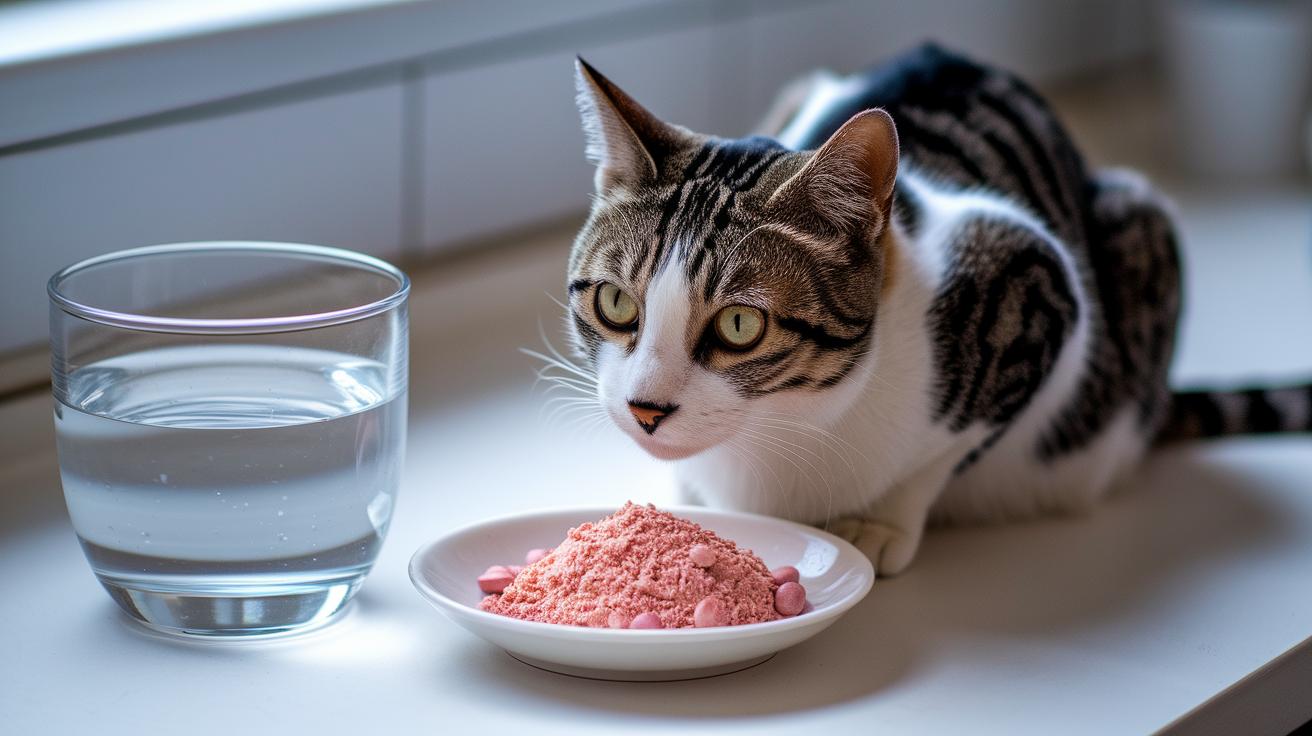
Cats are strict meat-eaters, so their meals should be rich in high-quality animal protein. When you're cooking for your kitty, choose meats like ground chicken with at least 80% muscle meat to give them the energy they need for strong muscles and overall health.
It’s a good idea to add organ meats like liver and heart, which are packed with vitamins A, D, and B, plus iron. Make sure each meal has at least 250 mg of taurine, a key amino acid that helps keep your cat’s heart and eyes healthy. Think of taurine as that extra boost that prevents heart problems and vision loss.
Also, keeping your cat hydrated is crucial. For every 2 lbs of cooked meat, stir in about 1½ cups of cold water. This little water mix not only helps with hydration but also supports kidney function and makes the meal more appealing for your furry friend.
Step-by-Step Chicken-Based Homemade Cat Food Recipes
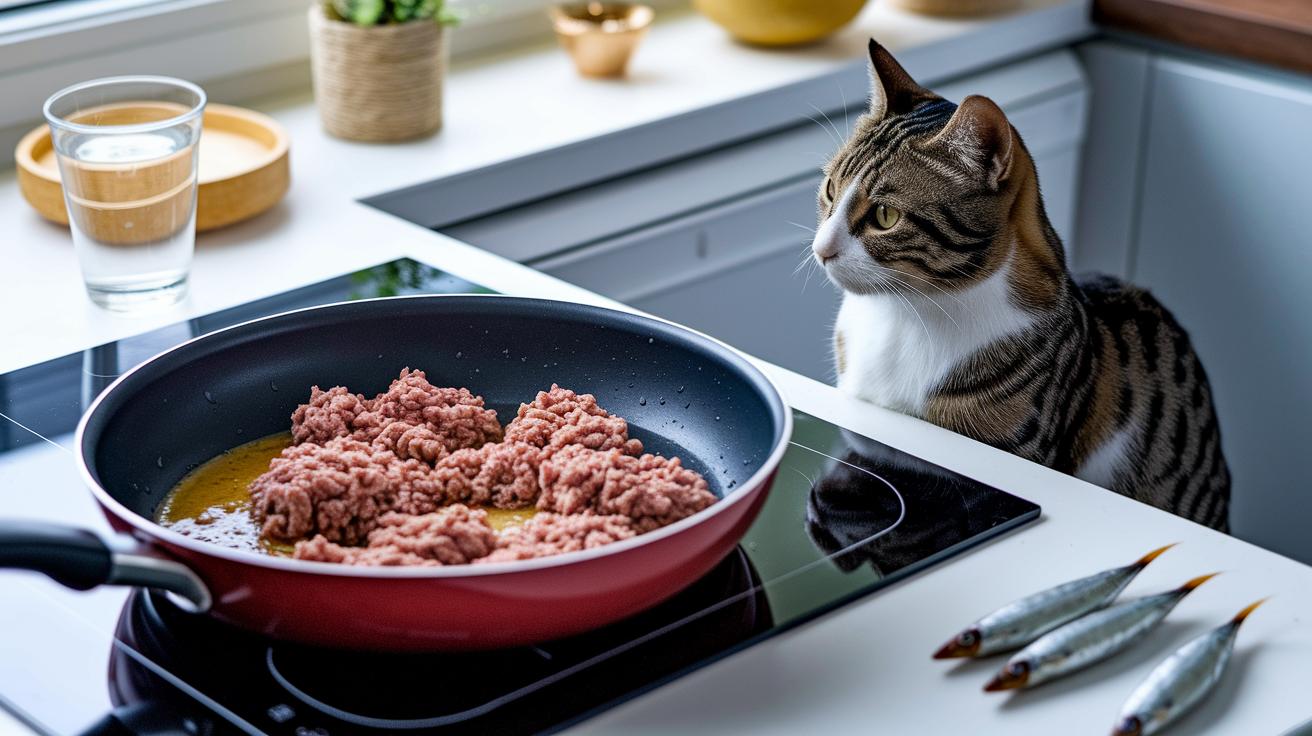
This simple recipe is a quick way to make a healthy meal for your cat. Using ground chicken as the main protein along with nourishing fats and water creates a dish that is both tasty and balanced. It’s perfect for busy pet parents who want to treat their feline friend with extra care.
First, gather all the ingredients you’ll need. You’ll want ground chicken, a bit of coconut oil, a can of sardines (or if you prefer, 1 tablespoon of fish or algae oil), and cold water.
Next, heat a pan over medium heat and let the coconut oil melt. Toss in the ground chicken and gently cook it for about 5 to 7 minutes until it is fully cooked and just starting to brown. Keep stirring so the chicken breaks up nicely and the flavors mix well.
When the chicken looks nearly done, add the sardines (or your chosen oil) and stir everything together. This step helps blend the flavors for a richer taste your cat will enjoy.
Once all the ingredients are cooked, transfer the mix into a blender. Pour in 1½ cups of cold water and blend until you reach the texture your cat likes, whether that means a smooth, creamy spread or a slightly chunky mix. Be sure to let the blend cool completely before serving so you keep your pet safe from any hot food.
Below is the ingredient list for easy reference:
| Ingredient | Amount |
|---|---|
| Ground Chicken (at least 80% muscle meat) | 1 lb |
| Sardines (or 1 tbsp fish/algae oil) | 1 can / 1 tbsp |
| Coconut Oil | 1 tbsp |
| Cold Water | 1½ cups |
This recipe makes about 3 cups of homemade cat food. It’s best to serve an adult cat one main meal in the morning, with a little snack later on. Because fresh food usually has fewer calories than dry kibble, keep an eye on your cat’s weight and adjust how much you give if needed.
You can store any leftovers in the refrigerator for up to 4 days, or freeze them in small portions (around ¼–½ cup) for later use. Enjoy preparing this fresh dish for your furry friend!
Raw vs. Cooked Homemade Cat Food Recipes: Pros and Cons
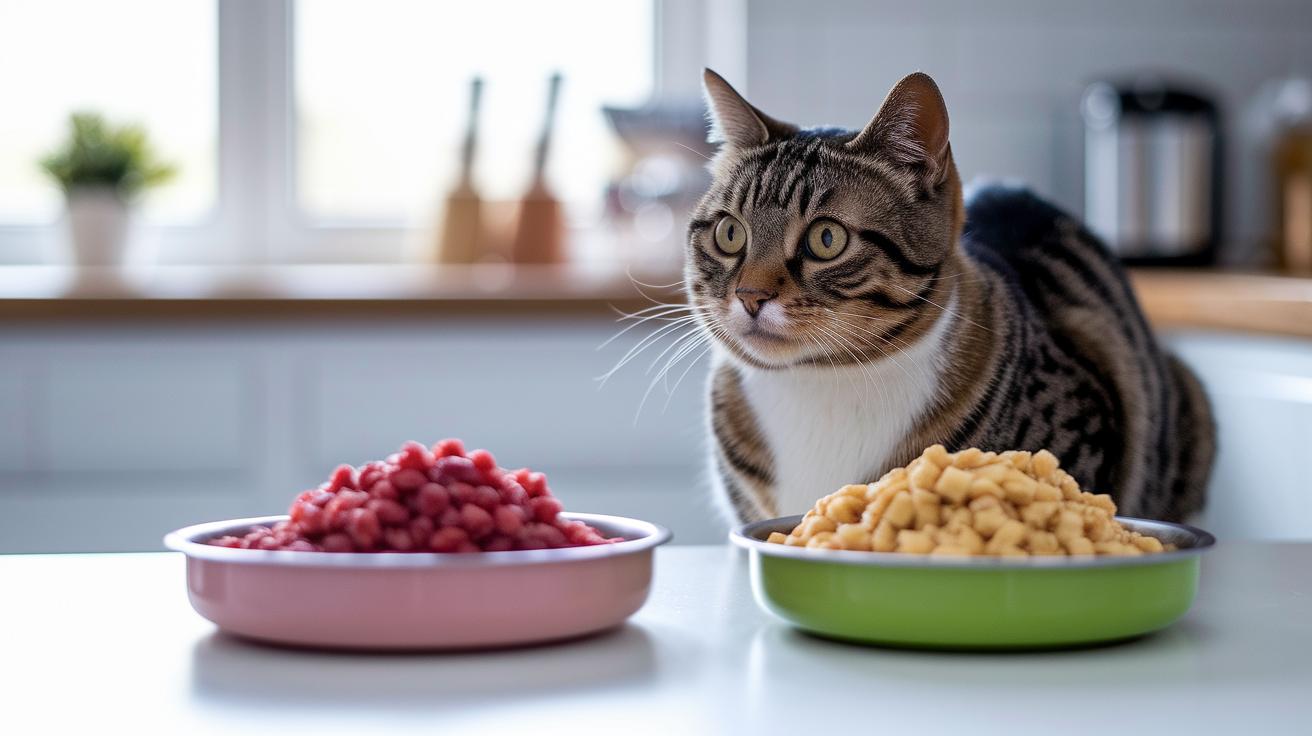
Choosing between raw and cooked recipes for your cat’s meals can feel confusing at first, but knowing the benefits and drawbacks of each option makes it easier to serve the best food for your furry friend.
Raw diets come with some nice perks. They give your cat natural enzymes that help with digestion, and the nutrients are easier for your cat’s body to soak up. Plus, raw meals can taste really fresh and keep more moisture, which helps with hydration. But, there are a couple of things to watch out for. There’s a risk of bacteria if the meat isn’t handled correctly, and bones in the meal might pose a hazard.
On the other hand, cooked diets offer their own set of benefits. Cooking the food with heat takes away harmful germs, making the meal safer for your companion. The cooking process also helps keep a steady moisture level, which is good for your cat’s kidneys. Yet, cooking can sometimes lower some of the nutrients, and natural enzymes might not be as plentiful as in raw food.
Both types of recipes are great for keeping your cat well-hydrated, usually coming in at about 75% moisture content. For best results, store any leftovers in the fridge for up to 4 days, or freeze them in small portions (like ¼ or ½ cup) for as long as 6 months. And when it’s time to serve, thaw the frozen food in a warm water bath until it reaches room temperature. This little extra step makes sure your kitty gets a safe and tasty meal every time.
Allergy-Friendly and Sensitive Tummy Homemade Cat Meal Variations
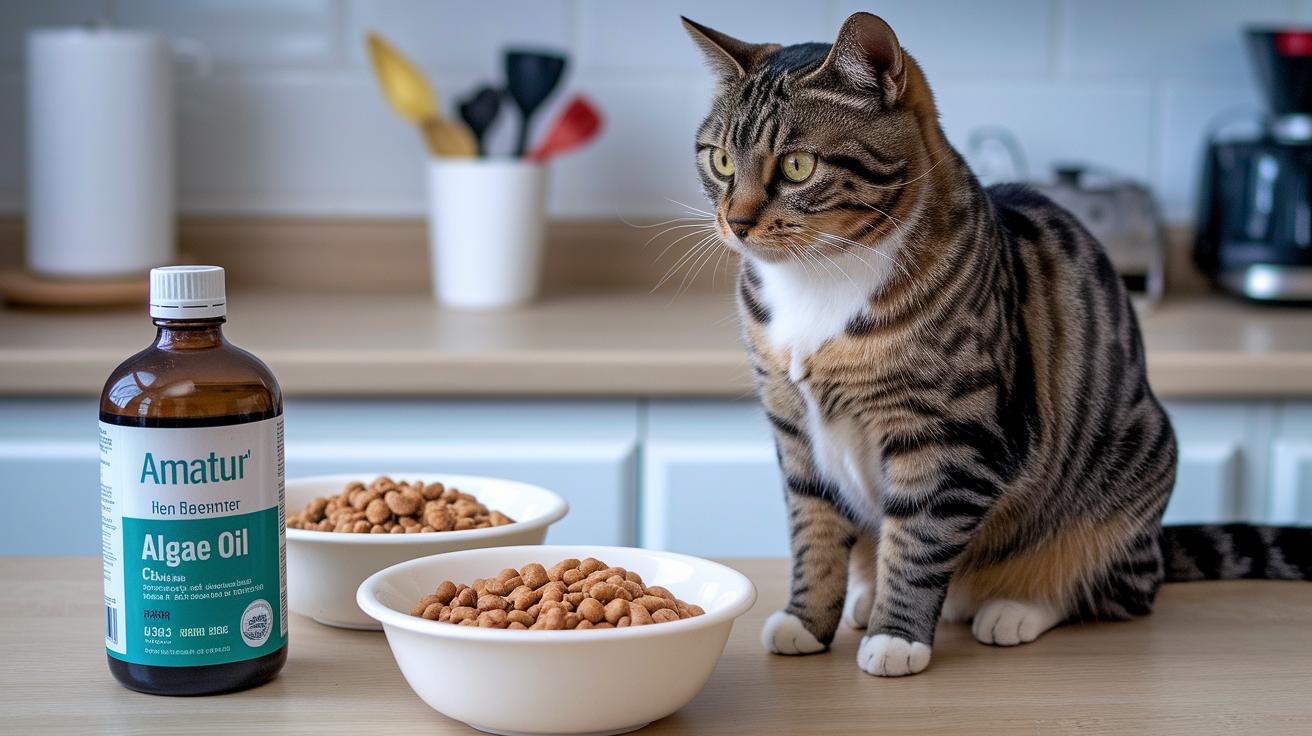
If your cat has allergies or a sensitive tummy, a few simple diet tweaks can really help. These recipes are made to be gentle but still pack the essential nutrients your kitty needs. For example, you can swap out fish oil for algae oil, which balances DHA and EPA without upsetting your cat’s belly. Trying out these easy homemade meals might just soothe an upset stomach while keeping your feline friend content and healthy.
- Algae-oil enriched fish recipe: Use algae oil instead of fish oil to get a better balance of healthy fats.
- Rice-infused boiled chicken: For every ¼ cup of chicken, add 1 tablespoon of rice with no added seasonings.
- Soothing chicken broth blend: Whip up a mild broth without onions or garlic to help calm a sensitive tummy.
- Pumpkin fiber mix: Mix in 1 tablespoon of pumpkin puree to add gentle fiber without dairy or high-carb grains.
These variations give you safe, allergy-friendly options that you can easily adjust based on what your cat loves. By focusing on simple, natural ingredients, you provide the vital nutrients your pet needs while lowering the chance of upsetting their digestive system. Isn't it wonderful when every meal feels both comforting and nutritious?
Batch Cooking, Storage, and Portioning for Homemade Cat Food Recipes
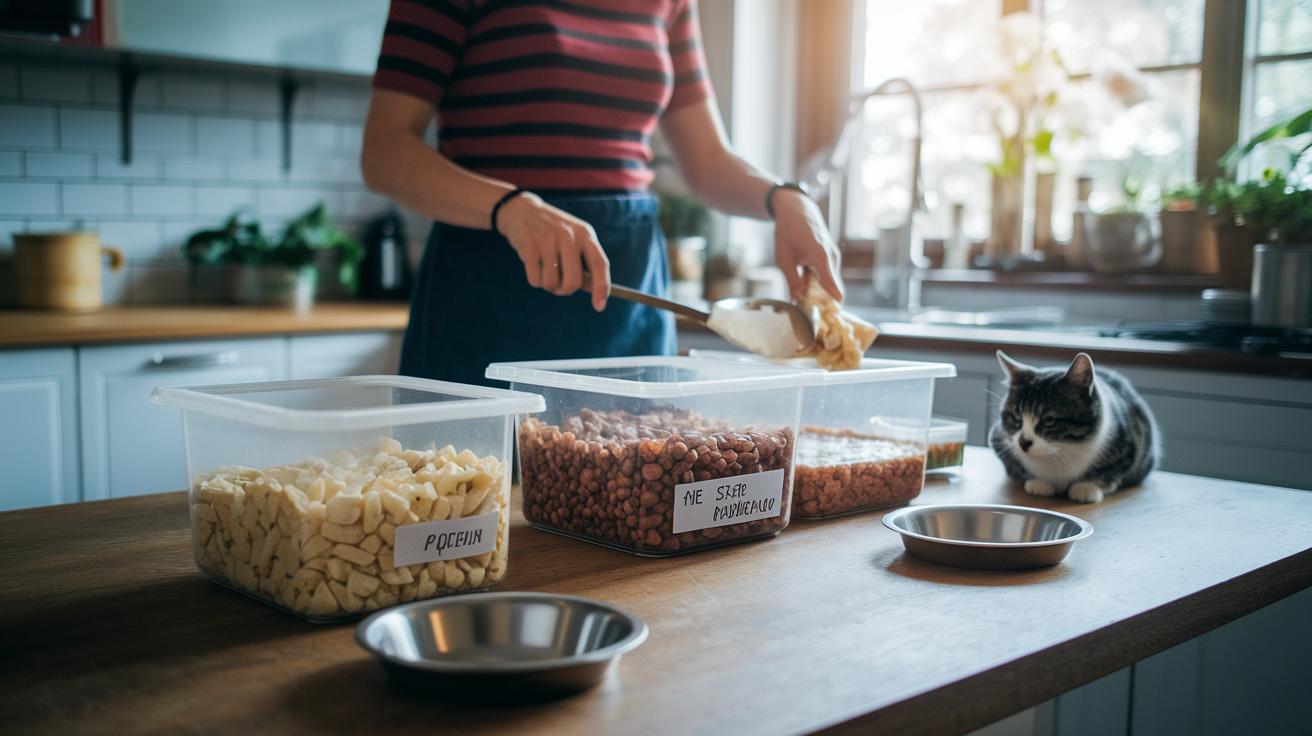
Cooking in big batches really saves time and money while making mealtime stress-free. I recommend picking one day just for cooking in bulk. For example, try this simple plan:
- Create an easy schedule
- Cook a large amount at once
- Label each portion with the date
This way, you can serve up fresh meals without a last-minute rush.
For feeding, aim for servings about ¼ to ½ cup, just the right size based on your cat's appetite. Use containers or bags that work in the freezer, and check our storage tips for both the fridge and freezer. When it's time to thaw, a warm water bath will warm the food evenly and quickly. Just place a sealed serving in warm water until it reaches room temperature. This method keeps the meal both safe and delicious.
Plan your feeding times by matching these batch-cooked meals to your cat's age and needs. Kittens need more frequent meals, about four times a day until they’re 6 weeks old, then three times until 12 weeks, and finally two meals by 6 months old. Adult cats usually do best with one larger meal in the morning and a small snack later. Keep an eye on your cat’s weight and adjust portions as needed to keep them healthy.
Vet-Approved Supplements and Additives for Homemade Cat Food Recipes
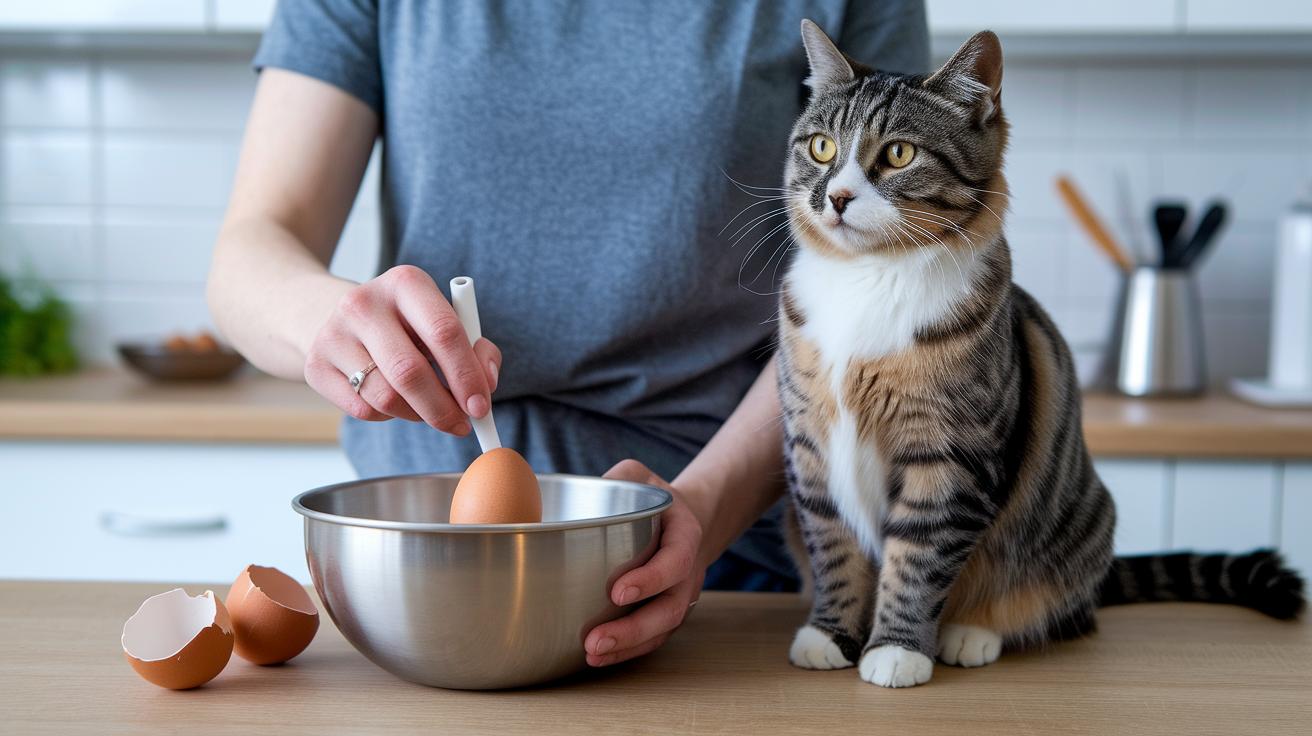
When you whip up homemade meals for your cat, adding a few key supplements can help make sure your furry friend gets all the nutrients they need. Using the correct amounts is super important because each supplement helps fill any gaps and keeps your cat in top shape.
Think of it like planning a meal that fits your cat’s special needs, whether they’re a growing kitten or a wise old feline who might need extra support for digestion. Some supplements are must-haves in every recipe, while others offer extra perks for senior cats. Here are a few additives to consider:
- Eggshell calcium: Add 1 teaspoon of eggshell powder for every pound of meat.
- Taurine powder: Use at least 250 mg per meal.
- Multivitamin blend: Follow the directions on the product for the right dose.
- Trace minerals: Include a small, measured amount to cover daily needs.
- Psyllium husk (for senior cats): About ¼ teaspoon can help improve digestion.
Start by adding each supplement slowly and in just the right amount. That way, you can be sure your kitty stays happy, healthy, and full of life.
Final Words
In the action, we dived into balanced meals by exploring nutrient-rich homemade cat food recipes and the art of mixing high-quality protein with essential vitamins. The guide walked through easy chicken recipes, raw versus cooked options, and allergy-friendly tweaks, all with practical tips for safe storage and proper supplement dosing.
Every step offers the chance to build a menu that boosts your cat’s energy and shine, ensuring every meal is a small win for their ongoing health.
FAQ
What are vet approved homemade cat food recipes with chicken?
The vet-approved homemade cat food recipes with chicken use lean, high-quality chicken mixed with added moisture, essential trace minerals, and taurine. This balanced meal supports a healthy coat and energy for your feline friend.
What are homemade cat food recipes for indoor cats?
Homemade cat food recipes for indoor cats are tailored with lower calories and balanced nutrients. They ensure proper hydration and essential proteins for indoor cats, keeping them active, healthy, and happy.
How can I make easy, cheap homemade cat food?
Easy, cheap homemade cat food combines simple ingredients like ground chicken, water, and basic supplements. This approach creates a balanced meal that is budget-friendly while providing the nutrition cats need.
What are some homemade wet cat food recipes?
Homemade wet cat food recipes focus on high moisture content paired with lean proteins and vital nutrients. These recipes promote hydration and support kidney health, making mealtime both delicious and beneficial.
What are the best and healthiest homemade cat food recipes?
The best and healthiest homemade cat food recipes emphasize balanced nutrition with over 25% quality animal protein, necessary taurine, ample moisture, and minimal fillers, ensuring a complete diet that supports your cat’s overall well-being.
What is the 25 rule for cat food?
The 25 rule for cat food means that homemade recipes should contain roughly 25% high-quality animal protein alongside balanced fats, vitamins, and minerals to meet a cat’s dietary needs and promote optimal health.
Do vets recommend homemade cat food?
Vets often recommend homemade cat food when it is carefully balanced and prepared with key nutrients. A vet-guided recipe can ensure that your cat receives complete nutrition without unnecessary fillers or preservatives.
What should be the first three ingredients in cat food?
The first three ingredients in cat food should be a high-quality animal protein, a rich source of essential taurine, and a moisture-rich component. This combination delivers the foundation of a nutrient-dense, hydrating diet.