
Ever wondered if training your dog indoors can bring you closer together? It turns out that a quiet, familiar room can help your pup concentrate and learn faster. Just a few short, fun sessions can make simple commands feel like big wins, building trust and deepening your bond. In this guide, we'll share easy tips to turn your living room into a stress-free training zone where you both can shine together.
Indoor Dog Obedience Training Tips: Step-by-Step Home Guide
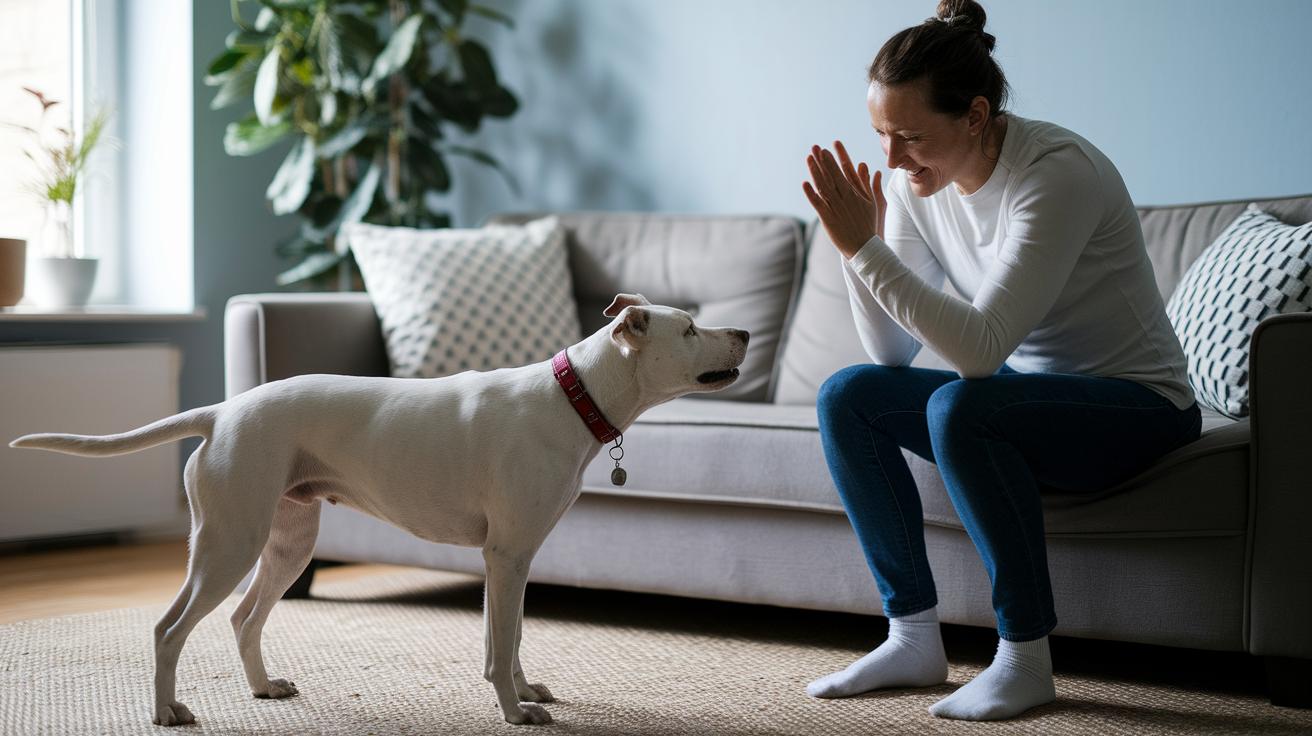
Indoor training works great because it gives you a quiet space with fewer distractions where every moment matters. Short sessions of 5 to 10 minutes can really help your dog focus and learn new tricks using lots of positive praise. These simple lessons not only keep your pup’s mind sharp but also make them feel safe and happy during everyday routines. Plus, sticking to a regular schedule indoors keeps your dog active and eases any stress, making learning a fun and relaxed time for both of you.
To get started, try a steady and clear plan. Begin with easy steps and reward your dog as they learn, slowly adding new commands as they get more confident. For instance, set a timer for 5 minutes and work on one trick at a time, like practicing "sit" before moving on to "stay." This focused approach helps your furry friend really understand what you expect, while also deepening the special bond between you both.
- Pick a clear spot to serve as your training zone
- Collect some tasty treats and a clicker if you use one
- Plan for short, regular sessions (5–10 minutes each)
- Start with two basic commands to practice consistently
- Wrap up each session with lots of praise and a gentle signal
Following this plan creates a solid routine that becomes a fun daily habit. Stick with it, and soon your dog will trust and even look forward to these moments of getting to know each other better.
Preparing Your Home for Indoor Dog Obedience Training
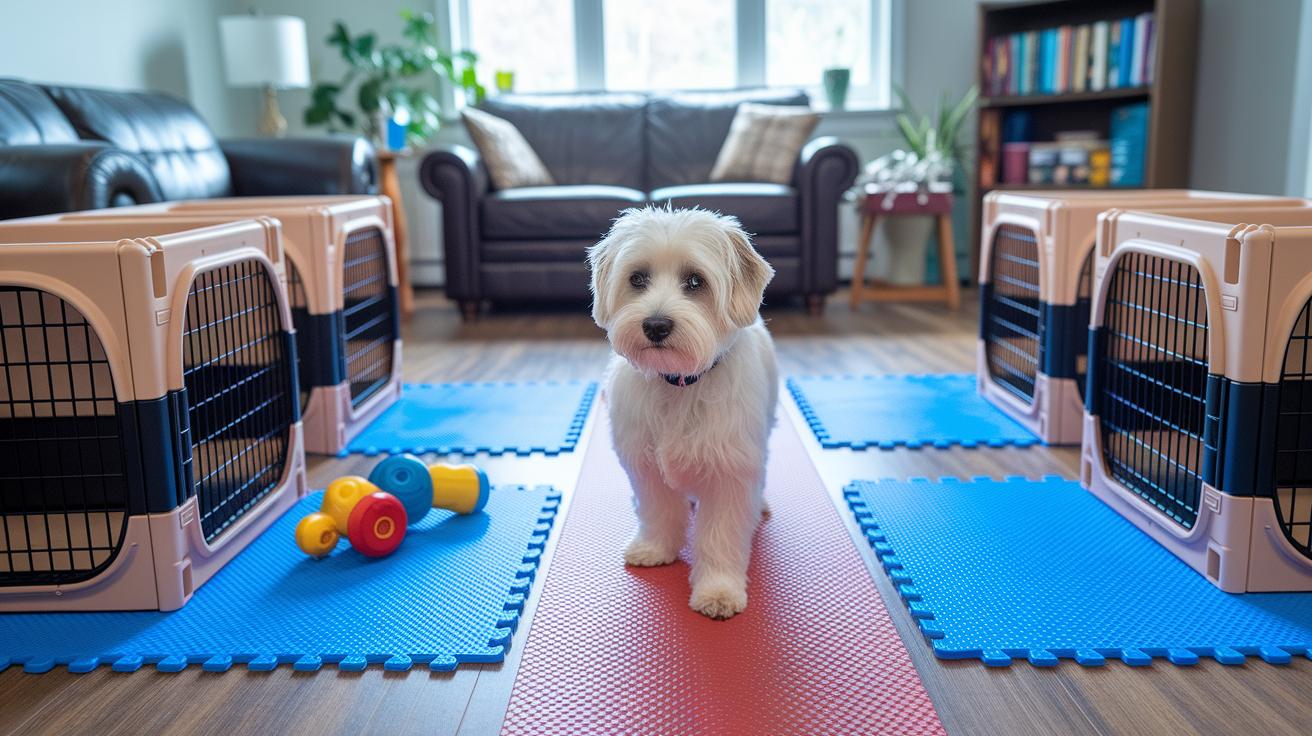
Creating an ideal training spot at home starts with a few simple tweaks. First, clear away any clutter that might catch your dog's eye. Move loose items that could distract him during lessons and cover slippery floors with non-slip mats or rugs to keep him safe. Even if your space is small, having a dedicated area helps your pup focus, feel relaxed, and confidently adjust from outdoor life to indoor living.
Next, think about adding crates or playpens to make a quiet, secure corner where your dog can take a break. These cozy zones let him relax between training drills without stress. I often add a few familiar toys or a favorite blanket to make the space feel extra comforting. By keeping the area tidy and calm, you'll set the stage for enjoyable, focused training sessions that both you and your furry friend can really sink into.
Essential Equipment for Indoor Dog Obedience Training
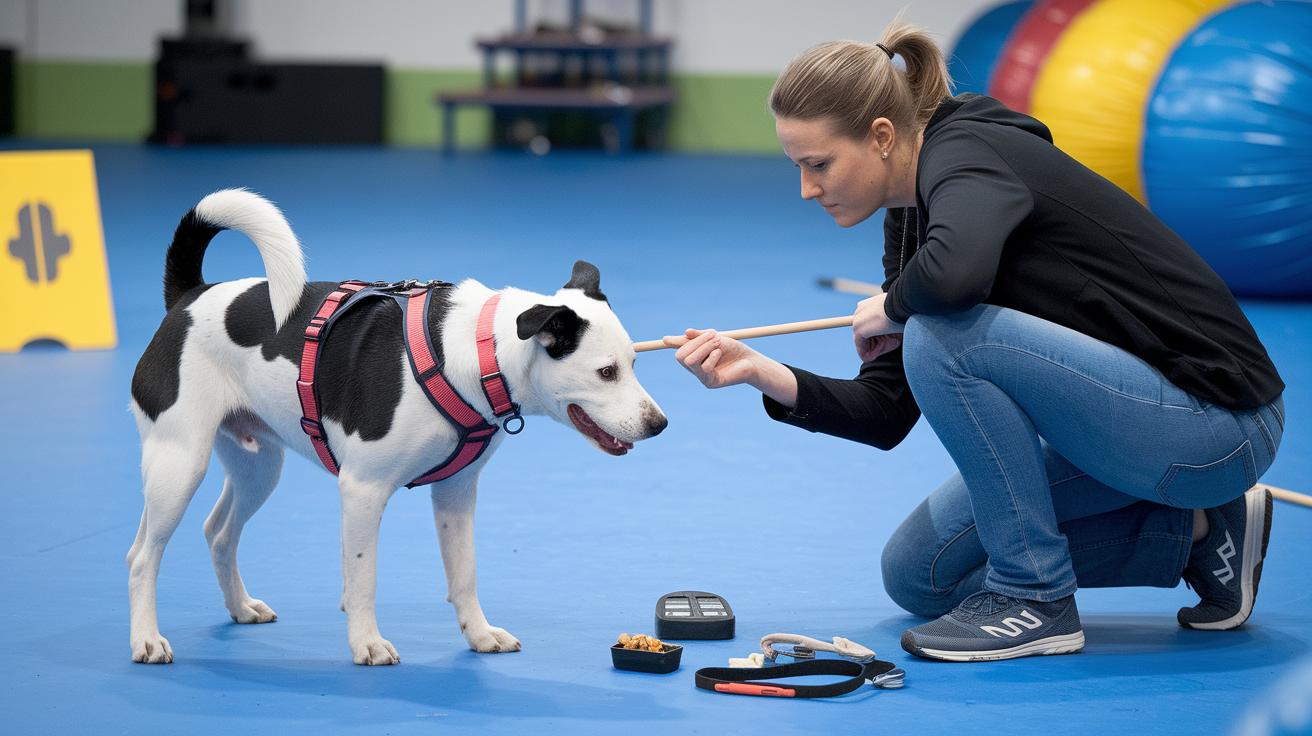
When you're training your dog indoors, it's all about building trust and sharing fun moments. You really don't need a lot of fancy gear, just a few simple tools can make each session smoother. A clicker or a special marker word helps your pup quickly link actions with rewards, and a handy treat pouch keeps those favorite snacks close by.
A flat-buckle harness makes sure your dog stays comfy while you share clear cues, and a target stick can gently guide your pet through new tricks without any extra hold. A non-slip mat gives your dog a steady spot to stand, especially on shiny floors. These budget-friendly, easy-to-clean items work together to create a calm, focused training space without turning your home upside down.
Using these tools well is key to building a strong bond. For example, when you click and then offer a treat, it sets a clear break between the command and the reward, so your dog knows exactly what earned the praise. Try weaving each tool into your routine, and you might find that training becomes both a fun game and a great way to connect with your furry friend.
Core Indoor Obedience Training Drills and Commands
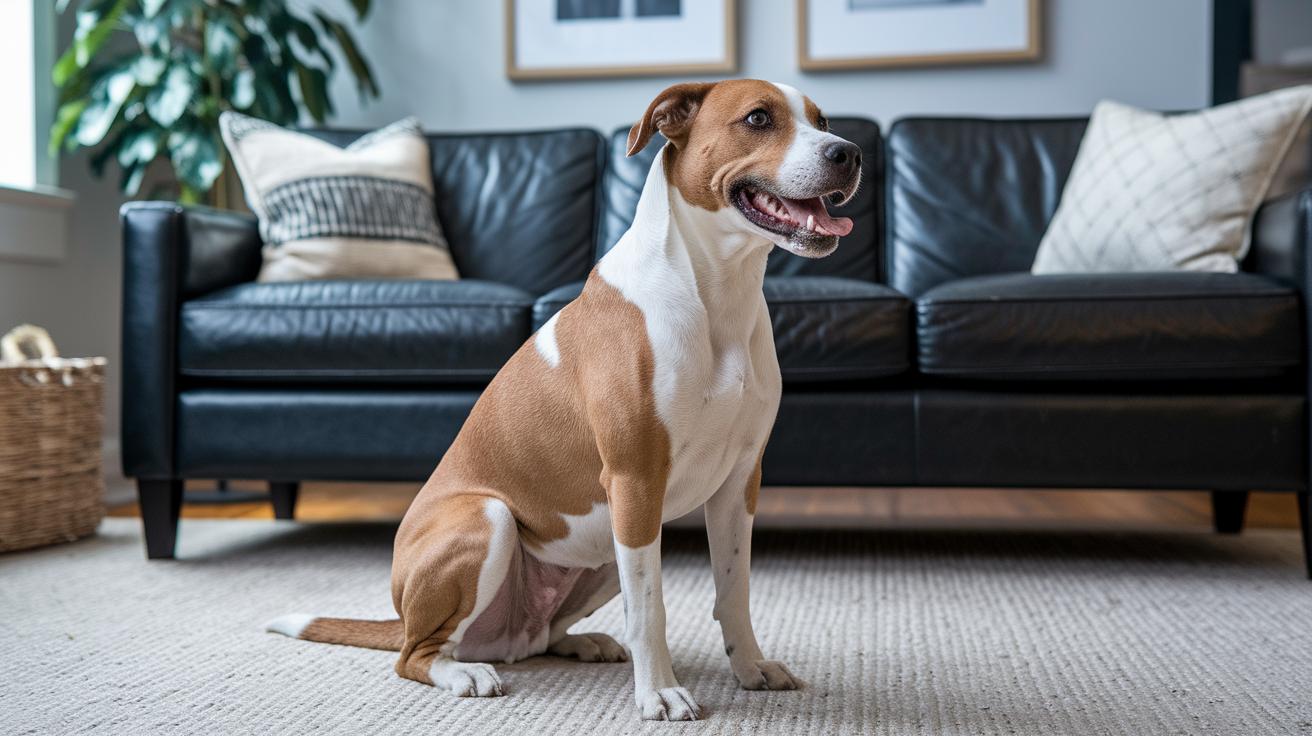
Indoor training is a fun way to bond with your pet, short and sweet even if you only have a small space. You can easily set up a workout right in your living room using simple commands. These drills help your dog get better with basic commands while sharpening their focus with clear, visual cues. Picture your pup enjoying these playful exercises, each one boosts confidence and improves responsiveness with a bit of positive praise. For instance, try using the cue "Sit & Release on Cue" and imagine your dog learning just like a little star in training, getting better step by step.
- Sit & Release on Cue
- Stay with Increasing Distance
- Indoor Recall with a High-Value Reward
- Leave-It with a Visual Signal
- “Look at Me” Focus Drill
Each drill has its own spot in building good behavior. First, Sit & Release on Cue teaches calm self-control. Next, Stay with Increasing Distance makes your dog work a bit harder by waiting longer or farther away. Indoor Recall with a High-Value Reward makes sure your dog comes back to you quickly, even when there are distractions around. Then, Leave-It with a Visual Signal helps your pup ignore tempting objects, and the “Look at Me” Focus Drill builds a special connection through eye contact, it’s like sharing a secret with your best buddy.
As your dog grows more confident with these commands, slowly add small distractions. For example, after a great session, you might turn on a gentle background sound, like the hum of a refrigerator, to see if your pup still stays focused. Step by step, these indoor sessions become a fun, reliable routine that deepens your bond and makes every training moment count.
Engaging Reward-Based Indoor Obedience Training
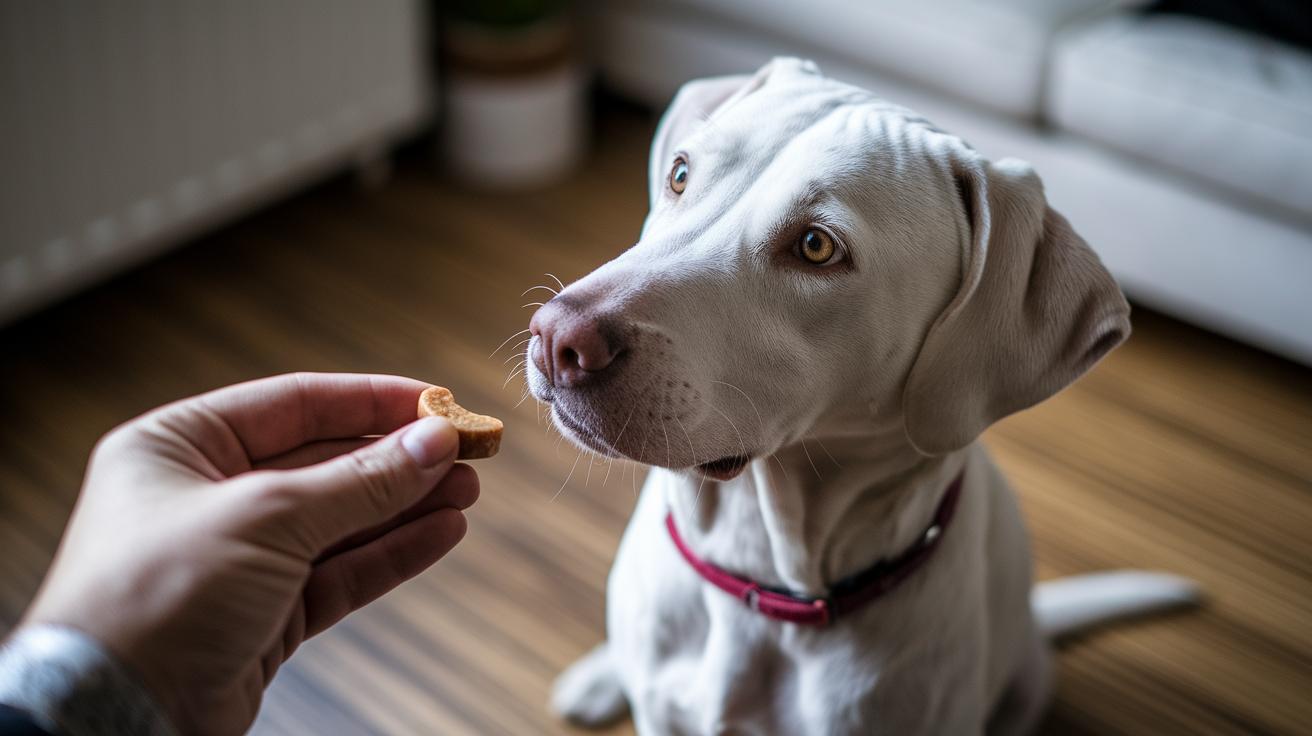
Reward-based training brings together fun and learning, helping you build a strong bond with your dog. When your dog listens, you immediately reward with a tasty treat and kind words, turning each correct response into a little celebration.
Imagine your dog eagerly sniffing out a hidden treat during a simple game of hide-and-seek. This playful method not only reinforces basic commands but also fills your training sessions with joyful moments. It’s like watching the happy purr of a cat or the wag of a bright tail!
Keep your training sessions short, just a few minutes long, to keep your pup focused without getting too excited. You might mix things up with a variable reward system: sometimes a command earns a small treat, and other times, a bigger surprise reward. This keeps the sessions unpredictable and fun, all while helping your dog switch calmly between activities.
In the end, combining brief training bursts with playful breaks turns learning into a delightful game that both you and your dog will love.
Overcoming Common Challenges in Indoor Dog Obedience Training
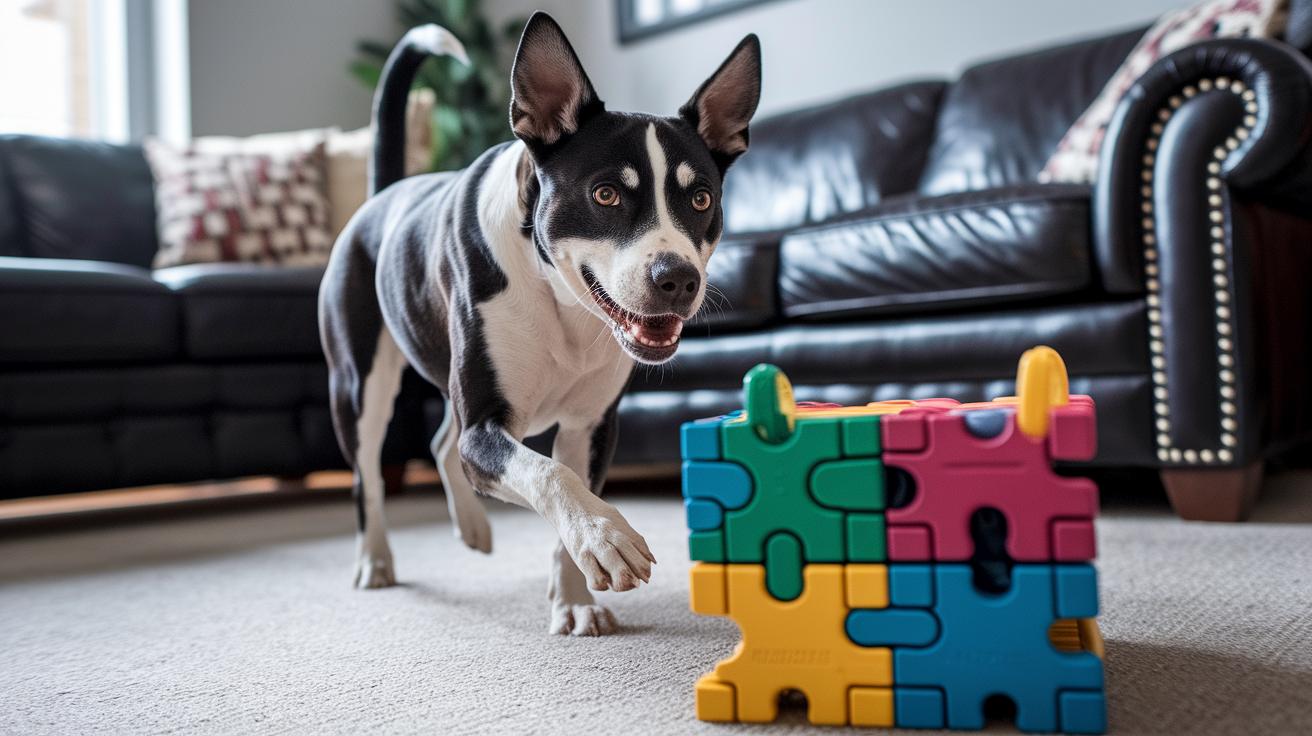
Managing Excess Energy
Sometimes our lively pups have so much energy that it becomes hard for them to focus on indoor lessons. Try to mix in quick bursts of play, like a fun game of fetch or a puzzle toy session, right between obedience drills. These short play breaks help guide that excess energy and keep your furry friend engaged. It’s like giving them a little recharge while you build a happy, structured routine together.
Addressing Common Distractions
Even indoors, there are plenty of things to distract your pet, like the sound of running water or the buzz of a household appliance. Start by slowly introducing your dog to these everyday noises during practice time. When distractions happen, call your dog’s name in a soft, friendly tone to gently bring their focus back. This approach helps your pet learn to concentrate even when the room isn’t completely calm, making training sessions feel real and achievable.
Gentle Correction Techniques
If your dog starts to wander off or loses focus, try using a gentle nudge rather than a harsh correction. A calm time-out or switching to a fresh, more interesting task can work wonders. Setting up a clear, clutter-free training area also helps reduce little disruptions. By keeping things gentle and positive, you build trust and turn every session into a step toward a deeper, happier bond with your pet.
Building Consistency with Indoor Dog Obedience Training Routines
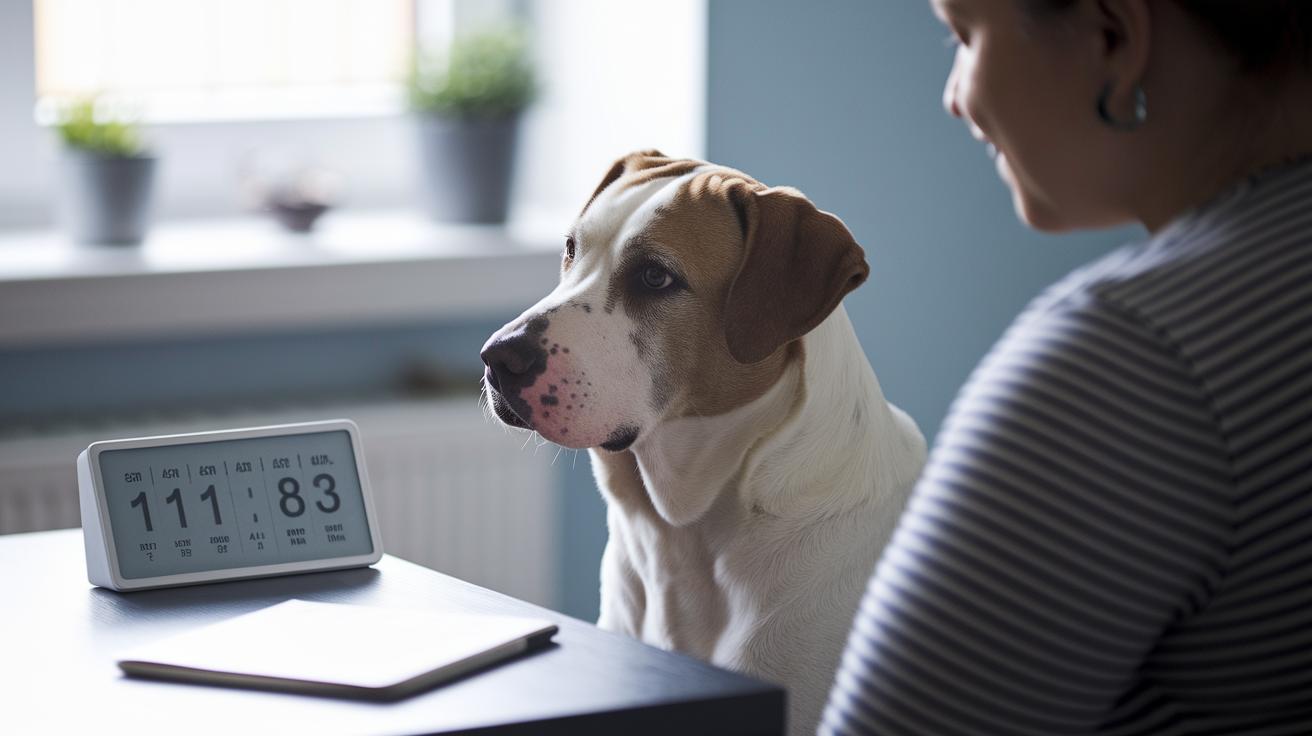
Consistency builds your dog's confidence and helps them face the unique challenges of every age. Young pups benefit from a steady routine that sets clear rules, while adult and senior dogs might need a schedule that changes with their energy and surroundings. Adjusting your training style for your home, whether it's a busy apartment or an open living space, helps your dog learn in the best way possible. For instance, you can say, "Set aside a special quiet room for training, just like making a personal study space," to show your pet why focus matters.
Try these simple steps:
- Pick a daily training time that suits your dog's age and energy.
- Use the same words and signals each time, but feel free to change your tone or pace as needed. Think of it like saying "sit" with a gentle tap on your knee , clear and steady.
- Keep a simple log to track progress and note any challenges related to your dog's age or home setting.
- Frequently revisit the commands your dog knows to keep their skills sharp, especially when facing different distractions.
- Regularly review and adjust your training schedule so it stays the perfect fit for your dog's growth and your daily life.
And if you ever feel stuck, consider trying a dog training class for extra guidance tailored to your dog's needs.
Final Words
In the action of indoor dog obedience training tips, this guide walks you through easy, practical steps. It covers setting up a safe training zone, a step-by-step approach to short, fun lessons, and the right gear for success. Small, focused sessions and positive rewards create consistency and build trust with your pet. With clear techniques and useful tips, you can start today and watch your home become a space of learning, joy, and improved pet well-being. Keep it steady and enjoy every moment of progress.