
Ever notice how some pet birds just seem to shine, while others struggle a bit? Taking care of your feathered friend might be simpler than you think. Keeping their cage clean, giving them a bit of exercise, fresh water, and plenty of sleep can work wonders.
We’ll share some easy tips that show how little daily tasks can boost your bird’s health and happiness. Picture your bird chirping happily, flapping around with energy, and relaxing in a comfy spot. Isn’t it amazing how small changes can make a big difference?
Core Essentials of Pet Bird Care You Need Daily
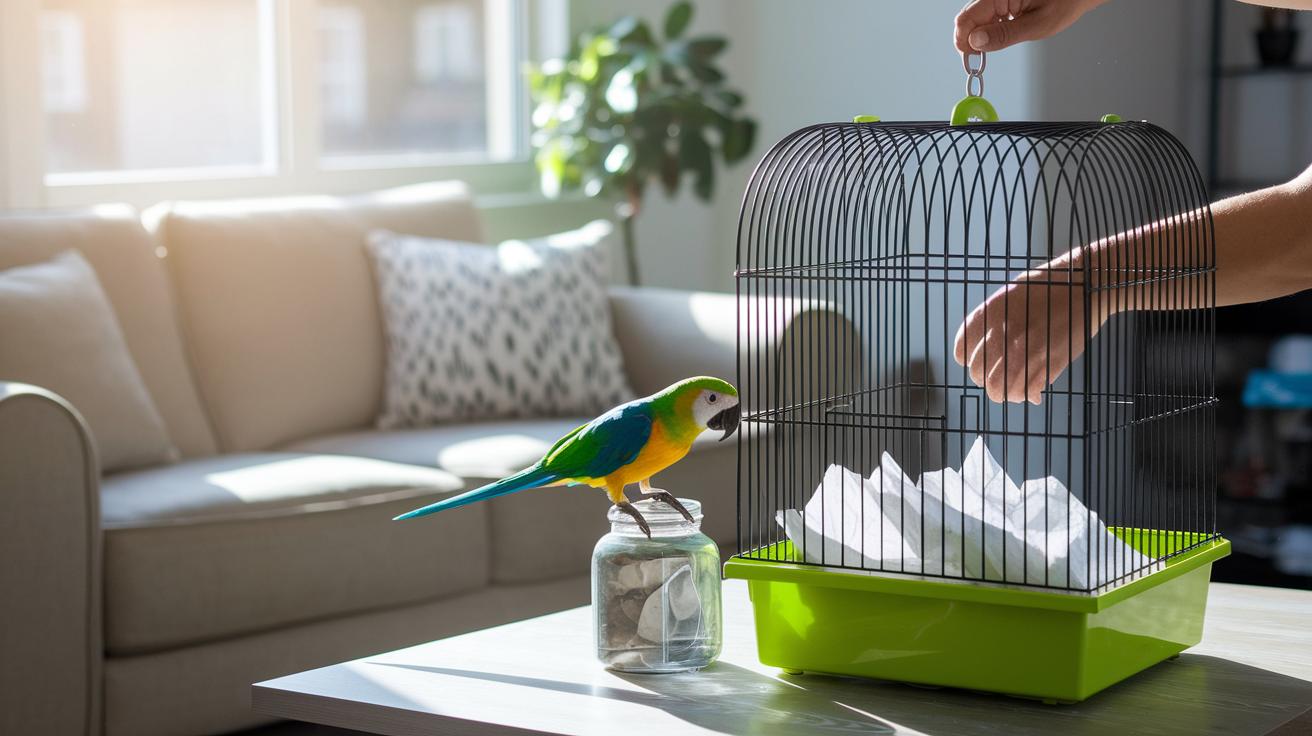
Every day, give your bird a fresh start by cleaning its space. Swap out old cage liners first thing in the morning and pick up any bits of food or debris you see. Use cleaning products that are safe for pets by mixing a little with water to keep everything toxin-free.
Pet birds don’t need long walks like dogs. Instead, let your feathered friend enjoy one free-flight session in a secure, enclosed area each day. It’s a fun way to get some exercise and mental stimulation, imagine your bird happily fluttering its wings in a sunlit room, fully enjoying its safe indoor adventure.
Keeping your bird hydrated is just as important. Replace the water in its dish every day so there’s always fresh water available. And a gentle bath or a light misting with warm water a few times a week can be like a delightful morning shower, helping to keep feathers sleek and skin healthy.
Don’t forget about sleep! Make sure your bird has a quiet, dim spot to rest for 10–12 hours each night. This peaceful downtime is key to reducing stress and boosting overall well-being.
| Daily Task | Description |
|---|---|
| Change Cage Liners | Swap out soiled liners every morning. |
| Free-Flight Session | Provide one safe, daily session in an enclosed area. |
| Water Refresh | Replace water dishes daily. |
| Bath or Misting | Offer a bird bath or gentle misting with lukewarm water several times a week. |
| Quiet Sleep | Ensure 10–12 hours of sleep in a calm, dim environment. |
Proper Nutrition Strategies for Pet Bird Care
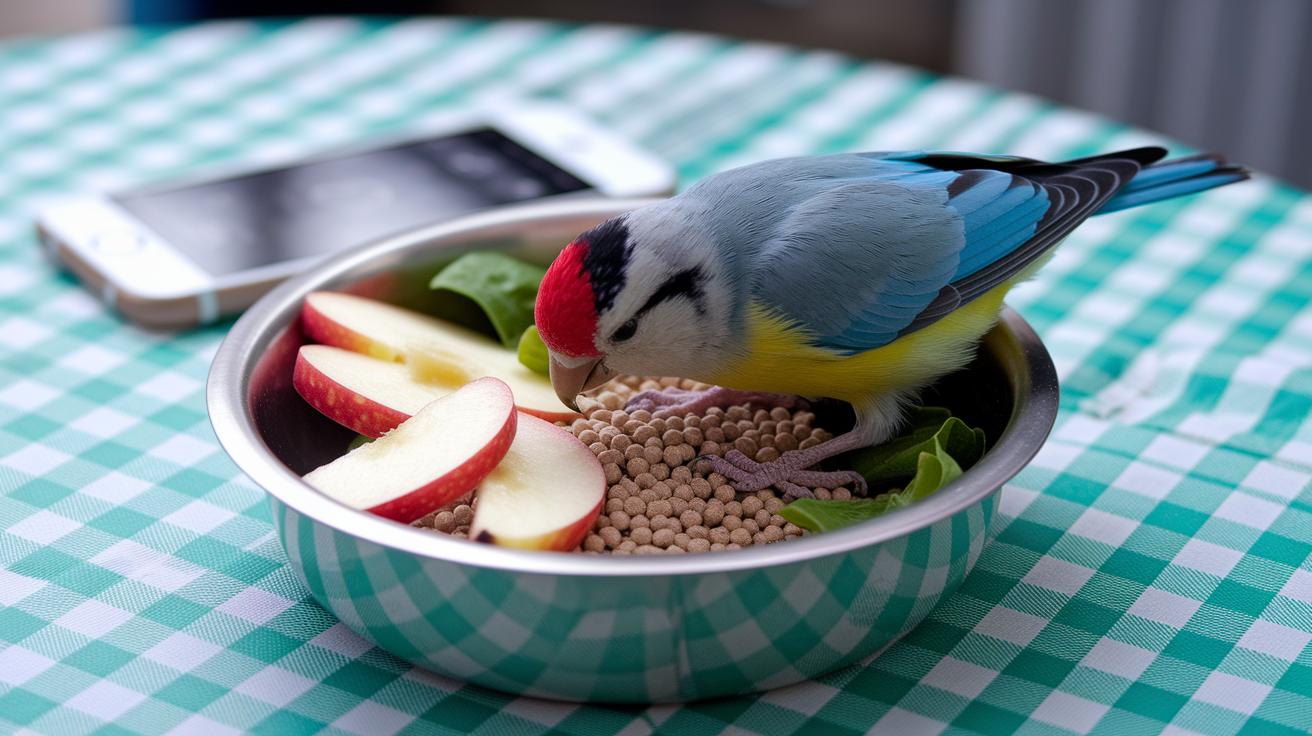
A balanced diet is the key to your bird’s well-being. Start with high-quality pelleted food that gives your feathered friend the essential nutrients it needs. Think of these pellets as the main dish of a meal, offering steady energy and important vitamins, just like your favorite home cooking. I like to say that feeding my bird pellets is as consistent as eating my daily go-to meal.
Next, mix in some fresh fruits and veggies. Try adding a few apple slices or some leafy greens to bring in natural vitamins, fiber, and moisture. This not only makes your bird’s meal more interesting but also brings a bit of the outdoors into their bowl. Imagine how a bright, colorful side salad can lift your lunch, your bird will feel just the same!
It’s also a good idea to feed your bird 2-3 times a day. You might need to adjust the portions depending on your bird’s size and activity levels. Bigger birds might need a bit more, while smaller ones thrive on smaller, frequent meals. And of course, always have fresh water available so your bird can sip throughout the day.
When you’re trying something new, introduce it slowly over 7 to 10 days. Start by mixing a little bit of the new food with their usual pellets until your bird gets accustomed to it. Adding cuttlefish bone or mineral blocks can help keep your bird’s beak strong and healthy, just another part of a well-rounded diet. Remember, foods like avocado, chocolate, caffeine, and high-salt items should be avoided, as they can really upset your bird’s tummy.
Following this easy, species-appropriate feeding plan will help build a strong nutritional foundation. With the right care, your pet bird won’t just get by, it’ll thrive every single day.
Designing a Safe Cage Setup for Pet Bird Care
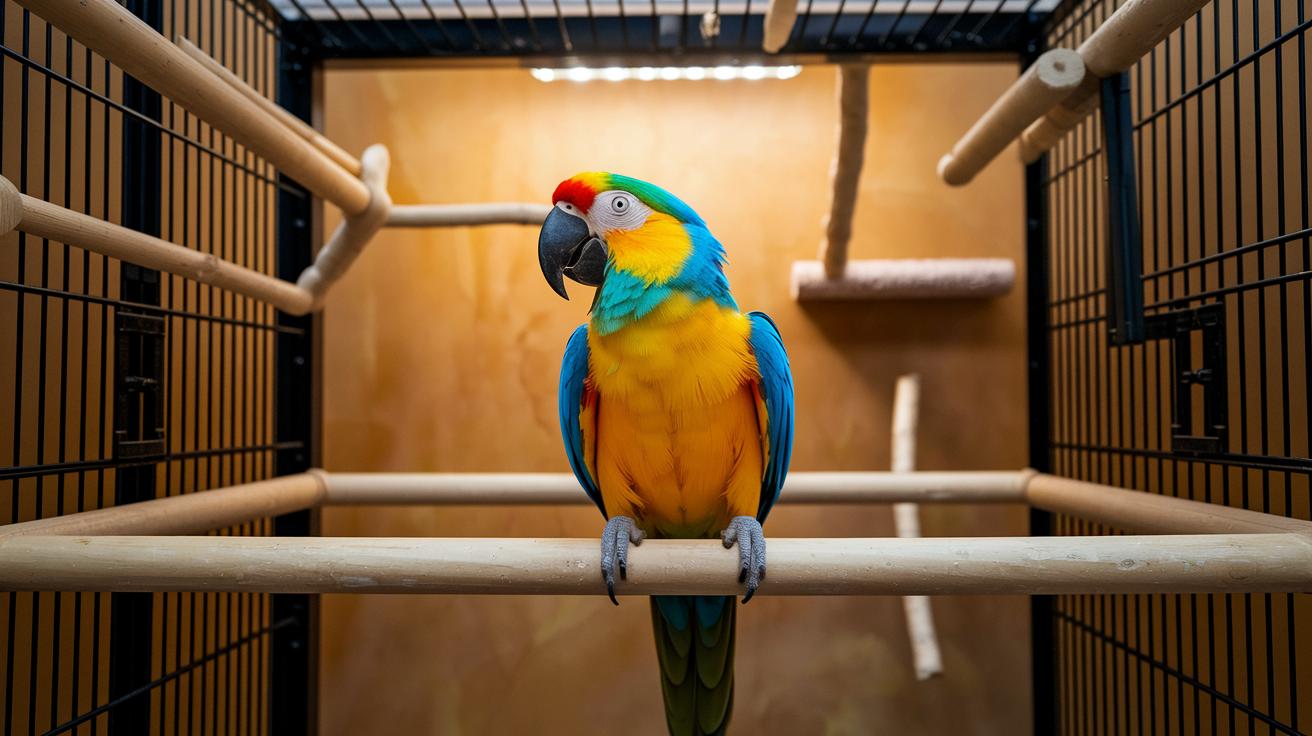
Start by choosing a cage that's big enough, at least one and a half times your bird’s wingspan in both width and depth. This extra space gives your feathered friend plenty of room to stretch, flap, and play. Imagine seeing your bird happily bobbing its head in a space made just for it.
Place the cage in a quiet spot away from drafts and harsh sunlight. Keeping it in an area where the temperature stays between 65°F and 80°F and where it gets about 12 to 14 hours of light each day helps your bird maintain a natural routine. A steady, warm environment will boost its mood and energy.
Mix up the perches inside the cage with options like wooden branches and rope. These different textures exercise your bird's feet in new ways and add a bit of fun. Adding a cuttlefish bone or a mineral block can also help keep its beak healthy. Changing things up, even just by swapping perches weekly, can keep your bird curious and active.
Keeping the cage clean is key to your pet’s health. Remove any debris every day and do a thorough cleaning once a week with bird-safe, non-toxic cleaners. Think of it like cleaning up after a fun picnic, every little bit matters in keeping the space inviting.
Also, remember to make seasonal tweaks. In colder weather, you might need to move the cage away from chilly spots or adjust the humidity slightly. With a safe and engaging setup, you’re creating a home where your pet bird can thrive every day.
Essential Health Maintenance in Pet Bird Care
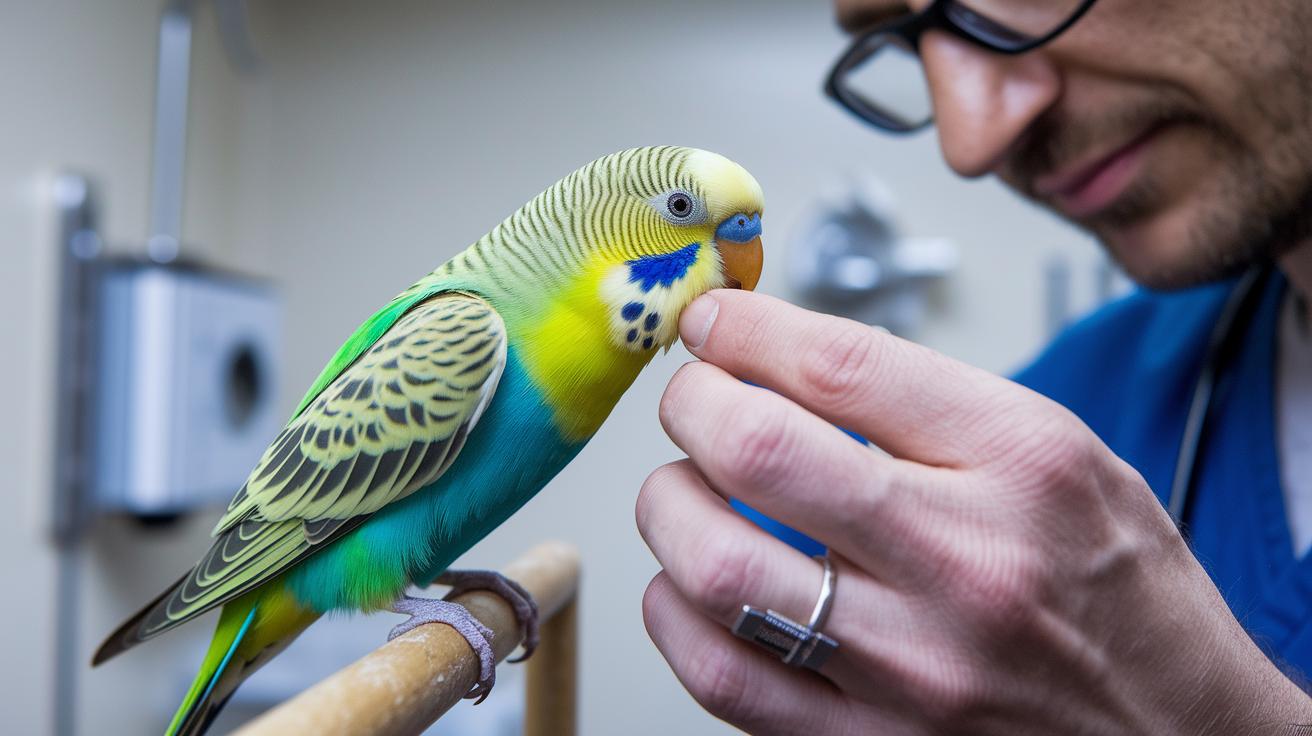
Make sure you visit your bird’s vet about every 6 to 12 months. During these checkups, have your bird’s nails and beak trimmed and ask about any small changes in its droppings, feathers, or energy levels. Did you know many pet birds hide early signs of illness, like a little weight loss or a slight change in wing position? Regular exams help catch these issues before they grow worse.
Keep a close eye on your feathered friend for any signs of sickness. Notice if its droppings change, if its feathers become extra fluffed, if it seems less active, or if it loses weight. These could be clues that something isn’t right, such as possible parasites. Watching your bird closely every day makes it easier to spot problems early and call the vet when needed.
Follow your vet’s advice to keep parasites like mites and lice under control. Using the proper treatments regularly helps protect your bird’s breathing and overall comfort. It’s also a smart idea to learn some basic first aid, like how to treat a small cut or a minor injury. Acting quickly and calmly in an emergency can really make a difference.
If your bird seems off, showing signs like long stretches of sleepiness, extra fluffy feathers, or odd droppings, set it apart in a quiet spot and get professional advice right away. This helps stop any infection from spreading and keeps your pet feeling less stressed. And if you’re welcoming a new bird into your home, keep it separate from your current pet for at least six weeks. This quarantine period helps protect your established friend from any unexpected illnesses.
- Regular vet exams every 6–12 months
- Use vet-approved treatments for parasites
- Watch for signs like weight loss and unusual droppings
- Isolate your bird if it shows signs of illness
- Quarantine any new birds for at least six weeks
Keep a simple log of your bird’s behavior and any changes you notice. This record can be a big help when you talk with your vet, ensuring your feathered friend stays happy and healthy.
Enrichment and Behavioral Care for Pet Birds
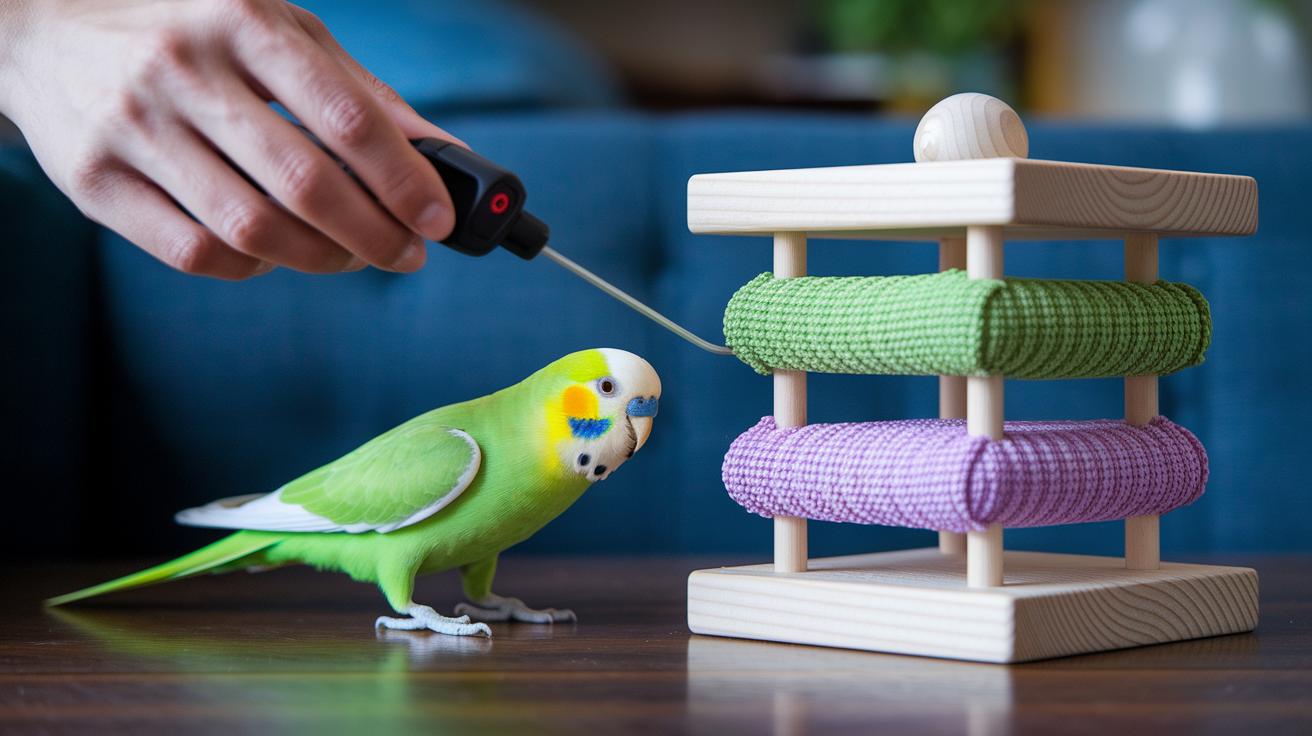
Keeping your pet bird happy is all about a mix of fun and gentle guidance. Try offering a variety of chewable wooden and foraging toys every week. For example, you might switch out a favorite toy one week for a new puzzle toy the next, imagine your bird exploring it with bright, curious eyes.
Set aside two 10-minute sessions each day for positive, clicker-based training. These quick sessions not only bring you closer together but also give your bird a fun brain workout. I once had a parakeet chirp happily right after a session, almost like it was throwing a tiny celebration in honor of your teamwork.
Let your bird enjoy some supervised playtime outside the cage in a safe, bird-proofed room. This time out lets your feathered friend stretch its wings, explore, and get to know new surroundings. As you watch, listen to its little chirps and look for cues like preening or yawning. A soft chirp might mean it feels content, while lots of yawning may signal it’s time for a break.
Keep the noise low during rest times and introduce new toys gradually. This helps your bird feel relaxed and avoids overwhelming its senses.
- Rotate chewable and foraging toys weekly
- Hold two daily 10-minute positive-training sessions
- Offer supervised out-of-cage play
- Monitor vocal cues and body language
- Maintain low noise during rest times
This friendly balance of play, training, and gentle care ensures your bird stays mentally active and emotionally content, turning every day into a new adventure for both of you.
Tailoring Pet Bird Care by Species Characteristics
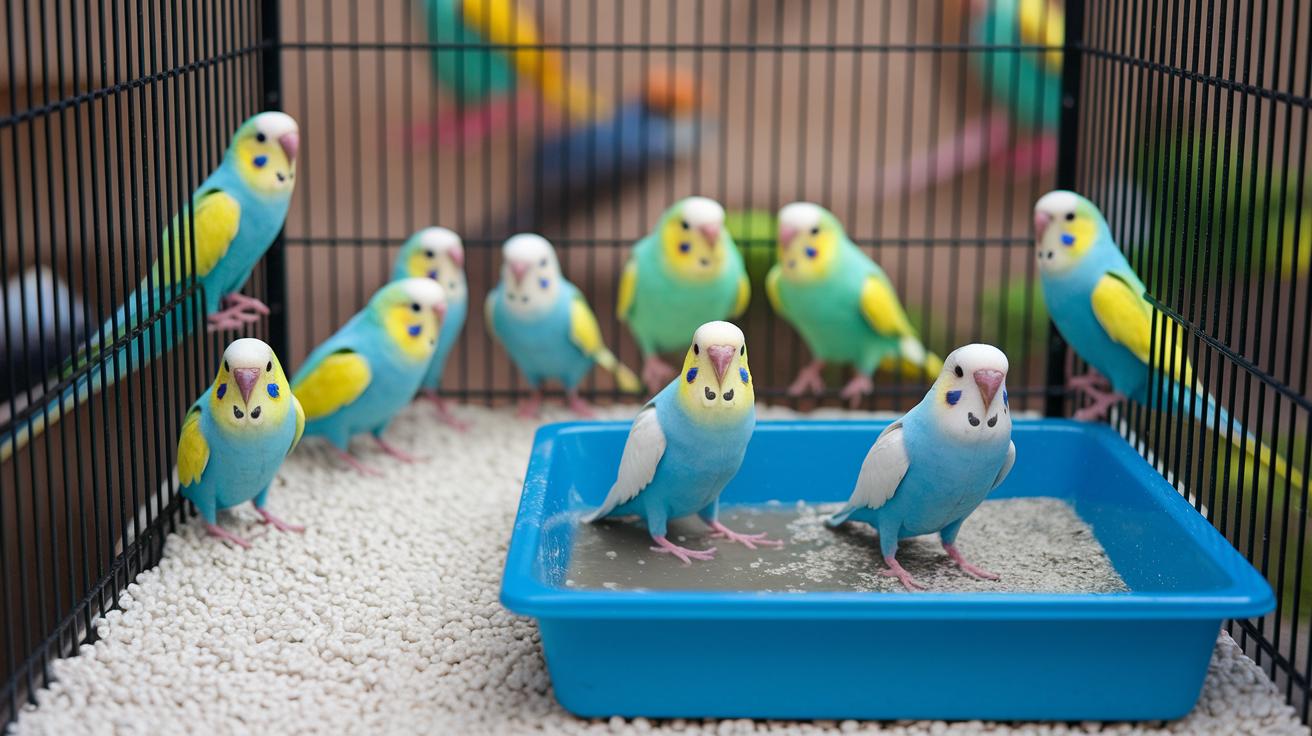
When it comes to bird care, one method simply doesn’t work for every feathered friend. Each bird has its own set of needs. For example, parakeets are happiest when they have a flock and plenty of room, imagine an 18″ by 18″ space where they can flap and chat freely. I still recall a pair of parakeets joyfully chirping and fluttering around in their roomy cage; it was a beautiful sight to see.
Cockatiels enjoy a good dust bath. A small tray of clean, fine dust lets them do a natural little grooming ritual that keeps their feathers soft and healthy. It’s a simple touch that makes a big difference in how comfortable they feel at home.
Conures do best with daily, hands-on interaction. A few minutes of gentle play or a quick training session helps build trust and lowers their stress. And then there are lovebirds, they really benefit from having a buddy by their side along with sturdy toys that can handle their strong little beaks.
Amazons need some freedom too. They thrive when they get 3–4 hours out of their cage daily to explore and stay mentally active. Meanwhile, macaws, being the bigger birds, require larger enclosures and heavy-duty perches. Keep in mind that macaws often live for 50 years or more, so they become lifelong companions.
It's important to consider the lifespan and overall needs of each species. Parakeets may only be with you for about 10 years, while larger birds like macaws stick around for much longer. By tuning into these unique needs, you'll help your feathered friend not just survive but truly shine.
| Bird Species | Key Needs |
|---|---|
| Parakeets | Group living in an 18″×18″ cage minimum |
| Cockatiels | Need access to dust-bath trays |
| Conures | Daily hands-on interaction |
| Lovebirds | Often require pair housing and durable toys |
| Amazons | Require 3–4 hours of out-of-cage time daily |
| Macaws | Need large enclosures with heavy-duty perches and have long lifespans |
Travel, Quarantine, and Safety Tips in Pet Bird Care
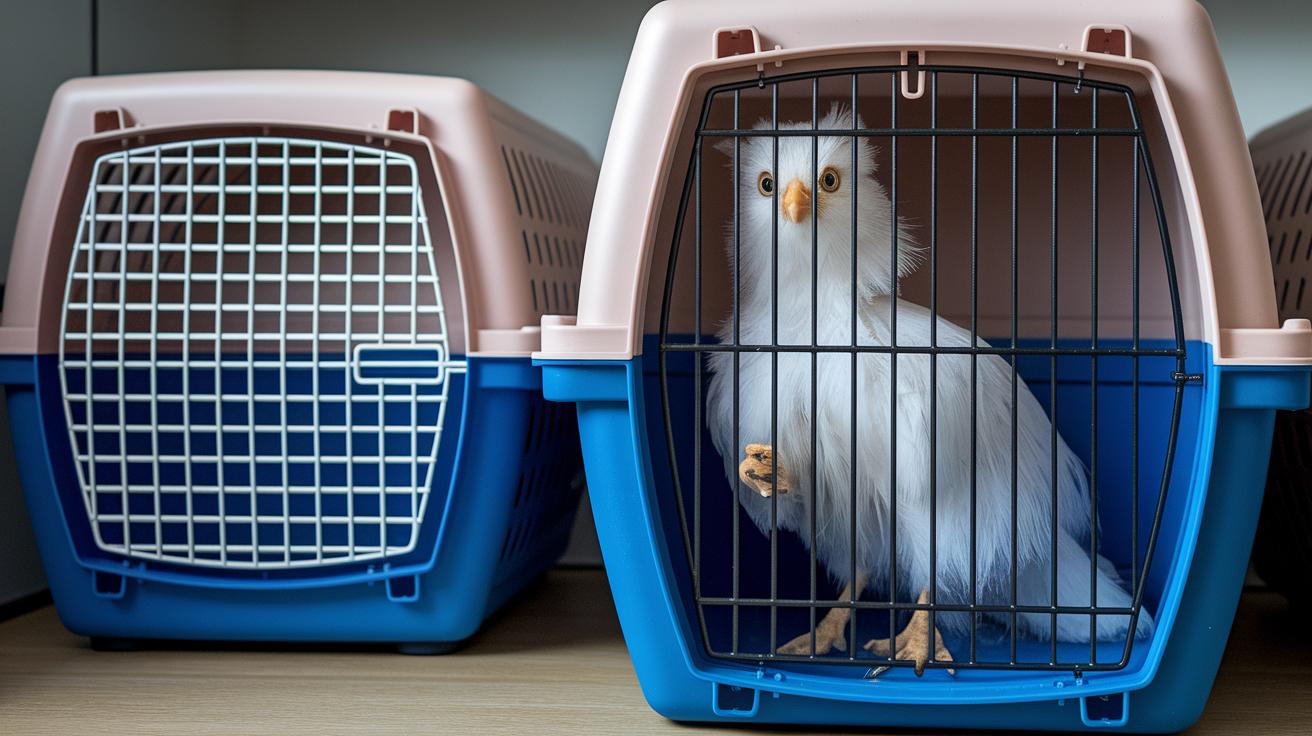
When you welcome a new feathered buddy into your home, start by setting up a 6-week quarantine. Keep your new friend in a separate cage so your resident bird stays safe while you both get to know each other. It’s like a careful little welcome party where everyone has time to settle in.
Choose a travel carrier that comes with sturdy latches, good ventilation, and a spot for your bird to perch. This carrier works like a mini, cozy home on wheels that keeps your bird secure during trips, just like buckling up in a car.
Before you go on a long journey, let your pet get used to the carrier through short, fun sessions at home. These brief practices help build a sense of comfort and security. And when it’s time for your bird to enjoy some outdoor aviary time, always stick around to watch over it, just like keeping an eye on your loved ones at a picnic.
It’s also important to bird-proof your home. Remove any toxic plants, secure windows and mirrors, and try to limit loud noises when you’re on the move. Instead of clipping wings to keep your bird safe, consider harness training so your pet can still enjoy a safe little flight. Lowering stress by reducing noise and disturbances can make your bird much more relaxed and happy.
- Set up a 6-week quarantine
- Use a carrier with sturdy latches and good air flow
- Introduce the carrier at home with short sessions
- Supervise outdoor aviary time closely
- Bird-proof your home by removing any toxic items
Final Words
In the action, the article explored daily routines, from cleaning cages and refreshing water to providing free-flight sessions and balanced meals. It also covered how to care for a pet bird using safe habitat setups, health check routines, enrichment activities, and species-specific tips. Each section builds on one another, offering practical steps to keep your feathered friend vibrant and happy.
Every tip is designed to help you make confident, informed decisions so that your pet enjoys a thriving, joyful life.
FAQ
How to care for a pet bird for beginners?
The pet bird care for beginners involves a safe cage, fresh water and balanced food, regular exercise, and gentle social interaction to keep your feathered friend healthy and happy.
How to take care of a bird that’s injured?
The care for an injured bird means handling it gently, isolating it for rest, and seeking prompt advice from an avian vet while ensuring it has warmth, clean water, and easy-to-access food.
What are the best pet birds for beginners?
The best pet birds for beginners are budgerigars, parakeets, and cockatiels as they are friendly, easy to care for, and do well with simple daily routines and regular interaction.
How to take care of a wild bird?
The method to care for a wild bird is to safely contact a wildlife rehabilitator, because wild birds require expert care and a proper release plan rather than long-term domestic care.
How to take care of a bird that can’t fly?
The approach for a bird that can’t fly includes providing a spacious, comfortable cage with low perches, ensuring easy access to food and water, and consulting a vet for any underlying issues.
How to take care of a baby bird?
The baby bird care routine needs gentle handling, extra warmth, and feeding with a suitable diet or specialized formula, along with professional guidance to ensure its safe growth and development.
Are pet birds easy to take care of?
The ease of caring for pet birds depends on following a steady routine of feeding, cleaning, and interaction; with the right daily schedule, most pet birds can thrive and become wonderful companions.
How hard is it to take care of a parrot?
The difficulty in parrot care lies in meeting their need for mental stimulation and social interaction; offering engaging toys, regular exercise, and proper nutrition helps meet their higher demands.
Is it okay to have just one bird?
The choice to have a single bird depends on the species—while many birds are social and flourish with a companion, a single bird can thrive when given extra attention and time for social interaction.