
Have you ever thought that a simple routine could be the secret to a happy guinea pig? Daily care isn’t just about feeding, they need fresh water, a clean and cozy home, and plenty of fun playtime. A steady schedule helps your little friend feel safe, calm, and truly loved.
By keeping an eye out for any small changes in their behavior, you can spot early signs if something isn’t right. Try these tips to help your guinea pig not only live but really thrive, building a bond that will last for years.
How to Care for a Guinea Pig: Your Daily Routine
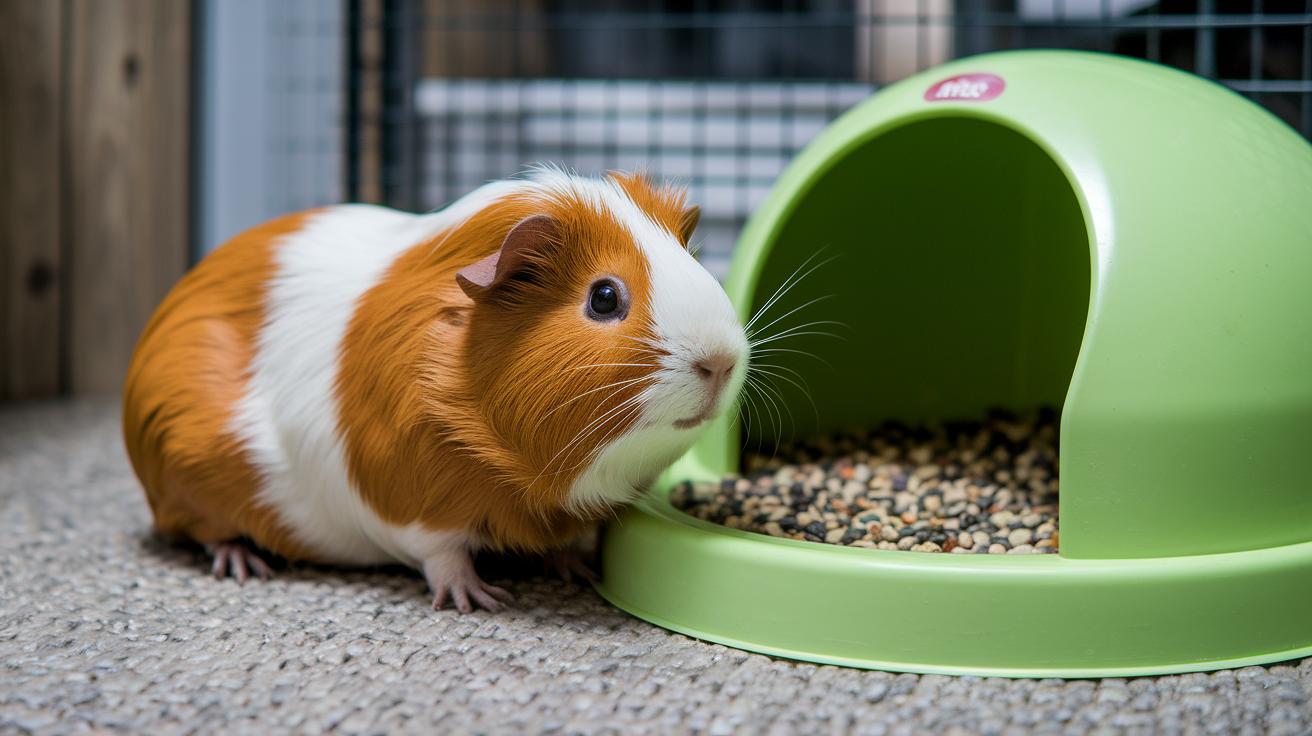
Taking care of your guinea pig every day is key to keeping them happy and healthy. When you stick to a routine, you help your pet's tummy, teeth, and overall mood feel just right. Feeding and spending time with your guinea pig at the same times each day builds a calm, safe atmosphere that can ease stress and encourage healthy eating. It's a bit like having a daily walk that feels comforting and familiar.
A regular schedule also lets you notice little changes early on. A missed meal or different droppings might be a sign that something isn’t quite right. Not only does a steady routine keep them physically fit, but it also helps strengthen the loving bond you share through everyday care and interaction.
- Morning and evening feeding checks
- Water bottle refill and inspection
- Spot clean bedding and remove droppings
- Supervised floor time or playpen exercise
- Social interaction and handling practice
Keeping a simple journal about feeding times, bathroom habits, and play moments is a great habit. Over time, these notes help you notice any small shifts in your guinea pig's routine that might need extra care. This little record is a handy tool when you chat with your vet. Remember, looking after a guinea pig is a long-term commitment, often 5 to 8 years, so daily routines not only boost their health but also build a deep, trusting bond over the years.
Setting Up the Optimal Guinea Pig Habitat
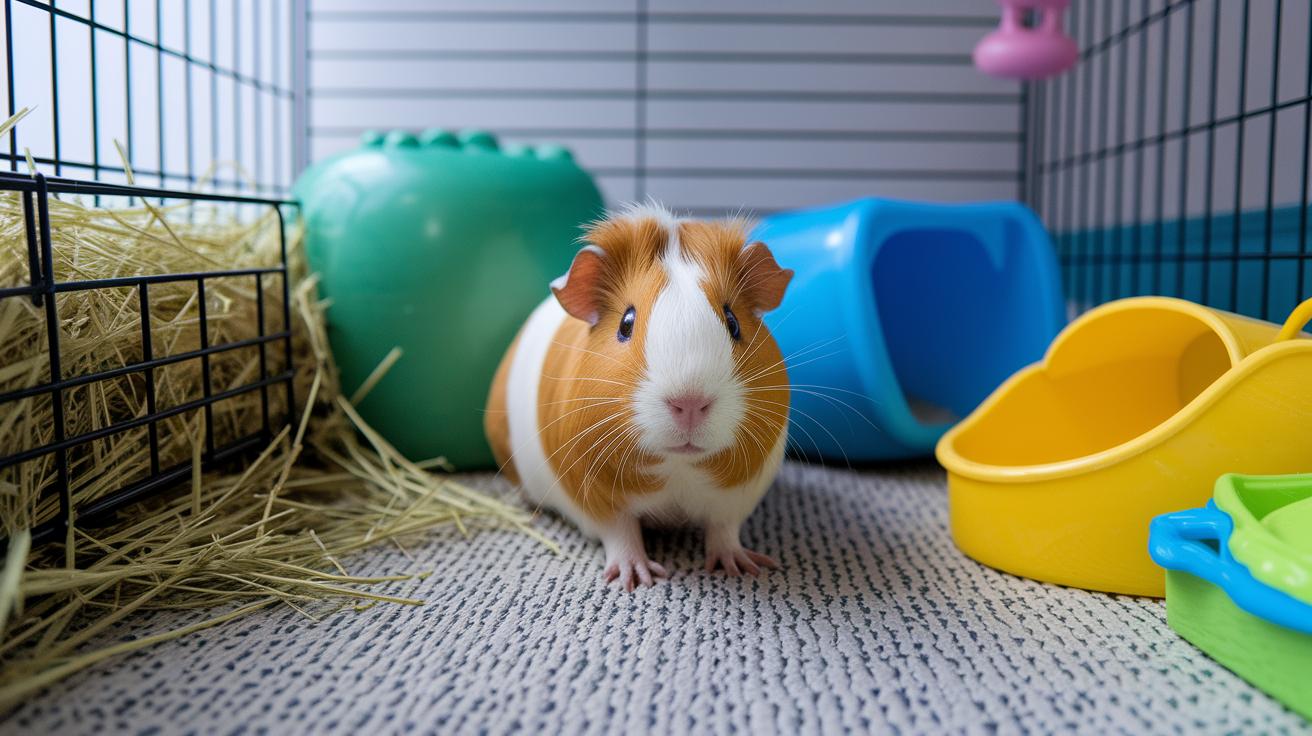
Choosing a comfortable cage is the first step in giving your guinea pig a safe home. A spacious enclosure of about 7.5 square feet lets your pet move, explore, and play. Place the cage on a sturdy floor in a spot where it's not chilled by drafts but still feels part of your busy home. That way, your furry friend enjoys the warmth of closeness without being overwhelmed. Make sure the cage fits essentials like a hay rack, litter box, chew toys, a food bowl, and two water bottles. This setup helps your pet live naturally and feel its best.
| Task | Frequency |
|---|---|
| Spot Clean Bedding | Daily |
| Change Bedding | Weekly |
| Full Cage Sanitize | Every 2–4 Weeks |
Choosing the right bedding matters too. Soft paper bedding in white or brown, aspen shavings, or eco-friendly hemp pellets keep your pet cozy while controlling moisture and odors. A daily spot clean, paired with a deeper clean every week, helps prevent breathing issues and nasty smells. And remember, it's important to keep sharp corners away and ensure there's enough fresh air. This thoughtful setup not only keeps your guinea pig happy and healthy but also gives you the peace of mind that every part of their habitat is safe and well cared for.
Balancing Your Guinea Pig’s Diet and Nutrition

Your guinea pig's health starts with a balanced, nutrient-packed diet that keeps their digestion smooth and teeth in check. Always provide plenty of high-quality hay, Timothy hay works best for adults in its 1st or 2nd cut, while oats or alfalfa are great for youngsters. This hay not only helps wear down their ever-growing teeth but also gives them a chance to enjoy natural chewing, kind of like a crunchy, relaxing snack buffet.
Don’t forget the power of high-fiber pellets, too. A small serving, about ⅛ cup each day of the right pellets for your pet’s age, adds vital nutrients that might be missing from the hay. It’s like giving a little boost that works hand-in-hand with the hay to keep their diet balanced and full of life, without overeating or causing a mix-up in their nutrition.
Every day, aim to include around one cup of fresh, leafy greens. Choose veggies that pack a vitamin C punch, such as romaine lettuce or even a bit of bell pepper, because guinea pigs can’t make their own vitamin C. This helps keep them hydrated and supports a strong immune system while being gentle on their small tummies.
When it’s time to try out new foods, introduce them slowly over three to five days. This gradual change lets you see how your little buddy adjusts and helps avoid any sudden tummy troubles.
Grooming and Hygiene Protocols for Guinea Pig Care
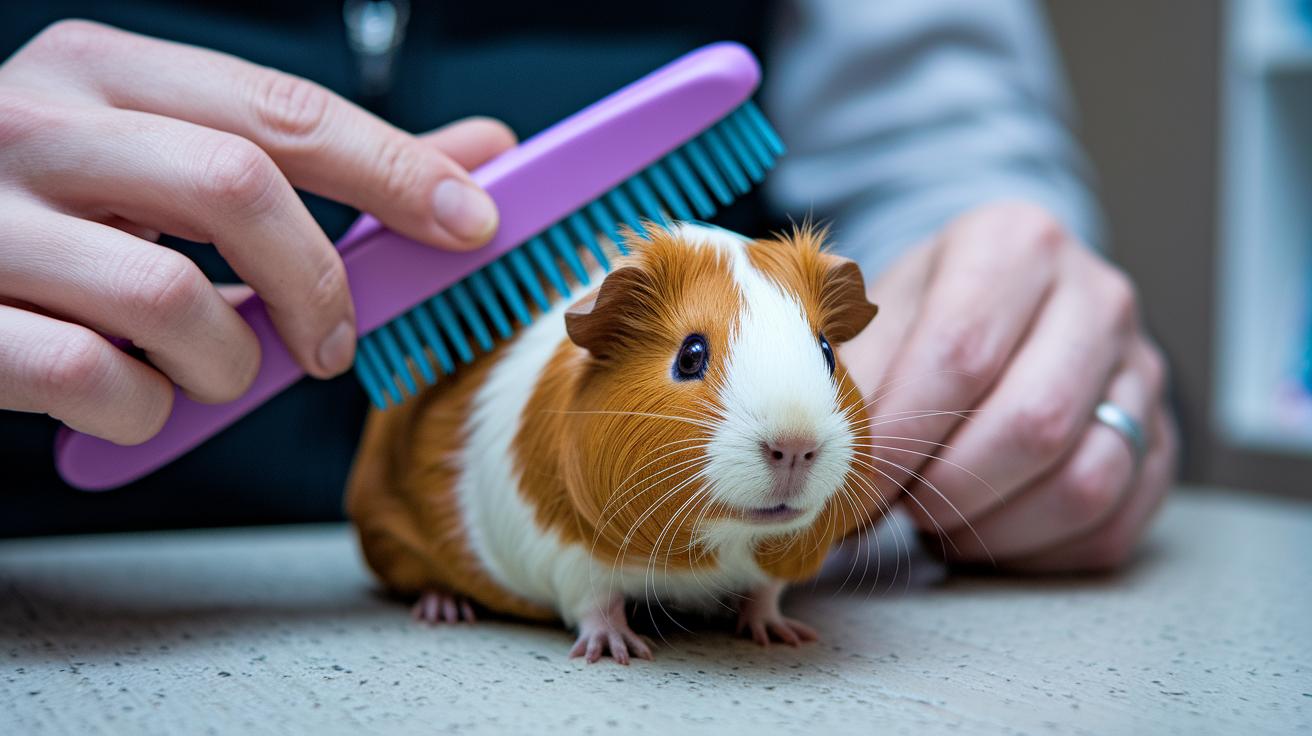
Taking good care of your guinea pig's coat really depends on whether they have short or long hair. If your little friend sports short hair, a quick brush now and then is just enough. But for those with longer locks, a gentle daily brush helps prevent tangles and keeps their fur looking neat. Plus, regular brushing is a great way to check on their skin health.
Brushing and Coat Maintenance
For guinea pigs with long hair, a soft-bristled brush is just the ticket. Brush gently in the direction the hair grows about once a day. Think of it like smoothing out the creases in your favorite sweater. For short-haired pals, a lighter, less frequent brushing is perfect, just enough to whisk away any loose hairs that might dull their bright appearance.
Nail and Dental Care
Trim your guinea pig’s nails safely about once a month with small, pet-friendly nail clippers, and be sure not to cut too close to the quick. Also, give their teeth a quick look each day since overgrown teeth can cause them discomfort. While you're cuddling, check if any teeth have sharp or uneven edges, if so, they might need a little extra chew toy to help wear them down.
Keeping the cage clean goes a long way too. Spot clean droppings daily and do a deep clean with a bedding change once a month to keep odors and bacteria at bay.
Common Health Issues in Guinea Pigs and Early Detection
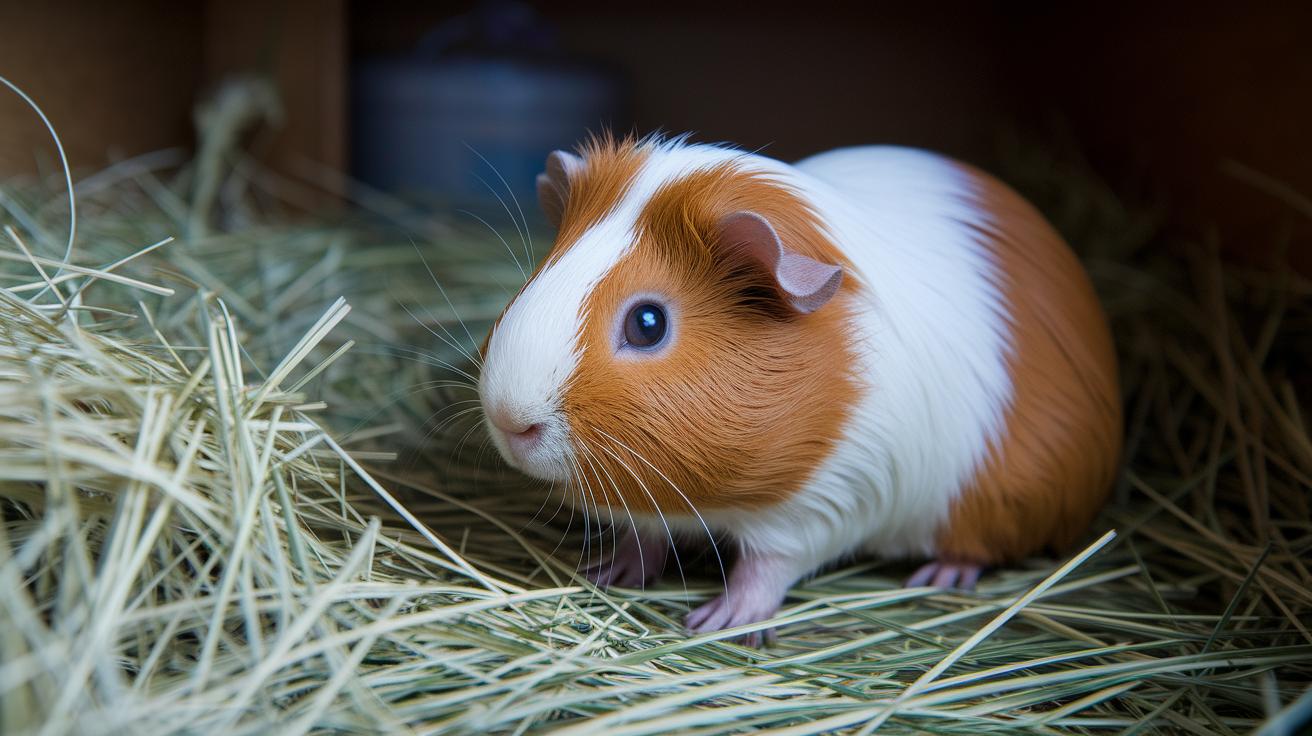
Guinea pigs, like our own little buddies, can run into health problems from time to time. They might suffer from respiratory infections, tummy troubles like gastrointestinal stasis, vitamin C deficiency (scurvy), bladder stones, or even bumblefoot. It really helps to notice little changes in their appetite, the way they pass droppings, or their general behavior. A slight shift might be your cue that something’s off.
Keeping their space cool is key. Try to avoid having temperatures above 75°F, because when it gets too warm, your pet can get stressed and even risk heat stroke. For more tips, you can take a peek at this helpful guide on common pet illnesses.
Recognizing Symptoms
Keep an eye out for any signs of trouble. If you see your guinea pig struggling to breathe, it could be the start of a respiratory issue. Changes in their stool , like a different texture or amount , might mean their digestive system isn’t feeling its best. If your usually active friend seems unusually tired, loses weight, or you notice odd bumps on their body, these are clear signals to pay extra attention. Sometimes, even a small change in behavior, like hiding more or a drop in food interest, can indicate that something isn't quite right.
When to Seek Veterinary Care
If your little pal starts breathing really fast or seems extremely lethargic, it’s time to get help right away. Breathing problems should be treated as a real emergency. For other symptoms that seem mild, a quick visit to the vet might be all that’s needed. Regular check-ups are important, but don’t hesitate to see your veterinarian sooner if these signs stick around. Trust your gut – when your pet acts out of the ordinary, it’s usually best to get it checked out.
Taking a preventive approach can really make a difference. A balanced diet, a clean and roomy habitat, and keeping pests at bay all help to keep your guinea pig happy and healthy. With consistent care and a watchful eye, you can help your tiny friend thrive through every season of life.
Socialization, Exercise, and Enrichment for Guinea Pig Well-Being
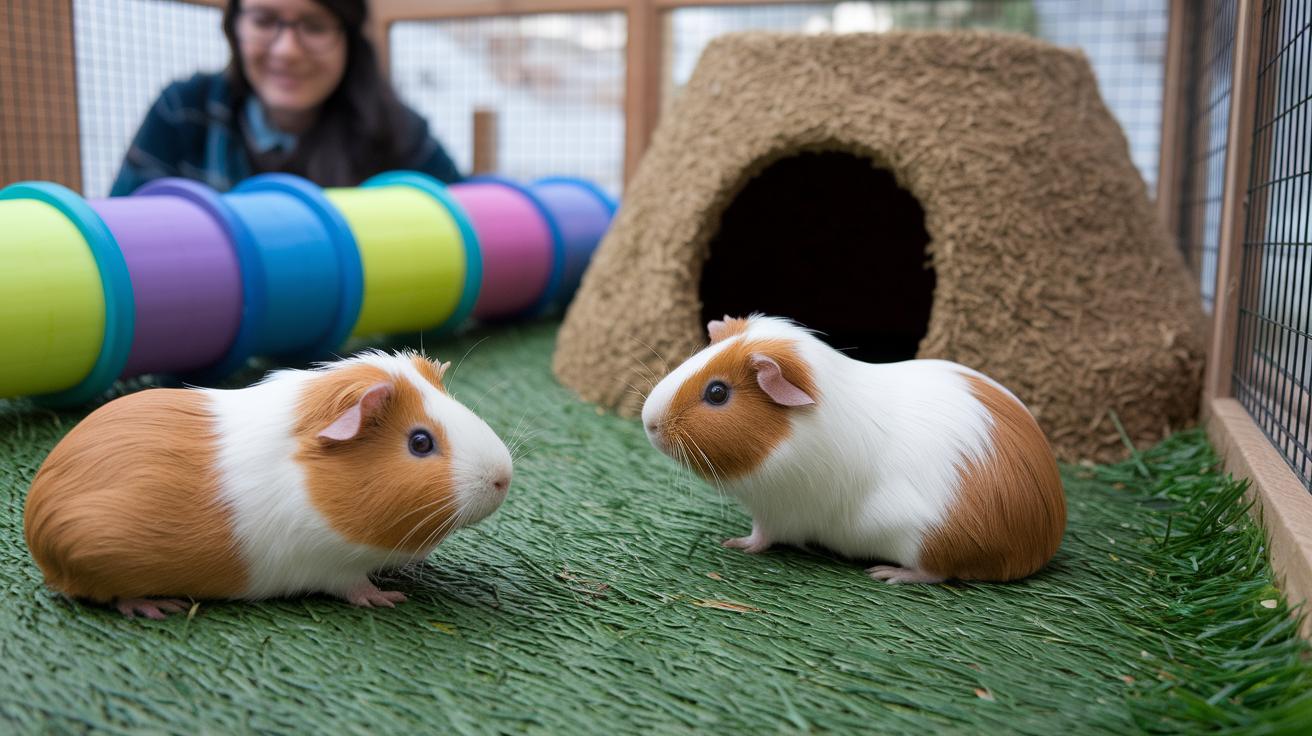
A fun and safe space matters a lot for your little guinea pig. When they have cool toys to chew on, cozy hideaways to relax in, and makeshift mazes made from things like cardboard or PVC tubes, they get a taste of real adventure. Having at least two guinea pigs means they can play together, share little secrets, and never feel lonely.
Spending time together in a playful setting helps build a warm bond between you and your pet. It’s during these moments that you might notice small changes in their behavior, like a tiny hint that they might need a little extra love or care.
Try to include about 20 to 30 minutes of supervised floor time every day in an area that’s safe for pets. This time gives your guinea pig a chance to explore, exercise, and enjoy a change in scenery.
Always pick toys made of non-toxic materials to keep them safe. Rotating their toys every week is a simple way to keep their world feeling fresh and exciting, sparking their curiosity every single day.
Understanding Guinea Pig Behavior and Communication
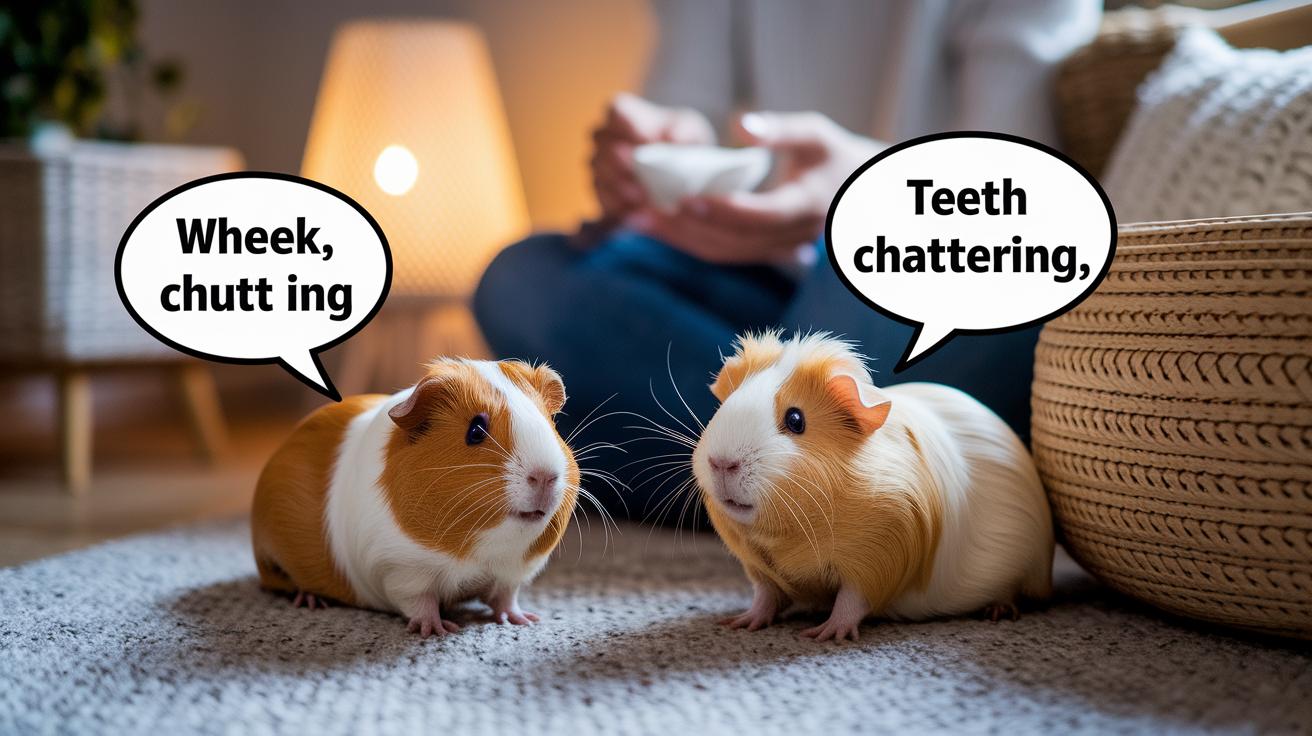
Watching your guinea pig is like reading a secret language that tells you exactly how they're feeling. Even the tiniest cues can show if your friend is happy, scared, or just in need of a cozy cuddle. Try observing them when they're active and notice if anything in their routine changes.
Your pet's little sounds are like messages from the heart. When you hear a wheek, it's their way of saying they're excited and ready for attention, a mini cheer of happiness. Soft chutting means they're calm and feel safe. But if you catch some teeth chattering, it might be because they're a bit frightened, like a quiet tremor before a leap. A quick chirp can be a short alarm of sudden distress, and a scream is a clear call for help, showing they really don't feel well.
Keep an eye on their body language too. When your guinea pig starts popcorning, those quick and joyful jumps, it shows they're in a playful mood. A sudden freeze can be a sign of fear, and when they rub against things, it's just their way of marking their territory. Noticing these little signals helps you give your pet the loving care they deserve.
Special Care for Baby, Pregnant, and Senior Guinea Pigs
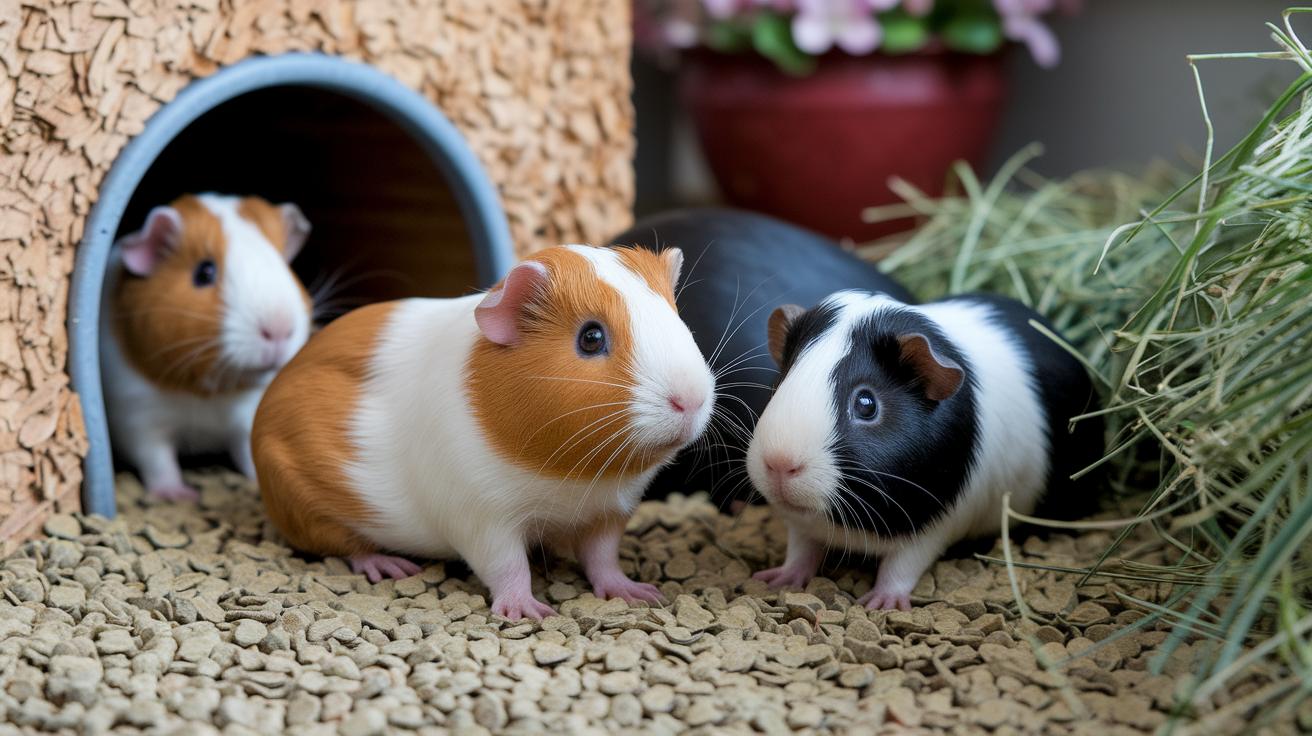
Young guinea pigs have their own unique needs to help them grow strong and happy. Baby cavies do best on a diet filled with alfalfa hay, which gives them the extra protein they need during their quick growth phases. Their pellets are adjusted to suit their age, and a roomy, secure habitat with soft bedding and plenty of cozy hideaways makes them feel safe and encourages playful exploration.
Juvenile Guinea Pig Care
For young cavies, it's best to feed them several times a day. Their meals should be rich in alfalfa hay, which not only helps them grow but also naturally wears down their ever-growing teeth. Spend a few minutes each day handling them gently, pet a little or let them play in a safe, enclosed area. This helps build trust and makes them feel more comfortable around you.
Pregnancy and Nursing
Expectant guinea pig moms need a bit more care during pregnancy. You might notice they eat more, put on a little extra weight, and sleep longer than usual. To support them, offer more nutrient-dense foods like alfalfa hay and adjust the pellet portions as needed. Make a secure nesting area with soft, clean bedding where they can feel safe. Keep an eye on both the mom and her pups, especially since pups usually stay with their mom for about three weeks until they're ready for weaning.
Senior Guinea Pig Support
Older guinea pigs appreciate a warm, low-stress environment that caters to their changing needs. Soft bedding and easily accessible hideouts are very important, especially if they have trouble moving around or seeing clearly. It also helps to check on them a couple of times a day to catch any early signs of health issues. This careful attention ensures these gentle companions spend their golden years in a safe and loving space.
Final Words
In the action of caring for a guinea pig, we explored daily routines, optimal habitat setup, balanced nutrition, grooming, and health checks, all essential for keeping your pet happy and safe. We also touched on social interaction, understanding behavior, and special care for different life stages.
By consistently applying these steps, you build trust and a loving environment for your pet. Remember, every small effort counts when learning how to care for a guinea pig, making each day brighter for both you and your furry friend.
FAQ
What should a proper guinea pig cage include?
The guinea pig cage should be spacious and secure, featuring safe bedding, a hay rack, water and food dishes, and toys to keep your pet comfortable and stimulated.
How do I take care of a guinea pig, whether I’m a beginner, indoors, or caring for a child’s pet?
Taking care of a guinea pig means providing a safe space, balanced diet, daily cleaning, and gentle handling. Whether you’re a beginner, indoors, or managing pet care for kids, a routine of feeding and social time is key.
What tasks belong on a guinea pig daily care checklist?
A guinea pig daily care checklist includes checking and refilling food and water, spot cleaning bedding, and offering brief social interaction to keep your pet healthy and happy.
How does a guinea pig care guide PDF help owners?
A guinea pig care guide PDF provides detailed instructions on diet, housing, grooming, and health tips, serving as a handy, ready-to-use reference for both new and experienced pet owners.
What are some reasons not to get a guinea pig?
The inquiry about reasons not to get a guinea pig reveals that these pets require a significant time and care commitment, a specific diet, daily cleaning, and attention to their social needs, which may not suit everyone.
What is the lifespan of a guinea pig?
The guinea pig lifespan typically ranges from 5 to 8 years when provided with proper nutrition, a clean habitat, and regular health checks to catch any issues early.
Are guinea pigs easy to care for?
Guinea pigs can be easy to care for if you maintain a consistent daily routine, proper diet, and regular handling; however, they do require commitment and attention to detail.
What should I avoid doing when owning a guinea pig?
When owning a guinea pig, avoid neglecting regular cleaning, improper feeding, harsh handling, and exposing your pet to dangerous drafts or food, as these can harm their well-being.
How often should you hold your guinea pig?
The recommendation is to hold your guinea pig daily for short periods; gentle, regular handling helps build trust and ensures they feel safe and cared for.
Should I cover my guinea pig cage at night?
Covering the guinea pig cage at night can provide a cozy retreat, but it’s important to ensure there’s proper ventilation so your pet stays comfortable while they sleep.
What defines a proper guinea pig habitat?
A proper guinea pig habitat includes a roomy cage in a quiet area, outfitted with safe bedding, a hay rack, water bowls, food dishes, and play areas to encourage healthy exploration.
What kind of bedding is best for a guinea pig?
Guinea pig bedding should be soft and non-toxic, such as paper-based products, aspen shavings, or hemp pellets—avoiding cedar or pine—to promote a healthy environment and reduce respiratory risks.