
Ever wonder why your dog sometimes seems to ignore you while at other times he runs back like lightning? Studies show that practicing recall can really help keep your pup safe and make your bond stronger.
Think about it this way: using simple commands paired with a tasty treat can turn every call into a happy little moment, kind of like sharing a fun story with a good friend.
In this post, we’re excited to share some friendly tips that mix clear commands with a bit of fun. Soon, you and your furry buddy will enjoy a recall routine that feels natural, safe, and full of joy.
Master the Fundamentals of Effective Dog Recall Training
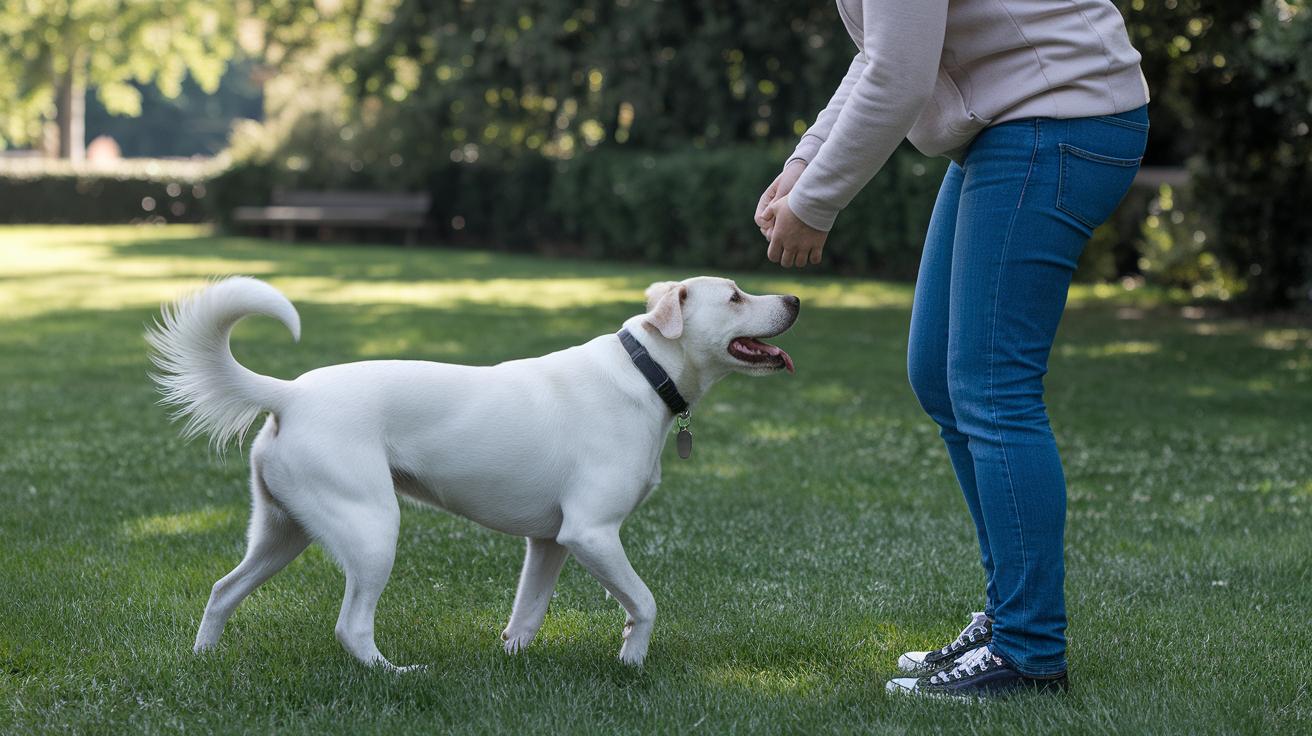
When your dog runs back to you when called, that's recall in action, a simple chain reaction that starts with a clear cue and ends with your pet's safe return. A strong recall not only protects your furry friend from dangers but also deepens the bond you share. It’s a bit like that favorite bedtime story that always wraps up in a comforting, happy way.
Choosing one clear word or sound is key. Try pairing a short cue with your dog’s name, like "Bella, come!" This helps avoid any mix-ups and makes sure your dog understands what you mean from the get-go. Begin with small, tasty rewards such as cooked chicken and keep sessions short (around 5 to 10 minutes), so your dog quickly learns that coming back to you is a treat.
Regular, quick practices work best for building a strong recall. Each time your pup responds, mark the moment with a clicker or a quick “Yes!” This little celebration tells your dog they did a great job. Keeping these sessions fun and frequent will help your dog respond consistently, whether you're at home or out enjoying a busy park day.
Selecting and Introducing Clear Recall Cues for Reliable Responses
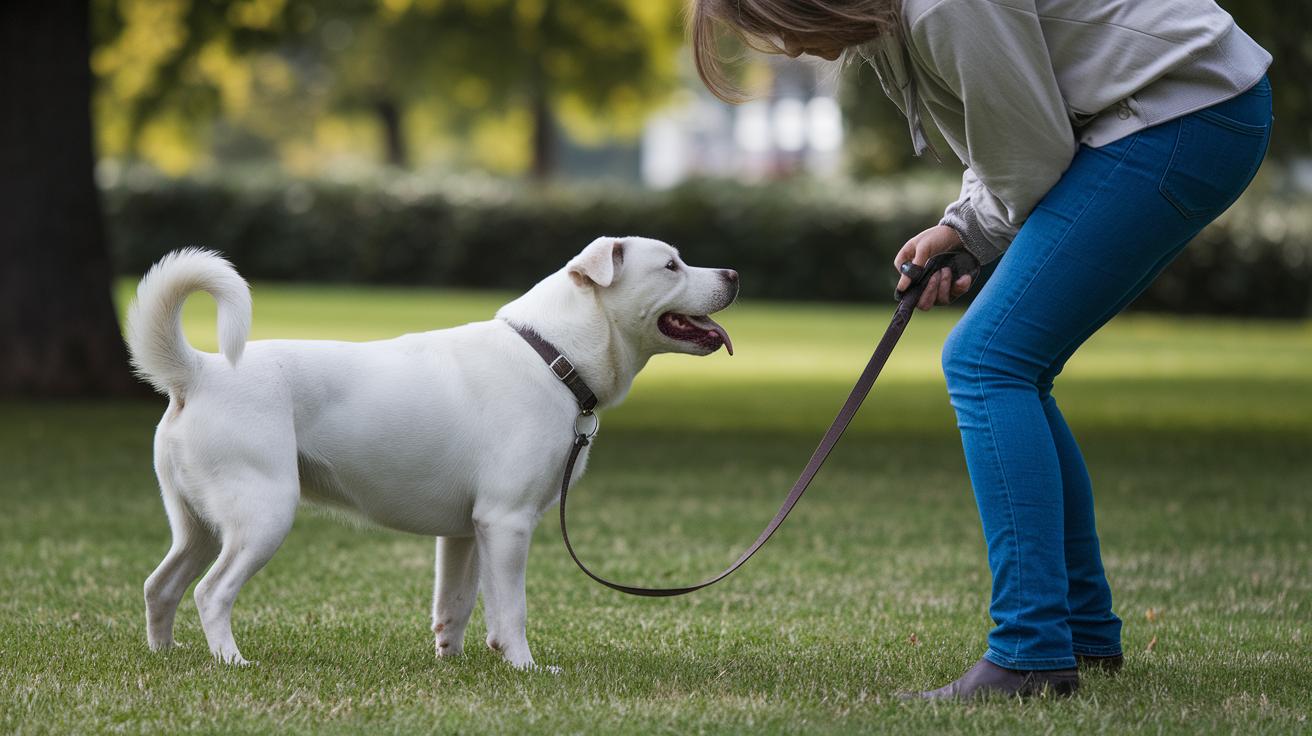
Build a recall system that combines both spoken and signal cues. Use the same friendly tone and steady volume every time, and sometimes include your dog's name with the cue. This consistent approach keeps things simple and strengthens the bond you share with your pet. For example, you could say, "Before becoming a top service dog, Rex always responded immediately to his warm, clear 'come' command."
Verbal Recall Commands
Pick one short, simple word to call your dog and stick with it. Using the same tone and volume makes it easier for your dog to learn quickly. For instance, try a calm, steady, "Bella, come!"
Whistle and Clicker Signals
Sometimes it helps to use nonverbal signals like a whistle or a clicker, especially when things around are quiet. Pair these cues with your familiar vocal tone so your dog knows just what to do. Imagine a crisp, gentle whistle guiding your furry friend like a familiar call.
Name-Command Association
Make your recall even clearer by saying your dog's name before the command. Keep your tone and volume consistent so your pet instantly connects their name with the action. Saying, "Max, come!" helps create that immediate link between their name and the command.
Building Recall with Positive Reinforcement and Reward-Driven Techniques

Ever notice how your pup's tail wags with excitement when a treat is on the way? Using a top-notch treat at that perfect moment, right when your dog turns to you, can really make a difference. The trick is to reward immediately; when your dog starts coming back, mark it with a clicker or a happy "Yes!" so they know each step toward you is worth celebrating.
Begin with a 1:1 treat ratio to build a strong recall behavior. As your furry friend gets the hang of it, gradually cut back on the treats while keeping the praise flowing. This helps them move from depending on lures to naturally coming back when called.
It’s important to fade the lures slowly to keep your dog motivated. At first, don’t hold back on the treats, each successful recall should feel like a mini celebration. Once your dog masters this, try adding a little delay or increasing the distance between you two. This not only challenges your pet to work a bit harder but also makes sure they always link the recall command with something fun and tasty. Remember, the goal is for your dog to feel that the reward is always close, even if it isn’t immediately in sight.
Here are some treat ideas to keep your training fun and tasty:
- Cooked chicken bites
- Freeze-dried liver
- Cheese cubes
- Hot-dog pieces
- Salmon treats
- Peanut butter dots
- Commercial soft dog treats
Once your dog reliably responds, switch to random treat rewards while still using your clicker or marker. This surprise approach keeps the recall strong and fresh, making each return feel like a delightful treat adventure.
Progressing to Off-Leash and Distance-Based Recall Training
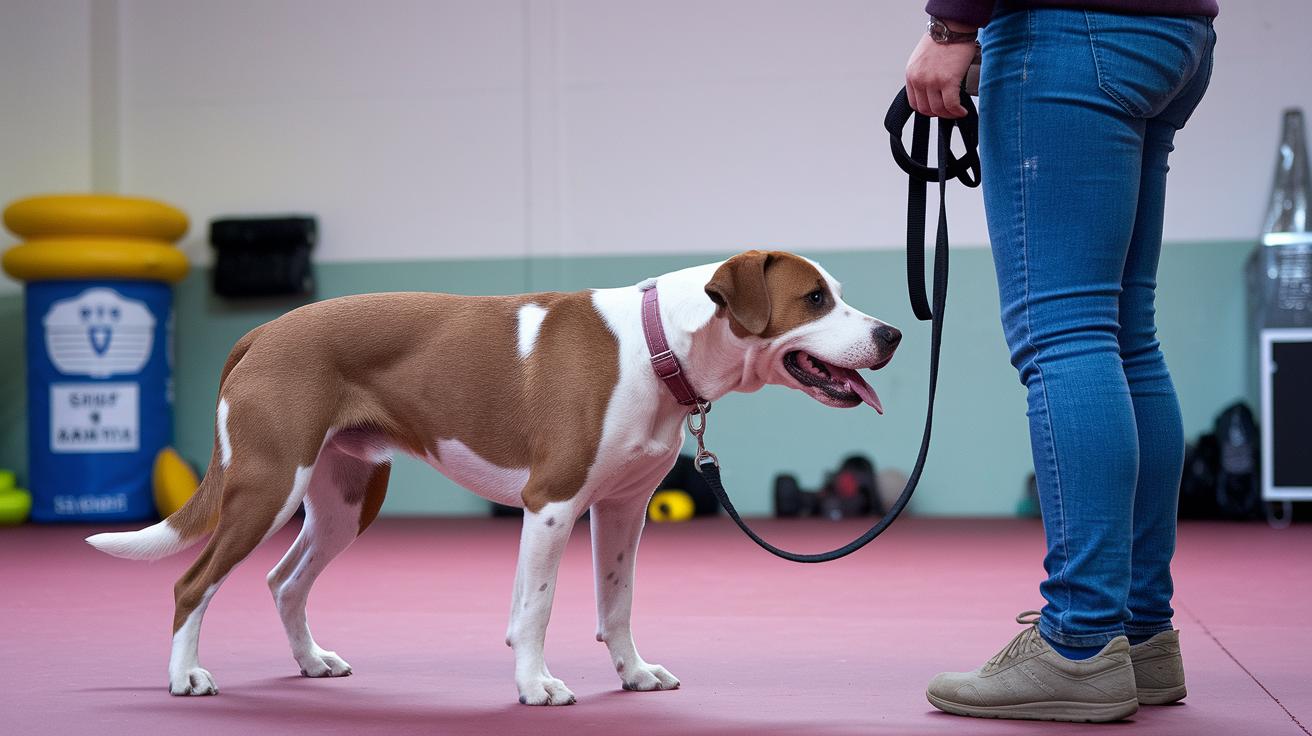
Transitioning your dog from on-leash recall to off-leash freedom is all about taking small, careful steps. Start with brief indoor sessions in a quiet space where your dog can focus just on you. Only move ahead when your pet reliably returns, aiming for that 90% success rate every time. This slow, steady process builds trust and gets your dog ready for trickier outdoor settings. And don’t forget to use a long line when you head outside so you can stay in control as distractions pop up.
Level 1: Indoor Controlled Sessions
Begin training inside where distractions are few. Keep the space small so your furry friend tunes in to your voice. Picture a calm room where your pet hears your calls clearly without any extra noise. This step is key for helping your dog connect the recall cue with a fun reward, all in a safe, controlled spot.
Level 2: Fenced Yard or Long-Line Work
Next, take your training to a quiet, fenced yard or a peaceful park, using a 15- to 30-foot long line. In this setting, mild distractions can make the recall a bit tougher but still let you maintain control. Think of it like a relaxed game where your dog learns to listen even when there are new smells and sights around.
Level 3: Public and Distracting Environments
Finally, step up your training in busy public areas like parks or urban spots. Here, real-world noises and people will really test your dog’s recall skills. Keep the long line in place until your pet consistently responds to your call every time. This final step locks in the behavior, ensuring your dog safely comes back to you no matter where you are.
Managing Distractions and Real-World Recall Scenarios
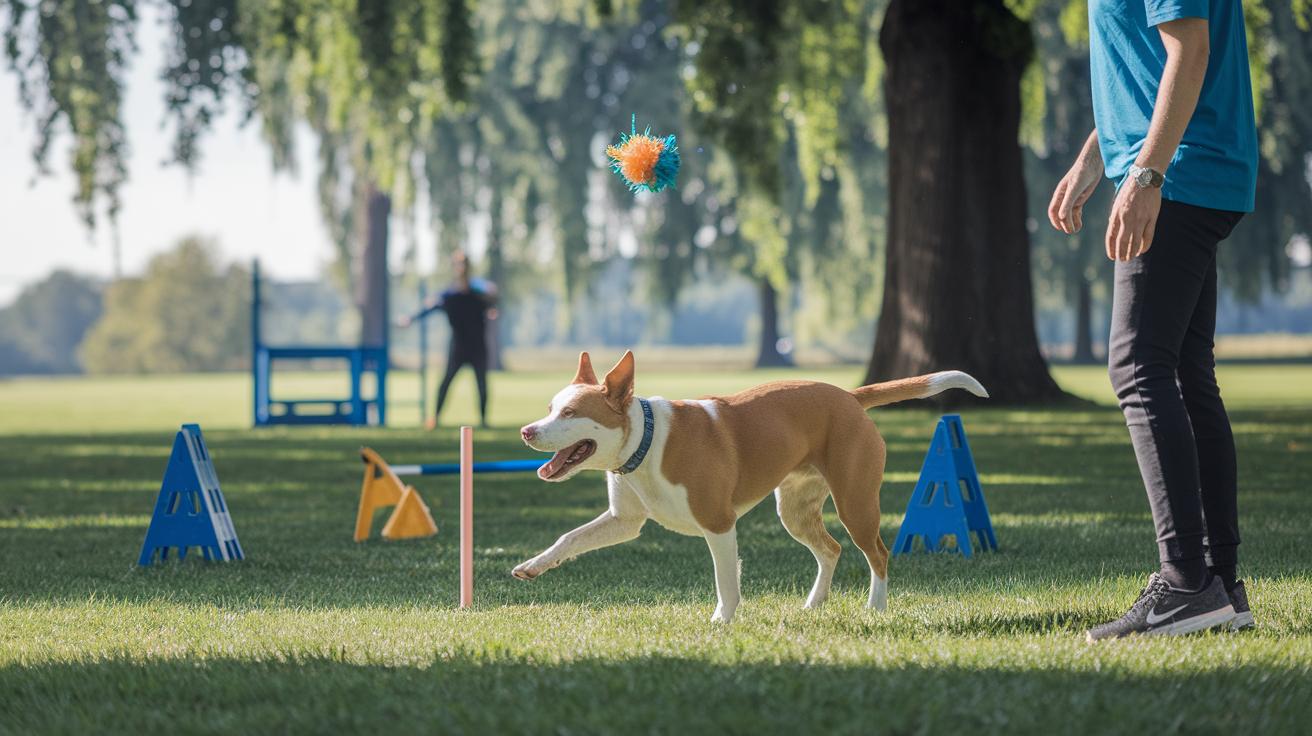
Sometimes dogs might not come back when there’s too much action around them. If you’re training in public areas, start in a peaceful park and slowly add little distractions. This step-by-step method helps your dog feel comfortable in different places while making coming back a fun habit.
Try turning training into a playful game. For example, you can have a quick recall race where your dog dashes after a toy or treat, even in a slightly busy spot. Adding simple obstacles or small challenges taps into your pup’s natural curiosity and makes training feel like a game.
It also helps to practice with different background sounds, like the soft hum of distant traffic or the murmur of a small crowd. This way, your dog learns that no matter what’s happening around them, coming back to you is always the best choice.
| Distraction Level | Strategy | Reward Type |
|---|---|---|
| Mild | Increase distance in quiet area | Standard treat |
| Moderate | Add one distraction (toy or dog) | High-value treat |
| High | Simulate real-world noises/traffic | Premium treat |
Troubleshooting Common Recall Challenges and Errors
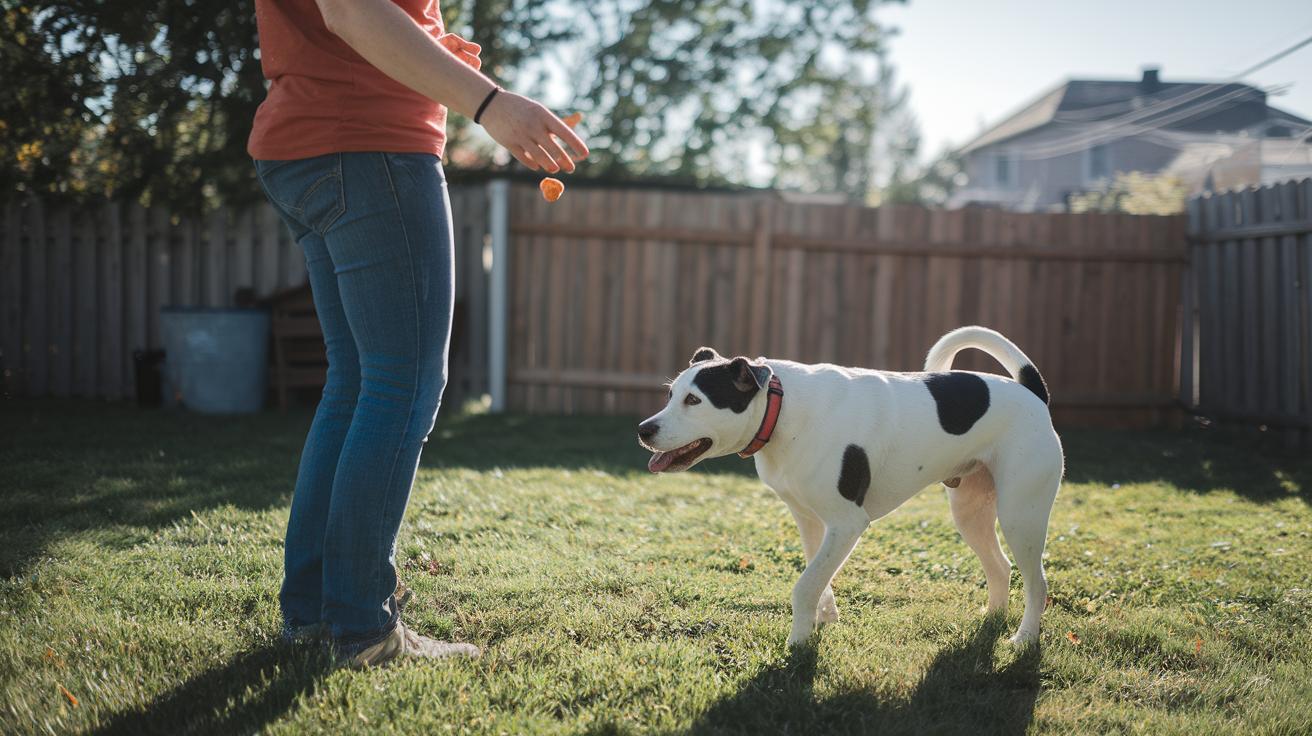
If your dog hesitates before coming, gets sidetracked, or even runs past you, it might mean something’s not quite right with your training. Spotting these signs early on helps you figure out if your pup is just a little distracted or if the recall cue has lost its spark.
Sometimes, backing up to an earlier stage in training can be a game changer. If your dog finds longer distances or extra distractions too tough, try reducing the distance and training in a quieter spot. Adding extra rewards, and even a quick sit-stay before the call, can really help keep their focus.
There are times when a lack of enthusiasm can make recall harder. Sprucing things up with really tasty treats or turning practice into a fun game can re-energize your furry friend. Often, combining repetition with a few bonus treats can transform a difficult session into an engaging one.
And remember, keeping things positive is key. Instead of punishing missed recalls, stay supportive so your dog keeps feeling safe and excited to learn.
Creating a Sustainable Recall Training Plan and Continued Progression
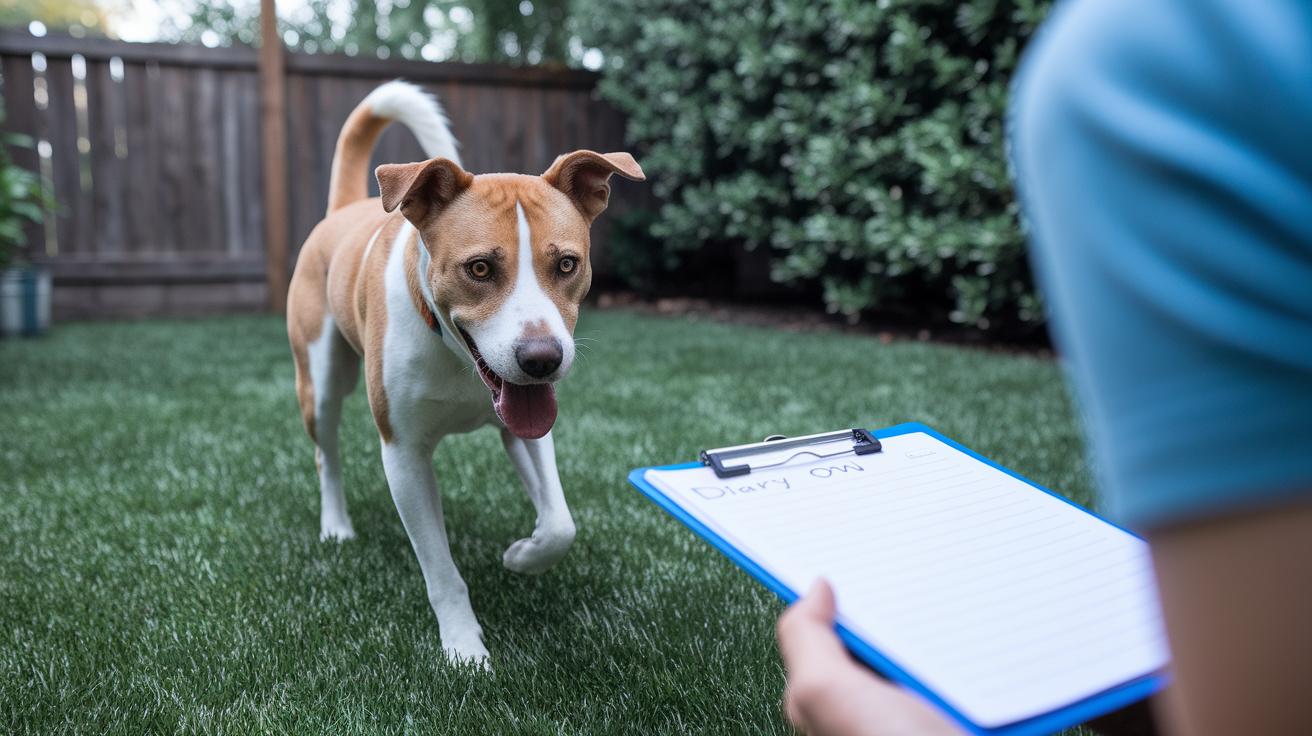
Start by setting aside a few focused minutes, about 3 to 5 each time, two or three times a day, for recall drills. Keeping these sessions short lets your dog learn slowly and helps build a reliable "come here" habit. For instance, after a morning walk, you might do a quick 3-minute drill with a few fun treats, making every moment count.
Next, try keeping a simple training diary to track how well your dog does. Write down the percentage of times they come back when called. This little log will show you how much progress is being made and help you decide when to add a bit more challenge. Imagine jotting down, "Today, Bella answered 90% of the time; tomorrow, we add a tiny distraction." It turns numbers into a friendly guide for improvement.
Finally, mix recall drills into your everyday routines, whether during walks, play, or even before mealtime. This way, training becomes a natural part of your dog's day and helps keep the habit strong. Perhaps you sneak in a fun recall game while playing, or use the cue right before feeding. It makes learning feel easy and enjoyable for both of you.
Final Words
In the action, the blog post broke down the recall training process, from setting a clear cue and rewarding consistency to tackling off-leash challenges and managing distractions. Each section offered step-by-step guidance, practical reward options, and tips to troubleshoot common issues, helping to build a stronger bond and ensure safety.
These effective dog recall training tips can boost your confidence and lead to many joyful training sessions with your pet. Keep the momentum going and celebrate every small win along the way.
FAQ
What are effective dog recall training tips from online resources?
Effective dog recall training tips include using a clear, consistent cue, starting in low-distraction settings, and gradually increasing challenges. Online sources like reddit or detailed PDFs can offer practical advice from experienced pet lovers.
How does one teach recall to a stubborn dog or handle it when ignored?
Teaching a stubborn dog recall means starting with small steps, high-value rewards, and short sessions. When a dog ignores recall, reduce distractions and return to basic exercises before increasing challenge.
How do I train dog recall when distractions are present?
Training recall amidst distractions means beginning in a calm setting and slowly moving to busier areas. A long lead helps maintain control while you reinforce a clear, consistent recall command with rewards.
What are good recall words for dogs?
Good recall words for dogs are simple and one-syllable, like “come,” often paired with your dog’s name. A consistent tone and clear pronunciation help build a strong, reliable recall response.
How should I use a long lead or leash during dog recall training?
Using a long lead or leash in recall training lets your dog explore safely while still under control. This method allows gradual exposure to distractions and builds trust and confidence in the recall command.
How long does dog recall training typically take?
Dog recall training duration varies by dog, but many start showing progress within a few weeks. Consistent, short, positive sessions are key, and ongoing practice is required to maintain a reliable recall.
What is the best way to teach my dog recall?
The best way to teach recall is through clear, consistent cues paired with high-value rewards in low-distraction environments. Gradually increase challenges to make the process fun and effective.
What is the 7-7-7 rule for dogs?
The 7-7-7 rule suggests practicing recall for seven seconds, seven minutes, and even seven hours in various forms throughout the day, ensuring frequent, varied practice to make recall instinctive.
How should I handle a situation when my dog doesn’t recall?
If your dog doesn’t recall, avoid punishment. Instead, lower distractions, simplify the exercise, and reward any progress. This helps rebuild trust and reinforces positive recall behavior over time.