
Ever wonder if you're giving your pup too many baths? Experts say that most dogs feel best with a bath every two weeks. Regular baths wash away dirt and allergens, leaving your pet's coat shiny and their skin healthy. Of course, if your furry friend loves muddy adventures, you might need to adjust the schedule. Finding a balance is key to keeping your dog both clean and happy. Let's chat about how to create a bathing routine that fits perfectly with your dog's lifestyle.
Establishing the Right Schedule to Bathe Your Dog
Did you know that many dog experts say your pup is happiest when bathed every two weeks? This schedule helps wash away dirt, allergens, and odors while keeping their coat shiny and their skin healthy. For dogs that mostly stay indoors, a bath every 4 to 6 weeks is usually just fine, unless they get really messy or start to smell. But if your dog loves running on muddy trails or splashing around during outdoor adventures, you might want to bathe them more often.
When it comes to choosing the right bath routine, stick with shampoos made just for dogs instead of using human products. Human shampoos can upset your dog’s skin balance, which might cause dryness or irritation. For adult dogs that get bathed regularly, picking a shampoo with good-quality ingredients is super important. Sure, weekly baths can work if the shampoo is gentle, but if you notice your dog’s fur becoming dry or if their skin seems irritated, it might be a sign to take it easy on the baths.
Seasons can also change the game. In warm weather, you might need to freshen up your pup a bit more because of sweat, dirt, and allergens. During the cooler months, though, it’s best to let their natural oils do their thing. Keeping a consistent bathing schedule is part of a bigger plan to help your pet stay healthy inside and out.
Regular baths not only keep your dog looking and feeling fresh but also support a healthy, happy skin. Isn't it great that a little extra care can make such a big difference for your best friend?
Tailoring Bath Frequency to Your Dog’s Breed and Coat Type
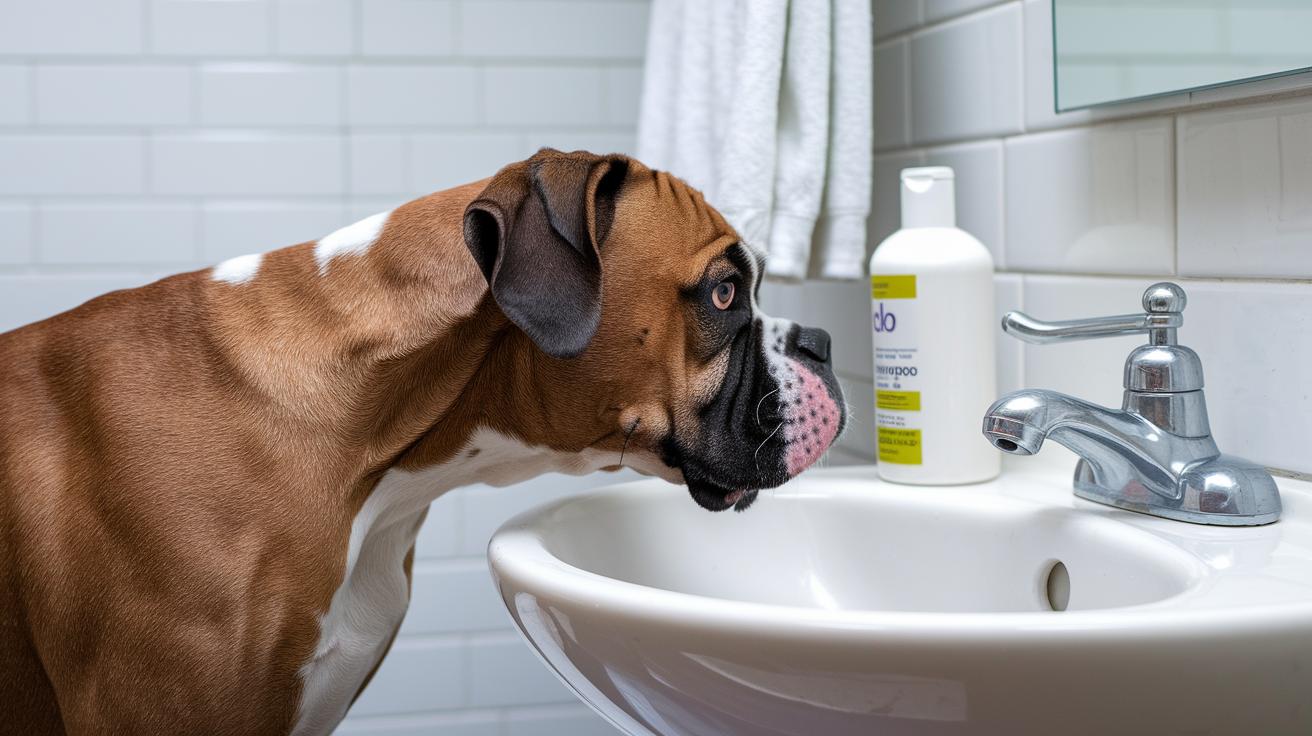
When it comes to bathing your dog, the right schedule really depends on their breed and coat type. For instance, dogs with short, smooth coats like Boxers or Beagles usually need baths less often. If your playful Boxer starts to smell, it might be time for a wash, but if it's still looking and feeling fine, there’s no need to bathe it too frequently.
For pups with long or double coats, such as Huskies or Golden Retrievers, regular brushing is super important. Brushing helps remove loose hair and untangles knots, which can sometimes be all they need to stay clean. Bathing these dogs too often might wash away the natural oils that keep their coats shiny and healthy. Think of it like washing your own hair, over-washing can leave it dry.
Dogs with medium-length coats usually do well with a bath every 3 to 4 weeks. This routine helps keep their coat balanced, preserving the oils that are essential for a healthy shine.
If your dog has sensitive skin, like many Poodles might, it's best to follow the suggestions of a trusted groomer. They can give you breed-specific tips on how often to give your furry friend a spa day without irritating their skin.
• Short-haired breeds: need fewer baths
• Medium-coated breeds: about every 3–4 weeks
• Long or double-coated breeds: focus on regular brushing rather than frequent baths
• Skin-sensitive breeds: stick to professional advice
Considering Lifestyle and Health Factors in Your Dog’s Bath Schedule
Our energetic pups that love outdoor adventures often need baths more often. If your furry friend enjoys splashing in ponds or rolling around in mud, a good shampoo bath will wash away dirt, allergens, and bacteria from all that fun. And if your dog has areas like ears, paws, or skin folds that tend to stay damp, a little extra cleaning there helps keep infections away.
Sometimes, dogs with food or environmental allergies have extra sensitive skin. In those cases, a medicated or hypoallergenic shampoo can really work wonders. For pups dealing with issues like dermatitis, it’s important to follow a vet-approved routine so their skin stays calm without losing its natural oils.
Here’s a quick guide to some common situations and what you might do:
| Situation | Action |
|---|---|
| Mud and dirt from outdoor play | Give a thorough shampoo bath |
| Chlorine or saltwater exposure | Rinse with fresh water |
| Flea/tick treatment needs | Use a medicated dip or shampoo |
| Allergy flare-ups | Opt for a hypoallergenic shampoo session |
| Excessive sweating in hot weather | Try a brief rinse or dry shampoo |
Balancing bath time with your dog’s lifestyle and health needs is key to keeping them comfortable and avoiding skin issues. It’s a bit like making sure you get the right break after a long day in the sun. Ever notice how a quick wash can make your pet’s tail wag just a little faster?
Balancing Benefits and Risks of Dog Bathing Frequency
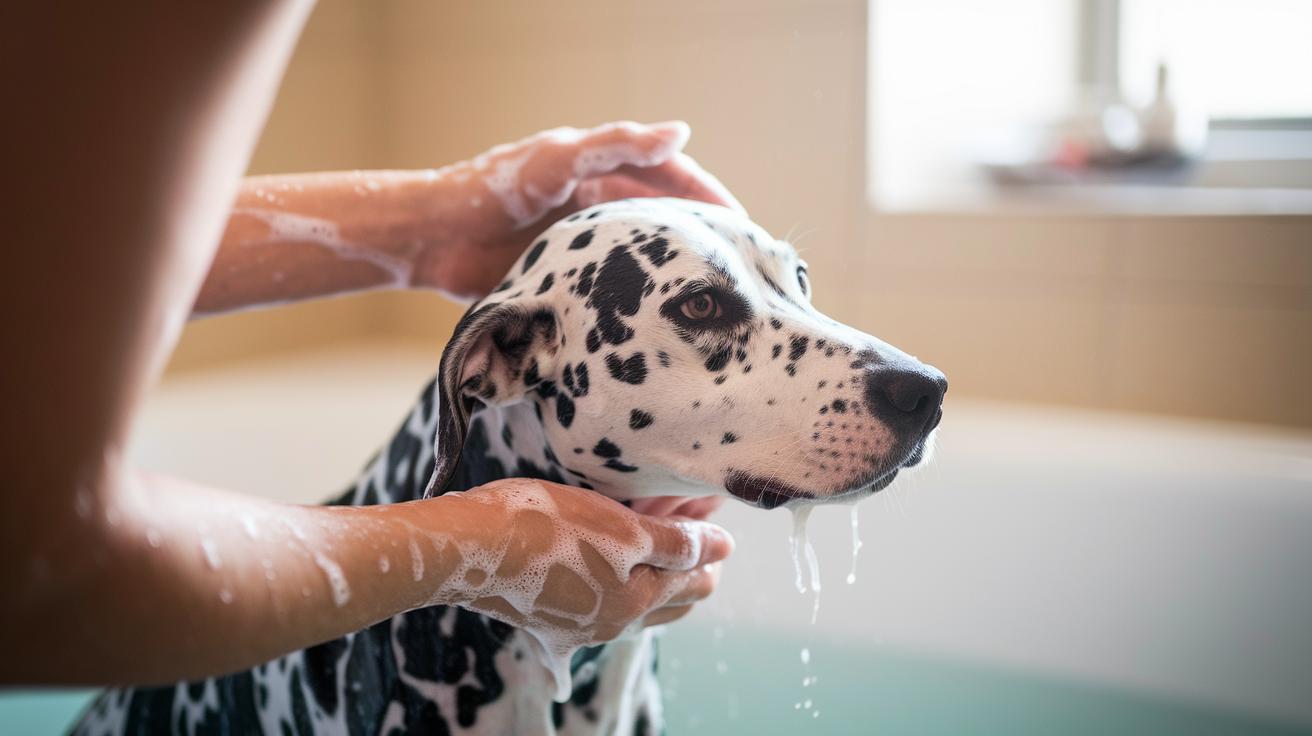
When you bathe your dog with a gentle, pet-safe cleanser, you help wash away dirt, allergens, and unwanted smells. This simple step also eases any mild itchiness. But be careful, using strong detergents too often can take away the natural oils that protect your dog's skin. Think about it like watering a plant: too much water can really drain its energy.
Different seasons mean different needs. In summer, more baths can help clear off sweat and muddy messes. In winter, it's better to let your dog's natural oils keep its coat soft and moisturized.
Keep an eye on your dog's skin and fur. If they are very active or naturally oily, you might need to change how often you bathe them. Always choose mild, pet-safe products to keep your furry friend both comfortable and healthy.
Best Practices and Alternatives for Bathing Your Dog
When bath time comes, start by checking the water’s temperature to make sure it’s lukewarm and comfy. It’s just like setting up a mini spa for your pup, where each gentle splash promises a relaxing treat. Before you wet your dog completely, take a moment to test the water so that it’s not too hot or too cold for their sensitive skin.
Next, pick a shampoo made just for dogs that doesn’t contain any soap. It’s a good idea to do a little patch test on a small spot of their skin first. Options like Dermcare, Virbac, or Blackmore’s are known to be gentle while keeping the pH level in balance. These shampoos clean your pup and help keep their coat shiny and healthy.
After washing, dry your dog well with a towel or use a blow dryer on a low setting so their skin stays safe from moisture issues. Sometimes, a quick water-only rinse can do the trick between full baths. And if your dog isn’t really up for another full bath, grooming wipes or a dry shampoo spray can freshen up their coat without the hassle.
Keep things calm and steady, turning bath time from a chore into a pleasant bonding moment. Also, try having short and frequent grooming sessions at home to keep your dog comfortable and their coat looking fresh every day.
Final Words
In the action, this guide has explored a solid canine hygiene schedule. We covered key points like bathing routines for various coat types and how lifestyle and health factors might change your routine.
We looked at balancing the benefits and risks of washing, plus best practices and alternatives to keep your pet feeling great. With these tips, you now have a clear picture of how often should you bathe your dog, ensuring your furry friend stays clean, happy, and healthy every season.
FAQ
Frequently Asked Questions
How often should you bathe your cat?
The frequency of cat baths depends on their needs. Generally, cats groom themselves well and only need a bath when they are extremely dirty or have a skin issue.
How often should you bathe your dog according to Reddit?
The Reddit community suggests that most dogs be bathed every 2 to 4 weeks, though factors like coat type, activity, and health can adjust that schedule.
How often should I bathe my short-haired dog?
A short-haired dog typically benefits from a bath every 3 to 4 weeks, unless they become very dirty or start to smell, then a more frequent wash might be needed.
How often should you bathe your Golden Retriever?
Golden Retrievers usually need a bath about once a month, but outdoor play and seasonal weather may require adjusting the schedule to keep their coat clean and healthy.
How often should you bathe your dog with allergies?
A dog with allergies may need bathing every 2 to 4 weeks using a hypoallergenic, soap-free shampoo, as recommended by your vet, to help soothe their irritated skin.
How often should I bathe my dog Shih Tzu?
Shih Tzus generally require a bath every 3 to 4 weeks to keep their coat healthy and reduce the risk of skin irritations and tangles.
How often should you bathe your dog with fleas?
For dogs with fleas, baths might be needed weekly with a medicated shampoo, alongside proper flea treatments, to help control the infestation and soothe the skin.
Can I bathe my dog once a week?
Yes, bathing your dog once a week is acceptable if you use a gentle, soap-free shampoo and monitor their coat condition to avoid stripping away natural oils.
How often should you give your indoor dog a bath?
Typically, an indoor dog needs a bath every 4 to 6 weeks unless they become noticeably dirty or develop an odor, which might call for an earlier wash.
What is overbathing a dog?
Overbathing a dog means washing too frequently, which strips the natural oils from their coat and skin, potentially leading to dryness, irritation, and flakiness.
How do you know when your dog needs a bath?
You can tell your dog needs a bath if you notice a strong odor, visible dirt, skin redness or irritation, or if their coat looks greasy or matted.