
Have you ever thought about the best time to take your pet to the vet? It’s a bit like getting your car tuned up so you catch little issues before they become big problems.
Regular visits let you notice changes like weight shifts, small heart problems, or even tiny changes in your pet’s usual behavior. These little signs can help you spot a potential trouble spot early on.
Whether your pet is just starting out, in the middle of their playful years, or enjoying those cherished golden years, knowing when to visit the vet can keep them happy and healthy.
Let’s chat about how the right timing for checkups can make all the difference in your pet’s care journey.
Pinpointing the Best Time to Schedule a Pet Checkup
Adults pets do best with a yearly checkup at the vet. This visit helps set a clear health baseline by checking simple things like weight, heart, and lungs so you can notice changes quickly.
Puppies, kittens, and older pets need a bit of a different plan. Young pets often visit several times in their first few months for vaccinations, growth checks, and to see how they're developing. Older pets might need to see the vet twice a year, as they can be more prone to health issues. And if your pet has a chronic condition, your vet will create a special schedule just for them.
It’s important to watch for shifts in behavior or health. Ever notice your usually energetic dog seeming tired quicker or your playful cat acting sluggish? Changes in appetite, sudden weight changes, or lower energy can be small signs that something isn’t right. Early checkups help catch these issues before they turn into bigger problems, keeping treatment less invasive and your pet happier longer.
Age-Based Schedule for Your Pet Checkup: Puppies, Adults, Seniors
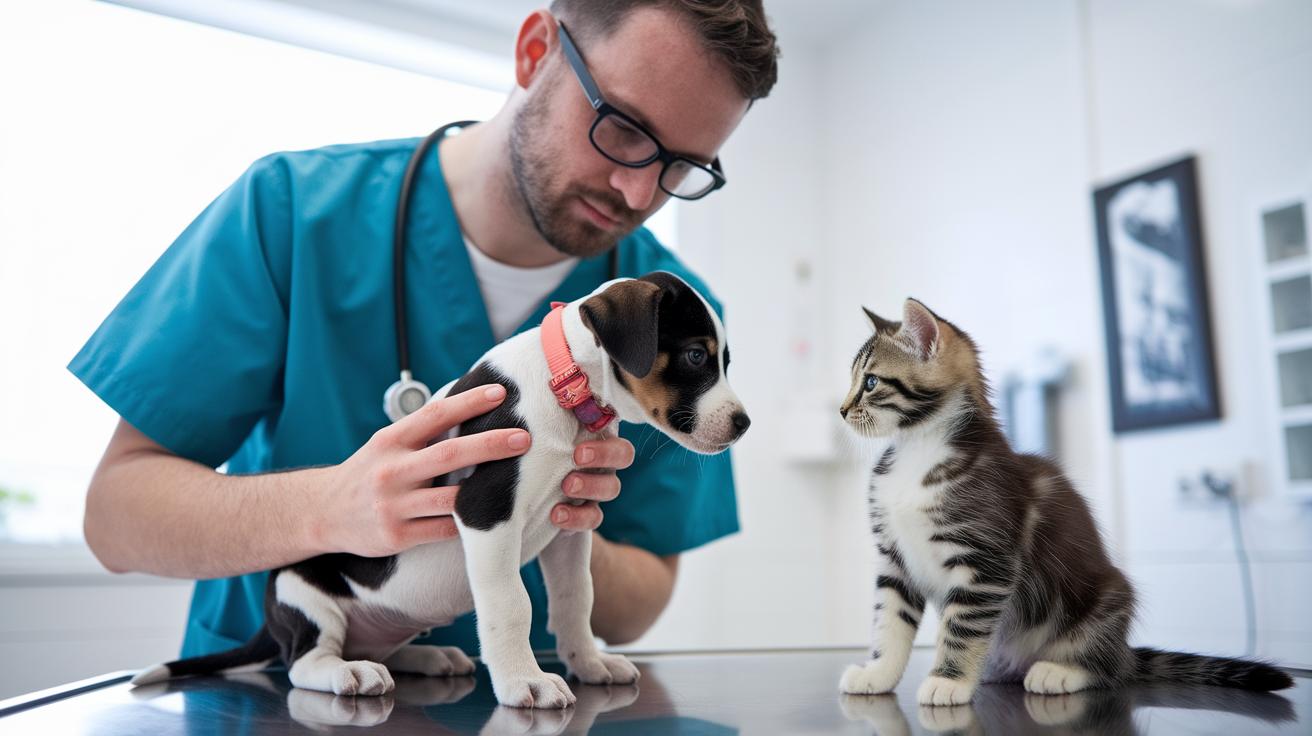
Pets grow and change over time, so their checkup schedule should match their stage of life. For puppies and kittens, visiting the vet several times in the first few months is important to stay up-to-date on vaccines and ensure they are growing well. Think of it like taking care of a small plant that needs regular watering to thrive.
Adult pets usually do well with a yearly exam, where the vet updates vaccines and checks basics like weight and heart rate. This helps catch any small changes before they become bigger issues. Senior pets, on the other hand, may need a visit every six months. These extra checkups help monitor conditions like arthritis or heart problems, and the schedule can be adjusted based on each pet's unique health history.
Seasonal Scheduling Strategies for Pet Checkups
Each season brings its own challenges for your pet, just like changes in the weather affect how we feel. It might be allergies in spring or the risk of heat stress in summer. By planning your pet's checkups to match the seasons, you can catch little issues early and help your furry friend feel great all year long.
- Spring – Watch for signs of allergies and parasites. This can be the time when you see a bit of skin irritation or watery eyes on your pet. A visit for an allergy test or trying a medicated shampoo can really help ease their discomfort.
- Summer – Keep an eye on heat stress and hydration. When it’s hot out, try to avoid long walks during the peak heat. And remember, always have fresh water available so your pet stays cool.
- Fall – Focus on weight management and joint health. As the weather cools down, your pet might not be as active. A few changes to their diet and some gentle, low-impact exercises can help prevent extra weight and support their joints.
- Winter – Concentrate on skin and coat care. Cold, dry air can leave your pet with itchy skin. Moisturizing shampoos or omega-3 supplements might just be the trick to keeping their coat smooth and shiny.
Regular checkups each season not only help you spot small changes in your pet's health but also let you take action before a tiny issue becomes a big problem. Isn’t it nice to know you’re giving your pet the best care no matter the season?
Signs That It's Time to Schedule a Pet Checkup
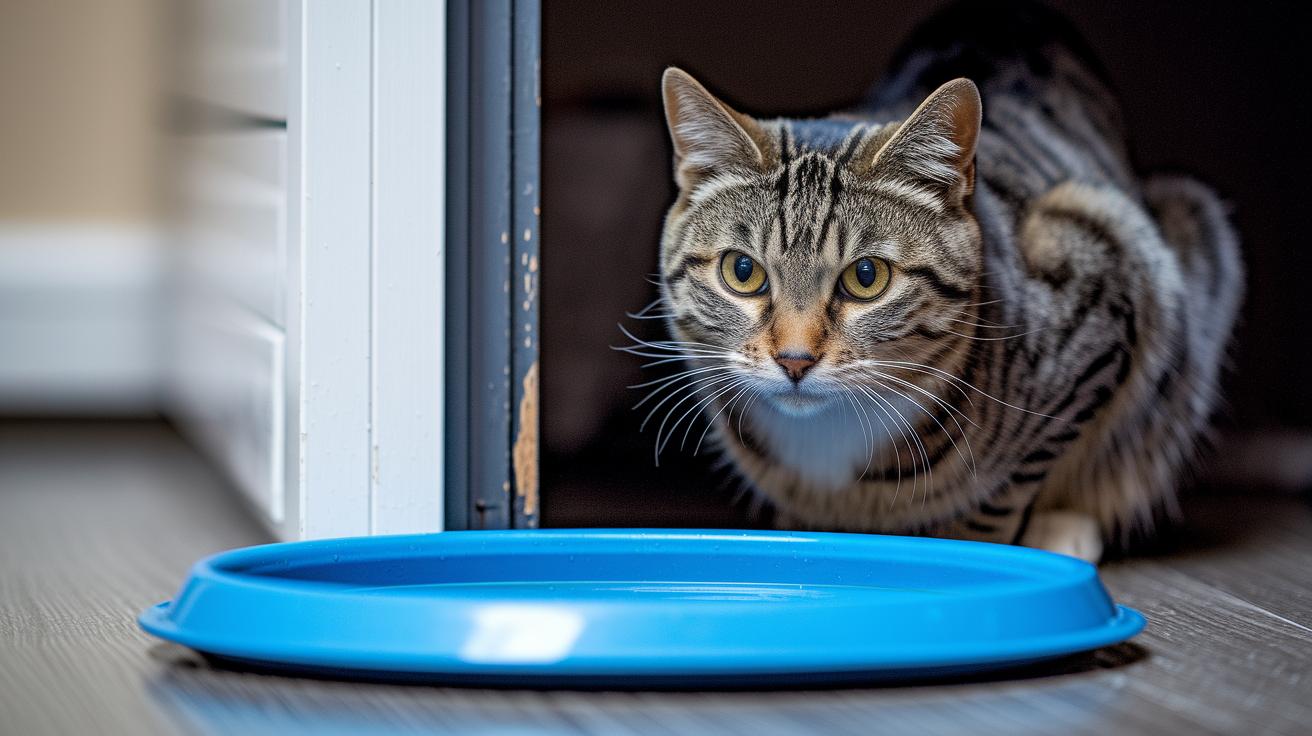
Keep an eye out for behaviors that seem a bit off. If your pet, once full of energy and playfulness, suddenly becomes slow or avoids their favorite pastimes, it might be a sign that something isn't quite right. You may notice occasional limps, extra hiding, or odd grooming habits. Imagine your cat, who used to lounge happily in a sunny spot, now preferring a quiet, dark corner, it could mean they are feeling pain or discomfort.
Also, pay attention to subtle physical changes. Watch for unexpected weight loss or gain, changes in how much water they drink, uneven breathing, or shifts in the look of their gums or coat. For example, if your dog seems less lively and starts reaching for water more often, it might point to a change in their health. Simple at-home checks like weighing your pet weekly, noting the texture of their coat, brushing their teeth regularly, or observing their breathing patterns can give you helpful clues about when it’s time to schedule a vet visit.
Planning Your Pet Checkup Appointment: What to Prepare
Getting your pet ready for a checkup can make the visit much smoother. A little planning beforehand means both you and your pet feel at ease and you make the most of the time with your vet. When you arrive, the friendly reception will check you in and note your pet’s details. Then, a technician will ask about your pet’s food, exercise, habits, and behavior, which helps create a care plan that fits perfectly.
Before you head out, try these steps:
- Gather your pet’s vaccination and medical records.
- Note any changes in behavior, diet, or habits in a small journal.
- Write down any health questions or concerns.
- Collect any needed samples, like stool or urine, if your vet has asked for them.
- Double-check your appointment time, location, and any pre-visit instructions.
Preparing like this can really cut down on stress during the visit and makes it easier for your vet to spot any changes. You might even get a tip on a trusted clinic, such as the Pet Health Clinic, when you schedule your appointment. With your records and questions ready, you're set for a visit that gives your pet the best care possible.
What to Expect During a Scheduled Pet Checkup
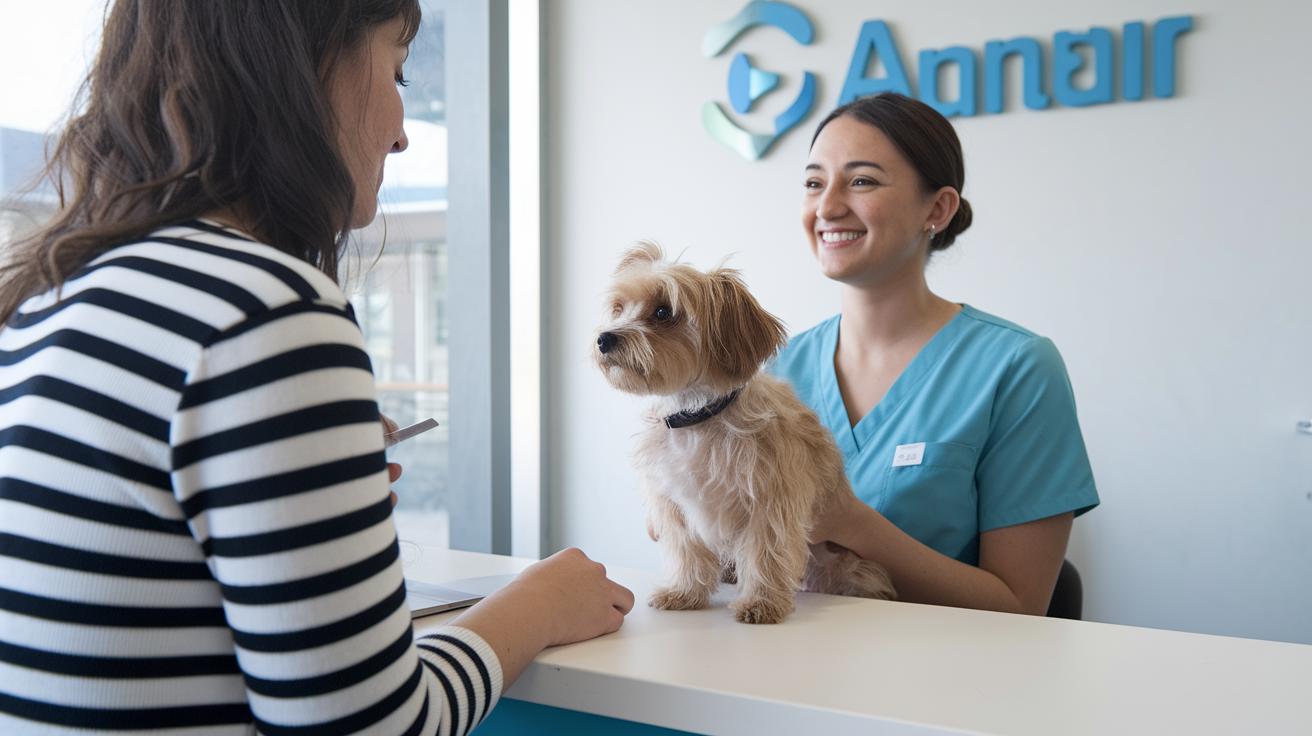
When you arrive at the clinic, a warm receptionist will welcome you and quickly register both you and your pet. Then, a friendly vet tech will ask about your pet’s diet, exercise habits, and any changes in behavior to build a clear picture of their history. This chat helps set up a customized exam plan and makes sure all old records are updated.
After check-in, your pet is brought into a comfy exam room for a full physical checkup. The vet carefully checks things like weight, temperature, heart and lung sounds, eyes, ears, skin, teeth, and how your pet moves. This close look can pick up even tiny health changes. Sometimes, just by gently listening to a dog’s heartbeat, the vet can catch early signs of heart trouble before they become obvious.
Based on what the vet finds, they might suggest some extra tests like bloodwork or a urine sample to look for hidden issues. These tests make it easier to treat problems early and gently. Also, if needed, your pet will receive vaccinations and parasite treatments right then to keep them safe and healthy. For more details about the exam process, check out the Pet Health Check.
| Exam Component | Description | Approx. Time |
|---|---|---|
| History Intake | Reception registration and detailed pet history review | 5-10 minutes |
| Physical Exam | Assessment of weight, temperature, heart/lung sounds, eyes, ears, skin, teeth, mobility | 10-20 minutes |
| Diagnostics | Optional bloodwork or urinalysis to detect early signs of chronic diseases | 5-15 minutes |
| Vaccinations & Parasite Control | Administration of vaccines and parasite prevention treatments | 5 minutes |
| Owner Consultation | Discussion of findings and next steps | 5-10 minutes |
Frequency Guidelines for Dog and Cat Checkups
Most dogs and cats benefit from a yearly vet visit to update their shots, keep an eye on their weight, and check their overall health. Puppies and kittens often need a few extra visits during their early months to make sure they grow properly and get the right vaccinations on time. For older pets, a visit every six months can catch common issues like arthritis, dental problems, or changes in behavior early on.
If your pet has a chronic condition or belongs to a high-risk breed, more frequent visits, about every three months, might be best. Even a little bump noticed during one of these visits can help prevent a bigger health problem later. Work with your vet to set up a checkup plan that fits your pet’s specific needs.
Maximizing Preventive Pet Care Between Scheduled Checkups
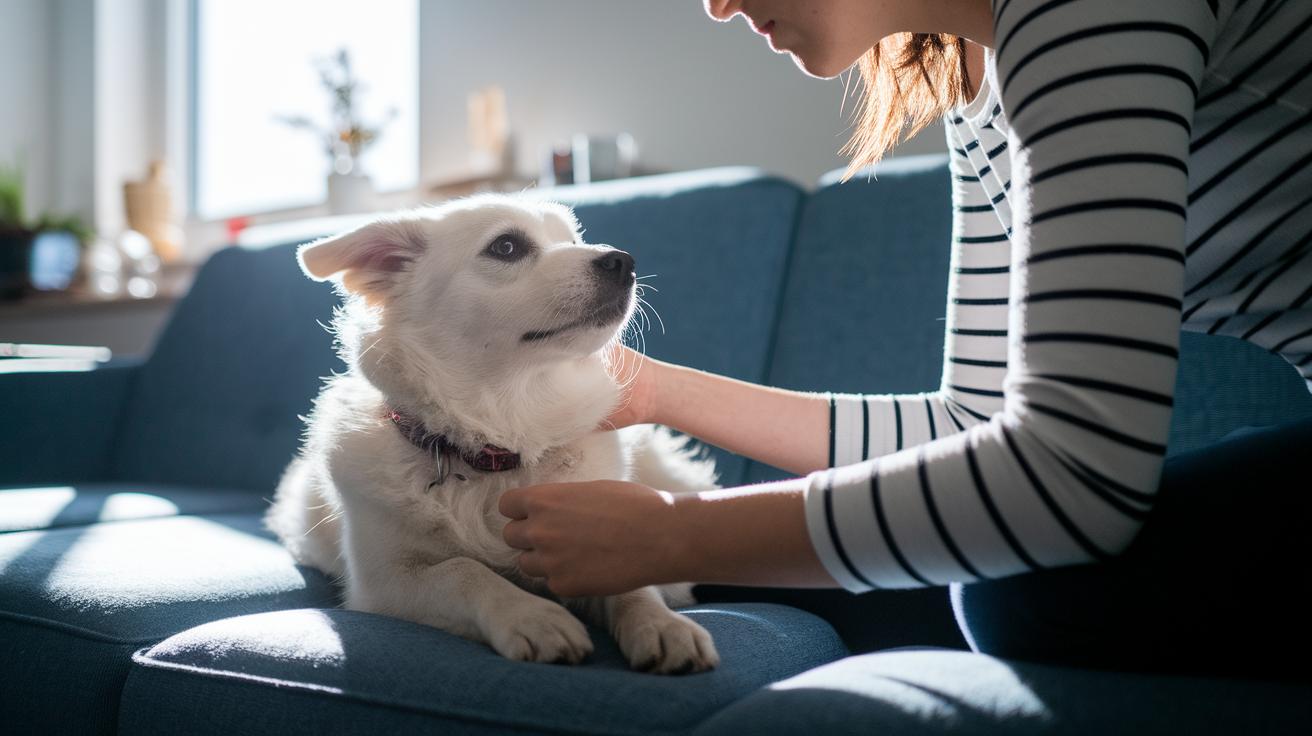
Every day, it's a great idea to spend a little time with your pet. Simple habits like checking their coat or noticing how active they are can help you spot small changes early on. If you see your usually energetic pup slowing down a bit, it might be time for a closer look, just like when you catch a tiny detail in your morning routine that makes you pause and reflect.
At home, consider keeping an eye on things like your pet's weight, their food, and even protection against pests. Regular dental care and grooming not only keep their coat shiny and breath fresh but also help you notice any subtle changes over time. Imagine spotting a slight weight difference one week, that could be the signal to adjust their meals or playtime. These little steps really add up and make a big impact.
Lastly, be sure to schedule regular vet visits, and don't hesitate to try virtual check-ins if that's easier for you. Keeping a steady link with your vet means any new concerns get sorted out quickly, ensuring your pet’s care plan always stays up to date.
Final Words
In the action, the post walked through planning your pet’s checkup at every stage. We explored annual exams for older pets, frequent visits for young ones, seasonal strategies, and clear signs that call for immediate attention. It also detailed what to expect during a visit and how to maximize care between appointments. Remember, a well-planned schedule helps catch issues early and keeps your pet thriving. This guide ensures you make informed decisions about the best time to schedule a pet checkup. Here's to keeping your furry friend healthy and happy!
FAQ
What is the annual dog check-up cost and how much does a vet visit usually cost?
The annual dog check-up cost covers a full exam, vaccinations, and preventive care. The exact fee varies by location, clinic, and your dog’s specific needs.
How often should a dog get checkups and vaccinations?
Dogs typically need an annual wellness exam for checkups and vaccines, though puppies, seniors, or high-risk breeds may require extra visits as advised by your veterinarian.
What is included in an annual dog check-up checklist?
An annual dog check-up checklist usually covers a physical exam, vaccine updates, parasite prevention, and monitoring of weight, behavior, and overall health to catch issues early.
How frequently should you take your dog to the vet?
Many pet owners share on Reddit that most dogs do well with yearly exams, but puppies, older dogs, or pets with special needs might benefit from more frequent visits based on their veterinarian’s advice.
What should a puppy vet visit schedule look like?
A puppy visit schedule starts with several appointments in the first few months for vaccinations and growth checks. Your vet will create a plan to help your puppy grow up healthy and strong.
How does pet insurance fit into vet cost planning?
Pet insurance can help cover part of checkup, treatment, and emergency costs, easing financial stress while encouraging you to seek preventive care for your pet.
How often should pets get a checkup?
Most pets have a yearly exam, but puppies, kittens, and seniors might need extra appointments. It’s best to follow your veterinarian’s guidance for your pet’s specific needs.
How early should you arrive for a vet appointment?
Arriving 10 to 15 minutes early allows you to complete any paperwork and gives you time to settle in before your pet’s exam, helping the visit go smoothly.