
Have you ever noticed some dogs seem to learn tricks in a snap while others take a bit more time? It turns out that simple dog training techniques can make a big difference. By splitting commands into easy, reward-filled steps, you'll see your pup become more focused and feel even closer to you.
Imagine your dog following a string of commands like a well-rehearsed dance. It’s like watching a little performance every time you train. With these tips, every training session becomes a chance for fun and progress. Ready to see how these techniques can make training a joy?
Mastering Core Advanced Dog Obedience Techniques
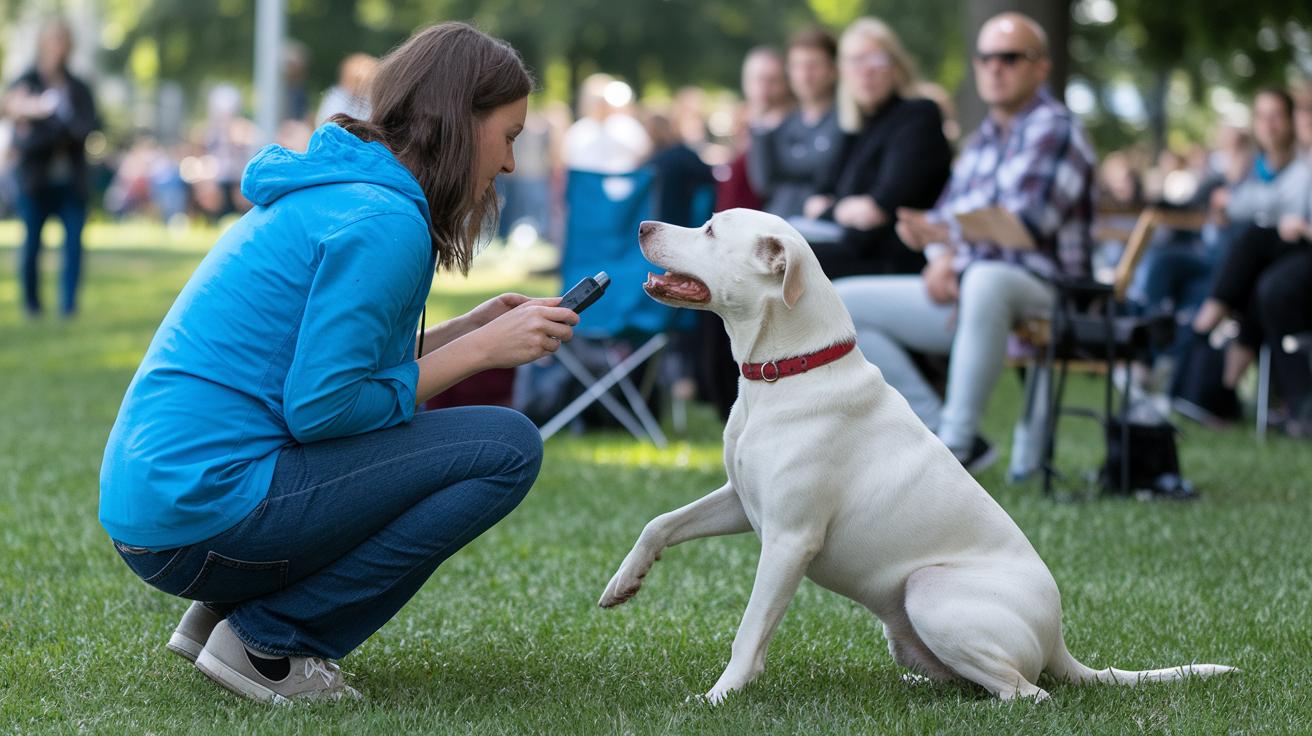
Advanced dog obedience builds on simple commands like sit, stay, and come to create more complex, multi-step routines. Trainers mix in new commands such as heel, back-up, stop at a distance, and place on cue. They do this in a way that helps your dog stay focused even in busy settings. For instance, a trainer might say, "Begin with sit. Then add back-up right after sitting," which helps your dog learn a clear, focused sequence.
Modern training uses a step-by-step approach where each trick is broken into tiny, achievable steps. Each little behavior is marked with a clicker, a tool that captures the exact moment your dog does the right thing. You might hear, "Click! That was perfect!" This simple method speeds up learning, as science shows that positive reinforcement builds a strong, trusting bond between you and your pet.
Obedience drills pair these clear cues with quick rewards like treats or kind words. This not only builds reliability but also keeps your dog motivated and interested. By gradually building on each step and celebrating every little win, you turn basic commands into an impressive performance. Daily practice like this deepens your connection with your furry friend and makes training fun for both of you.
Designing Structured Training Frameworks for Precision Execution
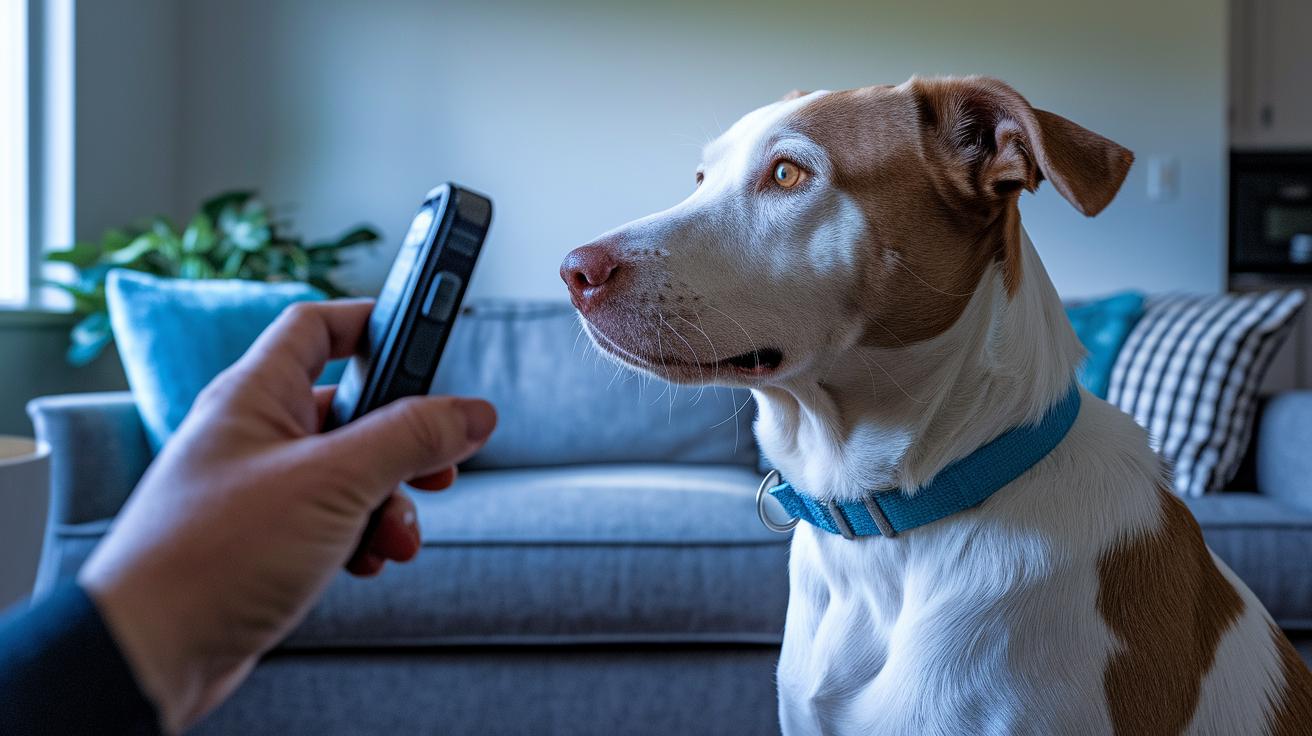
Think of building your training program like putting together a fun puzzle. Each small step adds to your dog's journey towards mastering clever tricks. Begin in a quiet space, free of distractions, and mix in new techniques with everyday commands. For instance, try saying "sit" in a calm room and mark that moment with a quick click and a tasty treat. This way, you slowly move from giving treats every time to rewarding random moments, keeping your dog both excited and alert as the tasks get a bit harder.
Next, tailor your sessions to help your dog adjust from quiet settings to busy, real-life places. Use everyday items like leashes, harnesses, or your dog's favorite toy to keep lessons lively and build their confidence. Break each behavior into clear, small goals and reward each one as your dog masters it.
- Plan each session by starting with simple tasks and gradually adding new challenges.
- Stick to a reward plan that keeps your little buddy motivated and helps avoid routine boredom.
By using these step-by-step training methods, you set up a system that is easy to repeat and build on. It keeps things clear, consistent, and full of energy every time you train with your furry friend.
Building Impulse Control & Distraction Management Drills
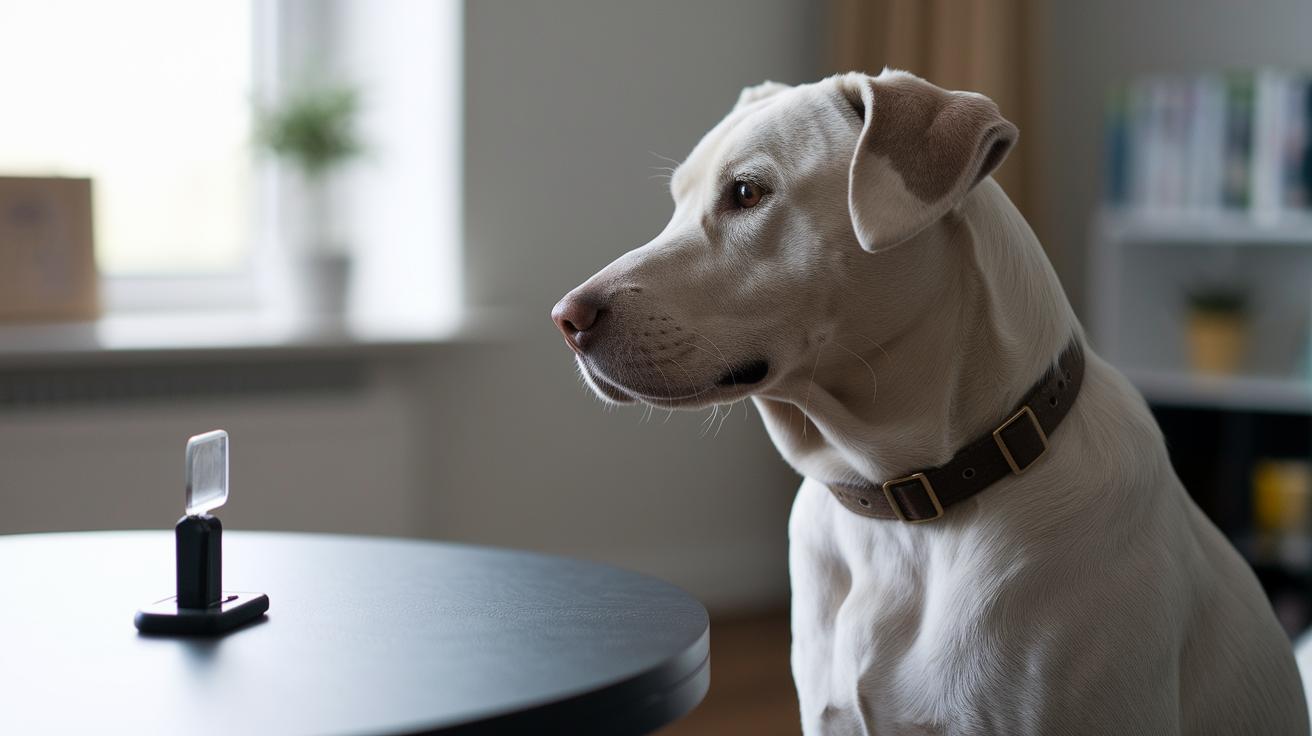
Getting your dog to control their impulses is a key part of strong obedience training. Begin in a quiet place with few distractions and use simple commands like "wait" before giving a toy. When your dog remains calm, celebrate with a clicker sound or kind words. This small step builds both their confidence and their ability to focus.
Next, slowly add new sights and sounds, imagine soft background noises, the gentle sound of a door opening, or even a person passing by. By taking it step by step, you help your dog learn to keep their focus no matter what's happening around them. One fun exercise is to hold an eye-contact game; reward your dog when they keep their gaze on you without wandering.
For a bigger challenge, mix in clicker cues with a timed release signal. Ask your dog to stay in one spot and then let them have a little break after a few calm seconds. This not only reinforces good behavior but also sharpens their obedience skills.
Remember: practice these impulse control drills every day, and add distractions gradually. Every small success is a win that brings you both closer to mastering these essential skills.
Sequencing Complex Commands & Multi-Tasking Behaviors
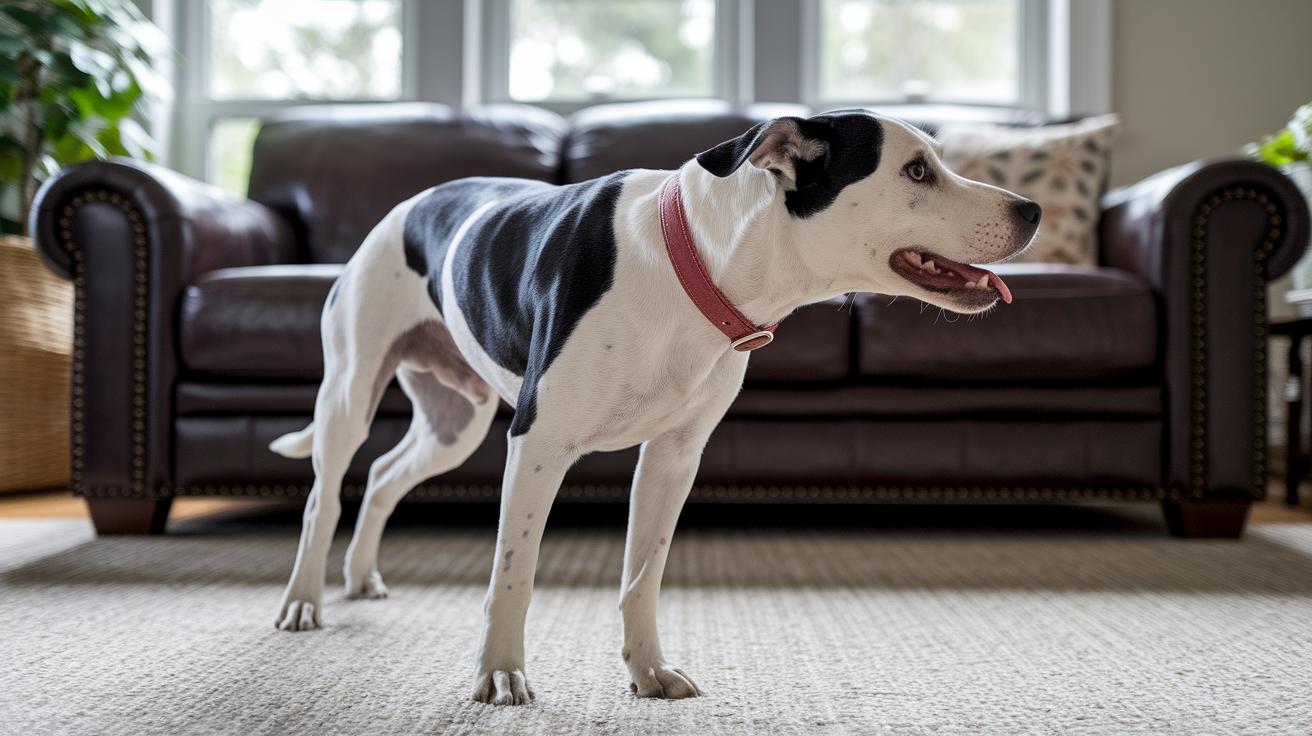
When you teach your dog to perform a series of actions without stopping, it feels like you’re taking training to a whole new level. You start by breaking down tough commands into small, easy steps that your dog can really nail. For instance, instead of doing "sit, down, stand, spin" all at once, you work on each move one by one using a clicker at just the right moment to celebrate a success. Before you know it, your pup is picking up the full routine step by step.
Next, you help your dog learn how to smoothly switch between different commands without pausing. This not only makes them more dependable but also helps keep their mind active and flexible. At this stage, a single cue can signal a whole chain of actions, even when there are distractions around. It takes patient, gradual practice where you slowly add more steps and increase the pace as your dog gets better.
Building these complex routines also sets your dog up for real-life challenges, like fetching multiple toys or playing in perfect harmony with other pets. Every training step focuses on keeping your dog’s attention, even when there’s a lot going on. By using careful shaping techniques and well-timed markers, you celebrate each little win along the way, helping your dog learn a full and connected routine. With regular practice, advanced obedience training becomes a fun, engaging journey for both you and your furry friend.
Elevating Off-Leash Control & Recall Mastery
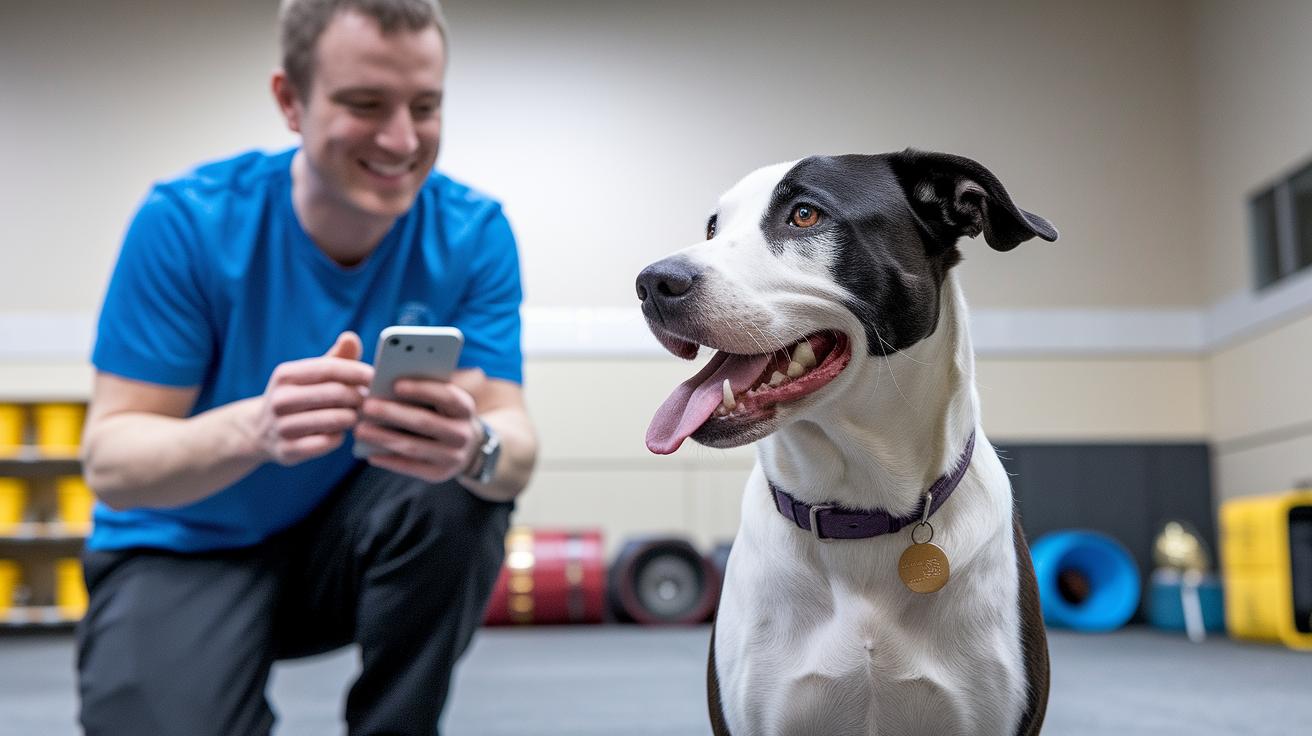
Start your dog’s recall training indoors in a quiet, low-key spot. Use a happy, upbeat tone and reward every time your pup comes with a tasty treat. This fun method helps your dog link the command with something positive. Picture your furry friend turning around instantly, like saying, "I'm ready to play!"
Next, slowly bring your training outside where there are more distractions, maybe a neighbor chatting or a squirrel zipping by. Keep those high-value treats close at hand as you test your dog’s recall. You can use long lines and distance cues to practice off-leash skills. Sometimes, mix things up with a surprise release or a change in rewards. This way, your pup learns to come back even when treats aren’t in plain sight.
Regular practice is the secret. Mix in new, slightly tougher surroundings to make sure your dog’s recall is always steady. Every quick return builds trust and shows that your bond grows stronger with each session. And remember, celebrate every little success along the way, each step brings you both closer together!
Troubleshooting & Behavior Adjustment for Advanced Learners

Let's start by spotting the usual challenges: your dog might bark too much, hesitate, or even show a bit of aggression. Try using friendly techniques like gradually exposing your pup to gentle, tame stimuli while pairing these moments with rewarding, calming treats. Did you know that even a little counter-conditioning can change your dog's reaction? It turns stress into a calm focus, just like magic.
Next, why not check your progress by watching video clips of your training sessions? These replays can reveal exactly when your dog’s focus starts to wander, kind of like catching a secret cue. This little insight is a game-changer, helping you adjust your training steps and keep things moving in the right direction.
If your dog struggles with a command, break it into bite-size steps. For instance, if your pup hesitates during a multi-step routine, celebrate the tiniest sign of progress with a treat or a kind word. These small wins gradually build up, turning hesitation into confidence.
Finally, keep a simple log of your dog's progress and slowly ramp up the challenge at a pace that feels right. Reward every little positive move. This steady, friendly approach turns any setbacks into stepping stones, making each day with your pup a little brighter and more rewarding.
Crafting Custom Routines & Mental Stimulation Workouts
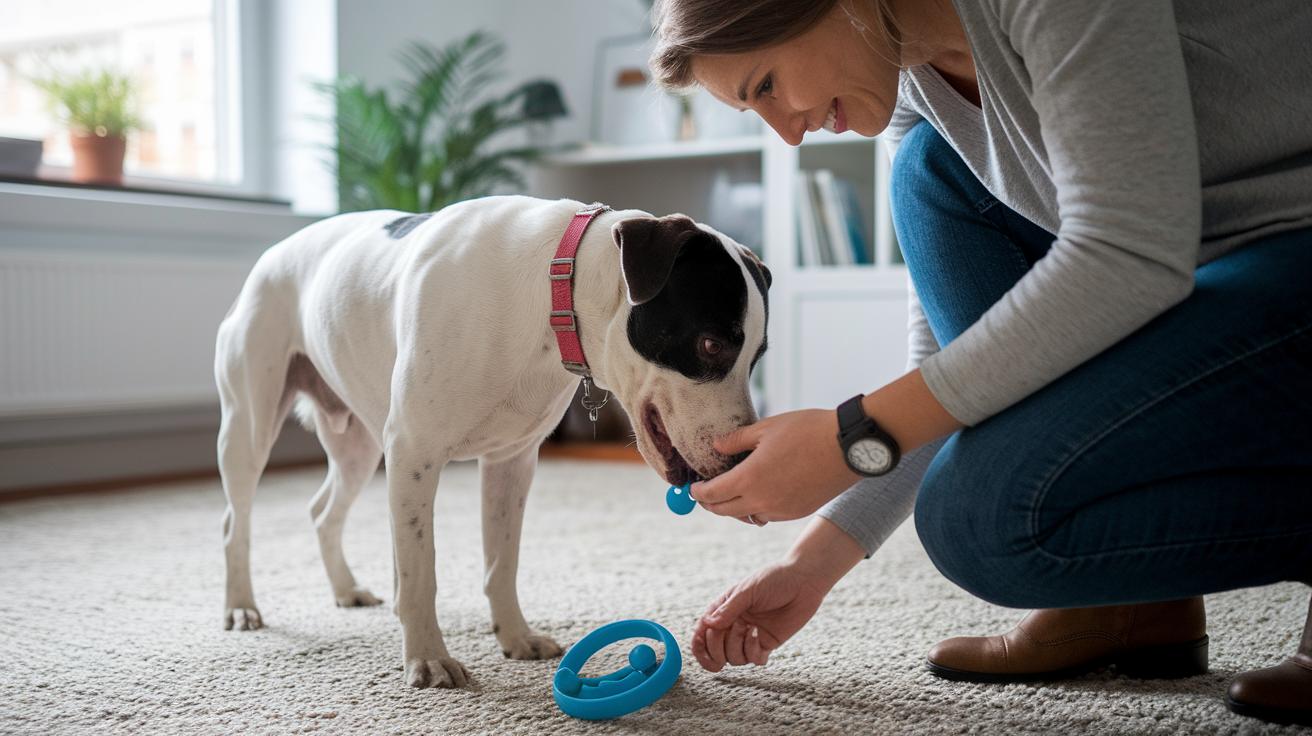
Creating a training plan that mixes basic commands with fun brain games can really brighten your dog's day. Imagine a game where you hide a beloved toy and say, "Find it!" so your pup learns to focus while exploring. This friendly mix helps reinforce commands and sparks your dog’s natural curiosity.
Next, think about adding a few hurdles, trick sessions, or even scent games to the routine. Tailor each session around how your furry friend learns best, whether through visual cues, clear sounds, or simple hands-on actions. This approach makes every practice feel like a brand-new adventure.
- Begin with basic obedience exercises, then sprinkle in fun problem-solving activities.
- Change up the reward timing to keep your dog excited for each new challenge.
- Include regular recall drills to steadily improve their response skills.
By planning sessions with varied rewards and engaging activities, you create a lively training space that keeps your dog's mind sharp and full of energy, all while deepening their learning and strengthening your bond.
Final Words
In the action, the blog dives into building advanced dog obedience techniques from basic commands to off-leash recall mastery. It covers structured training frameworks, impulse control drills, and sequencing complex commands for a well-rounded approach. The guide walks you through practical steps and positive reinforcement methods, helping your pup focus and engage in real-world scenarios. With these insights, you'll make informed decisions and enjoy watching your dog thrive as you build a deeper bond every day.
FAQ
What are some examples of advanced dog training commands and obedience skills for dogs?
Advanced dog training commands include cues like “heel,” “back-up,” “place,” and stopping at a distance. These skills build on basic commands and use positive reinforcement and clicker marking for precision.
How can I learn advanced dog obedience techniques online and at home?
Online videos on YouTube offer step-by-step guides, while practicing in a calm home setting helps your dog focus without distractions. Both methods work well with positive reinforcement to progress training.
Where can I find local advanced dog training services?
Local advanced dog training services are found through nearby training classes and professional trainers. Look for reviews and recommendations so your dog can receive hands-on coaching tailored to advanced techniques.
What advanced dog training books are recommended?
Advanced dog training books provide in-depth strategies for mastery, combining obedience drills, impulse control, and modern training methods. They are practical resources that deepen your understanding of high-level canine skills.
What are some common goals in advanced dog training?
Common advanced training goals include mastering multi-step commands, improving impulse control, enhancing off-leash recall, managing distractions, and building mental stimulation routines that keep your dog alert and engaged.
Is there a downloadable PDF list of dog training commands?
Yes, many reputable pet care websites offer downloadable PDF lists that detail dog training commands. These resources break down techniques and best practices to help you reinforce advanced obedience.
What is the 7 7 7 rule for dogs?
The 7 7 7 rule suggests repeating each behavior seven times daily, in seven different scenarios, for seven days. This method builds consistency and reliability in your dog’s response to commands.
What is advanced obedience training for dogs?
Advanced obedience training transforms basic commands into complex sequences, integrating impulse control, distraction management, and multi-step cues. Trainers use positive reinforcement and precise markers to enhance performance.
What is the 3 3 3 rule for dog training?
The 3 3 3 rule encourages short, focused training sessions: three minutes per session, three different commands, and three repetitions of each command. This method helps maintain your dog’s concentration and motivation.
What are the 4 F’s of dog behavior?
The 4 F’s of dog behavior refer to natural responses: fight, flight, freeze, and focus. They help trainers understand and manage a dog’s instinctual reactions during advanced obedience training.