
Have you ever wondered if there’s a better way to help an aggressive dog than harsh training? What if there were gentle and smart methods that could change your pup’s behavior for the better?
In this article, we share three new techniques that focus on positive rewards instead of force. These ideas come from real pet stories and proven tips that calm your dog and boost their confidence.
Get ready to try fresh ways to turn stress into calm. You might just see your furry friend feel more relaxed every day, and wouldn’t that be amazing?
3 aggressive dog training breakthroughs for calm dogs
One big breakthrough is the Dog Calming Code™ framework. It’s trusted by over 100,000 dog owners and works by using calm, positive rewards instead of food bribes or yelling. For example, instead of forcing your dog to obey with harsh methods, you give them tasty treats and kind words when they stay calm. I once heard how Max, before he became a family favorite, learned to relax thanks to plenty of praise even after tense moments. This method builds your dog's confidence and helps set the stage for lasting change.
Another breakthrough is the sequential bite prevention approach. This technique helps you spot early signs of trouble like yawning, lip-licking, or tucking their tail, all little clues your dog might be getting ready to react. Once you notice these, you can step in and calm things down before they get out of hand. Imagine leading your pup through a quick routine, like practicing calm greetings, to slowly reduce those reactive moments. This kind of coaching helps you respond right on time with the right actions.
The third breakthrough revolves around hands-on interactive aggression coaching sessions. These sessions give you clear, science-backed tips that you can try at home right away. They mix fun mental games, like puzzle toys and scent games, with real-life practice. By following these steps, you can gently transform your dog’s behavior and help make you the calm leader they need.
- Reward simple calm moments with treats and praise.
- Use clear exercises to spot and fix early signs.
- Build a trusting, quiet bond with your furry friend.
Understanding Aggressive Dog Training: Causes and Aggression Types
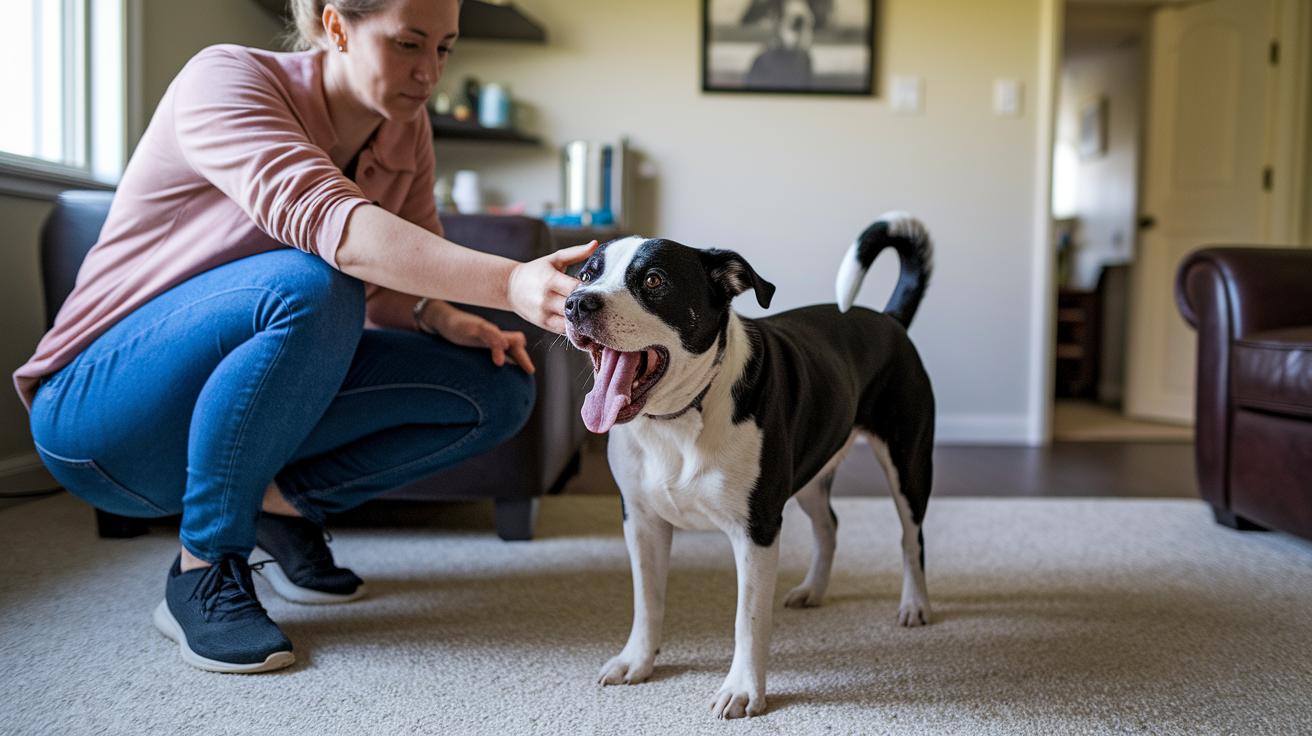
When it comes to training a dog that shows aggressive behavior, it helps to start by figuring out why your dog acts this way. Often, a pet’s hostile actions come from feeling scared or wanting to control its surroundings. For example, you might notice your dog trembling or yawning when a door suddenly slams. These little signs are clues that past hurt or bad experiences might be causing anxiety. Recognizing these signals is the first step in helping your furry friend feel safer.
Sometimes, things like strange people, other dogs, loud sounds, or unusual smells can unsettle a dog, making it show fear. You may see your pet lick its lips, tuck its tail, or even move away. These are signs that your pet feels uneasy or threatened. On the other hand, some dogs might act aggressively when they are trying to be in charge, especially if there are other dogs around at home. A dog that wants to prove itself might try to push another dog around, and this kind of behavior needs a different approach.
The best way to help your dog is to create a plan that matches its needs. When you know if the aggression comes from fear or a need to be dominant, you can use a training method that focuses on those specific triggers. This thoughtful plan, which builds trust slowly, will help you enjoy a more peaceful and happy time with your dog.
Step-by-Step Aggressive Dog Training Behavior Modification Techniques
Mix your proven techniques with the Dog Calming Code™ to smoothly prevent biting. First, add early warning signals to your daily routine. Watch for signs like yawning, lip-licking, or a tucked tail. When you spot these, pause and start your calming exercises. For example, if your dog yawns during a tense moment, stop the task and begin your gentle, step-by-step calming routine.
Next, slowly introduce triggers through gradual desensitization. Start with very soft cues, like a quiet sound, and then gradually increase the intensity as your dog becomes more at ease. It is a bit like doing a sound check before a show, very low at first, then just a little louder every time.
Make it even more interesting by adding mental challenges. During your sessions, offer puzzle toys or scent games to keep your dog focused. For instance, set up a scent game where a hidden treat is waiting after a calming cue. This makes the training fun while reinforcing that calm behavior.
Always reward your dog right away. Use tasty treats and kind praise for every calm moment. This friendly and force-free approach helps each step, from spotting early signals to finishing desensitization drills, work together to reshape your dog's reactions.
- Notice early cues such as yawning, lip-licking, and a tucked tail.
- Stop and start calm exercises when you see these signs.
- Slowly expose your dog to low-level triggers following a clear Dog Calming Code™ plan.
- Add mental games with puzzle toys or scent hunts during sessions.
- Give high-value treats and praise immediately after calm behavior.
Safety and Precautions in Aggressive Dog Training
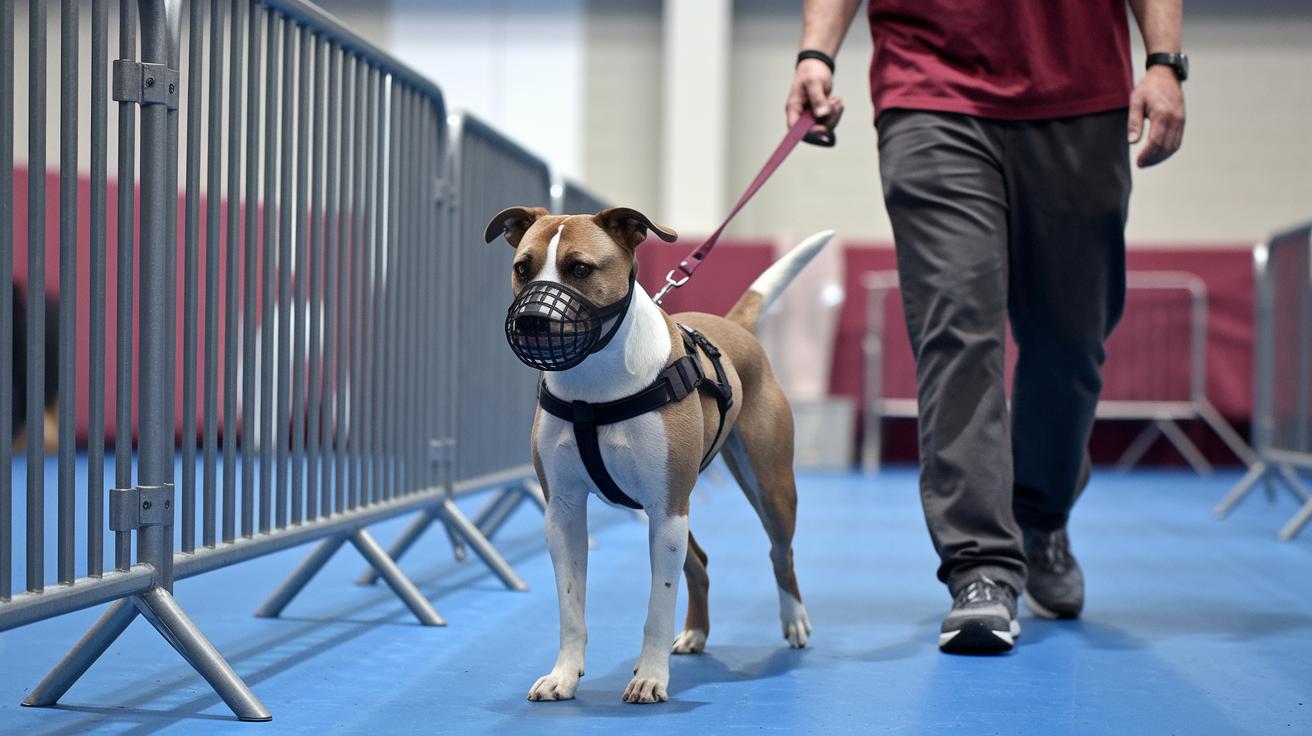
When it comes to training an aggressive dog, safety comes first, both for you and your furry friend. Using the right gear makes all the difference. For instance, if your dog starts showing signs of agitation, a well-fitted muzzle, a strong leash, and secure barriers can help prevent any accidental bites while you gently steer them back to calm.
It’s also important to keep a close watch when kids or new people are around because a calm setting really makes a difference. Start with barrier work to set clear boundaries. Then, slowly introduce a leash to help your dog ease into controlled situations.
As your dog starts feeling more secure and shows calm behavior, you can try off-leash drills to boost their confidence. This gradual, step-by-step approach not only keeps everyone safe but also helps build a trusting bond between you and your pet.
| Step | Description |
|---|---|
| Proper Equipment | Use well-fitted muzzles, sturdy leashes, and secure barriers to ensure safety. |
| Supervision | Always watch interactions carefully, especially with children and strangers. |
| Step-by-Step Training | Begin with barrier work, introduce the leash gradually, and eventually progress to off-leash trust drills. |
Remember, each step is a little victory on your journey together. Isn’t it amazing how a bit of careful training can transform challenges into moments of growth and trust?
Professional and Virtual Aggressive Dog Training Services
Certified trainer Michael Baugh, with his trusted certifications, offers online sessions that help you handle aggressive dog behavior with confidence. Over the years, his virtual lessons have guided countless pet parents in everything from basic puppy training to tackling leash reactivity and more complex aggression issues. These sessions prove that you can get real results even when training is done remotely.
Virtual training brings a lot of flexibility. Imagine sitting down before your session with a list of questions in hand, it’s like having a friendly chat in your living room rather than a stiff in-person meeting. Michael’s method encourages you to try out his tips right away, and that hands-on approach has worked wonders for many pet families.
You can choose between group lessons or one-on-one sessions, so your training fits your dog’s unique needs. It’s similar to planning a fun pet game, by setting aside a little time now, you’re investing in a happier, safer future for your furry friend.
For those living in Nassau and Western Suffolk counties, these online sessions are a safe and convenient alternative to home visits, and they come at a competitive price too. This means positive discipline for even the most challenging behaviors is just a click away.
Long-Term Aggressive Dog Training Maintenance and Relapse Prevention
When you stick with regular booster sessions and participate in interactive aggression coaching, many pet parents have seen a big drop, up to 90%, in aggressive episodes over just six months. It’s not only about the first round of training; it’s also about planning for the long run. Think of quarterly re-evaluations like a visit to the doctor, a way to make sure your dog's progress stays on track.
A strong training plan includes easy refresher drills and more advanced exercises. Imagine brushing your hair every day to avoid tangles, keeping a regular training routine works the same way for your dog’s behavior, helping them remain calm and steady.
- Schedule booster sessions to keep what you’ve learned fresh.
- Have quarterly re-evaluations to catch any early signs of a relapse.
- Use simple drills and extra exercises that have been proven to work.
Real stories show that when you create a plan that fits your dog’s unique needs, it really sets the stage for lasting positive change. Each small, consistent effort helps manage aggressive behavior and builds the trust between you and your furry friend.
Final Words
In the action, we explored practical steps that blend understanding and hands-on techniques. We covered recognizing triggers and employing positive, force-free methods while stressing safety with the right gear. We also shared how structured guidance, using both virtual and in-person experts, can enhance your approach. By following these strategies for aggressive dog training, you’re setting the stage for improved well-being and a happier, balanced pet. Keep these tips in mind and enjoy the journey toward a safer home and a thriving pet.