
Noticed your dog's energy fading lately? Even the most active pups can develop kidney issues without us realizing it, which can make playtime feel like a chore. A kidney-friendly diet might be just the boost your furry friend needs. By choosing foods that give the kidneys a break, you're not only nourishing your pet but also helping them feel more lively and at ease. In this post, we'll walk through some simple food swaps that can support your dog's kidney health and brighten their daily adventures.
Understanding a Renal Diet for Dogs
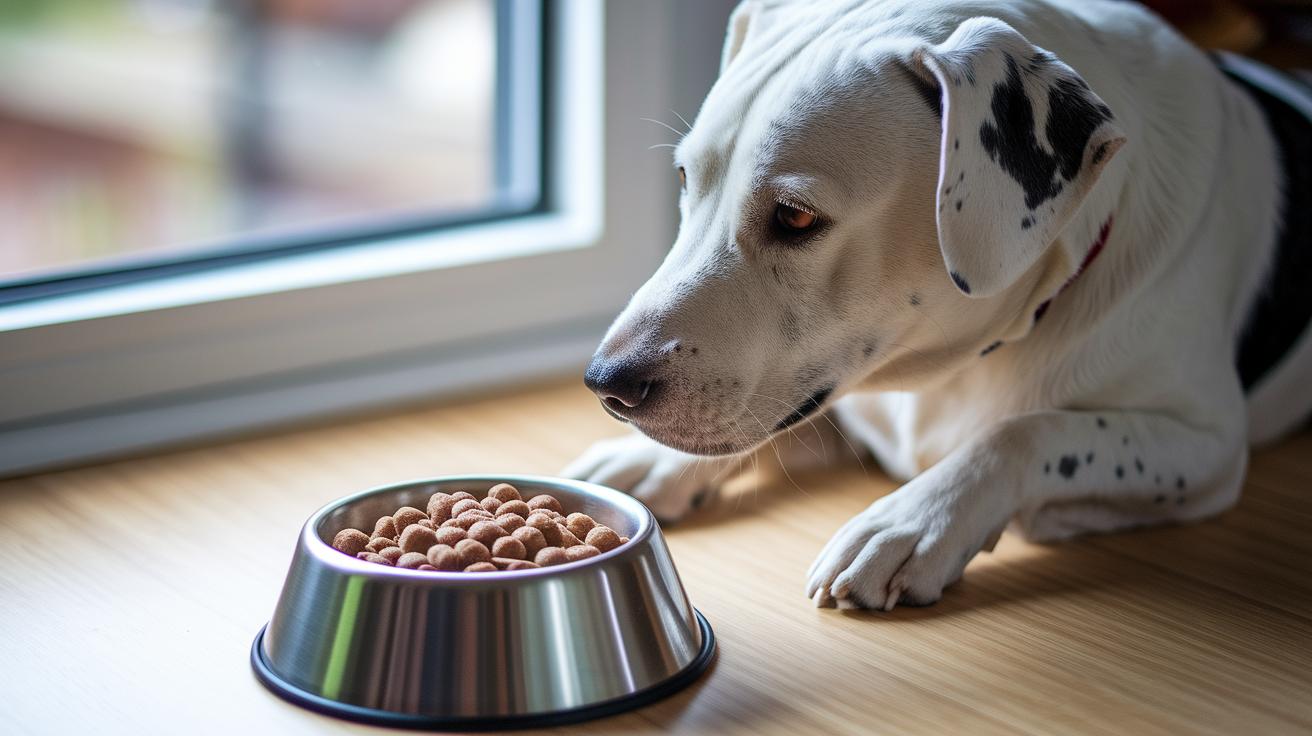
When a dog suddenly gets kidney trouble from things like antifreeze or certain plants, it can be really scary. And sometimes, kidney problems sneak up slowly, making it hard for the kidneys to do their normal work. In both cases, the right food can really help ease symptoms and slow things down.
A kidney-friendly diet isn’t like your regular dog food. It skips ingredients that are tough for the kidneys and adds in extra good stuff. This helps keep waste levels low and gives the kidneys a break. Here are some simple changes that make a big difference:
| Nutritional Change | Why It Matters |
|---|---|
| Lower protein | Less waste for the kidneys to clear |
| Less phosphorus | Helps prevent additional health problems |
| Less sodium | Keeps blood pressure in check |
| More moisture | Helps with filtration and keeps your pup hydrated |
| Extra omega-3 fatty acids | Supports the body with natural, anti-inflammatory benefits |
These adjustments work together to ease the strain on your dog’s kidneys. Switching to a renal diet is like giving your furry friend a little extra care, it helps slow the disease and keeps them feeling more energetic and comfy every day.
Key Nutritional Guidelines in a Dog Renal Diet
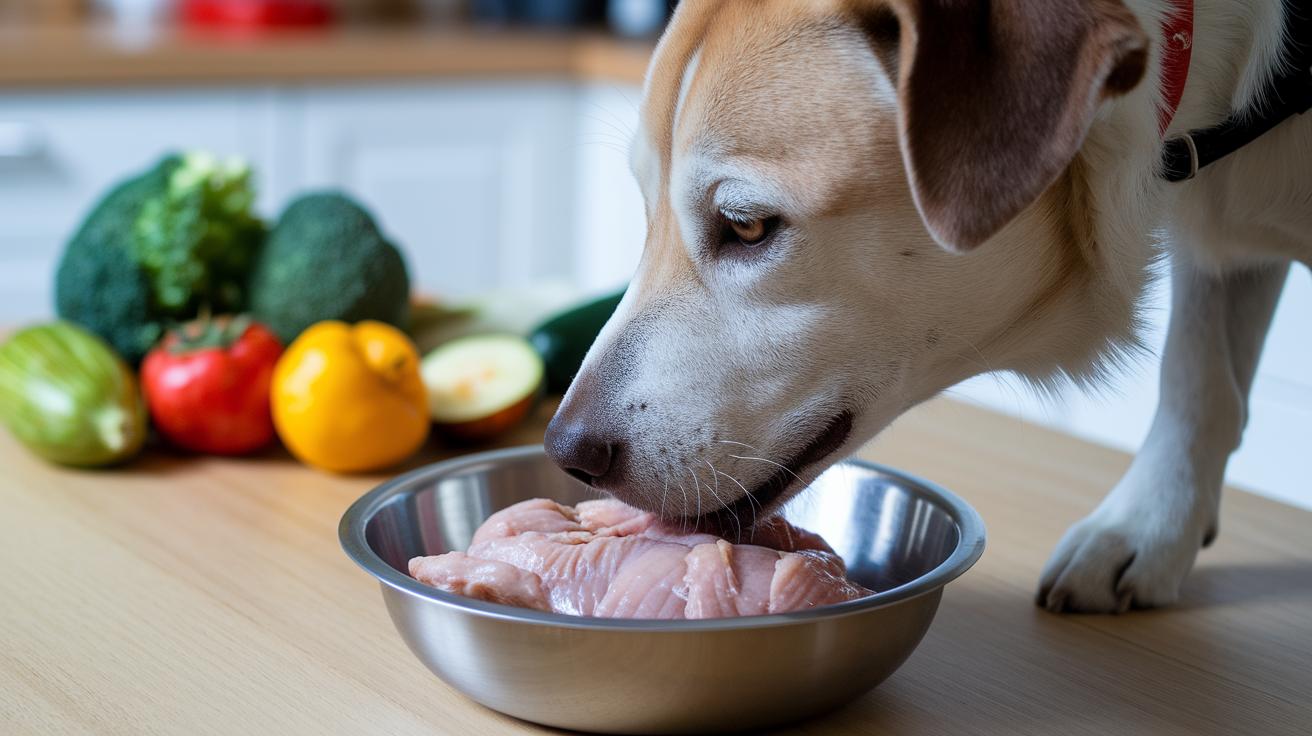
Managing protein and phosphorus is key to helping your dog's kidneys work easier. A gentle renal diet uses lean proteins like chicken breast or egg whites, which help keep waste levels low. It’s best to skip ingredients like organ meats and grains rich in minerals since they add too much phosphorus. For example, using lean chicken is much kinder to the kidneys than fattier cuts. Even a small swap, like choosing boiled chicken instead of regular kibble treats packed with extra minerals, can really make a difference.
Sodium control is also essential for keeping your dog's blood pressure in check. Too much salt can put extra strain on the kidneys and lead to high blood pressure. That means avoiding treats like jerky or cheese, which are often high in sodium. Instead, try offering fresh veggies or specially made low-sodium dog treats. It’s like giving your pet an extra dose of care with every bite, helping to avoid sudden blood pressure spikes.
Boosting hydration and adding omega-3 fatty acids can further support kidney health. Offering wet food or a flavorful broth naturally increases your dog’s water intake, aiding the kidneys in flushing out toxins. Omega-3 fats, from sources like salmon oil or flaxseed oil, not only help reduce inflammation but also ease oxidative stress. Together, these tips can energize your dog’s overall health while keeping their kidneys working smoothly.
Comparing Prescription and Homemade Renal Diets for Dogs
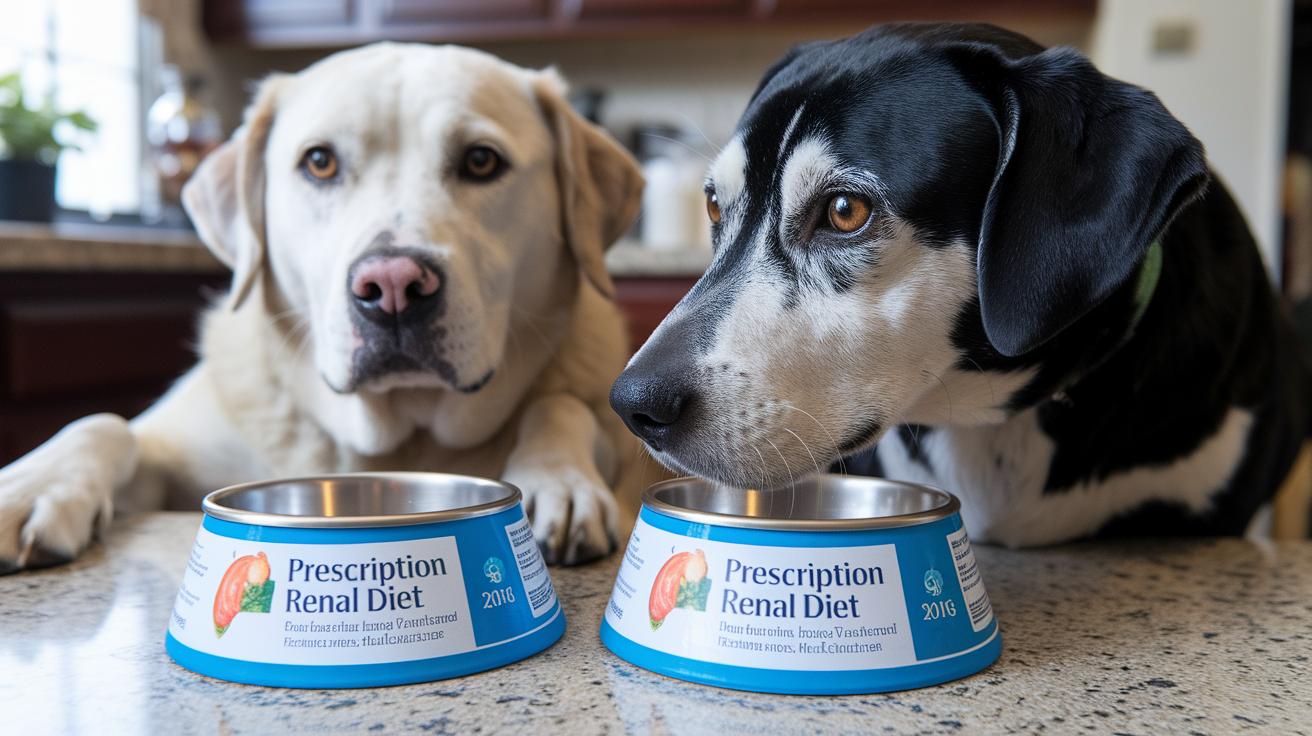
When you're deciding how to feed a dog with kidney issues, you often have to choose between a prescription diet from the store and a homemade meal plan. Prescription diets are made with just the right amounts of protein, phosphorus, and sodium so that your dog's kidneys don't have to work as hard. They come with strong vet oversight and meet strict standards, which can be a big comfort when your dog's condition is serious.
On the other hand, homemade diets give you the chance to customize every meal to fit your dog’s needs perfectly. But that freedom means you have to be extra careful with the mix of ingredients. Even small errors might upset the nutritional balance, so regular lab tests and vet consultations are a must. And no matter which diet you choose, switching from one to the other should be done slowly to avoid upsetting your pet's stomach.
Prescription Renal Diets
Prescription diets are built around a very controlled nutrient profile, following strict FDA-approved guidelines. These commercial options are tested thoroughly to make sure they deliver the right balance of low-quality protein and minerals that help support kidney health. Because their formulas are so consistent, you'll know exactly what your dog is getting every day. Plus, these products are developed with input from veterinary experts, ensuring every batch meets high standards. For example, Hill’s Pet Nutrition offers a trusted prescription brand (https://reipet.com?p=249) that focuses on safe and consistent care for renal conditions.
Homemade Renal Meal Considerations
Making a homemade renal diet lets you choose every ingredient, which creates a very personal approach to your dog's health. However, it also brings some challenges. It’s important to stick to proven recipes to make sure nutrients like protein, phosphorus, and sodium are perfectly balanced, because even slight deviations can put extra strain on your dog’s kidneys. Many pet parents turn to vet-approved homemade recipes (https://reipet.com?p=285) as a solid starting point. Sometimes, you might also need to add supplements, and staying in touch with your vet is key as your dog's needs change. Careful measurement and a slow, steady changeover are essential to keep your pet comfortable and healthy.
Sample Renal-Friendly Dog Recipes and Meal Prep Tips

These recipes are approved by vets and made with your dog's kidney health in mind. Each meal is balanced with the right amounts of protein and phosphorus and even includes vet-recommended supplements. Fresh ingredients add natural moisture and key nutrients. Think of these as tasty, kidney-friendly treats that double as simple meal prep ideas for busy pet parents.
Chicken & Rice with Pumpkin
This recipe mixes lean chicken breast, cooked rice, and pumpkin puree. The lean chicken helps lessen kidney waste, while the pumpkin adds a bit of soluble fiber to aid digestion. Start by simmering the chicken until it's tender, then blend in pre-cooked rice and a spoonful of pumpkin. Picture a warm bowl that comforts like a soft purr on a cool day.
Lean Beef & Mixed Vegetables
In this dish, lean beef is combined with green beans, carrots, and a sprinkle of parsley. The beef is chosen to keep phosphorus levels in check, and the vegetables bring natural antioxidants. Sauté the beef until it's soft, stir in the chopped vegetables, and let everything simmer to let the flavors come together. It’s a homemade meal that helps keep phosphorus levels steady while being full of taste.
Salmon & Sweet Potato
Salmon brings an omega-3 boost that helps ease kidney inflammation, while mashed sweet potato offers healthy complex carbohydrates. Lightly bake the salmon and cook the sweet potatoes until they’re soft, then mash them until smooth. This meal delivers essential healthy fats and moisture, setting the stage for better kidney support and overall energy.
Veterinary Oversight and Long-Term Renal Nutrition Guidance

Regular checkups with your veterinarian are essential for keeping your dog's kidneys in tip-top shape. Vets usually suggest a visit every three to six months. At these visits, they'll perform a complete physical exam and run lab tests that check key markers like blood urea nitrogen, creatinine, and phosphorus to see how well the kidneys are working. Sometimes a vet might say, "I noticed a small rise in phosphorus, let’s tweak the diet," which helps catch any issues early.
If your pup’s energy drops or its appetite changes, that could be a sign it’s time to adjust the diet. Lab trends and your pet's behavior go hand in hand, so if you see unusual behavior or weight changes, it’s a good idea to review their food plan. Changing their food gradually is important, especially to avoid upsetting their stomach, this is crucial for dogs with kidney concerns. When in doubt, check out additional advice on when your pet might need a vet visit (https://ribbon.co?p=5997).
Working closely with your vet is the best way to keep your dog healthy in the long run. Together, you can fine-tune the diet to manage problems like high blood pressure while keeping the kidney-friendly diet balanced. Think of it like a coach adjusting strategies during a game, ongoing assessments help your vet offer tailored tips that keep your pet feeling energetic and well-loved.
Monitoring Kidney Health and Adjusting a Canine Renal Diet Plan

Keeping a close eye on your dog’s kidney health is very important when they're on a special diet. Regular lab tests help check things like blood urea nitrogen, creatinine, and phosphorus, these are simple measurements that tell you how well the kidneys are working. At the same time, watch for any changes in your dog's weight, appetite, or behavior. It’s a bit like glancing at your car’s dashboard; when a warning light appears, it's a sign that something needs attention. Ever notice how a small drop in appetite can signal it’s time to tweak the diet?
Based on what you learn from these tests, you can make practical changes that keep your pet healthy. For example, if the results show higher phosphorus levels, you might reduce food portions or add foods with more moisture, like wet dog food or a light broth, to help your dog’s kidneys. It’s always a good idea to jot down what you notice and talk over any changes with your vet.
Final Words
In the action of caring for our furry friends, we explored what a renal diet for dogs means and why it matters. We covered how specific nutrient tweaks, from lowering proteins and phosphorus to adding omega-3s, can ease kidney stress. We compared prescription plans to homemade recipes and highlighted the need for regular vet checkups.
Every step you take helps tailor your pet’s meal plan for a healthier, happier future. Stay positive and keep making informed choices for your pet’s well-being.
FAQ
Renal diet for dogs homemade
The renal diet for dogs homemade means preparing meals that limit protein, phosphorus, and sodium while boosting moisture and omega-3 fats. This approach helps ease the kidney’s workload and supports overall kidney function.
What to feed a dog with kidney failure who will not eat
The feeding plan for a dog with kidney failure who will not eat focuses on palatable, easily digestible foods with lean protein and low phosphorus ingredients to gently support kidney health and stimulate appetite.
Best renal diet for dogs
The best renal diet for dogs is one that carefully reduces protein, phosphorus, and sodium while increasing moisture and omega-3 fatty acids. Tailoring meals under veterinary guidance helps slow disease progression and boost well-being.
Renal diet for dogs side effects
The renal diet for dogs side effects can include mild digestive upset or appetite changes if the formulation isn’t balanced. Regular checkups and adjustments by your vet help minimize these concerns.
Human food for dogs with kidney disease
The human food for dogs with kidney disease should be low in protein and phosphorus. Safe options may include carefully prepared lean meats and vegetables, although it’s important to consult your vet first.
Best Non prescription dog food for kidney disease
The best non-prescription dog food for kidney disease provides controlled levels of protein, phosphorus, and sodium while including extra moisture and omega-3s. Veterinary advice is crucial to ensure a balanced diet.
Low phosphorus foods for dogs
Low phosphorus foods for dogs include lean meats, select vegetables, and specially formulated commercial diets. These choices help reduce kidney stress and support overall kidney health by cutting down phosphorus intake.
Hill’s homemade kidney diet for dogs
Hill’s homemade kidney diet for dogs follows strict nutrient guidelines to cut protein, phosphorus, and sodium while boosting moisture and omega-3s. Regular vet monitoring is important to ensure the diet meets all your pet’s needs.
What can a dog eat on a renal diet?
What a dog can eat on a renal diet involves lean protein sources, low-phosphorus grains, fresh vegetables, and wet foods. These ingredients work together to ease kidney strain and promote hydration under vet guidance.
What not to feed dogs with kidney disease?
What not to feed dogs with kidney disease are high-protein meats, organ meats, and foods rich in phosphorus and sodium. Avoiding these items helps prevent additional kidney stress and complications.
What can I cook for my dog with renal disease?
What you can cook for your dog with renal disease includes vet-approved recipes like chicken with rice and pumpkin. These meals minimize protein and phosphorus while boosting hydration and essential nutrients.
How to reduce creatinine levels in dogs?
How to reduce creatinine levels in dogs centers on a balanced renal diet that lowers protein and phosphorus and increases hydration. Regular veterinary checkups to track kidney markers are also key for effective management.