
Ever wonder if your pet's wagging tail might hide a hidden problem? A simple checkup can show more than you might think. When you visit the vet, they take a close look at things like your pet’s teeth, ears, and even run a few blood tests.
Think of these tests as little clues that help piece together the puzzle of your pet’s health. Finding any issues early can keep your furry friend happy and safe.
In this post, we go over the common tests at a pet checkup and explain how each one plays an important role in keeping your pet feeling their best.
Core Diagnostic Tests in a Common Pet Checkup
Every pet checkup starts with tests that help us understand how our furry pals are feeling, even though they can’t tell us when something’s wrong. During a visit, the vet takes a close look at everything, from teeth and ears to the heart and joints. I once heard a vet say, "A wagging tail can hide an ear infection that only a good checkup can discover." Isn't that amazing?
A full physical exam is the first step in spotting any health issues. It helps identify things like swollen gums or unusual breathing, which might mean more tests are needed. Blood tests are super important too. They check how well organs are working, the balance of electrolytes (small charged particles that help with body functions), and overall blood health. One vet compared it to a car’s engine light that warns you when something isn’t right. This kind of testing is especially key for older pets who might be starting to show signs of health changes.
The vet might also ask for a stool sample to look for pesky parasites like roundworms or Giardia, and a bit of urine to see how well the kidneys are doing or if there’s an infection. It’s like a tiny clue that helps solve a big puzzle about your pet’s health.
Extra tests, such as checking for heartworms, using X-rays or ultrasound, and taking a closer look at the teeth, finish off the checkup. Each test gives us a chance to catch any little problem early so our pets can stay as healthy and happy as possible.
Comprehensive Blood Work in Pet Checkups
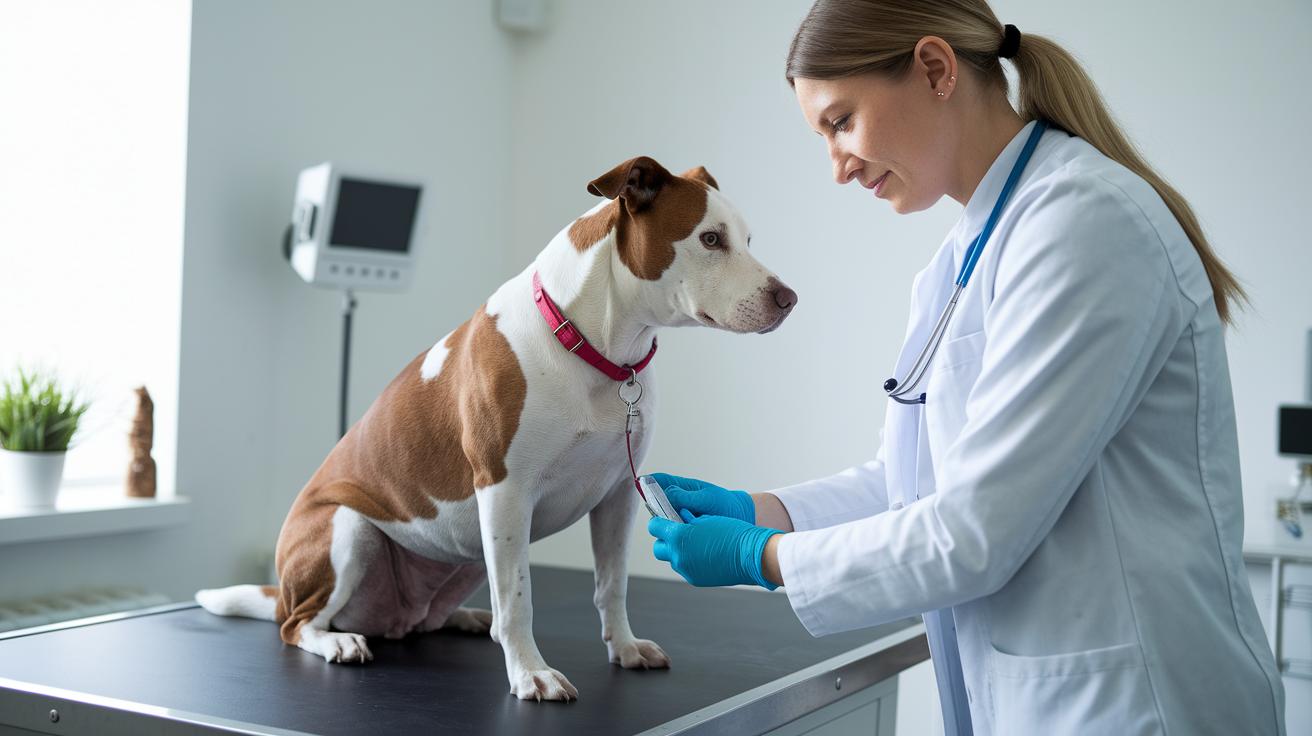
When you take your pet for a checkup, blood tests are a key way to see how well they’re doing overall. It’s a lot like checking the engine in your car to make sure everything runs smoothly. These tests look at how well organs function, check electrolyte balance, and count blood cells to spot early signs of trouble. One vet even said, "It’s like reading a diary of your pet’s health," which really helps paint a clear picture.
For older pets, getting blood work done every year is extra important. Even small changes, like hints of thyroid issues, can be caught early. In dogs, thyroid hormone tests help diagnose hypothyroidism, while in cats, they can show signs of hyperthyroidism.
Labs use trusted methods from experts at Veterinary Clinical Pathology to do these detailed checks. This careful work guides the treatment plan well before any serious symptoms show up.
Regular blood work gives pet parents peace of mind, knowing that even minor irregularities don't go unnoticed. This routine care helps keep each furry friend happy, healthy, and full of life.
Urinalysis and Kidney Function in Routine Pet Exams
Urinalysis is a quick and easy test that uses a small sample of your pet’s urine to show how well their kidneys are doing and to catch urinary tract infections early. Vets check for important signs like proteins, blood cells, and bacteria in the urine that can signal kidney issues or problems with hydration. One vet once said, "Checking urine is like reading a secret diary of your pet's health; every little note tells a story."
Sometimes, owners can collect the sample at home. Other times, vets use a method called cystocentesis, which means they use a small needle to get the urine directly from the bladder. This way, the sample is super clean and free from contamination, which leads to an accurate check of what is happening inside your pet’s body.
Routine urinalysis is a smart way to spot the first hints of kidney strain, infections, or uneven hydration. Regular tests give pet parents peace of mind, letting them catch small issues before they grow into big problems. This helps keep our furry friends healthy and happy at every checkup.
Fecal Examination and Parasite Screening for Pets

Fecal tests are an important part of your pet's checkup because they help find hidden parasites that might harm your dog or cat. During these tests, you provide a fresh stool sample so the vet can look for unwanted visitors like roundworms, hookworms, whipworms, and Giardia. One vet even said checking the stool is like reading your pet's secret health diary, which shows just how much these tests can tell us.
The test uses a simple method called fecal flotation to separate parasite eggs from the rest of the stool. This technique makes it easier for the vet to see any eggs when they look under a microscope and catch even a few eggs that might be there. Regular fecal exams help catch these infestations early so your pet stays happy and healthy. They also cut down on the chances of diseases spreading between pets and people.
By checking stool samples regularly, you can spot potential problems before they get worse. Think of it as an early warning system that keeps your pet safe and your family at ease. Routine parasite screening is a smart way to help your pet live their best life while keeping everyone safe.
Imaging Procedures in a Pet Checkup: X-Rays & Ultrasound
Imaging tests help us peek inside our pet’s body to see how they’re doing. X-rays are a very common test that checks for joint issues, broken bones, and breathing problems. Sometimes, a pet might need a little sedation to stay calm so the picture comes out clear. These pictures help the vet spot injuries, growths, or changes in a pet’s condition, which is really important when planning treatment.
Ultrasound gives us real-time views of important organs like the heart, liver, and kidneys. It is especially great for checking on pregnant pets and for finding organ troubles early. And the best part? Ultrasounds don’t use radiation, so they’re safe to do again and again.
New digital radiography and other modern tools make these tests even better by showing tiny changes that might be missed with older methods. One vet even said that these tools let us see into our pets in ways that uncover hidden issues. Tools from Veterinary Imaging (https://bonsiaai.com?p=1628) help keep pet care at its best.
All these imaging tests are key for catching problems early so your pet can get the prompt treatment it needs to stay happy and healthy.
Dental Health Evaluation During a Pet Checkup
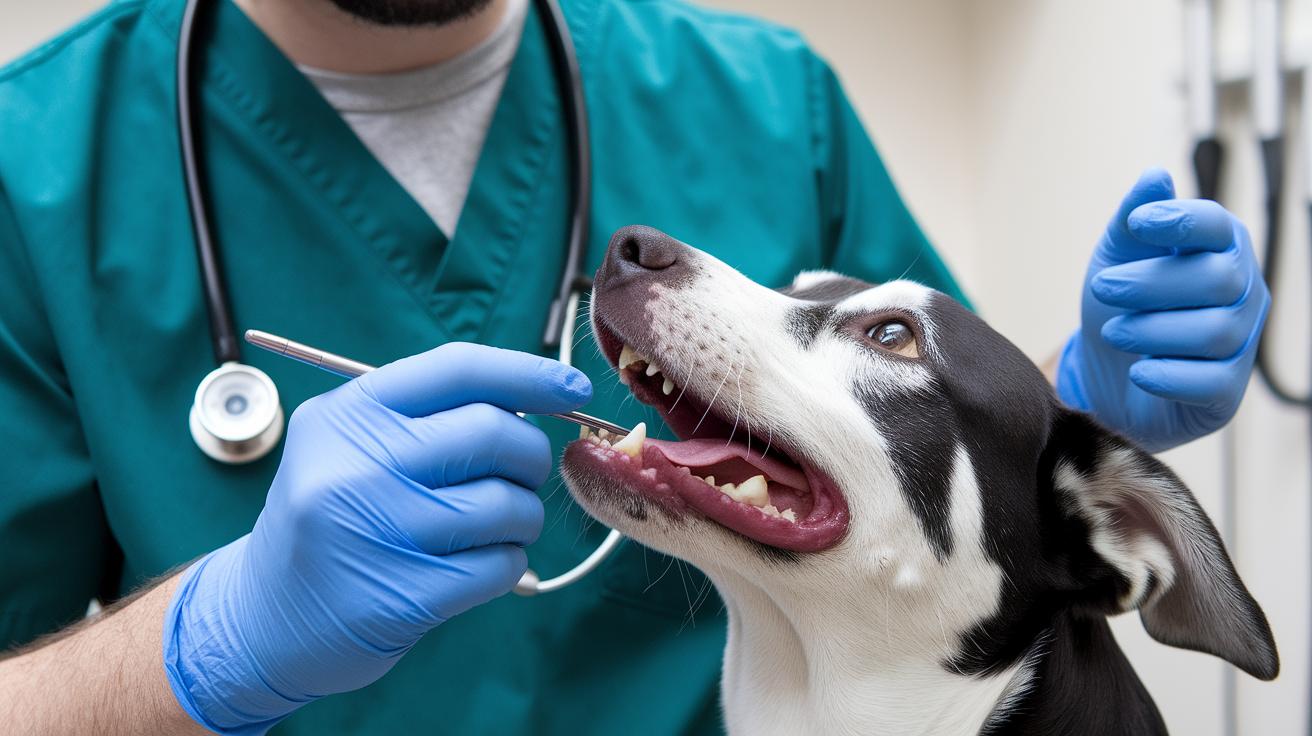
Every pet checkup should include a look at your furry friend’s teeth. The vet gently checks the mouth, watching for plaque and tartar, testing the gum’s feel, and making sure every tooth is strong. They also search for early hints of gum disease, which might cause discomfort now or even affect other parts of the body later on. I remember one vet saying, "Checking your pet’s teeth is like reading a secret diary; every mark tells a story." Isn’t it amazing how the tiniest details can speak so loudly?
During the exam, the vet may softly press your pet’s gums to check for any redness or swelling and look for signs of decay. Finding a little issue early means you can start with easy care steps, like regular tooth brushing or scheduling a professional cleaning, to keep trouble at bay. This routine check isn’t just about keeping a bright smile; it also keeps your pet’s whole body feeling healthier. Regular dental visits really do help catch problems before they grow into big issues.
Cardiac and Vital Signs Assessments in Pet Wellness Checks
When you take your pet in for a checkup, the vet makes sure to look at their heart and other vital signs in a friendly, straightforward way. They start by counting your pet's heartbeats every minute to see if it’s steady and strong. They also check the breathing rate because a change in breathing can signal a hidden issue.
Next, the vet does a simple test on your pet’s paw or gums by pressing gently and watching how quickly the color comes back. This little test gives a clear idea of how well blood is flowing.
They might also use a small cuff-like tool to measure blood pressure. This helps spot any high blood pressure that could affect important organs like the heart, kidneys, or eyes. For a deeper look into your pet’s heart rhythm, an electrocardiogram (ECG) is used. One vet even said it’s like reading a secret code from your pet’s heart, helping catch rhythm problems early.
- Cardiac rate measurement
- Electrocardiogram administration
- Blood pressure check using a cuff
- Capillary refill test
Each of these checks works together to give a clear picture of your pet’s overall health during every visit.
Final Words
In the action, we walked through the essential tests that form a thorough pet checkup. We explored physical exams, lab work, urinalysis, fecal examinations, imaging, dental health, and cardiac assessments. These common tests during a pet checkup help catch issues early and keep your pet healthy. Each step offers hints about your pet’s overall well-being. This clear, friendly guide leaves you prepared to make smart care decisions and foster a happy future for your furry friend.
FAQ
What is included in an annual dog check-up checklist, dog physical exam checklist, and veterinary physical exam checklist?
The annual exam covers a head-to-tail physical review, checking teeth, ears, eyes, heart, joints, weight, and coat condition to catch early health issues and maintain your pet’s overall well-being.
What are the annual dog check-up cost, veterinary check-up cost, and low-cost wellness exam options?
The exam cost varies by location and services offered. Many clinics provide affordable wellness exams, and community programs may offer low-cost options, helping you keep your pet healthy without breaking the bank.
What does a pet exam consist of, what do vets do during a wellness exam, and what does pet screening include?
A pet exam consists of a full physical checkup that includes taking vital signs, lab tests, dental reviews, imaging, and parasite screenings to ensure early detection and treatment of potential health issues.
What are some common veterinary diagnostic tests?
Common diagnostic tests for pets include blood work, urinalysis, fecal examinations, X-rays, ultrasounds, and dental inspections, all of which help detect and monitor conditions before they become serious.
What is a 4 panel test for dogs?
A 4 panel test for dogs evaluates key health markers such as kidney and liver function, blood cell counts, and electrolyte balance, providing vital insights into your pet’s overall organ health.
What test do veterinarians have to take?
Veterinarians must pass comprehensive licensing exams that assess their knowledge in animal health, surgical skills, diagnostics, and preventive care to ensure they provide safe and expert services for your pet.