
Ever wondered if the pet shampoo you buy might be a bit too rough on your furry buddy? Making your own shampoo means you can avoid those harsh chemicals and pick soothing, natural ingredients instead.
Imagine mixing warm water, a gentle dish soap, and a splash of apple cider vinegar to create a soft, calming lather that not only cleans but also comforts your pet. Our easy DIY guide walks you through each step, making it simple to give your four-legged friend a relaxing bath every time.
Isn’t it wonderful how a little homemade care can make such a big difference in your pet’s day? Give it a try and see how happy your companion can be with a bath made just for them.
DIY Homemade Pet Shampoo Recipes: Step-by-Step Preparation Guide
Begin by mixing your base ingredients in a large mason jar. Gather these items in the jar:
| Ingredient | Amount |
|---|---|
| Warm water | 1 cup |
| Natural liquid dish soap | 1 cup |
| Organic apple cider vinegar | 1 cup |
| Glycerine | 2 oz |
For an extra soothing touch, brew 2 cups of lavender or chamomile tea. Let the tea cool completely before adding it to your mix. This little tweak offers a calming scent, perfect for pets who get a bit jittery during baths. Ever notice how a soft lavender aroma can help relax even the most nervous furry friend?
Now, follow these simple steps:
- Wet your pet with lukewarm water until their coat is completely soaked.
- Give the mason jar a good shake to mix everything well.
- Pour the shampoo evenly over your pet’s fur.
- Gently massage the mixture in to form a rich lather, paying extra care to spots where dirt tends to hide.
- Rinse your pet thoroughly until no shampoo remains so that their coat stays soft and lightly scented.
This recipe makes enough shampoo for one wash on a 30-pound dog. If you have smaller or multiple pets, simply adjust the amounts accordingly. It’s a budget-friendly way to treat your fur baby to an organic, gentle bath , saving you trips to the store while keeping your pet comfortable and happy. Enjoy this cost-effective, natural bath time treat for your best friend!
DIY homemade pet shampoo recipes for Happy Pets
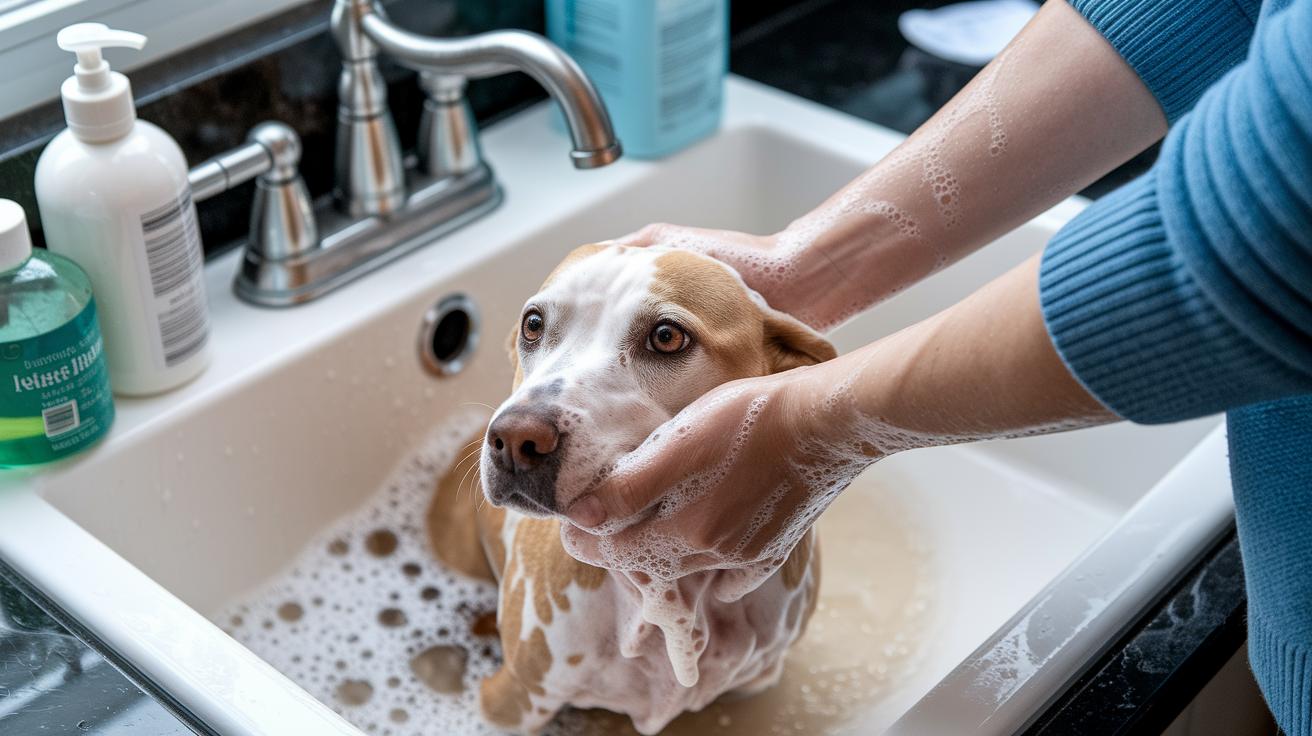
-
Start by mixing 1 cup of warm water. This makes a nice, foamy base that lifts dirt off your pet's coat.
-
Add a few pumps of a gentle dish soap. It helps break up grease and grime while still being easy on sensitive skin.
-
Stir in 1 tablespoon of organic apple cider vinegar. It naturally freshens and balances the pH, much like a light, everyday cleanser.
-
Mix in 1 teaspoon of glycerine. This helps lock in moisture so your pet’s coat stays soft even after a wash.
-
For a special herbal touch, brew one tea bag of lavender or chamomile in a little warm water, then mix it in. It’s like making a soothing cup of tea that helps calm your pet during bath time.
-
If you want a little extra care, add 1 teaspoon of aloe vera gel. And if you’re using essential oils like lavender, only add 1–2 drops for dogs since most oils can be too strong for cats.
Customizing DIY Homemade Pet Shampoo Recipes for Dogs and Cats
When you're fine-tuning your DIY shampoo, it's key to adjust the recipe to keep every pet safe and happy. For dogs, stick to your base formula but add a little extra hydration if their fur seems coarse. For example, if your pup's coat feels a bit rough after a wash, try mixing in an extra tablespoon of glycerine or a bit of aloe vera gel. I once added a bit more glycerine for my dog, and his fur felt noticeably softer and more nourished afterward.
For our feline friends, the recipe needs to be gentler. Cut the vinegar down to ½ cup and use an unscented, mild soap. Avoid essential oils because cats can be sensitive to strong smells. I adjusted my cat's shampoo by reducing the vinegar, and the milder mixture helped her stay calm during bath time.
If you want a refreshing twist, give a tea-based version a try. Brew 2 cups of unsweetened green or chamomile tea, let it cool completely, and replace half the water in your shampoo recipe with this tea. This helps add a soothing effect and balances the pH, which is especially useful for cats with more alkaline skin.
Also, remember to adjust the recipe based on your pet's size. Use half the recipe for small breeds under 15 lbs and one and a half times the recipe for larger breeds over 50 lbs. This ensures each pet gets a gentle, perfectly customized wash that suits their needs.
Troubleshooting and Adjusting DIY Homemade Pet Shampoo Recipes
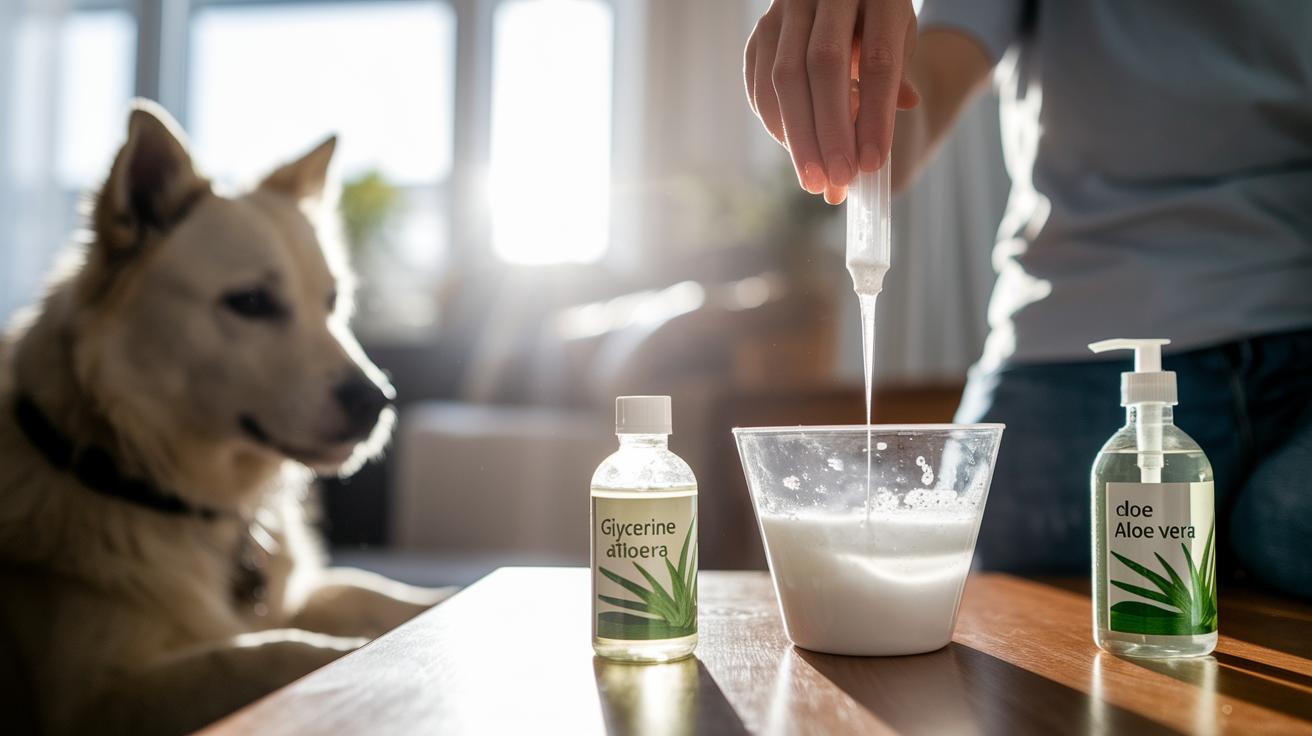
Sometimes your homemade shampoo doesn't work out the way you expected. If it seems too runny, try adding one or two extra tablespoons of glycerine or a pinch of xanthan gum. This extra boost helps thicken the mix, kind of like giving it more strength so it holds together better.
If your pet's skin feels a bit irritated, ease up on the vinegar and add more water or aloe vera to the formula. This adjustment makes the shampoo gentler on sensitive skin. And if you’re not getting a good lather during bath time, switching to warmer water or adding a touch more gentle surfactant can make the foam richer and more fun for bath time.
Sometimes you might also notice a strong, overpowering scent. In that case, rinse your pet with a solution made by mixing one tablespoon of baking soda into water, or add a little extra tea infusion to balance out the smell. And if you see the ingredients separating in the jar, don’t worry, just give it a good shake before each use.
- Too runny: add extra glycerine or a pinch of xanthan gum
- Skin irritation: use less vinegar and more water or aloe vera
- Poor lather: try warmer water or a bit more surfactant
- Strong scent: rinse with a baking soda solution or add more tea infusion
- Separation: make sure to shake well before use
Budget-Friendly and Eco-Friendly Benefits of DIY Homemade Pet Shampoo Recipes
DIY pet shampoo is a friendly, wallet-saving solution that cares for your furry friend while being kind to nature. Store-bought shampoos can cost about $1–$2 per ounce, but making your own might only set you back around $0.10–$0.20 per ounce. That means more washes for each dollar spent!
By mixing simple ingredients like vinegar, glycerine, and tea, you create a gentle cleanser that works well for pet baths and even other cleaning tasks around the house. These everyday items not only cut down on waste by serving multiple purposes, they’re also biodegradable, which means they break down naturally and are less harsh on the environment.
Plus, think about reusing handy items like mason jars to store your shampoo. Instead of tossing out single-use plastic bottles, you’re opting for durable glass that keeps your shampoo fresh and helps reduce plastic waste. Buy ingredients in bulk, too, and you’ll see even more savings!
| Benefit | Description |
|---|---|
| Cost-effective | Saves money compared to commercial products |
| Multi-use | Ingredients work for pet care and general cleaning |
| Eco-Friendly | Biodegradable components and reusable jars lessen waste |
Ever notice how a little DIY project can feel as satisfying as watching your pet’s wagging tail on a sunny day? For more green and creative ideas, check out eco-friendly pet supplies.
Safety and Storage Tips for DIY Homemade Pet Shampoo Recipes
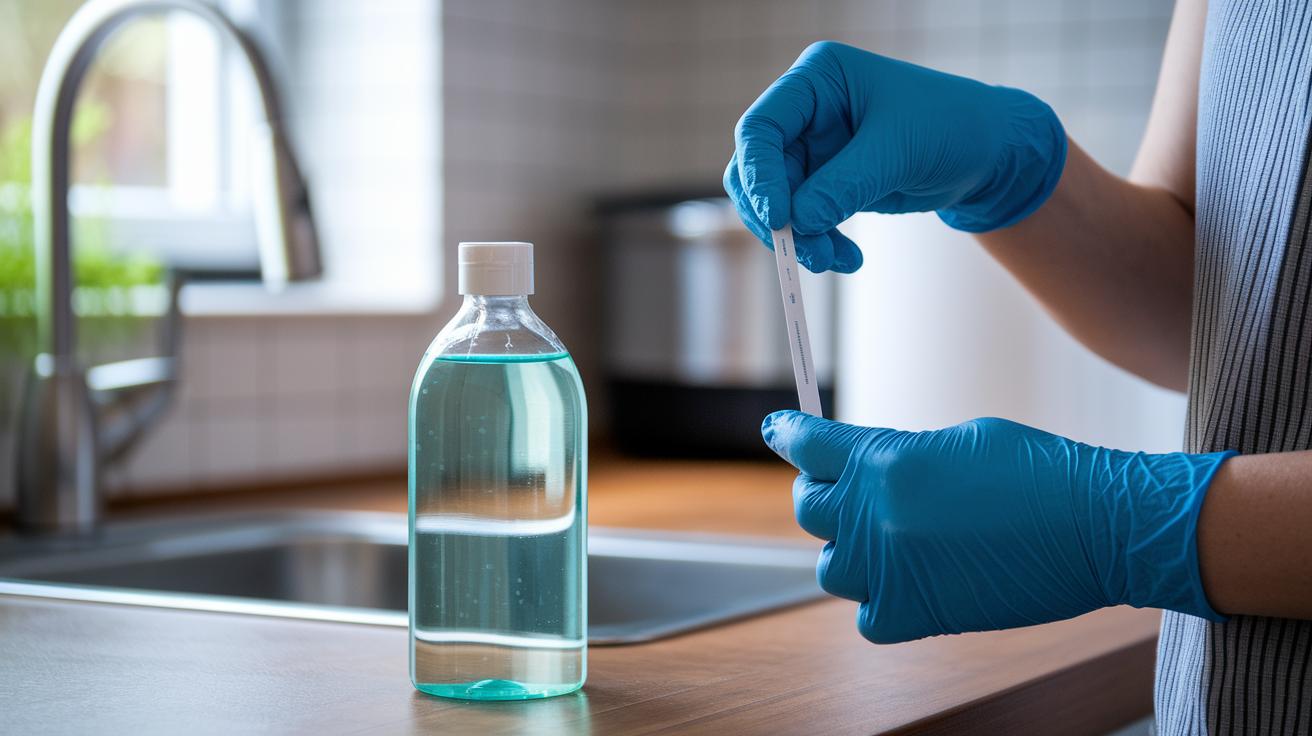
When you whip up your own pet shampoo, making sure it is safe is just as important as creating that perfect sudsy feel. First, test the pH using simple strips to see if it lands between 6.5 and 7.5. This range matches your pet’s natural skin pH and helps stop any irritation, kind of like checking the water temperature before a bath.
Keep your shampoo in a cool, dark spot so it stays fresh and works well. Always mark your jar with the date you made it. By using the shampoo within 4 to 6 weeks, you reduce the chance of mold or unwanted bacteria forming. Make each new batch in clean, sanitized containers to keep everything pure and safe.
Before you use it fully, do a patch test on a small spot of your pet’s skin 24 hours ahead of time. This little trial run helps avoid any surprise reactions, a bit like tasting your meal before serving it to your family.
Also, remember to store your shampoo out of reach for both kids and pets when it’s not in use. And don’t forget to note down the date you prepared it to track its shelf life.
Final Words
In the action, this guide walked you through creating DIY homemade pet shampoo recipes. We detailed a simple base formula, soothing tea infusions, and customization tips for both dogs and cats. Step-by-step instructions helped ensure your mix stays budget-friendly, natural, and safe. Troubleshooting advice and storage tips also keep your pet’s wash effective and fresh. Embrace these practical tips and enjoy the peace of mind that comes with caring for your furry friend in the best way possible.