
Have you ever thought that a regular pet checkup might be the secret to a longer, happier life? Think of it like a tune-up for your car, making sure your pet’s engine is running smoothly every day.
A wellness exam does more than just find problems. It gives your furry friend a boost of extra energy and keeps them feeling their best. Plus, it helps catch little issues before they turn into big ones.
In this blog, we’ll walk you through what happens during these important visits. I’ll share some simple tips and insights to help you prepare, all in a way that feels like chatting with a good friend.
So stick around and let’s explore how just a few easy steps can lead to big rewards for your pet’s health.
What to Expect During a Pet Wellness Exam
Before the exam begins, a friendly team member will review your pet’s medical history. They might ask about your pet’s food, exercise, and everyday habits, like whether you’ve noticed a change in your dog’s energy. This simple chat helps spot any issues right away, making the checkup smoother. Sometimes, you'll see a little note prompting you to "click here for What to Expect During Your Pet's Annual Checkup" for extra guidance.
Next, a kind technician creates a calm environment, gathering details like your pet's weight and recent activity. Imagine your technician softly checking your cat’s ears and saying, "We’re just making sure every little sound is just right." These careful steps help your furry friend relax and feel safe.
Then, the veterinarian does a gentle, hands-on checkup. They look at your pet’s heart, lungs, temperature, skin/coat, eyes, ears, mouth, and how they move around. Most healthy pets enjoy a quick 15- to 30-minute session, but older pets or those needing extra care might take up to an hour. If something seems off, the vet could suggest additional tests to tailor the care just for your pet.
Preparing Your Pet for a Veterinary Wellness Check

Before you head out, gather your pet’s past health records, vaccination details, and any recent lab or imaging reports. This information helps the vet understand your pet’s history and makes the checkup go much smoother.
Then, fill out the new patient form online and update your emergency contacts in the patient portal. Think of it like organizing your pet’s school file before a big project, it shows you’re ready and makes everything easier at the clinic.
Before you leave, give your pet a small meal about two to three hours ahead of time so they won’t feel uncomfortable during the exam. You might also bring along a familiar blanket or favorite toy to help calm them in a new place.
At the clinic, a technician will chat with you about your pet’s diet, exercise routine, and daily habits, like when they usually go to the bathroom. This friendly conversation helps spot any concerns before the exam starts.
Pet Wellness Exam Procedures and Protocols for Dogs and Cats
A pet wellness exam goes way beyond a typical checkup. It's a complete look at your pet's health, designed to catch any issues before they turn into bigger problems. Vets carefully check each part of your pet’s well-being, making sure both dogs and cats get the personalized care they need.
Dog Wellness Exam Protocol
When it comes to dogs, the exam usually starts with the heart. The vet listens carefully for any odd sounds that might hint at heart problems. Next, they check your dog's breathing, paying attention to how smoothly and quickly they breathe. They then look at joint movement and overall mobility, making sure your pup is still able to run and chase a ball with lots of joy. The skin and coat get a good look as well, to spot any signs of allergies or pesky parasites. Plus, the vet examines the teeth and gums, checking for tartar build-up that could harm your dog’s smile. Finally, they measure your dog's weight and body condition to ensure they're eating well and staying fit. You might even hear the vet remark, "Your pup's weight is spot on for keeping those energy levels high!"
Cat Wellness Exam Protocol
For our feline friends, the exam is just as thorough but with a gentle, calm touch. It usually begins by checking to see if your cat is well-hydrated, since they can sometimes have trouble keeping up with water intake. The vet then takes a close look at your cat’s mouth, checking for any tartar or discomfort while chewing. They’ll also examine the coat to ensure it has that healthy shine and soft feel, and watch how your cat moves to catch any early signs of stiffness or arthritis. Throughout the exam, vets use gentle handling techniques to keep your cat relaxed, almost like a quiet whisper saying, "Everything's okay, kitty!"
If the initial check raises any concerns, additional tests like blood work, urinalysis, heartworm tests, or fecal parasite screens might be suggested. These extra steps help spot any health issues early on, making treatment simpler and more effective.
How Often to Schedule a Pet Wellness Checkup
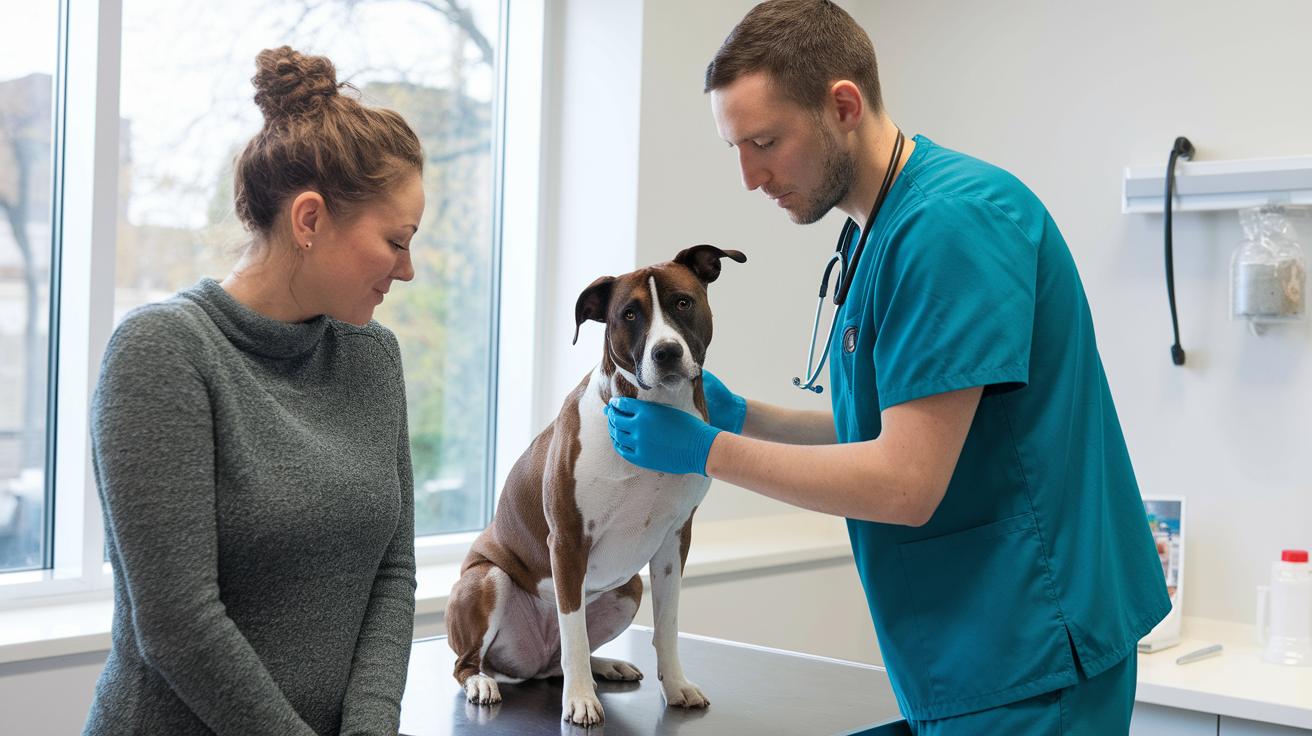
Regular checkups help keep your pet healthy and happy. For adult dogs and cats, a visit to the vet every six to twelve months is just right. These checkups let the vet look at your pet’s heart, lungs, skin, and overall health. This way, even small changes can be noticed quickly, so your furry friend gets the care needed early on.
Puppies and kittens need a bit more attention when they’re young. In their first year, seeing the vet every three to four months is important. This helps track their growth and manage their shots, plus the vet can share simple tips on feeding and exercise. It’s like laying a strong foundation for a lifetime of good health.
For older pets, especially those seven years and up, a checkup every six months works best. These regular visits allow the vet to watch for age-related issues like arthritis, dental problems, or changes in organs. And if you notice something unusual, it’s a good idea to call your vet sooner. After all, a little extra care can help your pet stay active and comfortable at every age.
Cost Breakdown and Pricing for Pet Wellness Exams
Taking care of your pet means knowing what to expect when it comes to costs. On average, a wellness exam for your dog or cat usually runs about $95, even though prices can start at $75 and go up to $120 depending on where you live. This friendly checkup looks at everything from your pet’s heart and lungs to their weight and coat, so you get that heartwarming reassurance, like hearing a vet say, "Your pet is doing great!" after a smooth and caring exam.
Extra services like vaccines or special tests can change the price too. Each vaccination may add around $15 to $30 to your bill. And if your vet suggests more checks, maybe a heartworm screen or a stool test, these can cost between $25 and $50 each. For those times a more detailed look is needed, basic blood work starts at roughly $70 and can reach up to $150. More involved panels for senior pets or tougher cases might even go up to $200. Knowing these costs gives you a clear view to help plan for both everyday checkups and any extra care.
If it’s your pet’s first visit, you might also get a special treat: many places offer a $25 discount on that first exam. This makes it easier to start a healthy routine without any surprises at the door.
| Service | Typical Cost | Notes |
|---|---|---|
| Routine Exam | $75–$120 (avg. $95) | Basic physical checkup |
| Vaccinations | $15–$30 per shot | Essential immunizations |
| Diagnostic Tests | $25–$50 each, up to $200 for panels | Other necessary tests |
| First Exam Discount | –$25 | New patient special |
Post-Exam Care, Follow-Up, and Wellness Packages for Your Pet
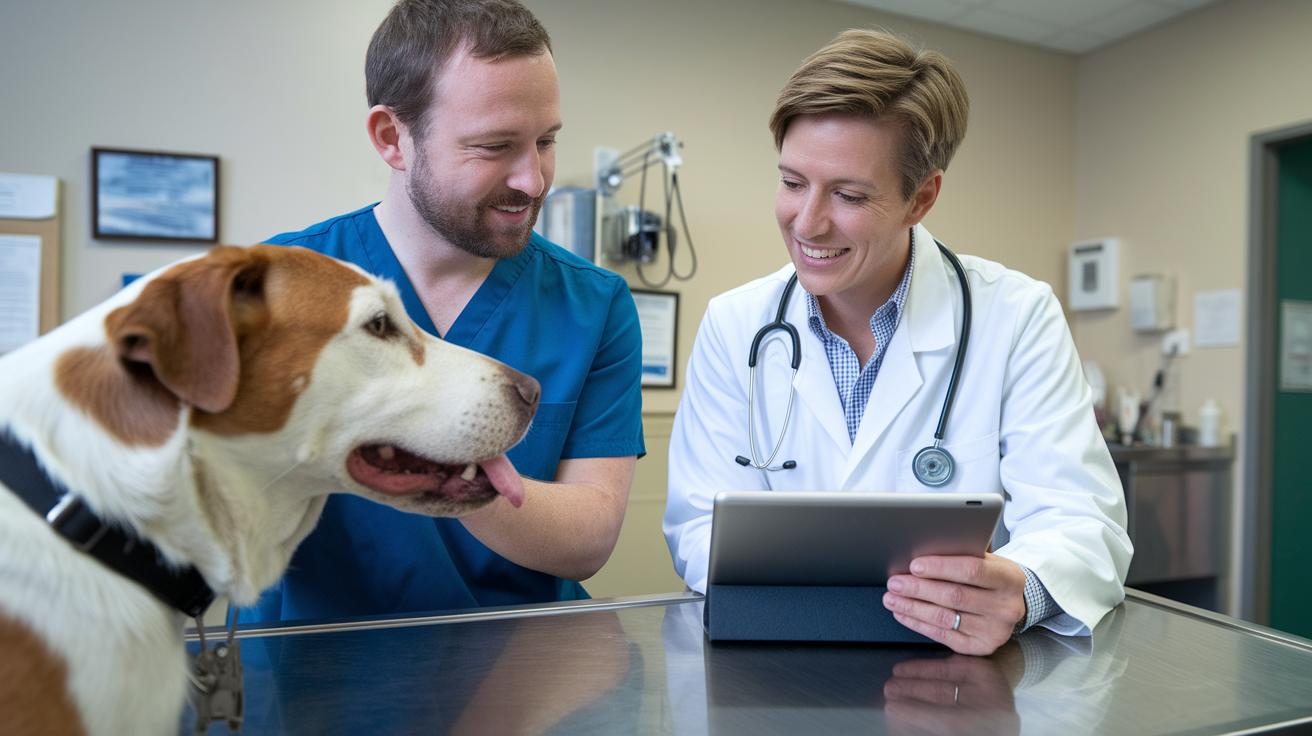
After your pet’s checkup, your vet will sit down with you to explain what they found. They review your pet's vaccine schedule and parasite-prevention plan and might suggest a few changes to their diet or exercise routine. You can even log into an online portal to see exam notes, lab results, and options for future visits. This friendly chat helps you know exactly what to do next, whether it’s just a routine follow-up or a closer look if your pet has ongoing or age-related issues.
If your pet needs more care, many clinics now offer budget-friendly wellness packages. These plans bundle follow-up visits and preventive care into one straightforward package, often listed under pet wellness plans. This way, you can easily track your pet's progress and manage the costs. With a wellness plan, scheduling regular checkups and keeping up with a full health screening becomes simple, helping your pet stay happy and healthy.
Final Words
In the action, our guide shows how a pet wellness exam steps you and your friend through everything from preparation to follow-up. We explored what happens during the checkup, talked about species-specific procedures, and broke down cost details. It covered the work vets do to check your pet’s health and offered simple tips for a smooth visit. Following these steps helps you make smart, caring choices for your pet’s life. Here’s to more tail wags and healthy days ahead with a pet wellness exam.
FAQ
How can I find an affordable or free pet wellness exam near me?
Finding affordable pet wellness exams often means checking local pet clinics, searching online, and asking your vet about special promotions. Many places offer discounted or free exams during certain events.
What does a pet wellness exam include?
A pet wellness exam typically begins with reviewing your pet’s medical history, then checks vital signs like heart, lungs, and temperature. Your vet also examines the eyes, ears, mouth, skin, and overall mobility for a complete health picture.
How much does a pet wellness exam cost?
Pet wellness exams usually run between $75 and $120, though prices vary by location and provider. Extra tests or vaccinations may increase the cost, so it’s wise to check with your local clinic for the most accurate pricing.
What is a pet wellness exam?
A pet wellness exam is a routine checkup aimed at maintaining your pet’s overall health. It involves a review of their history and a physical exam to catch any issues early and keep them thriving.
Is wellness coverage worth it for pets?
Wellness coverage can be a great option as it makes routine exams and preventive care more affordable. It helps catch health issues early, saving money on more extensive treatment later on.