
Ever thought about trying your hand at being a dog trainer? It may sound a bit out there, but your deep love for dogs could be the start of something truly fulfilling. With a few practice sessions at home and some friendly tips along the way, building your skills might be easier than you expect. This guide walks you through small, clear steps that lead to big success. So, are you ready to turn your passion for pups into a career that brings pets and their owners even closer? Let’s dive in and explore your new path.
How to become a dog trainer: Spark success
If you love dogs and want to turn that passion into a fulfilling job, start small and build your skills step by step. Try practicing basic commands like "sit," "down," and "stay" with your own dog even when there are distractions. This simple practice boosts your confidence and sets the stage for training other pups later on.
Next, here are some steps to help you along the way:
- Train your own dog on basic commands.
- Work with different breeds to learn about various behaviors.
- Sharpen your people skills by coaching pet owners.
- Dive into animal behavior science (that’s the study of how pets act).
- Sign up for a well-known certification program.
- Join a professional trainer group.
When you work with a variety of dogs, you'll quickly see that each one has its own personality and training needs. Dog training isn’t just about teaching tricks, it’s also about helping pet owners connect with their furry friends. With every step, you’re not only improving your skills with pets but also learning to better communicate with people. This journey of growth makes your path in pet training both rewarding and full of trust and expertise.
Education Paths and Certification for Dog Trainers
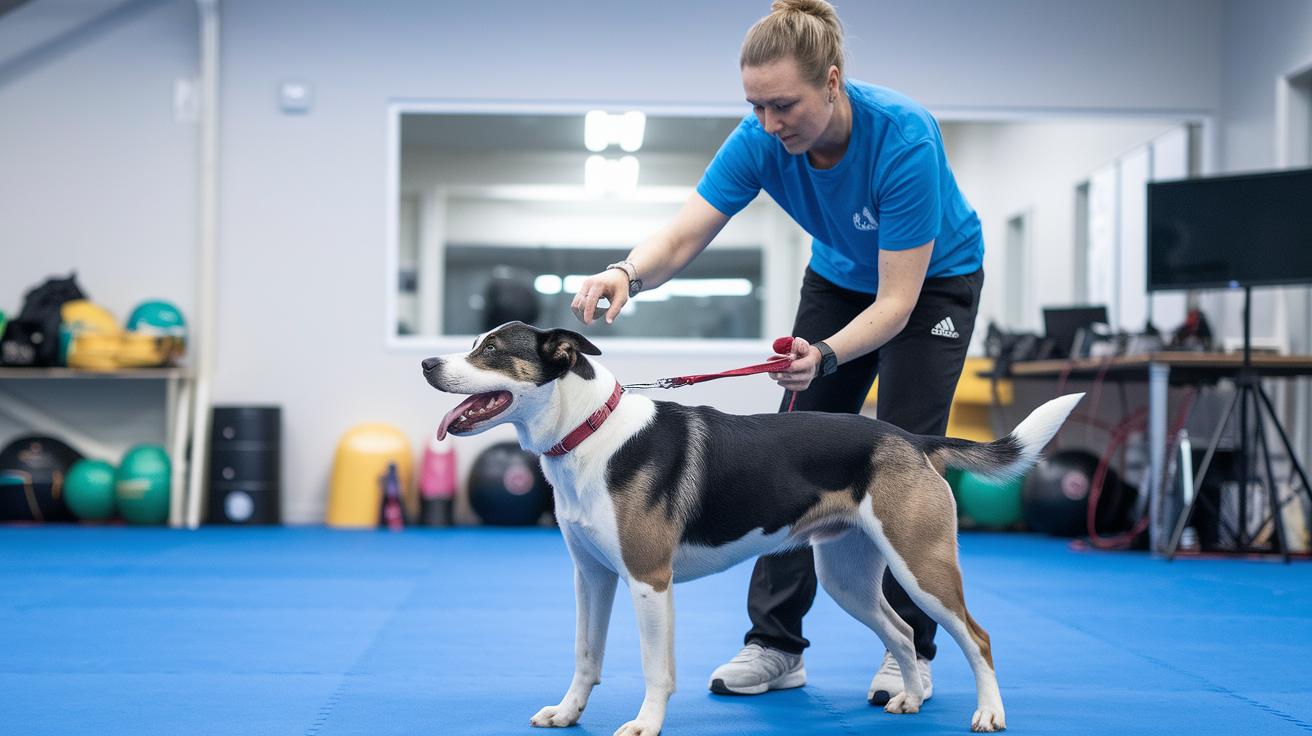
If you're thinking about a career in dog training, picking the right course is super important. There are many different certificate programs in pet behavior to choose from, so you can find one that fits your style and wallet. You might go for an intensive program that lasts just 4 to 8 weeks, or you could dive into a longer course that takes 6 to 12 months. Some folks prefer hands-on apprenticeships lasting from 3 up to 12 months, while others enjoy the flexible pace of online classes, usually running between 2 and 6 months.
Costs can vary a lot too. For example, basic courses might start at around $300, but more advanced programs can cost over $10,000, and you might also need extra money for books, supplies, travel, and extra training sessions. Many accredited pet training centers now mix online lessons with in-person workshops, making it easier to balance learning with your busy life.
Here’s a simple table to help break down the choices by program type, length, and cost:
| Program Type | Duration | Cost |
|---|---|---|
| Intensive Certificate | 4–8 weeks | $300–$900 |
| Comprehensive Program | 6–12 months | $3,000–$10,000+ |
| Apprenticeship | 3–12 months | $1,000–$3,000 |
| Online Self-Paced | 2–6 months | $800–$2,000 |
Remember, your journey isn’t just about earning a certificate. It’s about learning how to truly connect with both the dogs and their owners. Ever notice how a simple certification can open up a world of practical skills and heartfelt moments with pets? For more information on different training options, check out dog training classes at dog training classes.
Hands-On Experience in Dog Trainer Skill Development
Certification programs for dog trainers often require you to put in many hours of hands-on work with guidance from experts. Real-world experience is truly key, it lets you see and understand how different breeds behave, which in turn helps you learn more than just basic lure-and-reward methods. Spending time working closely with all kinds of dogs also builds the communication skills you need to explain your approach to pet owners. Plus, connecting with seasoned trainers and fellow enthusiasts during apprenticeships, mentorships, and internships really boosts your confidence when handling real training challenges.
Apprenticeship Mentorship Benefits
Working with an experienced mentor is a huge plus. You get to watch effective training techniques up close and join in on sessions that feel like real client interactions. A good mentor gives quick feedback, helps you fix mistakes, and guides you in a structured way as you develop your own style. Their practical tips can make all the difference.
Field Internship Structures
Internships with shelters, pet daycares, or established training groups let you use your skills in a lively, real-world setting. Here, you meet dogs with all sorts of personalities and training needs, which helps you learn how to adapt your methods. These experiences not only deepen your practical knowledge but also expand your professional network, laying down a solid foundation for your future in dog training.
Specializing in Dog Training: Service, Therapy, and K9 Roles

When you grow your career as a dog trainer, you can explore special areas that go far beyond basic commands. With the right certifications, you can work with service animals, help in therapy sessions, support law enforcement, or even train military dogs. Each of these paths teaches you unique skills, like training a service dog to help with day-to-day tasks, judging a therapy dog's calmness, or teaching a police dog the best patrol techniques. This extra training makes you stand out and gives you the tools to offer training that really fits the need. For example, service dog courses cover everything from guiding in busy public spaces to advanced obedience, meeting the strict standards set by the ADA.
Service Animal Specialist Track
In the service animal track, you learn how to train dogs for public tasks and advanced obedience. In these classes, you find out how to help train dogs to assist people with disabilities by doing important small jobs and keeping them safe. The lessons also include understanding ADA rules, so the dogs can work smoothly in public places. Imagine a furry friend who can pick up dropped things or help steady someone on a busy day, these are the kinds of skills you develop through practical training.
Therapeutic Canine Mentor Programs
The therapeutic canine mentor programs focus on checking a dog’s temperament, getting handlers certified, and setting up smooth therapy sessions. Here, you learn how to see if a dog is calm and responsive enough to work in places like hospitals or care centers. You also work closely with pet owners to build trust and fine-tune a dog’s behavior so that it brings comfort. Think of it like a gentle petting session that turns a waiting room into a warmer, friendlier place, it all starts with simple, caring steps.
Law Enforcement & Military K9 Training
When training dogs for law enforcement or military work, the focus shifts to skills like scent detection and strict patrol routines. In these courses, you pick up techniques for tracking, identifying suspects, and handling high-pressure situations. This kind of training is more than just teaching obedience, it’s about sharpening a dog’s instincts for quick, smart decisions that can protect lives and support vital missions.
Launching Your Dog Trainer Business: Marketing and Legal Essentials
If you're a certified trainer, you have a chance to grow your business by adding services beyond basic dog training. You might offer dog walking, daycare, boarding, pet taxi rides, or even pet grooming. These extra options not only bring in more money but also help you become a familiar face in your local pet community. Picture a place where pet parents can have all their pet care needs met under one roof.
It’s important to set clear fee structures and service packages when chatting with potential clients. By explaining what each service includes, you avoid any mix-ups and build trust with pet owners. Think of it like a friendly menu at your favorite restaurant – everything is clearly listed and easy to understand. This simple approach shows you mean business while making your marketing as effective as possible.
Don’t forget the legal side of things. Find out what local business licenses you need and get professional liability insurance. These steps protect you and your clients, ensuring that your business runs smoothly and safely. When you take care of these legal details, you can focus on delivering great training and expanding your pet care services. This way, you build a strong, trustworthy business that pet owners can rely on.
Continuing Education and Career Growth for Dog Trainers

Staying current in dog training means more than just learning new techniques, it’s also about connecting with other trainers and sharpening your skills along the way. You might join friendly seminars led by experts who share the latest insights on pet behavior, much like fine-tuning your favorite instrument to keep it sounding its best.
The realm of dog training is always changing, and there are plenty of flexible ways to keep up. Conferences and online courses make it easy to pick up fresh strategies and practical tips you can use right away. Every time you learn something new, you boost your confidence and help the dogs you work with thrive.
- Expert-led seminar sessions and webinars
- Regional and national dog training conferences
- On-demand online courses (e.g., best online dog training – https://goodkaws.com?p=694)
- Local pet professional networking groups
- Peer-reviewed workshops and certification renewal programs
Final Words
In the action, we covered essential steps and key education paths that shape a rewarding canine career. We explored the importance of hands-on experience, mentorship, and refining your people skills. We also discussed specialization areas, business setup essentials, and continuous learning to boost both confidence and success. Remember, if you're curious about how to become a dog trainer, there's always room to learn, grow, and enjoy every step of this fulfilling journey.
FAQ
Dog trainer certification
The dog trainer certification indicates that a trainer has met the necessary education and hands-on experience standards, ensuring they understand canine behavior and effective training methods.
How to become a dog trainer for free
The process of becoming a dog trainer for free often starts by exploring volunteer work, online resources, and apprenticeship opportunities that offer practical experience without costly courses.
Dog Trainer salary
The dog trainer salary varies based on experience, location, and specialization; earnings can range from modest part-time incomes to competitive full-time salaries for seasoned professionals.
How to become a certified dog trainer
The journey to becoming a certified dog trainer involves completing accredited coursework, gaining practical training experience, and passing exams, which together build your credibility and skills.
How to become a dog trainer online
The route to becoming a dog trainer online typically includes enrolling in self-paced courses with interactive modules and virtual coaching, offering flexibility and essential training techniques.
How to become a dog trainer Near me
The way to find local dog trainer programs is to search for nearby pet schools, community college courses, and apprenticeship programs, which provide in-person learning and practical experience.
How to become a dog trainer Reddit
The approach on how to become a dog trainer on Reddit means joining pet communities where experienced trainers share advice, success stories, and insider tips to guide your journey.
Best dog training certification programs
The best dog training certification programs are those that offer a mix of comprehensive curriculum, hands-on training opportunities, and professional networking to help jumpstart your career.
What qualifications do you need to be a dog trainer?
The qualifications needed to be a dog trainer include a solid grasp of canine behavior, effective training techniques, and strong people skills to effectively guide pet owners and their dogs.
How long does it take to be a professional dog trainer?
The time it takes to be a professional dog trainer depends on the training program and practical experience, with many achieving proficiency in several months to a couple of years.
What qualifications do you need to be a service dog trainer?
The qualifications for becoming a service dog trainer involve specialized training in advanced obedience, public access techniques, and often extra certification focused on service animal standards.
How much does it cost to become a dog trainer?
The cost to become a dog trainer varies widely; expenses may include course tuition, certification fees, and training materials, with total costs ranging from a few hundred to several thousand dollars.