
Have you ever noticed that your pet’s smile might be trying to tell you something more than just "hello"? Many pet lovers are surprised to hear that if you don’t take care of your pet’s teeth, it could lead to real health problems. It’s not just about fresh breath, it’s about keeping your furry friend happy and healthy for years. With a few easy steps, you can help them avoid pain and save on costly treatments later. Ready to find out how simple it is to keep that smile sparkling?
Why Oral Health Matters for Your Pet
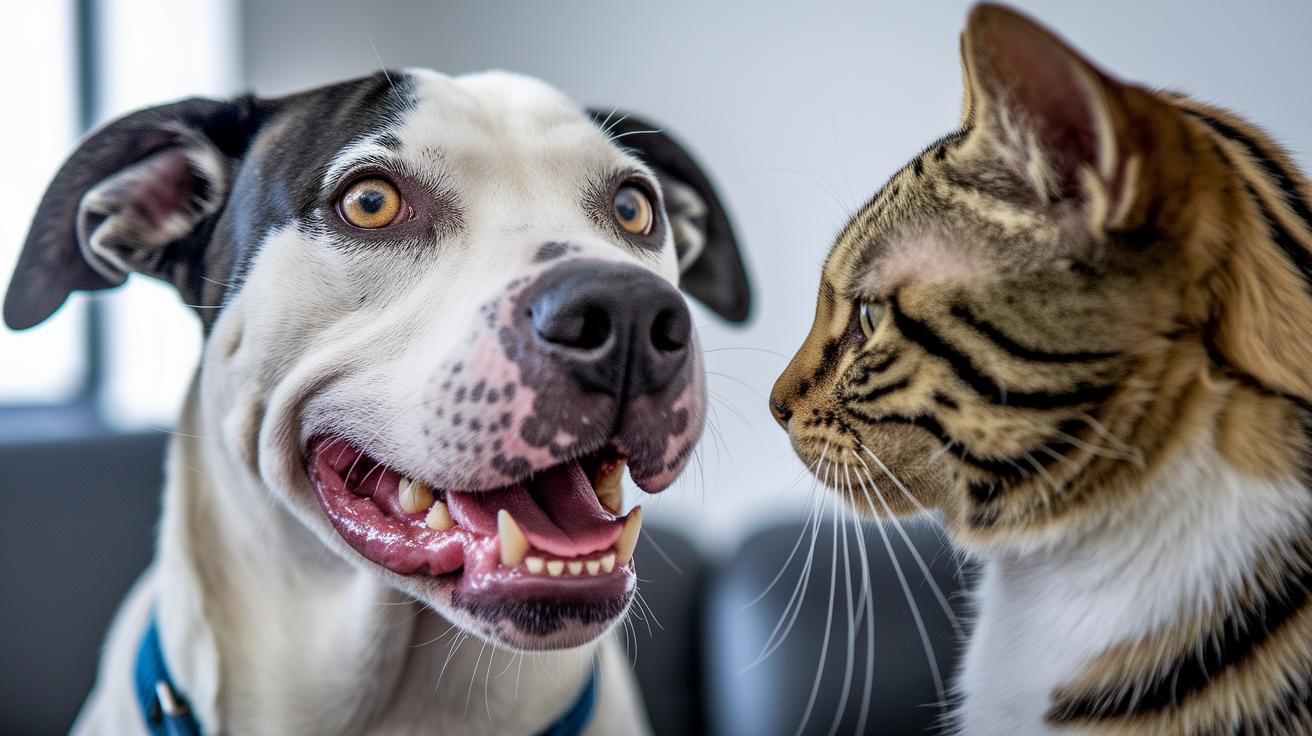
Did you know that by age three, 70% of cats and 80% of dogs already show signs of plaque buildup? This eye-opening fact reminds us that pet dental care isn’t just about a pretty smile, it’s about keeping our furry friends healthy from the inside out.
Poor oral health can lead to real problems. Imagine your dog having trouble munching on dinner because of sore gums, or your cat feeling constant discomfort from dental pain. These issues don’t just affect how they look or smell; they can lead to bigger problems like heart or kidney issues. Bad breath, plaque, and tartar buildup really make me worry about their overall wellbeing.
It’s clear that keeping up with your pet’s dental routine is essential. Regular brushing at home, paired with a professional cleaning at the vet, works wonders, just like when you brush your own teeth to prevent cavities. Sticking to this routine now can help prevent expensive, painful treatments later.
By mixing simple home care with scheduled vet check-ups, you can keep plaque and tartar under control. This means your pet can enjoy every meal and every happy, wagging moment to the fullest.
At-Home Dental Hygiene Routines for Pets
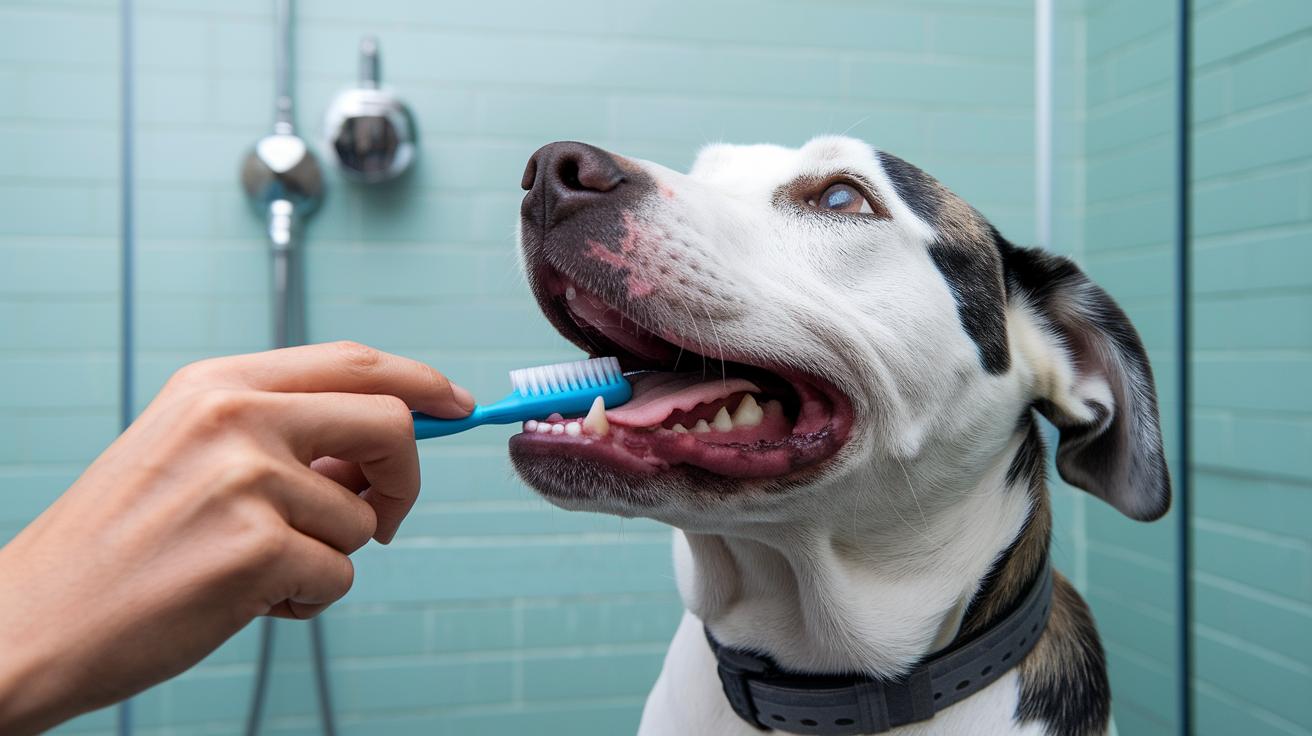
Taking care of your pet’s teeth at home is a simple and caring way to boost their overall health. A steady daily routine can make those cute smiles shine bright, and it doesn’t have to be complicated.
Brushing Your Pet’s Teeth
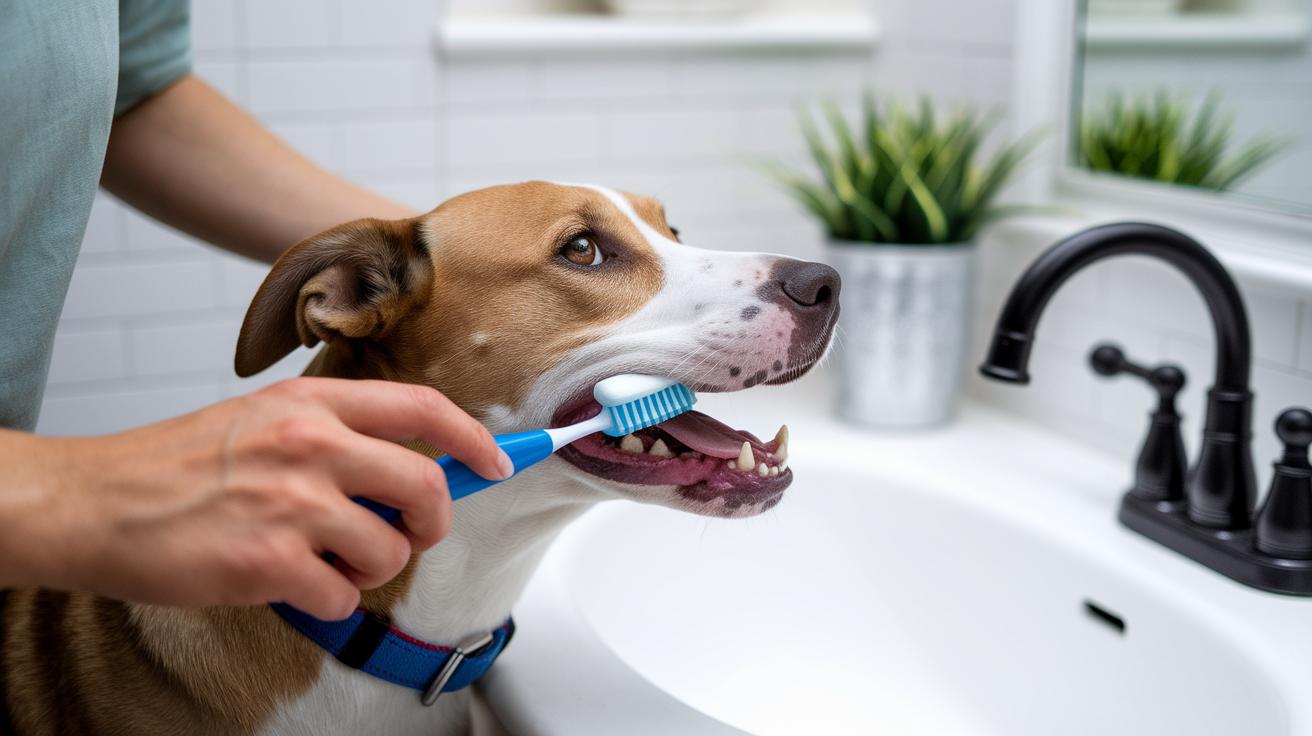
First, find a calm spot where you and your pet feel relaxed. Gather a soft-bristle toothbrush made just for pets and a pet-friendly enzymatic toothpaste, flavors like chicken, beef, or even peanut butter work great. Hold the brush at a 45-degree angle so you can gently sweep away food bits and plaque. Brush for about 2 minutes, making sure you cover every side of your pet’s teeth. Do this twice every day for best results, and finish up with lots of praise or a tasty treat. It’s all about making it a positive moment for your furry friend.
Using Oral Rinses and Water Additives
Sometimes, brushing isn’t enough on its own. You can add an oral rinse to the routine. Use a small squeeze bottle or an angled applicator to lightly dab a rinse containing helpful ingredients like chlorhexidine, zinc gluconate, or Vitamin C on your pet’s teeth. These ingredients help cut down on plaque and keep bad breath at bay. Just be sure to follow the instructions on the label, especially if your pet is a bit sensitive. If you’re looking for another option, water additives mix into your pet’s daily water bowl, offering a tasteless way to fight plaque buildup.
Introducing Dental Wipes
If your pet is new to dental care, dental wipes are a gentle way to start. Look for wipes made especially for pets from a trusted brand. Use one wipe a day to softly clear away surface plaque. As your pet gets more comfortable with the routine, you can slowly move on to brushing. This gradual approach helps ease any stress and builds a routine that works well for both of you.
Taking a little time each day to care for your pet’s teeth can lead to a healthier, happier companion. Isn’t it amazing how a few extra minutes can keep your pet smiling?
Essential Dental Care Products and Tools for Pets
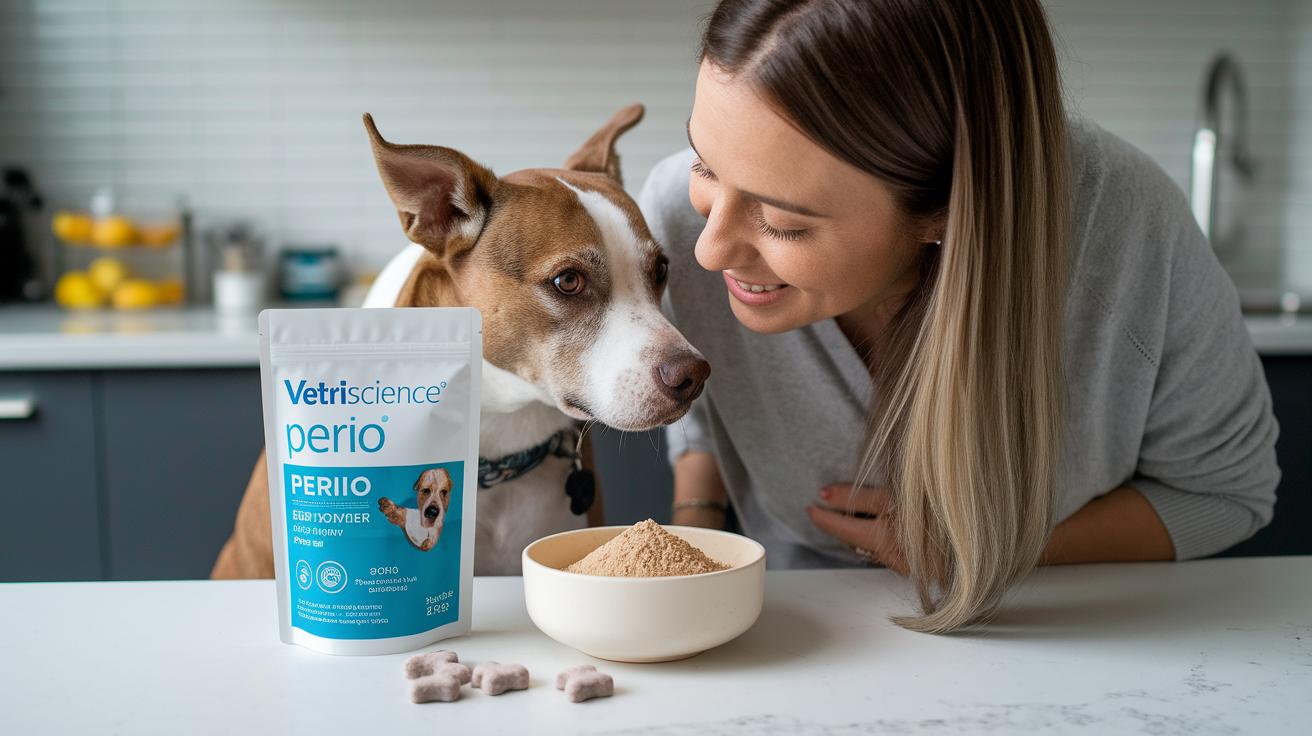
Keeping your pet’s smile bright is easier when you have the right tools. Using products that work together can help control plaque and keep your pet’s mouth healthy without any fuss. For example, a veterinary dental powder like VetriScience Perio Support mixes right into meals to support good oral bacteria and lower plaque right away.
If your pet isn’t too fond of brushing, dental wipes such as those from Dentacetic offer an easy way to remove surface plaque. And if you prefer a no-fuss method, water additives let you mix in a tasteless solution to help control plaque daily. Dental chews marked with the Veterinary Oral Health Council’s Seal of Acceptance are proven to reduce tartar while freshening breath.
Below is a handy summary table that breaks down the main product types and their benefits:
| Product Category | Example | Key Benefit |
|---|---|---|
| Toothbrush | Pet-specific, soft-bristle brush | Gently removes food particles and plaque |
| Toothpaste | Enzymatic pet toothpaste (chicken, beef, peanut butter flavors) | Breaks down bacterial buildup effectively |
| Dental Powder | VetriScience Perio Support | Supports healthy oral bacteria and reduces plaque |
| Water Additive | Pet dental water additive | Offers daily plaque control without changing taste |
| Dental Chews | VOHC-approved chews (like Purina Dental Diet) | Clinically proven to lower tartar buildup |
Using these products can make dental care simple and effective. Try mixing a little brushing with powders, wipes, water additives, and chews to create a routine that fits your pet’s style.
Professional Veterinary Dental Services for Pets
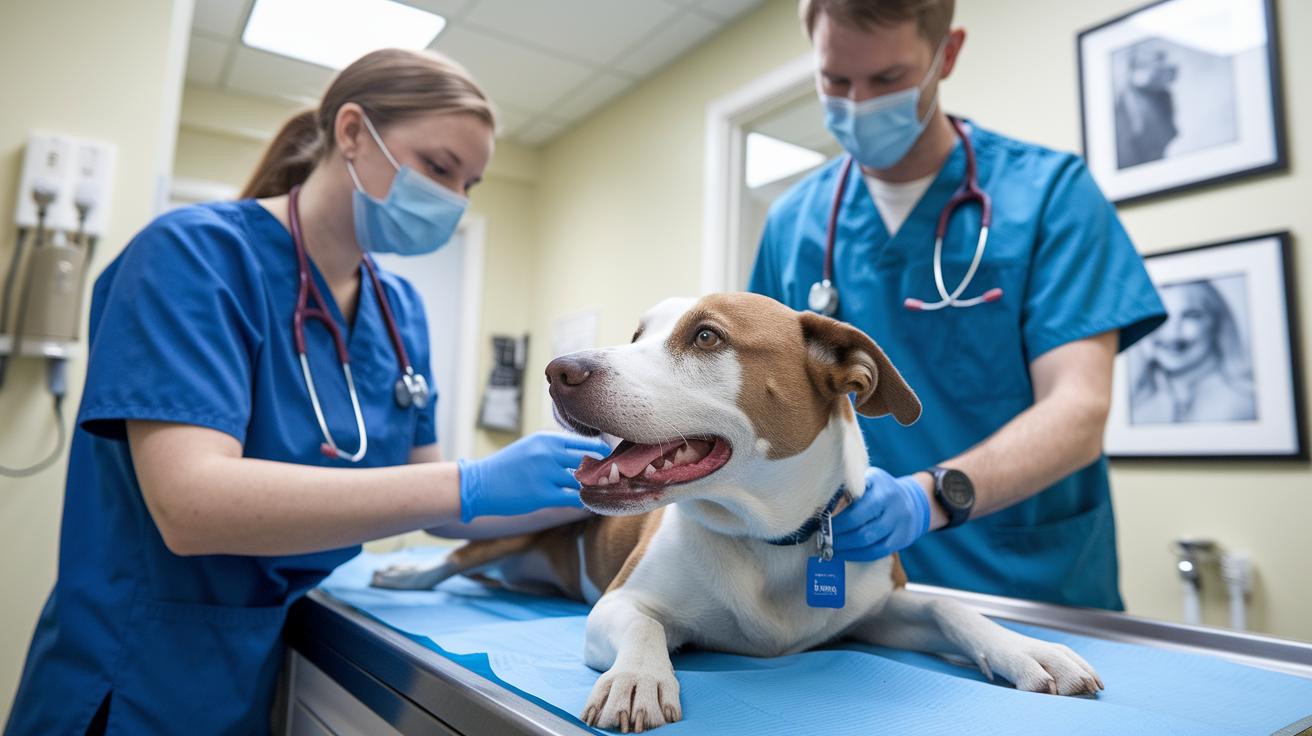
Taking care of your pet's teeth at home is important, but sometimes it isn’t enough. Regular brushing and dental treats can help fight plaque, but professional cleanings really get rid of the stubborn tartar that builds up on your pet’s teeth. And you know what? Vets often use light sedation or anesthesia so your pet can relax like they’re in a cozy nap while caring hands work on their smile.
It’s a smart idea to get your pet’s teeth checked once a year. A yearly dental visit can catch early signs of gum disease, loose teeth, or other issues that might not be obvious during your regular cleaning routine. During these visits, a vet might even take oral X-rays to spot hidden problems like abscesses or bone loss. This simple step helps prevent bigger issues down the line.
Costs can vary quite a bit. A basic cleaning might run you between $300 and $700, depending on factors like your pet’s size, the clinic, and the sedation needed. If your pet needs extractions or other oral surgery, the price goes up, but these extra treatments, like root canal therapy or detailed gum care, really help protect your pet’s health in the long run. Board-certified veterinary dentists have special training to handle these more complex cases with extra precision and care.
Each pet gets a sedation plan that fits their needs, so there’s less stress and discomfort during the procedure. The veterinary team keeps a close eye on your pet’s vital signs from start to finish, ensuring the entire process stays safe and calm. Choosing a clinic with experienced staff can make all the difference, keeping your furry friend’s mouth healthy while making the whole experience as smooth as possible.
Recognizing and Treating Common Pet Dental Problems

Many furry friends deal with dental issues that go more than just spoiling their smile. Buildup of plaque, hard tartar, inflamed gums (gingivitis), and deeper problems like periodontal disease can even lead to painful tooth abscesses. Warning signs like bad breath, red or swollen gums, drooling, trouble chewing, or wobbly teeth should never be ignored. For example, if you notice your dog pausing at mealtime or a cat rubbing its mouth, it might be a hint that their gums need attention.
Spotting these problems early is key. Try to watch your pet’s behavior and mouth during your daily routines. Check for any unusual color on their teeth, extra plaque buildup, or signs of discomfort while eating. After all, your pet might not be able to tell you when something’s wrong.
There are different ways to treat pet dental issues. Often, the first step is a professional clean-up where the vet removes all the plaque and tartar. If the problem is more severe, treatment might involve dealing with gum disease through extractions or even a small surgery for tooth abscesses. Sometimes, the vet might suggest a root canal to save a tooth, though pulling the tooth could be a better choice in some cases.
If your pet shows signs of infection or is in a lot of dental pain, vets usually give out antibiotics and pain relievers to help them feel better. It’s important to have a vet check things out as soon as you notice any warning signs. Early treatment not only eases your pet’s discomfort but also stops more serious dental problems from developing later on. Knowing all your treatment options gives you the power to keep your pet’s smile sparkling and healthy.
Budget-Friendly Dental Care: Costs and Insurance for Pets
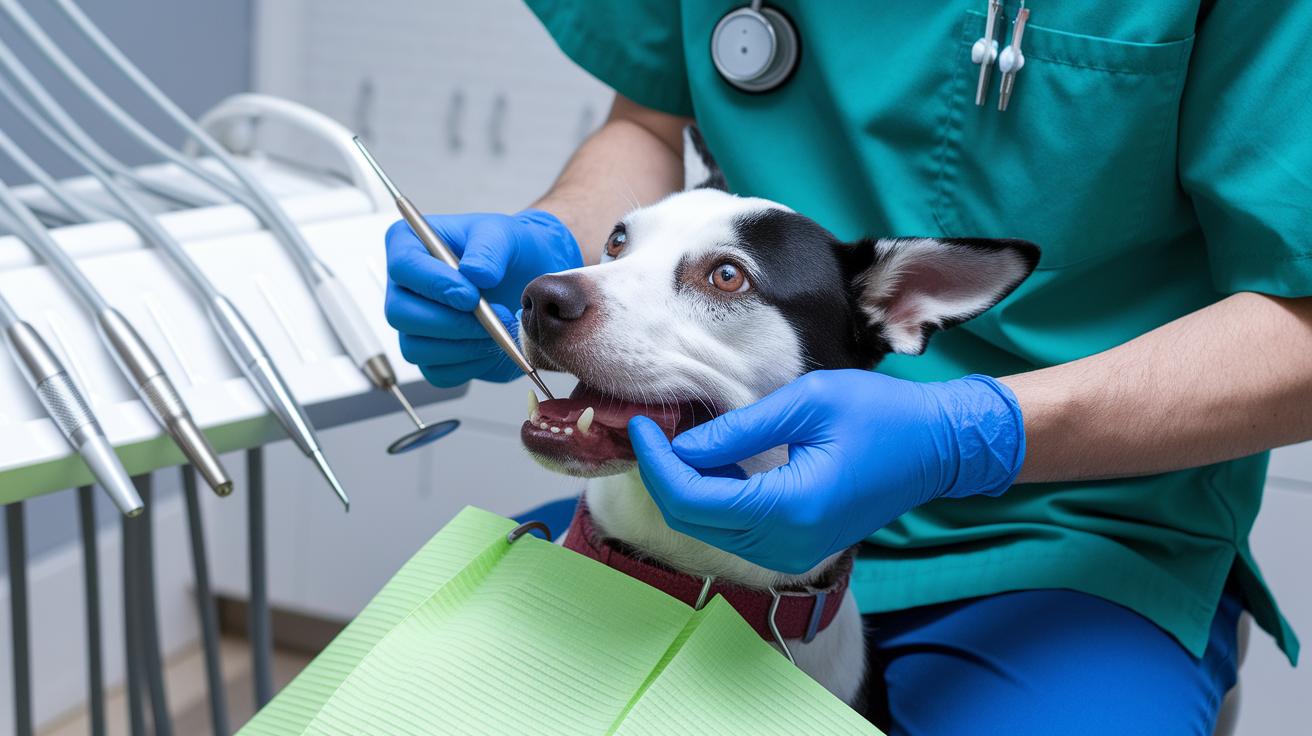
Regular dental cleanings for your pet usually run between $300 and $700. The cost can change depending on your pet’s size, the level of sedation needed (that’s when your pet is gently put to sleep during the cleaning), and where you live. If extra work like tooth extractions or oral surgery is required, the price tag goes up. Keeping up with regular cleanings can save you from more expensive treatments down the road.
Many pet insurance plans now chip in for 50–80% of dental procedures. Some wellness plans even include dental benefits, making it easier for pet parents to manage routine care. Plus, there are more affordable choices available, mobile pet dentistry services and budget clinics often offer preventive dental work at lower rates.
Your veterinarian may also offer financing or payment plans to help spread out the expense of dental care without putting your pet’s health at risk.
| Aspect | Details |
|---|---|
| Routine cleaning costs | $300–$700 |
| Insurance coverage | 50–80% for dental procedures |
| Extra procedures | Extractions and oral surgeries may add to the cost |
| Available options | Mobile pet dentistry and flexible financing plans |
By mixing the right kind of insurance, regular check-ups, and payment options, you can help keep your pet’s smile bright and healthy without stretching your budget.
Top Tips for Lifelong Pet Dental Care
Use this handy checklist as your go-to guide for keeping your pet’s smile bright. For more details, you can always look back at the earlier sections.
-
Start dental care early.
Don't wait until your pet is older, begin simple routines when they’re just a few months old so these habits stick for life. -
Brush your pet’s teeth with enzyme-based toothpaste at least 2–3 times per week.
Even if daily brushing isn’t an option, a few sessions each week help keep plaque at bay. -
Add VOHC-approved products into the routine, like chews, water additives, or special diets.
These extra steps can give your pet’s teeth a boost between brush sessions. -
Schedule yearly dental check-ups and professional cleanings, and think about more frequent visits for pets with special needs.
Pets with conditions like arthritis might really benefit from a dental care plan that’s just right for them. -
Keep an eye out for signs like bad breath, swollen gums, or trouble chewing.
If you spot any sudden changes, it’s a good idea to chat with your vet early on to stop small problems from getting bigger.
Final Words
In the action, we explored the key steps to protect your pet’s smile, why oral health matters, simple at-home dental routines, essential products, professional services, and quick fixes for common issues. We broke down each step to empower you with practical, bite-sized advice. Our guide helps you feel good about managing costs while ensuring lasting oral health. Keep up the routine and remember that regular dental care for pet brings joy and confidence to every wag and purr.
FAQ
What are pet and dog dental care products?
The pet and dog dental care products include items like toothbrushes, toothpaste, dental chews, water additives, and rinses designed to reduce plaque and tartar buildup while promoting a healthy mouth.
Are there free dental care options for pets?
The free dental care for pets may come from low-cost clinics, charity events, or special promotions during Pet Dental Health Month to provide essential cleaning services at little or no cost.
What is the best dental care for pets?
The best dental care for pets combines regular at-home brushing with veterinary-approved products and periodic professional cleanings to help reduce plaque and ensure overall oral health.
What is vet recommended dental care for dogs?
The vet recommended dental care for dogs involves using pet-specific enzymatic toothpaste, dental chews, and scheduling professional cleanings to effectively prevent plaque buildup and support canine health.
How can I find dog dental care near me?
The quest for dog dental care near me usually leads to local veterinary clinics and specialized pet dental service providers that offer professional cleanings and personalized oral health advice.
What is Pet Dental Health Month?
The pet dental health Month focuses on raising awareness about oral hygiene in pets through educational campaigns, special offers, and encouraging pet owners to schedule check-ups and daily dental routines.
How do I perform dog dental care at home?
The dog dental care at home includes brushing with pet-friendly toothpaste, using dental wipes or water additives, and maintaining a consistent routine to help prevent plaque buildup without frequent vet visits.
How much does dental care for a dog cost, including cleaning procedures?
The cost of dental care for a dog typically runs between $300 and $700 for basic cleanings, while advanced treatments like extractions or surgery may increase expenses based on your location and clinic services.
Does the PetLab dental formula really work?
The PetLab dental formula works by using key ingredients to reduce plaque and freshen breath, with many pet owners noticing improved dental health, though individual results can vary among pets.
Is pet insurance worth it for dental work?
The pet insurance for dental work can be worthwhile since many plans cover 50–80% of dental procedures, reducing out-of-pocket expenses and making professional dental care more accessible.