
Ever thought about deepening your bond with your furry friend right at home? Indoor training isn’t just about learning commands, it’s a way to build trust and create a lasting friendship.
Imagine each command like a brushstroke that adds a splash of color to your pet’s personality. With fun, short sessions and quick rewards, your home becomes a safe space filled with positive habits and happy memories.
Try out these simple tips and see how training at home can brighten your pet’s behavior and make your everyday moments more joyful.
Home Dog Obedience Training: First Steps and Essentials
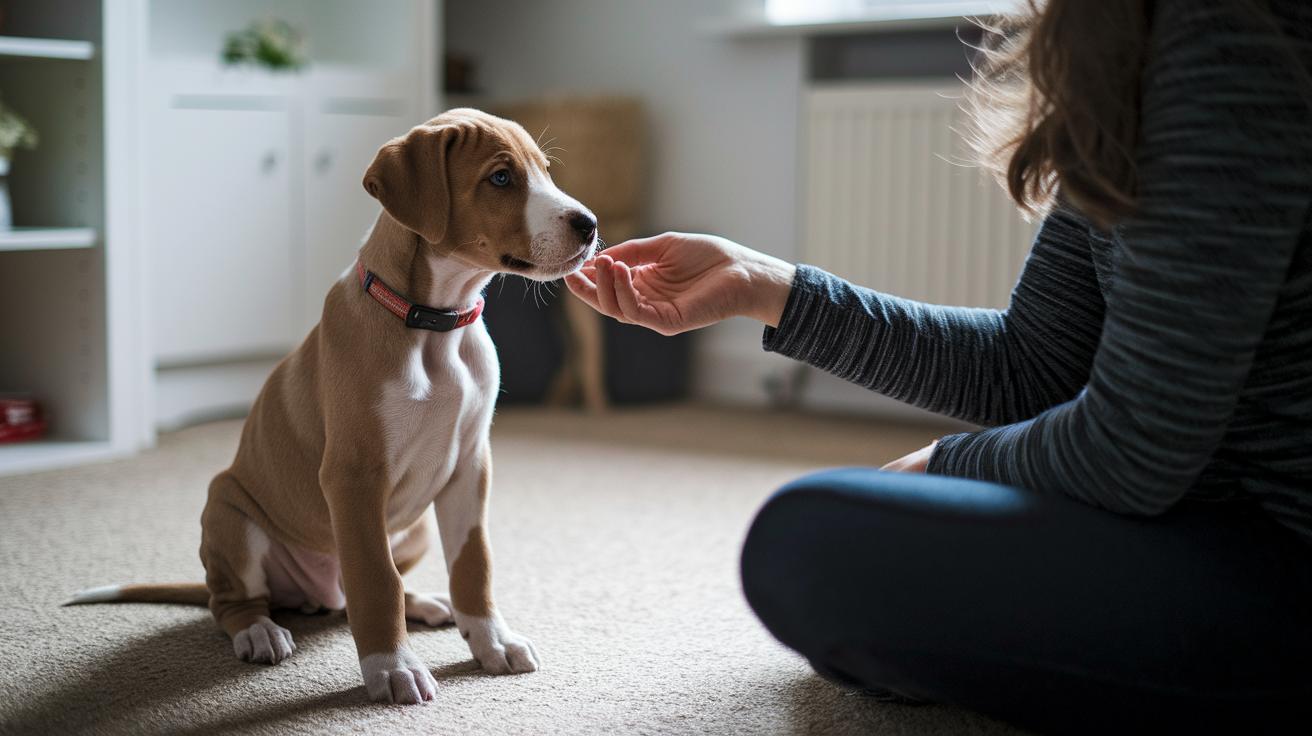
For indoor classes, you can begin obedience training just a week after your puppy gets its first shot, as long as you keep things clean. Young puppies have lively, open minds that are ready to learn. When you bring your little friend home, it's an exciting time, like starting with a blank canvas where every new command adds a burst of color to their growing personality.
Puppies are both playful and smart little learners. Starting training early helps build a strong, trusting bond between you and your furry buddy. So when you teach your pup to "sit," give a treat right away as a reward. That quick reward shows them that behaving well leads to happy outcomes, much like a friendly pat on the back.
Find a calm, distraction-free spot in your home, a quiet room or a small, secure area works perfectly. Gather some tasty treats, a clicker, and maybe your pet’s favorite toy to keep things fun. Start with simple commands like sit, stay, lie down, and heel. Repeat each command about 5 to 10 times in short 5- to 10-minute sessions so training stays light, fun, and effective.
Essential Indoor Dog Obedience Exercises for At-Home Training
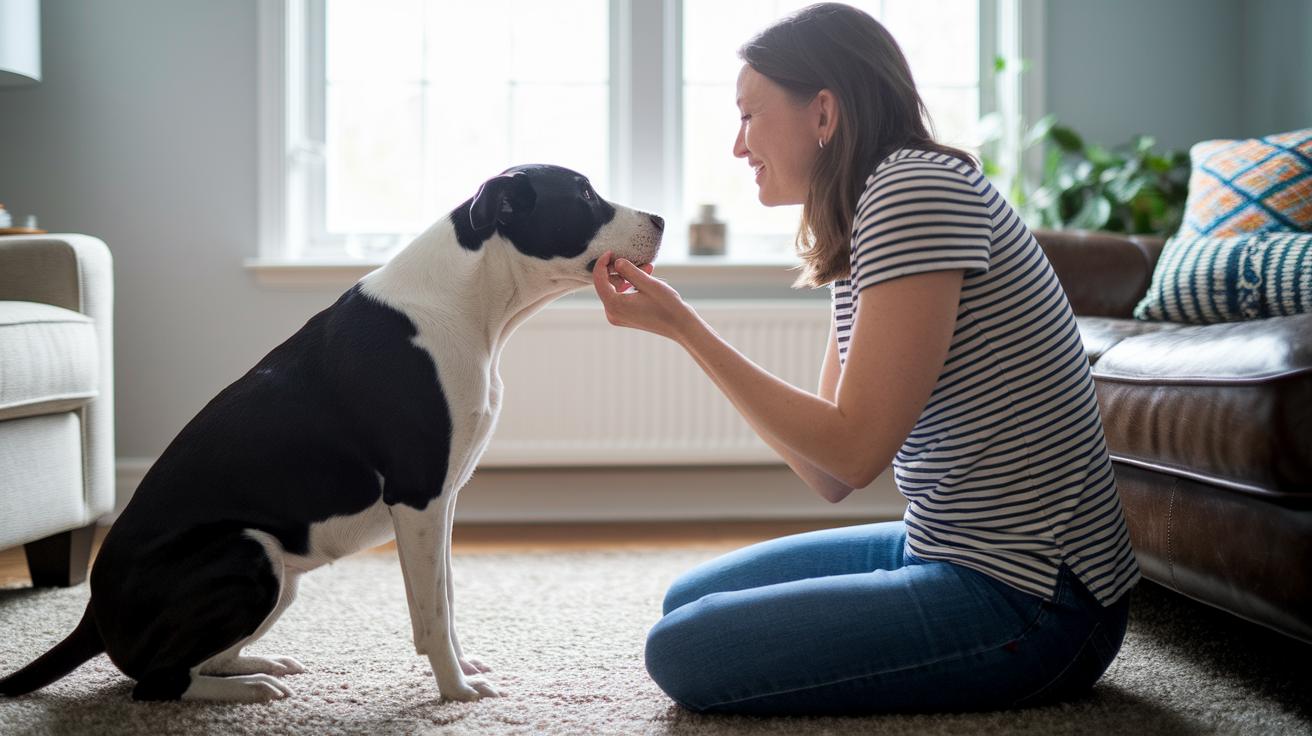
These eight fun exercises help build a strong training foundation right at home. They teach your dog key behaviors while creating delightful moments you both will enjoy. Use tasty training treats and a cheerful tone right after each good move to motivate your pup. Try short sessions of about 5–10 minutes and repeat them several times through the day.
- Name Recognition – Call your dog's name clearly, like “Max!” When your dog turns its head and perks up its ears, offer a treat and praise. This helps your dog learn that responding to its name brings rewards.
- Sit – Hold a treat just above your dog’s head while saying “sit, buddy!” As your dog lowers its body into a sitting position, give them the treat and lots of encouragement. It’s a simple way to get them to follow your cue.
- Recall – Stand a short distance away and call, “Come here!” When your dog dashes over, shower them with praise and a reward. This exercise builds trust and strengthens your connection.
- Lay Down – Guide your dog into a lying position by luring them with a treat and gently saying “lay down.” A soft reminder like “just lie down” can work wonders in helping your dog understand the command.
- Wait/Stay – Start by asking your dog to stay in place for a few seconds, then gradually increase the duration. Reward your dog for holding still, and soon they’ll learn the value of patience.
- Walking Nicely on a Lead – Enjoy walks where your dog remains calm and sticks close by. When they walk steadily on the lead without pulling, give them praise and treats for their great behavior.
- Drop It – Teach your dog to release an item by saying “drop it” in a firm yet friendly way. Once your dog lets go, reward them immediately. This is a helpful skill for keeping your home safe.
- Settle – Help your dog relax by designating a comfy spot just for them. Reward your dog when they lie down and chill out, building a habit of calm behavior over time.
Remember, short and frequent sessions work best. This routine fits your dog’s natural attention span and helps build a happy, trusting bond every day.
Positive Reinforcement Techniques for At-Home Dog Obedience Training
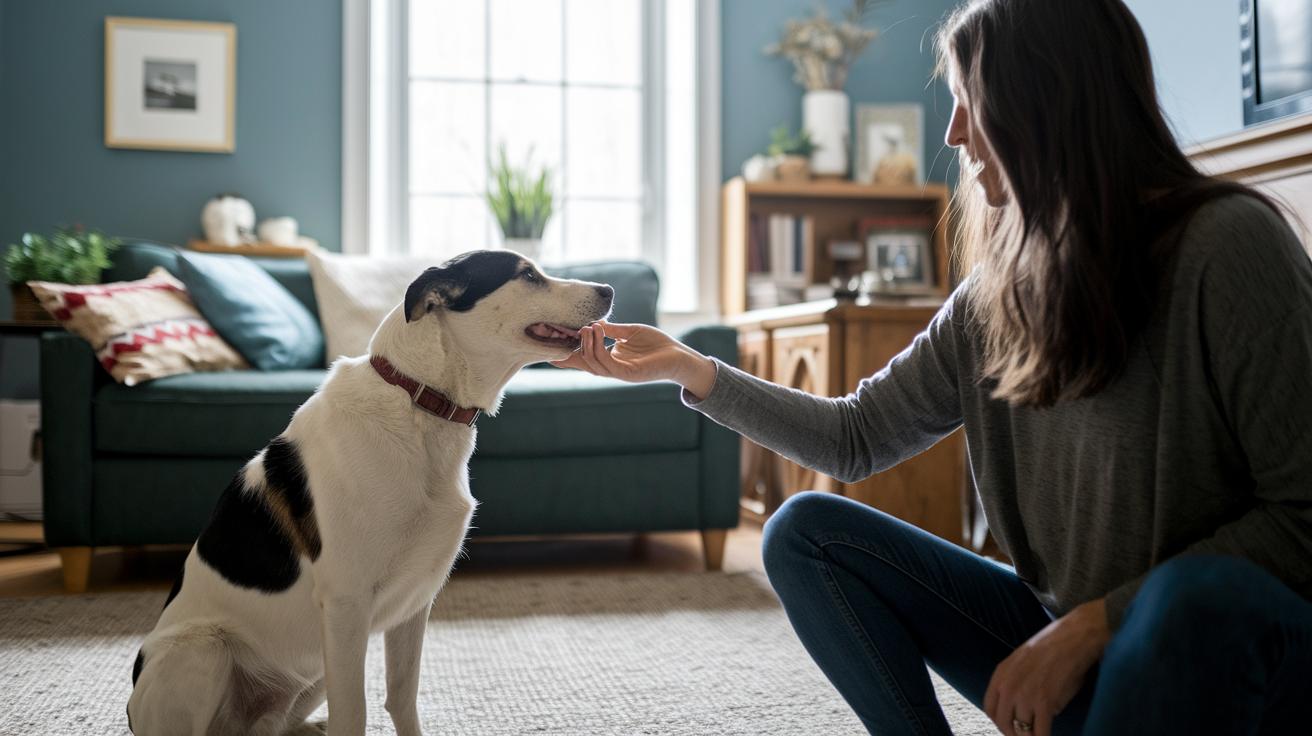
When your dog follows a command, reward-based learning celebrates that moment with a treat or kind word right away. This quick reward builds trust and makes your dog feel really good about doing the right thing. It’s a bit like your teacher giving you a smile when you answer correctly, which makes learning fun and fast.
Keeping training fun and simple helps your furry friend stay interested. Try mixing up your rewards with different treats, toys, or friendly, excited words to keep things lively. Short, regular training sessions throughout the day make learning feel like a game rather than a chore. Often, a little playtime during training encourages your pet to repeat those positive actions, leading to better obedience over time.
Pick out treats that your dog can’t resist and give praise immediately when they do something right. You can even add in puzzle toys or games that make your dog use its nose, giving its brain a fun workout along with the obedience practice. When you time those rewards just right, your dog quickly connects actions with praise. In the end, mixing tasty treats with playful challenges creates an atmosphere where every training moment builds a joyful, lasting bond.
Troubleshooting Common Issues in Home Dog Obedience Training
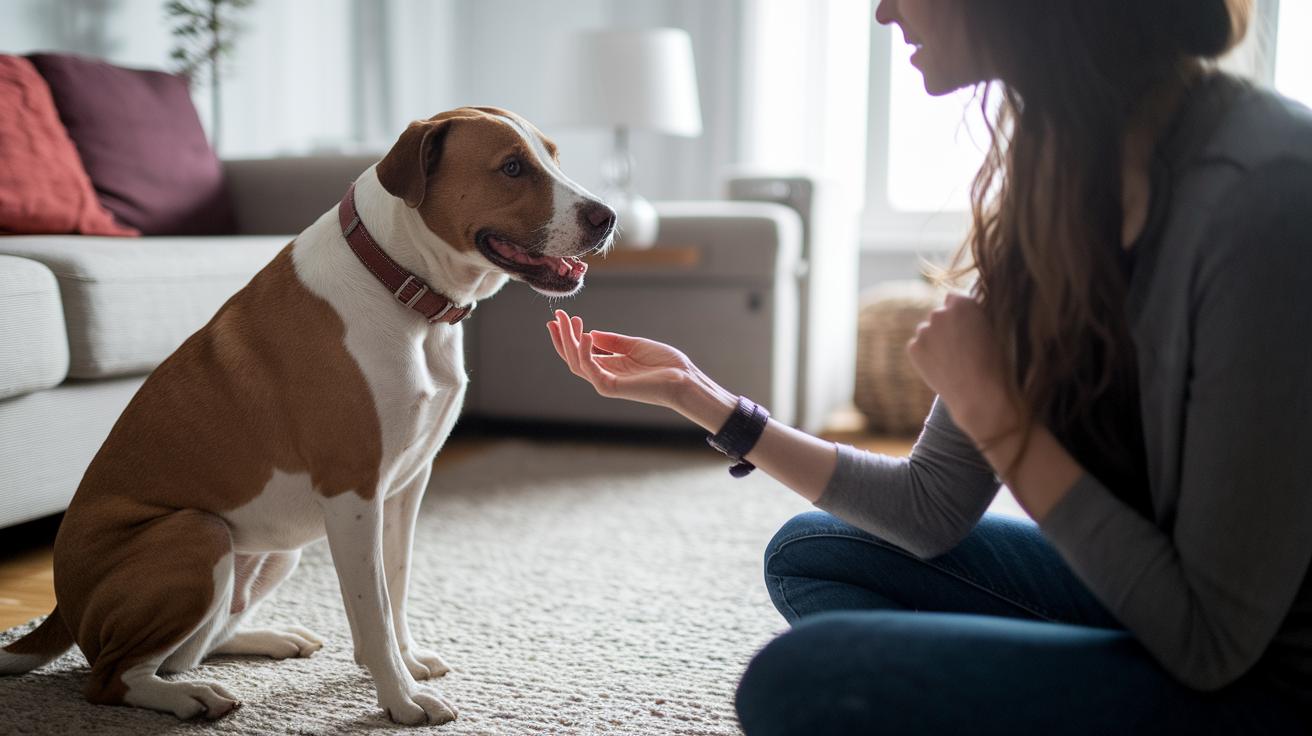
Training your dog can sometimes feel like a roller coaster ride. Your furry friend may jump or get overly excited, and that’s perfectly normal, it's all part of learning new commands.
If your dog jumps on visitors or gets too excited on walks, try ignoring this behavior or step back until they settle down. Once they're calm, give them a treat or a few kind words right away. It's a bit like pausing a game until everyone is ready to play again, calm behavior earns a reward.
For a dog with separation anxiety, start with really short departures. Step away for just a few seconds, then return quickly with praise and a small treat. Over time, slowly extend the time you're away, and your dog will learn that every short goodbye leads to a joyful reunion.
If your pup gets overly reactive on the leash or starts mouthing too much, gently guide their attention elsewhere. Use a familiar command or offer a chew-safe toy to distract them. This helps channel their energy into safer, more controlled behavior.
Remember, keeping a steady routine is key. Practice these steps often and be patient, soon, your dog will understand that being calm and focused brings many positive rewards.
Developing a Consistent At-Home Dog Obedience Training Routine
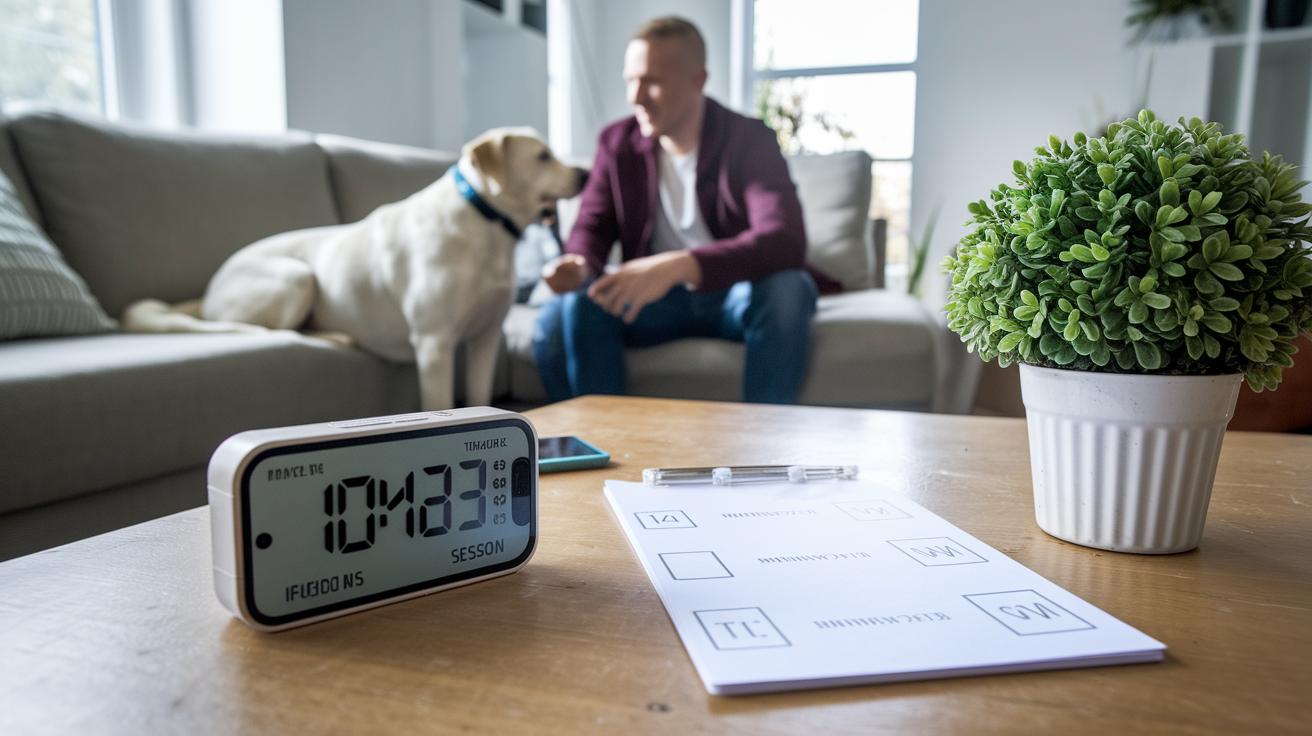
Setting up a steady routine can work wonders for your dog's obedience. Start with short, daily sessions, about 5 to 15 minutes, that your furry friend can easily enjoy. A simple chart can make tracking progress fun, like noting when your pet scores its "first 5 sits." It’s a little victory that feels awesome for both of you and keeps the mood light. Regular short practices help your dog learn and remember new commands.
Plan your week with a flexible schedule that fits your dog’s breed and energy level. Try to stick with a consistent spot, whether it’s your living room or a quiet outdoor area, so your pup starts to recognize the cues naturally. Then, as you both get the hang of it, you can slowly spice things up with a bit more challenge and longer sessions.
Below is a simple way to track progress:
| Session | Command | Repetitions | Milestone |
|---|---|---|---|
| Day 1 | Sit | 5 | First 5 sits |
| Day 2 | Stay | 5 | Hold for 5 seconds |
Each little session builds good habits. Celebrate every small win as these moments will strengthen your bond and make training a joyful experience for you both.
Final Words
In the action, we explored how to start puppy training early, create a distraction-free setup, and use treats along with praise to build vital commands. The guide also gave tips on troubleshooting common setbacks and crafting a daily training routine. By practicing dog obedience training at home with fun, short sessions, you can build a strong bond and solid foundation for your pet’s behavior. Keep the experience light-hearted, and enjoy watching your furry friend grow into a confident, well-trained companion.
FAQ
Free dog obedience training at home, dog obedience training at home reddit, and best dog obedience training at home?
Free dog obedience training at home includes using online resources such as Reddit threads, YouTube channels, and pet blogs that offer tips and step-by-step guides to start training your dog in a friendly, accessible way.
What about dog obedience training at home cost and dog obedience training prices?
Dog obedience training at home can be low-cost when you use free online resources, though you may invest in supplies like treats, clickers, or occasional professional tips, which keeps expenses minimal.
Where can I find basic dog obedience training PDFs, YouTube videos, and other dog obedience training videos?
You can find PDFs and videos on popular pet websites and YouTube channels that offer structured lesson plans and visual guides, making it easy to learn and apply basic dog obedience skills.
Can I obedience train my dog myself?
Yes, you can obedience train your dog on your own by using positive reinforcement, consistency, and available free resources to build a strong foundation in basic commands.
What is the 3 3 3 rule for dog training?
The 3 3 3 rule for dog training structures sessions to last about 3 minutes, cover 3 commands, and repeat each command 3 times, helping keep your training focused and efficient.
What is the 7 7 7 rule for dogs?
The 7 7 7 rule suggests a balanced approach by dedicating 7 minutes per session, practicing 7 repetitions of each command, and offering 7 rewards, which can boost your dog’s learning and retention.
What are the 4 F’s of dog training?
The 4 F’s of dog training refer to key elements like focus, food rewards, fun, and fitness; these factors help keep your dog engaged and motivated during training sessions.