
Ever notice how some dogs stay calm no matter where they are? Mixing social time with obedience training is like sprinkling a little adventure into daily commands. When you expose your pup to new sounds, faces, and places, you help them learn to sit, stay, and come, even when there’s a lot happening around. This friendly approach builds confidence and deepens the bond between you two. It isn’t just about teaching good manners; it’s about helping your furry friend live a happier, more balanced life.
Integrating Socialization into Dog Obedience Training
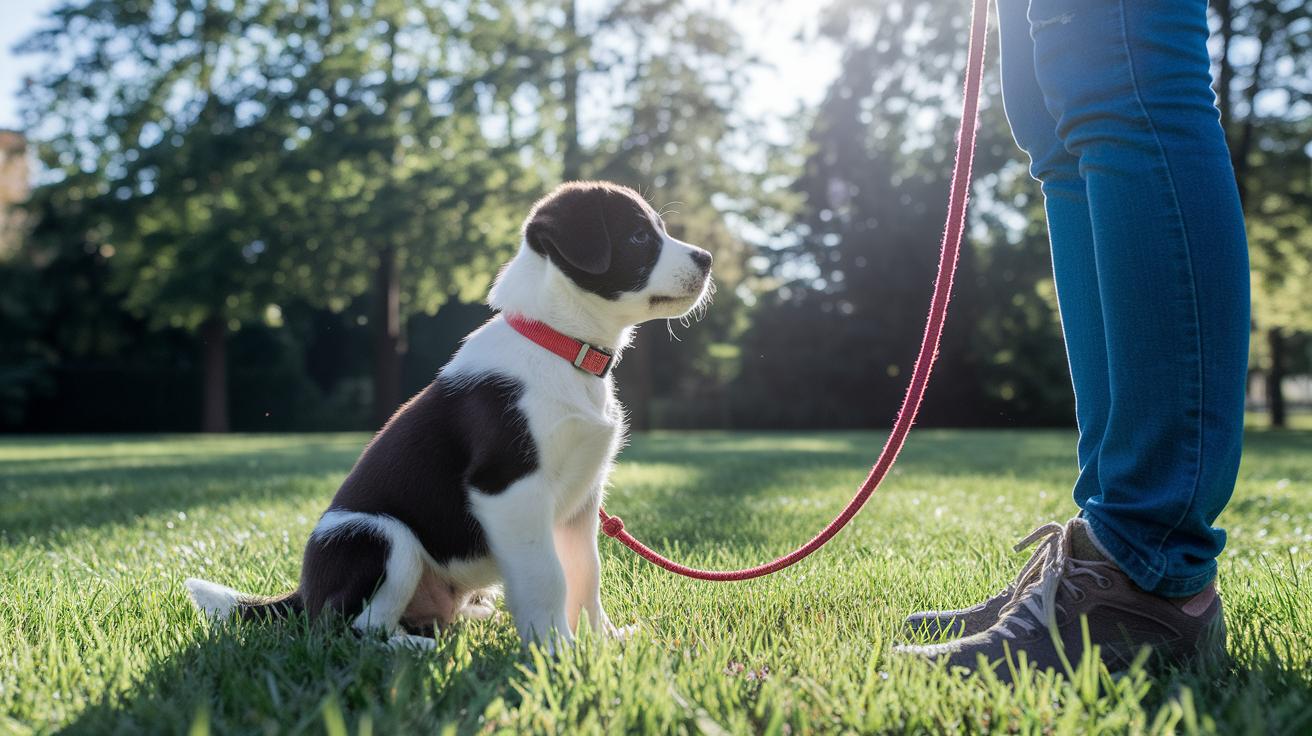
Socializing your puppy means letting them explore new places, sounds, and faces during their most open-hearted weeks, usually between 3 and 16 or 20 weeks old. It’s like mixing a fun adventure with the basics of learning commands, so every new place helps them feel safe while practicing their “sit,” “stay,” or “come.”
When you blend social time with training, you give your little buddy a chance to practice commands even when there’s lots going on. Your pup learns to listen whether you’re at home, at the park, or even at the vet. Ever notice how a calm, focused dog can brighten your day?
| Benefit |
|---|
| Boosts confidence in new places |
| Improves leash manners |
| Makes vet visits calmer |
| Helps commands work in any setting |
| Encourages friendly interactions with people and dogs |
| Reduces the risk of fear or aggression |
Starting socialization early sets a strong foundation for everyday obedience. When your puppy practices their commands amid different distractions, they learn that the rules apply everywhere. This way, you help shape a well-behaved and confident friend who adapts easily to new challenges and builds a deep, trusting bond with you.
Early Social Exposure in Obedience Training Foundations
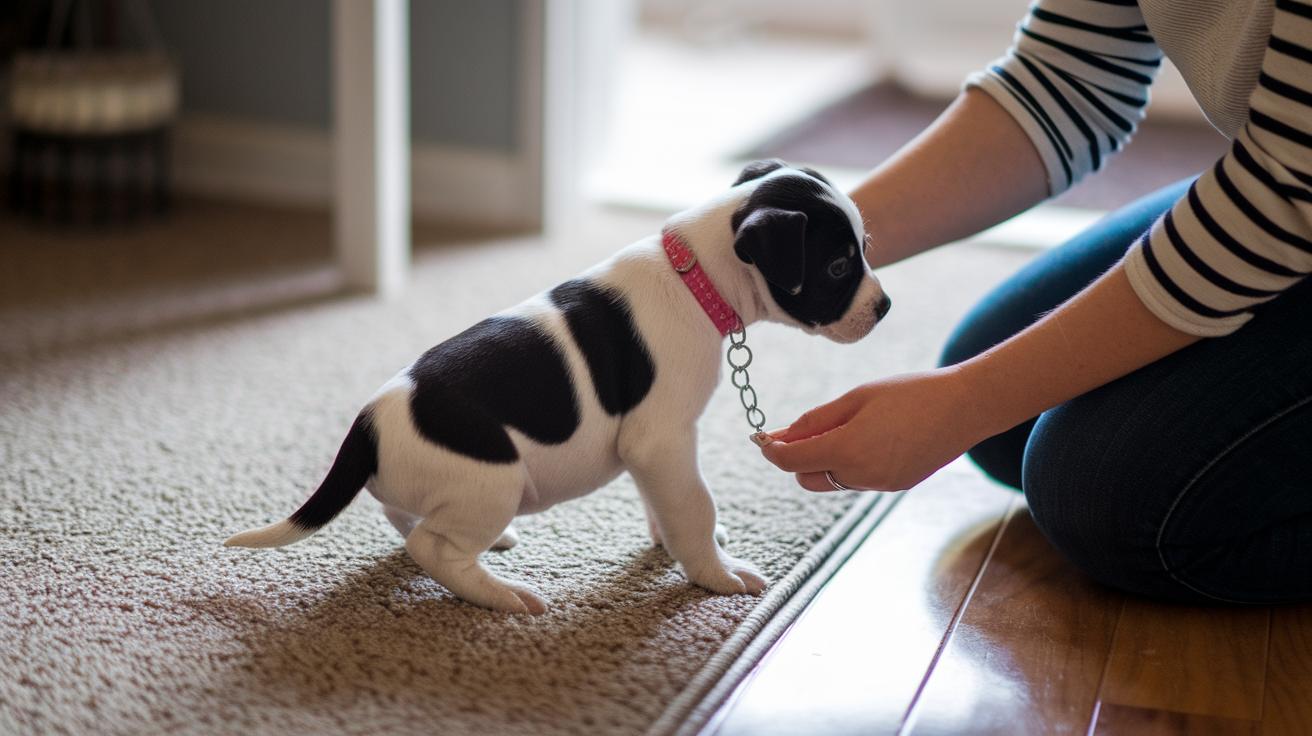
Puppies need a gentle start during those early weeks when they're most impressionable, usually between 3 and 16 or 20 weeks. At home, try brief, controlled sessions on different surfaces like carpet, tile, or wood. For example, step onto a tile floor and cheerfully say, "Check this out!" This helps your little buddy learn what new textures feel like. Pair these moments with sounds they already know, like the soft hum of your refrigerator or the distant whirr of a fan, so they feel safe and at home.
Take it slow. Focus on one new experience at a time, gradually mixing in more elements. You might start with introducing a friendly face, then later include a calm encounter with a neighbor’s pet. This method keeps things fun and fear-free, laying the groundwork for your pup to follow commands easily, no matter where they are. In truth, by spending a little time on these early social moments, you're setting up your puppy to become a confident and adaptable companion.
Structured Socialization Methods for Obedience Training
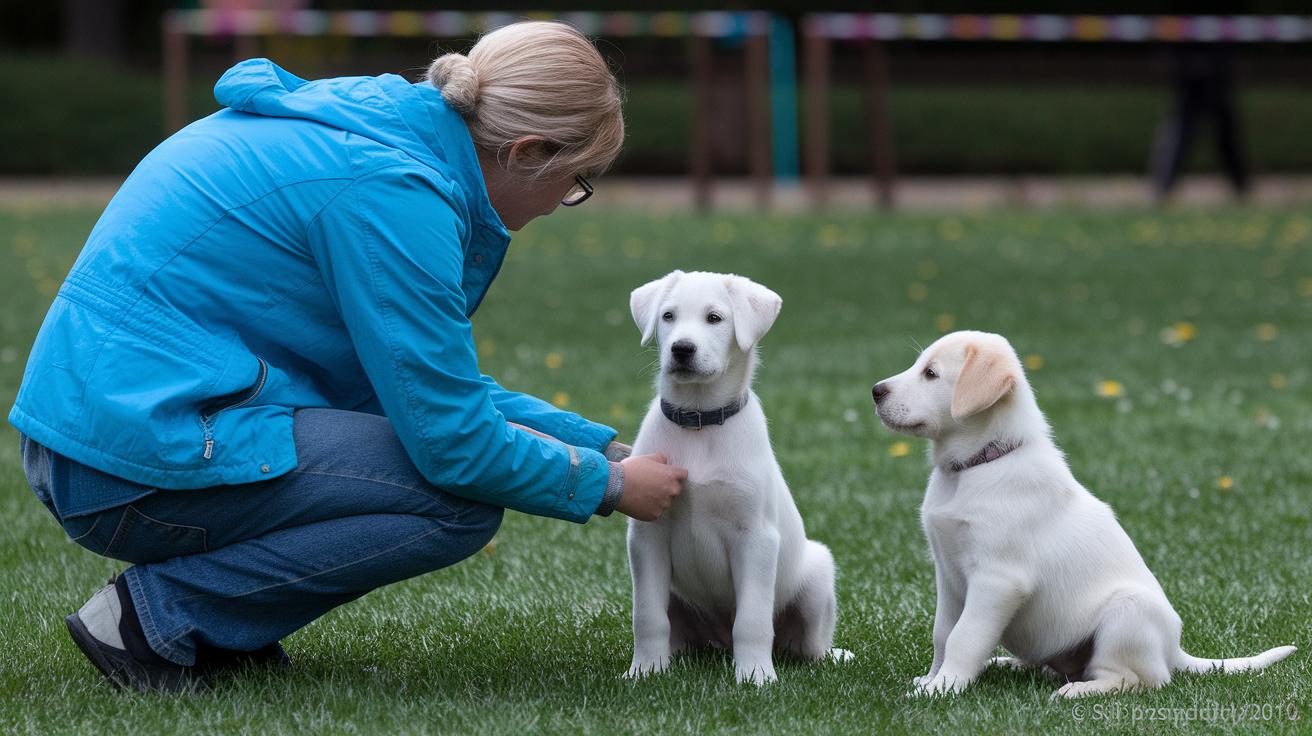
Trainers often recommend small, controlled group sessions where puppies get to meet other pups while learning essential commands. In these classes, your little friend practices commands like "sit," "stay," and "come" during fun social moments, try saying, "Let's all sit together!" as your puppy learns to ignore distractions. This approach helps build trust, showing pups that new faces and places aren’t scary but just another part of their exciting routine.
Starting slow is key. Begin with a short visit to a park where your pup can explore a new environment for just a few minutes while practicing basic commands. For instance, keeping a calm "stay" during a busy walk reminds your dog that learning can happen anywhere, even amidst the hustle and bustle. Step by step, your little buddy learns to respond positively, easing anxiety as the distractions slowly increase.
Adding playful elements makes training extra fun. Incorporate games like tug-of-war or fetch where your pet practices commands like releasing the toy or coming back when called. These games not only reinforce obedience but also give your puppy a confidence boost under friendly, low-pressure conditions.
Another helpful tip is to introduce a desensitization routine. Let a trusted friend gently handle your pup’s collar or leash, so that over time, the pet learns that these actions aren’t a big deal. This simple method, combined with your calm confidence, makes future visits to the vet or groomer much less stressful for your pet.
| Method | Purpose | Obedience Integration |
|---|---|---|
| Small-group class | Social interaction with peers | Practicing recall and sit during distractions |
| Controlled park visit | Getting familiar with new settings | Maintaining stay and come amidst activity |
| Play-based drills | Adding fun with training | Learning commands like releasing and returning toys |
| Desensitization protocol | Reducing fear in new situations | Building cues for calm and relaxed behavior |
Positive Reinforcement and Social Drills in Dog Obedience
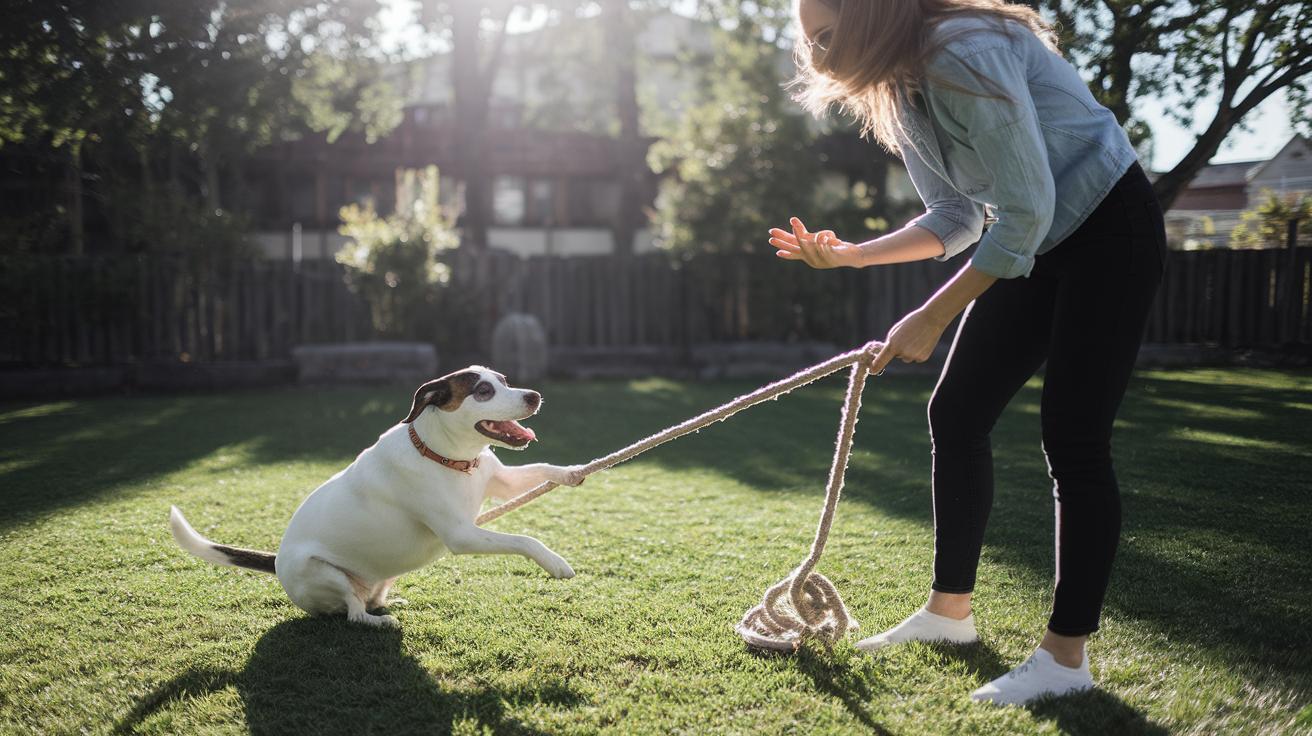
Reward-based play drills help build trust and boost obedience while giving your pup a chance to socialize naturally. Try pairing a tasty treat or a favorite toy with each correct behavior during your playtime. For example, during a fun tug-of-war, practice a "release" command and, as soon as your dog obeys, say "great job" and offer a quick treat break.
Mix these drills into everyday games like fetch or chase. If your pup brings back the ball during fetch, celebrate with lots of praise and a small treat, it makes training feel more like play.
Keep an eye on your dog’s body language. A wagging tail or relaxed stance shows that your training is fun and stress-free. But if you notice signs of tension, such as a stiff body or slow responses, take a moment to dial the intensity back. This way, both you and your furry friend can enjoy a positive, stress-free learning experience.
Case Studies of Socialization’s Impact on Obedient Behavior

Let's start with our first case. We had a 10-week-old puppy who got a gentle socialization routine at home. Over four weeks, this little buddy experienced different surfaces like carpet and wood, heard everyday sounds from appliances to passing traffic, and met new, friendly faces in calm, safe settings. Before long, the pup learned to stay relaxed during a busy vet visit and could follow simple commands like "sit" and "stay" even when there were plenty of distractions. For instance, in a noisy waiting room, the pup kept focusing on the command "sit." It just goes to show that patient, repeated exposure can build lasting obedience.
Next up is a 3-year-old rescue dog that didn’t have early social experiences. Over an eight-week period filled with short park visits and fun group drills with other dogs, this dog made amazing progress. Its leash reactivity dropped by about 70%, and it responded better to recall in busy, real-world settings. Trainers kept things straightforward by noting how many times the dog showed fear and by checking how often it followed commands. Watching the dog’s body language was key. If the tail tucked or if it froze for a moment, they eased back on the challenge to keep things positive and fun.
| Case | Exposure Duration | Key Outcomes |
|---|---|---|
| Puppy | 4 weeks | Learned to handle vet visits calmly and stayed focused on commands |
| Adult Rescue | 8 weeks | 70% drop in leash reactivity; improved recall in active settings |
Socialization Strategies for Adult Dogs in Obedience Training
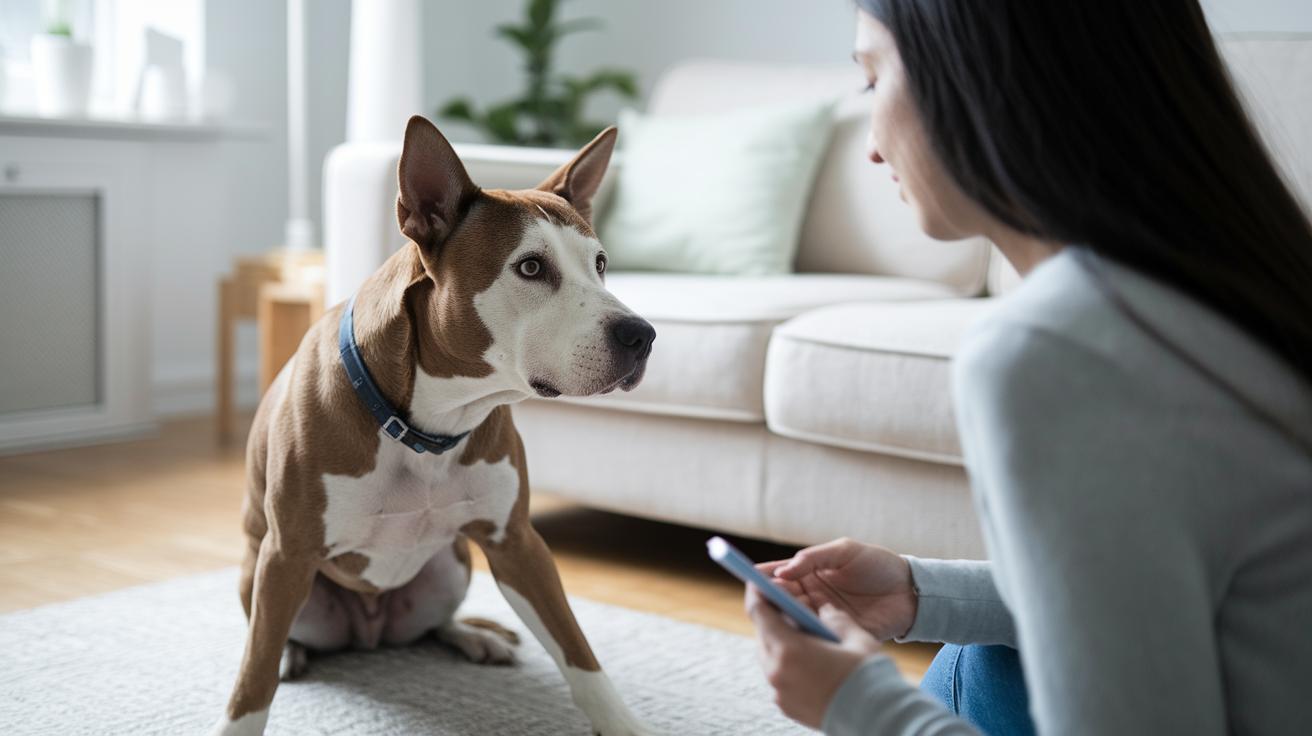
Older dogs might not have had a chance to learn social skills when they were young, but that doesn't mean they can't learn later on. Start in a quiet room or a calm backyard where there aren’t too many surprises. It’s like easing into a new chapter together.
Begin with one-on-one moments. For example, say, "Let's take a quick look around," as you gently guide your dog to explore a new room or meet a friendly face. Every time you see your dog relaxed, give lots of praise and a tasty treat. It’s these little victories that build trust.
As you grow more comfortable, slowly add new sounds or sights. Keep an eye on your dog’s body language; if they start to freeze, shiver, or glance around hesitantly, it’s a sign to take a break or dial things back a bit. That little shiver is their way of saying, "I need a moment."
Keep the routine friendly and familiar by using simple obedience commands along the way. Each calm step taken in a new situation proves to your dog that the world is safe. Soon enough, your dog will feel more secure and ready to explore even more.
Remember, it’s all about steady progress and celebrating every small win. Isn’t it heartwarming to see your friend gain a bit more confidence each day? Enjoy each moment on this journey together!
Tracking Progress in Socialized Dog Obedience Training

You can easily keep track of how well your dog follows commands by using a simple chart or a pet-friendly app. Try writing down little notes like how quickly your dog sits during a busy walk or how well it listens when there are distractions. This way, you get to see the progress and can adjust your training to match your dog’s unique pace.
Regular check-ins on your dog's behavior can really boost your training. For instance, you might want to see how your pup does when trying new tricks, how it behaves on the leash during walks, or how strong its recall is when there’s lots of background noise.
Imagine making a chart where you jot down things like, "At the park, Sit = 80% success" or "Stay at home = 95% success." These records let you see clear trends. And if you find that your dog isn’t performing as well during a group session, you can step back and focus on fewer distractions or revisit the basics. In time, this regular review not only highlights those small wins but also helps you find a balanced pace for both socializing and training your furry friend.
Final Words
In the action, our discussion explored blending socialization with obedience training through early exposures, structured group drills, and reward-based play. We highlighted how varied experiences boost a pet’s confidence and build command reliability across different settings. Real-life examples and progress tracking showed that gradual exposure truly strengthens behaviors. Remember, socialization in dog obedience training lays a strong foundation for a well-adjusted pet. Embracing these methods can lead to happier, more obedient companions who thrive no matter where life takes them.
FAQ
What is socialization in dog training?
Socialization in dog training means exposing dogs to various people, places, and experiences in a controlled way to build their confidence and boost obedience skills.
How does socialization impact dog obedience training?
Socialization in dog obedience training improves how a dog follows commands in different settings and reduces fear, making training more effective and enjoyable.
Where can I find socialization in dog obedience training near me, including places like California or Texas?
Socialization in dog obedience training is available through local pet training centers and classes. You can search online for nearby options in California, Texas, or your local area.
What are the pros and cons of integrating socialization with dog obedience training?
Integration builds confidence, improves command generalization, and eases anxiety in new settings, but it requires careful supervision to avoid overwhelming your dog.
What are signs of a poorly socialized dog?
Signs include hesitance around new people, animals, or environments, difficulty following commands in distracting settings, and sometimes fear or aggression during encounters.
What is the rule of 7 in puppy socialization?
The rule of 7 means puppies should have diverse, positive experiences during their critical 3- to 16-week period, building a strong base of confidence and social skills.
What are the 4 F’s of dog training?
The 4 F’s—food, fun, focus, and fidelity—are key elements that create a positive, rewarding training atmosphere, helping dogs learn effectively through motivation and consistency.
How do you fix a lack of socialization in dogs?
To fix a lack of socialization, gradually expose your dog to new people, places, and experiences with controlled, positive interactions and reward-based training to build confidence.
What does dog socialization training involve?
Dog socialization training involves structured sessions where dogs learn safe interactions through guided play, varied exposures, and positive reinforcement to master obedience amidst distractions.