
Have you ever thought about how a little nudge from a dog might brighten someone's day? Training service dogs turns everyday pups into amazing helpers.
During training, dogs learn simple commands and tasks. At the same time, they build a strong bond with their owners, turning a training session into a warm exchange of trust and care.
Just imagine a faithful friend who is always ready to guide you or offer comfort when life gets tough. Through kind rewards and gentle social training, these dogs become reliable buddies and little heroes.
Their growing friendship boosts confidence and helps both the dog and its person feel more independent, step by step.
Service Dog Training Fundamentals: What Owners Need to Know
According to the ADA, a service dog is much more than a pet, it’s a trained helper that performs specific tasks to support people whose disabilities affect everyday life. In simple terms, this dog can guide its owner, alert them to important sounds, or help with moving around. Imagine telling a friend, "Think of a dog that knows exactly when to give a gentle nudge, a quiet hero in daily life."
You can start training a service dog as early as eight weeks old. At that young age, puppies can be gently introduced to new sights, sounds, and places to build their confidence. Even adult dogs can learn these important tasks, though they might need a bit more time. Early social training plays a big role, helping the dog view different environments as positive and safe.
- puppy imprinting
- basic obedience
- task introduction
- public access
- handler integration
A big part of teaching a dog these skills is using positive reinforcement. That means giving treats, kind words, or a bit of play when the dog does the right thing. Picture training the command “sit” and rewarding your dog with a small treat and a cheerful "good job!" Such moments help build trust and make learning fun. Using rewards along with gentle, consistent training creates enjoyable sessions where your dog grows more confident and becomes a dependable helper.
Service Dog Training and ADA Legal Requirements
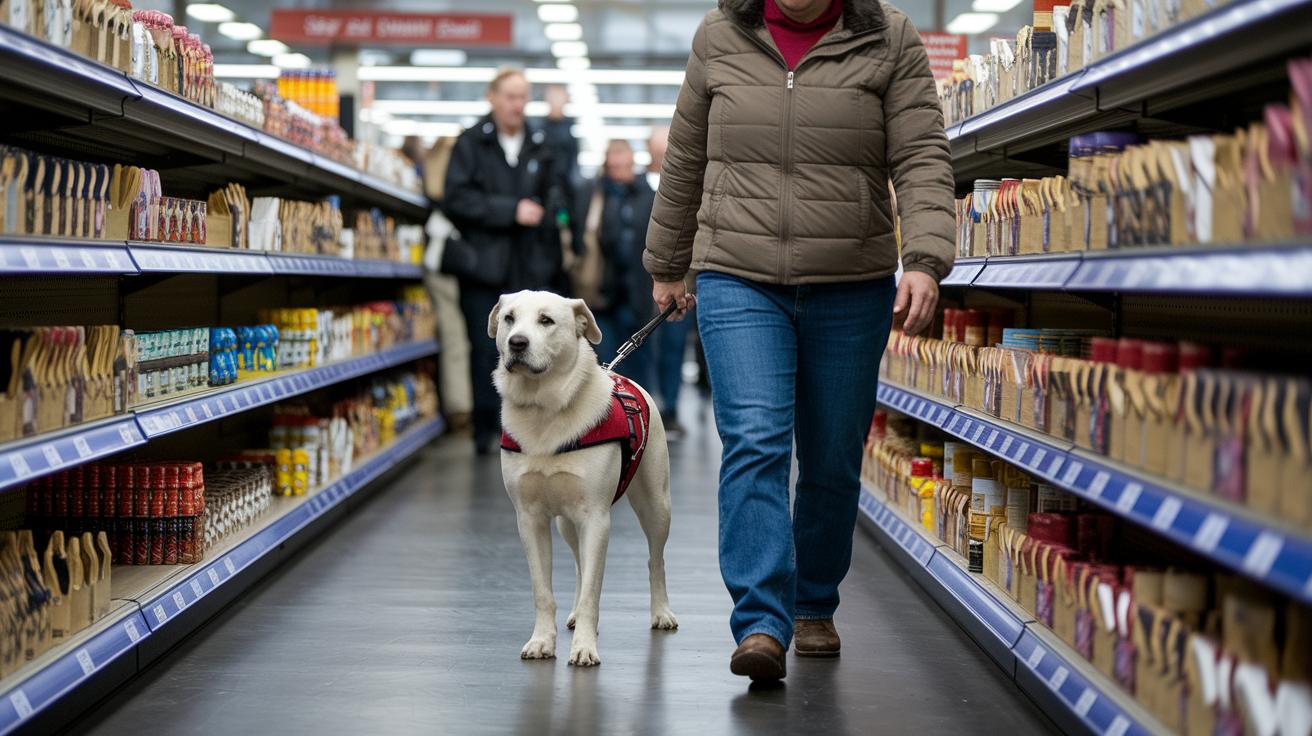
Under the ADA, a service dog is simply a dog trained to help a person with a disability. These dogs can go into all public places, which is not the case for emotional support or therapy animals. Trainers carefully show that these dogs can perform tasks like helping with mobility, alerting to seizures, or providing deep-pressure therapy. This way, everyone feels safe and supported in public spaces.
Good training programs stick to clear ADA rules, often giving the dog a certification as proof of its abilities. Even though handlers don’t need to carry a card all the time, having one can clear up any confusion when you travel or go out. Following these federal rules makes sure we all know what to expect and shows that service dogs are trusted helpers. Choosing a program that cares about legal guidelines and proper paperwork helps build a strong, reliable bond between you and your service dog.
Service Dog Training: Basic Obedience and Behavioral Conditioning
Teaching your service dog the basics is the first step in building a trusted friendship. It lays the foundation for advanced skills and helps you both grow closer. Early on, let your dog explore new sounds, sights, and even busy places so they feel comfortable everywhere. These lessons are all about making sure your dog listens well, no matter what’s going on around them.
- sit – This command helps your pup stay calm and keep a steady posture when distractions pop up.
- stay – It teaches your dog to hold still, which can help keep them safe.
- come – This ensures your furry friend returns quickly when called, making your outings easier.
- down – Encourages a relaxed, controlled position when they’re full of energy.
- heel – Keeps your dog close by during walks, giving you better control in public.
- leave-it – Stops your dog from picking up things that might not be safe around you.
Using the same words every time and offering treats, praise, or a little play keeps training fun and natural. Regular practice not only builds coordination and agility but also deepens the bond between you two. It’s like having a friendly chat, each time your dog obeys a command and gets a reward, you both grow closer and stronger as a team.
Service Dog Training: Task-Specific Skill Development
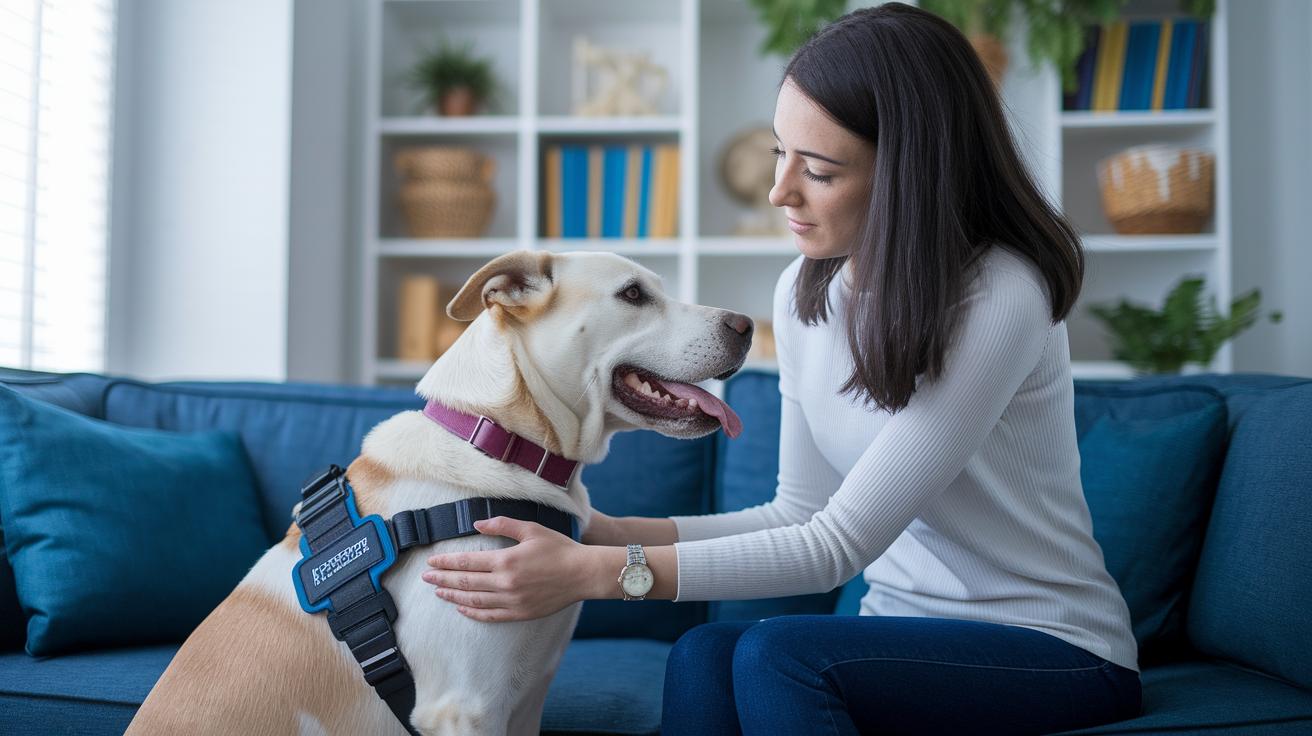
Once your dog has nailed the basics of obedience, it's time to move on to learning special tasks that build on what they've already mastered. Imagine your furry friend handling everyday distractions with ease as they pick up more advanced skills. Techniques like shaping and chaining help tie together several actions so your dog can smoothly handle real-world challenges.
Seizure Alert Training
In this training, your dog learns to notice tiny changes, like a shift in behavior or a hint in their scent, that might mean a seizure is coming. With lots of practice and rewards along the way, they soon know when to alert you. This early warning system is a lifesaver, offering you extra time to act.
Deep-Pressure and Tactile Therapy
Picture your dog gently leaning on you during a storm of emotions. In deep-pressure and tactile therapy, dogs are taught to press steadily on your chest or lap. This simple act can calm anxiety and lift stress, turning a tough moment into one of comfort and reassurance.
Mobility Assistance Drills
Training for mobility is all about helping your dog learn to support you during movement. Through drills that include bracing, retrieving, and even pulling, your pet gradually becomes a true partner in helping you keep steady on your feet. It’s like having a dependable buddy by your side every step of the way.
Blood-Sugar Monitoring Cues
For dogs trained in blood-sugar monitoring, the focus is on detecting the faint scent changes that happen with shifts in blood glucose levels. Over time, your dog naturally picks up on these cues, alerting you to any potential health issues before they become a bigger concern.
Integrating each of these specialized tasks into your daily routine creates a seamless flow of helpful actions. With every training session, your service dog grows into an even more reliable and empowering companion, ready to support you whenever you need them.
Service Dog Training Certification and Accreditation Process
Choosing a certification program for your service dog can feel a bit overwhelming. There are many options available, some are private and fully accredited, while others use team evaluations that follow ADA guidelines. Programs usually last between 6 and 18 months, depending on the skills your dog needs to learn and how quickly they pick things up. And hey, did you know that some service dogs start training for their important jobs when they’re just a few months old?
It’s also important to know that the work doesn’t stop after the initial training. Many programs ask for recertification or offer ongoing classes to keep your dog’s skills sharp. In other words, your furry helper might need some yearly check-ups or refresher sessions. Picking a program that includes regular testing means you and your service dog will always be current with the latest training and safety standards.
Service Dog Training Costs and Funding Options
Training a service dog is a big investment, and costs can vary a lot depending on the kind of work the dog will do. Typically, you might spend anywhere between $10,000 and $50,000 over the dog's training and working life. This fee covers basic help for moving around, special tasks like alerting for medical needs or guiding, and even more advanced training for serious issues, such as PTSD. You also need to think about extra costs like regular vet visits, quality dog food, pet insurance, and updates in certification. If you choose to self-train your dog with help from a trainer, expect to pay around $150 to $250 per hour.
| Training Type | Cost Range |
|---|---|
| Basic Mobility Assistance | $15,000–$30,000 |
| Specialized Medical Alert / Guide Work | $25,000–$40,000 |
| Highly Specialized Service Dogs | Up to $50,000 |
There are some helpful funding options out there, too. Nonprofit organizations often offer grants and scholarships for service dog training. Veterans might have access to programs that cover costs or even provide free training. And sometimes, pet owners turn to crowdfunding, which lets friends and supporters help out financially. All these pathways can ease the financial load, making sure every pet lover who needs a service dog gets the support they deserve.
Service Dog Training At-Home: Unique Practical Tips
Mix your daily routines with training moments to help your service dog learn new skills in fun, unexpected ways. Try blending regular activities with small training sessions that feel like part of your everyday life.
For example, during mealtime, you could use treat-dispensing puzzles. Hide some treats under three cups and ask your dog, "Which cup has the treat?" It’s a playful way to boost your pup's problem-solving skills.
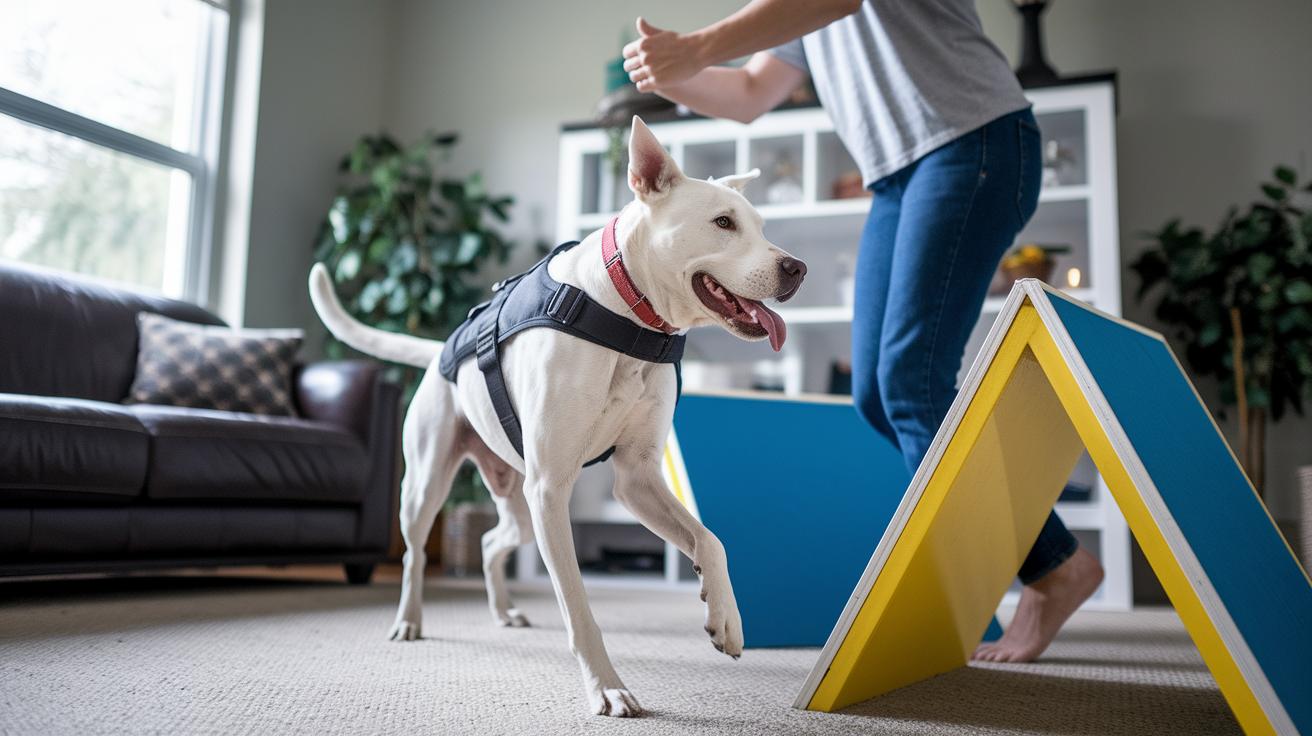
After your morning walk, set up a mini obstacle course in the living room. Use cushions and low stools so your dog can jump over a cushion and then stop at a stool. It’s like a little adventure right at home!
Later in the afternoon, introduce a “quiet time” challenge. Ask your dog to settle on a mat while you count slowly. Gradually increase the wait time to help build control at home. It’s a gentle way to teach patience.
Another fun idea is an interactive scent game at the same time every day. Hide your dog’s favorite toy in one room and say, "Find your toy." Let your dog use its nose to track it down, turning the game into a daily treasure hunt.
| Time | Activity |
|---|---|
| Morning | Obstacle course in the living room |
| After Meal | Treat-dispensing puzzle game |
| Afternoon | Quiet time challenge on the mat |
| Evening | Interactive scent game with hidden toy |
If your dog finds a certain activity too challenging, consider adding a few professional coaching sessions to mix things up.
Service Dog Training: Professional Classes vs. DIY Approach
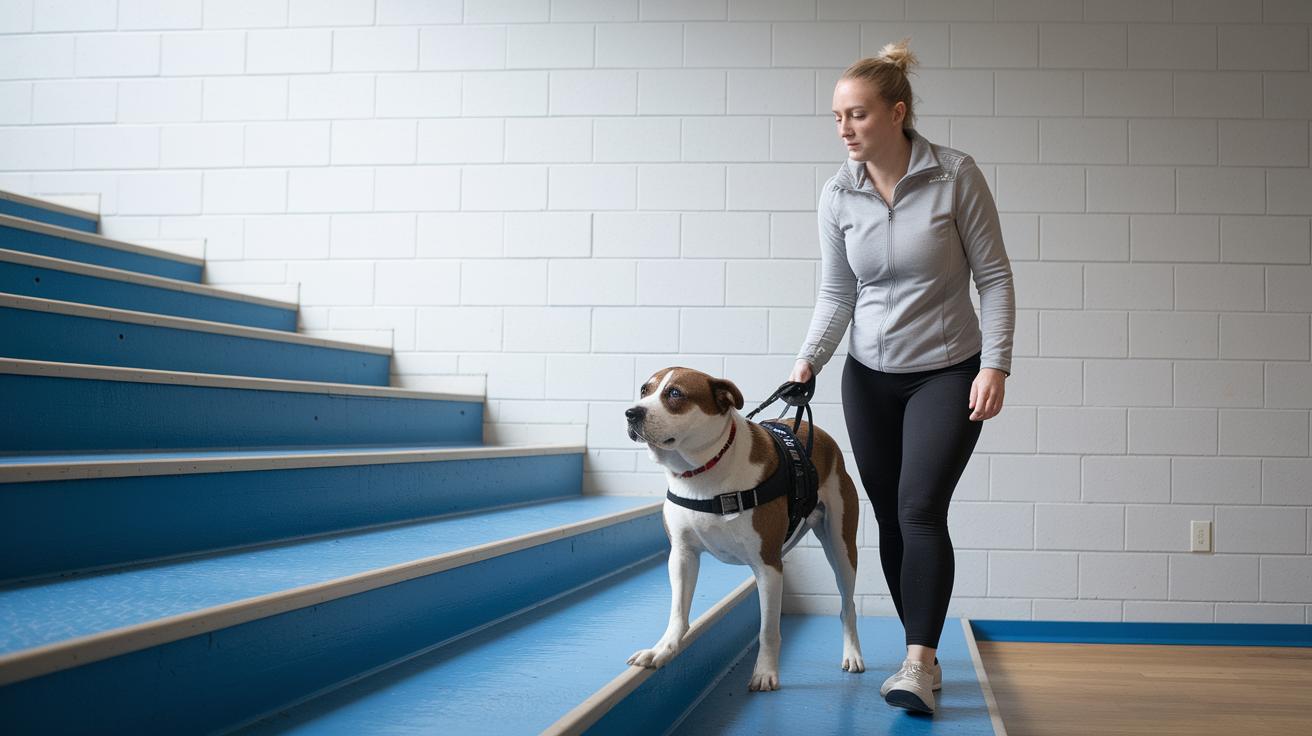
When you sign up for professional classes, you'll enjoy hands-on guidance from experts. These sessions work just like a fun cooking lesson where every step is shown clearly, so you know exactly what to do. You get a set plan, proven techniques that follow ADA standards, and one-on-one coaching that feels like having a friendly helper by your side.
On the flip side, DIY training can be a great way to save a bit of money and fit training into your busy life. But keep in mind, training at home means you need a lot of discipline and basic training know-how to ensure your dog learns how to behave around others. Without an expert watching over, your furry friend might do well at home but get confused in a busy park or public space.
- Professional classes: A clear, step-by-step method, expert guidance, and reliable progress.
- DIY training: Lower initial fees and more flexibility, though it might lead to some training gaps.
In the end, both options have their own set of benefits and challenges. It really depends on your routine, budget, and how confident you feel about guiding your dog on your own.
Service Dog Training: Frequently Asked Questions
If you’re looking for quick answers, we’ve grouped our tips by topic so you can easily find what you need without repeating details. For example, if you want to know how long training takes, check out our Certification and Accreditation section where we lay out the timelines and milestones.
Wondering whether to train your service dog yourself or get professional help? Head over to our Comparison Between DIY Training and Professional Classes section for friendly advice on which method might be best for you.
If you’re curious about recertification and those annual skill checks, our Certification and Accreditation page has all the details you need to know.
For more on what tasks your service dog can learn, like providing mobility support, giving medical alerts, using deep-pressure therapy, or performing area scans, take a look at our Task-Specific Skill Development section.
And if you’re planning on taking your dog to new and busy places, our Behavior Adaptation in Public Areas section explains how to build your dog’s confidence with positive reinforcement. Imagine introducing your dog slowly to crowded parks and rewarding calm behavior along the way.
Lastly, to keep your service dog’s skills sharp even after training, we offer post-training support tips in our dedicated section.
This quick guide points you to the full discussions where you can get all the juicy details!
Final Words
In the action, we've explored how ADA guidelines shape service dog training, from early puppy socialization to advanced task-specific skills. We covered essential obedience commands and the balance between professional classes and at-home methods while outlining funding options and addressing common questions.
Every step, from ensuring safety in new environments to reinforcing positive behaviors, builds a reliable, compassionate partner. Embracing a consistent approach in service dog training can truly enhance your pet's well-being and boost confidence in your pet care journey.