
Have you ever noticed that a small change in your morning routine can brighten your entire day?
Taking care of an older dog works in much the same way.
Even little shifts in their daily care can help keep your furry friend happy and healthy. As dogs grow older, slight changes like lower energy or a change in appetite can be big signals for their overall well-being.
In this article, we’ll share straightforward, practical tips to make sure your senior companion feels loved, comfortable, and joyful every day.
Key Components of Senior Dog Care for Optimal Well-being
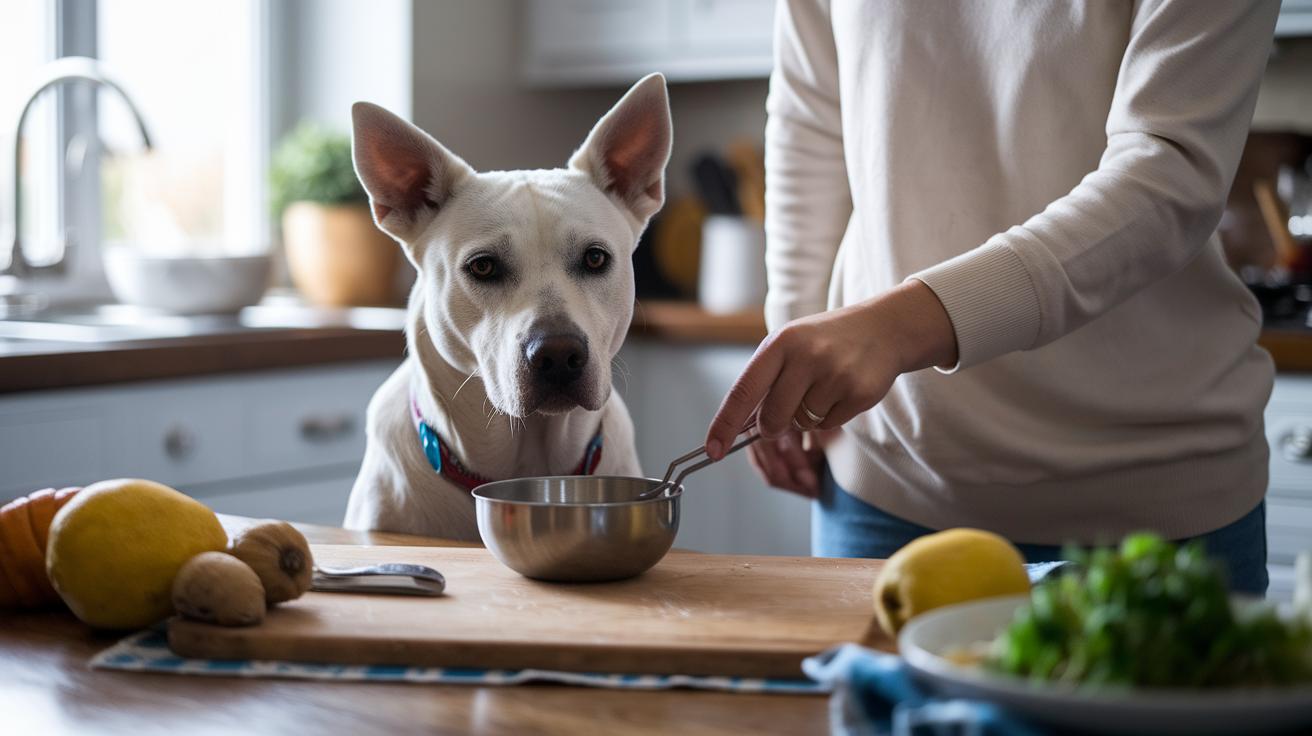
Taking care of an older dog means looking after every part of their health. As our furry friends age, even little changes can make a big difference. You might notice your dog still loves to prance around, but a drop in appetite might just be because their sense of smell isn’t as sharp as it used to be. Fun fact: many older dogs only need a few simple tweaks in their care routine to keep their spirit bright, kind of like how a small change in your morning habit can lift your whole day.
When you look at senior care as a whole, it’s not just about their food. Your loyal buddy needs regular vet visits, the right kind of exercise, good grooming, and a home that feels safe and comfy. Keep an eye out for little hints like a bit of stiffness or changes in energy; these might be early signs that your pet could use some extra help.
Here are a few key tips to keep in mind:
- Regular veterinary checkups
- Custom meal plans for their changing needs
- Exercise routines that match their ability
- Routine grooming and dental care
- Home adjustments to ensure safety
Watching your senior dog closely really pays off. Noticing small shifts in energy, appetite, or movement can alert you to issues like joint stiffness, dental problems, or even early signs of internal concerns. With just a bit of extra love, like scheduling those extra vet checkups or gently tweaking your daily routine, you can help your beloved pet live a joyful, energetic, and safe life, making every day together truly special.
Senior Dog Nutrition: Tailoring Diets for Aging Canines
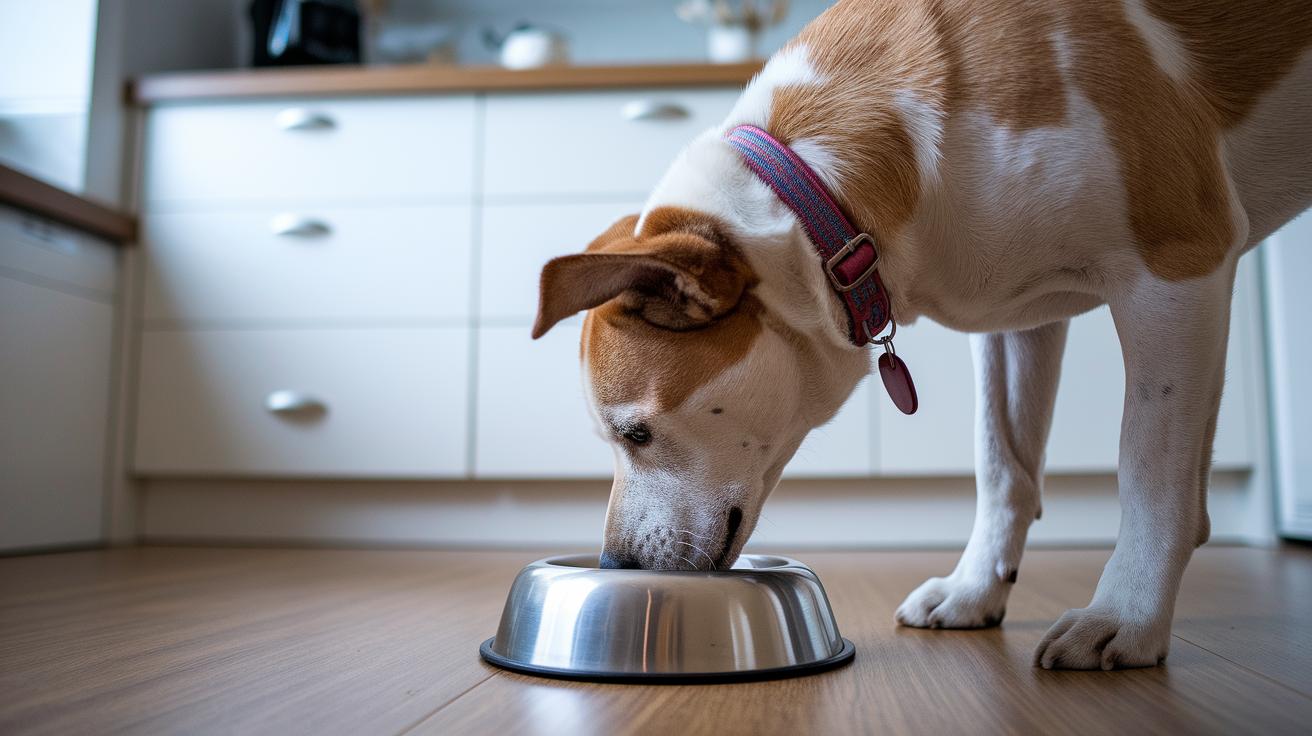
Older dogs might not eat as eagerly since their sense of smell isn't as sharp as it once was. You may notice your furry friend sniffing around their bowl, taking a bit longer to finish their meal. Adding extra flavor and aroma to their food can help spark their appetite. A balanced diet filled with the right nutrients can keep their muscles strong, boost their energy, and support their overall health as they age.
| Nutrient | Benefit | Food Source |
|---|---|---|
| Protein | Helps maintain muscle mass | Lean chicken, fish |
| Fat | Provides energy and improves coat health | Salmon oil, flaxseed |
| Fiber | Regulates digestion | Pumpkin, brown rice |
| Omega-3 | Supports joints and the brain | Fish oil |
| Glucosamine | Protects cartilage | Supplement powder |
Many commercial senior dog foods pack in these essential nutrients. They include high-quality protein to help maintain muscle, a moderate amount of healthy fats for energy, extra fiber for smooth digestion, and omega-3 fatty acids for joint and brain health. Some even add glucosamine and chondroitin to keep those joints in tip-top shape.
You can also try little tweaks to make your pet’s meal more enticing. For example, warming up the food a bit or stirring in some low-sodium broth can make mealtime much more appealing. These small changes can bring out the hidden flavors and make eating enjoyable again for your senior buddy. And remember, always chat with your vet before making any changes to your dog’s diet.
Working with your vet can help you decide whether to use vet-approved formulas or even try some DIY meal plans with trusted recipes from Reipet.com.
Exercise and Mobility in Senior Dogs
Keeping your older dog active is key to keeping their muscles strong and joints moving smoothly. Even a short daily walk or some leash-free play on soft grass can help ease stiffness and boost overall well-being. A gentle swim under supervision can also be a fun way for your furry friend to stay active and feel good. Remember, it’s best to tailor the exercise to your pet’s abilities, if you notice limping or a slower pace, it might be a sign to take it easy.
Heat Therapy for Joint Comfort
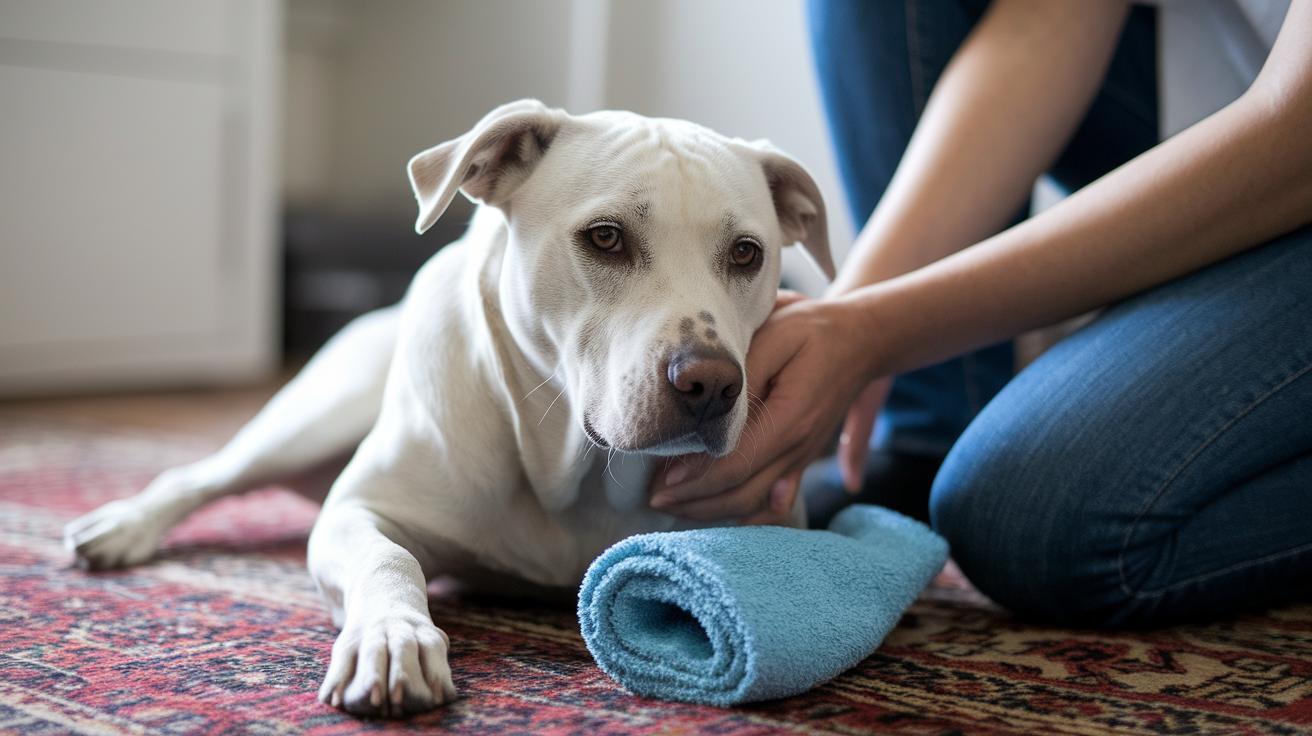
Using warmth can really ease those stiff joints. Try soaking a towel in warm water, then wring it out so it’s warm but not hot enough to hurt your dog. Wrap the towel gently and place it on any sore joint for about 15 to 20 minutes, either before or after exercise. This simple trick increases blood flow and relaxes tight muscles. If your senior companion often shows signs of joint rigidity, a routine heat therapy session might be just what they need.
Always keep an eye on how your pet responds during these activities. Adjust the intensity and duration as needed to make sure your loyal friend stays comfy and happy.
Monitoring Health and Veterinary Checkups for Senior Dogs

Keeping an eye on your older dog's health is key to ensuring a happy life. Regular vet checkups, ideally every six months, can catch small changes before they become big problems. These visits usually include blood tests, urine tests, and a full physical check so that any early signs of organ or hormone issues are spotted.
At each appointment, your vet takes a good look at your dog's overall health. They check the blood for signs of inflammation, test how well the kidneys and liver are working, and note the heart rate and weight. Sometimes, the exam also reveals dental issues or changes in the coat, giving you a clear picture of your dog's current well-being.
It is also a good idea to do simple checks at home every month. Spend a few minutes looking for any new bumps, listen to their breathing for any coughing or fast, shallow breaths, and check their skin, fur, and weight. Daily tooth brushing helps reduce plaque buildup, making sure you notice even small changes right away.
Be alert to any warning signs that need a vet’s attention immediately. Ongoing tummy troubles like vomiting, diarrhea, or constipation, as well as accidents in the house, might mean your pet is in pain or not feeling well. Unexplained weight loss or changes in dental health also signal that it’s time to call the vet, so that your loyal friend stays comfy and cheerful.
Grooming and Dental Hygiene for Senior Dogs
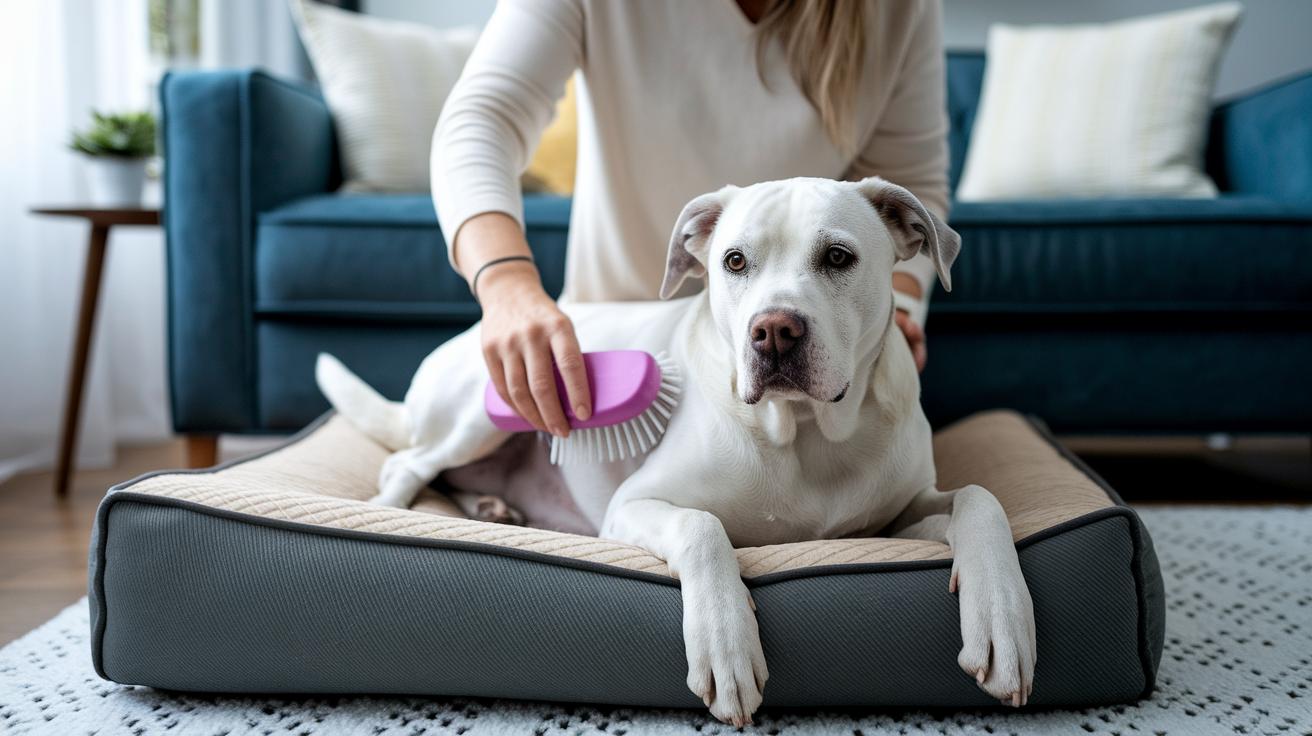
One of the best ways to keep your older pup comfortable is by using a soft-bristle brush. It helps prevent skin tears and even gives their blood a little boost. Take a moment every now and then to check their fur for any dry patches or thinning spots, these could be signs that a gentle moisturizer or a change in shampoo might be needed. And remember, while a warm bath is nice, lengthy hot baths can dry out their coat. Don’t forget to trim their nails regularly too, which helps prevent slipping and eases joint strain. A quick look at the paw pads for any cracks or irritation goes a long way in keeping them happy.
Every day, brush your dog's teeth with canine toothpaste to cut down on plaque and lower the chance of gum disease. If your furry friend isn’t a fan of brushing, you might try water additives designed for dental care instead. These simple steps, along with regular grooming, do more than just boost hygiene, they make your senior pup’s life more comfortable and joyful.
Enhancing Comfort: Home and Bedding Solutions for Senior Dogs
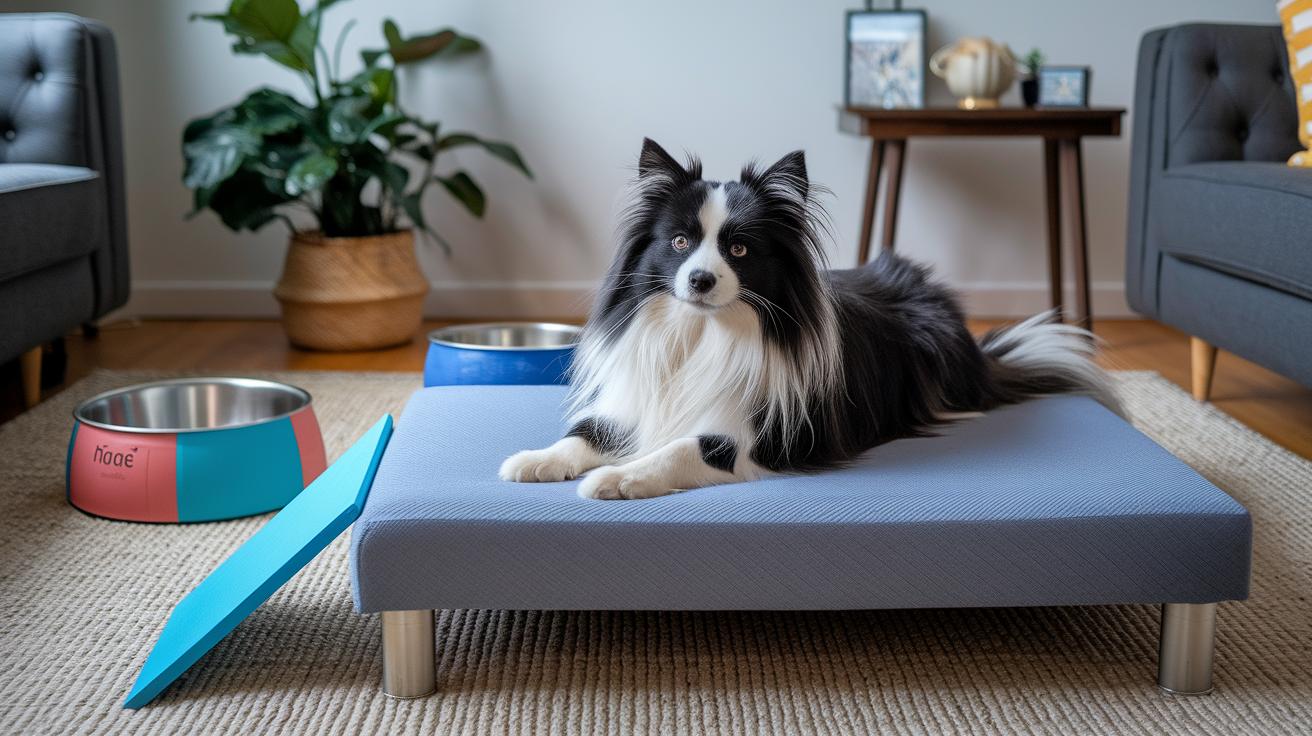
Making your home cozy can make a big difference in your senior dog's day-to-day life. A safe, easy-to-navigate space gives your furry friend comfort and helps them move freely. Picture your loyal companion, perhaps named Fluffy, resting after a long day on a custom memory foam bed that hugs them gently.
Try a few simple changes to turn your home into a pet-friendly haven. An orthopedic memory foam bed supports your dog’s joints and helps relieve pressure; be sure to pick one that suits your dog's size. Elevated bowls for food and water make mealtime easier by reducing neck and back strain. Simple ramps or non-slip steps near the furniture can prevent risky jumps and help your pet move around safely. Keeping the room temperature between 68 and 72 degrees feels just right, helping your dog stay warm and relaxed. Each little adjustment builds a safe retreat that meets your pet's special needs, making every day a bit brighter for your cherished companion.
Supporting Senior Dog Behavior and Cognitive Health
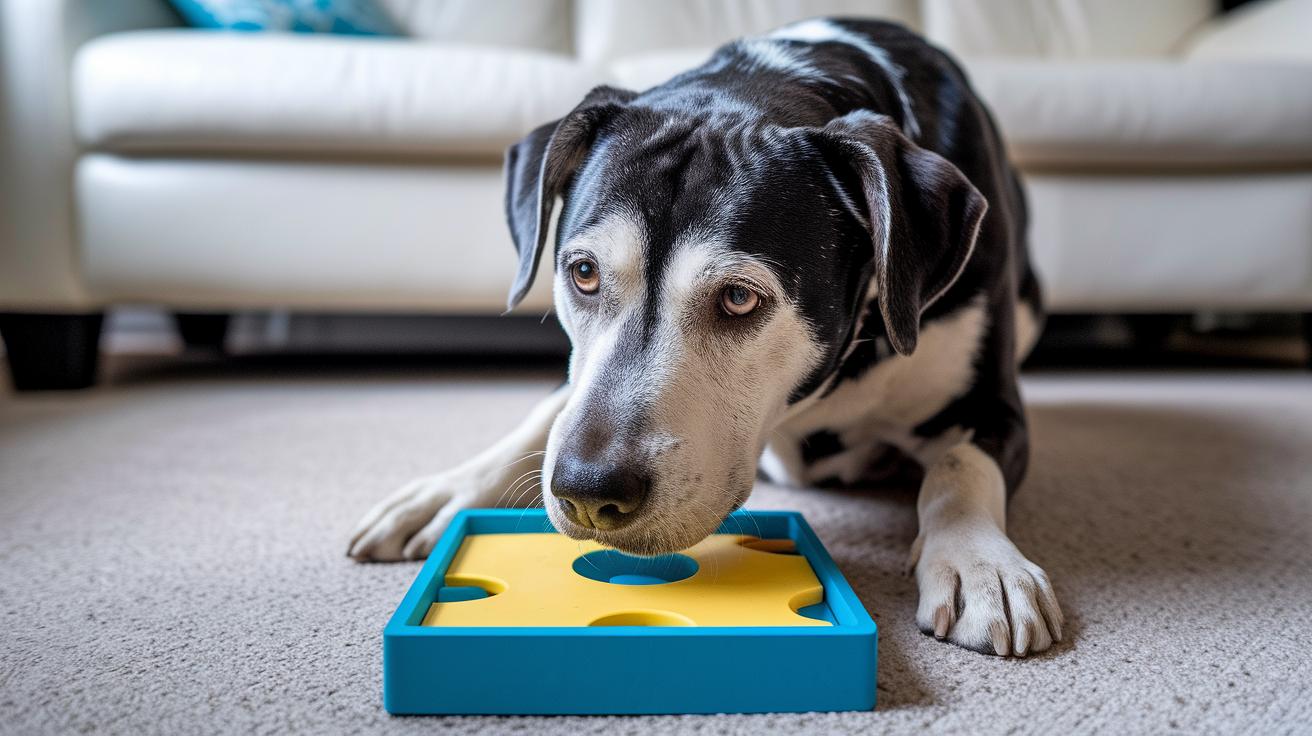
Older pets might start showing signs that their mind isn’t as sharp as it used to be. You may notice them wandering slowly, calling out more than usual, or having accidents in the house even if they’re usually well-behaved. When you see these early signs, it gives you a chance to tweak their care and even talk to your vet.
Keeping your dog’s brain active with fun activities can really help. Try out a puzzle feeder that makes them work a bit to earn a treat, as if they have to solve a small riddle to enjoy their snack. You might also hide a favorite toy or treat around the house so they can use their nose in a scent work game. Even short training sessions, like asking them to “find it” or playing memory games during playtime, can keep their mind busy and sharp.
Having a regular daily routine is a big help too. Stick with the same feeding times, walks, and naps every day. This steady schedule makes your senior pet feel safe and gives you the perfect chance to notice any changes in their behavior early on.
Final Words
In the action, we’ve explored how attentive senior dog care covers regular vet checkups, tailored nutrition, gentle exercise, and thoughtful grooming. Each step, from home modifications to cognitive enrichment, helps keep our older pups steady and happy.
Taking time with these strategies means watching those tails wag a little brighter every day. With simple routines and early detection, senior dog care becomes a shared journey of health, love, and lasting joy.
FAQ
What are some senior dog care tips?
Senior dog care tips emphasize regular vet visits, balanced meals, tailored exercise, grooming routines, and safe home adjustments. These steps help keep your aging companion comfortable and healthy.
Where can I find senior dog care facilities near me?
Senior dog care facilities provide specialized support with nutrition, exercise routines, and medical monitoring. Check locally for centers that offer compassionate, expert care for aging pets.
What senior dog care products can help my pet?
Senior dog care products like orthopedic beds, joint supplements, and gentle grooming tools are designed to ease mobility and enhance comfort, making daily routines more manageable for your older dog.
What are the signs your senior dog is healthy?
Signs your senior dog is healthy include a regular appetite, steady activity, clear eyes and a shiny coat, along with normal weight. Routine checkups help catch any changes early.
What symptoms indicate my senior dog might be nearing the end of life?
Dog old age symptoms, such as increased pain, loss of appetite, and extreme lethargy, may signal declining quality of life. When these signs outweigh joy, consult your vet about compassionate end-of-life care.
How do I care for a senior dog with dementia and what are its early signs?
Early signs of dementia in a dog include confusion, disorientation, and changes in sleep patterns. Caring for them involves structured routines, mental stimulation, and regular vet consultations to manage the condition.
What should senior dog food include?
Senior dog food should feature high-quality protein, moderate fats, and key nutrients like omega-3 fatty acids for joint and muscle support. Options like those found in the “best dog food for senior dogs” guide offer tailored nutrition.
What is the 7 7 7 rule for dogs?
The 7 7 7 rule for dogs generally suggests balancing short periods of warm-up, main exercise, and cool-down. It’s meant to ensure safe and moderate activity, but always check with your vet for advice tailored to your pet.