
Ever notice how your older cat’s calm moments might be a sign that something special is needed? As our feline pals age, they need extra care along with plenty of love to feel their best.
Think of it like a classic car. When we take care of a precious vehicle, we give it the right fuel and a little fine-tuning to keep it running smoothly. In the same way, senior cats thrive with a diet made just for them, regular visits to the vet, and a cozy, safe spot to relax.
It really comes down to paying attention to the little changes. A small shift in behavior might be your cat’s way of telling you they need a bit more care during their golden years.
Essential Senior Cat Care Tips: Holistic Health, Nutrition & Comfort
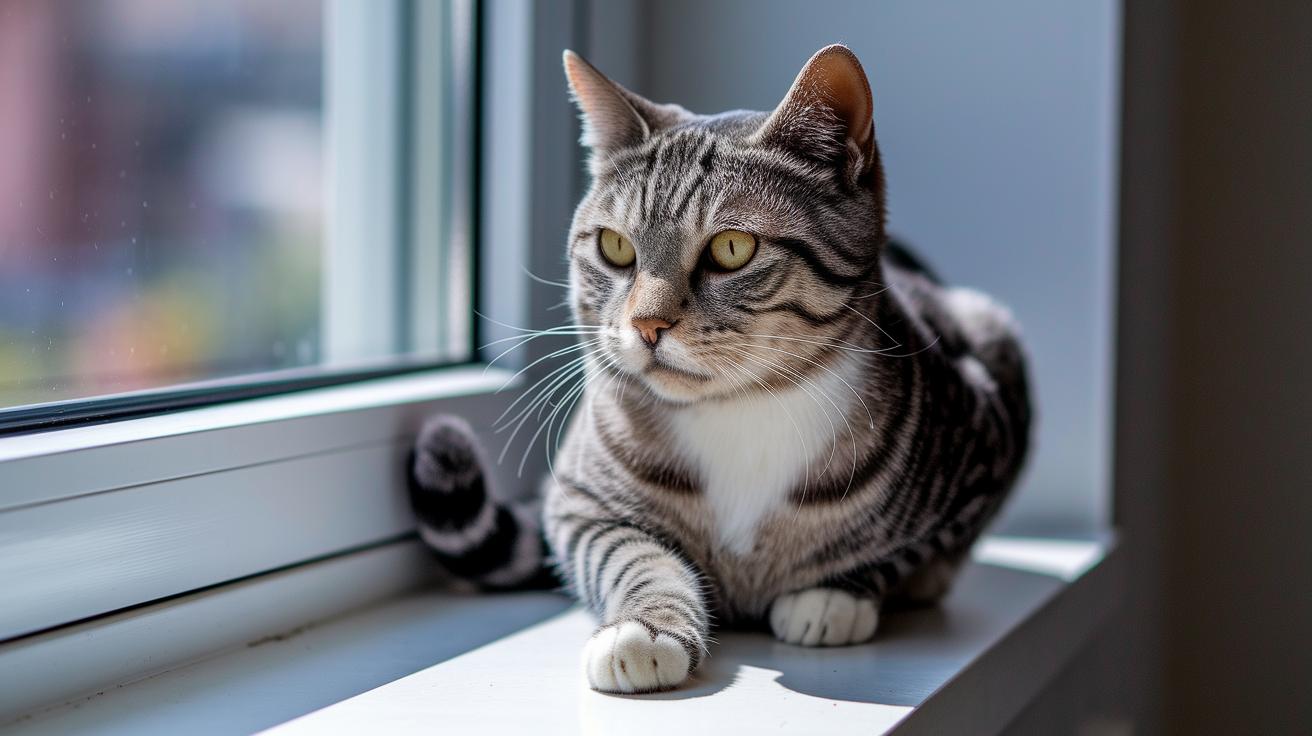
Senior cats are those aged 11 to 25 years. Cats in their middle years, from 7 to 10, are more active, while those over 25 are considered very old. Indoor cats tend to live longer, around 15 to 17 years, because they’re less likely to face accidents, illnesses, or wild animal threats compared to outdoor cats. Knowing these lifespan differences helps you adjust care as your furry friend gets older.
As cats age, they may start to show signs of joint pain, arthritis, and even changes in vision and hearing. They might gain or lose weight and could eat less or differently. Sometimes, older cats hide their discomfort because it’s in their nature. You might notice your older cat avoiding high jumps or choosing a sunny, quiet spot to rest. Catching these little changes early can help you make the right adjustments to their care and home setup.
Regular vet visits, a high-protein, moist diet, and extra comfort at home go a long way in keeping your senior cat happy and healthy. Routine check-ups can spot issues before they become big problems, and a steady daily routine provides comfort and security. Simple changes at home, like cozy, easy-to-reach resting spots and gentle ways to encourage exercise, can make a huge difference. These steps combine to support your cat’s health and well-being, helping them enjoy their golden years.
Senior Cat Nutrition Tips: Tailoring Diets for Geriatric Felines
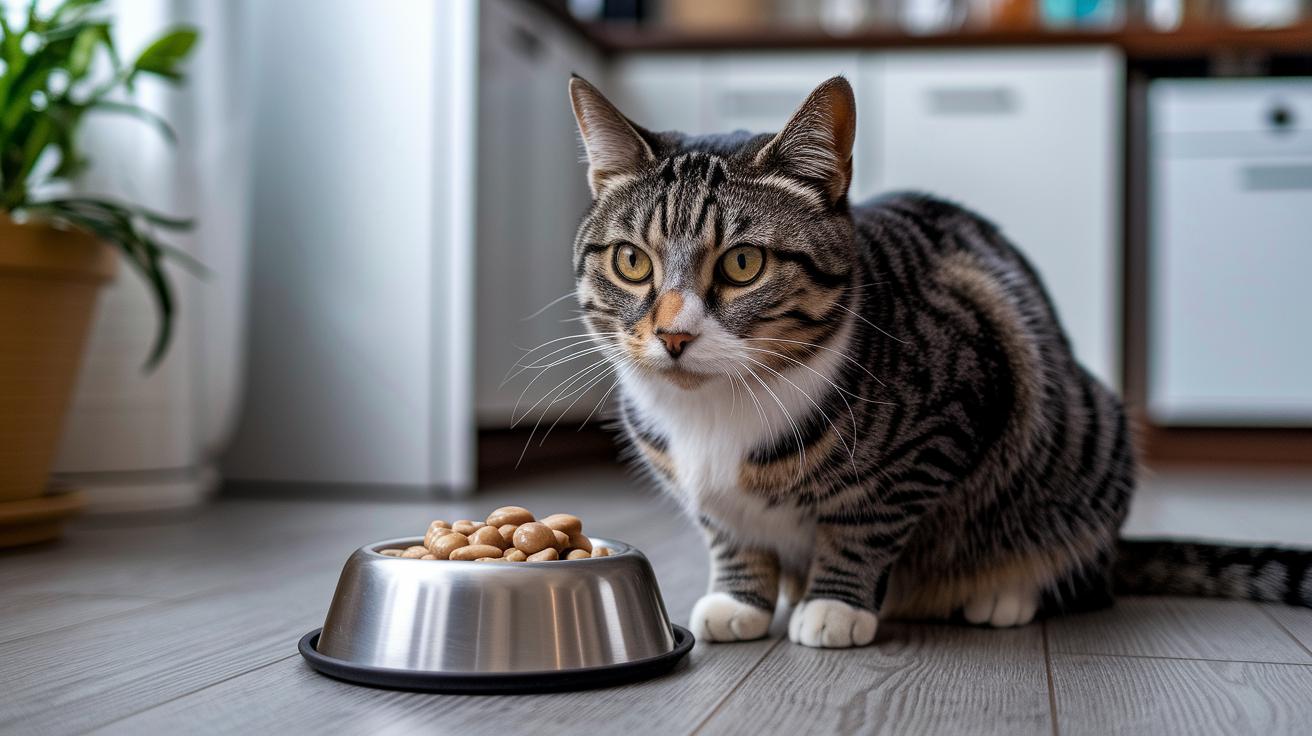
When our cherished cats get older, the food they need changes a lot. Older cats need meals that are gentler on their tummies while giving them more protein and water. This helps keep their muscles strong and supports their kidneys, which can start to slow down over time. Many vets now say that adding extra protein and water to their meals can even help with issues like arthritis and early kidney troubles. So, it’s important to pick out special senior formulas and slowly mix in the new food, making sure every bite is both yummy and nourishing.
- Pick meals made for older cats with extra protein.
- Serve canned food with lots of moisture every day.
- Follow your vet’s advice on special kidney diets.
- Watch how much your cat eats to keep their weight just right.
- Switch to new food gradually.
- Choose foods with top-quality, clear ingredients.
- Go for soft or pâté textures so they’re easy to eat.
- Offer several small meals during the day.
Planning meals with your vet is a big help for your senior cat’s health. By tailoring their diet carefully, you keep their energy steady, help them stay hydrated, and support their overall well-being. Regular check-ups mean any changes in their food can be smooth, safe, and just right for what your pet needs. Taking care of their nutrition means giving your aging friend many more cozy, healthy moments together.
Gentle Exercise and Mental Stimulation for Senior Cats
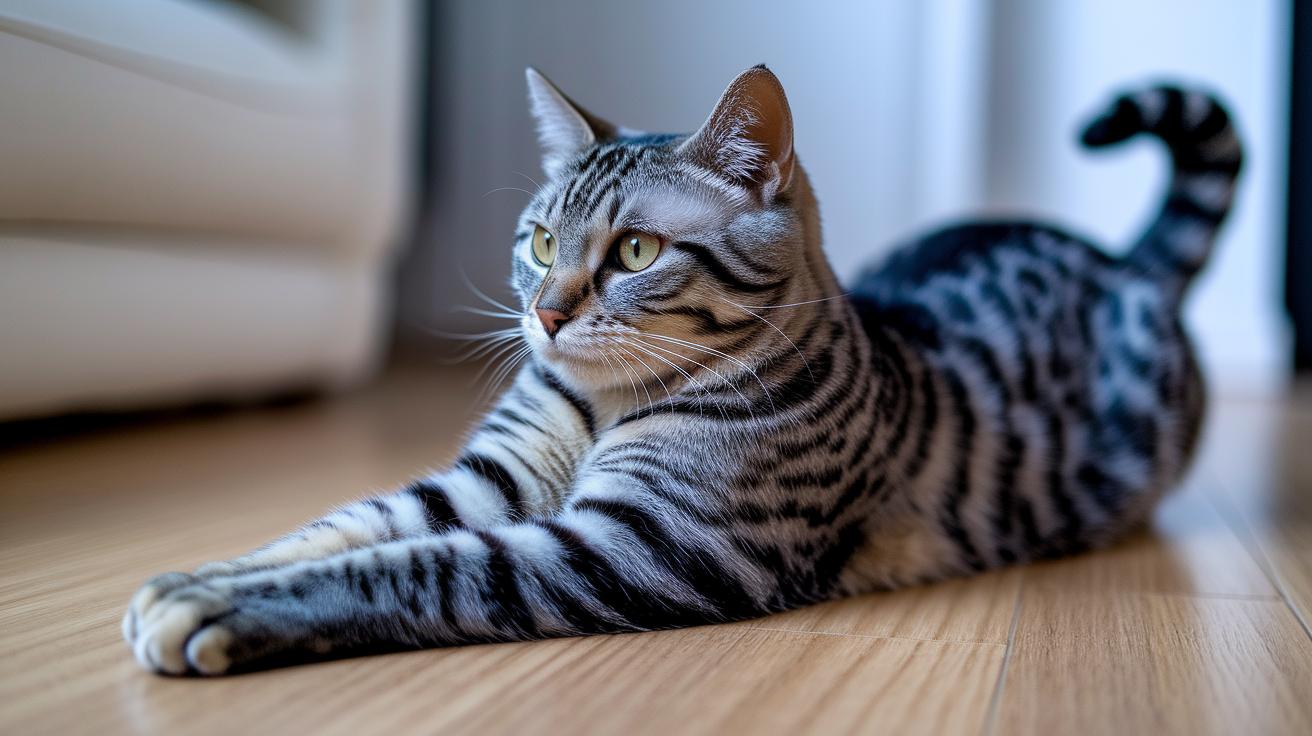
It’s so important to help your older cat stay gently active. Keeping your furry friend moving helps ease stiff joints and keeps their mind bright. Low-impact play is both safe and fun, giving your cat a cozy way to engage while keeping those sore paws and tired legs at ease. And you know what? Studies show that even a few minutes of play each day can boost a senior cat’s mood and alertness.
Simple, low-energy exercises are the best choice. Indoor activities are especially meaningful on days when your cat feels a bit low on energy. These gentle moments help beat loneliness and fend off boredom. Imagine a slow, playful pounce or the soft stroke of a brush that awakens your cat’s zest for life without overdoing it. Keeping things short and fun not only helps with physical health but also gives you both a chance to share some tender moments. Here are some ideas to try:
- A quick wand toy chase
- Puzzle toys that release treats
- A steady laser-pointer session
- A calm chase down a quiet hallway
- A loving brush and pet time
Senior Cat Grooming and Hygiene Tips

Older cats can have a tough time keeping clean on their own. Their joints might ache, making it hard to reach all those spots. This can lead to matted fur and dry patches. Plus, their teeth need extra care to keep gums healthy. With older cats, you might also notice that their eyes and ears aren’t as sharp, so a bright, calm space is really helpful to keep things stress-free.
- Schedule short, gentle brushing sessions
- Use soft-bristle or rubber brushes
- Check skin and coat for mats or dryness
- Trim nails slowly, and be sure to praise their cooperation
- Offer dental treats or brush teeth once a week
- Keep the grooming area warm, quiet, and well-lit
Keep an eye out for signs of discomfort when you’re grooming. If your cat flinches or seems a bit uneasy, try boiling the session down or switching up your method. This little adjustment can make a world of difference, helping to keep your furry friend relaxed and safe during grooming time.
Creating a Senior-Friendly Home Environment for Your Cat
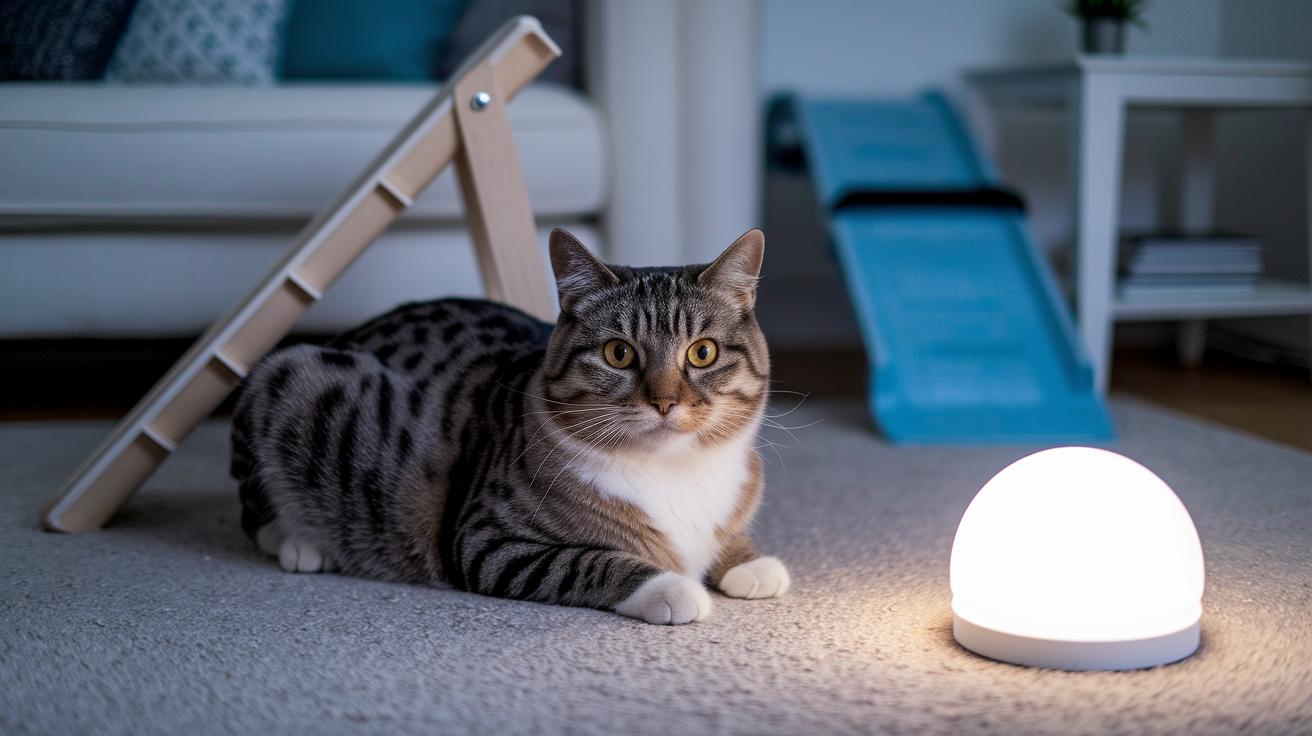
As our feline friends get older, they sometimes need a few extra touches around the house. They love warm spots that help ease joint pain and prefer the same familiar routes when they move around. A cozy, safe space can make everyday life much easier and less stressful for them. With a few simple changes, you can lower the risk of slips and falls and keep every corner of your home friendly for their new needs.
- Heated or thermal cat beds
- Secure pet ramps or steps
- Low-entry litter boxes on stable mats
- Multiple water bowls or fountains nearby
- Nightlights in hallways and key rooms
- Non-slip rugs or runners on slippery floors
- Quiet, stress-free feeding zones
Keep an eye on how your cat reacts to these updates. If they seem a bit unsure or steer clear of the new setups, try rearranging things slowly or adding more of the items they’re used to. In truth, making your home safer for your senior cat can really help them feel happy and secure during their golden years.
Senior Cat Preventive Healthcare and Vet Visit Tips
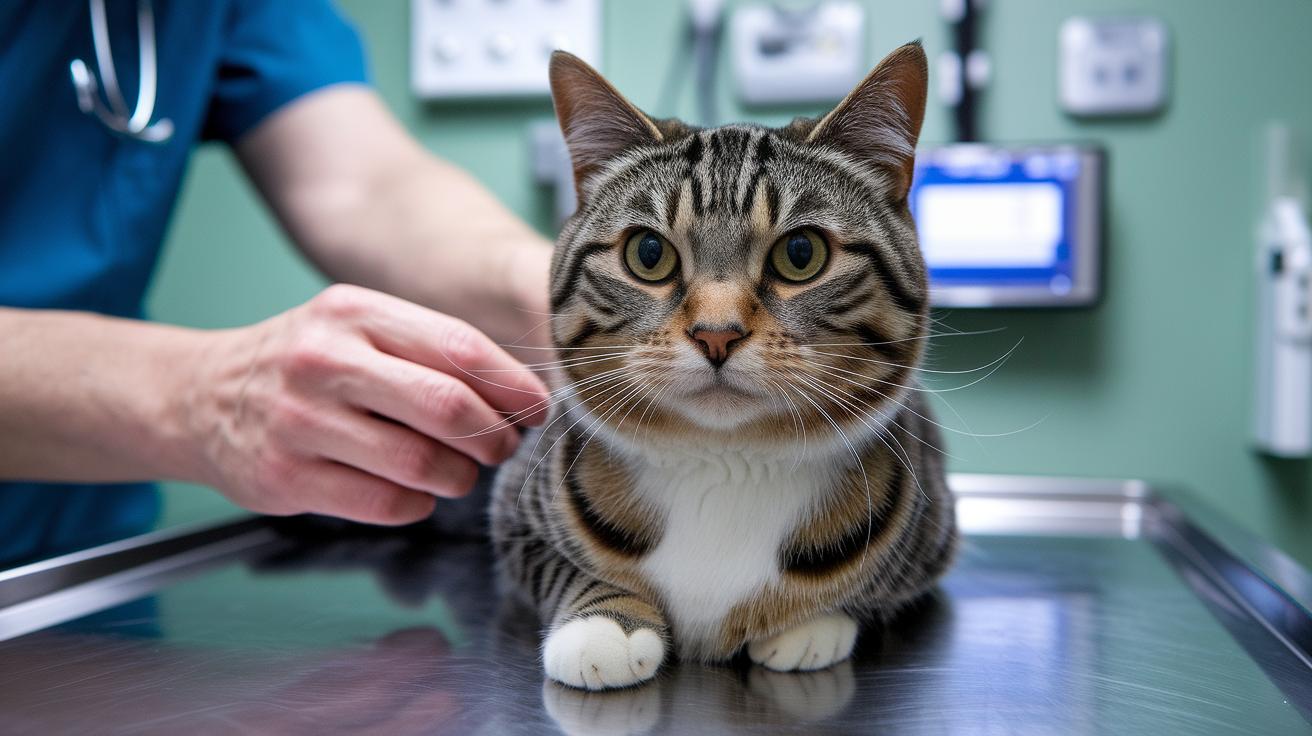
Routine vet check-ups are a must for catching health issues early in your senior cat. For kitties between 10 and 15 years old, it’s best to visit the vet every six months. If your cat is over 15, quarterly visits work even better. These check-ups include important vaccines, tests for pesky parasites, and dental exams, all of which help keep your cat feeling their best. Routine visits are like a safety net, catching little changes, like a slight shift in appetite or litter habits, before they turn into bigger problems.
| Check-up Type | Recommended Frequency |
|---|---|
| Routine wellness exam | every 6 months/quarterly |
| Dental exam | annually/biannually |
| Parasite screening | every 6 months |
At-home health checks are just as important as vet visits. Keeping an eye on your cat’s weight, appetite, and bathroom habits gives you simple clues about their well-being between trips. A gentle check of your cat’s fur during cuddle time can also reveal any early signs of trouble. And when it comes time to head to the vet, using a cozy carrier and being extra gentle can make the whole experience less stressful. These little steps not only support your cat’s health but also build trust, making every vet visit a bit easier for both of you.
Monitoring and Managing Age-Related Health Issues in Senior Cats
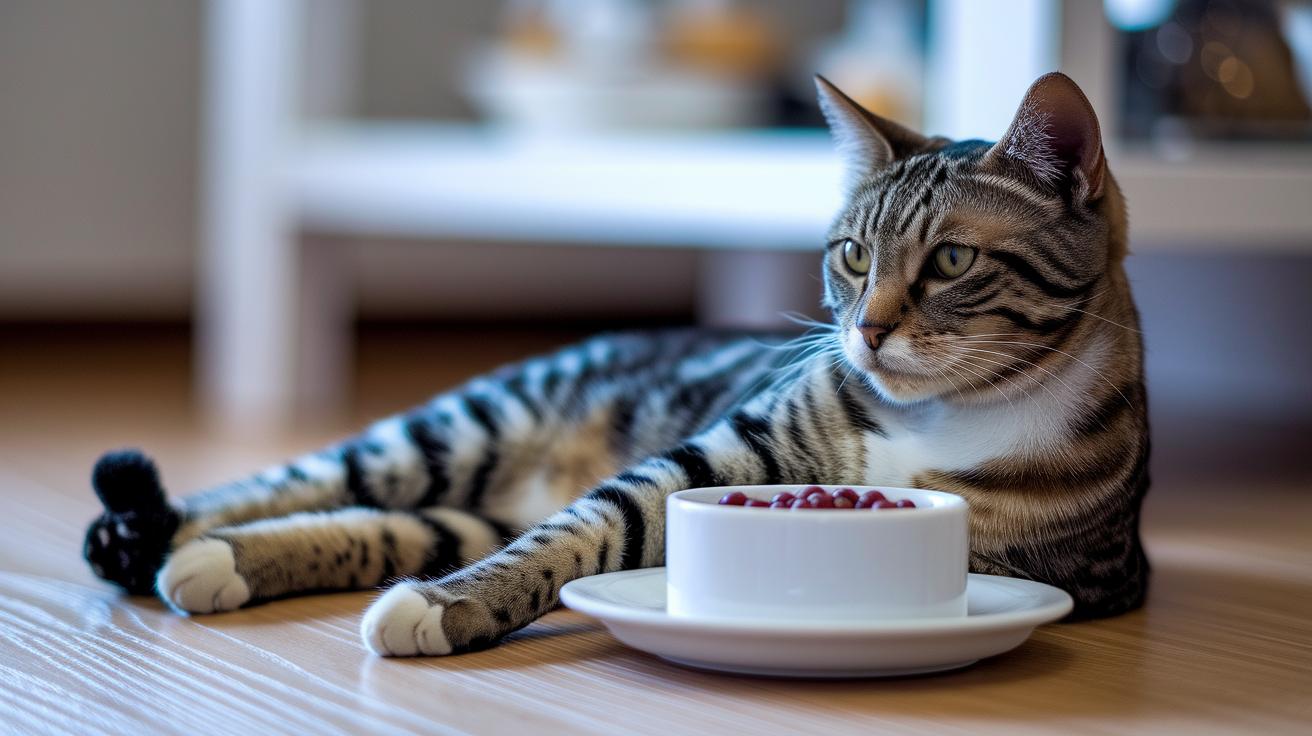
Sometimes, it’s hard to notice small changes in our older cats because they often hide any discomfort. That’s why it’s important to watch their daily habits closely. You might see signs like a big change in weight, less interest in food or water, trouble with jumping or climbing, spending more time hiding or feeling tired, problems with the litter box, or a coat that looks messy.
Keeping an eye on these cues helps spot early signals of issues like kidney trouble and other health problems. I like to check on my cat during feeding time or while petting, those little moments can reveal a lot.
When it comes to making them feel better, a few gentle steps can really help. For arthritis, try a soft massage, joint supplements, or a warm compress to ease the pain. If there are worries about kidney health, offer more fresh water with extra bowls or a pet fountain, and follow any special diet tips from your vet.
Finding a routine that includes regular health checks at home is a simple way to catch changes early. And remember, chatting with your veterinarian helps build a care plan that keeps your senior cat comfy and happy in their later years.
Final Words
In the action, we explored practical ways to support your aging feline through improved diet, gentle exercise, and personalized grooming. We touched on creating a snug home setup and the need for regular vet visits to monitor vital signs. Each step, from tailored feeding to checking for common health warning signs, empowers you to make confident pet care decisions. With these senior cat care tips, your pet can enjoy a happier, healthier twilight, making every moment together precious.
FAQ
What are some senior cat care tips for at-home care, whether found on Reddit or in PDFs?
Senior cat care tips include regular vet visits, tailored high-protein diets, gentle grooming, and a calm home environment that minimizes stress and helps manage arthritis, sensory decline, and other age-related changes.
What are typical behaviors and symptoms of super senior cats nearing end-of-life?
Super senior cats may show weight loss, reduced mobility, increased hiding, changes in litter habits, and less grooming. These signs can indicate discomfort and the natural decline that comes with advanced age.
How can I keep an old cat happy and give them the best life?
Giving a senior cat the best life involves routine vet checkups, balanced nutrition, gentle exercise, mental stimulation, and a safe, comforting space that adapts to their evolving needs.
What should I know about senior cat food and their nutritional needs?
Senior cat food should be nutrient-dense with higher protein and moisture to support muscle mass and hydration. Always consult your vet to tailor the diet for any special health requirements.
What can I expect from a 17-year-old cat in terms of behavior and health?
A 17-year-old cat may exhibit less energy, arthritis, sensory decline, and changes in eating habits. Regular vet visits and gentle care help maintain their comfort and quality of life.
What should I avoid doing with my elderly cat?
Avoid sudden diet or environment changes, forcing vigorous exercise, and skipping routine vet visits. Instead, offer gentle care, stability, and gradual adjustments to make them feel secure.
What age is considered old for a cat?
Cats are generally considered senior at around 11 years old. Many indoor cats thrive into the mid-teens, while outdoor cats often experience a shorter lifespan.
Are senior cats hard to take care of?
Senior cats need more attention due to age-related changes, but with a balanced diet, regular vet checkups, and a safe, comfortable home, caring for them can be very rewarding.