
Have you ever seen your dog bark or lunge at a stranger and wondered why? It’s not that they’re misbehaving, they’re actually feeling scared, frustrated, or overwhelmed.
Reactive dog training is a gentle way to help your pup feel safe while you slowly build trust together. By paying attention to little signs, like a tense body or a quick glance away, you can start teaching them with rewards when they stay calm.
Think of it like this: when you guide them through stressful moments, you’re helping them learn to relax. Soon, your furry friend will feel more confident, and your bond will grow even stronger.
Reactive Dog Training Fundamentals
Dogs often react because they're feeling scared, unsure, overly excited, or frustrated. When they see a person or another dog, you might notice them barking, lunging, growling, or even snapping. I remember hearing about one pup who barked at everyone walking by, not realizing that they were actually friendly. It’s not that the dog is misbehaving, it’s just getting overwhelmed.
It really helps to know your dog's threshold. This means finding the safe distance where your pet notices a trigger but still stays calm. If you keep your dog within that distance, you can guide it gently, and if it starts to react, taking a step back can help it settle down.
Watching your dog’s body language is key. A stiff tail, tight muscles, or even a sideways glance can mean the trigger is too close. Picking up on these little hints early on lets you act fast to keep everything calm.
Instead of using punishment, try reward-based methods with treats and soft cues. This gentle approach encourages your dog to show better behavior. And if you feel you need extra support, consider joining a positive training class where you and your pet can learn together in a caring, structured way.
Building Trust & Leash Management in Reactive Dog Training
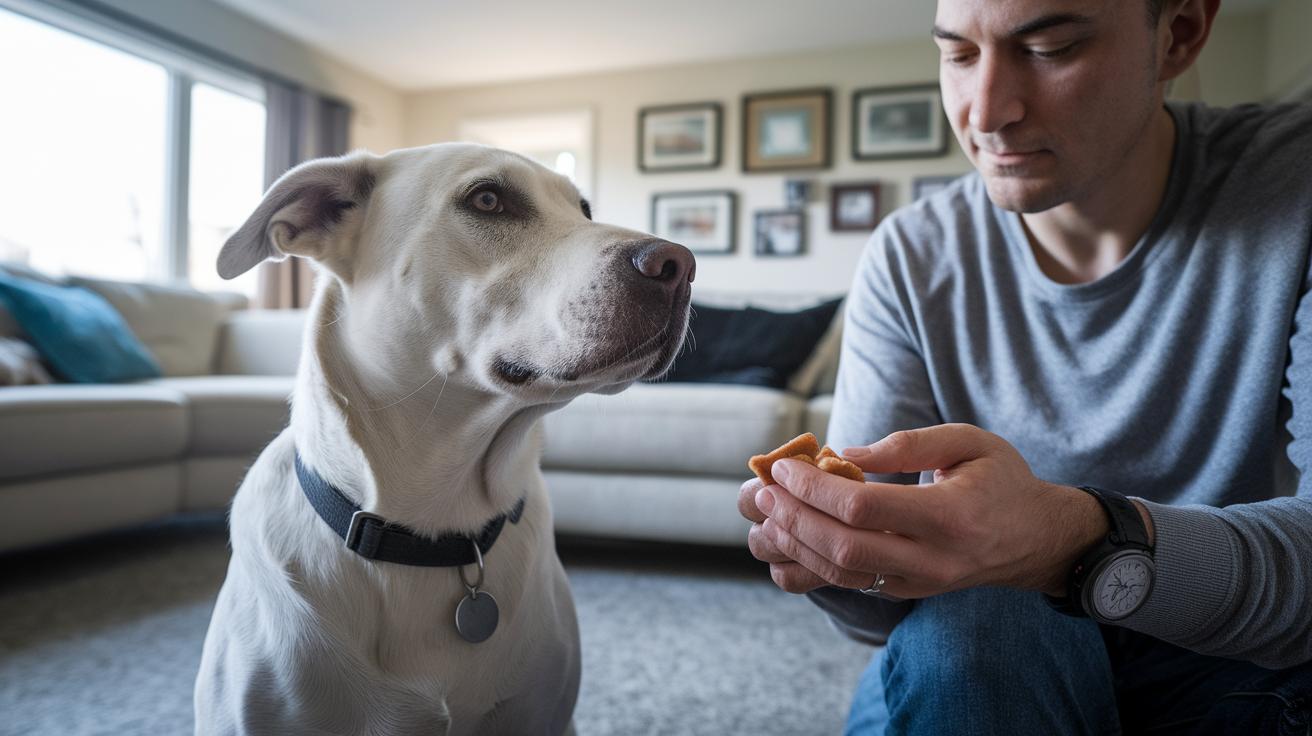
When you keep a calm and steady presence, your dog feels safe and understood. Try starting each walk with a quick game like “find the treat.” It’s like a warm-up that gets your furry friend focused and sure you’re looking out for them.
Plan your walk ahead of time by thinking about any triggers that might unsettle your dog. Take small steps, approach a trigger area slowly and reward your dog with a treat when they stay calm. This gradual exposure builds trust and shows your pup that good things happen when they listen.
Another helpful tip is the emergency U-turn cue. A simple command like “Let’s go!” can quickly guide your dog away from an overwhelming situation. This little tool can be a lifesaver when things start to get too intense.
Finally, keeping a steady routine around handling, feeding, and leaving home creates a predictable environment for your dog. Many trainers add in a few basic obedience commands to strengthen control, ensuring that every calm step together builds confidence and deepens the bond you share.
Reactive dog training: Boost Calm and Trust
Desensitization Protocol
Start by showing your dog the thing that bothers it from far away, where your pup stays calm. For instance, if other dogs make your dog nervous, begin at a spot where the other dogs are just a small dot in the distance. Gradually, as your dog stays relaxed, move a little closer. First, watch your dog's body language, then move slowly in, and give lots of praise and treats every time your pup stays calm. Keep your movements slow and steady, and if your dog seems uneasy, take a step back and try again later.
Counter-Conditioning Steps
Mix the trigger with something your dog loves, like a tasty treat. When your dog sees or hears the trigger but stays calm, quickly offer a treat to build a happy connection. The trick is to give the treat right at the moment your dog notices the trigger. Before long, instead of feeling scared, your dog will look forward to the yummy reward. A simple cue like "good job" can help your pet learn that staying calm brings rewards.
Engage/Disengage Drill
This fun drill teaches your dog to take its eyes off the trigger when you ask and then look back at you. Start by using a word like "look" and gently guide your dog's attention away from something upsetting. Once your dog shifts focus and then answers a call like "look here," offer a treat right away. This drill helps your pup learn to control its gaze and feelings when faced with something that might normally bother it.
Observation Games Overview
Try playful games such as "Look At That" to help your dog get used to noticing triggers and then turning to you for praise or treats. This game builds your dog's confidence by showing that spotting the trigger can lead to a happy, positive result. Over time, it helps change how your dog feels about what once felt scary.
At-Home Strategies for Enhancing Calm and Trust
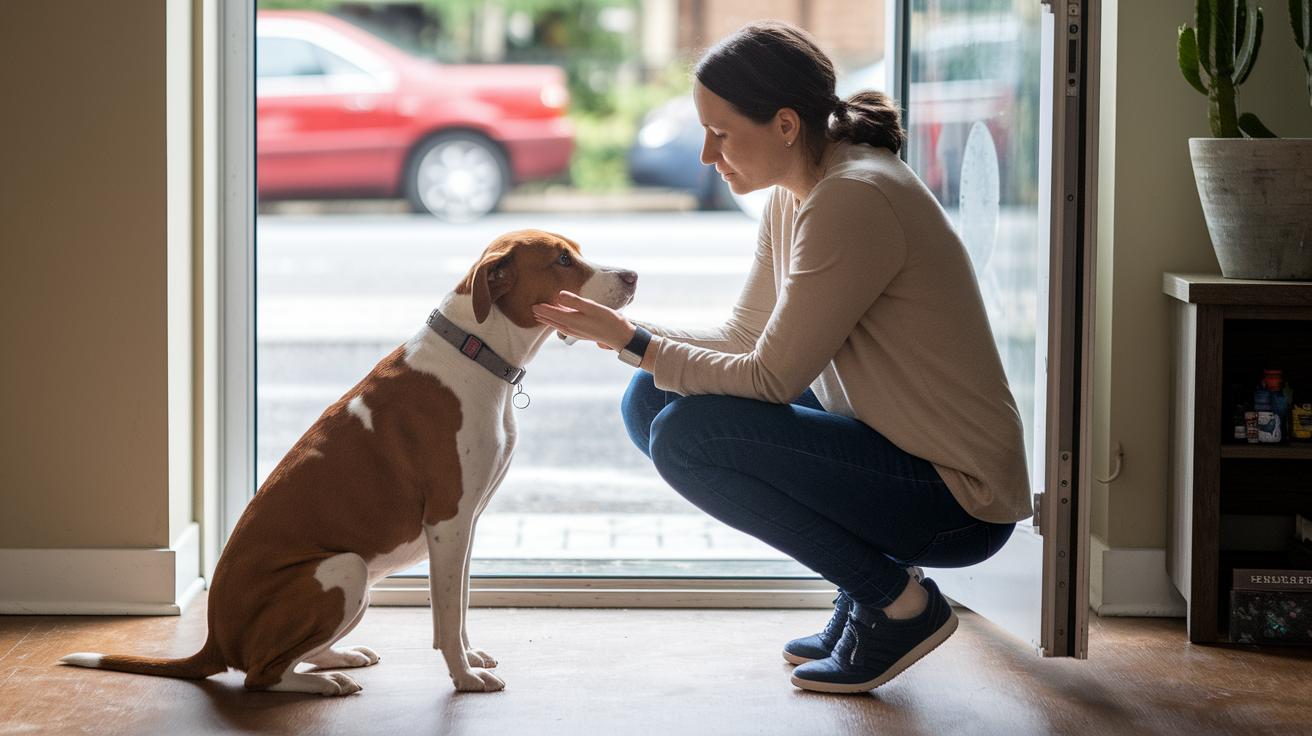
Formal Training Drills
Try fun, step-by-step exercises that help your dog learn to stay relaxed when something new happens. Start indoors by playing a soft doorbell sound at a low volume. At the same time, use friendly commands like "Sit" and "Watch me" to encourage calm behavior. It’s all about taking little steps to build trust over time.
• Gradually introduce triggers, like slowly increasing the doorbell sound.
• Use rewarding techniques to change the dog's reaction gently.
• Stick with simple, reward-based commands every time.
For instance, start with a quiet doorbell ring and immediately reward your dog for staying calm. This shows them that being relaxed leads to good rewards.
Everyday Calming Practices
Mix in easy, everyday activities to reinforce training and help lower stress. A relaxed sniff walk, or a slow stroll where your pup can enjoy all the smells, lets your dog burn off energy happily. Puzzle toys and treat games keep their mind busy and focused on the fun instead of stress.
• Enjoy sniff walks and calm strolls together.
• Use puzzle toys and treat games to keep your dog’s brain active.
• Keep a regular routine for feeding, walking, and saying goodbye.
Imagine taking a morning sniff walk where your dog joyfully explores every blade of grass. Along the way, practice inviting your pup to join you in small commands, blending playtime with learning in a natural, fun way.
Professional & Virtual Support for Reactive Dog Training
Working with a reactive dog can be a real challenge, but finding the right help changes everything. Certified trainers offer friendly group classes and one-on-one sessions to tackle those tricky behaviors. If you’re in Alexandria, VA, just give them a call at (717) 809-3715. One pet parent mentioned that after working with a trainer, their dog's anxiety around triggers noticeably eased, proving how effective expert guidance can be.
Online behavior coaching is also a fantastic resource. Virtual sessions and easy-to-follow courses let you see clear demonstrations of reactivity drills right from your living room. These sessions show practical steps to reward calm behavior, making it easier to build trust and a strong bond with your pet.
It also helps to chat with your vet or groomer, as they might spot any health or sensory issues affecting your dog. Many of these programs, established in 2014 and led by kind, force-free experts since 2019, focus on reward-based and relationship-centered training. Such a complete approach offers consistent support and expert advice, helping your dog feel more relaxed and secure.
By mixing both in-person help and virtual support, you build a balanced plan that brings lasting progress for your furry friend.
Monitoring Progress & Troubleshooting Reactive Dog Training
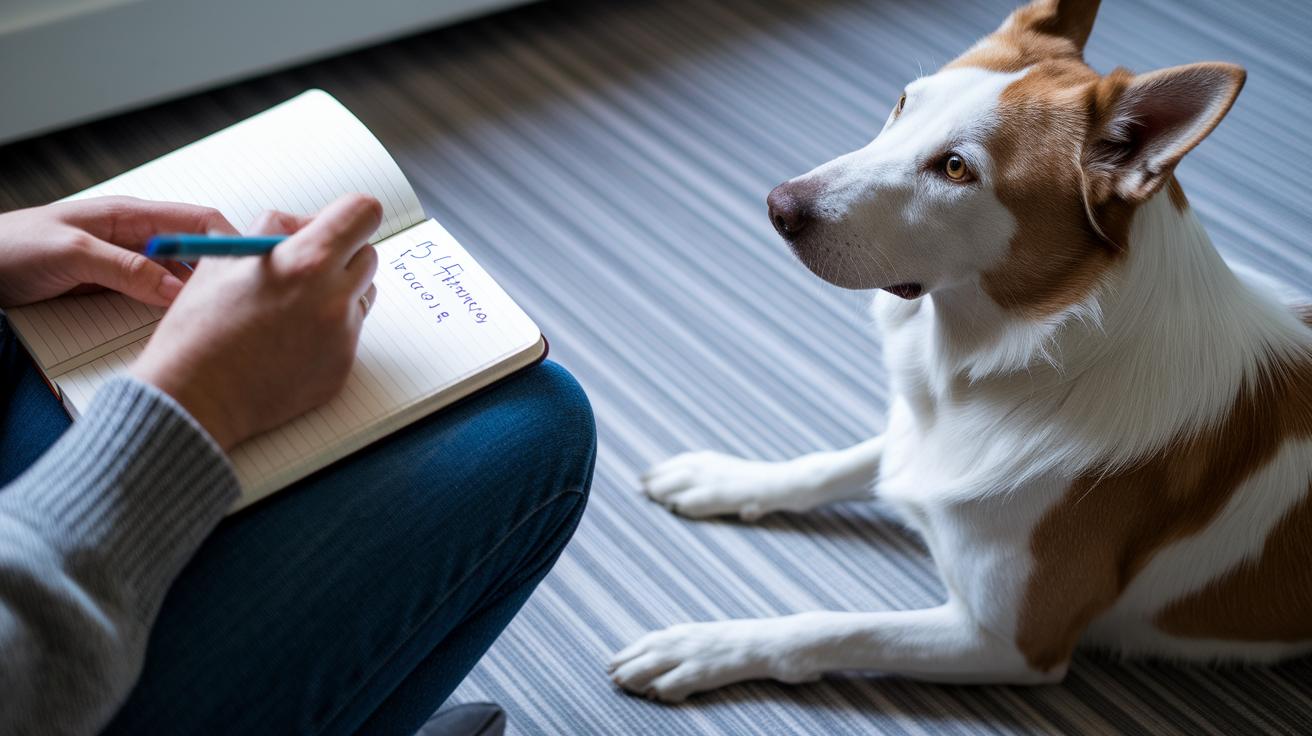
Keep a simple record of your training sessions. Note the distance where your dog reacts, what sets him off, and when he stays calm. For instance, you might write, "15 feet away, calm," or "At 10 feet, a slight ear twitch." These notes help you see progress and spot patterns.
Celebrate every little win. Set small goals, like reducing the reaction distance by 5 feet over time. Jotting these milestones down gives you a clear roadmap and makes the progress feel real.
If your dog reacts during a session, take a quick break. Step back to a distance where he feels safe, and try again later. This keeps the training positive and stops unwanted behavior from being repeated. One pet parent said, "When my pup reacted, I backed off and resumed when he was calm. It made a big difference."
Keep an eye on your dog's signals because his sensitivity can change. Watch for small signs like a slight head turn or a momentary pause. Picking up on these clues early can prevent a reaction from going too far.
Make sure your record is honest and up to date. This helps you troubleshoot problems and adjust your training plan as your dog grows and learns.
Success Stories & Case Studies in Reactive Dog Training
One heartwarming example features a small terrier that used to react when another dog came within 15 feet. Over six weeks of steady Behavior Adjustment Training (BAT) and counter-conditioning, which means gently teaching a dog to respond calmly with rewards, the little pup began to keep its cool at just 10 feet. This change boosted its confidence and showed how celebrating even tiny wins can lead to lasting calmness.
I remember a pet parent saying, "Every small step made a big difference. My once skittish dog now walks calmly beside me, even when triggers are nearby."
Building confidence can help solve up to 95% of a dog’s reactivity issues when done regularly. Training that focuses on rewards and gentle guidance not only helps pets overcome fear and frustration but also builds a strong, trusting bond with their owners. These real-life stories remind us that with patience and clear, loving communication, even very reactive dogs can learn to trust and remain calm in challenging moments.
Final Words
In the action, we tackled reactive dog training fundamentals, built trust through mindful leash management, and explored calm techniques like desensitization and counter-conditioning. We also outlined at-home exercises and stressed the importance of expert support.
By tracking progress and troubleshooting along the way, each step moves you closer to a calmer, happier pet. Keep using these practical, force-free methods to create lasting change. Enjoy the journey, knowing every small victory makes a big difference.
FAQ
Where can I find reactive dog training options near me, in California, Texas, at home, or online?
Reactive dog training options are available near you, in places like California and Texas, as well as at home and online. Look for programs that use reward-based, force-free methods to build calm and confidence.
How do I train and socialize my reactive dog while avoiding common mistakes?
Training and socializing a reactive dog means using gradual exposure with rewards. Avoid rushing interactions or negative methods; instead, offer calm, consistent practice to help your dog learn to feel safe around triggers.
What is the 3 3 3 rule for dog training?
The 3 3 3 rule often means focusing on a few key steps—like short sessions with three commands repeated three times—to keep training fun and digestible, boosting your dog’s learning and confidence.
Is it possible to fully cure a reactive dog?
A reactive dog might not be fully “cured,” but training can greatly reduce reactions. With ongoing, reward-based practice, you can help your dog manage triggers and build lasting confidence over time.
What books and resources can help me with reactive dog training?
Books like Behavior Adjustment Training, Feisty Fido, and Positive Training for Aggressive and Reactive Dogs offer step-by-step techniques. They share real-life tips to help you turn stressful moments into positive, calm experiences.