
Have you ever thought that your dog's bowl might have secrets to better health? Prescription dog food isn’t just regular kibble, it’s a carefully crafted meal meant to help with problems like kidney issues and diabetes.
Imagine a chef preparing a meal just for your pup, with each nutrient measured perfectly to boost their overall well-being. It’s like having a tailored recipe that really fits your pet’s needs.
Let’s take a moment to explore how these special diets work and why they can truly change the game when it comes to managing ongoing health challenges. Stick around as we dive into the amazing connection between what your pet eats and how they feel.
How Prescription Dog Food Works and How to Obtain It
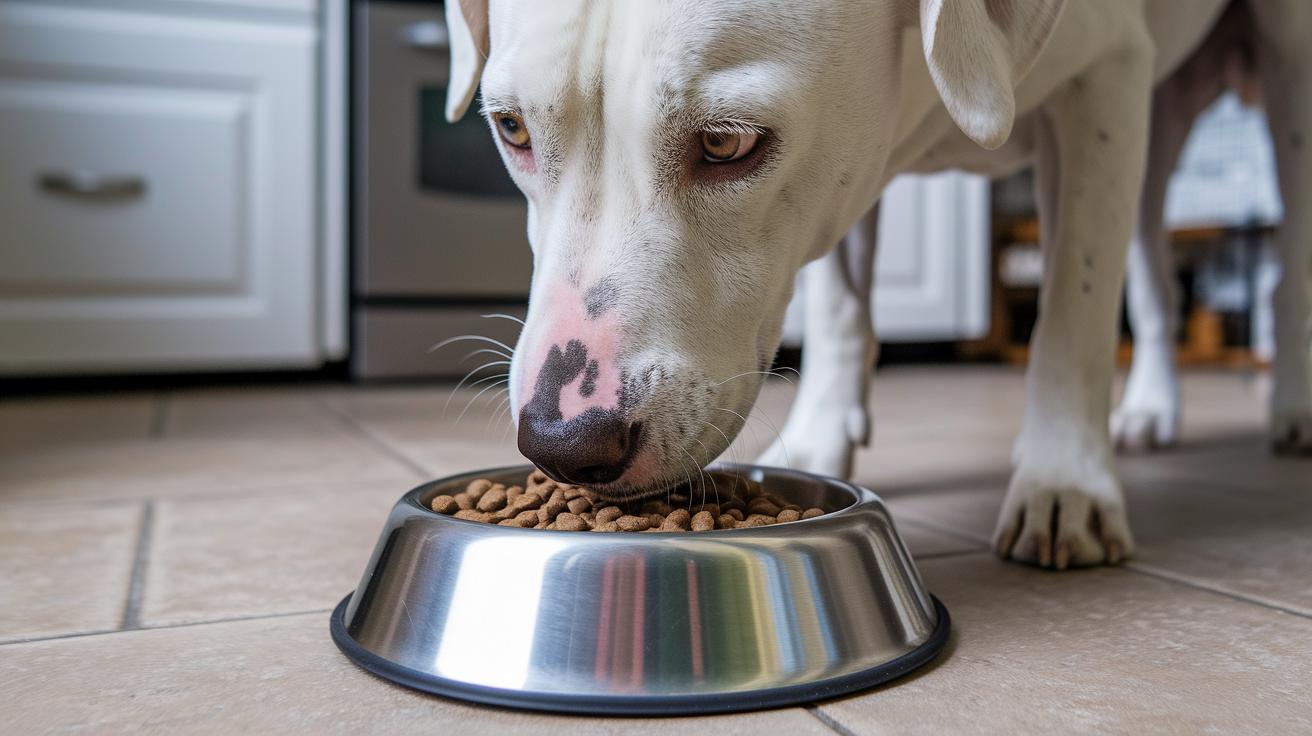
Prescription dog food is created to help your beloved pet manage long-term health problems like kidney disease, diabetes, skin troubles, and urinary stones. It isn’t just any meal, it’s made with care through careful research and testing. Imagine a chef crafting a special meal just for your dog, balancing every nutrient to meet its unique needs.
These special formulas pack the right proteins, vitamins, and supplements that regular dog food might not include. Because they’re designed to target specific health issues and are monitored closely by veterinarians, they can cost a bit more than everyday kibble. But think of it like giving your pup a boost that everyday food just can’t provide.
To get prescription dog food, your dog first needs a proper health check by a vet. Once your vet identifies a health issue, they will write a prescription for the special diet. With that in hand, you can buy the food from your local vet clinic, trusted online stores, or specialized pet nutrition centers. For example, you might check out the Pet Nutrition Center for more options on these vet-approved meals.
This process not only provides meals that fit your pet’s exact needs but also becomes part of a well-organized care plan to help your furry friend live a healthier, happier life.
Prescription Dog Food Benefits for Managing Canine Health Conditions
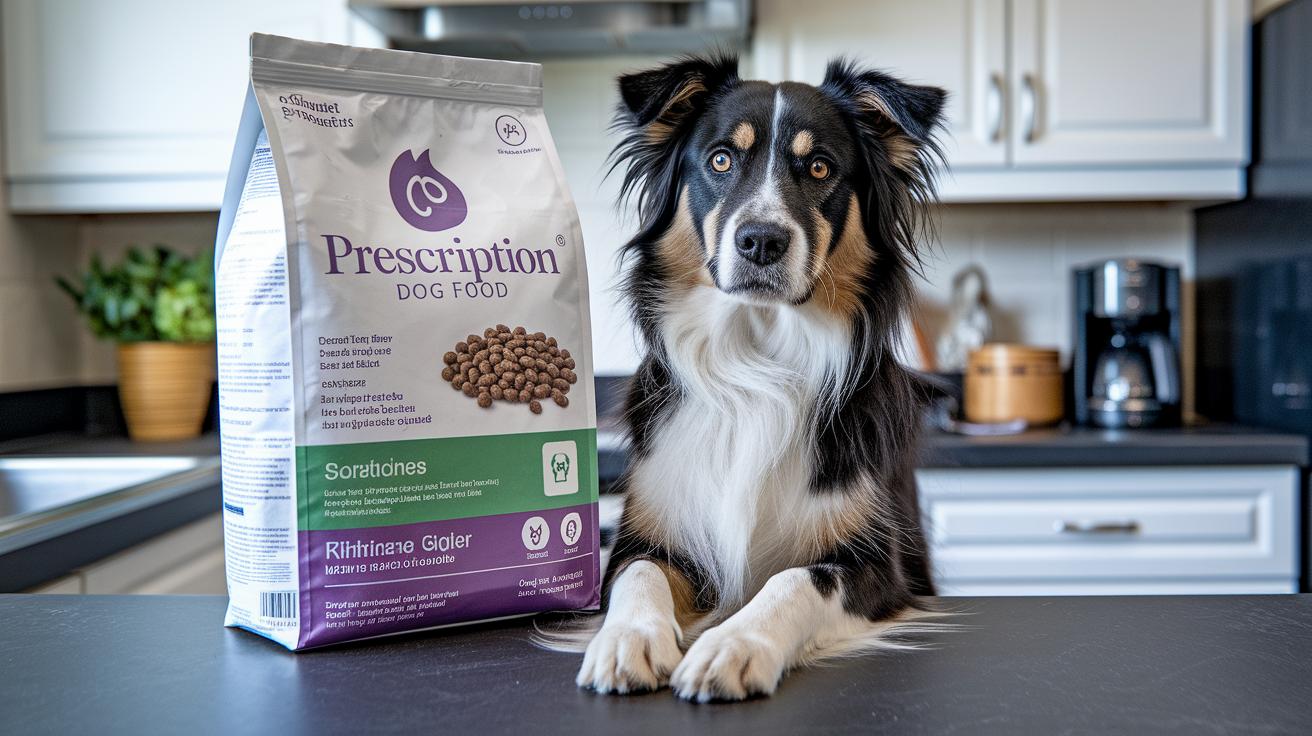
Prescription dog food is crafted to meet your pup's unique health needs. It’s not just ordinary food, it offers special nutrition that can really help manage chronic conditions. Take kidney disease, for example. A kidney-friendly diet works by lowering phosphorus and balancing protein so the disease progresses more slowly. It’s much like giving your dog a carefully balanced snack that keeps the tail wagging longer.
Sometimes, your pup might need a meal that cares for its tummy. A digestive health recipe, loaded with prebiotics and extra fiber, helps support smooth digestion and improves stool quality. It’s a bit like the gentle boost you get from a well-timed treat during playtime.
For diabetic dogs, there’s a special mix that controls blood sugar with just the right balance of carbohydrates and extra fiber. Many pet parents find that a vet-recommended diet makes a big difference and cuts down on stressful vet visits. And if your furry friend is prone to urinary stones, certain formulas change the mineral mix and pH in the urine, which can help prevent these issues from forming.
For dogs with allergies, these diets use hydrolyzed proteins (that’s a fancy way of saying the proteins are broken down so they’re easier to digest) and simple, limited-ingredient recipes. This means fewer potential triggers for skin flare-ups. Plus, these meals often support weight control and even help ease arthritis pain by including low-fat, controlled-calorie portions along with nutrients that support joints. Imagine a meal that not only fills your pup up but also soothes those aching joints, much like a calm, gentle evening walk together.
In truth, when used as part of a thoughtful health plan, prescription dog food can be a game changer. It helps your beloved pet live a more comfortable and joyful life every day.
Ingredients & Formulations in Prescription Dog Food

Prescription dog food is made from ingredients picked just for your dog's unique health needs. It uses special proteins that are broken down so they’re less likely to cause allergies, think of it as giving your pup a meal that’s gentle on their tummy. Plus, the extra fiber helps repair the gut and keeps digestion smooth, kind of like how a well-timed snack can brighten up a rough day. Ever notice how relaxed you feel after your favorite cup of tea? Your dog can feel that way too.
Low fat options give your pup’s pancreas a break and help manage their weight, so every meal is both yummy and healthy. Recipes boosted with omega fatty acids work like a little spa treatment in every bite, helping to make your pet’s coat shiny and skin healthy. And if your furry friend has urinary troubles, some formulas balance minerals and adjust pH levels to help prevent or even dissolve bladder stones.
| Formulation | Main Ingredients | Primary Health Benefit |
|---|---|---|
| Kidney Support | Reduced phosphorus, moderated protein | Slows renal disease progression |
| Diabetes Control | Low-GI carbs, high fiber | Stabilizes blood glucose |
| GI Wellness | Prebiotics, soluble fiber blend | Improves digestion & stool quality |
| Skin Allergy Control | Hydrolyzed protein | Reduces antigen exposure |
| Urinary Health | pH modifiers, controlled minerals | Dissolves/prevents stones |
Every specially made recipe means your dog isn’t just eating; they’re getting the tailored support they need to thrive.
Transitioning Your Dog to a Prescription Diet

Switching your furry friend to a prescription diet should be done slowly to keep their tummy happy. Over about 7 to 10 days, start by mixing a little of the new food with their usual meal. Begin with just 10% prescription food on day one and gradually increase it. This helps you watch for any signs like an upset stomach, vomiting, or diarrhea as you go.
It’s a good idea to jot down how your dog is feeling during the process. This note-taking can be handy if you're looking for extra tips from other pet owners or even checking in with your vet. Remember, a gradual change is key!
Transition Schedule
| Days | Diet Mix |
|---|---|
| Day 1–3 | 90% current food, 10% prescription food |
| Day 4–6 | 70% current food, 30% prescription food |
| Day 7–10 | Gradually increase until 100% prescription food |
Keep a close eye on your dog's reaction during each step to ensure their digestion adjusts well.
Palatability Strategies
Sometimes, new diets might not smell or taste as appealing. Try warming the prescription food a bit or mixing in a small splash of water or low-sodium broth; even a little can boost the aroma and flavor. Another idea is to offer a canned version if it’s an option.
You can also make mealtime a bit more exciting by adding a short play session or a quick training round before feeding. This might just motivate even the pickiest eaters. And if your dog still isn’t interested, it’s a smart move to call your veterinarian. They might suggest a custom homemade plan using vet-approved recipes.
So, take it easy, be patient, and enjoy watching your pet adjust to their new diet one day at a time.
Comparing Prescription Dog Food to Standard Diets
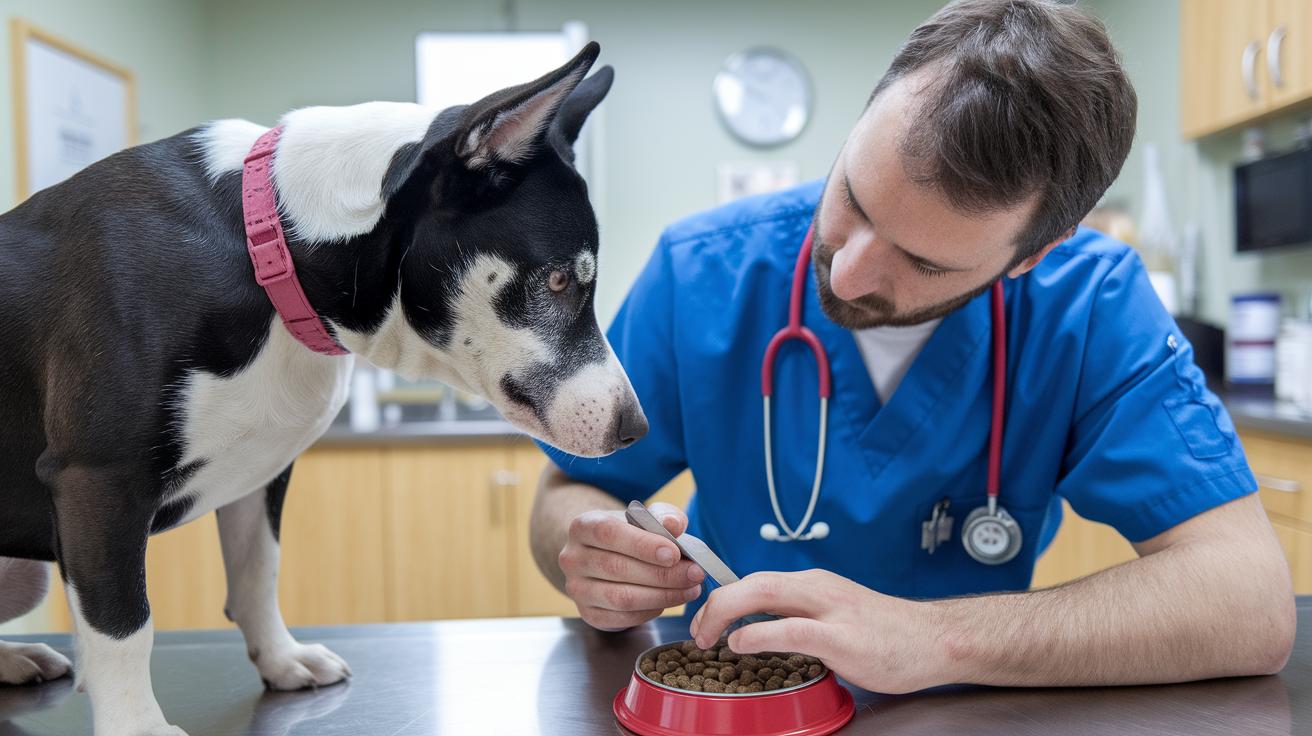
Prescription dog food is made with a lot of care. Experts run detailed feeding tests and measure every nutrient to help with specific health issues. It’s like getting a custom-made suit instead of buying something off the rack, each meal is crafted to meet your pet’s unique needs.
Regular kibble works for everyday meals but might not support chronic issues like kidney disease, diabetes, or urinary stones over time. While standard food can keep your pup healthy daily, it doesn’t pack the special nutrients needed to slow down disease or keep blood sugar levels steady. Prescription diets, however, are like a focused health plan made just for your dog.
These specialized foods cost more because of the intensive research and small-scale production behind them. But, this careful approach can make a big difference in your pet’s quality of life. If your dog has long-term health challenges, a clinical diet can be essential when regular food just isn’t enough.
Cost, Purchasing, and Practical Tips for Prescription Dog Food

Prescription dog food can cost more each month than your usual premium meals, so it’s a good idea to keep a close watch on your budget. Many brands offer trial packs or money-back guarantees, which means you can try different flavors without a big financial risk. It’s a bit like test-driving a car, you get to see if your dog loves the taste before you decide to stick with it long term.
You can buy these special diets from veterinary clinics, authorized online stores, or through subscription services. Just make sure the seller verifies your prescription and follows all the necessary standards, much like checking the certificate on a prized object.
To keep costs manageable, you might want to order in bulk or look for coupons and in-store promotions. It’s also smart to compare the cost per cup of prescription food with standard options, kind of like scouting out the best prices at your local grocery store. These simple buying habits help ensure your pup gets the nutrition they need while keeping your wallet happy.
Final Words
In the action, this guide explored how prescription dog food is expertly formulated to support chronic conditions like kidney disease and diabetes. We dug into targeted ingredients, safe transition tips, and compared clinical diets with standard options. Practical advice on cost and purchasing channels helps ensure your pet’s well-being every step of the way. Taking these insights onboard can boost your confidence in making smart pet care choices, leading to a brighter, healthier future for your furry friend.
FAQ
What is Royal Canin prescription Dog Food?
Royal Canin prescription Dog Food is a specialized formula designed to support dogs with specific medical conditions by offering precise nutrition tailored to their health needs.
Which brands offer prescription dog food?
Prescription dog food brands include Royal Canin, Purina Pro Plan Veterinary Diets, Hill’s Prescription Diet, and JustFoodForDogs, each providing targeted nutrition for various canine health issues.
Can I purchase prescription dog food without a vet prescription?
Prescription dog food without a vet prescription is not recommended since it is formulated for managing specific health conditions and should be used under veterinary guidance.
What does Purina prescription dog food offer?
Purina prescription dog food provides specialized formulas that help manage conditions like kidney disease by offering controlled nutrient levels and balanced ingredients tailored to your dog’s health.
Where can I find prescription dog food near me?
Prescription dog food near you is available through veterinary clinics, licensed online retailers, and specialized pet nutrition centers that require a veterinarian’s prescription.
How do I choose the best prescription dog food?
The best prescription dog food depends on your dog’s specific condition. Top choices include formulations from Royal Canin, Purina, Hill’s, and JustFoodForDogs, each designed to target particular health needs.
What are the benefits of prescription dog food for allergies?
Prescription dog food for allergies is made with limited ingredients or hydrolyzed proteins to reduce allergenic triggers, helping minimize skin flare-ups and discomfort in sensitive dogs.
How does prescription dog food help with diarrhea?
Prescription dog food for diarrhea contains easily digestible ingredients and balanced nutrients that soothe the digestive system, helping to regulate bowel movements and reduce gastrointestinal upset.
Is prescription dog food worth it?
Prescription dog food is worth it for dogs with health issues because it offers specially formulated nutrients that help manage chronic conditions, improving overall well-being and quality of life.
Do you need a prescription to buy prescription dog food?
A prescription dog food requires a veterinarian’s written prescription, ensuring that your pet’s specific health needs are addressed with scientifically backed nutrition.
How long does a bag of Dr. Marty’s dog food last?
The duration a bag of Dr. Marty’s dog food lasts depends on your dog’s size and feeding guidelines, but typically, it will sustain a medium-sized dog for several weeks.
Can I purchase prescription dog food at Petco?
Prescription dog food is usually not available at Petco without a proper prescription; it is sold through vet clinics and authorized retailers who follow regulated guidelines.
What benefits do JustFoodForDogs products offer for kidney and liver health?
JustFoodForDogs Renal Support Low Protein Dog Food aids kidney health by reducing protein load, while their Frozen Fresh Dog Food for Liver Health RX uses low-fat recipes to support hepatic function with natural, high-quality ingredients.
What options does Purina Pro Plan Veterinary Diets NF offer for kidney function?
Purina Pro Plan Veterinary Diets NF provides both canned and dry formulas that target kidney function by controlling protein and mineral levels to help slow the progression of renal disease.
How do Hill’s Prescription Diet treats support my dog’s health?
Hill’s Prescription Diet treats, available as Original or Soft Baked options, are designed to complement a therapeutic diet by offering balanced, controlled nutrition that aligns with your dog’s clinical dietary goals.