
Ever noticed how some pet owners dread vet visits while others hardly flinch? The trick is to use simple, soothing steps that help your pet feel safe and loved.
Imagine starting your day with a calm walk when your furry friend is full of energy yet ready to settle down. With a little planning, like checking off a list of must-haves and gently easing your pet’s nerves, you can turn a stressful vet trip into a peaceful, happy experience for both of you.
Essential Steps for a Stress-Free Vet Visit with Your Pet

Start by picking the right time for your appointment. Choose a moment when the clinic is quiet, like early in the morning, later in the afternoon, or even midday on weekends. Picture arriving when the soft morning light fills the room, making both you and your pet feel relaxed.
Next, double-check what you need for the visit. Look over any instructions from your vet, such as fasting or special care before arriving. It might help to write down a simple checklist that includes vaccination records, a list of medications, and any recent changes in your pet’s behavior. This way, you won’t miss anything important.
Now, work on easing your pet’s anxiety at home. Try pairing the idea of a vet visit with fun and rewards. Maybe play a few gentle games or give tasty treats while petting your furry friend in that same calm way you would before a pet spa day. You might even let your pet get used to its carrier by having them sleep in it a few nights before the big day.
Finally, remember to stay calm yourself. Your pet picks up on your mood, so use soothing words and a gentle tone as you get ready. Think of it like a soft melody that helps set the stage for a smooth visit. With these simple steps, you'll notice your pet feeling more at ease, making the whole experience a lot happier for both of you.
Gathering and Organizing Your Pet’s Health Records for a Vet Visit

Start by gathering your pet’s medical information, like vaccination records, past treatments, and a list of current medications. It helps to have an appointment checklist handy so you can note every detail. For instance, jot down the dates of earlier visits along with any treatments to build a clear timeline.
Also, take a moment to record any changes in your pet’s behavior or diet, such as shifts in energy or appetite. This extra note makes it easier for your vet to see how your pet is doing now. You might even write something like, "I’ve noticed my dog has had less energy over the last two weeks."
And don’t forget to make a few quick notes before the visit. Write down any questions you want to ask during the appointment. This simple preparation can really help the visit go smoothly.
| Record Type | Details to Include |
|---|---|
| Vaccination History | Dates and types of vaccinations |
| Medical Records | Past treatments and lab results |
| Daily Observations | Changes in behavior, diet, or energy |
Acclimating Your Pet to Travel and Vet Clinic Environments
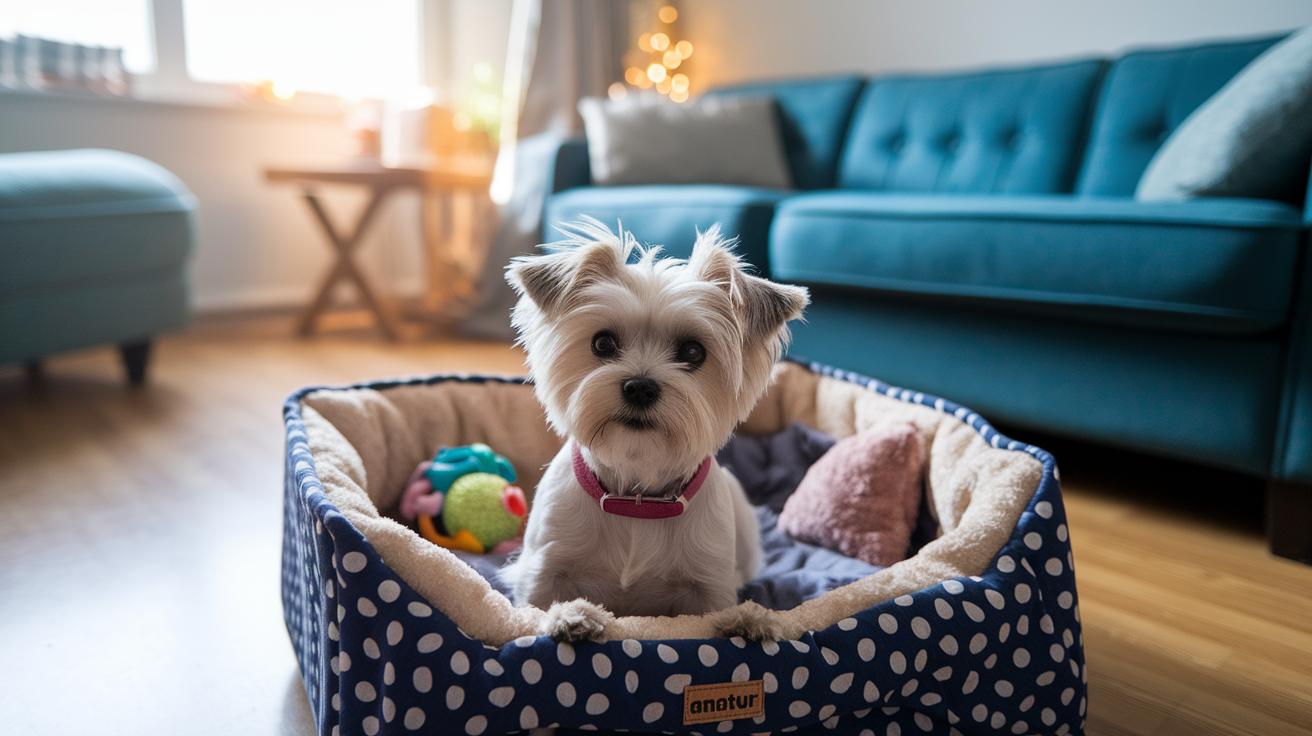
Start by turning the carrier into a little sanctuary. Leave a few treats, some cozy bedding, and a favorite toy inside for a few days. You might even leave a note saying, "Make this your own cozy retreat, like a mini pet cave!" This small step helps your pet see the carrier as a comforting spot instead of a place of worry.
Next, ease your pet into car rides gradually. Begin with short trips, just a loop around the block, so your furry friend gets a taste of adventure in a relaxed way. For bigger dogs, practice putting on the leash and harness at home. This way, getting ready for a ride feels like a familiar routine rather than a stressful event.
Before the actual vet visit, take a brief trip to the clinic lobby. Let your pet wander around and sniff the new smells for a few minutes. This quick visit acts like a friendly introduction, helping your pet get used to the sounds and sights so that the appointment feels less overwhelming later on.
- Let your pet explore the carrier with treats and bedding.
- Take several short car trips.
- Practice using the leash and harness for larger dogs.
- Visit the clinic lobby briefly before the vet appointment.
These friendly steps create a positive vibe around travel and new places, making your pet’s vet visit a calmer, more relaxed experience.
Behavioral Conditioning and Soothing Techniques to Reduce Vet Visit Anxiety

One way to help your pet feel better about going to the vet is to practice a mini check-up at home. Start by gently touching their ears, paws, and mouth, and give them a yummy treat right after each part. This simple routine teaches your pet to link gentle touches with happy rewards instead of feeling nervous. You can even say something kind like, "You're doing great!" while checking them out. It turns the experience into a caring, fun game.
For little puppies and kittens, playful sessions can be a big help. Try having short, fun moments where you act like you’re at the vet, using a soft and friendly voice. Think of it as a mini-game: if your pet lets you gently touch their paw, reward them with a treat. Even older pets can slowly forget any bad memories from past visits if you give them lots of praise and treats consistently.
Another neat idea is to do a "clinic rehearsal." Set up a small table or any flat area to look like the vet’s exam room. Let your pet wander around and explore it on their own time. This little rehearsal helps take the mystery out of the visit and eases any worries. It’s like offering them a sneak peek of what to expect. Every kind touch builds up their confidence, reminding them that care and love are all around, which makes future visits feel a lot less scary.
Keep the mood light and full of positive surprises. In the end, these simple steps build trust and make vet visits easier for your furry friend.
Day-of-Visit Planning: What to Bring for Your Pet’s Vet Appointment

Before you head out, take a moment to run through a short checklist. Give your pet a gentle brush, just like you’re getting them ready for a fun outing. It’s also a good idea to give them a small meal 4 to 6 hours before you leave so they feel comfy on the ride.
Remember to pack a bottle of water and a collapsible bowl. Imagine your pet happily taking a sip during a quick break, it’s the little things that make a big difference.
Here’s a simple checklist of must-bring items:
| Item | Why It’s Important |
|---|---|
| Leash or Carrier | Helps keep your pet safe and comfortable |
| Favorite Toy or Blanket | Offers comfort while you wait |
| Health Records | Includes vaccination histories and current medications |
| Extra Waste Bags | For any unexpected messes |
Try to arrive 5 to 10 minutes early. This little extra time helps you handle any paperwork and gives your pet a moment to settle in. A final quick brush or gentle wipe-down before leaving can set the stage for a calm, happy visit.
Effective Communication with Your Veterinarian Before and After the Pet Visit
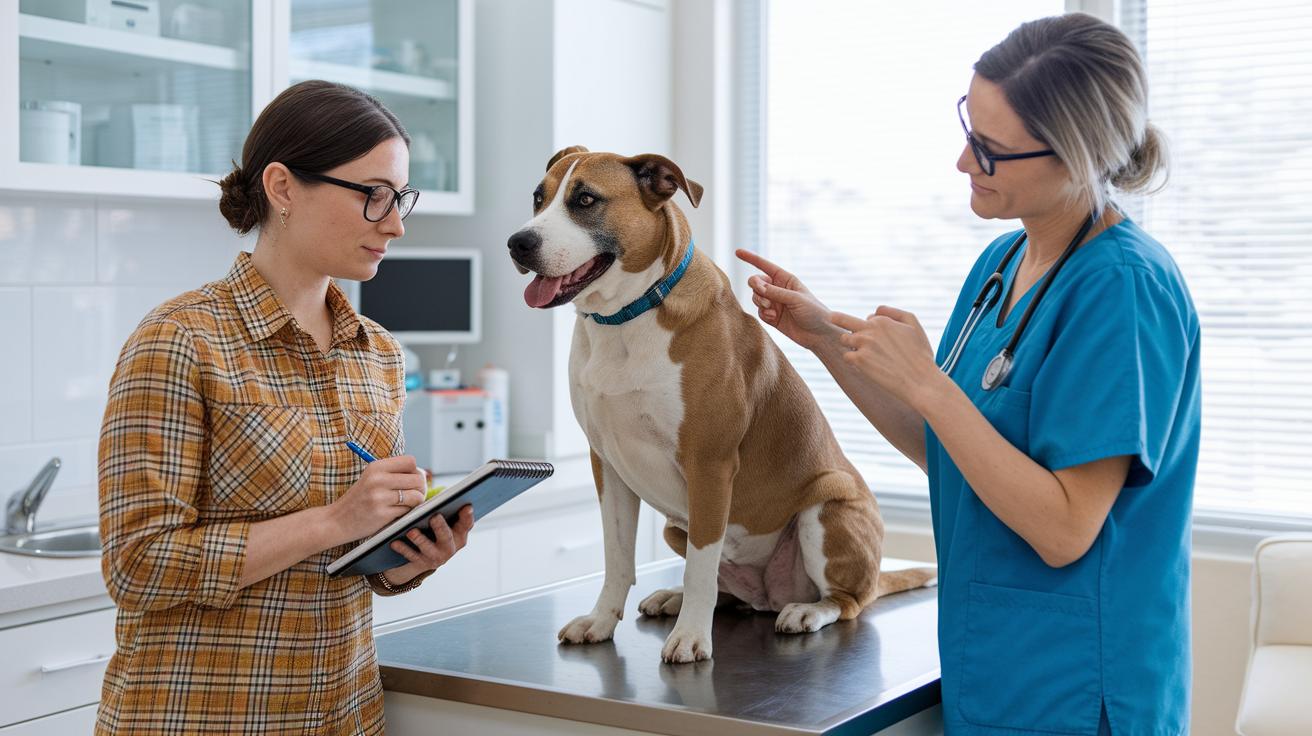
Before you visit the vet, take a few minutes to jot down specific questions about your pet's diet, behavior changes, and any tests that might be needed. For instance, you might note, "I have noticed my pet is less energetic and eats less – could this point to a hidden issue?" This list makes it easier to guide the conversation.
During the exam, try asking questions that invite detailed answers. You could say, "What signs should I watch for at home?" or "How can I best help my pet recover?" These open-ended questions help you understand the care plan and any follow-up steps.
After the appointment, cheer up your pet with a favorite game or treat to end the visit on a happy note. Before you head out, be sure to set up any follow-up appointments or vaccinations the vet mentioned. It really helps to write down the instructions so you can check them later.
Keep a calm tone when talking with the vet to build trust and feel more confident about the plan for your pet's care. Next time you need more tips on pet health, visit the Preventative Pet Health section at Reipet.
Final Words
In the action, this guide breaks down each step to help make vet visits smoother. We covered scheduling smartly, organizing health records, and familiarizing your pet with the clinic. Practical tips on anxiety reduction and day-of-visit planning ensured a calm experience for both you and your pet.
By focusing on preparing your pet for a vet visit, the advice here aims to boost confidence and support ongoing pet care. Enjoy every step, and keep those tails wagging!
FAQ
Preparing your pet for a vet visit pdf
Preparing your pet for a vet visit pdf outlines key steps such as reducing anxiety, packing important records and comfort items, and following grooming tips so your pet feels safe and ready.
How to take your cat to the vet without a carrier
Taking your cat to the vet without a carrier may involve using a soft towel, pet stroller, or secure wrap. However, carriers remain the safest option for keeping your cat secure during transit.
What to bring to first vet visit cat
What you bring to a cat’s first vet visit includes health records, a list of questions, a favorite blanket or toy, and details on any medications to help your vet give a complete assessment.
Dogs first vet visit cost
Dogs first vet visit cost usually varies by location and the services offered, so it’s a good idea to research local clinics or ask for an estimate when scheduling your appointment.
Puppy first vet visit checklist
A puppy first vet visit checklist covers essential items such as vaccination records, health history, and grooming guidelines, along with notes on behavior and any specific concerns for detailed care.
Can I take my dog to the vet without papers
Taking your dog to the vet without papers might still get you care, but having medical records on hand speeds up diagnosis and treatment. It’s best to secure duplicate documents if possible.
How do I prepare my dog for the vet and taking your dog to the vet for the first time
Preparing your dog for a vet visit involves gradual exposure to carriers, calm and short car rides, and positive reinforcement. This approach makes first visits smoother and builds lasting confidence.
I’m scared to take my cat to the vet
Being scared to take your cat to the vet can be eased through careful planning, using calming techniques at home, and slowly acclimating your cat to travel and the clinic environment for a calmer visit.
Should you feed your pet before a vet visit?
Feeding your pet before a vet visit depends on the appointment; sometimes a brief fasting period is advised to prevent nausea. Always follow your vet’s guidelines for the best care.
Should I bathe my dog before a vet visit?
Bathing your dog before a vet visit isn’t always necessary; a simple brush or wipe-down usually suffices, as too much cleaning can strip natural oils and leave the coat dry.
Should I tire my dog out before going to the vet?
Tiring your dog out before the vet can help ease anxiety with some extra play, but too much exercise might boost stress. Keep the activity balanced and gentle for a calm appointment.