Care
Pet Hygiene Checklist For New Pet Owners: Thrive
By cindypalmer
November 2, 2025
Field Notes
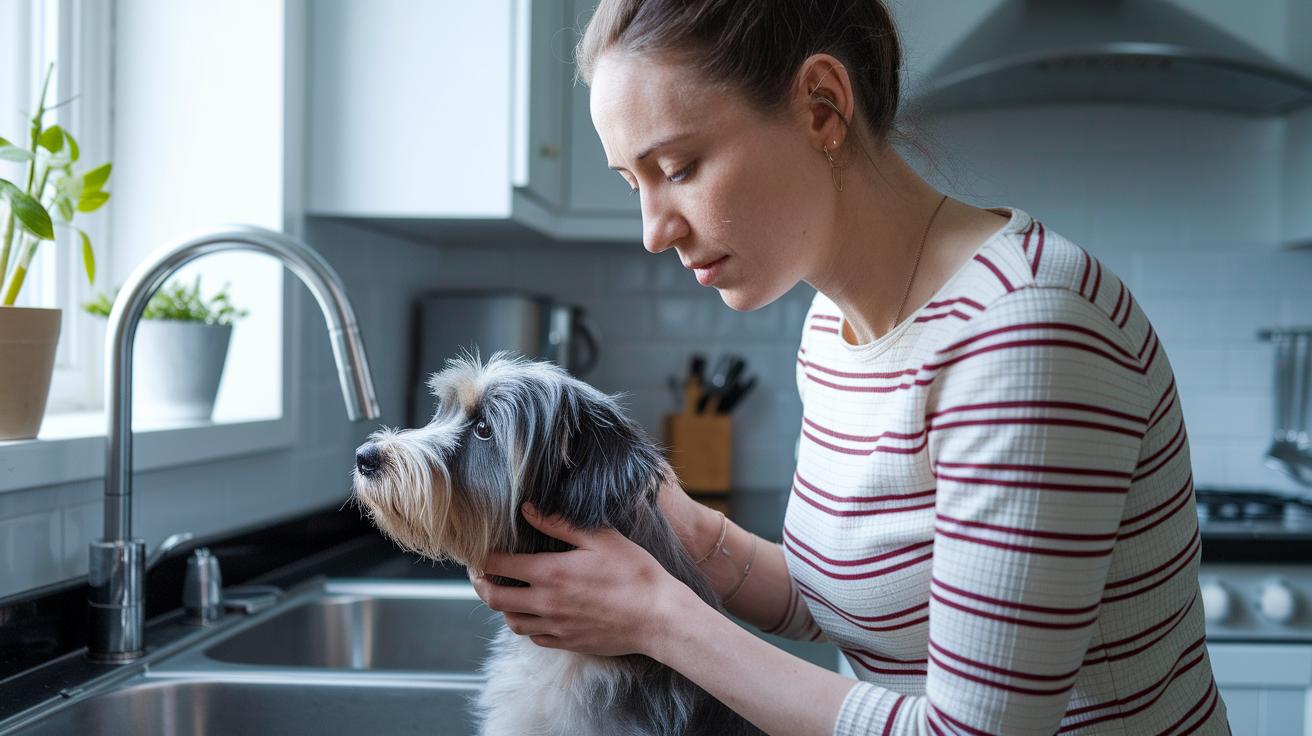
Have you ever wondered if your pet’s health is about more than just love? Taking a few simple steps each day can make a big difference. Simple things like brushing your pet’s teeth and keeping their water fresh help set the stage for many healthy, happy days.
Every day actions, along with a few weekly checks, can keep your furry friend safe from common hazards. This guide walks you through easy steps to create a clean and secure home for your pet. Think of it as a friendly chat about keeping your pet thriving, day by day.
Essential Pet Hygiene Checklist for New Owners
Starting off right with your new pet means setting up a simple routine. Daily, weekly, monthly, and yearly tasks keep your pet happy and healthy. First, always make sure your pet has fresh water, gets regular brushing and teeth cleaning (to keep their mouth fresh and avoid plaque), and that their food, sleeping, and play spots are safe from hazards like loose cords or small items they might nibble on.
Every day, remember these:
- Brush and clean your pet’s teeth.
- Ensure fresh water is always available.
- Check that feeding and play areas are free from risks.
Each week, do a quick check:
- Look at your pet’s ears for any signs of dirt or infection.
- Inspect their coat for mats or unusual spots.
- Wash food and water bowls.
Every month, add these steps:
- Give them flea, tick, and heartworm prevention treatments (using products your vet suggests).
- Deep clean their bedding and the areas they spend most of their time in.
And once a year, it’s good to:
- Book a full vet check-up that covers vaccines and a thorough examination.
- Take another look at your home’s safety and hygiene routines.
Below is a table that sums up these tasks with their frequency and a few key points:
| Task | Frequency | Key Notes |
|---|---|---|
| Brushing & Teeth Cleaning | Daily | Keeps the mouth clean and prevents plaque buildup |
| Ear & Coat Inspection | Weekly | Helps catch early signs of infection or other issues |
| Parasite Prevention | Monthly | Use vet-recommended products to keep pests away |
| Veterinary Exam | Yearly | Ensures updates on vaccines and overall health |
Bathing and Coat Care in Your Pet Hygiene Checklist
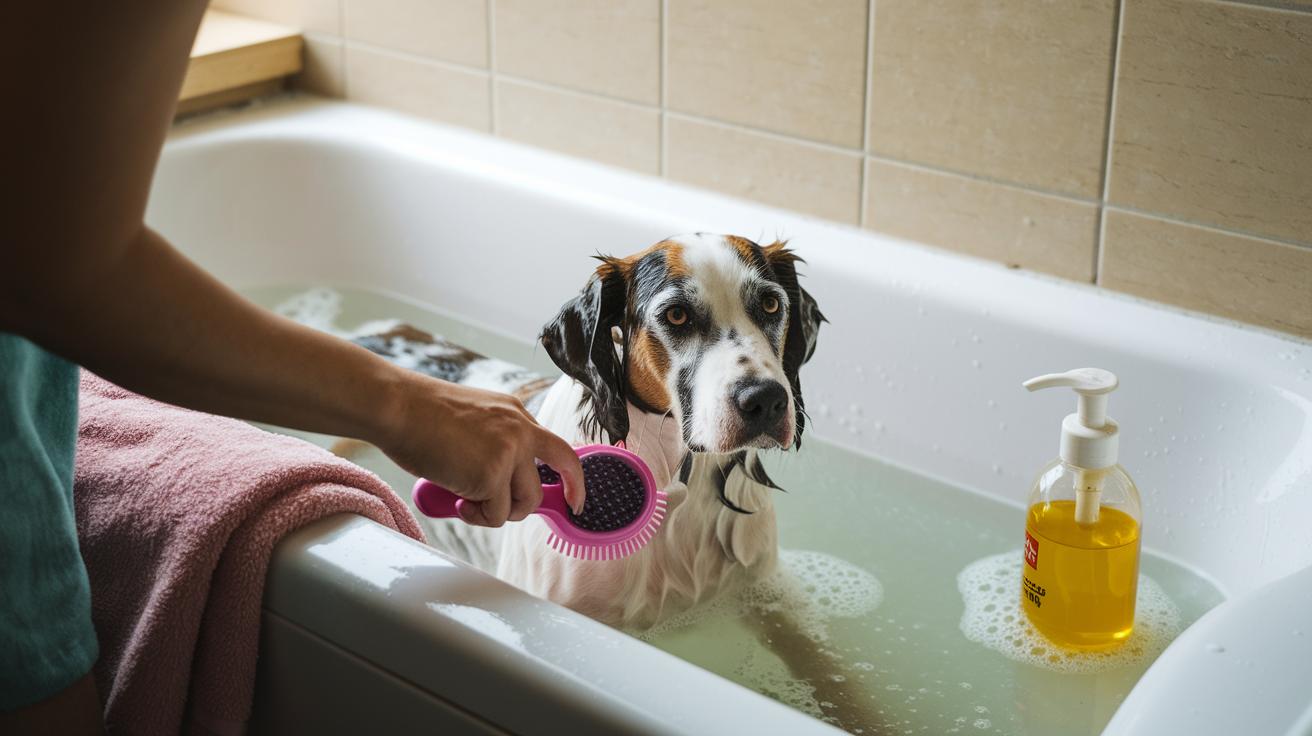
Start each day by giving your pet's coat a quick look for tangles, dirt, or signs of irritation. It helps to plan a regular bath schedule that feels safe for your furry friend. For example, dogs often do well with a bath every 4 to 6 weeks, while cats usually need one every 6 to 8 weeks. Use a pet-safe, pH-balanced shampoo so you clean gently without taking away natural oils. Rinse well until the water runs clear, any leftover shampoo can bother your pet’s skin. Once out of the bath, dry your pet completely using towels or a low-heat blow dryer, and finish with a gentle brush to keep the fur soft and shiny.
| # | Bathing Supply |
|---|---|
| 1 | pH-balanced, pet-safe shampoo |
| 2 | Towels |
| 3 | Low-heat blow dryer |
| 4 | A gentle brush that suits your pet’s coat |
| 5 | A rinsing container or detachable shower head |
For pets with long hair, a slicker brush or wide-tooth comb can work wonders in detangling gently. On the other hand, short-haired pets might only need a simple bristle brush to keep their coat neat. Creating a calm, safe, and friendly bath atmosphere really sets the stage for a positive pet-care routine.
Pet Hygiene Checklist: Grooming Routines and Nail Trimming Tips
Grooming your pet isn’t just about looking good, it keeps them comfortable and helps control shedding. Daily brushing is key. If your pet has long hair, use a slicker brush to gently remove loose fur and prevent tangles. For short coats, a bristle brush works great. A wide-tooth comb is handy too because it can easily loosen any stubborn mats.
Essential grooming tools include:
- Slicker brush
- Bristle brush
- Wide-tooth comb
- Good quality nail clippers
- Styptic powder (this helps if you have a minor cut)
Nail trimming is important and should be done every 2 to 4 weeks. Here’s a simple way to trim your pet’s nails safely:
- Gather your tools and find a calm, quiet spot.
- Hold your pet’s paw gently and look at the clear part of the nail. Avoid the pink bit called the quick.
- Clip a little bit of the nail at a time. If you’re feeling nervous, start with a tiny clip.
- If you accidentally clip too close to the quick, put a small dab of styptic powder on the area.
- Clean the clippers after each use to keep them sanitary.
By sticking to this routine, you help keep your pet’s coat healthy and their nails neat. Plus, regular care like this builds a stronger bond between you and your furry friend.
Dental, Ear, and Eye Care Essentials in Your Hygiene Checklist
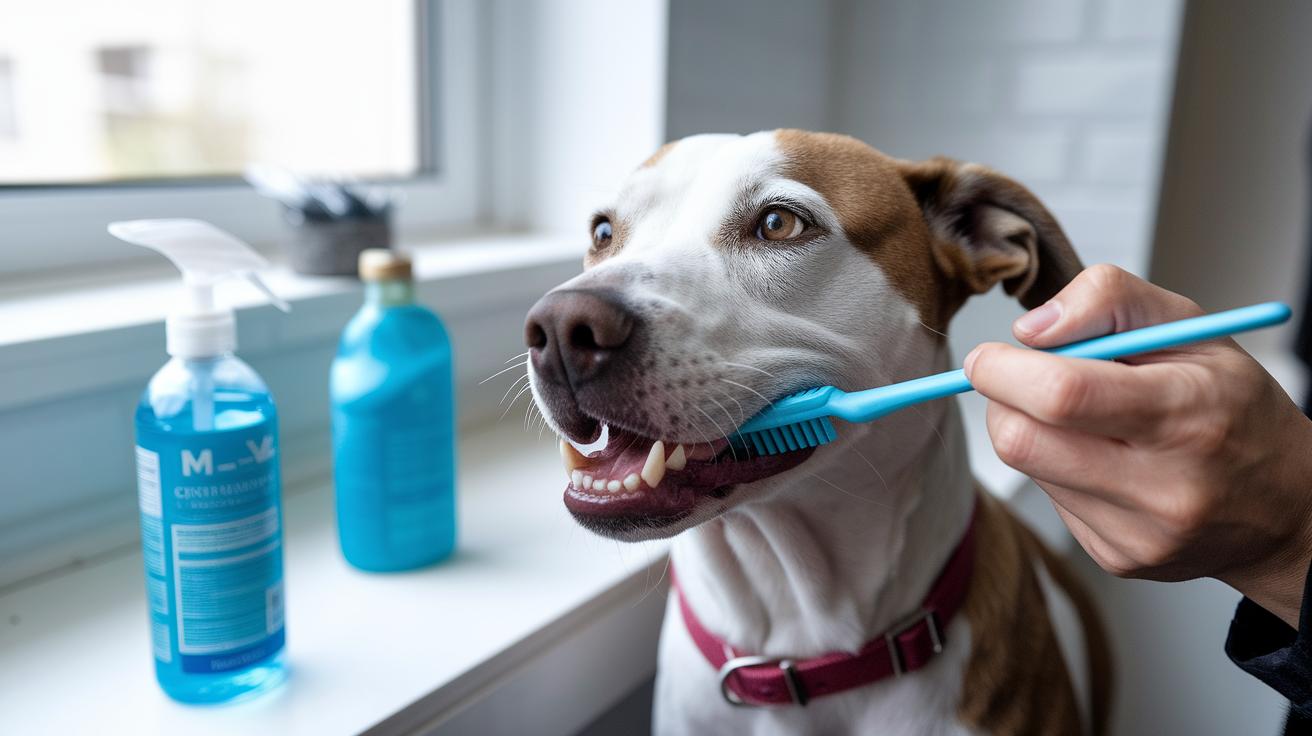
Taking care of your pet's teeth, ears, and eyes is a big part of keeping them happy and healthy. Brushing your pet’s teeth with enzyme toothpaste, as simple as using a pet toothbrush or finger brush, helps keep plaque away and breath fresh. For extra tips on brushing, check out this detailed guide on dental care for pets.
Keep an eye on your pet’s ears once a week. Use a vet-approved cleaning solution to gently clear any wax or debris from the outer ear canal. If you notice redness, a funny smell, or any signs of irritation, it might be time to call a professional.
Caring for your pet’s eyes every day is just as important. A quick wipe around the eyes with a soft, damp cloth helps remove dirt and discharge. This simple step can catch early signs of irritation and keep your furry friend comfortable.
Below is a quick guide to these essential steps:
| Step | Frequency |
|---|---|
| Brushing teeth with enzyme toothpaste | At least twice a week |
| Cleaning ears with vet-approved solution | Weekly |
| Wiping eyes with a damp cloth | Daily |
Sticking to these easy routines not only keeps your pet healthy but also turns grooming time into a special bonding moment. Remember, a few small daily steps can make a big difference in your pet’s overall well-being.
Pet Hygiene Checklist: Waste Management and Habitat Sanitation
Keeping your pet's space neat is key to their health and comfort. When you clean up their home, you cut down bad smells, harmful germs, and avoid infections. A good start is scooping out the litter box every day and making sure any cages or pet areas are properly cleaned. This daily habit sets the stage for a safe place to live.
Every day, make sure to scoop the litter box, do a quick clean of cages, and wipe down the feeding spot after meals. These simple routines help keep bacteria away and make your home a safe haven for your pet. Then, once a week, give their space a deeper clean with pet-safe cleaning supplies. Doing a weekly scrub of litter trays and high-touch areas really lowers health risks.
Once a month, go for a full habitat makeover. Wash all pet bedding, replace the bedding material if needed, and clean any spots that have gathered grime over time. Trust the cleaning tricks you know to create a truly spotless environment. Following these steps not only keeps the litter box fresh but also makes your pet's home inviting and secure.
| Area | Daily Task | Weekly Task | Monthly Task |
|---|---|---|---|
| Litter Box | Scoop waste and spot-clean | Wash litter tray thoroughly | Replace litter and deep clean area |
| Cage/Sleeping Area | Wipe accessible surfaces | Disinfect with pet-safe cleaning supplies | Wash bedding and replace substrate |
| Feeding Zone | Wipe down after meals | Sanitize food and water bowls | Deep clean surrounding surface |
Pet Hygiene Checklist: Parasite Prevention and Health Check Scheduling

Taking care of your pet is a heartwarming responsibility. Follow these simple steps to keep your companion safe and healthy:
- Give monthly treatments for fleas, ticks, and worms just like your vet suggests.
- Check your pet’s fur and skin each week for any unusual bumps or red spots.
- Book an annual vet visit for important shots like rabies and distemper along with a full checkup.
- Mark treatment dates on a pet calendar or app to help you stay on track.
Here's a weekly guide to help you stay organized:
| Week | Parasite Prevention Task |
|---|---|
| Week 1 | Apply treatments and check that products are not expired. |
| Week 2 | Examine your pet’s fur for any signs of unwanted pests. |
| Week 3 | Update your pet health record with treatment details. |
| Week 4 | Review the pet’s condition and plan care for the coming month. |
Updating your pet’s schedule on a calendar or app makes it easier to manage and ensures your pet gets care when needed.
Pet Hygiene Checklist: Essential Supplies and Routine Planning
Keep these pet grooming essentials handy to make care time smooth and stress-free. Store them together in one special spot so you're always ready when it's time for a grooming session.
This list covers items that help with everything from baths and brushing to cleaning ears and managing waste:
- Slicker brush
- Undercoat rake
- Nail clippers
- Pet toothbrush and toothpaste
- Ear wipes
- pH-balanced shampoo
- Litter scoop
- Disinfectant wipes
Before starting any grooming, why not grab your undercoat rake and ear wipes? This simple step helps ensure your pet feels cozy and cared for every time.
Final Words
In the action, this guide served as your pet hygiene checklist for new pet owners, breaking tasks into clear, daily and periodic routines. It explored brushing, bathing, dental and eye care, and safe nail trimming techniques. It also covered waste management, home sanitation, parasite prevention, and essential supplies planning. Each section offered practical tips that keep your pet's health and happiness in check. Keep these steps handy, add your personal adjustments, and enjoy each moment tending to your furry friend.
FAQ
What are some practical pet care ideas for new pet owners?
The pet care ideas focus on using a hygiene checklist, regular grooming, and parasite prevention to keep pets safe, healthy, and comfortable at home.
What should a basic pet care manual include?
The pet care manual should include daily tasks like brushing and feeding, weekly health checks, monthly preventive treatments, and annual vet exams to ensure pets stay well.
What topics make up pet care 101?
The pet care 101 topics cover daily hygiene, proper bathing and grooming, dental, ear, and eye care, waste management, and regular health check-ups for overall pet wellbeing.
What tips and tricks help dog owners?
The tips for dog owners involve regular coat brushing to reduce shedding, scheduled baths with pet-safe shampoos, safe nail trimming practices, and a set parasite prevention routine to keep dogs happy.
How do you care for pets in your home?
The home pet care involves pet-proofing your space, creating defined feeding, sleeping, and play areas, and establishing routines that include hygiene, grooming, and frequent health checks.
What are the essential pet needs in a hygiene checklist?
The essential pet needs include daily tasks like brushing and teeth cleaning, weekly inspections for ear or skin issues, monthly parasite prevention and habitat cleaning, and annual vet visits for vaccines and health assessments.