
Have you ever wondered if your pet's meal might be the secret to endless energy and great health? Think of a balanced diet like a well-crafted recipe, where each nutrient plays a special part in building muscles, brightening coats, and sparking playful energy.
Whether you have an energetic puppy or a gentle senior, every pet deserves the right mix of goodness. In this guide, we chat about easy feeding tips, how to serve the perfect portion, and how to choose between store-bought treats or homemade meals.
Essential Pet Diet Guidance for Balanced Nutrition

A balanced pet diet is like crafting a special recipe, where quality proteins, good fats, carbohydrates, vitamins, and minerals all work together to keep your pet active, cheerful, and healthy. Think of it as making sure each ingredient has its moment to shine, just like a chef who carefully adds every spice to bring out the best flavor in a meal. When your pet gets the right mix, it helps build strong muscles, gives them a shiny coat, keeps their energy steady, and supports their organs for a long, healthy life.
Every pet is different. Age, how active they are, and even their health can change exactly what they need to eat. For example, puppies and young pets need extra nutrients to grow, but it’s important not to overfeed them, or they might face problems later. Older pets or those with special conditions, like diabetes or kidney trouble, may need meals that are gentle on their bodies. Did you know that as pets get older, their calorie needs can change by up to 30%? That’s why the feeding advice on a pet food label is just a starting point. In this guide, we explore smart feeding tips, the benefits of portion control, the choice between store-bought and homemade diets, and simple, practical advice to help every pet enjoy a joyful, well-nourished life.
Commercial Pet Diet Options for Complete Feeding
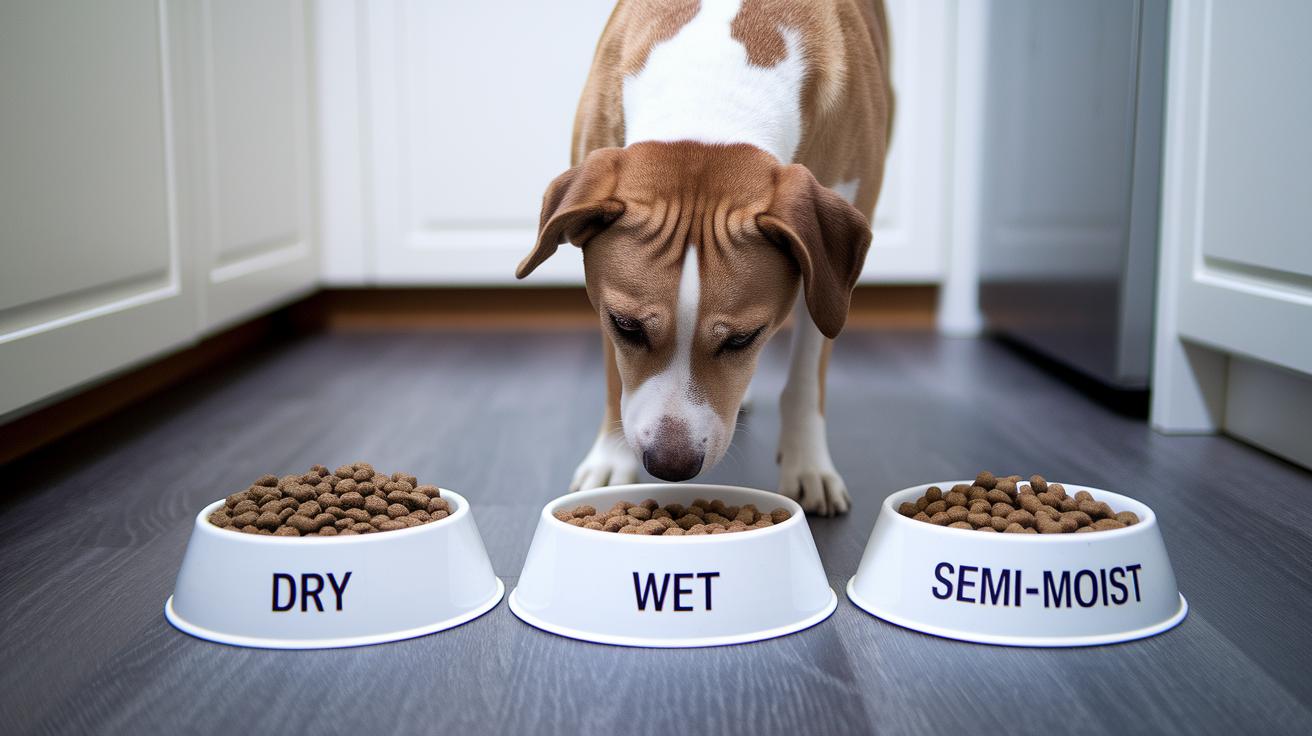
When it comes to feeding your pet, you can choose between dry, wet, or semi-moist foods. Dry food is a go-to because it’s easy to use, costs less, and helps clean teeth thanks to its crunchy texture. Wet food is loved by many pets for its extra moisture, which keeps them hydrated, especially if they’re picky eaters. Semi-moist food strikes a nice middle ground by being simple to serve and having enough moisture without needing to be refrigerated.
It’s a smart idea to check pet food labels. Look for a guaranteed breakdown of fat, fiber, and protein, and make sure the top ingredient is a good protein source. Also, see that the extra carbs are coming from whole grains or veggies. Don't worry about preservatives, though, they help keep the food fresh and safe.
| Type | Pros | Cons |
|---|---|---|
| Dry | Easy to use, budget friendly, helps clean teeth | Less moisture, may include extra carbs |
| Wet | High moisture, tasty for pets | Costlier, spoils fast |
| Semi-Moist | Simple to serve, stays fresh on the shelf | May contain higher sugar and artificial colors |
Choosing a formula approved by your vet is a really good move. Follow your vet’s feeding plan to make sure your pet gets the right mix of nutrients. A great commercial diet will give your pet balanced nutrition, helping them stay lively and healthy for years to come.
Raw and Fresh Pet Diet Regimens
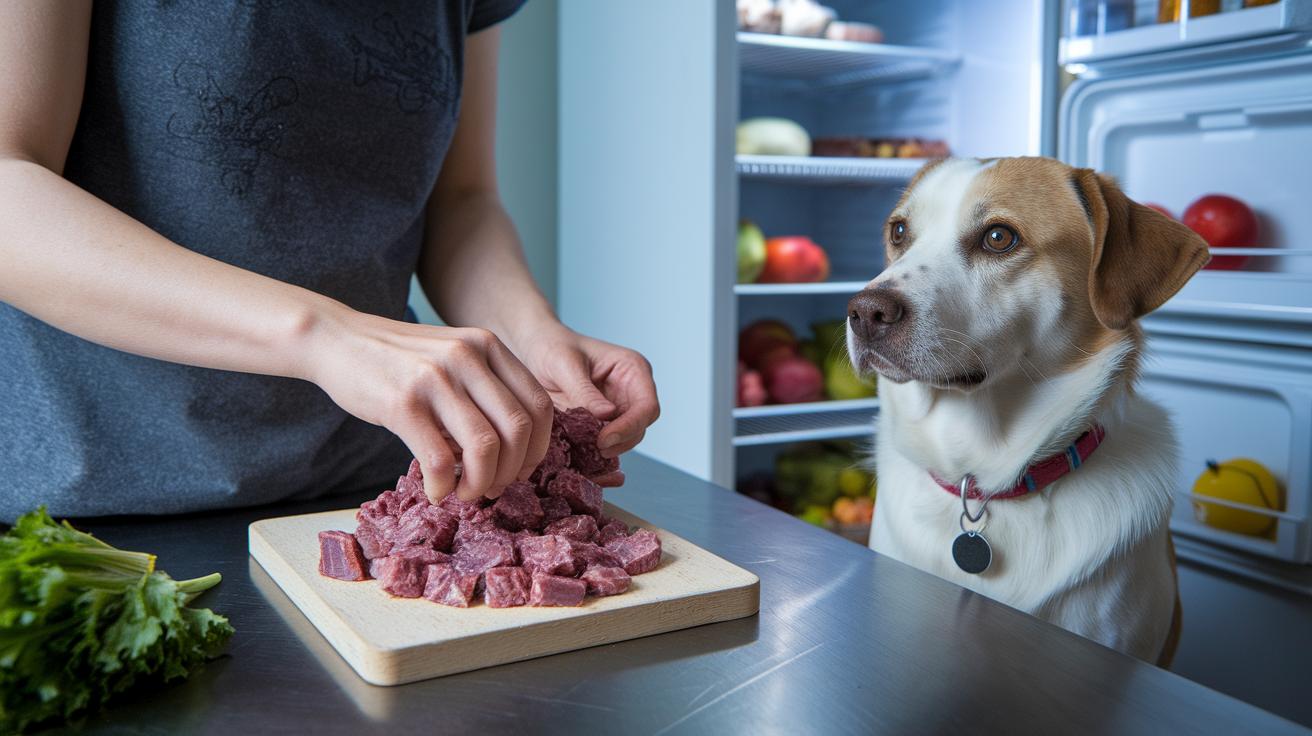
Raw and fresh pet diets are catching on as more pet owners choose to feed their friends natural meals. Many believe these uncooked, nutrient-rich meals remind pets of how they naturally would eat in the wild. It’s a different way of feeding that makes a lot of sense and often surprises people.
Pets on this diet sometimes show real changes. Owners say their pets have shinier coats, happier tummies, and more energy for play. You might even notice leaner muscles thanks to the natural ingredients and less processing. Some pet parents were amazed when their furry friends became noticeably livelier after switching diets! These little improvements can really boost a pet’s everyday life, which is why many owners ease into raw feeding slowly.
But here’s a note of caution: raw and fresh diets must be handled with care. It’s important to keep food cold in the fridge, scrub utensils well, and avoid mixing raw pet food with other foods to keep bacteria at bay. Always choose high-quality ingredients, like fresh dog food, to make sure your pet gets balanced nutrients. Following good storage tips and food safety rules can help lower the risk of harmful germs. And don’t forget, it’s a smart idea to check with a veterinarian first to make sure the new diet fits your pet’s health needs. Taking these simple steps can really help your pet feel their best.
Homemade Pet Diet Plans and Recipe Strategies

Making pet meals at home is a fun way to make sure your furry friend gets just the right ingredients. When you prepare meals yourself, you know exactly what goes into each dish. But be careful, if you miss out on some nutrients or mix things up the wrong way, your pet might not get everything needed for strong muscles and a shiny coat.
Building Balanced Macronutrient Ratios
A pet’s meal should have the right mix of protein, fat, and carbs. For many dogs and cats, try using about 30–40% protein, 10–20% fat, with the rest coming from carbohydrates. This balance helps build lean muscles, provides steady energy, and supports overall body functions. Even small tweaks can make a big difference, much like fine-tuning a favorite family recipe.
Choosing Ingredients and Supplements
It’s not just about proteins, healthy fats are key too. Lean meats are great, and adding veggies gives natural fibers and vitamins. A drizzle of quality oil helps make sure omega-3 and omega-6 fatty acids are plenty available, which keeps skin and coat in top shape. Sometimes, a few extra vitamin or mineral supplements can even help cover any nutritional gaps. Always follow your vet’s advice and check out reliable recipes for further guidance.
| Key Ingredients |
|---|
| Lean meats |
| Omega-3 oil |
| Calcium source |
| Fiber-rich veggies |
| Multivitamin blend |
Nutritional Requirements and AAFCO Standards in a Pet Diet
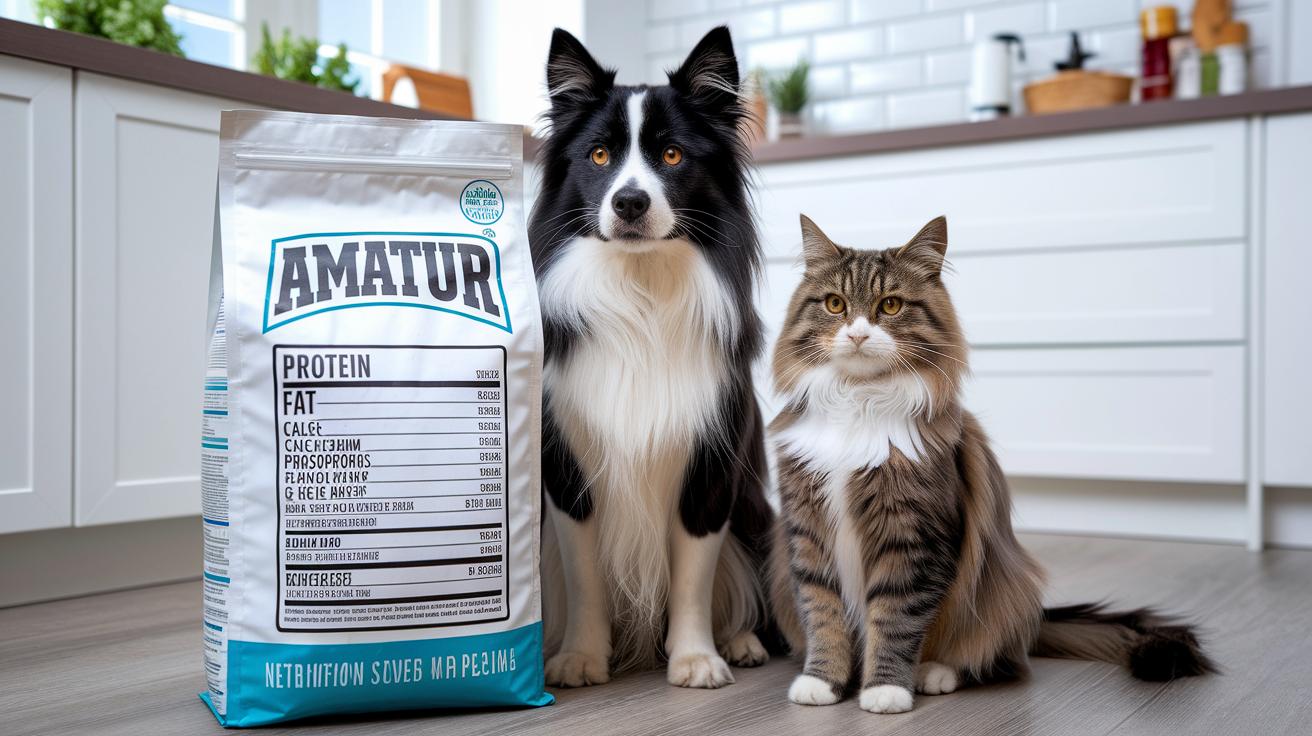
AAFCO, short for the Association of American Feed Control Officials, acts like a trusty recipe checker for your pet’s food. They set the important rules to make sure every bag or can of pet food is complete and balanced. Just like you need a well-rounded meal with protein, fat, and vitamins, your pet’s diet needs the right mix to help keep muscles strong, skin healthy, and energy high.
| Nutrient | Dog Min. % | Cat Min. % | Function |
|---|---|---|---|
| Protein | 18 | 26 | Muscle maintenance |
| Fat | 5 | 9 | Energy, skin health |
| Calcium | 0.5 | 0.6 | Bone development |
| Phosphorus | 0.4 | 0.5 | Bone metabolism |
| Omega-6 | 1.0 | 1.0 | Skin & coat |
| Omega-3 | 0.05 | 0.04 | Anti-inflammatory |
When you're picking out pet food or even planning a homemade recipe, take a close look at the label and match it up with AAFCO’s standards. This little step ensures your furry friend gets the proper nutrition they need at every life stage. Whether you're buying a commercial blend or whipping up your own meal, knowing these key numbers can help keep their muscles, bones, and skin in top shape.
Using AAFCO’s guidelines turns food shopping from a guessing game into a smart, science-based choice that helps support a vibrant, balanced life for your pet.
Tailoring Pet Diets by Species, Age, and Health Conditions

Pets come in many shapes and sizes, and their food needs change with their species, breed, age, and health. Some pets are full of playful energy and need extra calories, while older pets often do better with gentler, nutrient-rich meals that keep them comfy and active. Factors like how much your pet moves, their metabolism, and even their genetics all help decide the best meal plan. Remember, even though food labels give general tips, each pet is unique.
Puppy and Growth Stage Guidelines
For puppies and young pets, mealtime is more than just filling the bowl, it’s a vital part of growing strong. They need smaller, more frequent meals to get the energy and nutrients they require without overloading their tiny tummies. For instance, serving three or four little meals a day helps prevent rapid growth that might stress their joints and bones. Regular weigh-ins and keeping an eye on their growth help you get the portions just right for steady, healthy development.
Dietary Adjustments for Seniors and Medical Conditions
As pets get older, their diet often needs a big change. Senior pets or those with conditions like diabetes, kidney problems, or allergies might need meals with fewer phosphorus or carbohydrates, or even hypoallergenic ingredients to help keep their skin and digestion happy. This can mean creating a special diet based on holistic nutrition ideas. Adjusting their recipes might seem challenging, but these custom diets can boost energy, help digestion, and improve overall well-being. Working closely with your veterinarian is the best way to make sure each meal fits your furry friend’s unique health needs.
Portion Control and Feeding Practices for Optimal Pet Diets
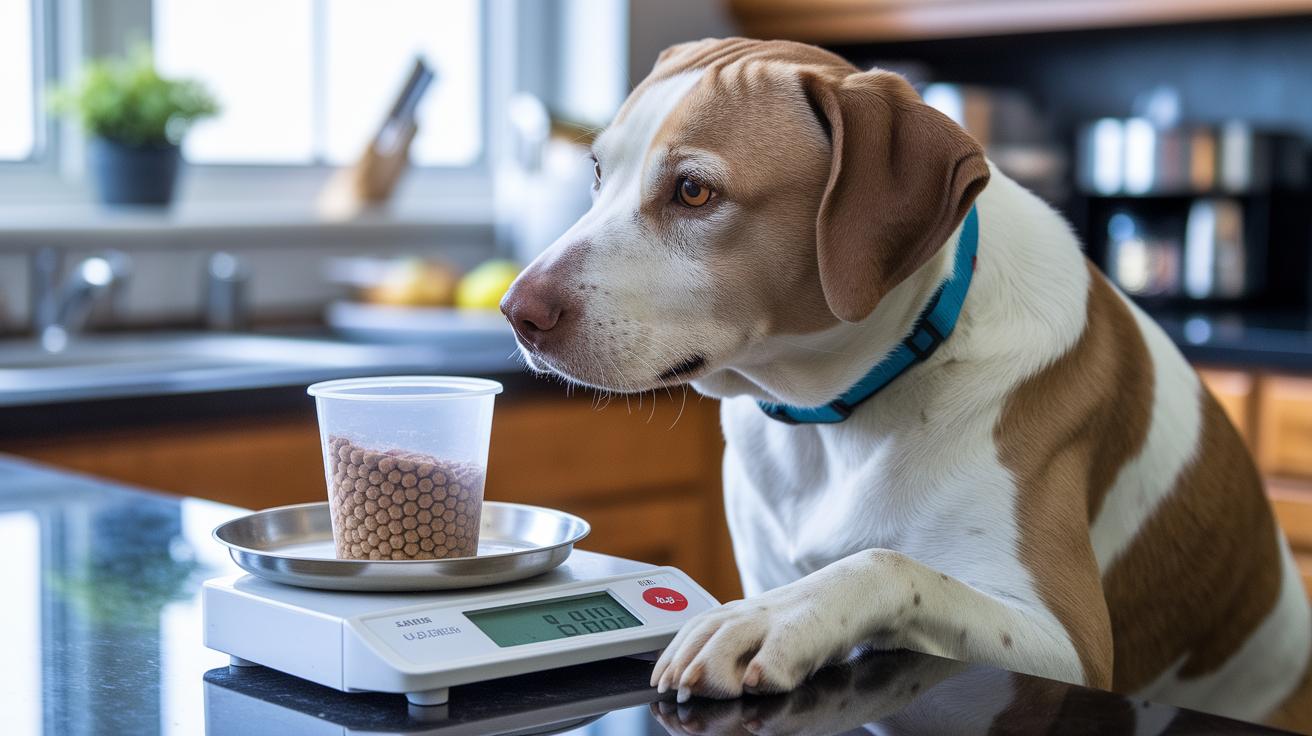
Feeding charts from pet food packages can be useful, but they don’t always cover every pet’s special needs. Every pet is unique with its own age, size, and level of activity. For instance, puppies often do better with several small meals spread throughout the day so they can grow happily without overwhelming their little tummies. On the other hand, larger breeds may need bigger portions to keep up their energy, while pets who aren’t very active need fewer calories to avoid putting on extra weight. The guidelines on the package are just a starting point, which is why adjusting portions and feeding schedules just for your pet is so important.
- Figure out meal sizes based on your pet’s ideal weight.
- Use a digital scale or measuring cup to get the amounts just right.
- Reassess and tweak meals each month during weight checks.
- Plan feeding times to match your pet’s exercise and play routine.
- Regularly check how your pet’s body looks.
- Keep a simple journal to track what and when you feed, as well as their activity.
Risks, Precautions, and Veterinary Consultation in Pet Diet Planning
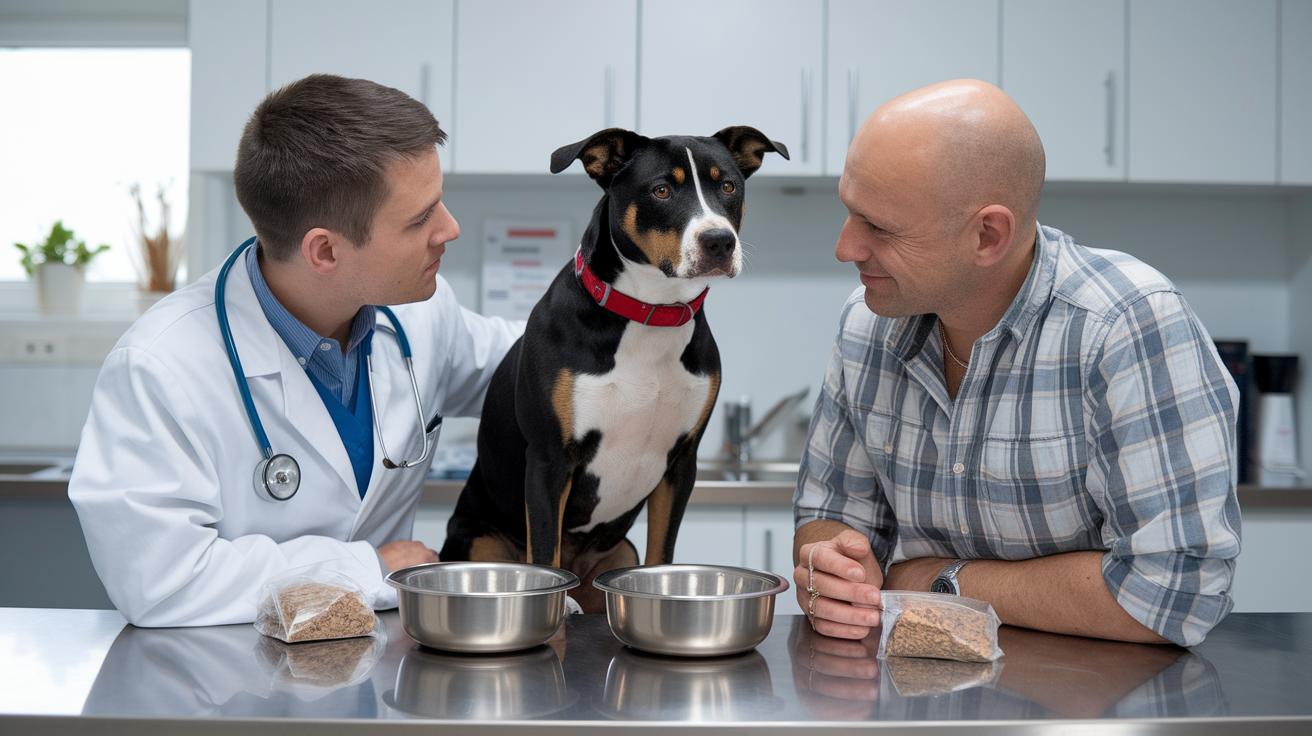
When planning your pet's diet, be sure to watch out for hidden risks. For instance, problems like diet-linked dilated cardiomyopathy (DCM, a heart condition) are still being studied, and food may get contaminated with bacteria if it's not handled correctly. Even though preservative-free labels sound great, those preservatives can help keep the food safe and balanced. Keeping these points in mind can help you avoid nutrition mistakes and keep your pet healthy.
Talking with your vet is really important when trying out elimination diets or diagnostic feeding methods. If your pet shows signs of allergies or has long-term health issues, your veterinarian can create a custom feeding plan with the right tests. This expert advice not only helps solve nutritional challenges but also makes sure your pet enjoys a balanced, healthy diet for years to come.
Final Words
In the action, we explored the ins and outs of balanced pet nutrition, from commercial and raw options to homemade recipes and AAFCO standards. We looked closely at diet considerations by age, breed, and health, and discussed portion control that supports every pet’s needs.
By diving into these pet diet insights, owners can confidently make informed decisions. Keep experimenting and fine-tuning your approach, knowing that every small step helps boost your pet’s long-term well-being and happiness.
FAQ
Q: What are key medical considerations in a pet diet?
A: The pet diet medical considerations include reviewing any health conditions with your vet. Tailoring meals can help manage allergies, kidney issues, and other conditions to keep your pet healthy.
Q: What should be included in a healthy pet diet plan?
A: A healthy pet diet plan includes balanced proteins, fats, and carbohydrates tailored to your pet’s age and activity level. Regular vet consultations also help adjust portions for optimal health.
Q: How can I create balanced homemade pet diet recipes?
A: Creating balanced homemade pet meals involves using quality ingredients like lean meats, veggies, and proper supplements. Always consult your vet to ensure your furry friend gets all essential nutrients.
Q: How can a dog nutrition chart help me feed my pet?
A: A dog nutrition chart provides clear guidelines on key nutrients and portion sizes. It’s a handy tool for balancing meals based on your pet’s age, size, and activity level.
Q: What does a PET/CT diet mean for my pet?
A: A PET/CT diet refers to specialized feeding practices linked to medical imaging or treatment protocols. Discuss these diet adjustments with your vet for personalized recommendations.
Q: What is the 25 rule for pet food?
A: The 25 rule for pet food often means dividing a pet’s daily food intake into smaller portions—around 25% per meal—to prevent overeating. Always verify serving sizes with your vet.
Q: What is the healthiest diet to feed my dog?
A: The healthiest diet for dogs balances proteins, fats, carbohydrates, vitamins, and minerals based on their age, breed, and health. Vets can help customize this plan for your pet.
Q: Is a scrambled egg good for my dog?
A: A scrambled egg is a healthy, protein-rich treat for dogs when cooked plain without salt or butter. It offers essential nutrients when served in moderation.
Q: What is a balanced diet for pets?
A: A balanced diet for pets provides a mix of proteins, carbohydrates, fats, and vital nutrients to support energy and overall health. Adjust meals based on your pet’s age, weight, and activity.