
Have you noticed your pet shaking when a storm rolls in or pacing the room when you head out the door? Many furry pals feel a bit anxious every day, much like we do during stressful moments.
One way to help is by creating a calm, inviting spot at home. Keeping a steady routine and adding a few fun activities can turn those nervous moments into little bursts of joy.
By making these simple changes, you not only soothe your pet's worries but also strengthen the special bond you share.
Comprehensive Pet Anxiety Management Strategies

Begin by setting up a peaceful spot for your pet. Create a snug area with a comfy bed, favorite toys, and soft background music that can help calm them down. Picture a sunny, warm corner on a cool day where your furry friend feels safe and loved.
Next, add regular exercise and mind games into your daily routine. A fun walk in the park or a playful session in your backyard does more than just keep your pet active, it also helps melt away any worries. Imagine the joy on your pet’s face as they explore new scents and sounds, tail happily wagging along the way.
Keeping a steady routine is key. Try to feed, play, and walk your pet at the same time every day. This predictability builds a comforting rhythm, much like your own morning coffee routine, making your pet feel secure and relaxed.
It also helps to include simple training and desensitization steps in your plan. Gradually expose your pet to mild versions of things that might scare them, like a soft recording of distant thunderstorms, and then reward them with a treat when they stay calm. This gentle approach builds their confidence little by little.
Lastly, consider using calming products such as anxiety wraps, soothing sprays, or special treats made with chamomile or CBD (a natural ingredient that can help ease stress). And if you notice your pet’s anxiety growing too strong, it’s a good idea to talk to your veterinarian about more personalized ways to help them feel better.
Identifying Pet Anxiety Triggers
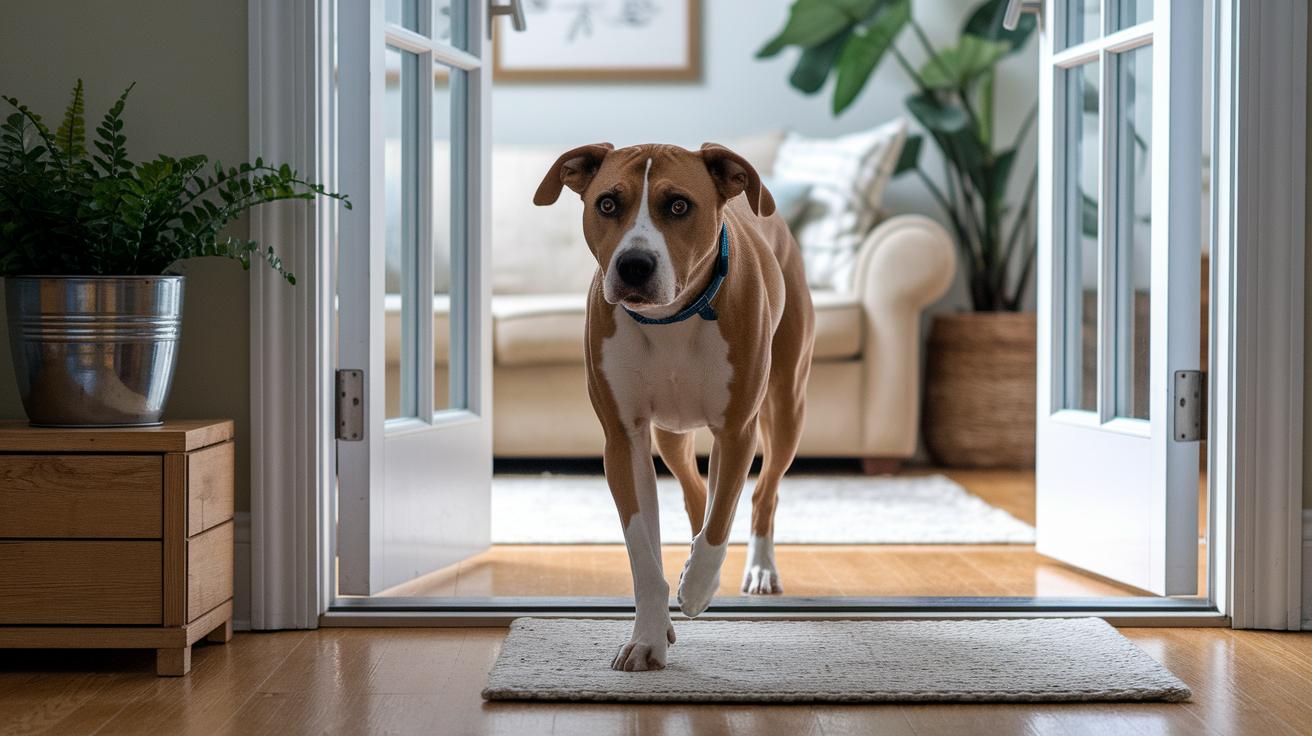
Figuring out what upsets our pets is the first step toward helping them feel better. Often, pets show separation anxiety when they start chewing things they shouldn’t or bark much more than usual when left alone. For example, if your dog begins scratching your sofa or pacing as soon as you step out, it might be a clear sign that they’re feeling anxious.
Another common trigger is loud noises. Whether it’s a thunderstorm or fireworks lighting up the sky, both cats and dogs can get scared. They might tremble, hide in a quiet corner, or pace around nervously. I remember one pet parent sharing how their cat would dart under the bed every time a firework went off. It just goes to show how quickly a burst of noise can spike anxiety.
Changes around the home, like moving to a new place or having a new family member join, can also unsettle your pet. And sometimes, health issues like pain or illnesses can change their everyday behaviors dramatically. Watching for these small changes in your pet’s routine can really help you spot what’s bothering them early on.
If you’re curious to learn more about these behaviors, you might want to check out this guide on Understanding pet behavior for better health. Every pet is unique, and by noticing these clues, you can tailor your care to help ease their worries and make them feel safe again.
Recognizing Signs of Pet Anxiety
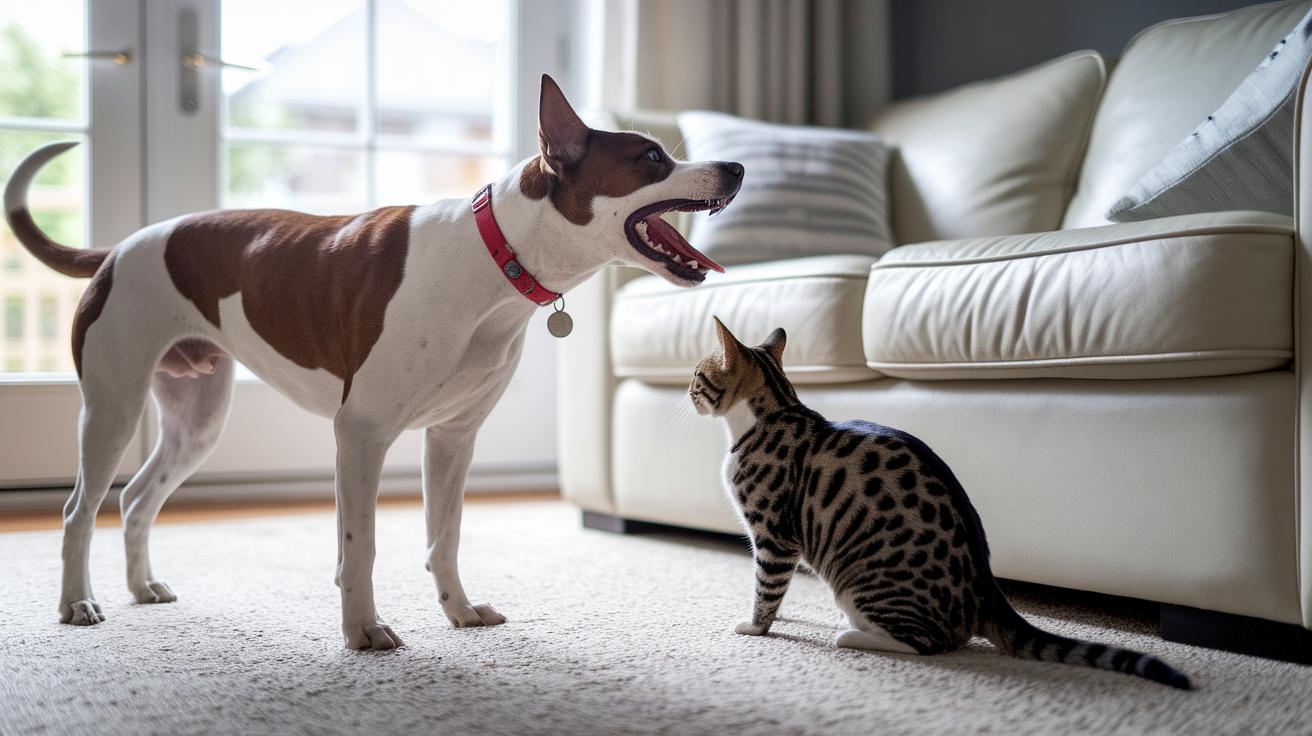
Pets show their anxiety in different ways, and noticing these signs early can really make a difference. Sometimes, you might see your dog growling or your cat hissing when something is new or unexpected. These are little clues that they might be feeling stressed.
Look out for things like growling, barking, hissing, biting, or scratching at people, other animals, or even objects. They might also tremble, pant, pace around, or hide in spots you wouldn’t normally expect. And if they start doing the same little actions over and over, like chasing their tail or picking at their fur, it’s a clear hint that something isn’t right.
I remember chatting with a friend who said, “I noticed my dog began pacing right by the door each time I prepared to leave.” It’s almost as if he was trying to tell us, “I need some extra comfort right now.”
Catching these early signs means you can step in with a bit of extra love and care, helping your pet feel safe and secure.
Creating Calming Home Environments for Pet Anxiety Management
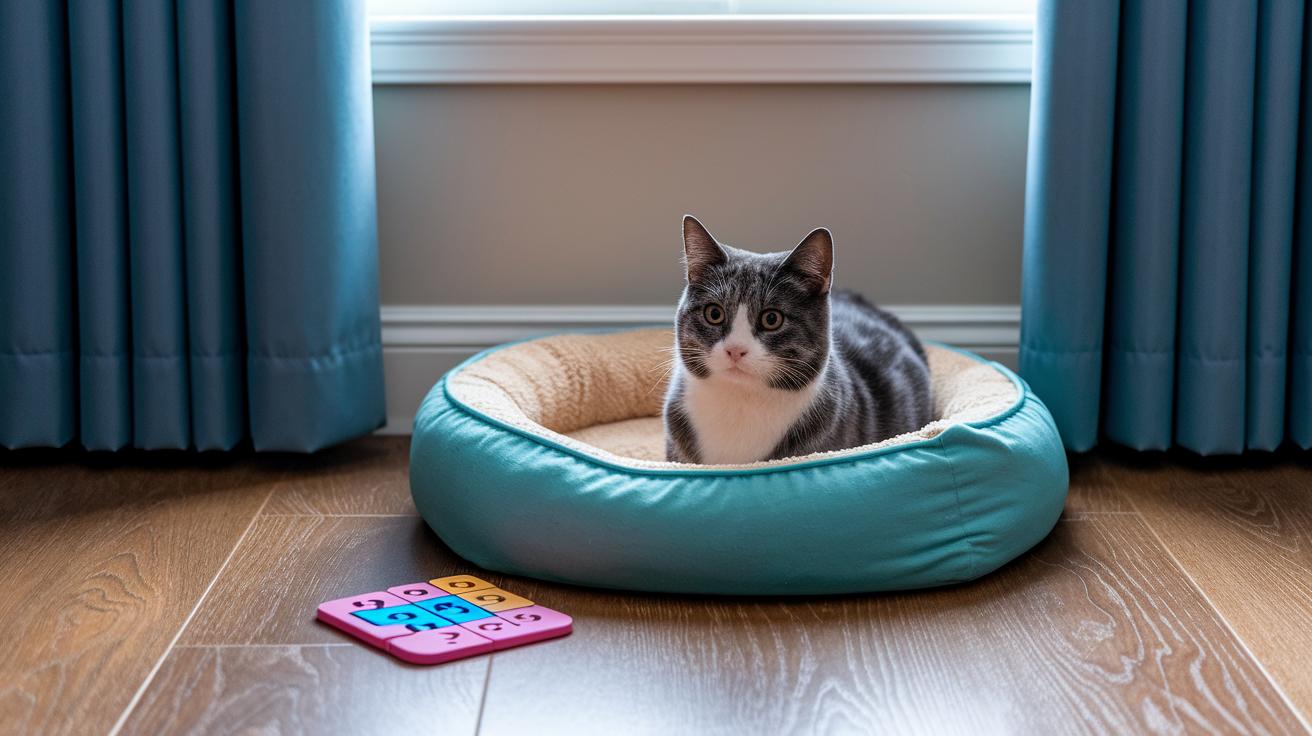
Set up a special spot just for your pet, filled with a soft bed, favorite toys, and even fun puzzle feeders. A little extra can go a long way, maybe include something with your scent, like a worn piece of clothing, so your pet feels safe and loved. Imagine a cozy corner where the gentle feel of a soft blanket and a familiar smell wraps them in comfort.
Keep unwanted sounds out by using simple soundproofing tricks. Hang heavy curtains or stick foam panels on the windows to block out loud noises like thunderstorms or fireworks. You can also add a white noise machine or play soft music to create a calm background that keeps disturbances at bay.
Stick to a simple daily routine with regular feeding, play, and quiet times. This steady schedule helps your pet feel secure by syncing their body and mind. Plus, interactive toys and easy play activities add just the right amount of mental fun while keeping things relaxed and soothing.
Natural and Holistic Remedies for Pet Anxiety Management
Herbal helpers like chamomile and valerian can make a real difference for nervous pets. These natural remedies work to ease anxiety and help your pet feel more balanced. For example, you might try adding a little cooled chamomile tea to your pet’s food, kind of like sprinkling a bit of cinnamon on your breakfast oatmeal, to see if it brings a calm, soothing effect.
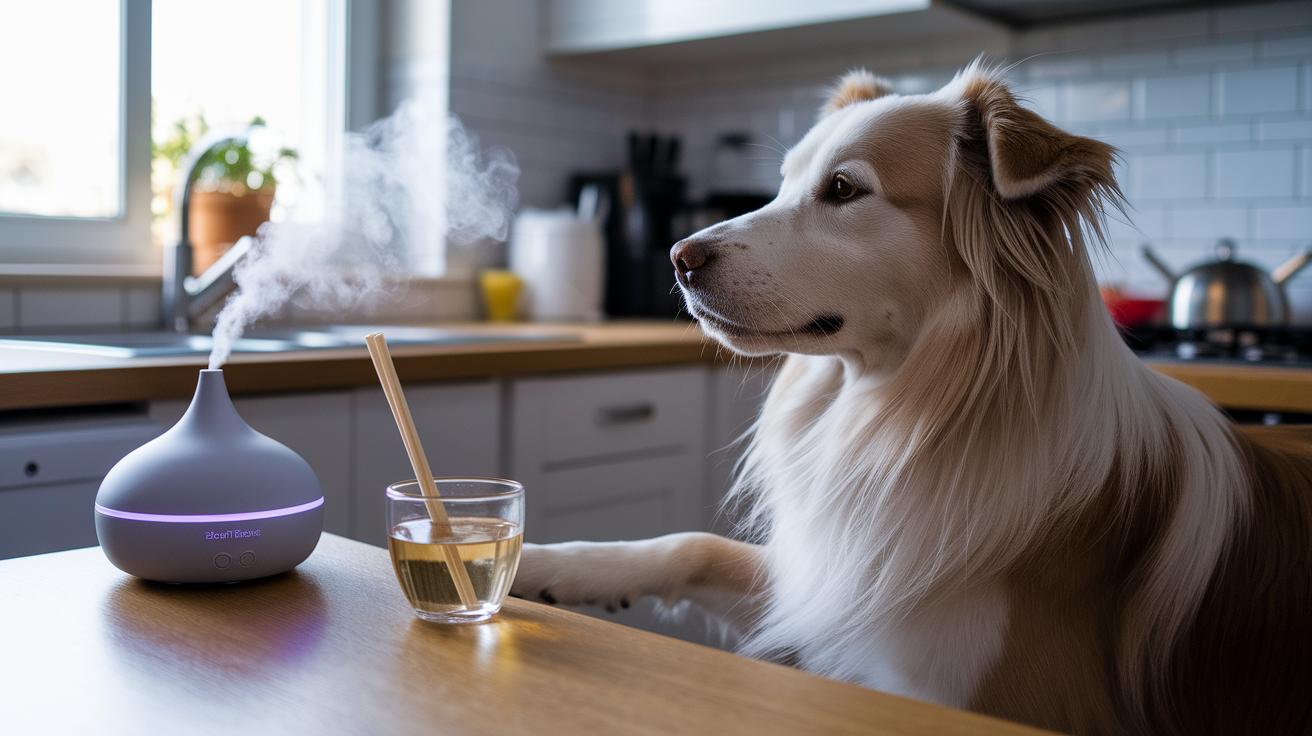
Aromatherapy can also be a gentle way to ease your pet's worry when done safely. Using pet-friendly essential oils, such as a few drops of lavender in a diffuser, can fill your home with a soft, peaceful scent that doesn't overwhelm. Along with these scents, good food is key too. Adding foods or supplements rich in omega-3s and magnesium not only helps lower inflammation but also supports a healthy brain. Nutraceutical treats packed with soothing botanicals can be a handy daily pick-me-up for your pet.
Vitamins designed for calmness might also boost your pet's natural strength against anxiety. These non-addictive, over-the-counter supplements are there to support your furry friend, but it’s always a smart move to chat with your vet before making any changes.
These natural methods work well with behavior tips for lasting peace of mind. For more ideas and detailed plans on natural care, take a look at “Pet Mental Health Care Strategies” at https://bonsiaai.com?p=1215.
Training and Behavioral Techniques for Pet Anxiety Management

Helping your pet build confidence can really change their everyday life. When you use simple training steps, you help them learn that calm behavior brings rewards. For example, if your pet sits quietly when the doorbell rings, offer a treat or a kind word right away. This positive reinforcement shows that staying calm is a good thing.
Another easy way to help is through gradual desensitization. This means letting your pet slowly get used to things that make them nervous. Say your dog jumps at the sound of a vacuum cleaner , start by playing the sound softly from a distance. As your pet grows more comfortable, bring the sound a bit closer. Pair this approach with counter-conditioning, which simply means mixing in positive experiences so your pet begins to see these triggers in a new light.
Social play is also a big help. Organize safe playdates or let your pet have a short, gentle introduction with another friendly animal. These little interactions boost their confidence and show them that new experiences can be fun. And when training, interactive toys or puzzle feeders work wonders too, keeping their mind busy while lowering anxiety.
Relaxation techniques can make a big difference. Try a gentle massage or set aside a quiet time during the day. These moments help your pet learn to relax and feel secure.
| Technique | Description |
|---|---|
| Positive Reinforcement | Cheer and reward calm behavior with treats or praise. |
| Gradual Desensitization | Slowly introduce anxiety triggers in a safe, controlled way. |
| Counter-Conditioning | Pair triggers with fun, positive experiences. |
| Socialization | Arrange friendly encounters with other pets to boost confidence. |
| Relaxation Training | Create calm moments with massages or quiet time. |
For a more guided plan, consider joining a dog training class or talking to a professional. After all, every pet is unique, and a bit of extra love and care can go a long way.
Professional and Medical Pet Anxiety Management Solutions
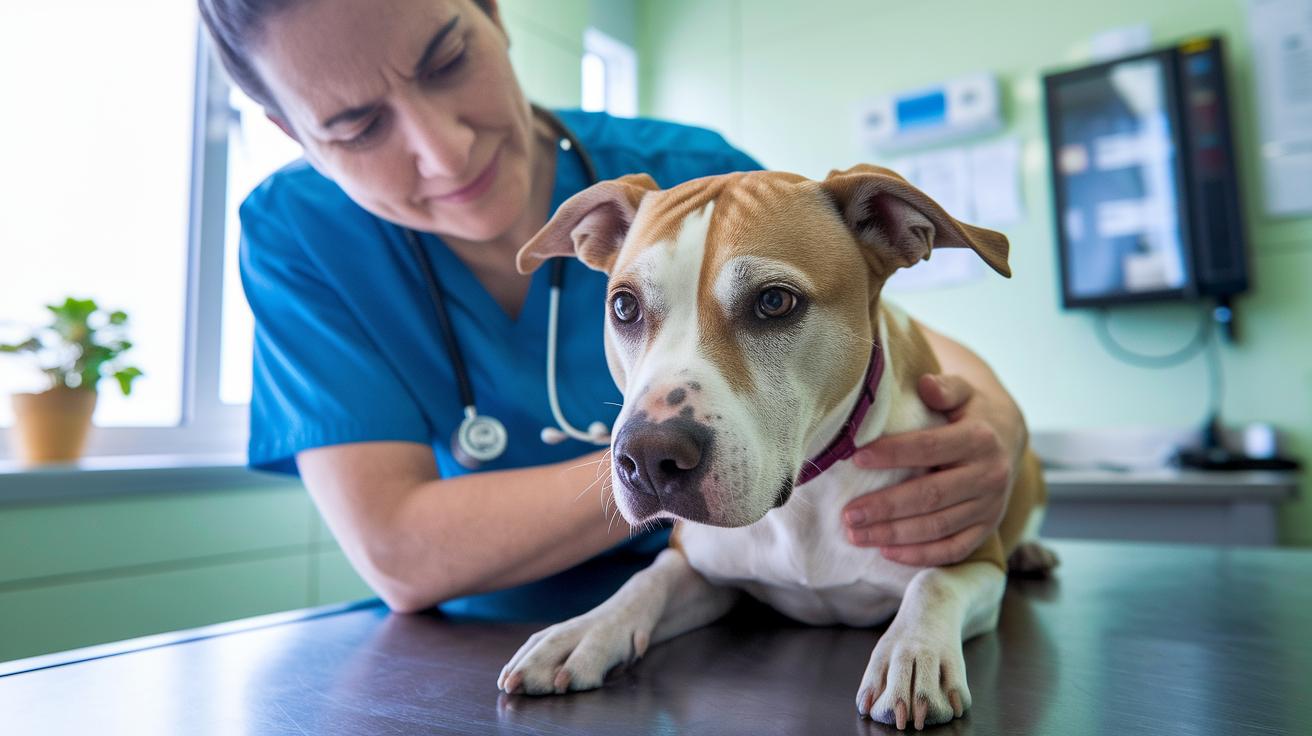
Sometimes, even with your best home care, your pet’s anxiety just won’t go away. If your furry friend keeps trembling, barking non-stop, or acting destructively, even in a calm home, it might be time to get some extra help.
A visit to your vet can clear things up. They can check your pet for any hidden health problems that might be causing these signs. For example, one pet parent said, "My pet's pacing and restlessness cleared up after a full check-up showed no underlying pain."
There are also safe, non-addictive medications and over-the-counter relaxants made just for pets. These treatments can ease anxiety, even if it's just for a little while. And often, your vet might suggest pairing these with behavior training, especially if your pet gets really stressed by being alone or loud noises. This kind of tailored plan can help your pet build lasting calm and confidence.
It’s really important to work closely with your vet when you’re thinking about using any prescription or calming supplement, making sure it’s safe and right for your pet. And if home remedies just aren’t cutting it, a visit to a pet wellness clinic might be the perfect next step to help your companion feel joyful and at ease again.
Preventative Measures in Long-Term Pet Anxiety Management
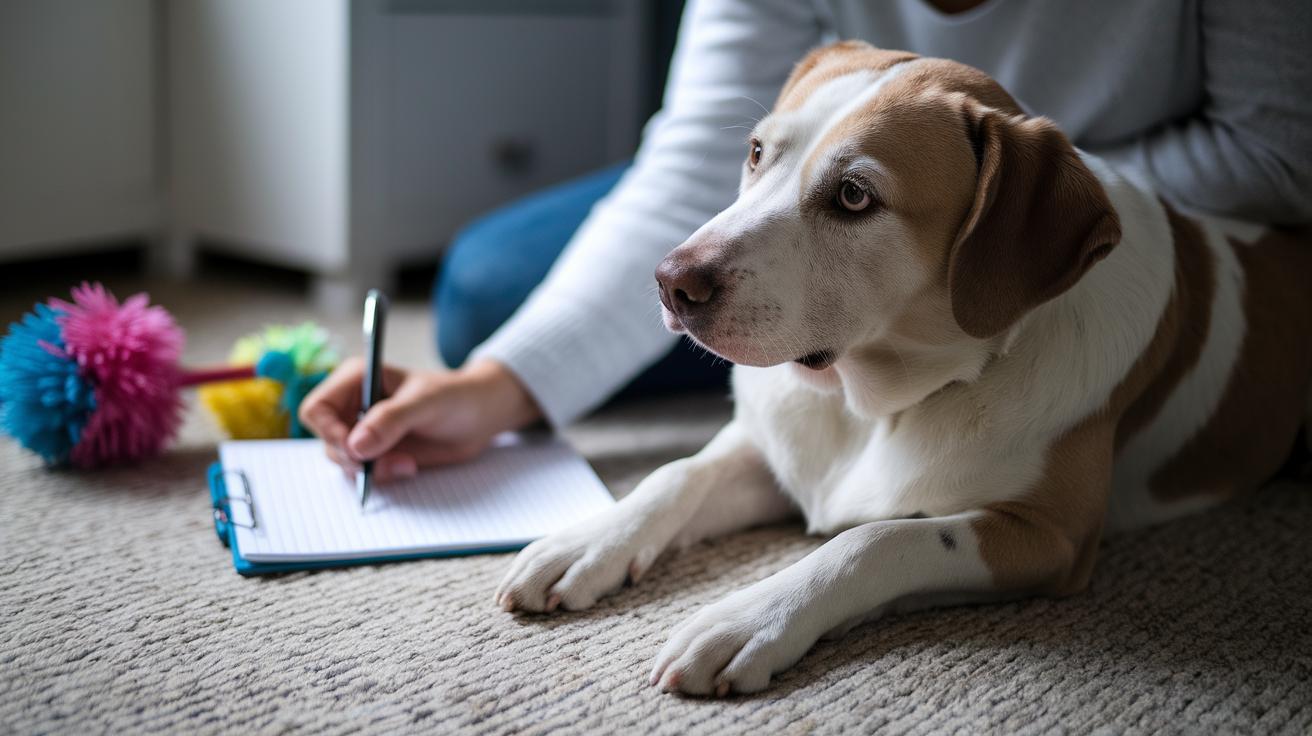
Start by keeping a close eye on your pet every day. Jot down notes about how they're feeling and behaving. For example, after three weeks of writing in your diary, you might see that Bella seems extra nervous on days when the traffic is heavy.
Next, take time each month to check your pet’s surroundings. Rather than one quick look, make it a habit to note any stress-causing changes like loud construction or a new pet in the home.
Also, mix everyday play with fun, brain-boosting activities. Try using a new puzzle toy every week. This not only keeps your pet busy but also gives their mind a little workout.
Lastly, look for trends over time. Create a simple table of your pet’s moods and what might be upsetting them, and then chat with your vet to decide on the best steps to help your furry friend.
| Method | Benefit |
|---|---|
| Daily Mood Logs | Spot small changes in anxiety |
| Monthly Environmental Checks | Notice any ongoing stressors |
| Weekly Puzzle Toys | Keep your pet mentally active and interested |
Final Words
In the action of pet anxiety management, we explored practical strategies from creating soothing home environments and using natural remedies to structured training and professional support. Each section offered clear steps, whether spotting early anxiety signs or preparing preventative routines to keep pets calm and happy.
By blending hands-on techniques and expert advice, this guide gives you the tools to reduce your pet’s stress effectively. Remember, consistent care and small daily routines can make a big difference in pet anxiety management. Enjoy every calm, joyful moment together.