
Have you ever wondered if rescue dogs can really learn good manners? It might seem hard to believe, but these special pups can grow and thrive with the right care. Picture a shy little dog turning into a confident, happy friend with every kind word you say.
Today, we’re sharing some easy training tips made just for rescue dogs. Our advice centers on building trust, keeping routines calm, and using positive rewards. With plenty of patience and a caring approach, you can see how a rocky beginning can turn into a deep, lasting bond.
Isn’t it amazing how a little kindness can spark such big changes?
Expert Obedience Training Strategies for Rescue Dogs

Rescue dogs often come from challenging pasts, so they need a training plan that’s gentle and understanding. They might have faced stress or uneven care, so taking your time with them is really key. Imagine a soft nudge reassuring a shy pup that their new home is safe, that’s the kind of calm, caring approach that works best.
The 3-3-3 Rule is a real game changer. Start by giving your furry friend three days of low-key, quiet time to settle in. Once they’re more relaxed, add in steady routines for meals, naps, and a little playtime. Creating a space free of distractions, like setting up a cozy crate that feels just like a private den, can really help too. Using tasty treats, like simple beef lung bites, for quick 5-10 minute training bursts keeps them motivated. And if you’d like some extra tips, a dog training class could be a big help.
Here are five key steps to get started:
| Step | Description |
|---|---|
| Trust-building exercises | Spend quality time and gentle interactions to earn their trust. |
| Establishing a secure crate den | Create a safe, quiet spot that feels like a personal hideaway. |
| Positive-reinforcement basics | Acknowledge good behavior with rewards and kind words. |
| Short, focused training sessions | Keep lessons brief and fun to hold their attention. |
| Introducing foundational cues | Teach basic commands like “sit” and “stay” in a steady, simple way. |
These steps help lay a strong foundation for lasting obedience. With gentle training and lots of love, your rescue pup will soon learn that new commands are part of feeling safe and cared for. Repeating simple cues like eye contact, name recall, and using a specific resting spot will build their confidence, helping them become a happy and well-behaved companion ready for any adventure.
Preparing Your Home for Rescue Dog Obedience Training
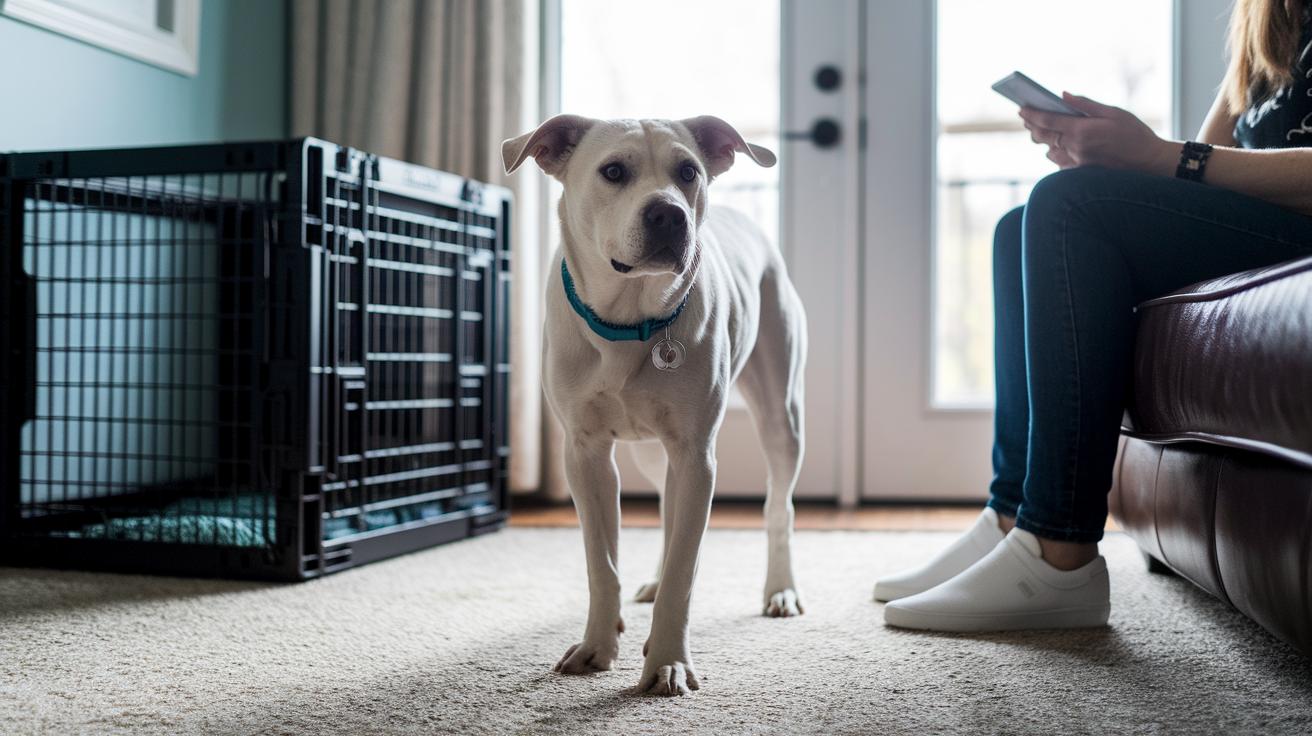
When you welcome a rescue dog home, start with a three-day calm period. This low-key time helps your new friend get used to their surroundings without too much hustle and bustle. Keep meals and rest periods on a steady schedule so your pup feels secure. It might help to set up a comfy crate where your dog can relax comfortably, almost like a little private den. For extra ideas, some dog crate training tips suggest placing the crate in a quiet corner with few distractions so your pup feels safe, like a cozy retreat within your home.
Next, tailor your space to suit your dog’s personality. Choose spots that can serve more than one purpose, a place for meals, rest, and even gentle training sessions. Think about how a favorite toy, a soft blanket, or a dash of natural light can transform an ordinary area into a safe haven. Try out different setups that can grow with your dog’s confidence, moving gradually from a quiet resting spot to a small training area without overwhelming them.
| Element | Purpose | Setup |
|---|---|---|
| Calm Corner | Eases anxiety | A quiet spot with a comfy bed and few distractions |
| Feeding Area | Builds routine | A consistent place with bowls on a mat |
| Multi-use Training Zone | Improves focus | A clear area set up for rest and short training sessions |
Building Trust with Positive Reinforcement in Rescue Dog Training

Special treats like pure beef lung can really change the game when training a rescue dog. Keep your sessions short, about 5 to 10 minutes, to keep things fun without overwhelming your furry friend. Picture this: you offer a treat with a scent so irresistible that your dog’s eyes light up the moment you reach for it.
Gently introduce your pup to new people and rooms. Pair a clicker sound with a treat, so that each click builds a little bond of trust. Offer kind words and gentle petting while taking regular breaks, giving your dog time to relax. Praise calm moments, such as when your dog lies down peacefully, and always keep an eye on its body language.
Let your dog's comfort guide the pace. Look for signs like a tucked tail, lip licking, or avoiding eye contact, these clues tell you your pup might be feeling anxious. When you see these signals, pause and let your furry friend decompress. It’s a lot like easing into a warm bath: little by little, your dog can adjust and start feeling more confident.
Mastering Core Commands: Sit, Stay, and Come for Rescue Dogs
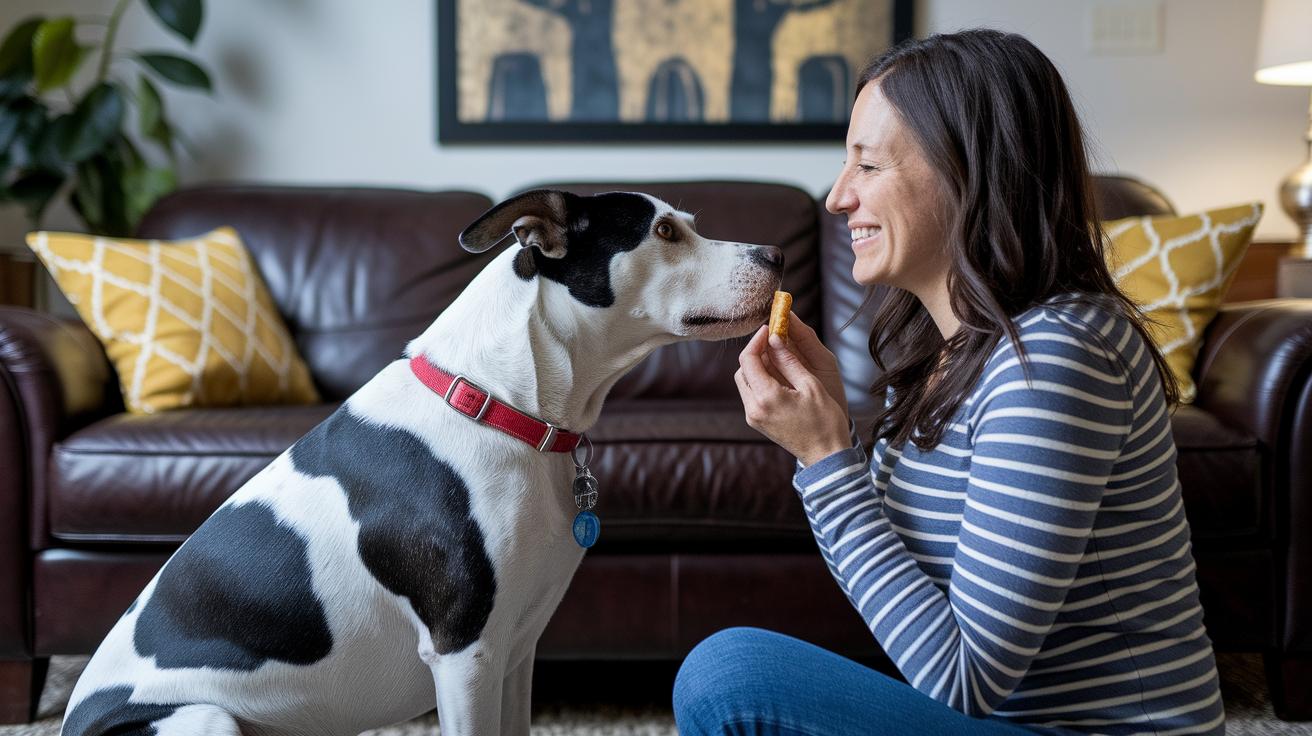
Core commands like sit, stay, and come are your rescue dog's building blocks for feeling safe and confident. They help make busy places less overwhelming and give your pup a clear idea of what to do. When your dog learns these simple cues, it’s a big step toward more fun and advanced tricks later on.
Teaching Sit
Try using a treat to show your dog what sitting looks like. Hold the treat near their nose and slowly move it upward. Pretty soon, you'll see them lower their back and sit down naturally. As they do, say "Sit" in a clear, friendly tone. Once they settle, add a release word like "Okay" to let them know they're done. A warm "Sit, okay" with a smile really makes a difference.
Teaching Stay
Start with your pup in a sitting position for the "stay" command. Show an open palm as a signal, then take a gentle step back. Keep increasing the distance and duration bit by bit, and be sure to praise them every time they hold still. This way, your dog learns that staying put means tasty treats and lots of love.
Teaching Come
For the "come" command, begin where there aren’t many distractions. Call your dog in a friendly, inviting tone and use a hand gesture along with a treat. When they come running over, shower them with praise and give them a reward. This positive approach turns coming to you into a fun game.
Next, once your dog has mastered these commands in a calm setting, try practicing outdoors or in busier spots. Gradually introduce small distractions, keep sessions short, and use plenty of rewards. With a bit of patience and regular practice, your rescue pup will happily respond no matter where you are.
Addressing Rescue Dog Behavior Challenges in Obedience Training
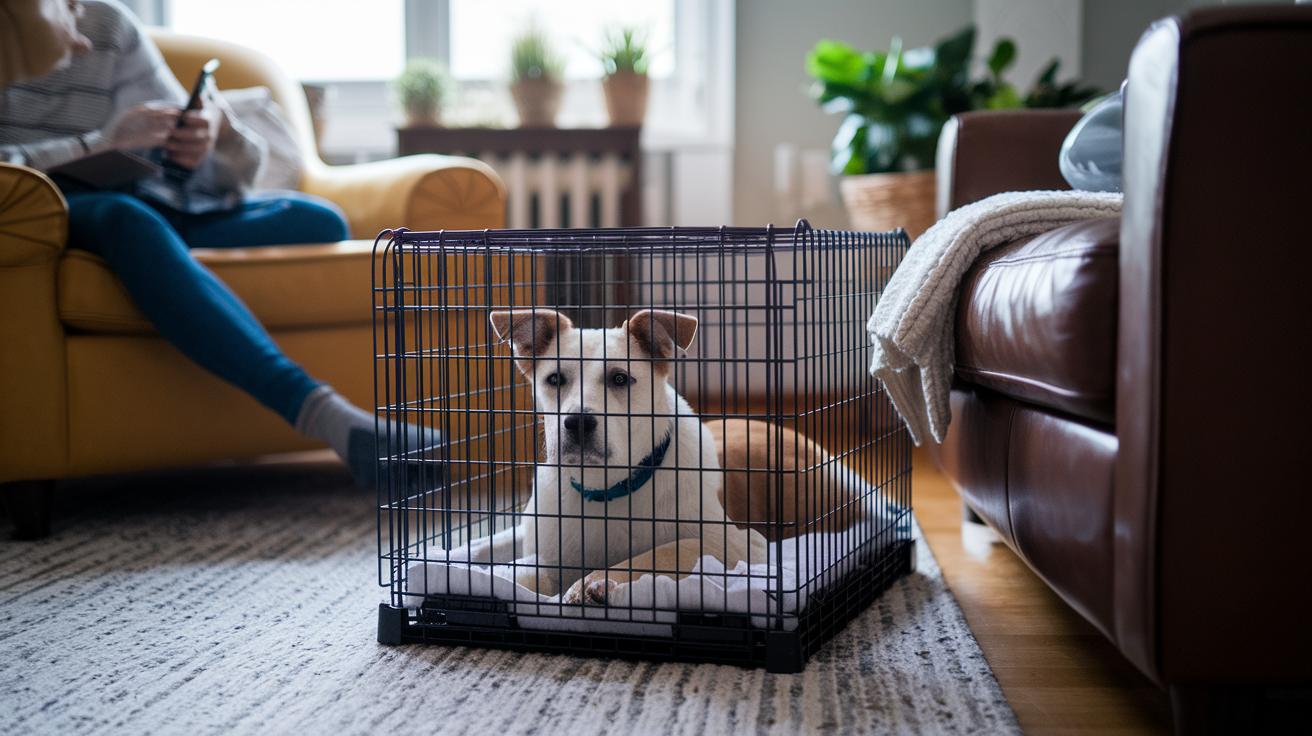
Rescue dogs sometimes face extra challenges like fear-based aggression, chewing on things they shouldn’t, and getting anxious when alone. Often, these behaviors come from past bad experiences that leave them feeling unsure and stressed. You might see your pup suddenly act aggressively when startled or chew on your favorite pair of shoes. They may also pace or bark when left on their own.
One helpful trick is crate decompression, which gives them a quiet space to settle down. There's also the 3-3-3 rule, start with three days of a calm, low-stimulation routine and then slowly mix in the usual activities. This step-by-step approach can make a big difference. If aggression shows up as a problem, checking out advice on correcting aggressive behavior in dogs can be really useful.
- Structured socialization with calm introductions
- Counterconditioning techniques for easing fear triggers
- Daily exercise to burn off extra energy
- Crate-based decompression routines
- A visit to a certified behaviorist if needed
Remember, it's important to be patient and consistent. Progress may seem slow, but every little breakthrough is worth celebrating. Take your time when introducing new commands or routines, and focus on building trust day by day. Sometimes, a little professional guidance tailored to your pup can make all the difference. Every rescue dog heals at its own pace, and by keeping things gentle with lots of friendly rewards, you help your dog grow more confident with each step.
Sustaining Obedience Training Success for Rescue Dogs

Start by setting up a weekly plan that weaves in several short training sessions every day. Keeping a simple training log not only lets you catch even the tiniest victory but also helps you see overall progress. Regular practice builds your pup’s confidence and shows them that learning is a part of every day.
Try to mix up your training spots to keep things interesting. Introduce new words gradually and keep each session under 10 minutes so your dog doesn’t get overwhelmed. As your dog learns, slowly ease off on treats by using treat-fading techniques. And don’t forget to jot down both the wins and the challenges to see how far you've come. It's also a smart idea to schedule quick refresher lessons now and then.
When your rescue dog becomes comfortable with a command, think about shaking things up a bit, maybe by changing where you’re training or adding a bit of distraction. This keeps the training fun, keeps your dog interested, and helps them grow even more. It’s a wonderful way to build a lasting bond with your furry friend.
Final Words
In the action from tailoring training to a rescue dog's unique needs, this guide walked through everything from setting up a calm home environment and following the 3-3-3 Rule to trust-building exercises and shaping core commands. Each step, from positive reinforcement sessions to addressing behavior challenges, helps build a lasting bond. Small breakthroughs add up over time. With persistence and love, your journey of obedience training for rescue dogs can lead to a happier, healthier future for your furry friend.
FAQ
Q: Where can I find quality obedience training for rescue dogs near California, Texas, or near me?
A: Finding quality obedience training for rescue dogs near you means exploring local trainers, dog training classes, or reputable online programs that tailor techniques to build trust, boost confidence, and meet your pet’s unique needs.
Q: Is online obedience training effective for rescue dogs?
A: Online obedience training for rescue dogs offers the benefit of flexible, guided sessions that use positive reinforcement. This digital format helps reinforce routines and core commands while fitting your pet’s pace at home.
Q: When should I begin training my rescue dog?
A: The advice to start training a rescue dog means beginning after a brief adjustment period, typically following three days of low-stimulation decompression, to help your pet settle in before learning new commands.
Q: How can I train my rescue dog to pee outside?
A: Training a rescue dog to pee outside involves establishing a consistent schedule, using specific cues like “go potty,” and rewarding the dog each time they succeed, which builds clear habits and comfort with the process.
Q: What is the 3-3-3 rule for rescue dogs and how does it affect them?
A: The 3-3-3 rule for rescue dogs means three days of calm, low-stimulation adjustment followed by structured, predictable routines. This approach helps reduce anxiety, builds trust, and sets a solid foundation for training.
Q: What does the 7-7-7 rule for dogs mean?
A: The reference to the 7-7-7 rule for dogs suggests a method of using repeated, short training sessions, though it is less common than the 3-3-3 rule. Always check with experts to choose the best strategy for your dog.
Q: How should I discipline my rescue dog?
A: The technique to discipline a rescue dog recommends gentle, positive reinforcement over harsh corrections. Clear cues, rewarding good behavior, and avoiding punitive actions help your pet learn calmly and confidently.