
Ever think your stubborn pup could turn into your best buddy? Lots of pet parents get frustrated when their dog doesn’t listen and even feel a bit overwhelmed. But imagine turning those tricky moments into wins by making everyday routines fun training times. In this guide, we’ll show you how to create a peaceful space, use simple commands, and cheer for every small victory. With a few consistent, friendly steps, you and your dog can grow closer, making each training session a chance to bond and learn together.
Step-by-Step Training for a Disobedient Dog
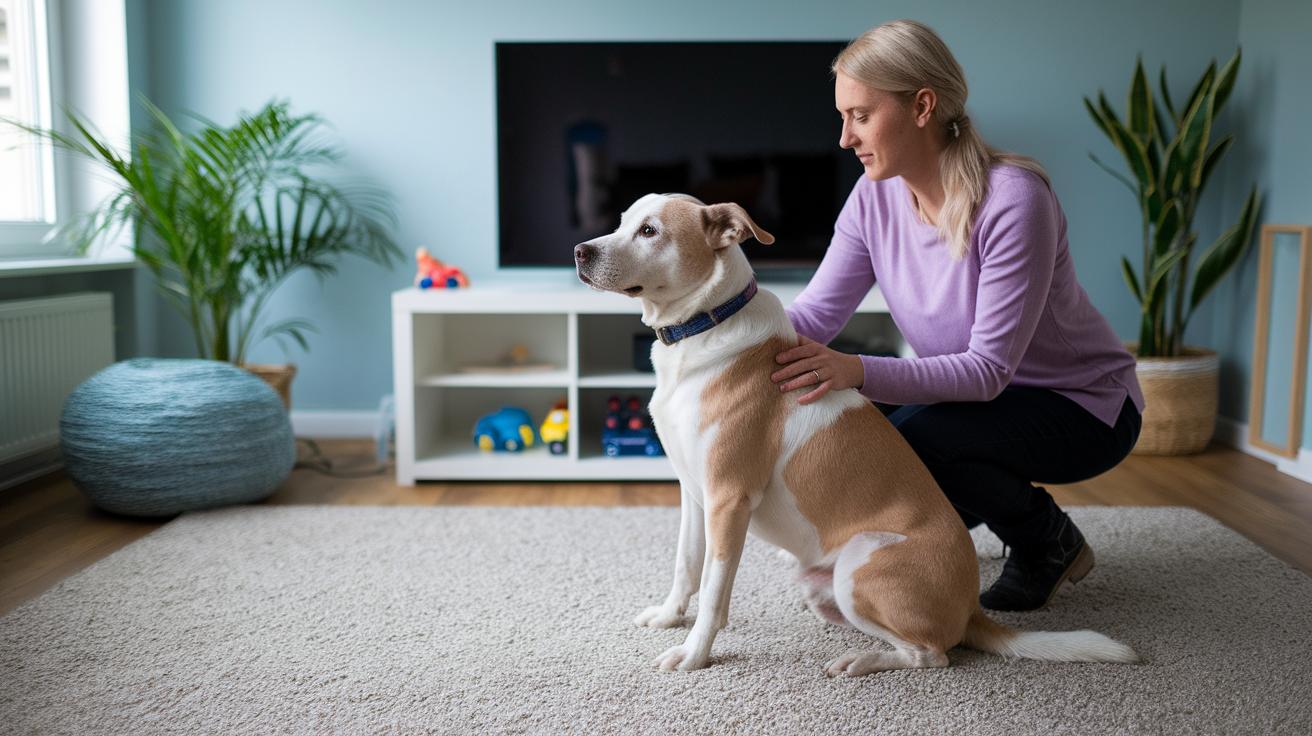
Before you begin training, set up a calm, distraction-free space. Find a quiet room or a fenced backyard where you and your dog can focus together. For example, turn off the TV and stash away extra toys so your furry friend knows it’s time to learn.
Next, be clear about what you want your dog to do. When you say commands like sit, heel, or stay, use a firm and friendly voice. Give immediate feedback – a small treat or a kind word goes a long way when your dog gets it right, while a gentle redirect helps when things go off track. It’s like giving your best buddy a high-five right after they do something great.
Now, let’s break down the command process into three simple steps: create a quiet space, give a command, then cheer on the good behavior. If your dog tends to pull on the leash, start by practicing walking with a relaxed leash. If your pet jumps on furniture, firmly say “off” and praise them once they get it. And if they whine during mealtime, calmly guide them to their own spot and celebrate their calmness.
Lastly, keep it simple and stick to the routine every day. Consistency and clear communication are the secrets to making progress. With each command and reward, you’re paving the way for a happier and more obedient companion.
Identifying the Root Causes of Canine Disobedience
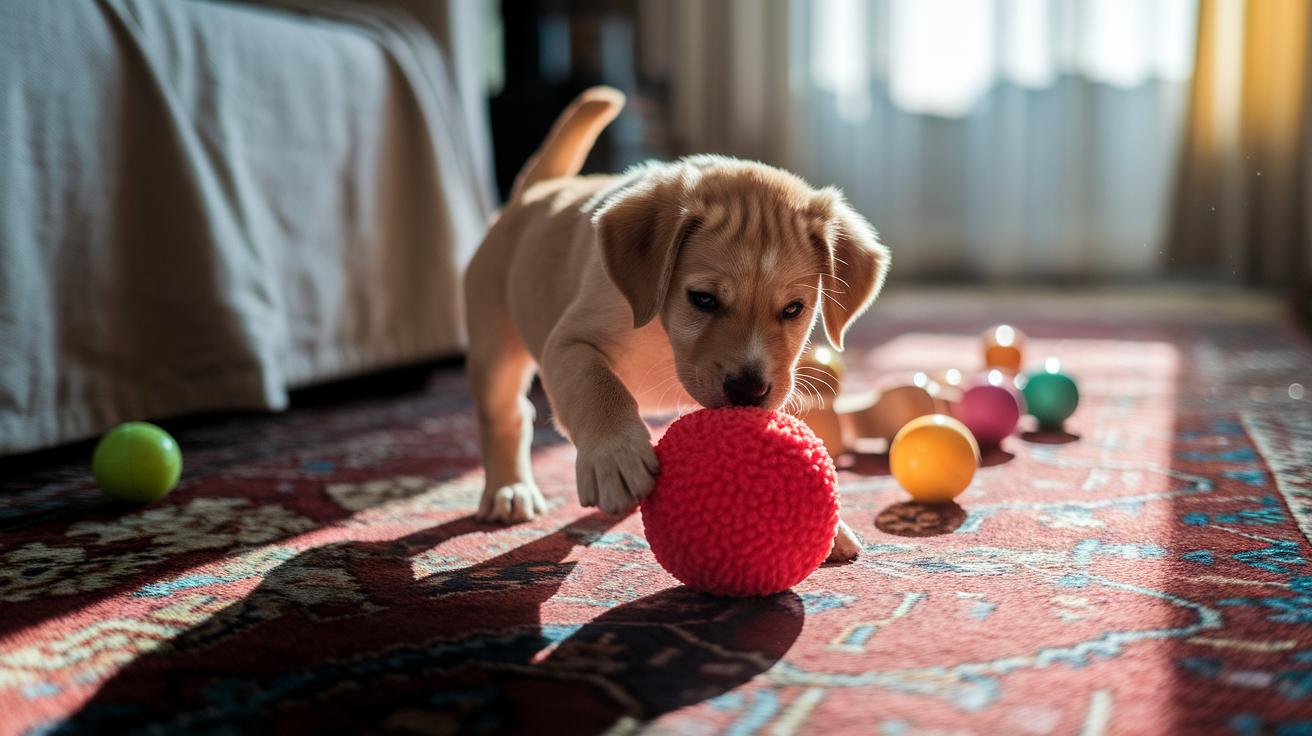
Sometimes, a dog's sudden disobedience comes down to natural changes in its growth. You might notice that a pup who once sat on command now seems to ignore you, leaving you wondering what went wrong. Many pet parents find that around six months, their puppy's behavior shifts dramatically, almost as if they’ve stepped into a brand-new phase.
At this stage, puppies are full of curiosity and eager to test their boundaries, reacting to all the new sights and sounds around them. They might explore more on walks or even push the limits of household rules they once followed perfectly. And introducing advanced tricks can sometimes muddy the waters, making it harder for them to remember those basic commands like sit or heel. Imagine trying to mix a tricky new move with a simple old one, it’s confusing for both of you.
- Overcoming pet disobedience: Mixed signals can lead to defiance, so keep your commands clear.
- Canine discipline and control tips: Sometimes, a return to the basics is all your pup needs during this changing phase.
- Early intervention for errant behavior: Reinforcing the basics can help clear up confusion and keep your dog's behavior on track.
Positive Reinforcement Techniques for Stubborn Dogs

When you're working with a dog that sometimes just won’t listen, giving quick rewards like a tasty treat or a warm “good job” can make all the difference. For example, if your pup sits perfectly on cue, hand over a little snack right away. It’s been shown that dogs learn best when the reward comes immediately, and that quick nod of approval helps them repeat the good behavior.
Another neat trick is using a clicker. That steady, clear sound tells your dog exactly when they’ve done something right. But don’t go overboard, if you reward every tiny action, your dog might start expecting a treat all the time, even for things they should do naturally.
Finding the right balance is important. Sometimes, you might skip the treat for a not-quite-perfect effort while still giving plenty of praise. This shows your buddy that treats are for doing things just right.
- Rewards work best when given at the exact moment your dog shows good behavior.
- Staying consistent with when you give treats and praise helps your dog understand the rules.
Mixing on-the-spot rewards with a bit of firm guidance creates an encouraging way to shape a well-behaved and happy companion.
Correcting Misbehavior with Consistency and Structure
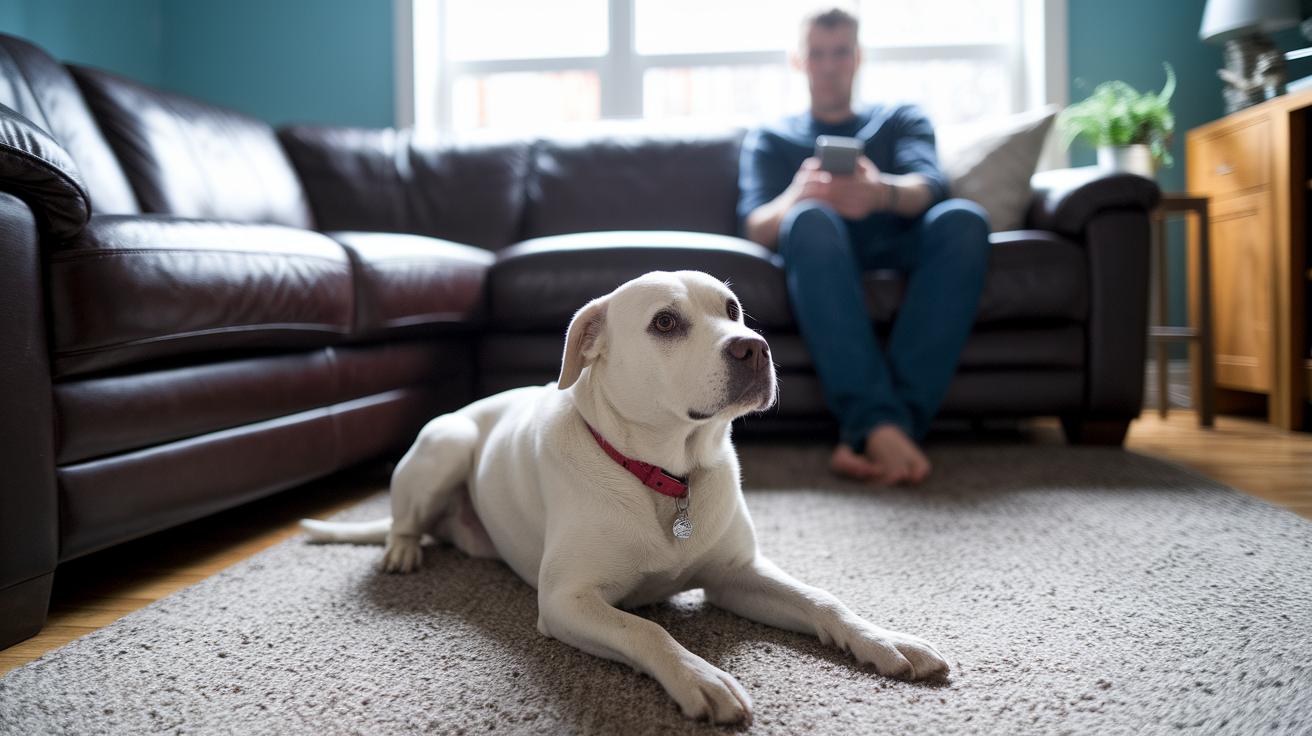
Start by setting clear rules for everyone in your home. When you all follow the same guidelines, your pup learns faster. For instance, if your dog jumps on the furniture, say “off” right away. Imagine your dog leaping onto the couch and then hearing a firm “off” before getting praise when they settle on the floor. This simple command helps them know that the furniture is not for them.
At the door, stick to one greeting rule. Either ask your dog to always sit or always wait as soon as the door opens. Picture yourself calmly saying, “Sit,” or “Wait” the moment you step through the door. Using the same rule every time makes it clear what is expected and stops any confusion or extra excitement.
When it comes to mealtimes, try not to feed your dog from the table. Instead, guide them to their own spot with a “place” command away from food scraps. Imagine gently leading your pet to a special spot while you get ready to eat. This not only keeps your dog safe but also creates a calm, clear routine at every meal.
- Whenever your dog misbehaves, give immediate feedback. A quick reminder of the rule followed by praise or a treat when they listen works wonders.
- Make sure every member of your family uses the same rules. When everyone is on the same page, it avoids mixing up messages for your pet.
- Remember that change takes time. With daily practice and a steady routine, your dog will learn exactly what to do.
It’s just like teaching a friend a new trick. By giving clear instructions and offering small rewards along the way, you create a home full of trust and understanding. Soon, your dog will feel safe knowing the boundaries, and you both can enjoy a more relaxed and happy life together.
Rebuilding Obedience: Strengthening Basic Commands
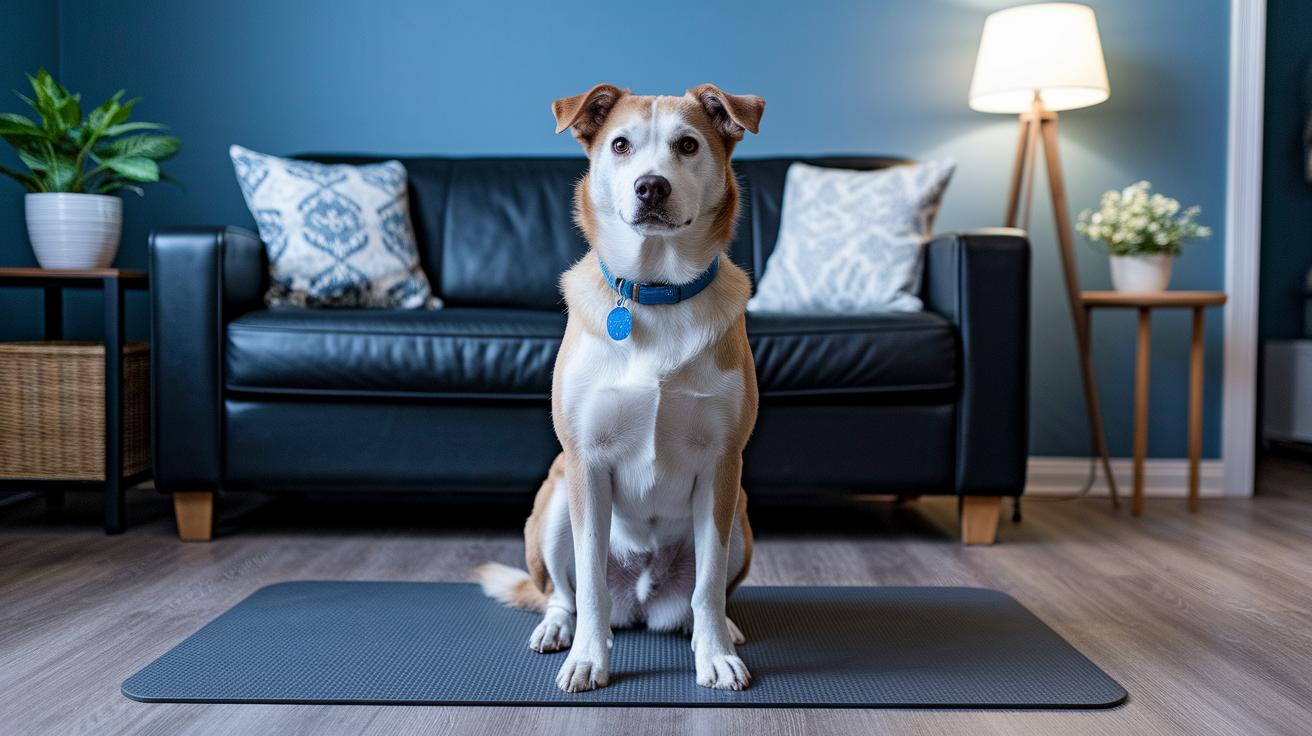
If your pup learns some cool new tricks but starts to forget the basics, it might be time to hit the reset button with some short, focused training sessions. Think of it like rebooting your computer, sometimes a fresh start is exactly what your furry friend needs.
Set aside about 5 to 10 minutes each day to work on a simple command like "Sit." Say it clearly and reward your dog right away when it follows through. It’s amazing how a little consistency can bring back that calm, obedient behavior!
Keep these training drills in a quiet, distraction-free spot so your dog can really focus. This simple reboot not only strengthens basic commands but also sets up a consistent routine for when you introduce new tricks later on.
Socialization and Routine for Resistant Companions
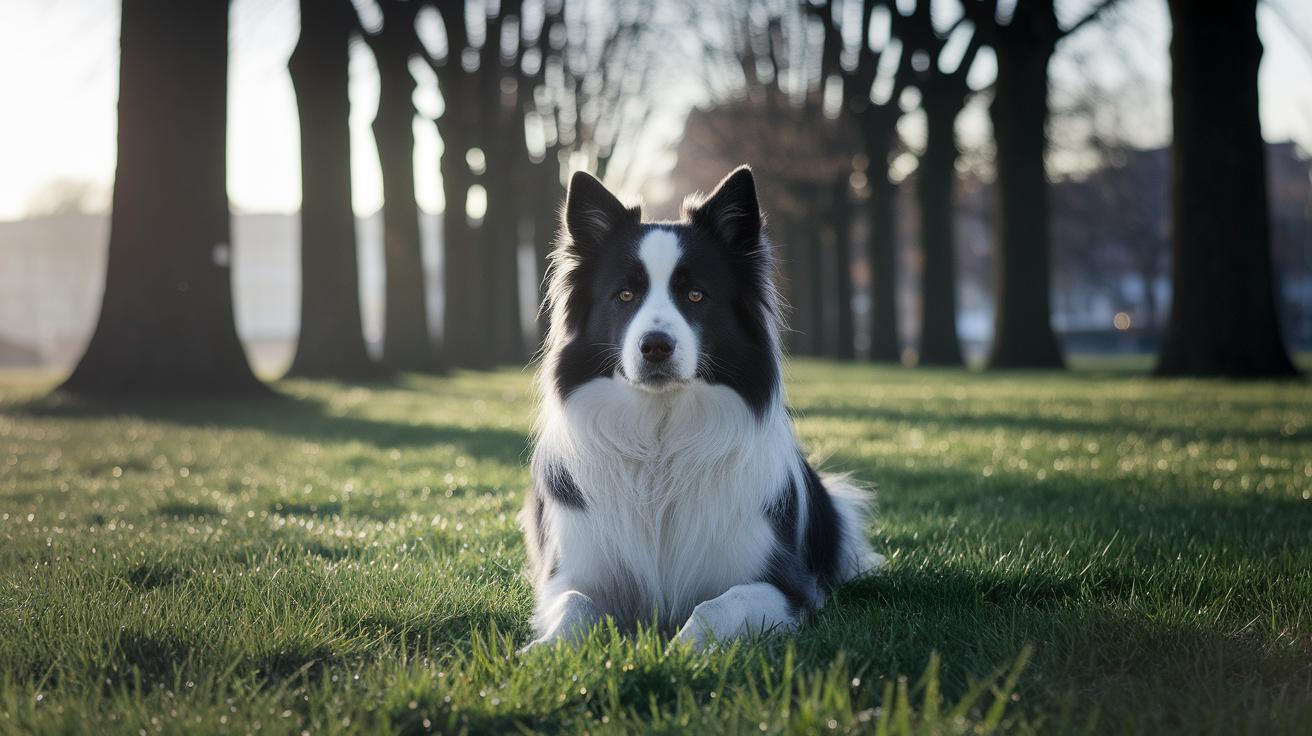
Start by slowly introducing your dog to new places, people, and other dogs. For example, if you’re trying out a quiet park, begin with short visits during quiet times and gradually work your way up to busier hours. It’s much like taking small steps when trying something new.
Next, set up a steady daily routine that blends walk times, meal times, and little training sessions. When your dog knows exactly when a walk or snack is coming, it builds trust and makes them feel safe. Isn’t it great when your furry friend has a plan?
Also, add some fun enrichment activities. Puzzle toys or a bit of supervised play can help channel all that extra energy into something positive. These games not only keep your dog’s mind busy but also teach them patience and calm.
- Gradually expose your dog to different environments to help ease anxiety.
- Stick to a regular daily routine for reliable behavior.
- Use interactive toys and supervised play to channel excess energy and reduce impulsive actions.
By mixing gradual socialization with a clear, predictable routine, you create a safer and happier space for learning and growing together.
When to Seek Professional Help for Defiant Pets
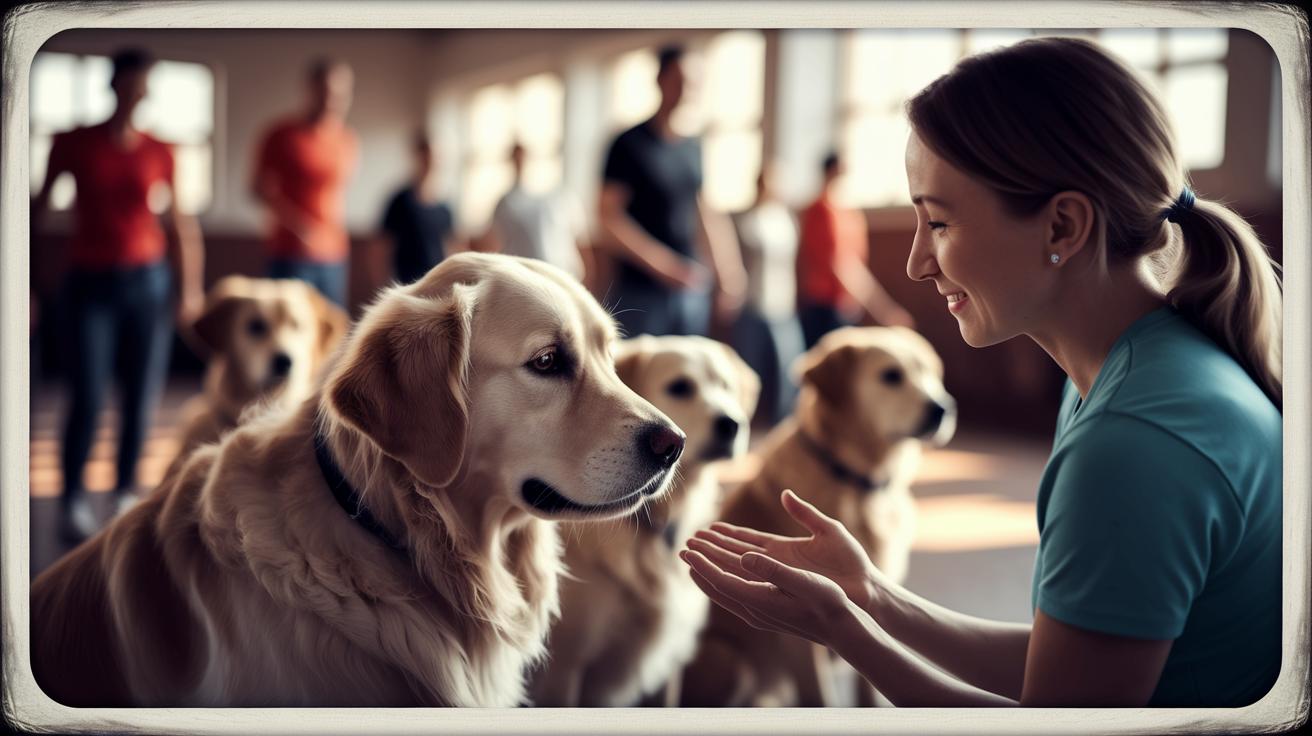
If your dog shows constant anger or seems very anxious, it might mean that your usual training methods need a little extra help. Sometimes even the best home tips aren’t enough, and that’s when a professional trainer can really make a difference.
A skilled trainer has the know-how to work on tough habits that simple praise or patience might not fix. For instance, joining a group obedience class or a board-and-train program can create a clear, guided routine for your pet. Think of it like giving your furry friend a fresh start on the path to good behavior.
If your dog often ignores your commands or becomes more aggressive over time, it’s a clear signal to reach out for help. A professional can look at the situation closely and suggest a plan designed just for your pet’s needs. Sure, letting someone else take charge of part of your training can feel like a big move, but their advice might show you the easy steps to a happier, more obedient future for both you and your best buddy.
So, if you notice these warning signs, it’s a great idea to act now. Addressing the issues early can stop them from turning into bigger challenges later on.
Final Words
In the action, our guide walked you through setting clear expectations, rewarding good behavior, and creating a solid routine for correcting missteps. We explored reasons behind disobedience and how to rebuild basic commands while keeping training fun and effective. The step-by-step advice helps you tackle daily challenges and even shows when to ask experts for help. Embrace these tips and feel empowered on your journey of how to train a disobedient dog, knowing each small win makes a positive impact on your pet’s happiness.
FAQ
3 tips to control disobedient dog
The three tips to control a disobedient dog include setting clear boundaries, using immediate rewards for positive behavior, and maintaining consistent training sessions with the whole family.
How to train a disobedient dog reddit
The approach shared on Reddit for training a disobedient dog involves clear commands, immediate praise or redirection, and a mix of structured sessions with fun, to keep your dog engaged.
Disobedient dog breeds
The concept of disobedient dog breeds often stems from individual temperament rather than breed alone; proper training and clear communication are key to managing any dog’s behavior.
Why is my dog being disobedient all of a sudden
The reason your dog may be suddenly disobedient could be due to developmental changes, health issues, or new environmental stress, which can all lead to confusion in behavior.
Hyperactive dog symptoms
The symptoms of a hyperactive dog include constant restlessness, excessive energy, and difficulty settling down, signaling a need for more exercise, mental stimulation, and structured activities.
Signs of a poorly trained dog
The signs of a poorly trained dog include ignoring basic commands, jumping on people, and inconsistent behavior, which all indicate a need for consistent, clear training and household rules.
Why does my dog go crazy and bite
The reason your dog might go crazy and bite is often linked to fear, frustration, or a lack of proper socialization, highlighting the need for gentle discipline and calm redirection.
Signs you are a bad dog owner
The signs you might be a bad dog owner include inconsistent rules, neglecting regular training or exercise, and not addressing your dog’s behavioral issues with clear communication and care.
How do you discipline a dog that doesn’t listen?
The method to discipline a dog that doesn’t listen is by using clear, calm commands paired with immediate gentle redirection and rewards for good behavior, avoiding harsh punishment.
What is the 3-3-3 rule for dogs?
The 3-3-3 rule for dogs refers to a training method that involves short, focused sessions divided into three parts: preparation, command execution, and reward, which builds consistent obedience.
Does smacking a dog on the nose work?
The idea that smacking a dog on the nose works is misleading; gentle redirection and positive reinforcement are much more effective for teaching and guiding your dog’s behavior.
What is the 7 7 7 rule for dogs?
The 7-7-7 rule for dogs is a training approach that breaks sessions into manageable intervals for learning, practicing, and rewarding, ensuring your dog receives consistent and balanced guidance.