
Have you ever noticed how your furry buddy gets so excited, even when you just want a quiet hello? Instead of using strict methods, try a gentle reward approach. Positive praise not only helps keep those jumps in check but also builds trust between you and your dog. When you see the perfect moment, like when their paws land softly, reward that calm behavior to teach them to sit. Before long, you'll notice a peaceful change for both you and your pet.
Achieving Canine Jump Control with Positive Reinforcement
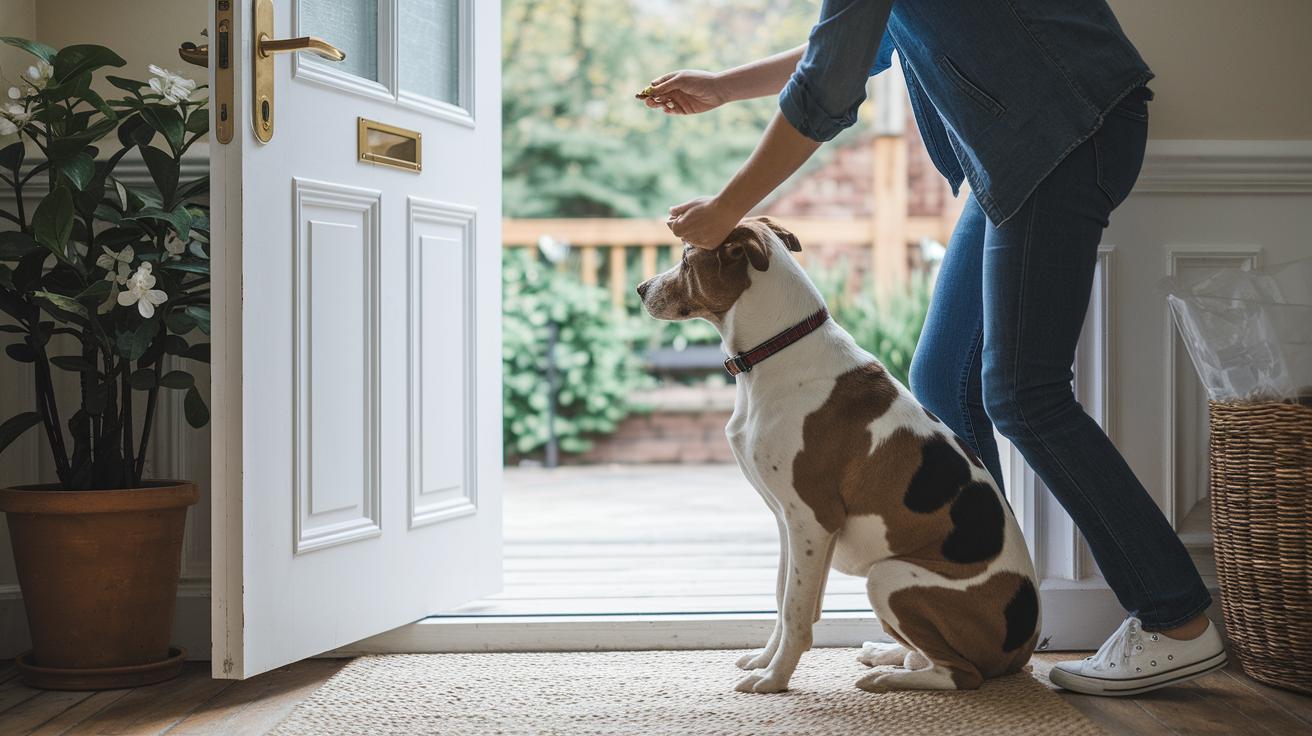
Dogs jump because they’re excited and love to greet you. This behavior often starts when little puppies get extra attention for their leaps. Instead of using strict tools like shock collars or harsh leash corrections, try a kind, reward-based method. It helps teach your pet to greet more calmly while also building trust.
The key is to mark that moment your dog’s bottom touches the floor. For example, say “Yes!” right when your furry friend sits instead of jumping, and then give a tasty treat. This clear cue lets them know exactly which behavior you’re cheering for. I once learned that timing is as important in training your dog as it is in cooking, getting it just right makes all the difference.
Keep things consistent. Each time your dog comes in for a hello, have their favorite treats nearby. Practice this in different situations, like by the door or when guests arrive, until your dog learns that sitting wins big time.
In truth, this method builds your pet’s confidence and helps create a calm greeting habit. It’s a warm, friendly way to manage your dog’s excitement and ensure every interaction feels smooth and joyful.
Implementing Leaping Inhibition Techniques via Alternative Behaviors
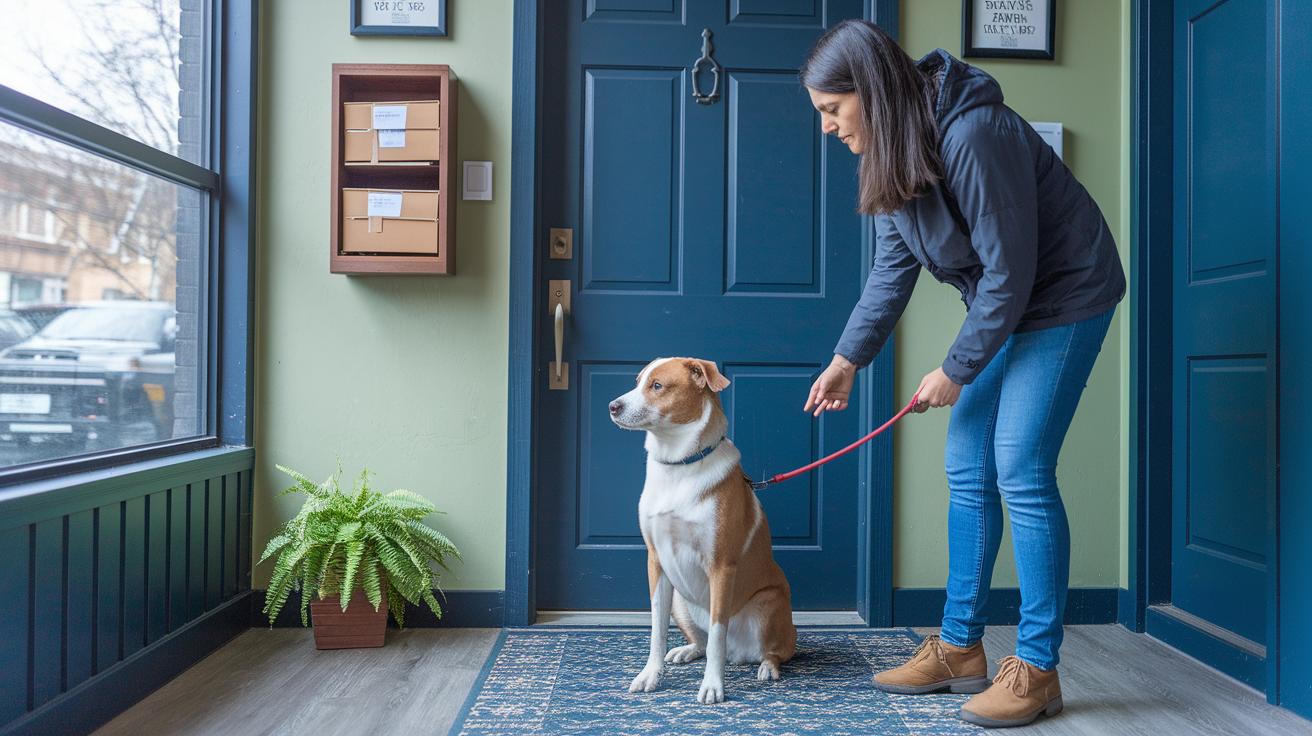
When you work on training your dog, it can help to try triggers beyond just the door or meeting guests. Think about sounds like a doorbell, mail arriving, or any unexpected noise that might get your dog excited. For example, there was a border collie named Bailey who learned to stay calm when the doorbell rang and then began handling other sudden sounds too.
If your dog becomes too excited, try making the situation simpler. When your furry buddy gets over the top, reduce the distractions by practicing in a quiet area first, then slowly add back more activity. I remember hearing about Rex, who used to jump up during training. His owner started in a less busy room until Rex could sit calmly.
Sometimes, if things seem stuck, it might help to change the approach. Make sure the cue or treat you’re using is clear. Every dog is unique, a lively terrier might do better with shorter sessions and frequent breaks, while a relaxed retriever could take to a slower pace.
Here are a few extra ideas:
- Try the new behavior with different triggers like the doorbell, mail delivery sounds, or other neighborhood noises.
- Watch your dog’s progress over time and note any improvements or changes in behavior.
- If challenges continue, gradually add back a few distractions to help your dog adjust while staying calm.
Teaching the “Sit” Command to Prevent Excessive Leaps
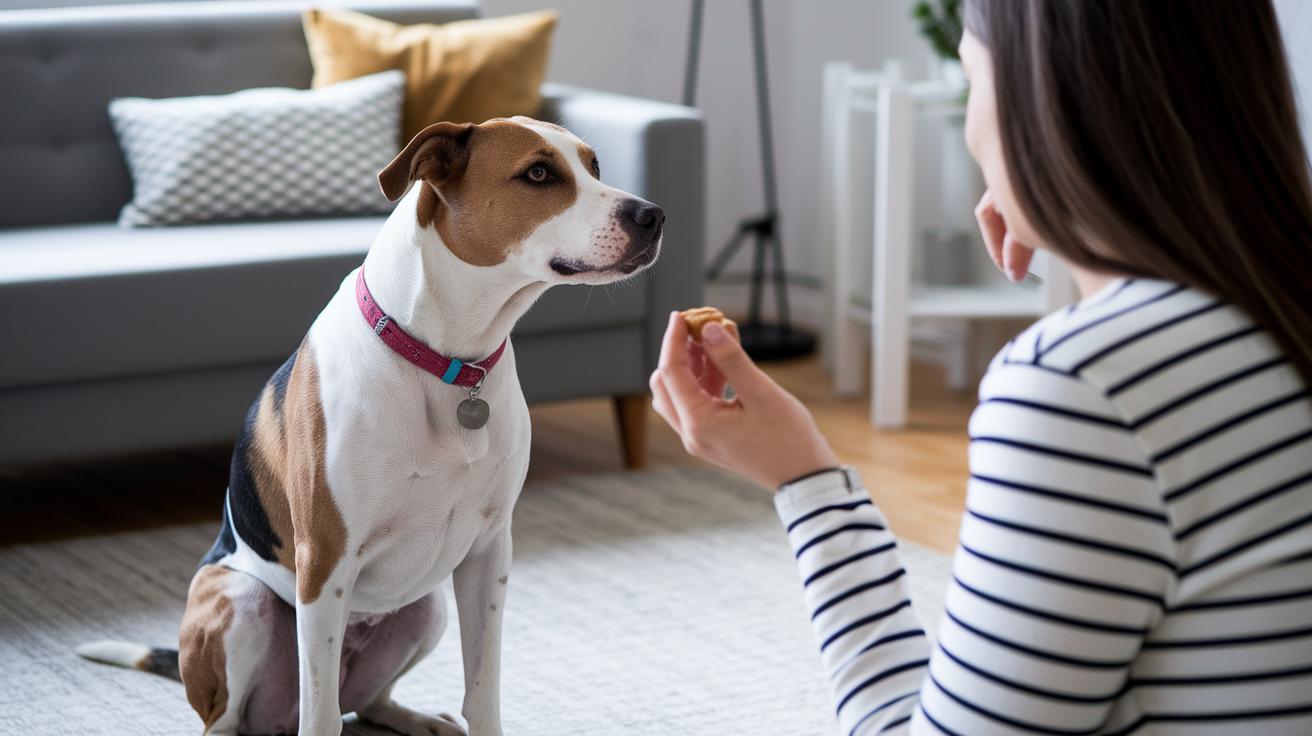
When your dog jumps, quickly mark the moment its bottom hits the floor with a simple word like "Yes!" and a short verbal cue. Right after that, give your pooch a treat. This clear moment of praise helps your dog learn that sitting quietly is what gets rewarded.
If your dog keeps jumping, start with a less distracting setting. Begin training in a quiet room before moving to busy areas like the doorway. For larger dogs, add a hand signal to make things clearer. And for the smaller ones, choose treats that are just the right size for them.
If you notice your dog isn’t sitting right away, try reducing distractions and repeat the exercise a few more times until the right behavior sticks.
Practice in different places so your dog learns to sit no matter where you are:
| What to Do | How It Helps |
|---|---|
| Use the same marker word when they sit | Makes the reward clear |
| Train in various spots like doorways and greeting areas | Helps with adapting to different situations |
| Tailor your method to your dog’s breed and energy | Ensures the commands are understood better |
When things get too lively, step back to a calmer spot and slowly rebuild the excitement. This way, you can keep marking each proper sit without your dog getting overwhelmed.
Managing Over-enthusiastic Greetings and Preventing Gate Leaps
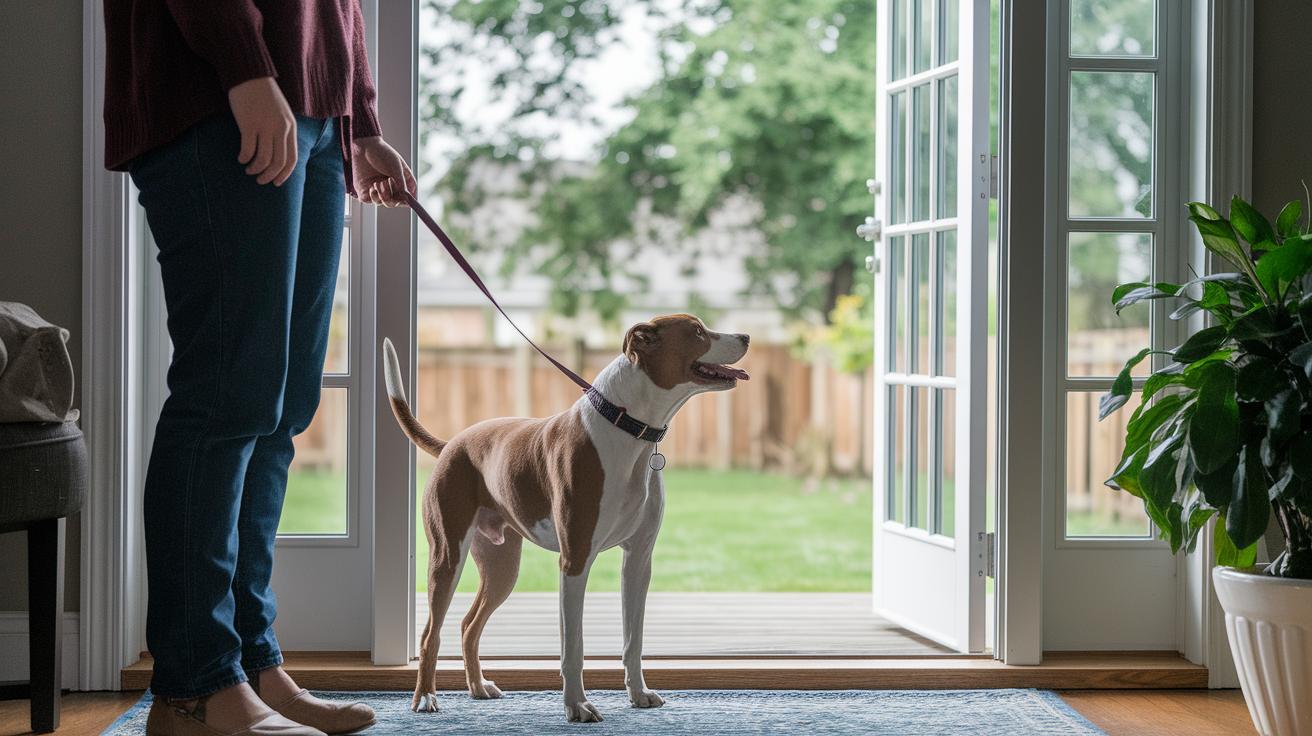
Every dog has its own reaction when it comes to the door. Instead of using the usual sit-and-reward tactic, try a method focused on the door. Research shows dogs pick up on the unique sounds and sights at the entryway, which makes special training important.
When your dog gets all excited at the door, here are some friendly tips:
- First, notice door-specific cues like a knock or a sudden move.
- For dogs that get extra hyper, use a word like "Settle" to ask them to pause before the door opens. For example, say "Settle" and wait a few seconds to let them calm down.
- Adjust when you give rewards too. A little pause before treating them teaches your dog that staying calm matters. If your dog remains composed after the door opens, reward them with kind words and a treat.
- Practice in different settings, from a quiet morning to a busy afternoon, to help your dog learn to stay calm no matter what.
| Tip | Example |
|---|---|
| Alternative Cue | Say “Settle” instead of something like “Yes!” during hyper moments |
| Reward Timing | Wait a few seconds before rewarding calm behavior |
| Environmental Adjustment | Practice in both quiet and busy settings |
By paying attention to these door cues and tweaking your approach based on your dog's energy, you help them understand that calm greetings at the door bring the best rewards.
Energy Regulation Exercises to Reduce Jumping Behavior
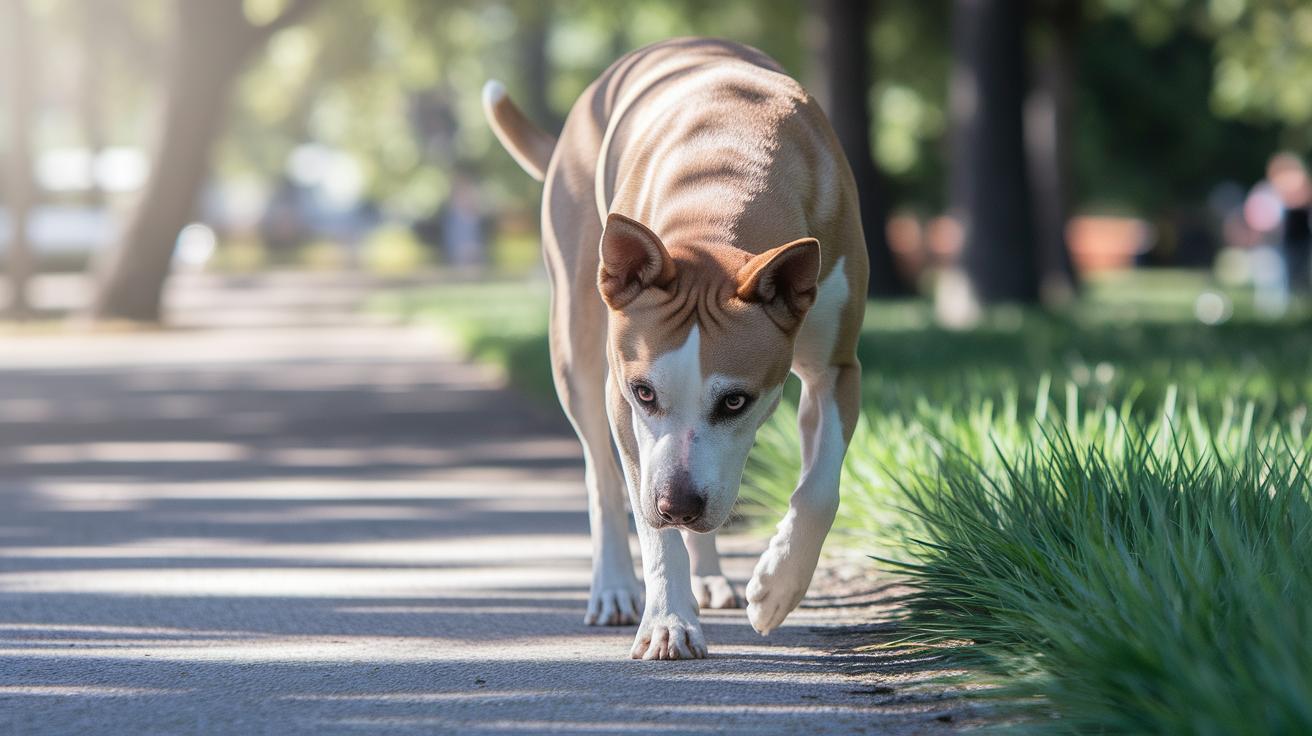
Regular exercise plays a big part in helping your dog stay calm. Daily walks not only let your pet burn off extra energy but also give them a chance to enjoy their surroundings. Think of it like a child running around until they need a break, a tired dog is much less likely to jump. Picture a brisk walk where your dog pauses to sniff every new scent; these little stops help build self-control.
You can also add fun, impulse-control games to your routine. Try a simple game of hide-and-seek with treats or toys to get your dog thinking before they dash off in excitement. Celebrate the moment when your dog sits or waits patiently. It’s amazing how a gentle game can boost focus and calmness.
Mental exercises work just as well. Ask your dog to keep eye contact for a few seconds here and there, which not only helps with managing high energy but also gives them a moment to refocus.
Here are some ideas in a snapshot:
| Activity | Benefit |
|---|---|
| Daily walks with planned stops | Helps burn energy and encourages calmness |
| Impulse-control games | Rewards patience over jumping |
| Focus drills on eye contact | Builds concentration and energy control |
Together, these activities empower your pet to better manage their energy, letting calm behavior replace those enthusiastic jumps. Isn't it wonderful when a quiet moment with your furry friend feels just right?
Advanced Canine Impulse Control Training for Long-Term Success
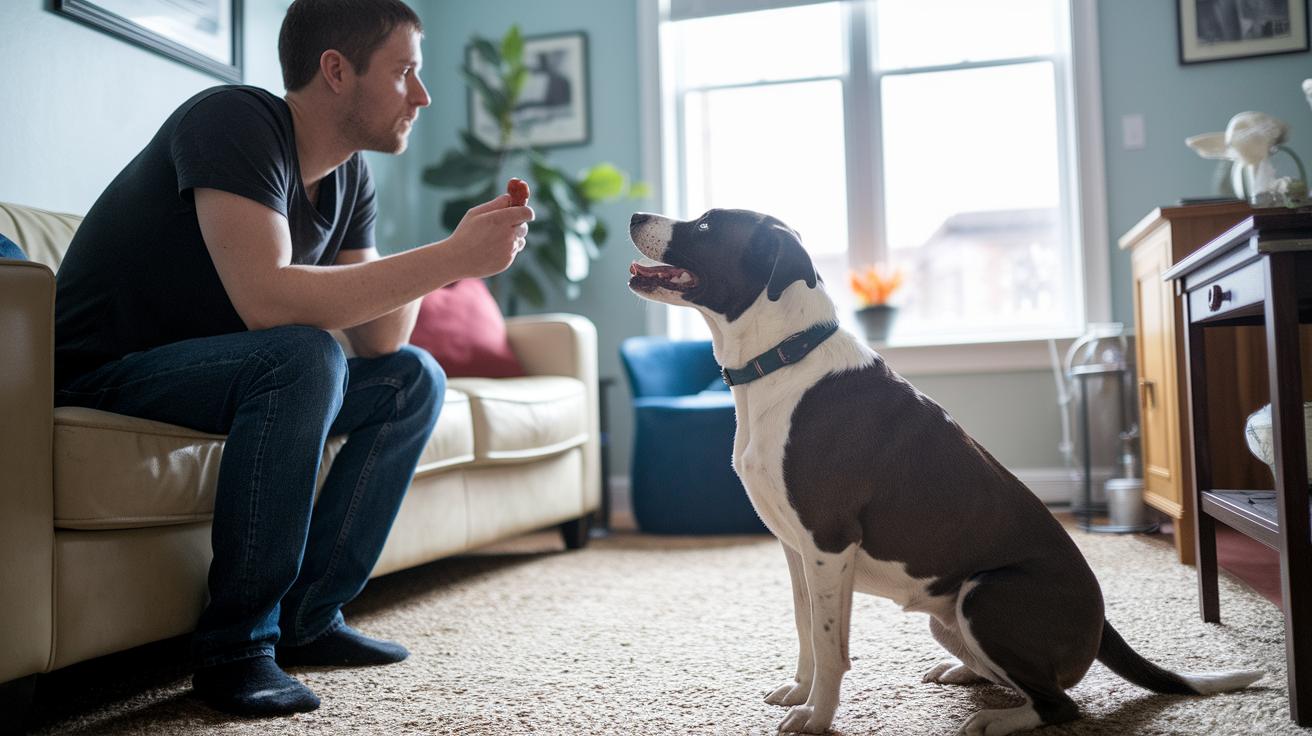
When you work on building your dog's patience, try adding a brief pause before giving praise or rewards. For example, if your dog stays calm as someone enters the room, wait just a second before giving the treat. This small delay helps make calm behavior a normal habit.
Next, move from using a simple word cue to a natural signal that fits into your everyday routine. Slowly lengthen the pause so it feels like a regular part of your interactions.
Begin in a quiet spot with little distraction. Once your dog is comfortable, try the new delay in busier areas like a busy doorway. This gradual change not only challenges your dog but also strengthens long-term impulse control.
A few extra tips:
- Wait a little longer before giving rewards to build self-control.
- Switch from a verbal cue to a natural, everyday signal as the delays get longer.
- Notice and celebrate small improvements throughout the day.
Troubleshooting Jumping Setbacks and Avoiding Common Mistakes
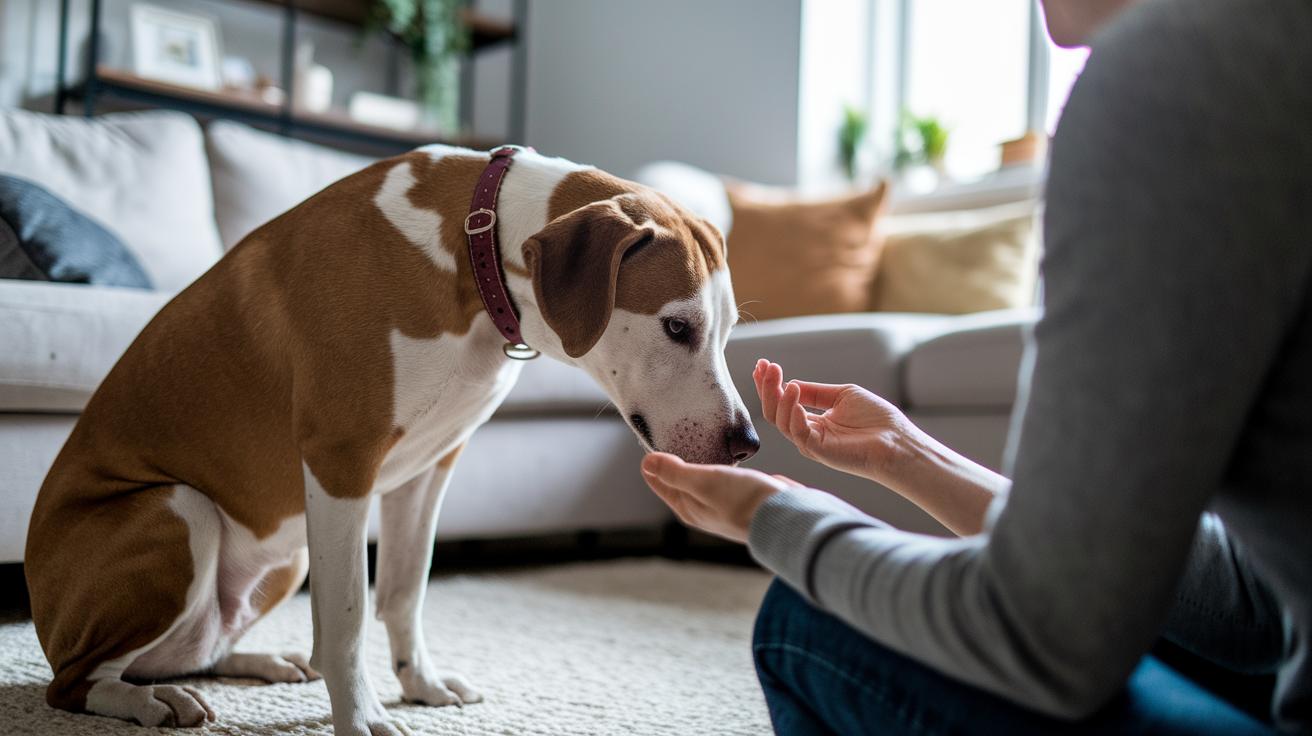
Sometimes you might hit a snag when trying to help your dog stop jumping, even if you're using a kind, friendly approach. Small details like reward timing or missing a tiny win can slow progress. Using tough methods can make your dog feel anxious, which might lead to even more jumping. Punishments like harsh leash corrections or physical reprimands can leave your pet confused and scared.
Instead, try to catch that split-second when your dog shows a better behavior. For example, if your dog lowers its head instead of leaping up, say “Yes!” right away and give a treat. That little reward makes the calm behavior feel rewarding and helps it stick over time.
Next, keep these friendly tips in mind when things get a bit tricky:
| Tip | Why It Helps |
|---|---|
| Be consistent with timing | It helps your dog connect the behavior with the reward. |
| Break behavior into small steps | It makes learning easier for your furry friend. |
| Adjust reward frequency | Matches the reward with your dog’s progress. |
| Stay patient | Every little win adds up to big improvements. |
By celebrating every small win and steering clear of physical punishments, you create a cozy, safe space for your dog to learn and grow, making it easier to manage that bouncy behavior in a positive way.
Final Words
In the action, we've explored why dogs jump and how to guide them toward calm, controlled greetings. The post walked through using positive reinforcement, teaching a solid “sit” command, and managing excitement with energy regulation exercises.
Each section built on practical steps, like distraction and precise timing, to help you understand how to stop a dog from jumping. With consistent practice and a warm approach, you can creatively replace the habit with calm behavior and enjoy peaceful, happy pet moments.
FAQ
Q: How do you stop a dog from jumping on people, including strangers and on walks?
A: The dog jumping on people is often excited behavior. Start by teaching a “sit” command and rewarding calm greetings with treats and praise. This positive reinforcement helps the dog learn to greet politely.
Q: How do you train a dog not to jump, and what is the command to stop jumping?
A: The dog not jumping is achieved by consistent training using commands like “sit.” Mark and reward the moment the dog stays grounded, reinforcing the behavior with treats and kind words.
Q: What techniques or devices help stop a dog from jumping up, including on furniture and counters?
A: The dog jumping on furniture or counters is best managed by redirecting behavior. Instead of relying on devices, use alternative behaviors like sitting coupled with immediate rewards to set clear boundaries.
Q: How do you stop a puppy from jumping up and biting?
A: The puppy jumping and biting signals overexcitement. Redirect the playful impulse by calmly urging a “sit,” then reward the puppy for controlled behavior, replacing biting with gentle, positive interactions.
Q: Do dogs naturally stop jumping as they get older?
A: The dog jumping less as it ages often benefits from ongoing training. While maturity can reduce excitement, consistent positive reinforcement remains essential for maintaining calm behavior over time.
Q: How should you react when a dog jumps on you?
A: The dog jumping on you calls for a calm response. Gently ask for a sit and ignore further excitement, rewarding the calm behavior with praise to encourage a respectful greeting habit.
Q: Where can I find dog training near me for jump control?
A: Local dog training classes often focus on jump control with positive reinforcement. Search for certified trainers or nearby facilities that specialize in gentle, reward-based methods to help achieve lasting behavior change.